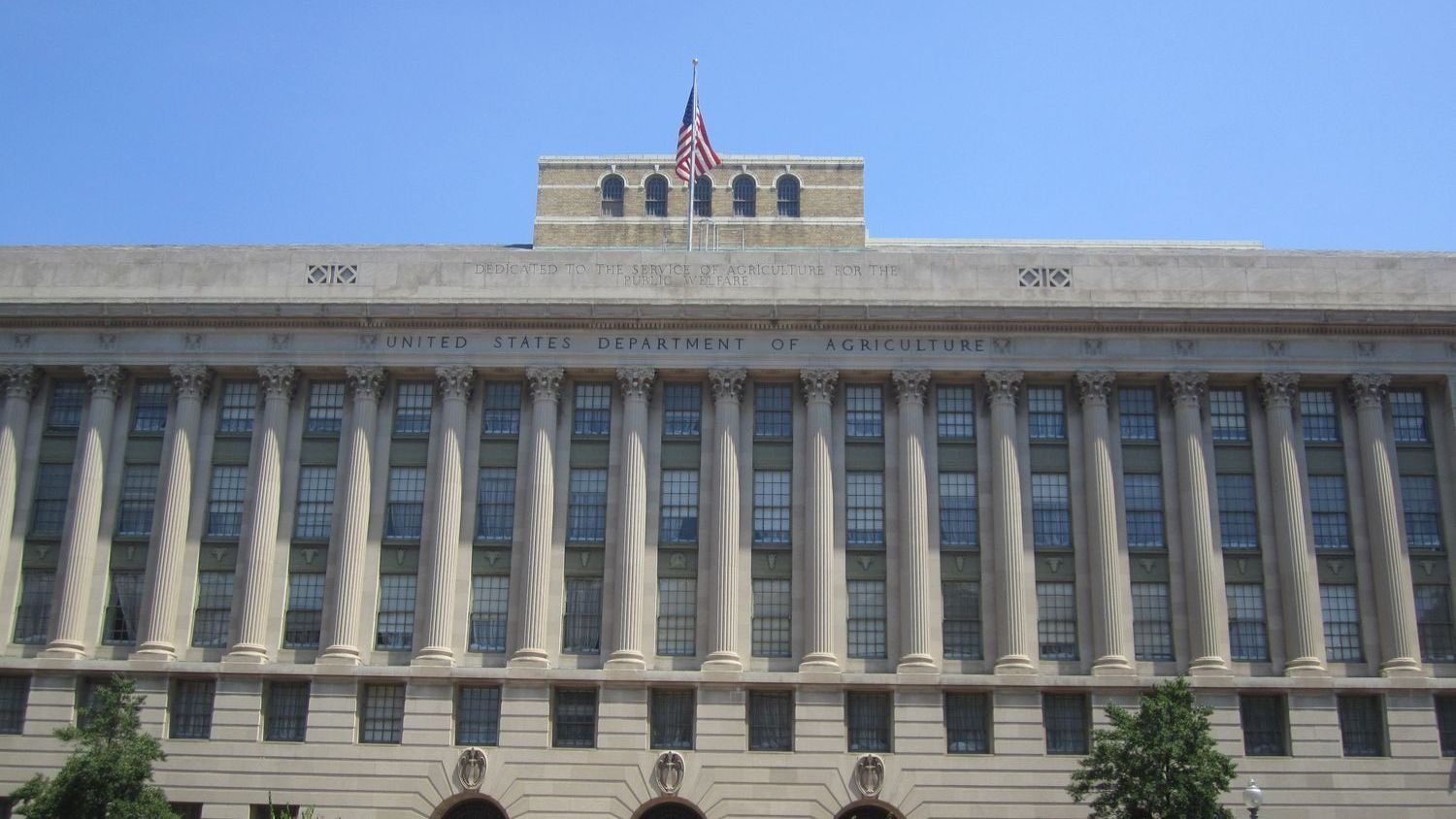
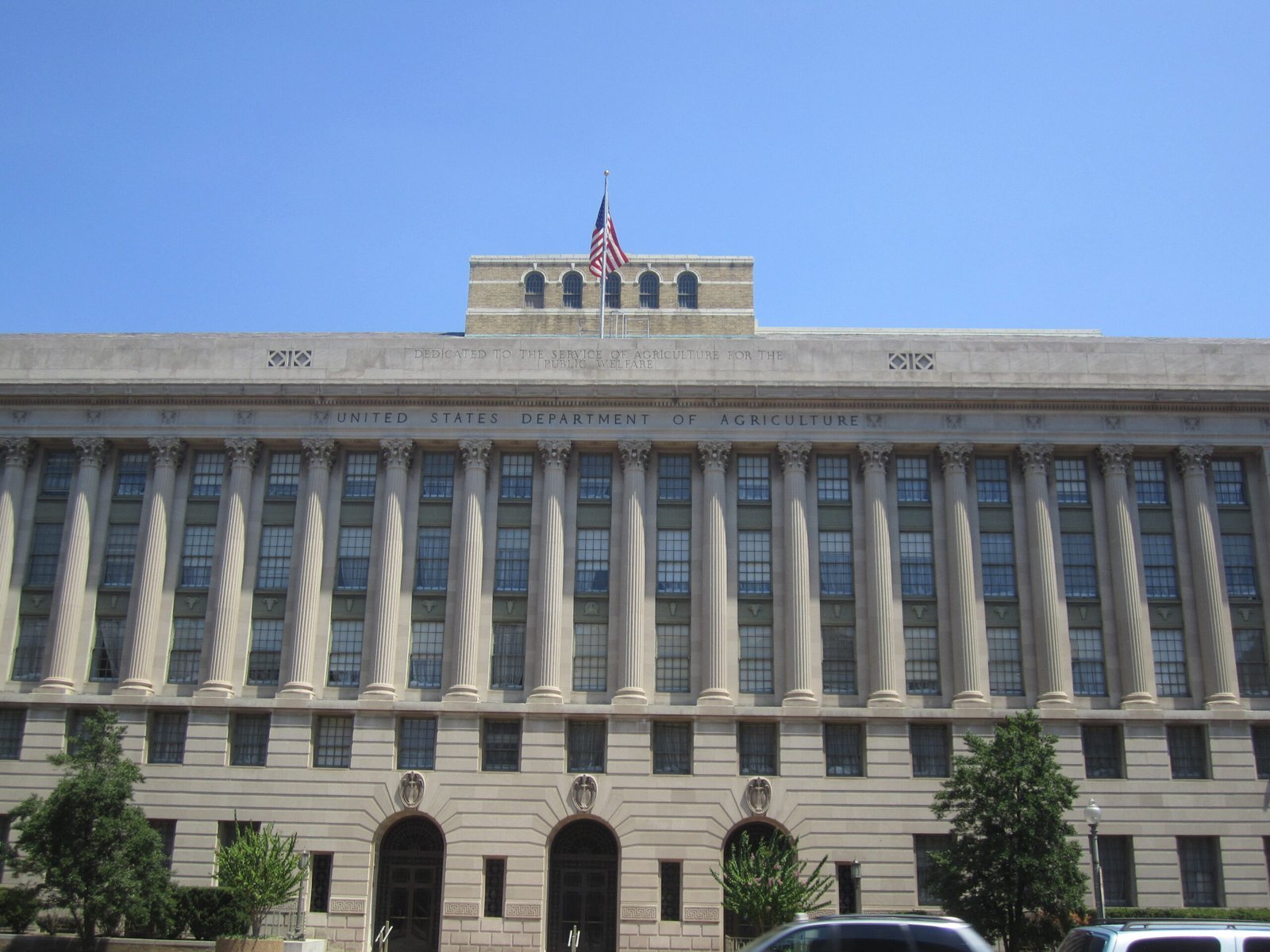
In a tense House Appropriations Committee hearing last week, USDA Inspector General John Walk laid out bold strategies to tackle rampant fraud in the Supplemental Nutrition Assistance Program. Lawmakers from both sides hammered home frustrations over billions lost to traffickers, skimmers, and identity thieves preying on the nation’s largest food aid effort. Walk, who stepped into the role just weeks ago, positioned his office at the forefront of a multi-agency offensive. This comes as audits paint a grim picture of vulnerabilities that have persisted for years.
What stands out is Walk’s insistence that roughly half of his office’s investigations now zero in on SNAP, signaling a real shift in priorities amid taxpayer outrage. Here’s the kicker: with over 40 million Americans relying on these benefits monthly, every dollar stolen hits vulnerable families hardest.
Hearing Spotlights Escalating SNAP Fraud Crisis
During the February 3 subcommittee session, Walk faced pointed questions from figures like Rep. Ashley Hinson, who spotlighted criminal gangs skimming benefits at alarming rates. Estimates peg annual losses from such schemes alone in the billions, fueled by pandemic expansions and lax state oversight. Walk called SNAP fraud particularly egregious, noting sophisticated operations by international cartels and drug rings that exploit electronic benefit transfer cards. Lawmakers demanded concrete metrics on arrests and recoveries, underscoring how improper payments topped $10.5 billion in recent fiscal years according to prior audits. Democrats voiced skepticism about Walk’s independence, tying it to his past roles, yet the bipartisan call for action rang clear. This exchange marked a pivotal moment, with Walk committing to quarterly reports tracking progress.
The Massive Scale of SNAP Exploitation
SNAP’s fraud woes run deep, with OIG devoting 36 percent of its investigative muscle in late 2025 to the program, yielding 51 convictions and $16 million in restitution. Criminals traffic benefits for cash at steep discounts, while ghost recipients and stolen identities siphon funds meant for the needy. Audits reveal glaring gaps, like $322 million in benefits replaced due to skimming and cloning from late 2022 through 2024, plus another $233 million projected for this year and next. Retailers in on the game redeem ineligible items or hand out cash, as seen in massive busts causing losses exceeding $66 million from a single insider scheme. Error rates linger around 11 to 12 percent, blending honest errors with deliberate scams that erode trust. Walk stressed that while most issues stem from mistakes, targeted fraud demands swift prosecution to stem the tide.
Law Enforcement Partnerships Drive Key Wins
Walk’s blueprint hinges on beefed-up collaborations with the FBI, Secret Service, IRS, and local agencies, already delivering results like a New York-area USDA employee sentenced to two years for a bribery-fueled $66 million fraud ring. In Oregon, a transnational crew peddling stolen benefits for black-market baby formula led to 17 charges and hefty sentences. Recent Secret Service-led operations in cities like Cincinnati educated merchants on skimmers, preventing hundreds of millions in losses last year. State task forces target complicit stores, with Walk forecasting more indictments as data-sharing ramps up for real-time EBT tracking. These joint efforts dismantled an Illinois grocer’s $8.9 million scheme, proving coordinated strikes work. Expect dozens more referrals this year, Walk assured, shifting from isolated probes to network takedowns.
Tech Upgrades and Systemic Fixes on Deck
Outdated EBT hardware leaves SNAP wide open to cloning and theft, prompting OIG audits urging chip tech like credit cards and biometric pilots. FNS lacks a full fraud risk profile or dedicated antifraud unit, per GAO standards, so Walk pushes for integrated checks with IRS and Social Security data. AI analytics could flag odd patterns like bulk buys or cross-state swipes, potentially saving hundreds of millions with even modest gains. Lawmakers greenlit extra funding for these tools, demanding quick rollout amid staffing dips at OIG. Rural enforcement lags add hurdles, but hotlines amplify whistleblowers fueling busts. This tech pivot promises efficiency, possibly slashing admin costs while bolstering security.
Challenges Persist Amid Bipartisan Pressure
Despite momentum, staffing shortfalls – down 15 percent – hamstring OIG, especially in sparse areas where probes drag. Online EBT black markets evade easy detection, and state recoupment failures compound woes. Democrats grilled Walk on timelines, with some like Rep. Chellie Pingree questioning his SNAP fixation over broader USDA duties. He countered by touting operations like Frostbite for merchant training and vowed steeper retailer penalties, including permanent bans. Bipartisan riders loom for stricter compliance in appropriations. Scaling wins nationally hinges on bridging these gaps before enrollment surges.
Final Thought
Walk’s promises signal real intent to shield SNAP from fraudsters, but delivery on metrics will make or break it. Picture reclaiming billions for actual food security – that’s the prize. What hurdles do you see in cracking these rings? Share below.
Source: Original YouTube Video