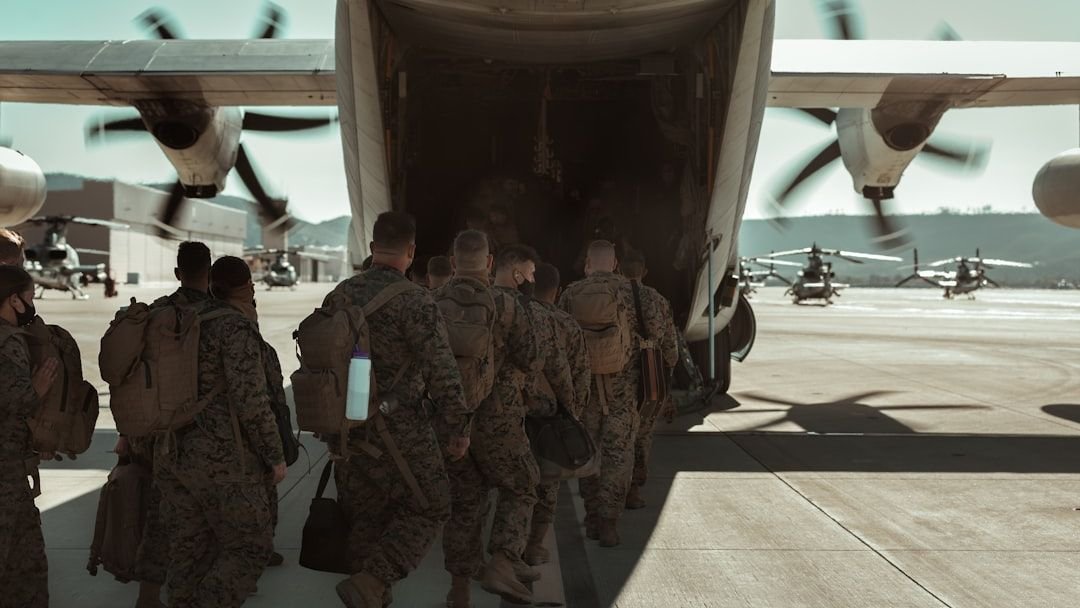
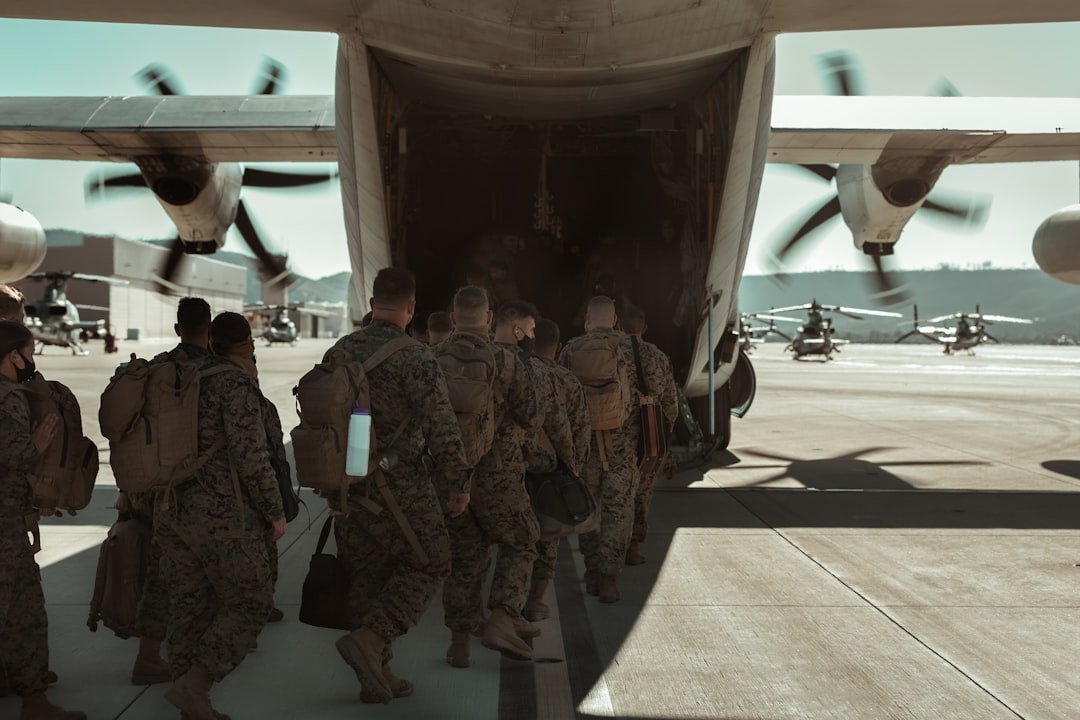
Geopolitical tensions in the Middle East reached a fever pitch today as the United States issued fresh threats of military action against Iran, just days after stalled nuclear negotiations in Geneva. Washington officials made it clear that patience is wearing thin with Tehran’s uranium enrichment program, which has reportedly exceeded agreed limits. This escalation coincides perfectly with Tehran and Moscow’s surprise reveal of joint naval exercises in the Gulf of Oman.
Here’s the thing: these developments aren’t happening in a vacuum. Regional allies are on high alert, oil markets are twitching, and the specter of broader conflict looms larger than it has in years. What follows could redefine power dynamics in one of the world’s most volatile hotspots.
Stalled Nuclear Talks Fuel US Impatience
The second round of US-Iran nuclear discussions ended in deadlock, prompting sharp rhetoric from Pentagon briefings. Senior US spokespeople emphasized that Iran’s provocations demand a response, linking recent intelligence on nuclear sites directly to potential strikes. Diplomats in Vienna had already signaled little progress, with Tehran refusing to curb enrichment without immediate sanctions relief.
Washington insists on verifiable compliance first, a stance that has frustrated European mediators still hopeful for revival. This marks the second explicit warning in under a month, underscoring a shift from diplomacy to deterrence. Allies like Israel and Gulf states have been looped into contingency planning, repositioning assets closer to Iranian waters.
Iran and Russia Deepen Naval Ties
In a clear show of defiance, Iran and Russia unveiled plans for comprehensive naval drills set to kick off imminently in the Sea of Oman and northern Indian Ocean. The exercises will feature warships, submarines, missile systems, and even Su-35 air support alongside drone operations. Moscow frames this as strategic cooperation against shared threats, while Tehran calls it a bulwark for stability.
Timing couldn’t be more provocative, overlapping with US carrier strike groups in the region. Intelligence points to testing of anti-access tactics, raising eyebrows about interoperability between the two fleets. Notably, China sits this one out, unlike past trilateral efforts, highlighting a focused Russo-Iranian axis.
Pentagon’s Explicit Threats Take Center Stage
Defense officials didn’t mince words during today’s briefing: “Iran’s actions cannot go unanswered.” This renewal of military intervention threats ties straight to failed talks and enrichment breaches. The Biden administration has coordinated with partners, moving naval forces into position amid reports of Iranian concrete fortifications at key sites.
All options remain on the table, from targeted facility hits to broader operations. Regional volatility has allies bracing, with Gulf states fearing oil lane disruptions. Let’s be real – this calibrated posturing aims to extract concessions, but missteps could ignite flashpoints.
Exercise Details Signal Advanced Capabilities
The two-week drills span live-fire maneuvers, electronic warfare sims, and special forces ops like hijacked ship liberations. Russia’s Pacific Fleet destroyers pair with Iran’s Kilo-class subs, prioritizing seamless coordination. Air integration via fighters and drones adds a modern edge to the showcase.
Excluding China this round emphasizes bilateral strengthening, challenging Western naval dominance. Sources note the proximity to US deployments heightens risks in crowded straits. These aren’t routine; they’re a message of growing military synergy.
Historical Echoes and Regional Ripples
Tensions trace back to the 2018 JCPOA exit, sanctions squeeze, and proxy wars in Syria and Yemen. Russia’s UN vetoes and S-400 sales have long irritated Washington, evoking 1980s Tanker War memories. Gulf monarchies like Saudi Arabia and UAE voice alarm over shipping threats, while Israel pledges unilateral action if needed.
China cheers multipolarity; US lawmakers push for strike authorizations. Oil futures ticked up on the news, reflecting market jitters. European optimism clashes with NATO’s Black Sea boosts, painting a fractured landscape.
Final Thought
With diplomacy dimming and drills underway, the Gulf teeters on a knife’s edge – rhetoric versus restraint will decide the next move. Economic pressures might nudge Iran toward flexibility, or entrench its Moscow-backed stance. What do you see unfolding in the weeks ahead? Share your take in the comments.
Source: Original YouTube Video