
The Breakthrough First Shipment
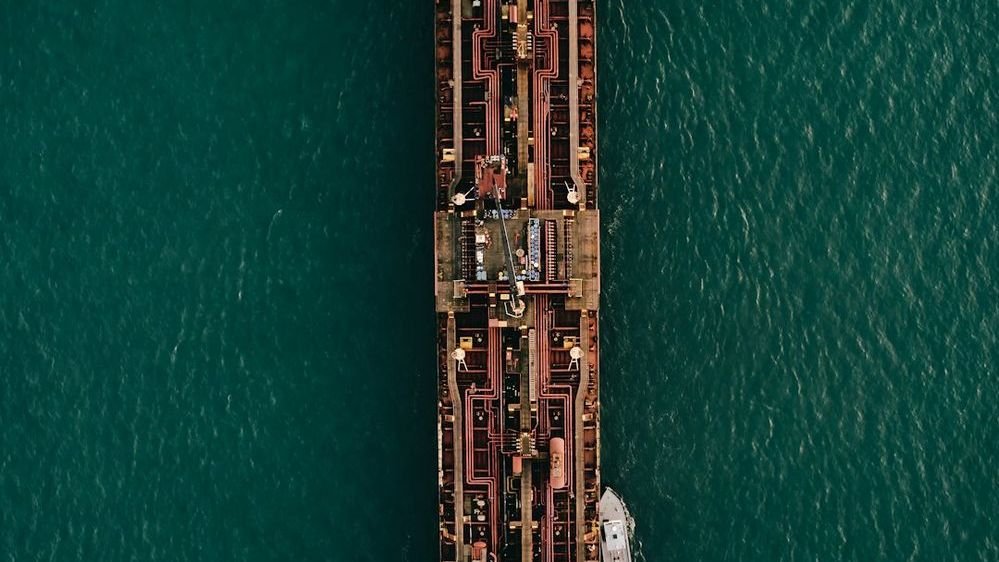
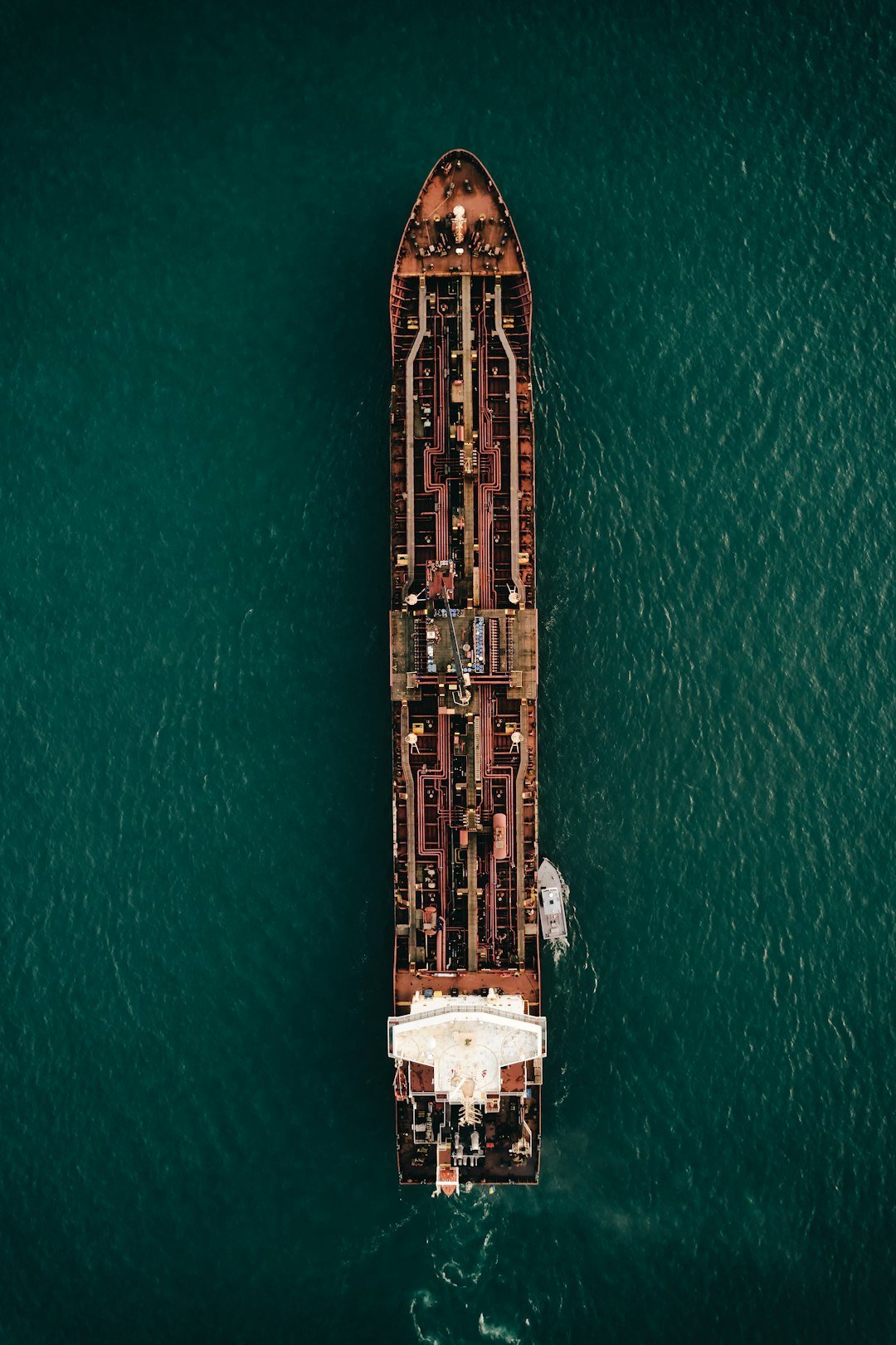
Washington confirmed the $500 million transaction Wednesday, marking the kickoff of sales from seized Venezuelan cargoes. This initial haul, part of broader assets under US custody post-Maduro, headed straight to international buyers eager for cheap heavy crude. Refiners positioned early, thanks to Treasury licenses smoothing the handover. Energy desks lit up as the shipment cleared storage, dodging months of sanctions limbo. Analysts peg this as a test run for bigger volumes, potentially flooding markets with Venezuelan grades long sidelined. What stands out is the speed – barely days after Maduro’s removal, cash started flowing.Seizure Roots in Years of Sanctions Pressure
US authorities grabbed hold of Venezuelan oil tankers and cargoes earlier amid crackdowns on Maduro’s regime for rights abuses and graft. Moves echoed past freezes, like Iran’s in 1979, with OFAC greenlighting transfers to US firms. Chevron and others eyed the discounted barrels, stuck off Gulf Coast ports racking up costs. The haul included millions of barrels from vessels like those in prior disputes, now auctioned transparently. This built on 2023 executive actions, ramping up after Maduro’s fall. Courts backed warrants for dozens more tankers, cementing Washington’s grip.Hitting Venezuela’s Oil-Choked Economy Hard
Losing this shipment stings for Caracas, where oil funds over 90 percent of hard currency despite vast reserves. Hyperinflation and shortages worsen as GDP has shrunk massively since 2013. US refiners score big, with forecasts of nickel-per-gallon gas drops short-term. Proceeds target humanitarian aid and opposition backing, per officials. Global traders in Asia grabbed bargains at 20 percent off, competing with Canadian heavies. Maduro loyalists cry foul, but markets shrug with Brent dipping on supply news.Geopolitical Ripples and Ally Backlash
Renewed sanctions tighten post-2022 easings, zeroing in on kleptocrats as Blinken puts it. Russia and China blast the sales, hinting at supply chain hits. Europe treads lightly, backing US while pushing talks. Iran watches warily, seeing precedent for its own oil woes. Brazil’s mediation dangles, but Florida politics amps the stakes. Tanker grabs and cyber risks loom larger now.Stakeholder Fireworks and Market Jitters
Maduro slammed it as sovereignty theft before his exit; Rubio hailed accountability. Chevron stays clear but eyes steadier flows. Human Rights Watch cheers aid potential, like millions of meals. Futures spiked on speculation, with more warrants filed for tankers. Traders bet on $2 billion total soon. Exiles in Spain and Italy nod approval cautiously.Legal Hurdles and What’s Next
Venezuela lodged ICJ gripes, but US jurisdiction on bonds and fraud claims holds firm. Post-Ukraine Russian precedents bolster the playbook. Three more shipments loom, pushing Maduro holdouts to barter pacts. Negotiations teeter, refugee flows a border worry. Midterms loom with Venezuelan policy hot in swing states. Escalation feels real, yet revenue could pivot the mess.Final Thought
This $500 million start flips US-Venezuela ties from foe to forced partner, for better or worse. Proceeds might feed the needy while squeezing holdouts – smart leverage or risky gamble? What’s your take on where the oil money really lands? Drop it in the comments.Source: Original YouTube Video