

History loves a good story. It loves names that are easy to pronounce, faces that look good on currency, and victories that fit neatly on plaques. So it tends to repeat the same handful of names over and over, century after century, while the people who actually changed the daily fabric of human life slip quietly into the margins.
Honestly, that’s one of the more frustrating things about how we teach and talk about history. Because for every Einstein, there are dozens of thinkers, inventors, and scientists who moved the needle just as dramatically, if not more so. They just didn’t have the right marketing. Let’s fix that, at least a little. Be surprised by who made this list.
Hypatia of Alexandria: The First Woman to Advance Mathematics
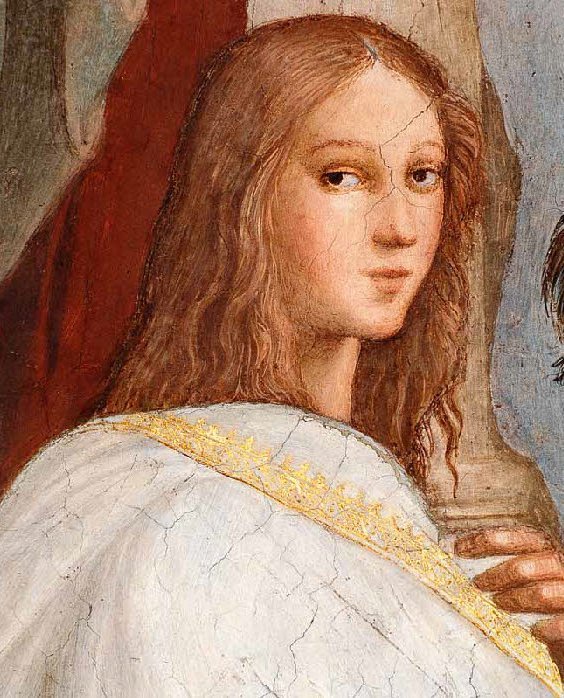
In a time when female scholars were rare, Hypatia of Alexandria stood out as a remarkable figure, widely recognized as the first woman in history to present consequential advances in mathematics, astronomy, and philosophy. As a pioneering intellectual in late antiquity, she served as the head of the Neoplatonist school in Alexandria, teaching and influencing many students. She is particularly known for her contributions to algebra and geometry, and she made efforts to preserve and comment on the works of earlier philosophers and scientists. Her life came to a tragic end due to political and religious turmoil in Alexandria, but her legacy as a symbol of intellectual courage endures across more than sixteen centuries.
Brahmagupta: The Man Who Gave Us Zero
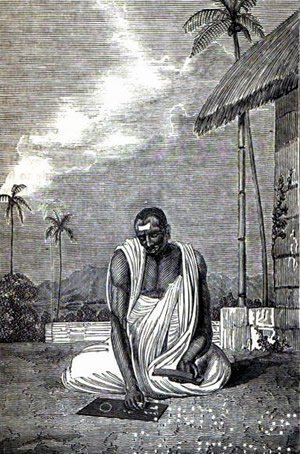
A prominent astronomer of his era, Brahmagupta wrote an extensive treatise covering topics such as the motions of the planets, eclipses, and the phases of the moon, but his genius emerged most prominently in mathematics, where he introduced the idea of zero as a number like any other and explained how to calculate with it. He was also the first to explain negative numbers, a concept thought by the Greeks to be “absurd,” pointing out that multiplying two negative numbers produced a positive one. Think about that for a moment. Nearly every calculation you have ever made, every bank balance, every temperature reading, every GPS coordinate, rests on a foundation this 7th-century Indian mathematician built. Per academic historical records, his work from the Brahmagupta-Brahmasphutasiddhanta, written around 628 CE, was foundational to the development of algebra across the Islamic world and later into Europe.
Ignaz Semmelweis: The Doctor Who Saved Mothers with Soap
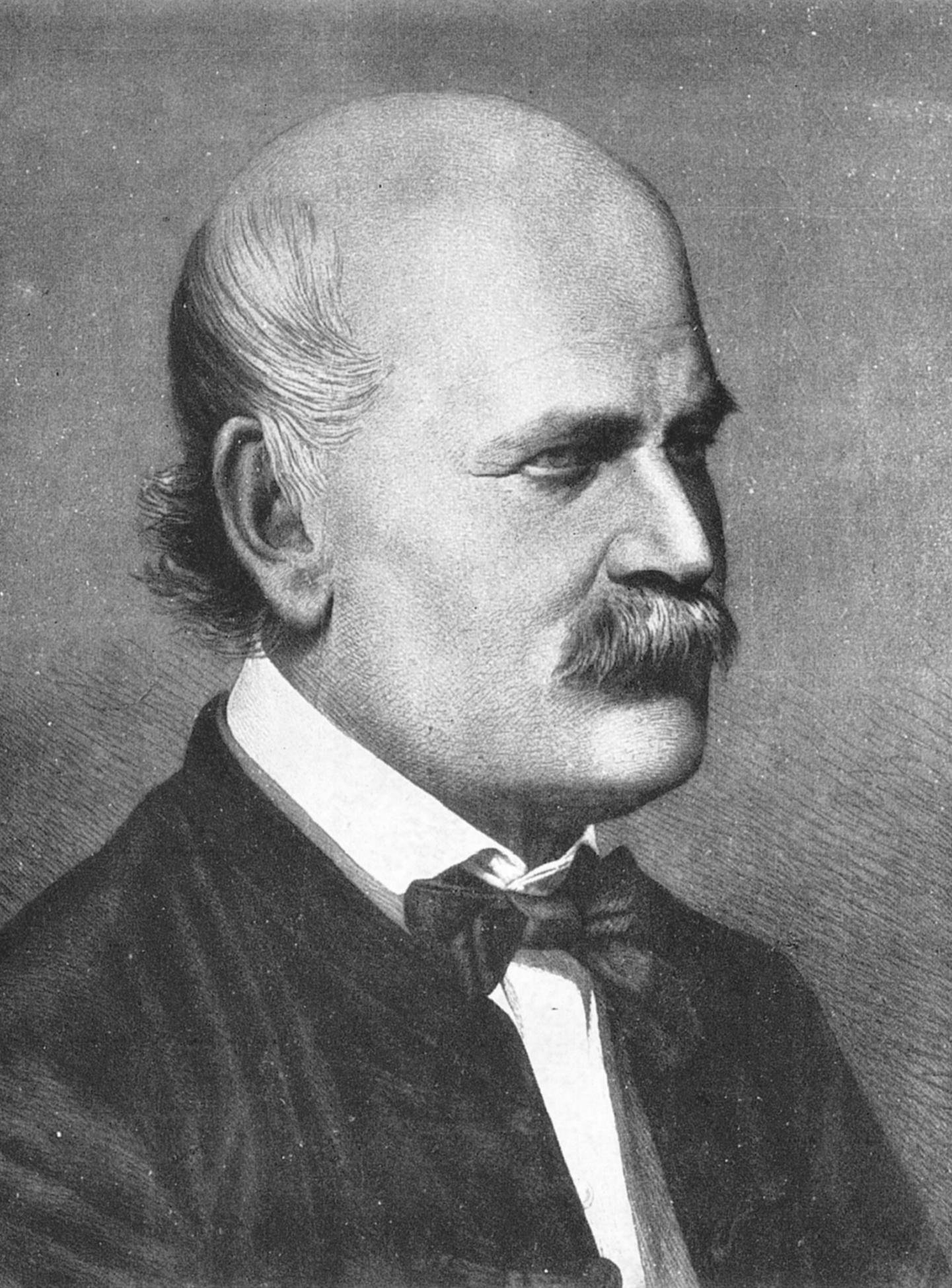
Ignaz Philipp Semmelweis was a Hungarian physician and scientist who was an early pioneer of antiseptic procedures and was described as the “saviour of mothers.” He demonstrated that the incidence of infection could be drastically reduced by requiring healthcare workers to disinfect their hands, and in 1847 he proposed hand washing with chlorinated lime solutions at Vienna General Hospital’s First Obstetrical Clinic, where doctors’ wards had three times the mortality of midwives’ wards. The results were dramatic, with maternal mortality dropping from approximately 16% to below 2% within months, yet despite this, Semmelweis’s findings were met with skepticism and even hostility, as his colleagues found it hard to accept that their own hands could be instruments of death. He found himself being ignored, sidelined, and then forced to live in an asylum, where he died ignominiously, a fate almost incomprehensible given what we know today about basic hygiene.
Mary Anning: The Fossil Hunter Who Rewrote Prehistoric Life
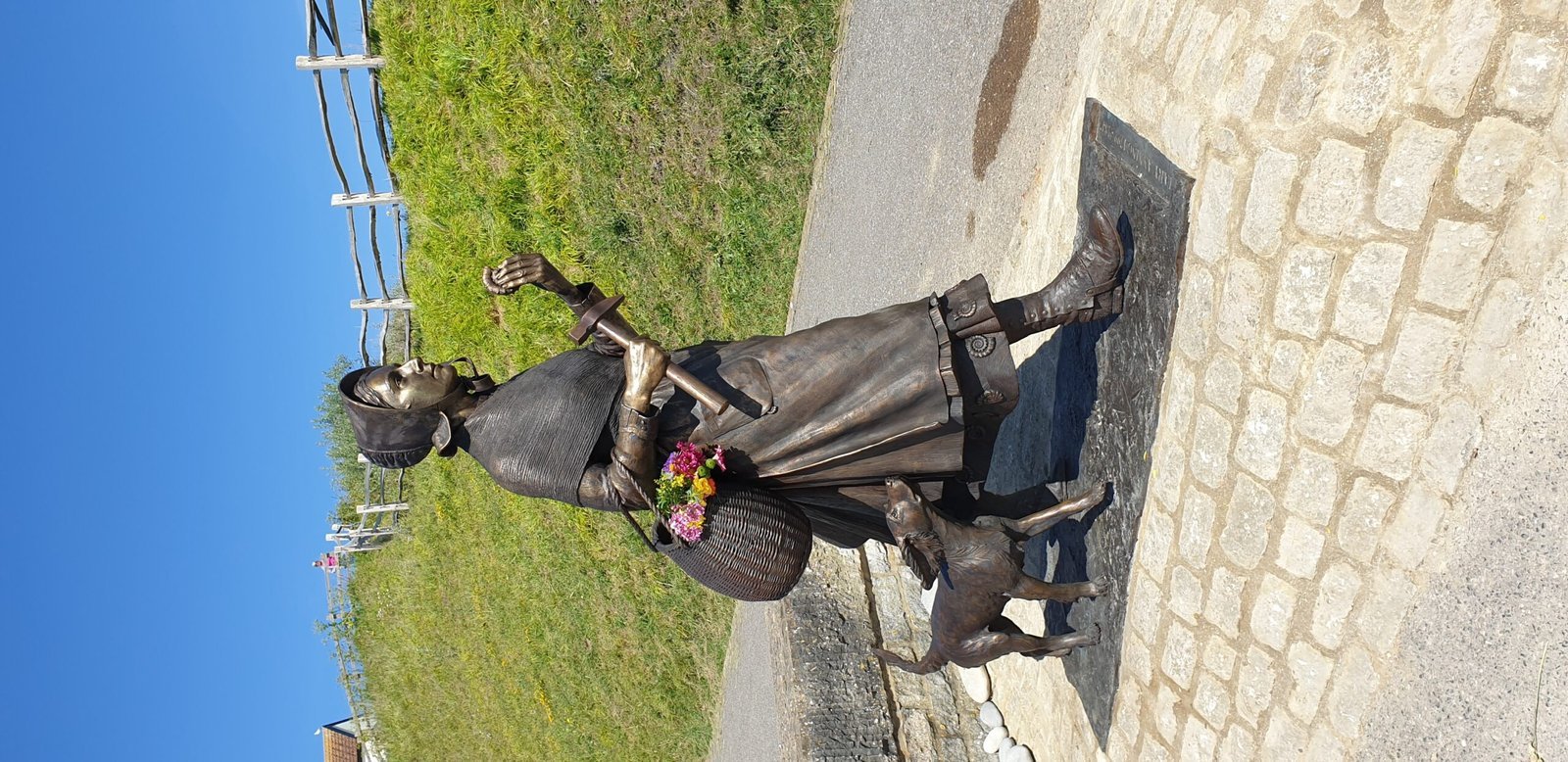
Mary Anning scoured the cliffs of England’s Jurassic Coast, unearthing fossils that would revolutionize paleontology, with her discoveries including the first complete Ichthyosaurus and Plesiosaurus skeletons, which offered unprecedented glimpses into prehistoric life and helped shape scientific theories about extinction and evolution. Though her gender and social class made it difficult for her to fully participate in the scientific community of 19th-century Britain, she read as much scientific literature as she could get her hands on and went on to become a renowned fossil hunter and dealer, often risking her life in the face of landslides and daunting cliffs. Despite her extraordinary contributions, Anning received scant recognition during her lifetime, overshadowed by her male contemporaries, though today her legacy is celebrated as foundational to our understanding of Earth’s ancient history. The Smithsonian and the Natural History Museum in London have both worked in recent years to reframe her contributions as central, not peripheral, to the birth of modern paleontology.
Ada Lovelace and Charles Babbage: Visionaries of the Computing Age
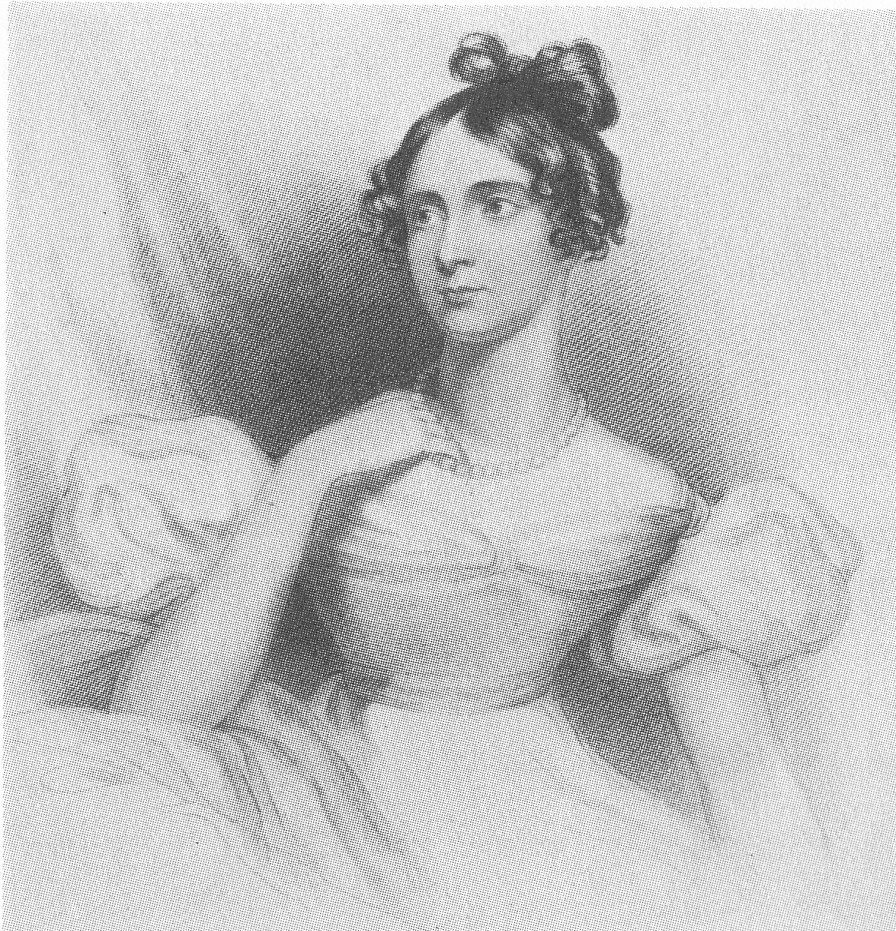
Ada Lovelace stands as a visionary far ahead of her era, working alongside Charles Babbage on his Analytical Engine and not just translating mathematical notes but devising the first algorithm intended for a machine, with her insight glimpsing a future where computers could do more than crunch numbers and foreshadowing the software-driven world we inhabit today. Lovelace had a visionary understanding of computers, imagining they could process not just numbers, but also music and text, ideas that wouldn’t be realized until a century later, though her work was dismissed during her lifetime both because she was a woman and because the field of computing barely existed. Babbage, for his part, conceived of a mechanical general-purpose computer decades before anyone thought it was possible. For years, her achievements were credited to Babbage or ignored altogether, yet today Ada Lovelace is celebrated as a trailblazer for women in technology, gaining real recognition long after her death.
Granville T. Woods: The Electrical Inventor Who Made Trains Safer
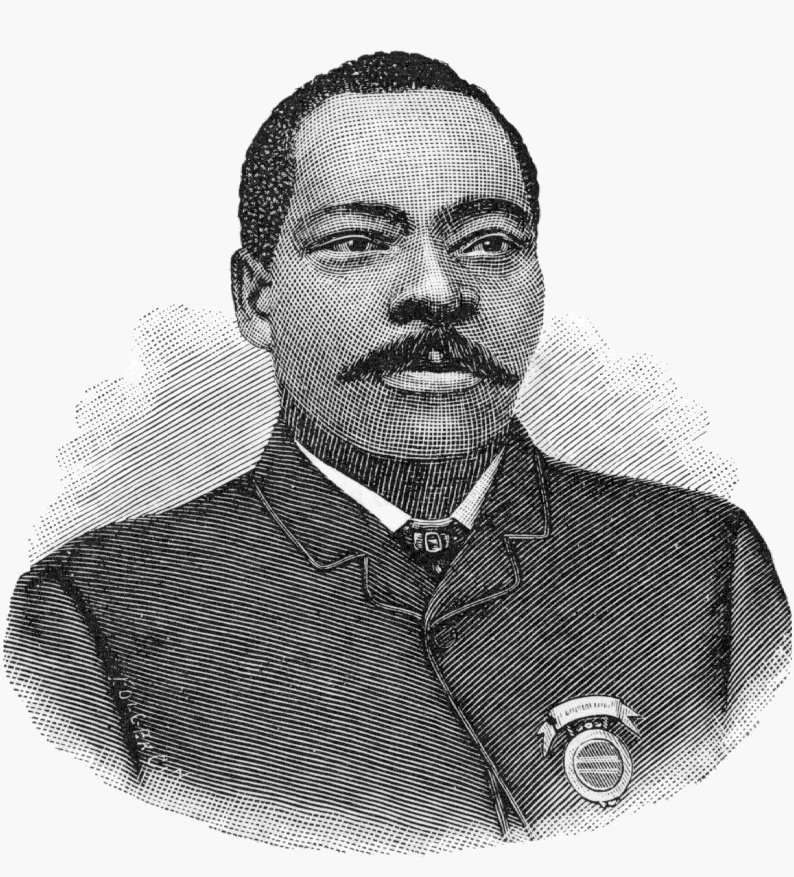
(Original text : * Originally published: Men of Mark: Eminent, Progressive and Rising By William J. Simmons, Henry McNeal Turner, 1887, p. 106Source site: http://dbs.ohiohistory.org/africanam/det.cfm?ID=5561
Source URL: http://dbs.ohiohistory.org/africanam/page.cfm?ID=5561), Public domain)
Granville T. Woods was an African-American inventor whose groundbreaking work transformed the railway and telecommunication industries, and despite facing racial barriers, he earned over 50 patents, pioneering advancements that significantly improved the safety and efficiency of trains. One of his most notable inventions, the Synchronous Multiplex Railway Telegraph, allowed moving trains to communicate with each other, thus preventing accidents and saving countless lives. His genius and innovations profoundly influenced the development of electrical engineering, yet his remarkable contributions have not received the widespread acknowledgment they merit, even though his resilience and ingenuity helped shape our modern world. Here’s the thing: every time a train avoids a collision using real-time communication technology, there’s a direct line of legacy running back to Granville T. Woods, a man most people have never heard of.
Rosalind Franklin: The Scientist Behind the Double Helix
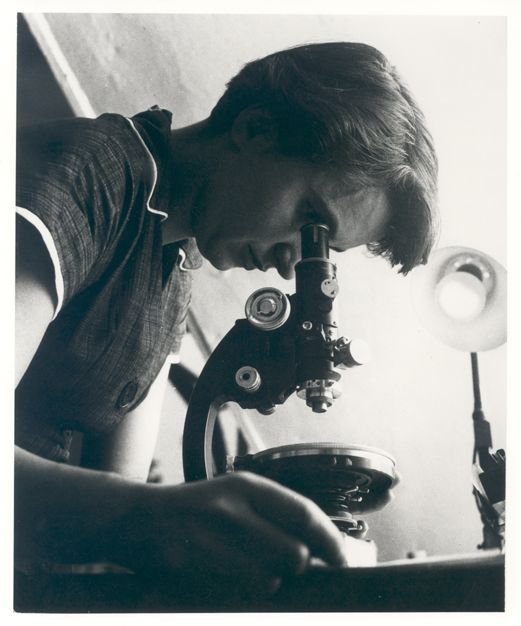
Best known for providing key X-ray diffraction evidence, along with her student Raymond Gosling, Rosalind Franklin’s work was crucial for proposing and supporting the double helix model of DNA. In 1962, several years after Franklin’s death, Francis Crick, James Watson, and Maurice Wilkins were awarded the Nobel Prize for their work on DNA, and no reference was made to Franklin’s significant contribution to this discovery. An overlooked letter and an unpublished news article, both written in 1953, reveal that she was an equal player, according to research published in Nature in 2023. In 2026, Franklin was announced as one of 72 historical women in STEM whose names have been proposed to be added to the 72 men already celebrated on the Eiffel Tower, a recognition that feels both meaningful and overdue.
Emmy Noether: The Mathematician Einstein Called a Genius
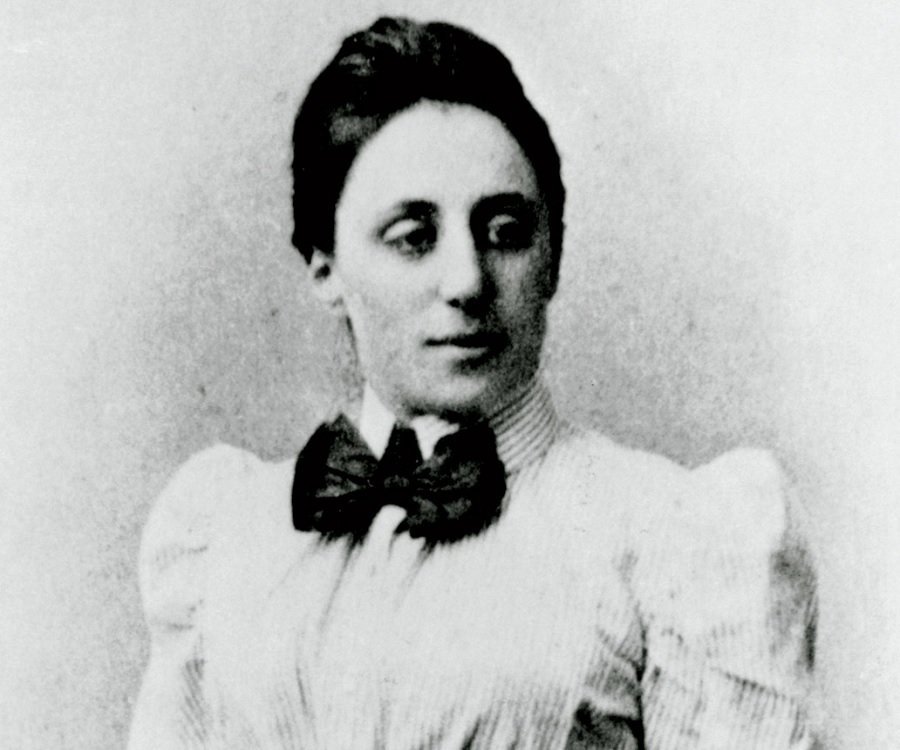
Noether’s Theorem states that any symmetrical system in nature has conservation laws that work to preserve its symmetry, and while it may not mean anything to most of us, the theorem, proven in 1915, the same year Einstein first introduced his general theory of relativity, is now a key concept in theoretical physics. Her work was so important that Einstein once called her the “most significant creative mathematical genius thus far produced.” Emmy Noether was one of the greatest mathematicians in history, making groundbreaking contributions to abstract algebra and theoretical physics, yet she was largely unrecognized due to gender biases. I think it is genuinely staggering that a person Einstein specifically singled out for praise remains relatively unknown outside of academic circles in 2026.
Percy Julian: The Chemist Who Made Medicine Affordable
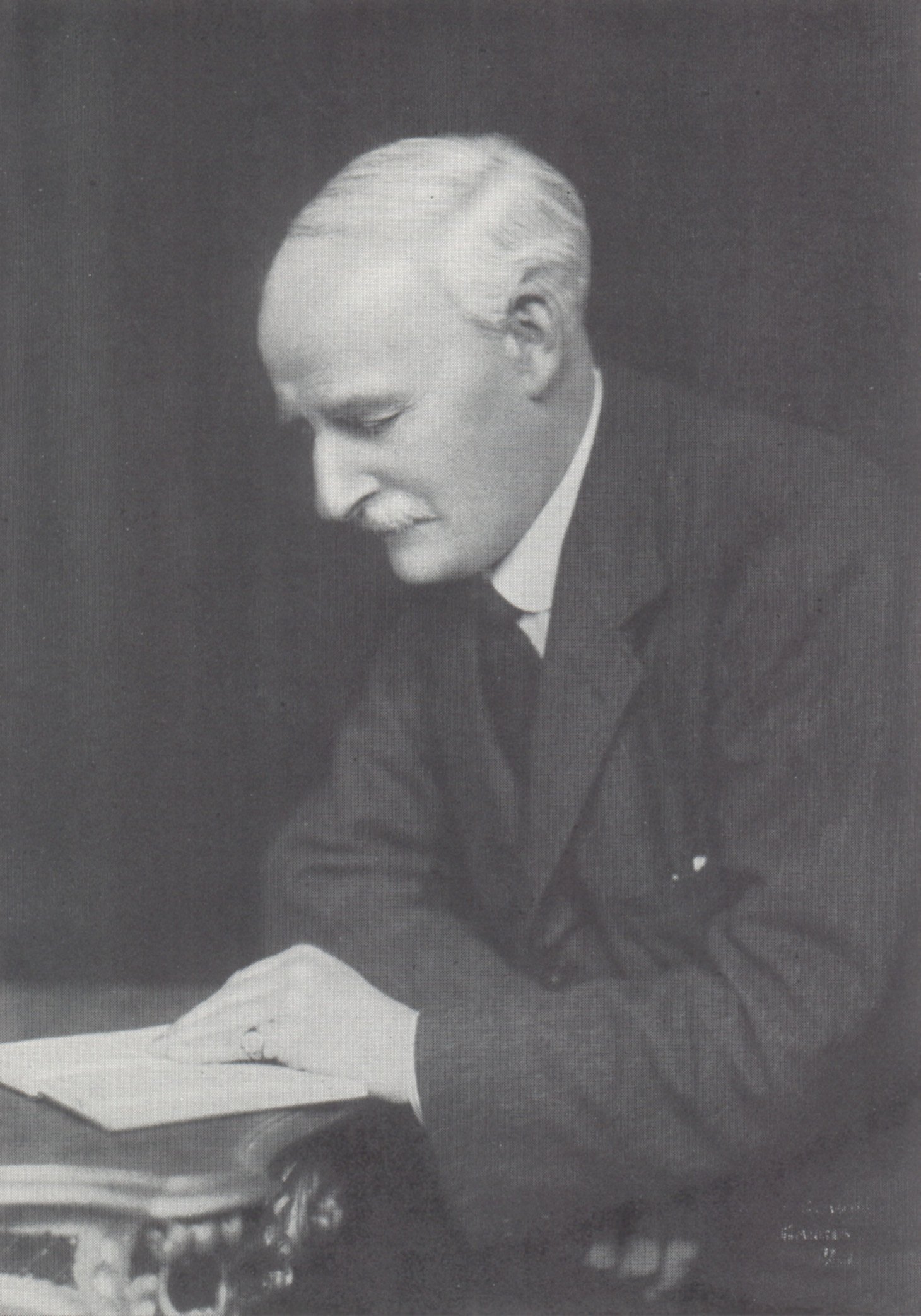
Percy Julian transformed medicine by pioneering the synthesis of vital steroids, such as cortisone, from plant sources, with his breakthroughs making these life-changing drugs affordable and accessible and profoundly impacting treatments for conditions like arthritis, all while facing intense racial discrimination and professional obstacles that his determination helped him overcome. Julian was a groundbreaking African American chemist who made enormous advances in synthesizing medicinal compounds from plants. Before his work, treatments for conditions like rheumatoid arthritis were so expensive that only the wealthy could access them. His method of deriving cortisone from soybeans essentially democratized medicine for millions of people, a contribution that academic historians of science have increasingly emphasized in recent years as one of the most practically impactful of the 20th century.
Grace Hopper: The Admiral Who Programmed the Modern World
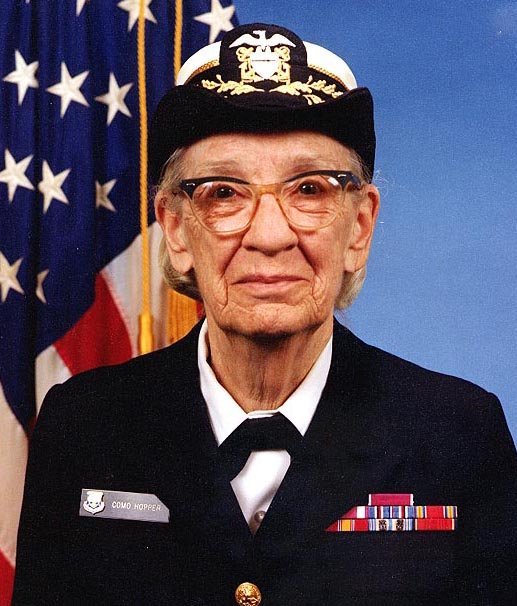
Grace Hopper was a trailblazer in computer science whose work helped shape the digital era, playing a key role in developing COBOL, one of the first high-level programming languages that made computers accessible to businesses worldwide, and also famously popularizing the term “debugging.” She was also a United States Navy rear admiral, which makes her an even more unlikely figure to have been sidelined in popular historical memory. Compared to other computer pioneers, her influence on software engineering is profound, with her innovations continuing to guide programmers and problem-solvers across generations. The Computer History Museum has documented her contributions extensively, and yet her name still rarely appears in conversations about the architects of the digital world.
Dr. Charles Drew: The Scientist Who Built the Blood Bank
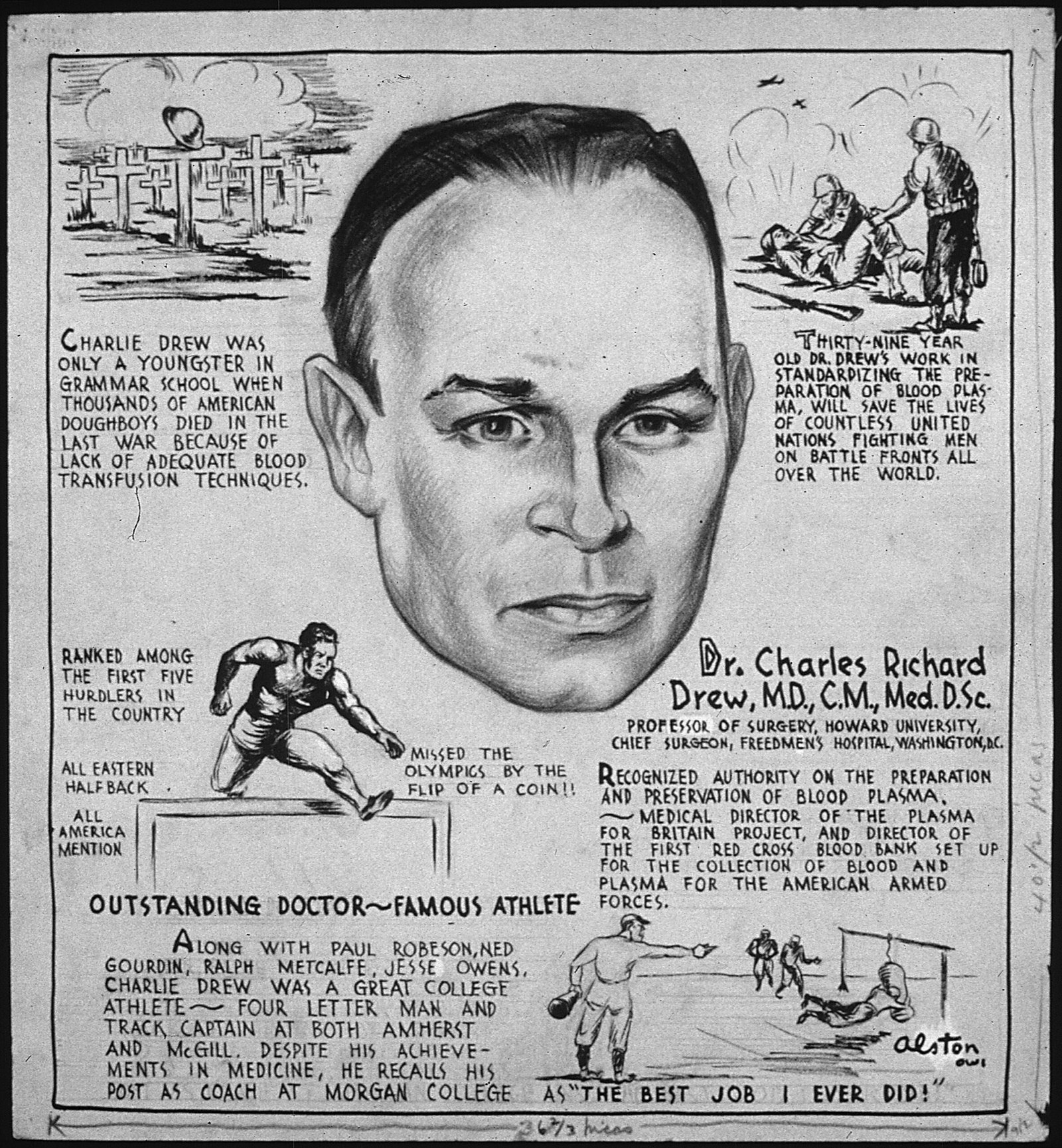
Dr. Charles Drew was an African American physician and researcher who revolutionized blood storage and transfusion techniques, and during World War II he organized the first large-scale blood bank in the United States, saving countless lives on the battlefield. Beyond his technical achievements, Drew’s efforts broke racial barriers in medicine during a time when segregation threatened to stifle progress, and his research not only advanced the field of medical science but also laid the groundwork for modern blood donation systems around the world. It’s hard to overstate what this means in practical human terms. Every blood transfusion given in a hospital today, every emergency surgery made possible by stored blood, carries a direct debt to the work Drew accomplished at a time when his country did not even extend him full civil rights.
Nikola Tesla: The Inventor Who Powered the World but Lost the Credit
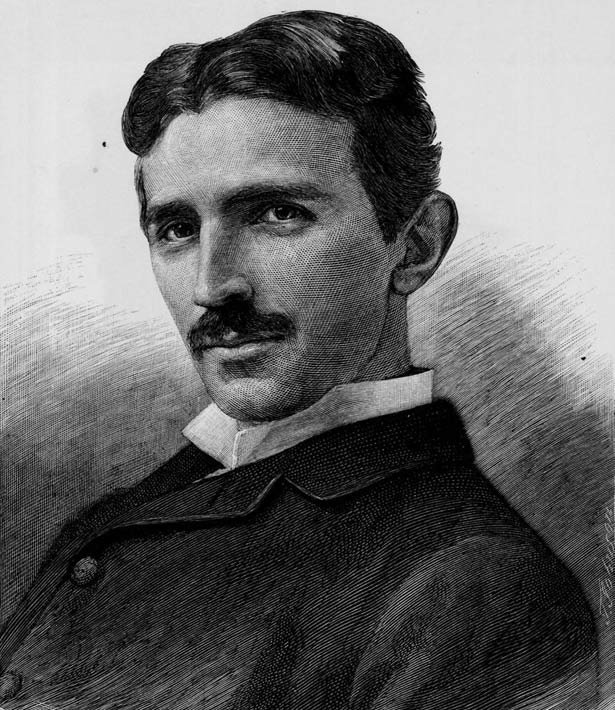
Born in what is now Croatia, Tesla’s mind was decades ahead of his peers, as he envisioned wireless communication, invented the induction motor, and developed the alternating current system that powers homes worldwide, yet he was constantly overshadowed by the more business-savvy Thomas Edison, who publicly ridiculed Tesla’s ideas and outmaneuvered him financially. Tesla secured over 300 patents, but his inability to profit from his inventions led to a life of poverty, and he died alone in a New York hotel room in 1943, his brilliance largely unrecognized. Today, Tesla’s name is everywhere, from electric cars to pop culture, but his story remains a painful reminder that genius without business sense can vanish into obscurity. The alternating current flowing through the walls of your home right now is perhaps the most intimate and constant reminder that the world runs, quite literally, on the work of a man history nearly forgot.
Conclusion: History Has a Blind Spot

Social and cultural biases play a role in historical obscurity, with countless exceptional minds having been downplayed or ignored due to their race, class, or gender, and in many cases the exact reasons these figures were forgotten are full of intrigue. The twelve figures in this gallery represent a small sample of a much larger truth: that the official record of human progress is incomplete, and perhaps always has been. Progress is rarely the work of a single genius, but a tapestry woven by many hands, some recognized and most not.
Every time we hear the same ten names repeated in history class, it’s worth asking: who isn’t in that room? The answer, more often than not, is someone who changed your life without ever getting the credit. Which of these figures surprised you the most?

- 33 Lyrics That Were Secretly Codes (Wait Until #12) - March 25, 2026
- 45 Iconic Songs Everyone Has Been Singing Wrong For Decades - March 25, 2026
- The 18 Biggest Music Scandals of the 2000s - March 10, 2026

