

- 10 Fascinating Facts About Beethoven - March 23, 2026
- Great Literature Offers Windows into Worlds We Might Never Otherwise See - March 23, 2026
- Uncovering a Lost Book Is Like Discovering a Treasure From the Past - March 23, 2026
There’s something almost unbearably exciting about the idea of a book that no one alive has read. Somewhere in a monastery basement, tucked behind crumbling stone walls, buried in the desert, or misidentified on a dusty archive shelf, there may be a manuscript that could change everything we thought we knew about a writer, a religion, or an entire era of human civilization.
Lost books have long fascinated readers and scholars alike. Whether destroyed by fire, lost in translation, or simply misplaced over time, these missing works carry a certain mystique that refuses to let us go. Honestly, I think it goes deeper than intellectual curiosity. There is something emotionally raw about imagining a voice from the past that was nearly silenced forever. Like finding an old photograph of a long-dead relative, discovering a lost piece of text can help us glimpse ourselves in the people who came before us. That feeling is almost indescribable. Let’s dive in.
Why Lost Works Keep Disappearing and Resurfacing
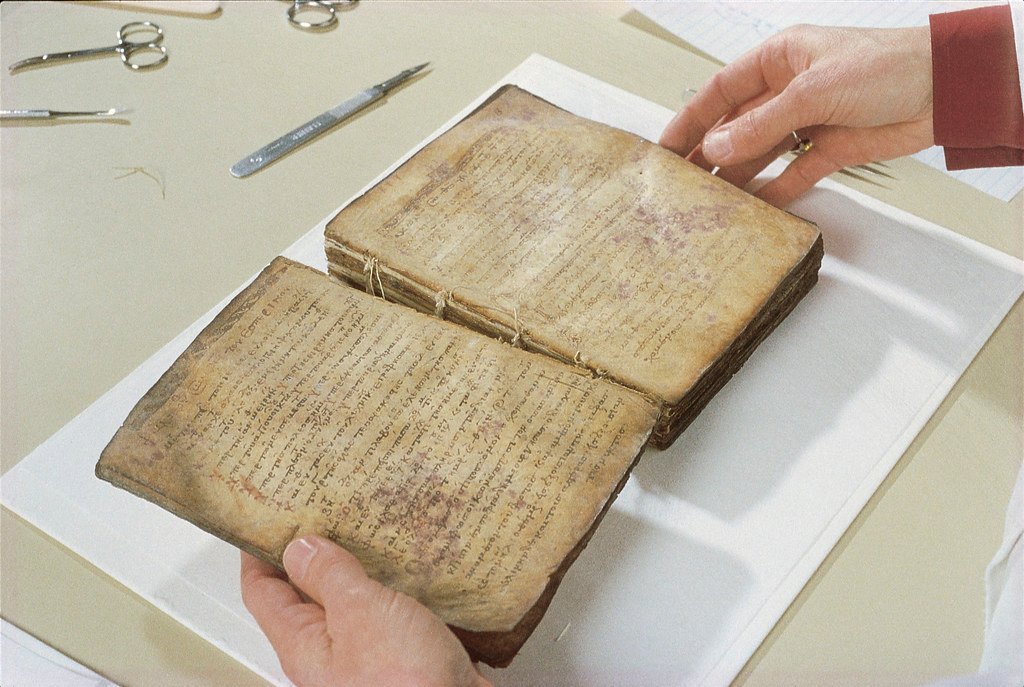
Handwritten copies of manuscripts existed in limited numbers before the era of printing, and the destruction of ancient libraries, whether by intent, chance or neglect, resulted in the loss of numerous works. Think about that for a moment. An entire civilization’s worth of writing, gone, sometimes because of a single fire or a single bad decision made by someone who thought a document was worthless.
A work may be lost to history through the destruction of an original manuscript and all later copies. Works also survived when they were reused as bookbinding materials, quoted in other works, or as palimpsests, where an original document is imperfectly erased so the substrate on which it was written can be reused. This last detail is particularly wild to me. Imagine a monk scraping off an ancient philosophical text to write a prayer, not realizing what he was erasing.
Sometimes authors will destroy their own works. On other occasions, authors instruct others to destroy their work after their deaths. Such instructions are not always followed: Virgil’s Aeneid was saved by Augustus, and Kafka’s novels by Max Brod. It’s almost surreal to think that some of the most celebrated works in literary history only exist because someone disobeyed a dying author’s final wishes.
The Dead Sea Scrolls: Ancient Voices in a Desert Jar
![The Dead Sea Scrolls: Ancient Voices in a Desert Jar (The Israel Museum's 'Dead Sea Scrolls Digital Project', link: [1], Public domain)](https://festivaltopia.com/wp-content/uploads/2026/03/1774268665995_1774268660027_temple_scroll.jpeg)
Probably the most famous uncovered manuscript of all time, the Dead Sea Scrolls are a collection of 972 texts written in Hebrew, Aramaic, Greek and Nabataean on parchment, papyrus and bronze. Uncovered about a mile inland from the Dead Sea between 1946 and 1956, the scrolls are of great historical, religious and linguistic significance as they include the earliest known surviving manuscripts of what has become the Hebrew Bible canon.
Also among the discovered texts are extra-biblical manuscripts that preserve evidence of the diversity of religious thought in late Second Temple Judaism. In other words, the Scrolls didn’t just fill in the gaps. They rewrote entire chapters of how scholars understand the Bible’s origins. The Dead Sea Scrolls are by virtual consensus the most significant manuscript discovery of the twentieth century. That is a bold claim, but few would argue against it.
The Nag Hammadi Library: Gnostic Gospels Buried in the Egyptian Desert
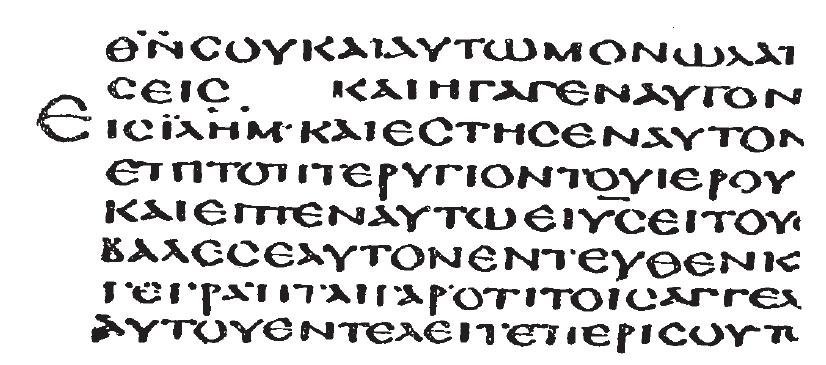
The Nag Hammadi library is a collection of early Christian and Gnostic texts discovered near the Upper Egyptian town of Nag Hammadi in 1945. Twelve leather-bound papyrus codices buried in a sealed jar were found by an Egyptian farmer named Muhammed al-Samman and others in late 1945. The sheer accidental nature of that discovery is staggering. A farmer digging in the desert stumbles on one of the most world-changing literary finds in modern history.
Preserved by the arid Egyptian desert, the Nag Hammadi Codices contained 52 ancient texts. Written in Coptic on papyrus, the texts opened a window onto the diversity of early Christianity before the ascendancy of early orthodoxy in the fourth century CE. These texts may in general be described as heretical Christian Gnostic writings, but they are much more diverse than that. The discoveries of these Coptic books in Upper Egypt in 1945 and of the Dead Sea Scrolls near Khirbet Qumran in 1946 are commonly reckoned as the most important archaeological finds of the twentieth century for the study of early Christianity and ancient Judaism.
The Archimedes Palimpsest: Mathematics Hidden Beneath Medieval Prayers
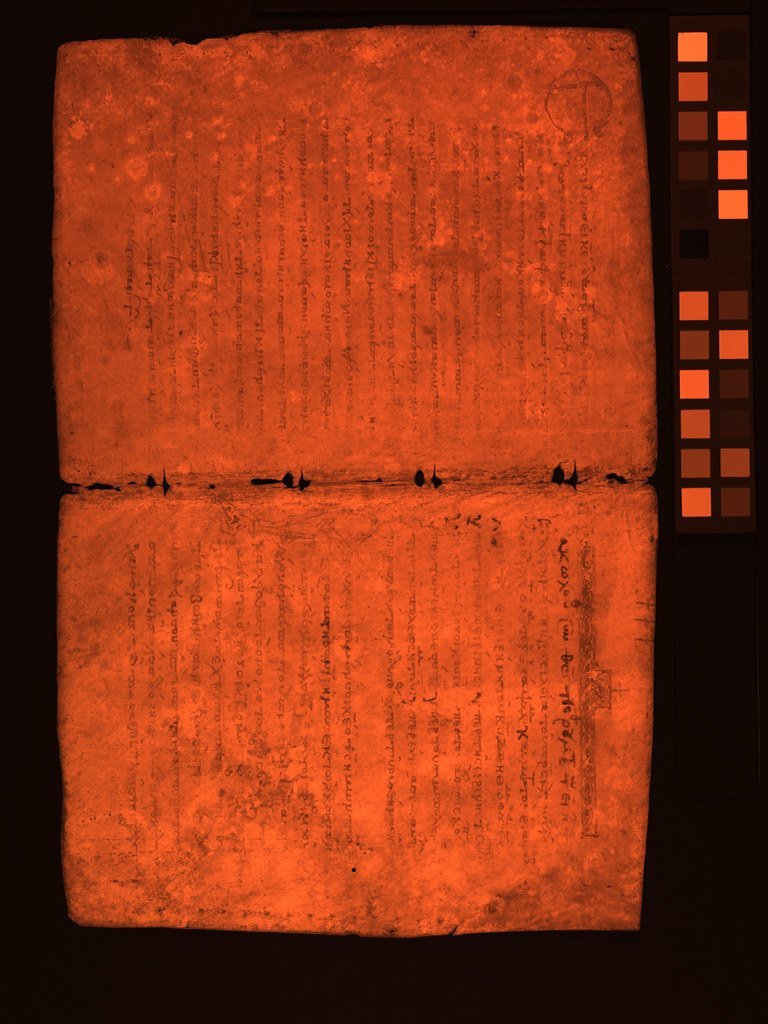
A page long thought lost from one of the most important surviving manuscripts of antiquity has now been identified in a French museum, offering fresh insight into both ancient science and medieval book culture. Researchers have confirmed that a leaf from the Archimedes Palimpsest, a medieval manuscript preserving works by the ancient Greek mathematician Archimedes, has been located at the Musée des Beaux-Arts in Blois, in central France. That is a discovery made only recently, in 2026, which tells you this field never stops surprising us.
In the early 2000s, multispectral imaging made it possible to reveal major texts by Archimedes as well as previously unknown fragments of ancient literary and philosophical works. Earlier studies of the same manuscript also demonstrated the power of advanced scientific techniques. Researchers used methods such as X-ray fluorescence imaging to recover erased writing hidden beneath later additions, revealing texts that had been invisible for centuries. Here’s the thing. Modern technology has become the greatest manuscript hunter in history, doing what no human eye ever could.
The Codex Sinaiticus: The Oldest Complete New Testament
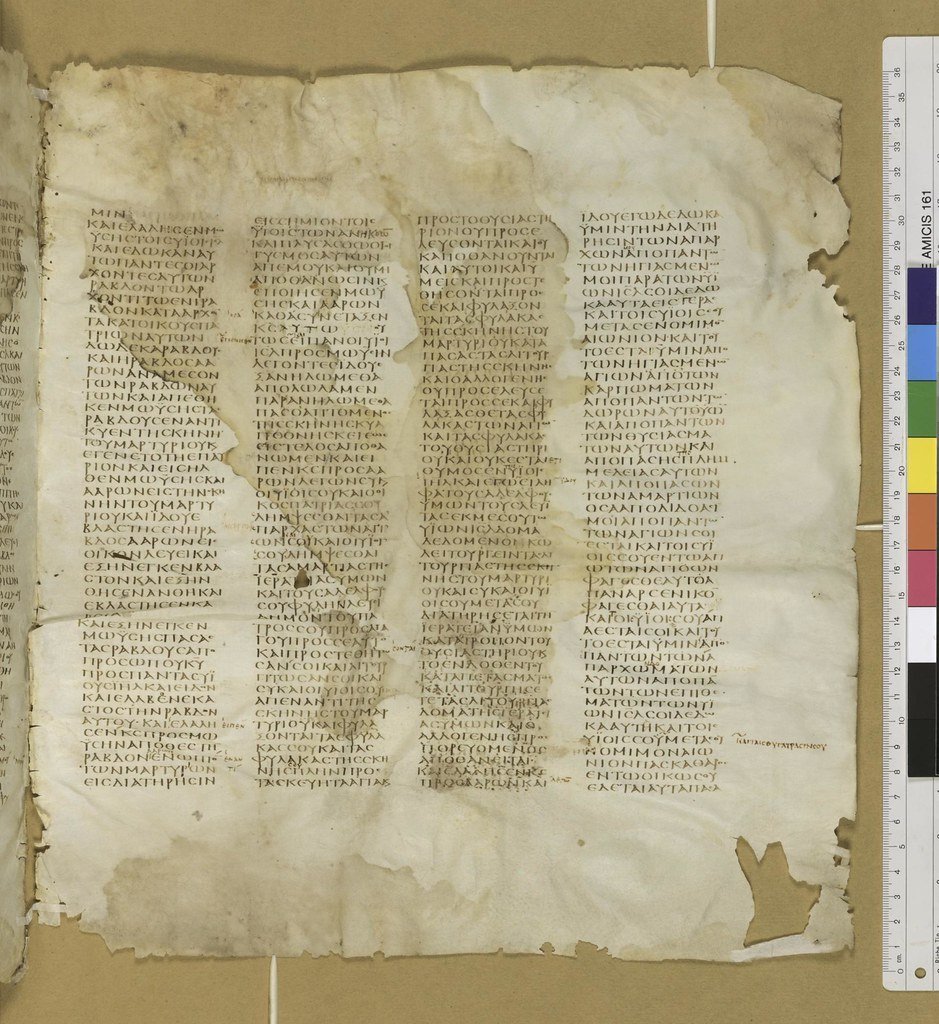
A prominent example of a rediscovery is the Codex Sinaiticus, a fourth-century Christian Bible manuscript discovered in a mid-19th-century Egyptian monastery. Along with parts of the Old Testament and other Christian writings, the codex has the earliest complete copy of the New Testament. Its rediscovery offered researchers important new perspectives on the Bible’s history as well as illumination on the early stages of Christianity.
Few documents have shaken religious scholarship quite like this one. The monastery where it was found, St. Catherine’s in the Sinai Desert, still holds astonishing secrets of its own. In the Sinai Desert, a monastery called St. Catherine’s hosts the world’s oldest continually operating library, used by monks since the fourth century. In addition to printed books, the library contains more than 3,000 manuscripts, accumulated over the centuries and remarkably well preserved by the dry and stable climate. That is a number that is almost impossible to fully comprehend.
Richard Wright’s “The Man Who Lived Underground”: Silenced by Racism
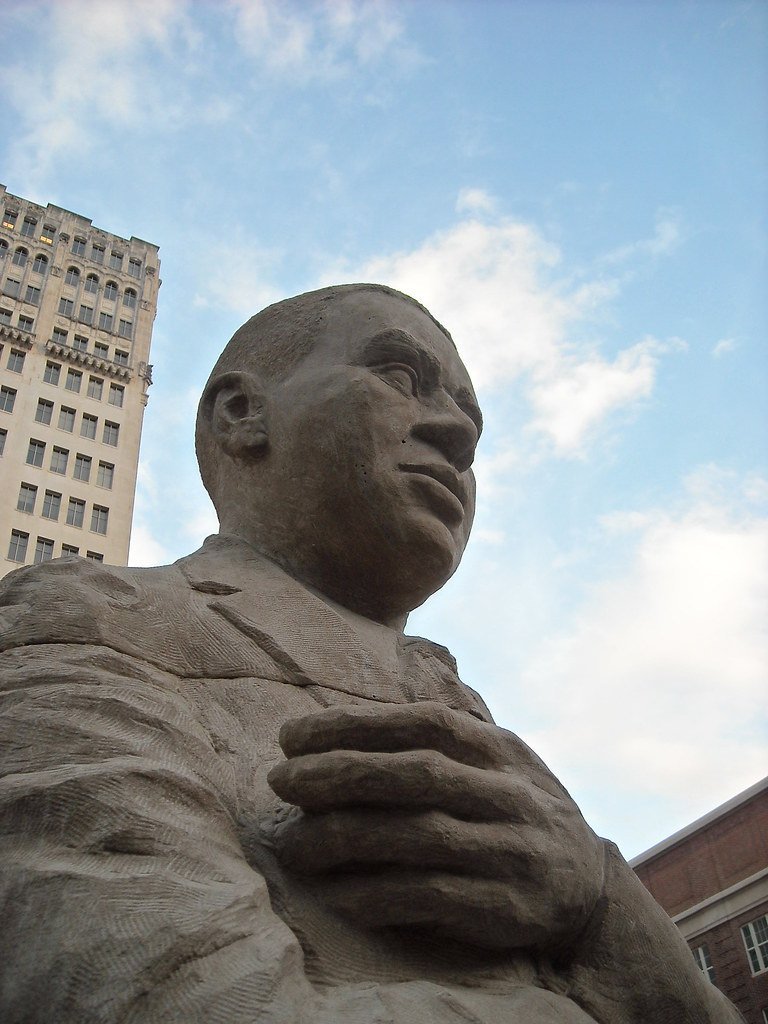
Richard Wright’s allegorical novel “The Man Who Lived Underground” was published for the first time in its entirety more than 60 years after the death of the influential Black author. Wright first sent the manuscript to his editor at Harper and Brothers in 1941, a year after the publication of his best-selling novel “Native Son.” The publisher rejected it. This is one of the most heartbreaking stories in American literary history. A masterpiece, rejected. Buried. Nearly forgotten forever.
The manuscript was discovered in 2010 by Wright’s daughter, Julia Wright, who found it in his archive at Yale. Many suspect that brutality led publishers to reject the original complete manuscript, but Wright considered it some of his best work. Enigmatic and haunting, Wright’s restored novel adds layers to his legacy as one of the leading Black writers in American literary history. It took 80 years for the world to finally receive what the author himself believed was his greatest achievement.
Percy Bysshe Shelley’s Lost Poem: Found in a Mystery Private Collection
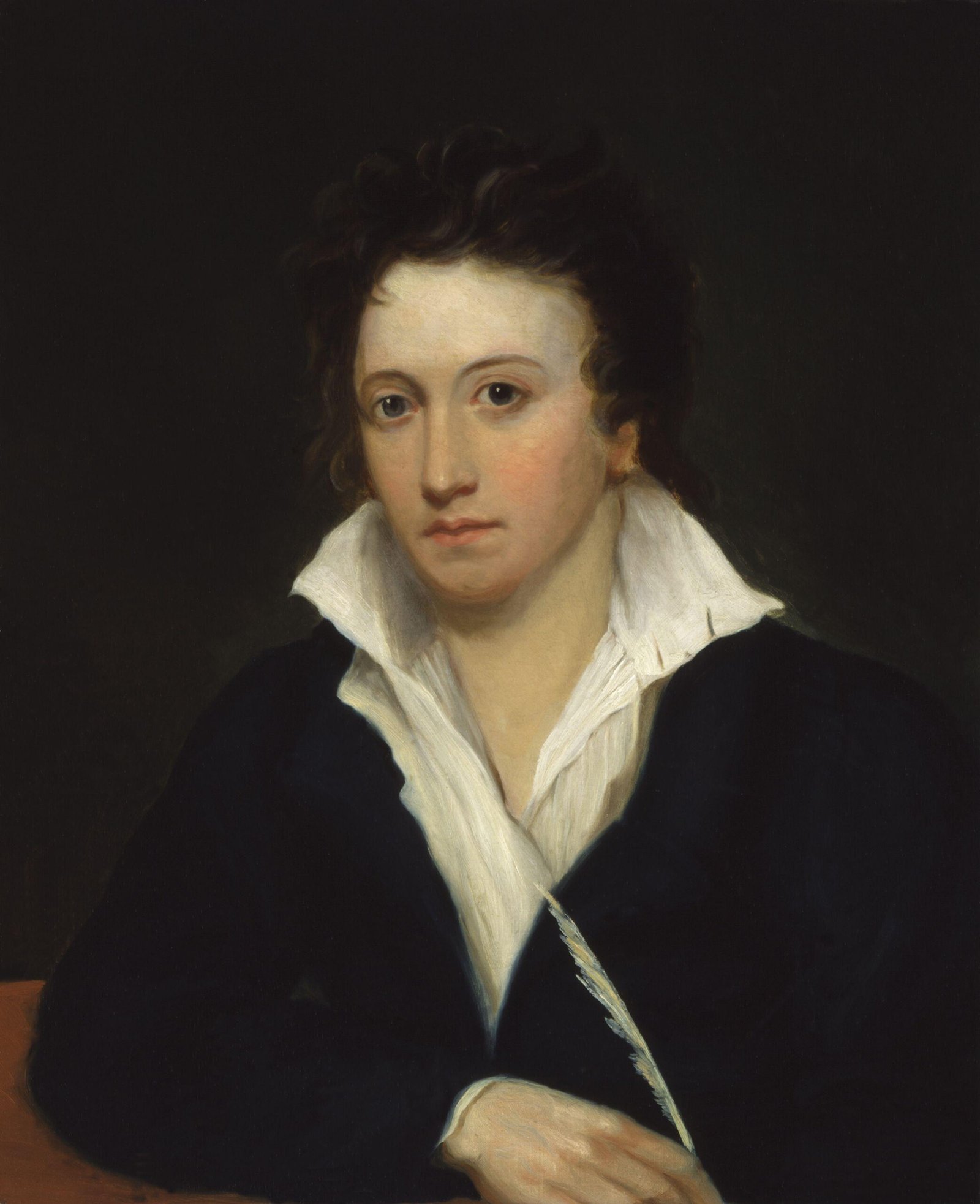
As such, use of this image in the jurisdiction of the claimant or other countries may be regarded as copyright infringement. Please see Commons:When to use the PD-Art tag for more information., Public domain)
When Percy Bysshe Shelley was in his first year of university at Oxford in 1810 and 1811, he wrote and published a poem critical of the Napoleonic wars under a pseudonym. All copies were thought lost until 2006, when one was found amid a mysterious private collection and offered for auction. I know it sounds almost impossibly cinematic, but that is exactly how it happened. A single copy, preserved somewhere unknown for nearly two centuries.
Only scholars had access to the poem until 2015, when it was purchased by the Bodleian Library in Oxford to add to their world-famous collection of Shelley works and papers. The poem became the library’s 12 millionth book to be acquired and is now available online for all to read. There is something deeply democratic about that. A poem nearly lost to time, now accessible to anyone with an internet connection.
Franz Xaver von Schönwerth’s 500 Fairy Tales: Forgotten for 150 Years

While looking through the archives of the city of Regensburg, Germany, researcher Erika Eichenseer uncovered 30 boxes containing more than 500 German fairy tales, which had lain unnoticed for 150 years. The stories had been collected by historian Franz Xaver von Schönwerth, who traveled around the Bavarian region of Oberpfalz recording folktales, myths, and legends to preserve them. Think of it this way. Generations of children grew up without these stories. The tales were there the whole time, just waiting in cardboard boxes.
He published the results of his research in three volumes between 1857 and 1859, but his matter-of-fact accounts of the stories were somewhat overshadowed by the more artful stories of his contemporaries the Brothers Grimm, and his book fell into obscurity. The collection entitled “The Turnip Princess and Other Newly Discovered Fairy Tales” contains 72 of the lost tales and was published by Penguin in February 2015. Von Schönwerth’s misfortune was being overshadowed by perhaps the most famous folklorists in history. Still, in the end, the stories survived.
Zora Neale Hurston’s “Barracoon”: A Voice Suppressed for 87 Years

Zora Neale Hurston’s “Barracoon: The Story of the Last ‘Black Cargo'” languished unpublished for nearly 90 years. Written in 1931, it is based on interviews with Cudjo Lewis, the last known survivor of the Atlantic slave trade. Publishers originally rejected the manuscript due to its use of dialect. In 2018, Hurston’s original text was finally published, sparking a major literary event.
The book’s raw, unedited language preserves Lewis’s voice and personal history. Its rediscovery has had a profound impact on African American literature and historical scholarship. Hurston’s work now reaches a broader audience and is widely studied in schools and universities. Let’s be real. This was not just a literary rediscovery. It was the restoration of a human testimony, a firsthand account of slavery that the world was denied for nearly a century. That loss is almost unforgivable.
Edith Wharton’s “The Field of Honor”: Stuck to the Back of Another Manuscript
![Edith Wharton's "The Field of Honor": Stuck to the Back of Another Manuscript (Beinecke Rare Book & Manuscript Library, Yale University [1], Public domain)](https://festivaltopia.com/wp-content/uploads/2026/03/1774268674811_1774268661502_the_house_of_mirth_page_of_original_manuscript_edith_wha.jpeg)
A researcher from Oxford University was studying Edith Wharton’s papers in the Beinecke Rare Book and Manuscript Library at Yale University in November 2015 when she discovered a previously unpublished short story. The unfinished nine-page story was stuck to the back of another manuscript, and is entitled “The Field of Honor.” It centers on the First World War and is critical of the women who only superficially helped with the war effort, perhaps explaining why it was not published at such a sensitive time.
It’s hard to say for sure, but the story may have been deliberately hidden, or perhaps just carelessly stuck to another page and forgotten. Either way, the act of a single researcher rifling through old papers changed literary history in an afternoon. That feels almost miraculous. It’s a reminder that discoveries like this do not require enormous expeditions or advanced technology. Sometimes, all it takes is someone willing to look closely at what has always been there.
Dr. Seuss’s “What Pet Shall I Get?”: Hidden in a Box Since 1991
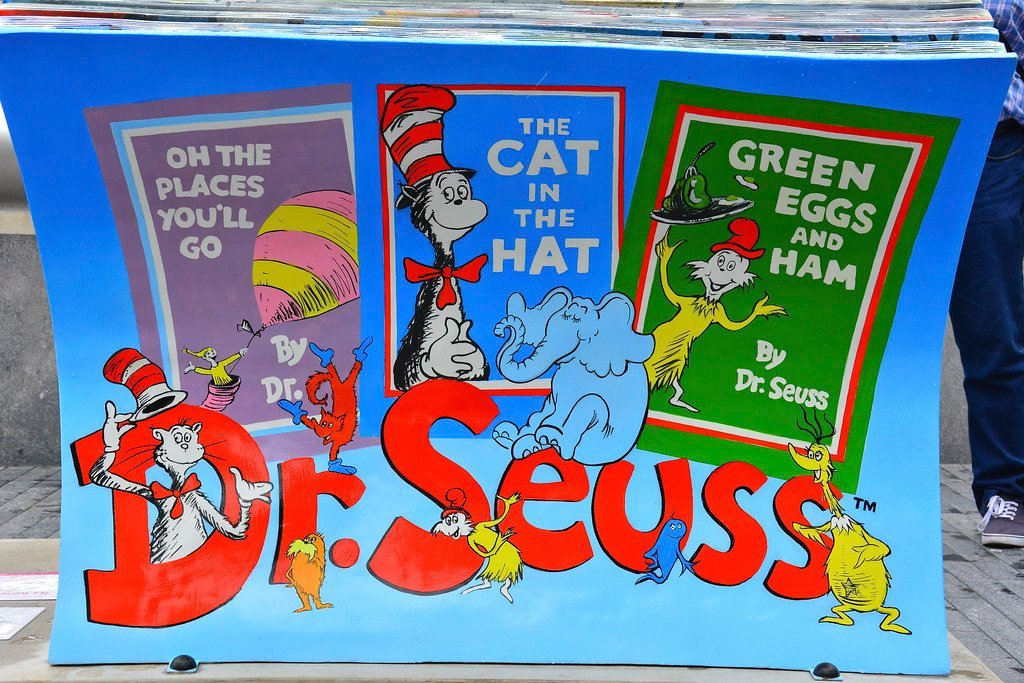
In 2013, the widow of Ted Geisel, better known as Dr. Seuss, rediscovered a pile of manuscripts and sketches she had set aside shortly after her husband’s death in 1991. The papers contained the words and illustrations for “What Pet Shall I Get?”, which was published by Random House in July 2015. This one hits differently. A children’s book, joyful and warm, sitting in a box for over two decades while generations of young readers never knew it existed.
It is thought the book was likely written between 1958 and 1962, since it features the same brother-and-sister characters found in Seuss’s 1960 bestseller “One Fish Two Fish Red Fish Blue Fish.” The discovery proves that lost works are not always ancient. They can be hiding in a widow’s storage room, in a cardboard box that nobody felt ready to open. Grief, it turns out, is one of the strangest archivists in literary history.
The Power of Technology in Bringing Lost Texts Back to Life
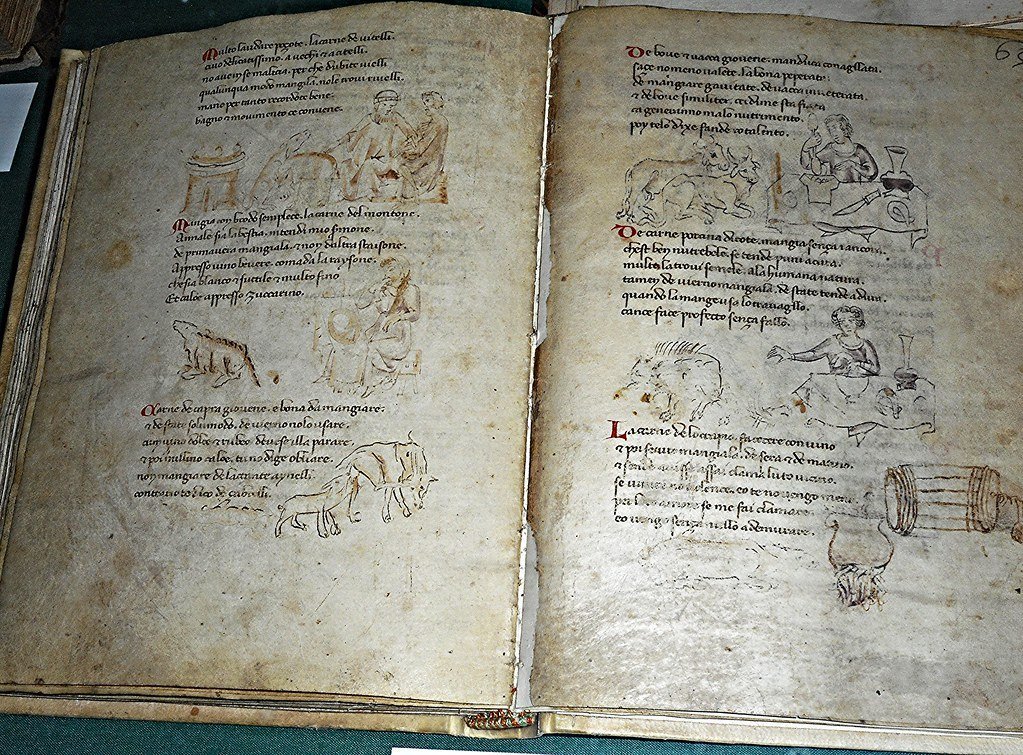
Technology such as multispectral and hyperspectral imaging, machine learning for handwriting and language identification, and digital collation are accelerating recovery from palimpsests, damaged papyri and difficult scripts. We are living in a genuinely extraordinary moment for manuscript discovery. Tools that would have seemed like science fiction to earlier generations of scholars are now standard practice in archives around the world.
Some of the texts uncovered at St. Catherine’s are even helping to reconstruct lost languages, including Caucasian Albanian, spoken in an ancient kingdom in present-day Azerbaijan, and Christian Palestinian Aramaic, used by Christians in Palestine until the 13th century. Researchers also discovered several Greek texts translated into Syriac, which was first spoken by Syrian Christians before becoming a major literary language throughout the Middle East. Lost languages recovered alongside lost books. The implications for history, linguistics, and our understanding of human culture are staggering.
Why Preserving Literary Heritage Still Matters Today
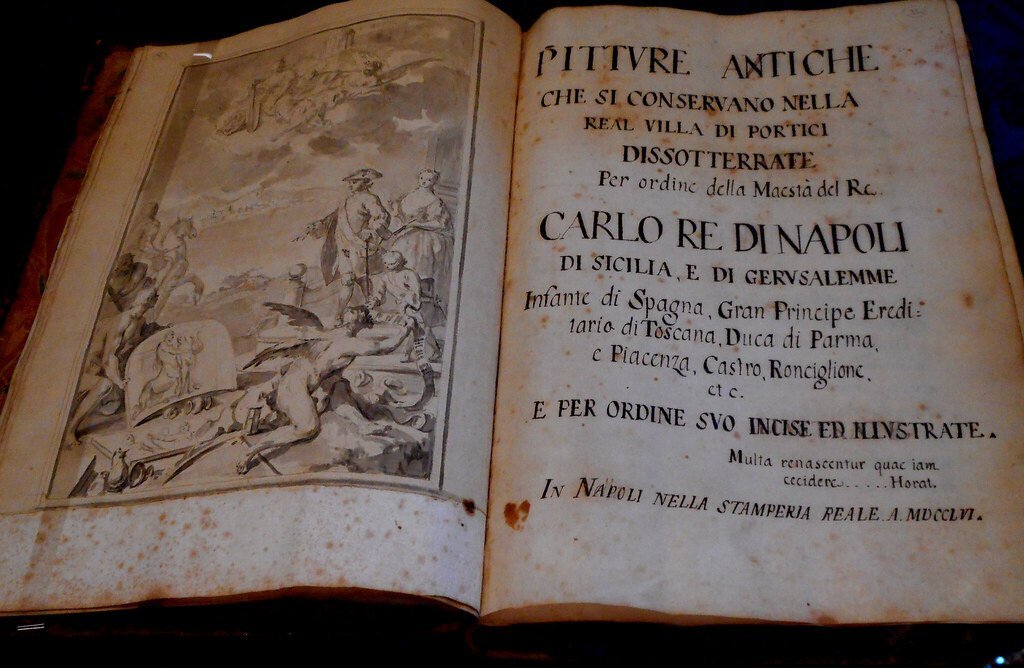
Preserving literary history is crucial for understanding the evolution of literature and its impact on society. Lost books offer a unique glimpse into the past and the cultural, social, and political contexts in which they were written. They also provide insight into the creative process of authors and the challenges they face in bringing their works to life.
When classical Greek literature was rediscovered during the European Renaissance, it remade Western civilization, and planted seeds that still shape our lives today: Thomas Jefferson’s ideas about the pursuit of happiness were sparked by the Greek philosophers; suffragists were inspired by Euripides’ heroine Medea. That is not a metaphor. Recovered words from the ancient world literally rewired how modern societies think about freedom and justice.
By preserving lost books and other literary artifacts, we can ensure that future generations have access to a rich and diverse literary heritage that reflects the complexity and diversity of the human experience. Honestly, every unexamined archive, every uncatalogued monastic collection, every misidentified box in a university library is potentially another discovery waiting to happen.
Conclusion: Every Lost Book Is a Story the World Deserves to Read

There is something deeply humbling about all of this. The greatest stories ever written, the most important texts in human history, the most emotionally raw testimonies of lives lived and battles fought, these things are fragile. They are subject to fire, water, ignorance, greed, and grief. They can vanish in a moment or sleep undisturbed for a thousand years.
What the stories in this article share is not just their dramatic rediscovery. It is the profound reminder that silence is not the same as absence. A voice can be suppressed, misplaced, or ignored, and still survive. Richard Wright’s novel endured 80 years of rejection. Zora Neale Hurston’s witness survived nearly a century of indifference. Ancient scrolls outlasted empires. They all waited. And in every case, someone eventually came looking.
We are the custodians of what remains, and every archive that goes unexamined, every collection that goes unfunded, represents another potential treasure lost to time. The question is not whether more discoveries are out there waiting to be made. The question is whether we care enough to go looking for them. What story do you think is still out there, hidden in some forgotten corner of the world?

Besides founding Festivaltopia, Luca is the co founder of trib, an art and fashion collectiv you find on several regional events and online. Also he is part of the management board at HORiZONTE, a group travel provider in Germany.
