

For any feedback please reach out to info@festivalinside.com
- Discovering New Music Is Like Finding a Hidden Treasure - April 2, 2026
- 10 Obscure ’70s Rock Songs That Shaped Metal Legends - April 1, 2026
- These 10 Books Will Challenge Everything You Thought You Knew About History. - April 1, 2026
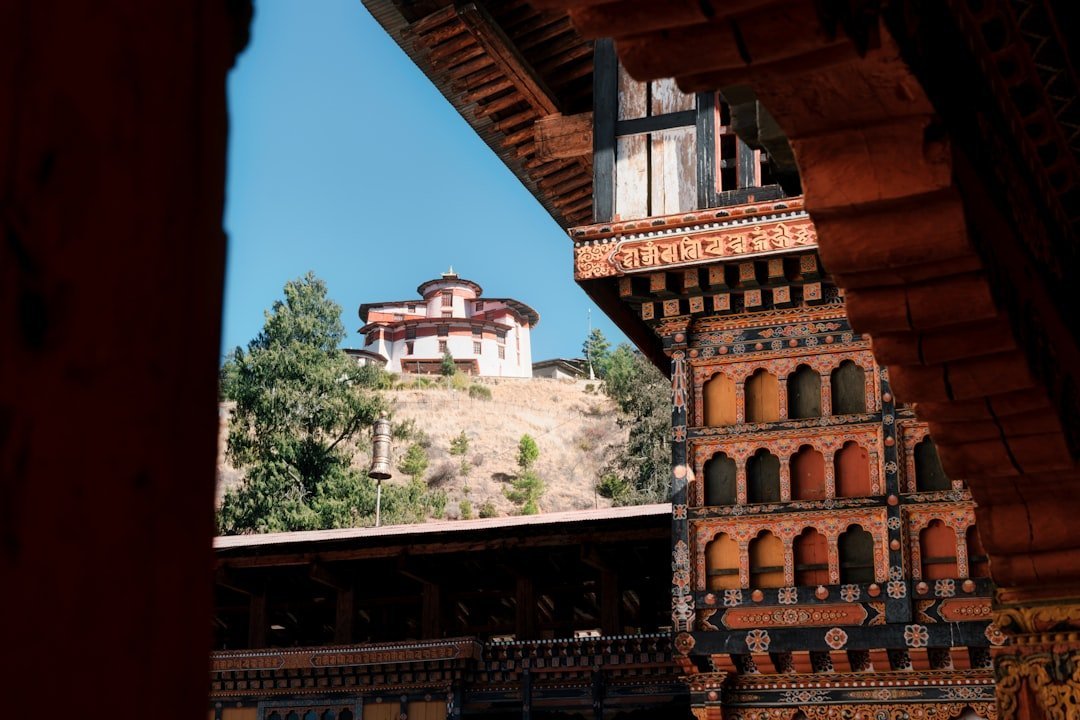
Bhutan, that enigmatic Himalayan kingdom squeezed between India and China, defies every expectation of a modern nation. While the world chases endless economic growth, this carbon-negative paradise measures success through Gross National Happiness, a philosophy that’s kept its people among the happiest on Earth. Forget GDP obsession; here, psychological well-being, cultural preservation, and environmental health take center stage. What truly sets Bhutan apart, however, lies in its quirky traditions, strict laws, and a commitment to sustainability that feels like a breath of fresh mountain air.
From forests covering over 70 percent of its land to a capital city without a single traffic light, Bhutan’s choices challenge global norms. This isn’t just some remote backwater clinging to the past. Instead, it’s a deliberate blueprint for living well, influencing everything from UN resolutions to how tourists experience its sacred landscapes. As climate crises loom larger, eyes turn to this tiny nation for lessons in balance.
Let’s dive deeper into what makes Bhutan so utterly unbelievable.
Gross National Happiness: A Radical Measure of Progress
King Jigme Singye Wangchuck introduced Gross National Happiness back in 1972, flipping the script on traditional economics. Rather than fixating on wealth, GNH spans nine domains like community vitality, ecological diversity, and good governance. Nationwide surveys gauge citizen satisfaction, directly shaping policies from education reforms to urban planning. This approach has inspired global movements, even prompting UN happiness resolutions. Budgets prioritize GNH pillars, ensuring new infrastructure bolsters cultural heritage instead of bulldozing it. Critics debate its measurability, yet low crime rates and a life expectancy around 72 years speak volumes about its real-world impact.
Carbon-Negative Haven: Forests That Fight Climate Change
Bhutan proudly holds carbon-negative status, with forests blanketing more than 72 percent of its territory. By law, this green coverage must stay above 60 percent, turning the country into a massive carbon sink that absorbs about 6.6 million tons of CO2 yearly while emitting only 2.2 million. Buddhist reverence for nature fuels this dedication, viewing the environment as sacred. Hydroelectric power supplies nearly all electricity, sidestepping fossil fuels entirely. Tourists help sustain it via a $100 daily Sustainable Development Fee that funds conservation. In global climate forums, Bhutan pushes forest preservation as a lifeline for vulnerable nations everywhere.
Quirky Capital Vibes: No Traffic Lights and Phallic Good Luck
Thimphu, Bhutan’s capital, runs smoothly without a single traffic light in sight. Roundabouts and traffic wardens keep things flowing, nurturing a communal spirit even as the city grows. Colorful phallic symbols adorn homes and dangle from rooftops, honoring the 15th-century Divine Madman, Drukpa Kunley, as emblems of fertility and evil-spirit repellents. These blend humor with deep spirituality, promising prosperity. Archery, the national sport, spices up village life with tournaments full of dancing and playful taunts. Such traditions fiercely guard Bhutan’s cultural identity against Western influences.
The Tricky National Flag: A Billowing Symbol of Pride
Bhutanese hoist their national flag with special finesse thanks to its asymmetrical, silk design in dragon yellow and orange. Adopted in 1969, the Thunder Dragon clutching jewels embodies fierce independence and wealth. Mountain winds make it billow wildly, demanding skill to avoid tangles. It flies at half-mast solely for a king’s passing, reflecting profound royal respect. Strict display protocols underscore national meticulousness. This flag stands tall in ceremonies and diplomacy, fueling immense pride.
Strict Laws Rooted in Compassion: From Smoking Bans to Animal Welfare
Tobacco faces some of the world’s toughest rules in Bhutan, with public smoking and sales banned since 2004 to boost health and cut imports. Private smokers need licenses, and imported cigarettes carry steep duties alongside fines for violations. Smoking rates have plummeted below 10 percent as a result. Animal welfare shines through restrictions on killing for meat, mostly handled across borders, while strays get proper care. Plastic bags vanished in 1999, well ahead of global trends. These policies weave Buddhist non-violence into everyday lawmaking.
Tourism Done Right: High-Value, Low-Impact Paradise
Bhutan welcomes only about 300,000 visitors yearly, controlled by that $100 daily fee covering guides, stays, and green projects. This keeps spots like Paro Valley’s Tiger’s Nest Monastery and northern glacial lakes pristine. Entry demands permits and licensed guides for authentic cultural dives. Tourism chips in over 10 percent to GDP, bankrolling free education and healthcare. During the pandemic, swift border closures and community efforts yielded zero COVID deaths. Adventure fans chase treks and festivals like Paro Tshechu, soaking in masked dances and rituals.
Royal Legacy: A Modern Monarchy in Harmony
The Fourth King voluntarily ushered in constitutional monarchy in 2008, blending tradition with democracy. His son, the Fifth King Jigme Khesar Namgyel Wangchuck, wins hearts by mingling with everyday folks and championing youth programs. The royals push 100 percent literacy and gender equality. The king’s 2011 marriage to commoner Jetsun Pema signaled progressive vibes. Peaceful elections boast high turnout, dodging South Asia’s typical unrest. This stability lets Bhutan zero in on well-rounded growth.
Facing Challenges: Bliss Meets Reality
Youth unemployment, rural flight to cities, and hydropower reliance pose real tests for Bhutan, especially with climate threats melting glaciers. Neighboring powerhouses pressure its economy and sovereignty. Free healthcare and education, plus GNH project vetting, soften inequalities. Organic farming aims for full coverage by 2035, securing food supplies. These steps show deliberate navigation of hurdles. Bhutan’s model whispers valuable insights to a growth-fatigued world.
Final Thought
Bhutan proves happiness springs from mindful choices, not endless wealth. Its blend of ancient wisdom and bold policies offers a roadmap worth pondering. What unbelievable fact surprises you most about this Himalayan jewel?
Source: Original YouTube Video

Christian Wiedeck, all the way from Germany, loves music festivals, especially in the USA. His articles bring the excitement of these events to readers worldwide.
For any feedback please reach out to info@festivalinside.com
