

- The 5 Most Underrated Literary Figures You Absolutely Need to Read Now - March 24, 2026
- 14 Practical Gardening Tips That Reduce Pests Naturally - March 24, 2026
- The Sad Truth Behind Glen Campbell’s “I’m Not Gonna Miss You” - March 24, 2026
There is something deeply stirring about standing before a structure that should not, by any reasonable standard, exist. It is too tall, too long, too wide, too deep. Yet there it stands – proof that human imagination, stubbornly enough, refuses to accept the word “impossible.” From the deserts of Dubai to the mountains of southern France, from the floor of the Yangtze River to the depths of a tunnel beneath the English Channel, has built things that would leave even the ancient Greeks speechless.
These are not just feats of steel and concrete. They are monuments to ambition, to science, and to the restless human spirit that keeps asking, “What if we pushed just a little further?” Engineering wonders like bridges, tunnels, railways, and skyscrapers that connect cities and even countries all have one thing in common: they are made to solve a problem and to make life easier for humankind. Some of the structures on this list will surprise you. A few might even unsettle you. Let’s dive in.
1. The Burj Khalifa, Dubai – The Sky Is Not the Limit
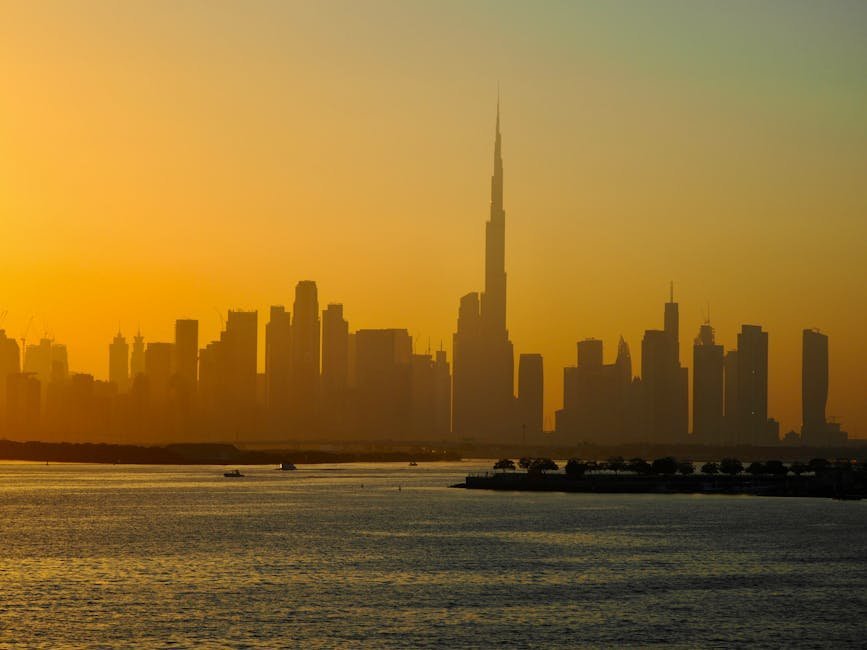
Honestly, no list about modern wonders can begin anywhere else. The Burj Khalifa is a megatall skyscraper in Dubai, designed by Skidmore, Owings and Merrill, with a total height of 829.8 meters – just over half a mile. Think about that for a second. Half a mile straight up. The ancient Egyptians would have fainted.
The design was inspired by the Hymenocallis flower, a regional desert flower, incorporating Islamic architectural elements and creating an iconic silhouette against the Dubai skyline. The tower’s triple-lobed footprint, which tapers as it rises, was a strategic decision to minimize wind forces and increase structural stability. Every detail, from the shape of each floor to the angle of the exterior glass, was calculated with near-obsessive precision.
The decision to build the Burj Khalifa was reportedly based on the government’s decision to diversify from an oil-based economy to one that is service and tourism based. The presence of the Burj Khalifa has significantly boosted Dubai’s economy, with tourism revenues climbing steadily since its opening, encouraging growth in related sectors such as hospitality, retail, and entertainment.
Visitors to the Burj Khalifa can enjoy panoramic views from three main observation decks: Level 124, Level 125, and the ultra-exclusive Level 148, which sits at 555 meters and is the highest observation deck in the world. When the tide is low and visibility is high, people can see the shores of Iran from the top of the skyscraper. That is, quite literally, breathtaking.
2. The Three Gorges Dam, China – Power on an Unimaginable Scale
Derivative work: Rehman, CC BY 2.0)
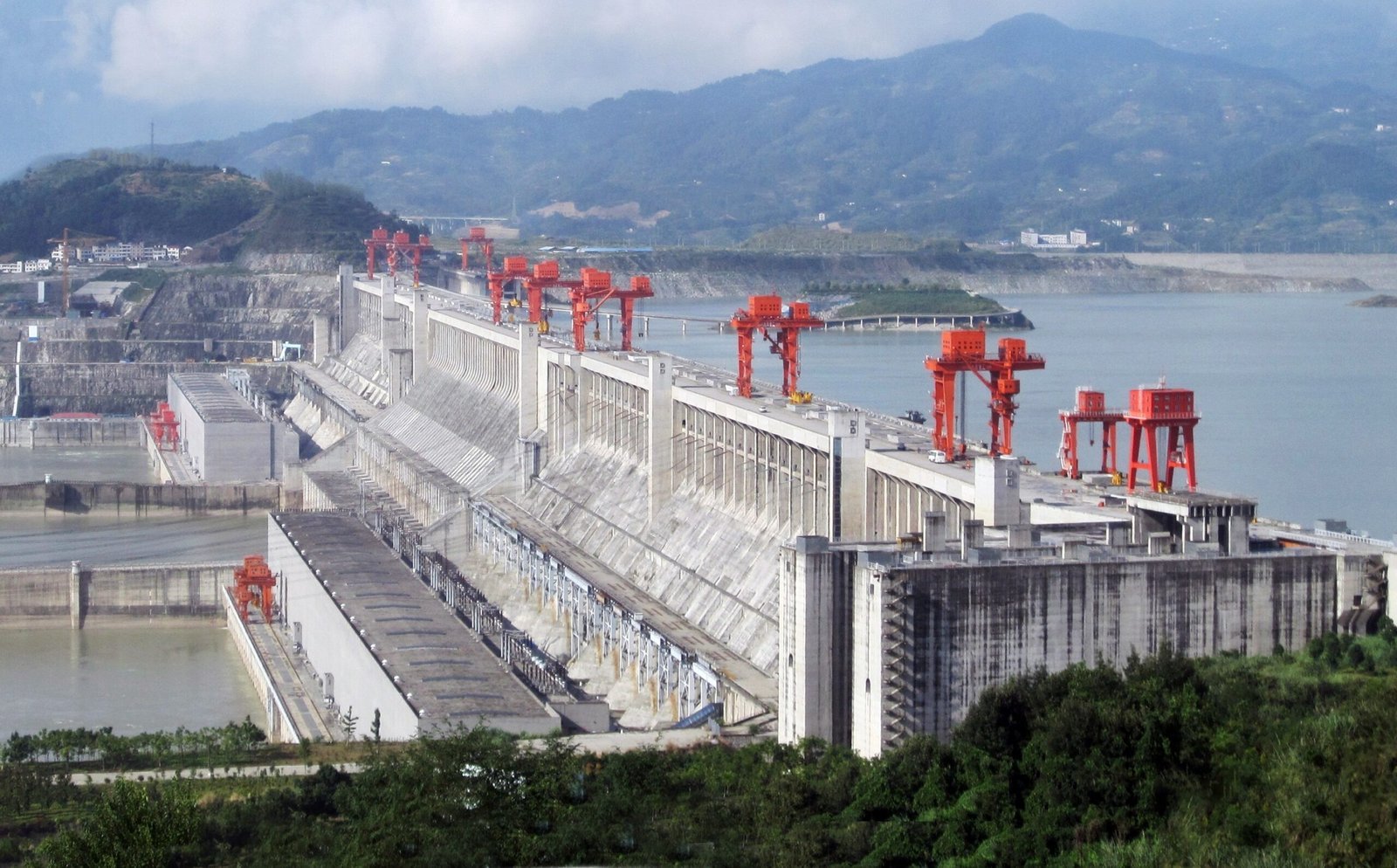
Here is a structure so massive it actually slowed the Earth’s rotation – at least fractionally. The Three Gorges Dam sits on the Yangtze River just west of the city of Yichang in Hubei province, China. When construction officially began in 1994, it was the largest engineering project in China, and at the time of its completion in 2006, it was the largest dam structure in the world.
A straight-crested concrete gravity structure, the Three Gorges Dam is 2,335 metres long with a maximum height of 185 metres, incorporating 28 million cubic metres of concrete and 463,000 metric tons of steel. Those numbers are almost too large to process. It is like trying to imagine the distance to a nearby star.
It is the world’s largest power station by installed capacity at 22,500 MW, generating roughly 95 terawatt-hours of electricity per year on average. The dam also improves the Yangtze River’s shipping capacity and provides flood control, helping to protect millions of people from severe flooding on the Yangtze Plain, while its hydroelectric power generation has helped fuel China’s economic growth.
Yet the dam is not without deep controversy. While the construction was an engineering feat, it has also been fraught with controversy: the dam caused the displacement of at least 1.3 million people and the destruction of natural features and countless rare architectural and archaeological sites. It is a wonder that forces us to ask uncomfortable questions about the real cost of progress.
3. The Channel Tunnel, England and France – Connecting Two Worlds
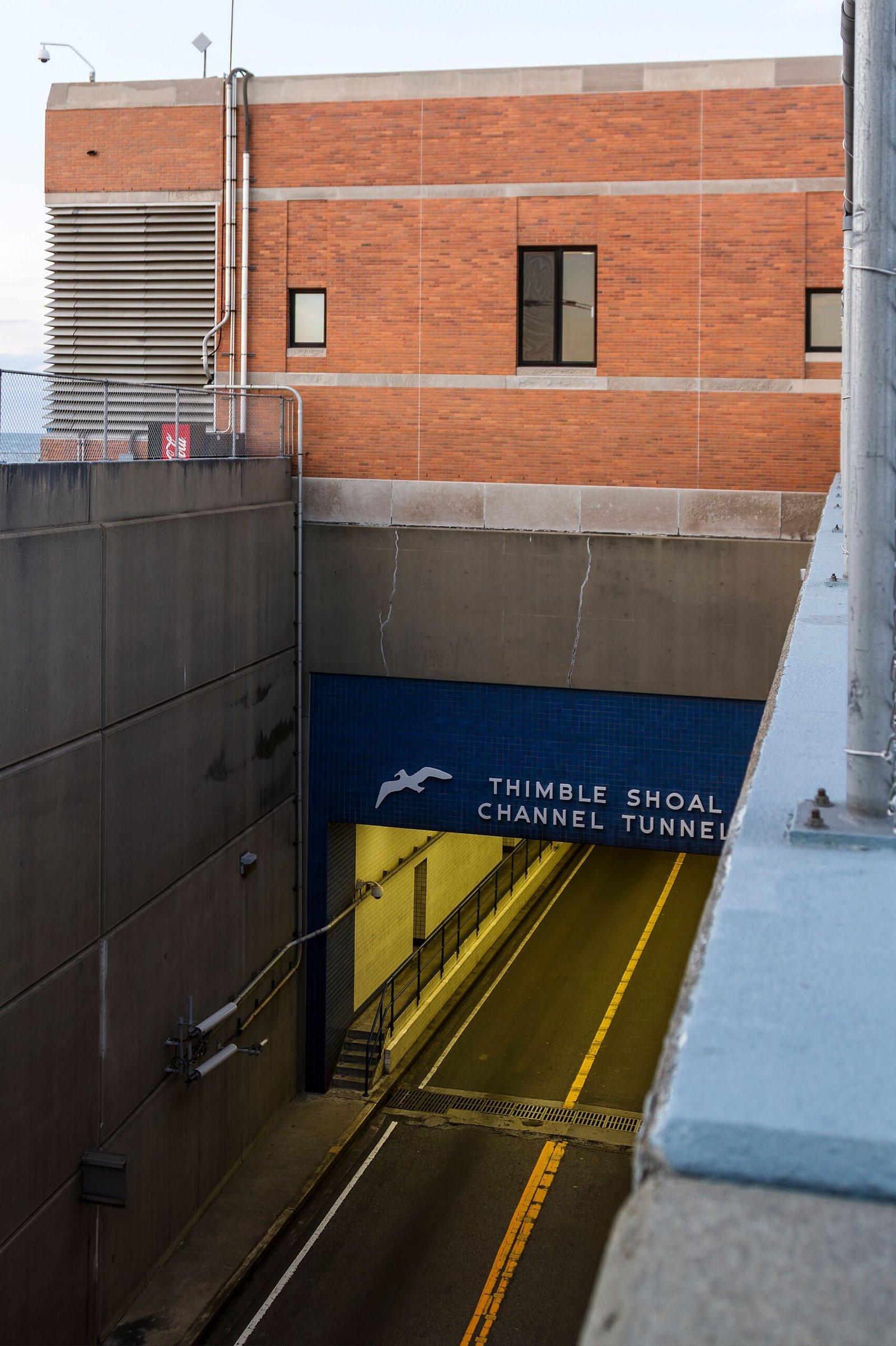
For almost two centuries, it was little more than a bold dream. Although it is considered a modern wonder, plans to create an interconnecting passage between England and France date back to 1802, with French engineer Albert Mathieu-Favier first proposing the idea. The dream finally became a tunnel. A very, very long one.
The Channel Tunnel is a railway tunnel that runs beneath the English Channel, connecting Folkestone in the United Kingdom with Coquelles in northern France and spanning 50.46 km, of which 37.9 km is underwater. This is the largest underwater section of any tunnel in the world, reaching a depth of 75 meters below the seabed.
The tunnel was built through a layer of chalk marl, a stable geological formation chosen for its strength and low water permeability, which helped reduce seepage from the surrounding seabed. Tunneling teams started on opposite sides of the English Channel and through civil engineering genius, they met in the middle 30 meters under the sea. Let’s be real – that is the stuff of legend.
Queen Elizabeth II and the then-French President François Mitterrand opened the tunnel, a physical representation of Britain and France’s unity. Today, millions of passengers travel through it every year, connecting two nations in a matter of minutes. Few engineering projects carry that kind of symbolic weight.
4. The Millau Viaduct, France – The Bridge That Floats Above the Clouds
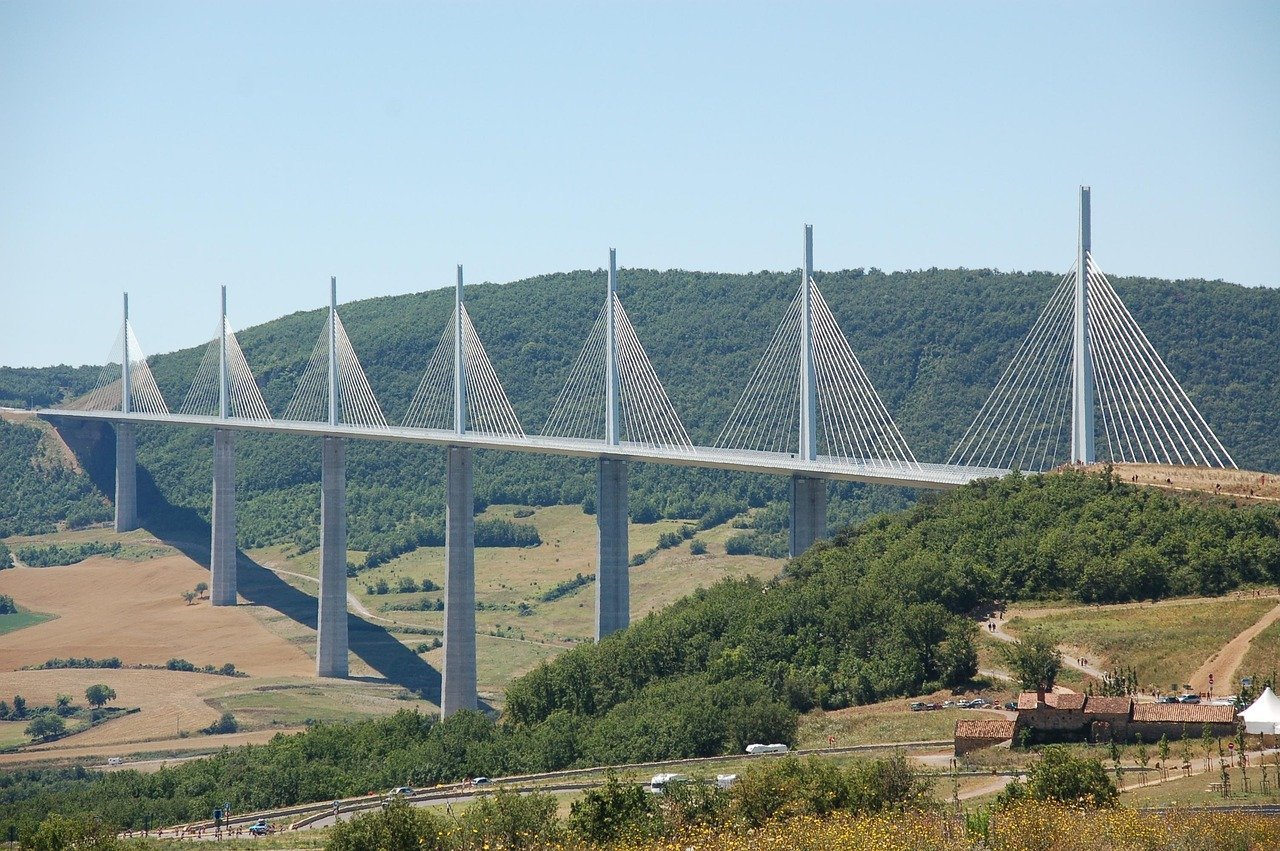
On some mornings, the Millau Viaduct appears to float above a blanket of cloud, its towers piercing the mist like something out of a science fiction film. Designed by British architect Norman Foster and French engineer Michel Virlogeux, at 343 metres, the Millau Viaduct is the tallest bridge in the world. To put that into context, that is even taller than the Eiffel Tower.
The Millau Viaduct was completed in December 2004 and was constructed to alleviate congested traffic on the route from Paris to Barcelona during the summer vacation months. Engineers had to design a structure that could withstand winds up to 130 mph while allowing the bridge deck to expand and contract up to six feet as temperatures change. The bridge’s cable-stayed design uses seven concrete towers and 154 steel cables to support a roadway, and construction required GPS technology to ensure millimeter-perfect accuracy when installing the bridge sections.
The construction required 127,000 cubic metres of concrete, 19,000 tonnes of steel to reinforce the concrete, and 5,000 tonnes of pre-stressed steel for the cables. Builders of the Millau Viaduct claim that the bridge will last for at least 120 years. I think that is probably an understatement – structures this beautiful tend to outlive all predictions.
5. The Large Hadron Collider, Switzerland and France – Science’s Greatest Machine
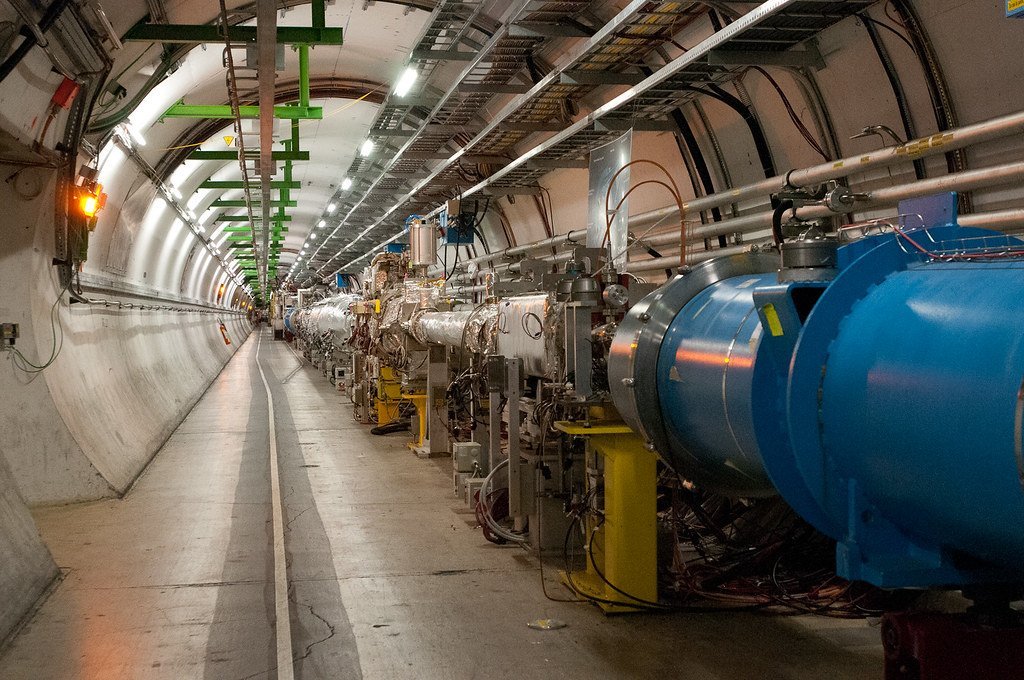
Not all modern wonders are visible from the sky. Some of the most extraordinary ones are buried deep underground, invisible to the naked eye, silently reshaping our understanding of the universe. The Large Hadron Collider is the world’s most powerful particle accelerator, constructed by the European Organization for Nuclear Research and located under the border between France and Switzerland.
The LHC sits in a 17-mile underground tunnel and accelerates protons to nearly the speed of light, colliding them to recreate conditions that existed just after the Big Bang. The project required superconducting magnets cooled to -456 degrees Fahrenheit, making parts of the facility colder than outer space, and construction took over ten years, involving scientists and engineers from more than 100 countries.
The LHC operates at an incredibly chilly temperature of -271.3 degrees Celsius, just 1.9 degrees above absolute zero, achieved using over 120 tons of liquid helium, making the LHC the coldest place on Earth – colder than outer space. It is hard to say for sure which fact is more mind-boggling: the temperature, the speed, or the sheer audacity of the project.
Developed by CERN, the LHC was introduced in 2008. It was built to answer many basic questions of science and the universe and to further develop technologies such as medical imaging, electronics, radiation processing, and new manufacturing processes. With a budget of around €7.5 billion, the LHC is one of the most expensive scientific instruments ever built. Worth every cent.
6. The Panama Canal, Panama – The Shortcut That Changed the World

Before the Panama Canal existed, ships sailing between the Atlantic and Pacific oceans had to navigate all the way around the treacherous tip of South America. Completed in 1914, the canal was crucial in providing a safer route for sailors, both shortening voyages by as much as 8,000 nautical miles and providing a far safer route.
In 1879, a French company tried to build a canal across Panama and failed, running out of money. Thousands of men working on the project also died of the disease Yellow Fever. It was an almost catastrophic beginning. Yet the Americans pressed on, conquered disease, mountains, and swamps to carve out one of history’s greatest engineering achievements.
The Panama Canal is considered one of the most difficult and challenging engineering feats ever achieved. Its aim was to reduce the distance that trading vessels had to travel between the Pacific and Atlantic oceans, saving money, time, and the frustration of long travel. The canal is about 50 miles in length and it takes about 8 to 10 hours to complete the journey.
The canal remains a lifeline of global trade to this day. Roughly three percent of all world trade passes through its locks every single year. That is an astonishing legacy for a project that once seemed utterly impossible and cost so many lives to complete. Some wonders are born from tragedy, and this is one of them.
7. Palm Jumeirah, Dubai – Building Land Where There Was None
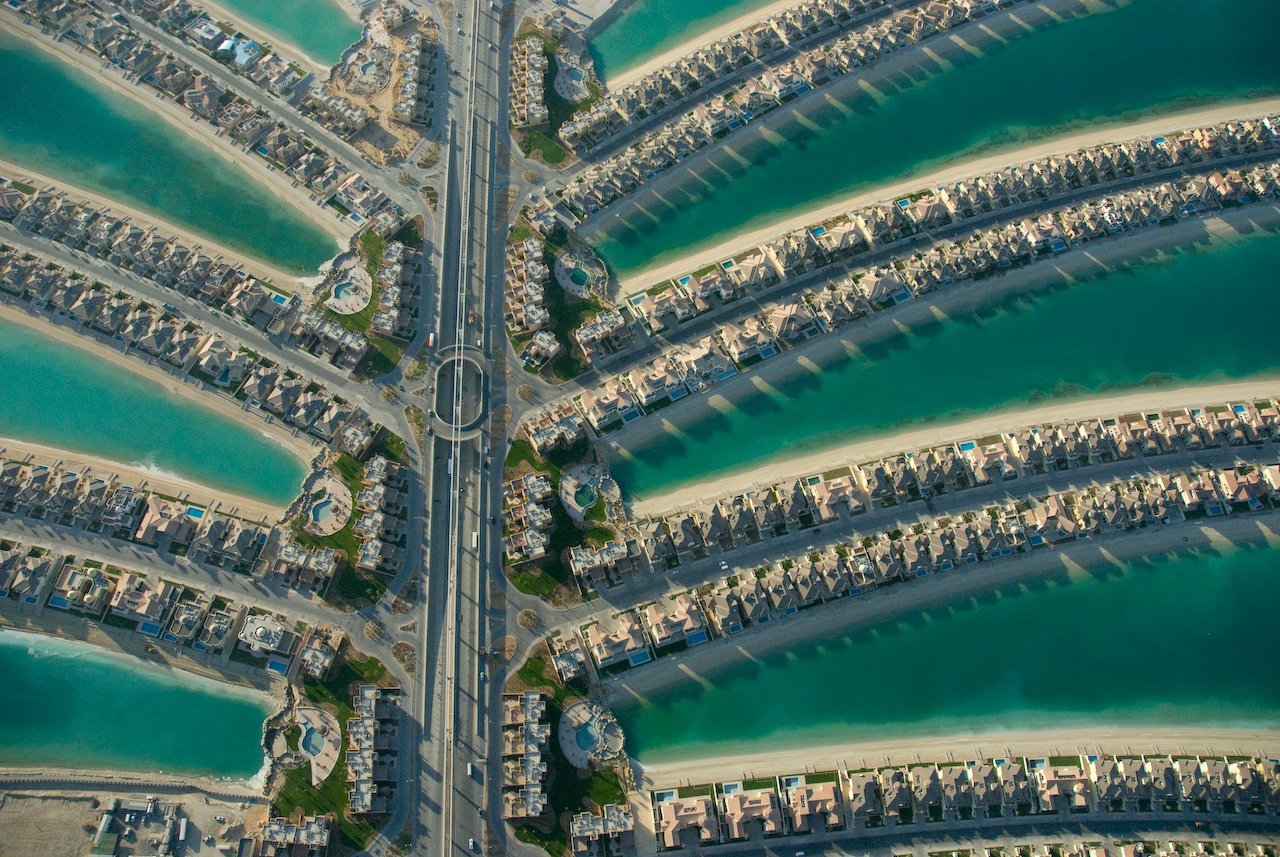
There is audacious engineering, and then there is building an entirely new island out of the sea and filling it with luxury hotels and private villas. Dubai’s Palm Jumeirah is an artificial island shaped like a palm tree that extends 3.1 miles into the Persian Gulf. The project required moving 94 million cubic yards of sand and 5.5 million cubic yards of rock to create new land where none existed before.
Engineers had to solve complex problems, including how to prevent the sand from washing away, how to ensure proper water circulation around the island, and how to protect the coastline from erosion. The island includes an 11-kilometer breakwater made from rocks quarried in the UAE mountains, creating a calm lagoon suitable for luxury resorts and residential developments.
Palm Jumeirah hosts over 60 luxury hotels, 5,000 apartments, 400 residential villas, spas, movie theaters, thematic parks, malls, and more. It also has the only seven-star hotel in the world, the Burj Al Arab Hotel. The island is connected to the mainland by a six-lane undersea tunnel and also hosts the Middle East’s first monorail. It is a city built on sand – quite literally.
8. Marina Bay Sands, Singapore – Architecture as Pure Drama
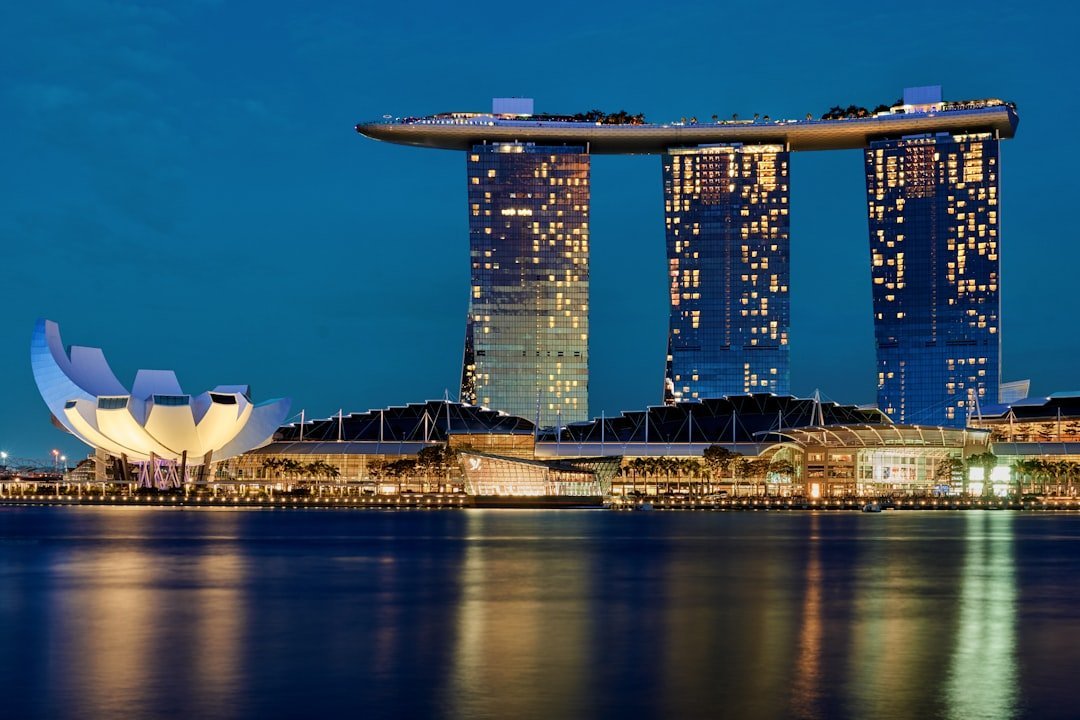
If the Burj Khalifa is the world’s tallest wonder, Marina Bay Sands might be its most dramatically beautiful one. The Marina Bay Sands is an integrated resort located in Singapore, and when it opened in 2010, it was the most expensive casino property in the world, valued at roughly 8 billion Singapore dollars.
From a distance, the hotel’s towers appear straight. Upon close inspection, the columns are slanted at 26 degrees – a number with cultural significance, as it adds up to “8,” which is a lucky number in Chinese culture. I love that detail. The building is performing geometry like a quiet magician.
The ArtScience Museum comprises ten fingers anchored by a unique round base that illuminates dramatically curved interior walls. The museum’s roof channels rainwater to create a 35-meter water drop used in the building’s cooling system, and the energy-efficient elevators convert kinetic energy into electricity. It is a building that thinks about the future while looking like it was imported from it.
9. The International Space Station – Engineering Above the Earth
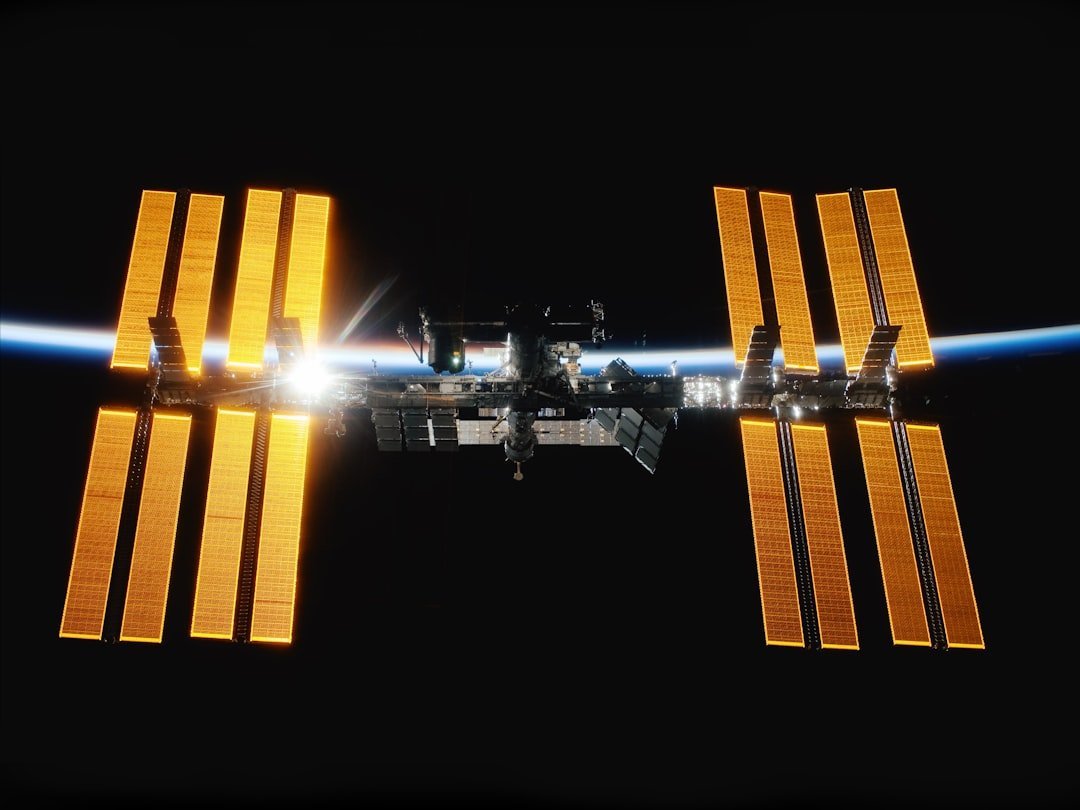
Here is the thing about the International Space Station: it is a wonder that most people completely forget to include on any list, because it does not sit on the ground. In 1994, the American Society of Civil Engineers compiled a list of Seven , paying tribute to the greatest civil engineering achievements of the 20th century. Yet even that list could not have anticipated a permanent human habitat orbiting Earth at 28,000 kilometers per hour.
The ISS stretches roughly the length of an American football field and has been continuously inhabited since the year 2000. It is the most expensive single object ever constructed, with a price tag that crossed well over 150 billion dollars. Think about that scale. Humanity built a floating laboratory in the vacuum of space, and people live there right now as you read this.
The station is a joint project involving space agencies from the United States, Russia, Europe, Japan, and Canada, making it one of the most complex feats of international cooperation in human history. Hundreds of scientific experiments have been conducted there, covering everything from human biology to materials science. It is not just a wonder of engineering. It is a wonder of what happens when nations agree to collaborate instead of compete.
10. The Golden Gate Bridge, San Francisco – The Icon That Endures
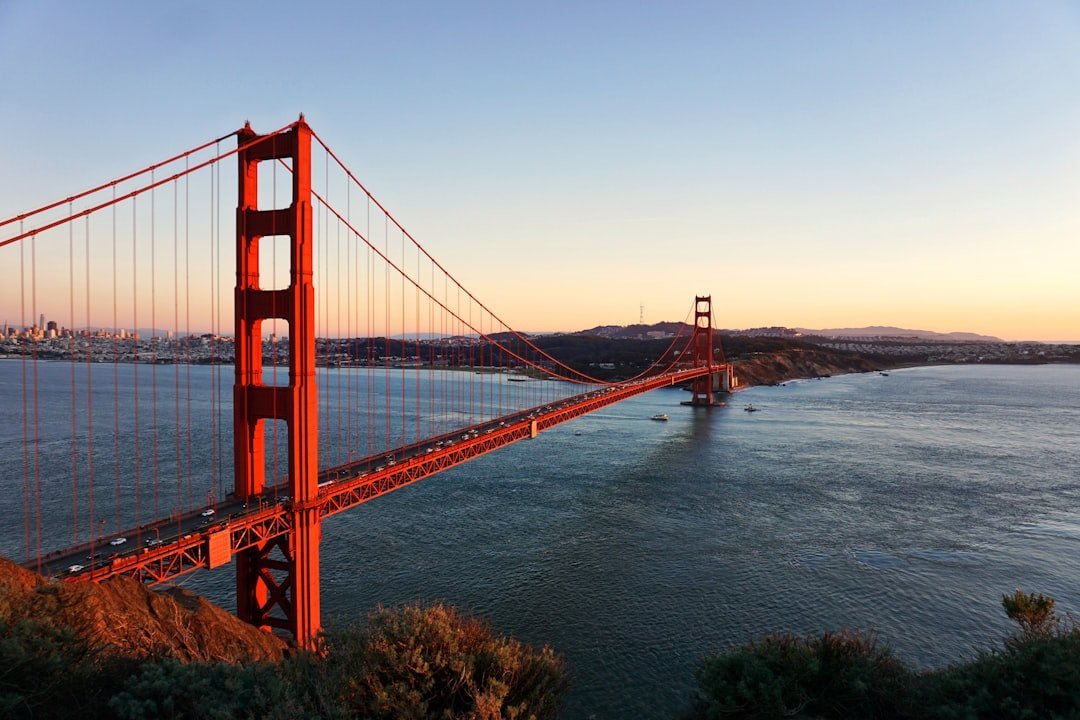
Some wonders earn their place not by being the biggest or newest, but by being so perfectly, timelessly beautiful that they become impossible to forget. At 1.7 miles long and painted in its signature burnt red, the Golden Gate Bridge was considered an incredible engineering feat when it opened in 1937. Nearly ninety years later, it still stops traffic – metaphorically speaking.
When it was built, critics said it could not be done. The tides were too strong, the winds too unpredictable, the depth of the channel too extreme. Chief engineer Joseph Strauss proved every single one of them wrong. The bridge was constructed during the Great Depression, employing thousands of workers and completing ahead of schedule. That alone feels like a small miracle.
The Golden Gate Bridge is the most photographed bridge in the world. That is a statistic that says everything about the power of good design. Similar to the ancient wonders of the world, which showcase immense historical significance and technical achievement, these structures take it a step further by highlighting modern engineering capabilities, industrial materials, and large-scale planning. The Golden Gate does all of that with a kind of effortless grace that most buildings only dream about.
A Final Reflection on Human Ambition
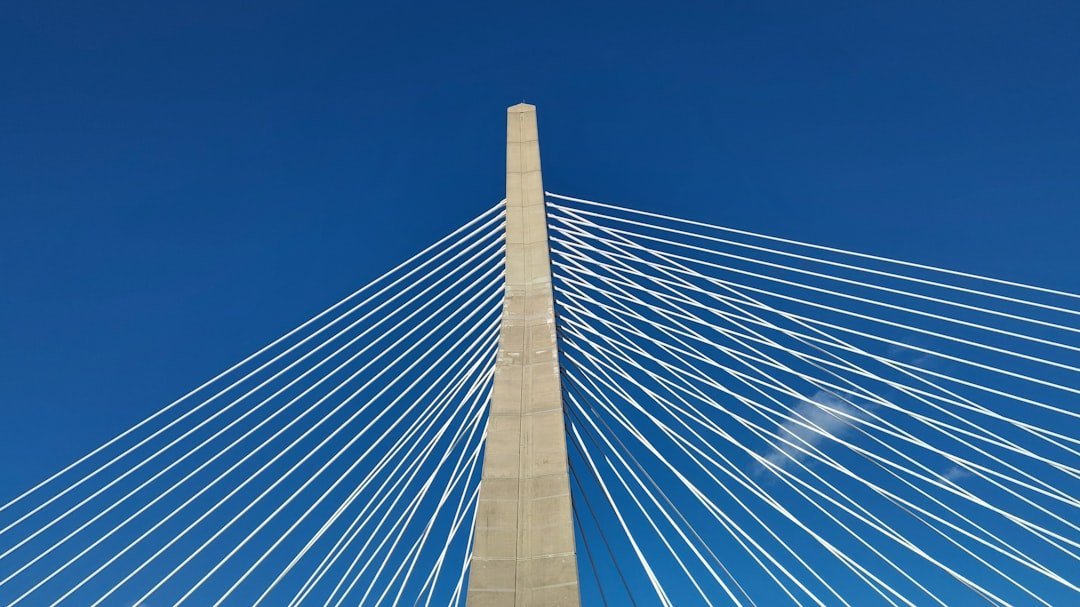
What ties all ten of these wonders together is something harder to measure than height or length or generating capacity. It is the refusal to accept the world exactly as it was given to us. These modern wonders show what large-scale engineering can achieve through innovation and planning, from tunnels under the sea to massive dams and flood defenses, each structure solving a real problem using advanced design and materials.
Together, they show how engineering shapes daily life in ways people often overlook. Even decades after completion, these projects still operate on a scale few structures ever reach, proving their lasting importance in the modern world. They are not relics. They are still working, still carrying passengers, still generating power, still making the impossible routine.
Every generation rewrites the definition of what is possible. The Burj Khalifa was once a sketch on paper. The Channel Tunnel was once a 200-year-old dream. The Large Hadron Collider was once a theorist’s wild ambition. The question worth sitting with is this: what are we building right now, today, that our grandchildren will one day call a wonder of the world? What do you think it will be? Tell us in the comments.

Besides founding Festivaltopia, Luca is the co founder of trib, an art and fashion collectiv you find on several regional events and online. Also he is part of the management board at HORiZONTE, a group travel provider in Germany.
