

- 15 Forgotten Musical Instruments That Deserve a Comeback on Today’s Charts - March 25, 2026
- 10 Most Iconic American Books Ever Written - March 25, 2026
- 10 Little-Known Gardening Secrets That Professional Growers Swear By - March 25, 2026
There is something genuinely fascinating about watching a sequel surpass the film that gave it life. It almost feels like a contradiction. The original had to take all the creative risks, build the world from nothing, introduce the characters for the first time – and yet somehow, the follow-up arrives and simply does it better. More emotionally resonant, more visually ambitious, more culturally powerful.
It doesn’t happen often. Honestly, most sequels are pale imitations dressed in familiar clothes. But when they get it right, they don’t just match the original – they bury it. The stories on this list aren’t just technically superior films. They became defining cultural events, box office records, and the kinds of movies people still argue about decades later. Curious which ones made the cut? Let’s dive in.
1. The Dark Knight (2008) – Original: Batman Begins (2005)
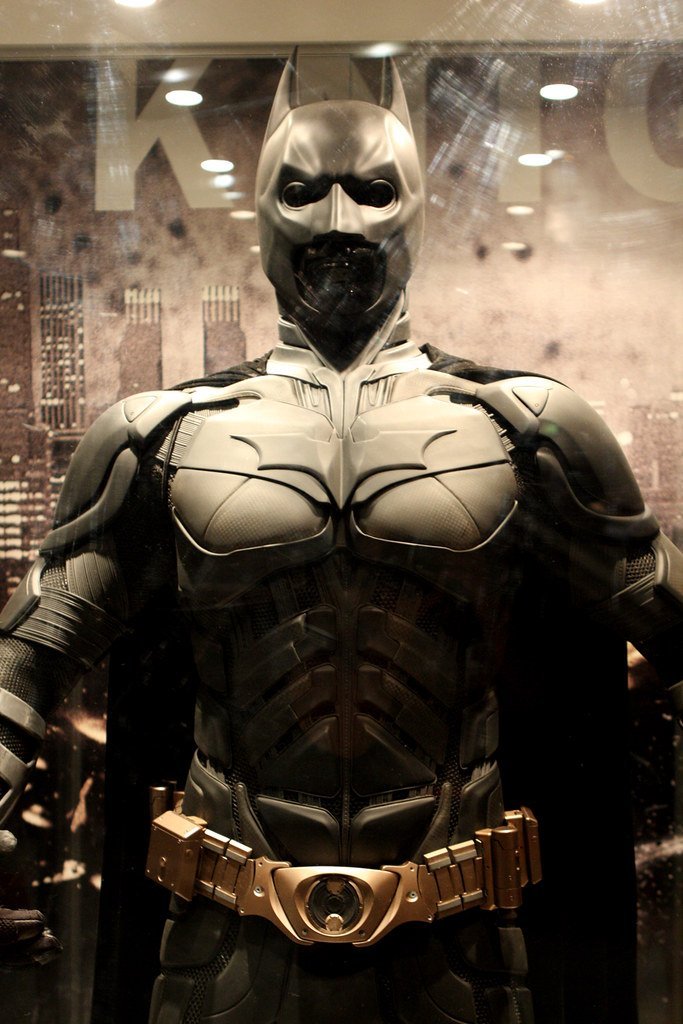
Let’s be real – when Batman Begins came out, it was considered a minor miracle. After the mixed reception of previous Batman films, Nolan’s approach brought a fresh and realistic tone to the character, grounding Batman in a more plausible and gritty world. It revived a franchise that had been all but killed by neon-colored campiness. It worked. People were genuinely impressed. Then came The Dark Knight, and suddenly Batman Begins looked like a dress rehearsal.
To call Christopher Nolan’s The Dark Knight a cultural phenomenon during its 2008 release would be putting it lightly. Still hailed as one of the best superhero movies of all time, The Dark Knight rode a wave of universal acclaim with its story of escalation from Batman Begins, Nolan’s grounded take on the Caped Crusader, and Heath Ledger’s portrayal of the Joker. The numbers tell the full story. The Dark Knight broke records right out of the gate on its July 18, 2008 release, setting a then-opening weekend record of $158.4 million, and ultimately amassed $1.006 billion worldwide by the end of its theatrical run.
The Joker stole the spotlight from Batman, and that’s mostly why The Dark Knight was the first ever superhero movie to gross over a billion dollars. The film had a profound cultural impact, transcending the superhero genre entirely, exploring morality, chaos, and the blurred hero-villain line, sparking discussions and analysis that extended its impact far beyond the screen. Batman Begins made a solid hero story. The Dark Knight made cinema history.
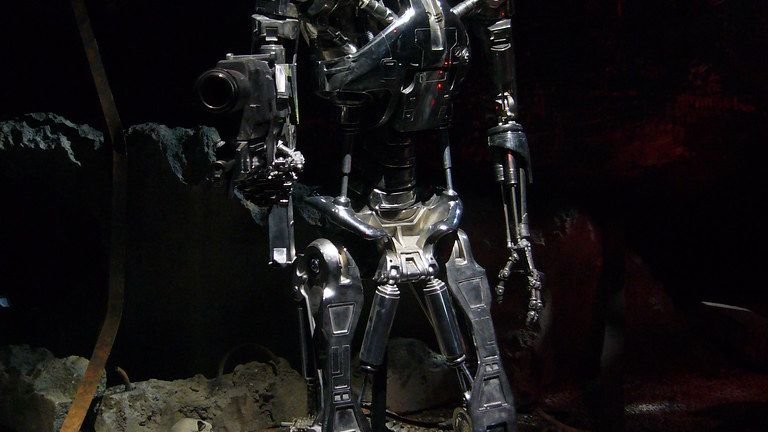
2. Terminator 2: Judgment Day (1991) – Original: The Terminator (1984)
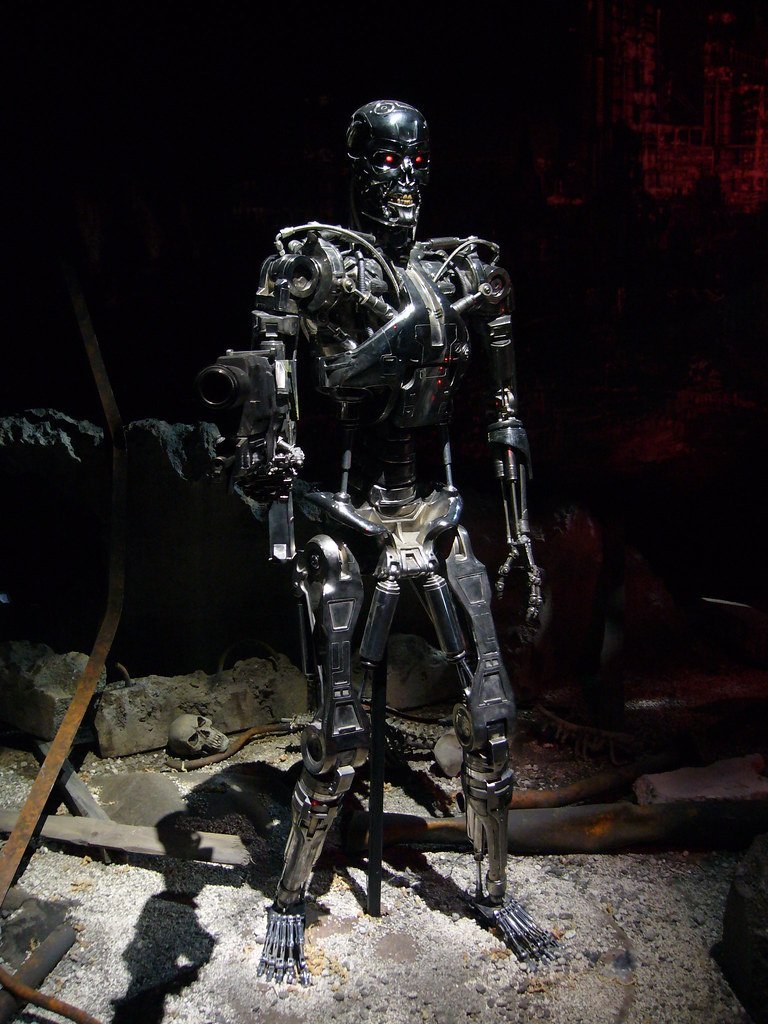
The original Terminator was made for an almost laughably small amount of money. The sci-fi offering with Arnold Schwarzenegger was a game changer for time travel flicks, and from a meagre budget of just $6.4 million, it grossed $78.3 million at the worldwide box office. That’s an extraordinary result for a lean, scrappy genre film. James Cameron had something to prove. Seven years later, he returned with a hundred million dollars and a vision that redefined what action movies could be.
There are few sequels in the history of cinema considered better than the originals that preceded them, but James Cameron’s Terminator 2: Judgment Day is widely considered to be one of them. The 1991 time-travelling action epic is up there with the best films of all time, and some people view it as the greatest sequel ever made. The movie cleaned up financially too, making around $520 million globally, which was way more than the first film’s $78 million. What really set Terminator 2 apart was its use of groundbreaking CGI, bringing the shape-shifting T-1000 to life in a way that was cutting-edge for its time.
The special effects in Terminator 2: Judgment Day were groundbreaking in the nineties, and they still remain influential over three decades later, often serving as a benchmark for many filmmakers. The movie also originated countless pop culture references and memes, while cementing the legacy of the Terminator franchise. Think of it like this: the original built the engine, but T2 launched the rocket.
3. The Godfather Part II (1974) – Original: The Godfather (1972)
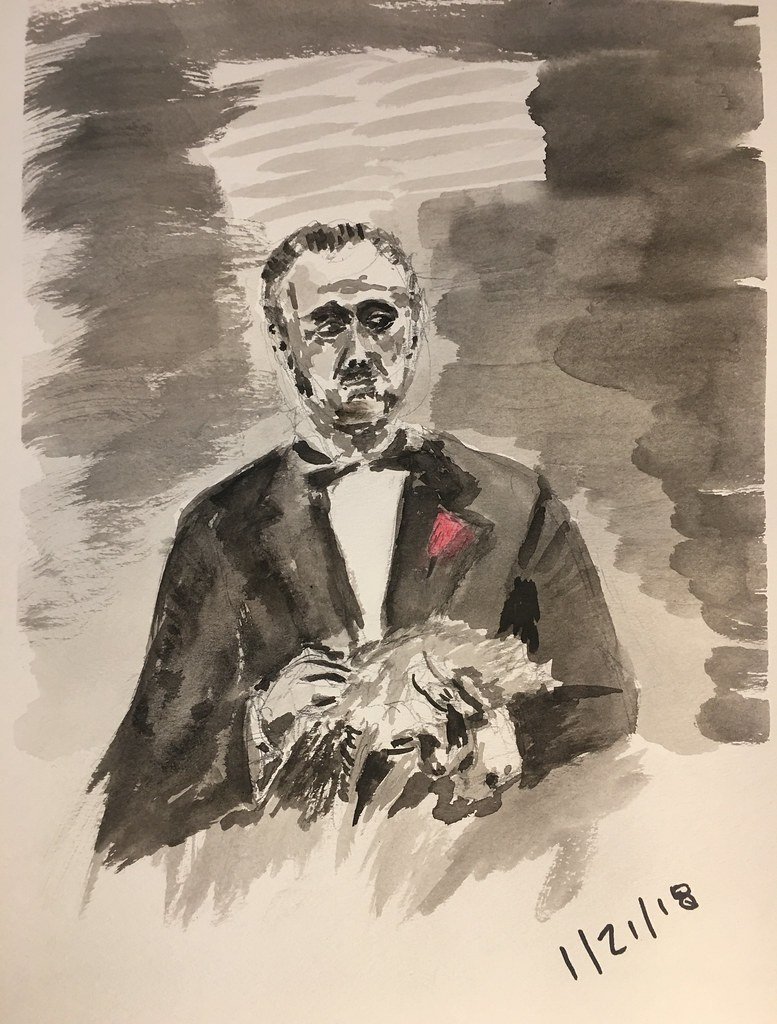
Calling The Godfather “merely” a good movie feels like an insult. It is one of the most celebrated films ever made. So what Francis Ford Coppola did with its sequel in 1974 was almost incomprehensible. The Godfather Part II, the 1974 sequel to Francis Ford Coppola’s masterful The Godfather, is hard to beat when it comes to movies in general, but when it comes to sequels, Coppola created the standard by which every other sequel in cinema history has been measured.
This approach allowed Coppola to expand the scope of the narrative into a full-blown Corleone family epic. He could explore both the aftermath of the original story, with Al Pacino’s Michael Corleone running the family business, and events from decades earlier. This artistic vision, along with what many critics consider Pacino’s greatest performance, put it at least on par with, and for some, better than, the original.
Francis Ford Coppola’s 1974 crime drama was the first-ever sequel to win the Academy Award for Best Picture, and it also picked up five other Oscars. The Godfather only won three Academy Awards, so the sequel was more successful in terms of honours. On its original release, The Godfather Part II was a hit with $47.7 million box office almost quadrupling its $13 million budget. History has been even kinder to it ever since.
4. Star Wars: The Empire Strikes Back (1980) – Original: A New Hope (1977)
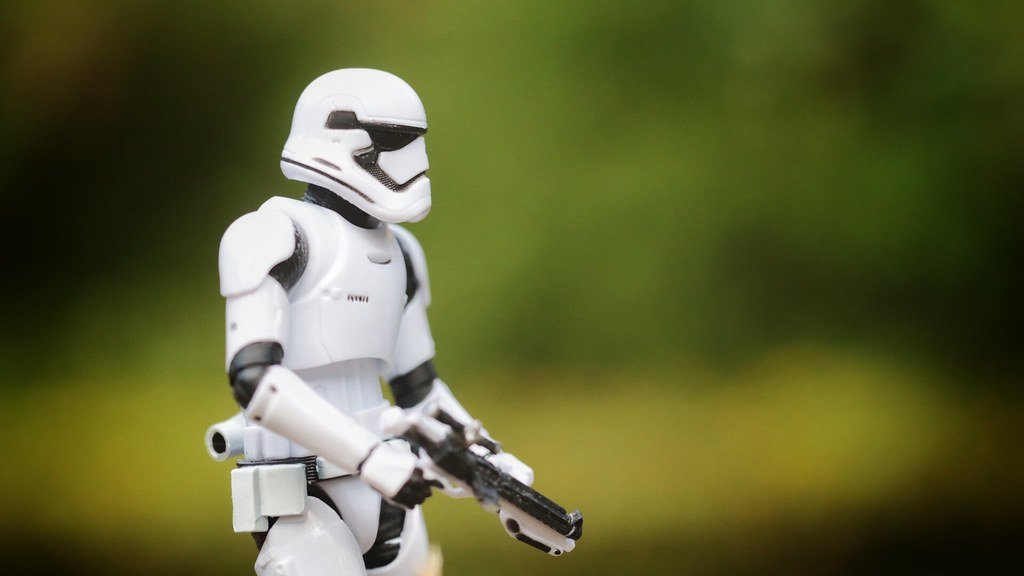
Here is the thing about A New Hope – it changed everything. George Lucas built an entirely new universe and made it feel real. Audiences in 1977 had genuinely never seen anything like it. When George Lucas was making the first Star Wars movie, he didn’t expect to make another one, despite having twelve stories already thought out. To keep the possibility of a sequel alive, he left Darth Vader off the Death Star. The decision ultimately proved to be a wise one, as the massive success of the first movie provided Lucas and director Irvin Kershner with the resources to expand the universe in the sequel.
The Empire Strikes Back went deep into what makes these characters tick and wasn’t afraid to get dark. Luke gets beaten up over and over, we learn about the Force from Yoda, Han and Leia fall in love while on the run, and Vader gives audiences the greatest twist moment of all time. It is honestly one of the boldest narrative choices in blockbuster history – ending the middle chapter of a trilogy with the heroes defeated and broken.
They introduced new planets and now-iconic characters like Yoda and Lando, and ended the film on a dark note, signalling that the story was far from over. Many now consider The Empire Strikes Back not just the best film in the Original Trilogy, but the best Star Wars installment, period. It’s the rare sequel that made the original feel like a prologue to something even greater.
5. Aliens (1986) – Original: Alien (1979)
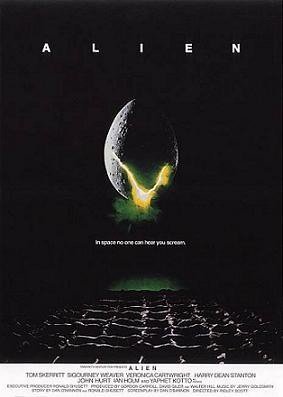
Ridley Scott’s Alien is an almost perfect horror film. Slow-burning, claustrophobic, terrifying. It set the bar for science fiction horror so high that a sequel seemed almost pointless. Then James Cameron – yes, him again – walked in and did something nobody expected. He didn’t try to remake Alien. He completely changed the genre of the franchise on purpose. Few sequels are as respected as James Cameron’s Aliens, which went from straightforward horror to action-horror, yet retained fans of the original film as well as bringing new fans into the fold.
Alien is hands down one of the best horror sequels of all time. What Aliens managed to do, however, was change that horror genre to more of an action-horror, and in doing so transformed the series into something both wholly accessible and refreshingly new. Many people actually regard Aliens as the better movie compared to the original. Sigourney Weaver’s Ellen Ripley went from a survivor to a warrior, and that transformation remains one of cinema’s great character arcs.
Among film lovers, there are those who stand firmly by their belief that Aliens beats The Empire Strikes Back and Terminator 2 as the greatest sequel of all time. That’s a genuinely wild claim. It’s also not without merit. Cameron took someone else’s creature and made it into something entirely his own. The original gave audiences one alien. The sequel gave them hundreds – and somehow made it work.
6. Fast Five (2011) – Original: The Fast and the Furious (2001)
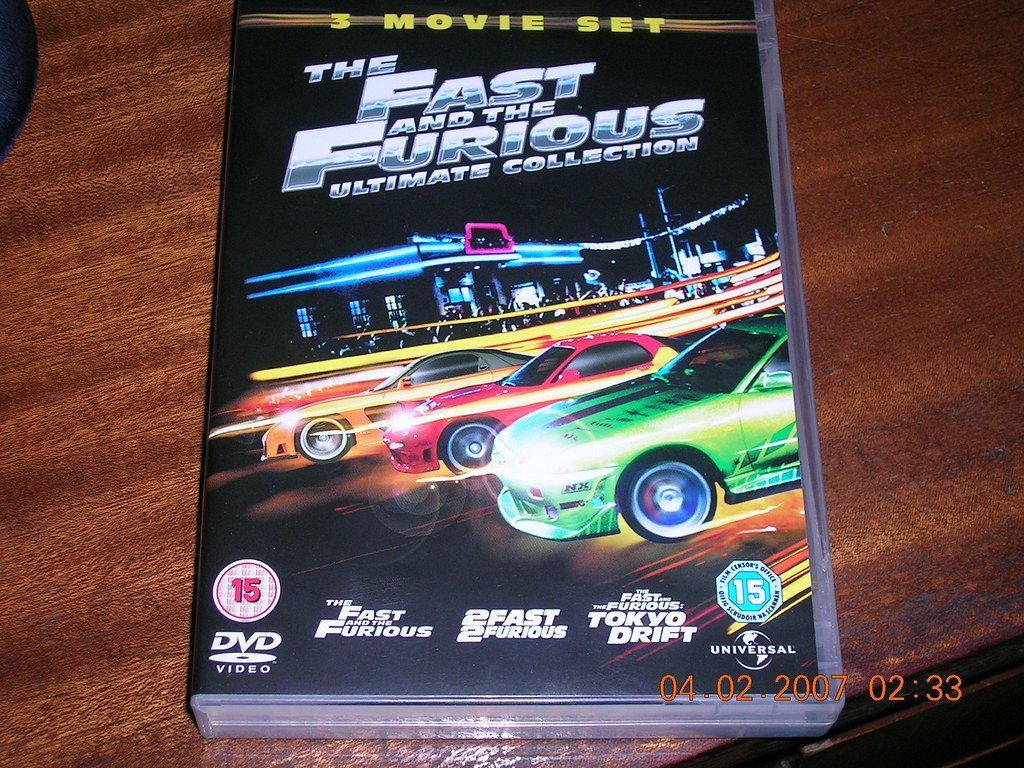
I’ll admit it. For years, The Fast and the Furious franchise felt like the cinematic equivalent of a sugar rush – loud, fun for a moment, then forgotten. The first four films were essentially the same movie with different cars. Before Fast Five came out, the Fast and Furious movies were just a series of loosely connected tales about drag racers. Fast Five turned the series into a full-fledged franchise that has grossed more than $1.5 billion at the box office.
With Fast Five, Justin Lin hit the gas on the Fast and Furious franchise and turned it from a series centered around street racing and small-time heists into a global action adventure that became as much about punching and shootouts as it did vehicles. It was a genuinely audacious pivot. The studio essentially admitted the old formula was stale and replaced it wholesale with something bigger and bolder.
It blew open the scale of the series, shifting focus from individuals street racing to a more archetypal team of unlikely heroes, in this case executing a heist and all the excitement that entails. While it’s genuinely thrilling, it’s also effective in assembling a cast of characters you genuinely care about and root for. Fast Five is essentially Ocean’s Eleven with impossibly fast cars. It’s hard to say for sure what the ceiling of this franchise would have been without that pivot, but it would have been much lower.
7. Spider-Man 2 (2004) – Original: Spider-Man (2002)
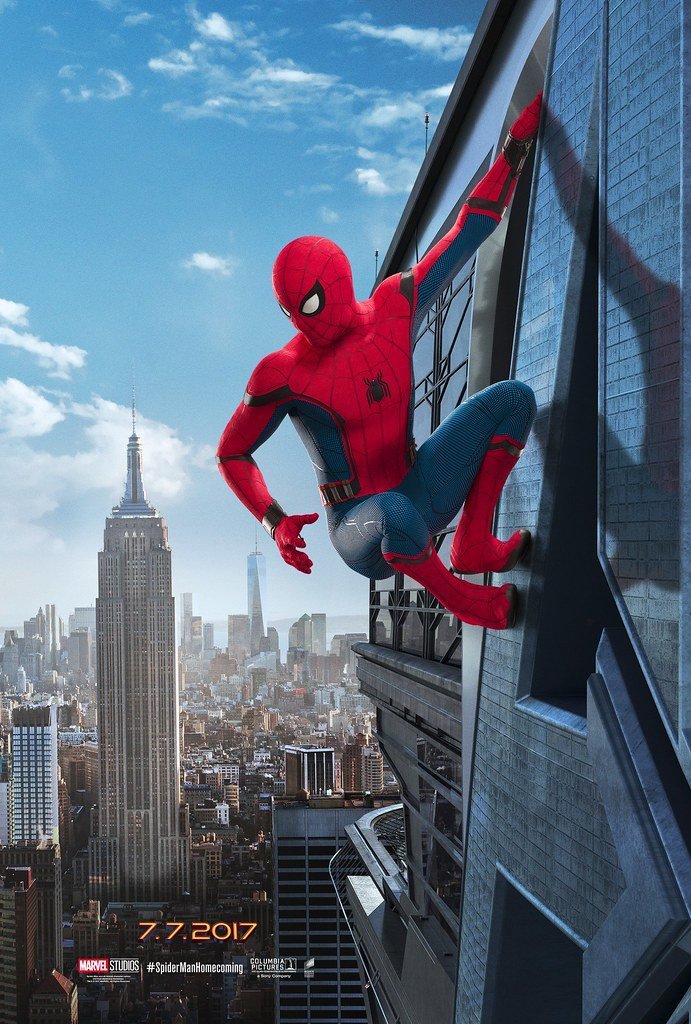
The first Sam Raimi Spider-Man film was a revelation for comic book movies. At a time when superhero films were still trying to prove they deserved to be taken seriously, it arrived with heart, humor, and genuine spectacle. It was a great origin story. Then came the sequel, and origin stories suddenly looked like the boring part. Spider-Man 2 did something extraordinary – it improved upon the original in almost every way. The film dug deeper into the psychology of Peter Parker and provided one of the most compelling villains in Doc Ock.
Think of it like a superhero story told in two acts, where the first act establishes the powers and the second act asks a far harder question: what does it cost to use them? That internal conflict – the exhausted, crumbling humanity of Peter Parker underneath the mask – gave the film a weight the original never quite reached. It grossed $783 million, which was pretty close to the first movie’s $821 million, but was widely lauded for its story and character depth.
Spider-Man 2 is still consistently rated as one of the greatest superhero films ever made, often cited as a masterclass in how to balance action with genuine emotional storytelling. Alfred Molina’s Doctor Octopus remains one of the most human, layered villains in the genre’s entire history. The original gave us a hero. The sequel gave us a story worth telling.
8. Toy Story 2 (1999) – Original: Toy Story (1995)
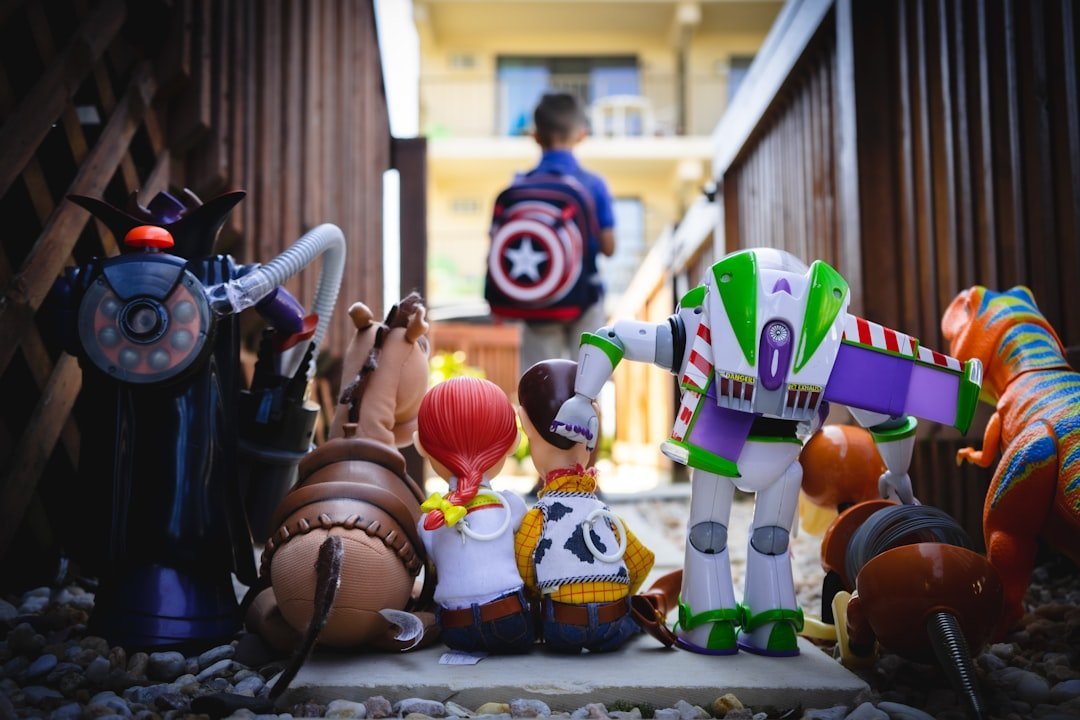
Toy Story is one of those films that changed the industry permanently. The film made cinematic history as the first feature-length film to be created entirely using computer-generated imagery. That alone would be enough of a legacy. The sequel, however, had no interest in simply repeating the achievement. Directed by John Lasseter, the production was originally planned as a direct-to-video sequel before being upgraded to a theatrical release due to the strength of its narrative.
Toy Story 2 expanded on the original by exploring heart-wrenching themes like abandonment, purpose and ways to find meaning in life after devastating loss. Just try not to cry watching Jessie’s backstory. Toy Story 2 showed that even for toys, broken hearts could be healed. That emotional depth was something the first film hadn’t fully explored, and Pixar delivered it with devastating precision.
The rare sequel that arguably improves on its predecessor, Toy Story 2 uses inventive storytelling, gorgeous animation, and a talented cast to deliver another rich moviegoing experience for all ages. The second installment of the franchise nearly doubled the earnings of the original film and was praised for being one of the rare sequels that improved upon its predecessor. Few animated films have ever hit that combination of technical brilliance and emotional gut-punch quite so perfectly.
9. Mad Max: Fury Road (2015) – Original: Mad Max (1979)
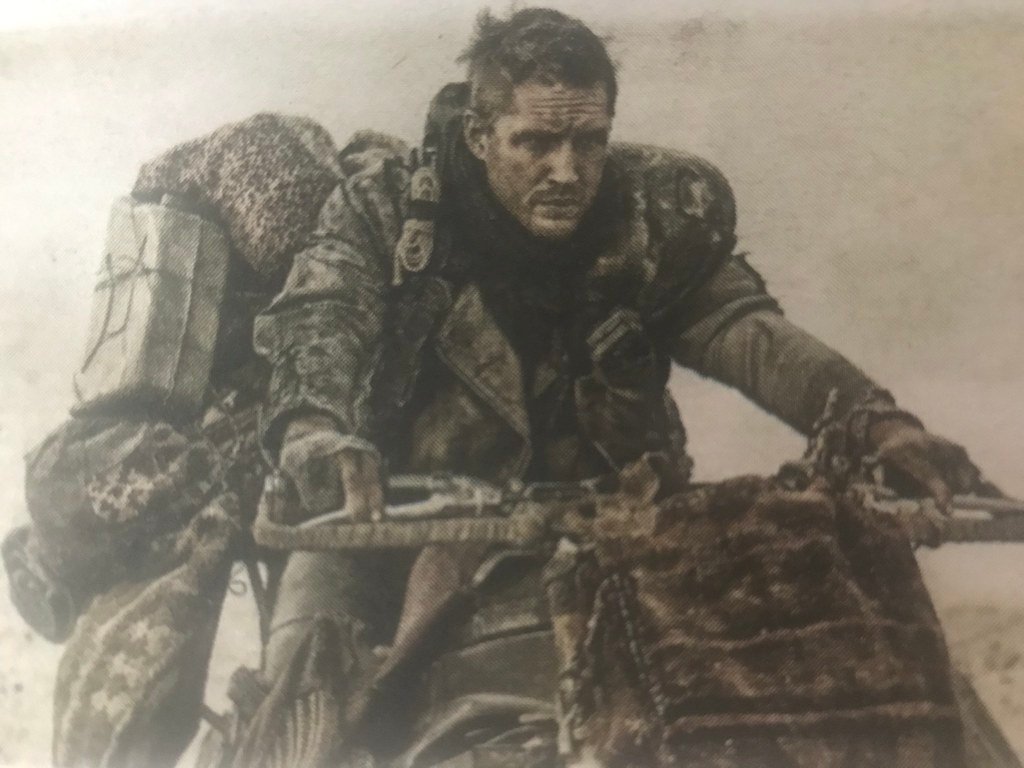
Mad Max has a strange history. The original 1979 film was influential and darkly compelling, but it was barely known outside of Australia when it first released. The Road Warrior was a sequel to Mad Max, the classic post-apocalyptic movie starring Mel Gibson. Because the original Mad Max only had a limited release, it was not initially well known outside of Australia. Consequently, The Road Warrior was not advertised in the United States as a sequel, with trailers and posters bearing no mention of the original movie. So the sequels essentially defined the franchise more than the original ever could.
Mad Max: Fury Road, the fourth installment, arrived nearly four decades later and did something almost impossible – it made a legacy franchise feel genuinely new and electrifying again. Mad Max: Fury Road expands the apocalyptic world and the Mad Max mythos while also utilizing modern effects and a grand scale, making for an absolutely exhilarating cinematic experience. The introduction of characters like Furiosa and Nux also adds engaging new angles to the story.
Not only is Mad Max: Fury Road significantly better in its presentation, but it is also more complete and realistic than its predecessors. The film received extraordinary critical praise, swept multiple Academy Awards, and sparked a cultural conversation about representation, action filmmaking, and what blockbusters can actually achieve when a visionary director is given room to breathe. The original gave the world Max. Fury Road gave the world something to remember.
10. Bride of Frankenstein (1935) – Original: Frankenstein (1931)
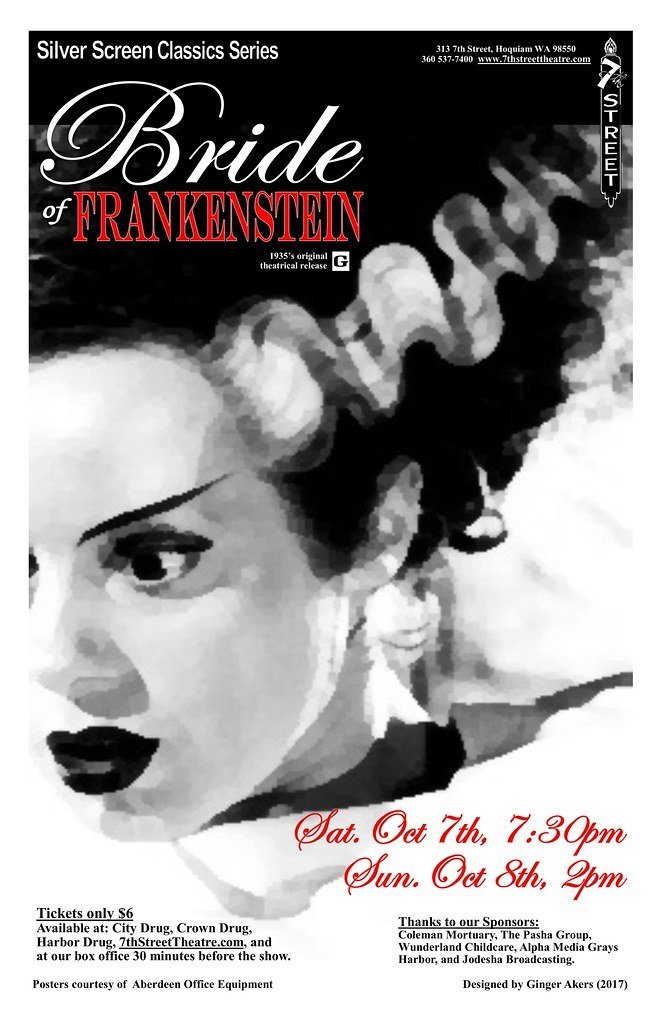
Most people don’t expect a film from 1935 to appear on a list like this. But honestly, this is one of the most important entries of all. Not only is this the oldest film on our list, but it was also the first horror movie sequel ever made. Released four years after the original, it picks up right where its predecessor left off. The film draws inspiration from a subplot in Mary Shelley’s original Frankenstein novel, but expands it into a largely original story.
Bride of Frankenstein garnered praise for its technical achievements and character developments, both upon release and in the decades since. Many consider it to be one of the greatest sequels of all time and director James Whale’s masterpiece. In 2005, Time Magazine added it to its list of All-Time 100 Movies, going against its original review from the 1930s, and declaring it superior to the original. That kind of critical reappraisal spanning seventy years is extraordinarily rare.
What makes this entry so fascinating is the context. Hollywood was still figuring out sequels as a concept. There was no playbook. Whale essentially had to invent the idea of a worthy follow-up while simultaneously reinventing the horror genre. The fact that Bride of Frankenstein set a template that filmmakers are still consciously or unconsciously following in 2026 says everything about its impact. The original gave us a monster. The sequel gave it a soul.
What Makes a Sequel Actually Surpass the Original?
Looking at this list as a whole, a pattern emerges pretty quickly. The sequels that truly outpaced their originals weren’t simply bigger versions of the same film. They were smarter reimaginings. Sequels can surpass the original in popularity and cultural impact even if they are not considered better by every measure. Some sequels gain recognition for establishing essential elements or creating memorable pop culture moments.
The sequels that truly win are the ones where the filmmakers identified what the original did right, kept it, and then had the courage to challenge everything else. Terminator 2 flipped its villain into a hero. The Dark Knight turned a superhero story into a moral philosophy lecture. Fast Five abandoned its genre completely. Often the second part fails to further the scope and impact of the first, but in some special cases, not only do the sequels smash the bar set, but they surpass our own imagination.
Honestly, the best sequels are fueled by something unusual: creative risk taken from a position of confidence. The first film built the audience. The second film used that audience’s trust as permission to go somewhere more complicated, darker, or emotionally bigger. It’s a rare alignment of studio resources, creative vision, and genuine ambition. When it works, the result doesn’t just surpass the original – it redefines it. The original becomes the setup. The sequel becomes the story everyone actually remembers.
Which of these sequels surprised you most? Did any of them deserve to be even higher on the list? Tell us in the comments.

Besides founding Festivaltopia, Luca is the co founder of trib, an art and fashion collectiv you find on several regional events and online. Also he is part of the management board at HORiZONTE, a group travel provider in Germany.
