
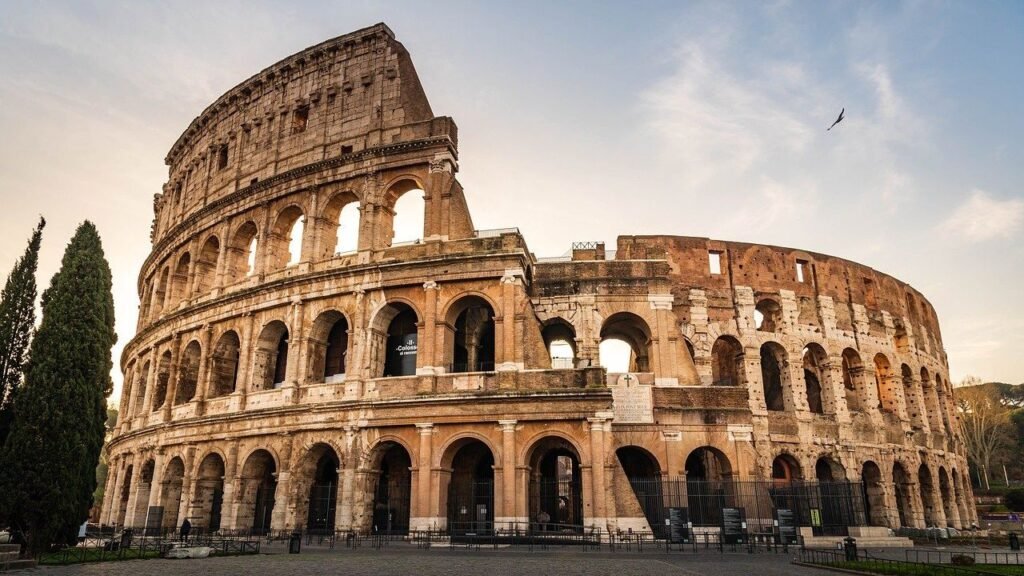

Europe has a way of humbling even the most seasoned traveler. One morning you’re sipping an espresso in a 400-year-old Roman piazza. The next afternoon, you’re watching the sun sink into the Atlantic from a hillside in Lisbon. Nowhere else on earth can you cross a border every few hours and land in an entirely different language, cuisine, and century of architecture.
Europe is entering a golden travel moment in 2026, with brand-new cultural openings, revived neighbourhoods, better transport links, and a rising trend toward slow, meaningful travel – making this one of the best years to plan a European adventure. Whether you’re a first-time visitor or returning for the twentieth time, this continent never runs out of surprises. Let’s dive in.
1. Paris, France – The City That Never Disappoints
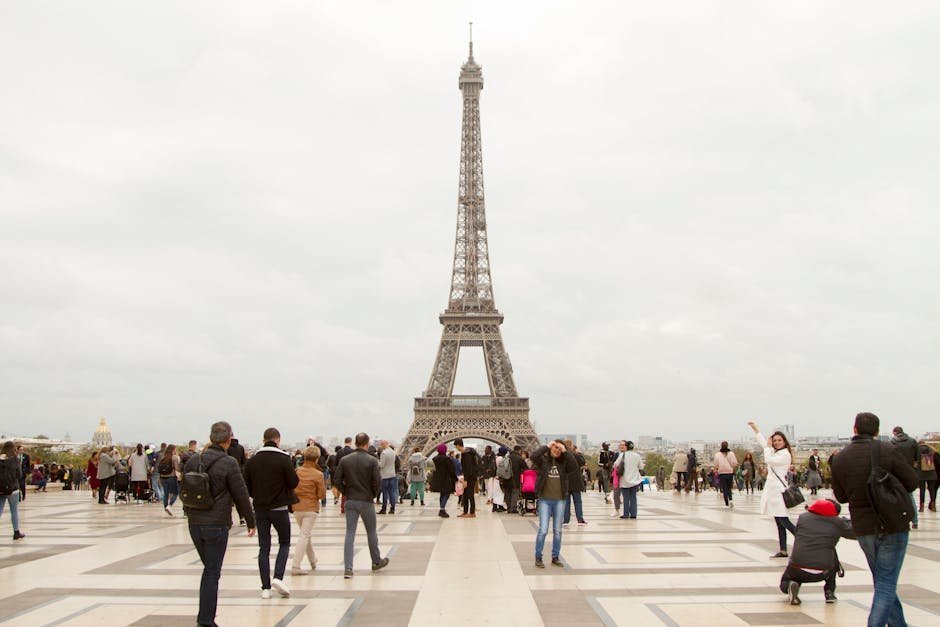
Honestly, it would be almost offensive to write a European travel list and not start with Paris. Paris is consistently in the top three most visited cities in Europe, and for good reason – it boasts iconic historic sites like the Eiffel Tower and the Louvre, a world-class shopping scene, and some of the best coffee and pastries you’ll ever taste. It’s one of those cities that feels like it was designed specifically to make you feel something deep.
The Louvre Museum is home to the world-famous Mona Lisa and countless other masterpieces of art, while the Notre-Dame Cathedral – a Gothic masterpiece – stands as another testament to the city’s rich history. The city’s charming streets and lively café culture provide the perfect backdrop for strolling along the Seine or exploring neighborhoods such as Montmartre and Le Marais. I think what surprises most visitors is how livable Paris feels – it isn’t just a museum, it’s a city people actually call home.
2. Rome, Italy – Where Every Corner is a History Lesson
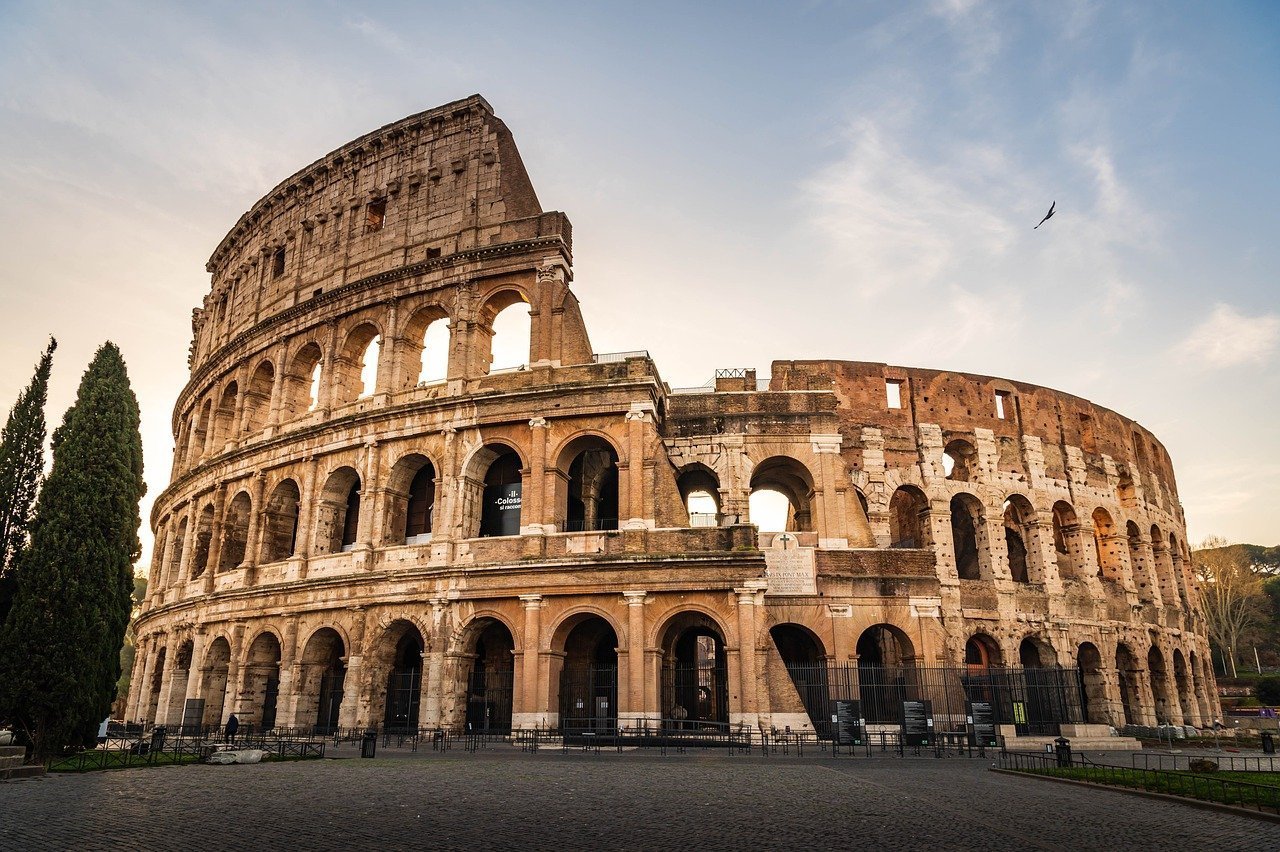
Rome is one of those places that genuinely defies belief. Rome is not just a destination, it’s an experience. Ancient ruins sit beside buzzing cafés. Historical sites appear at every turn. The Colosseum, Roman Forum, and Vatican City remind you that this city shaped the world. Walking between these landmarks feels less like sightseeing and more like time travel.
Known for its ancient ruins, including the Colosseum and Roman Forum, Rome offers a deep dive into the past, paired with contemporary vibrancy. The city also boasts an exceptional food scene, making it a great destination for both history buffs and culinary enthusiasts. Rome in 2026 is a compelling mix of restored archaeological sites and an increasingly cool modern city, with new bars, rooftop restaurants, creative districts in former industrial areas, and more pedestrian zones making exploring easier. Simply put, Rome rewards those who wander without a strict plan.
3. Barcelona, Spain – Architecture, Beaches, and Pure Energy
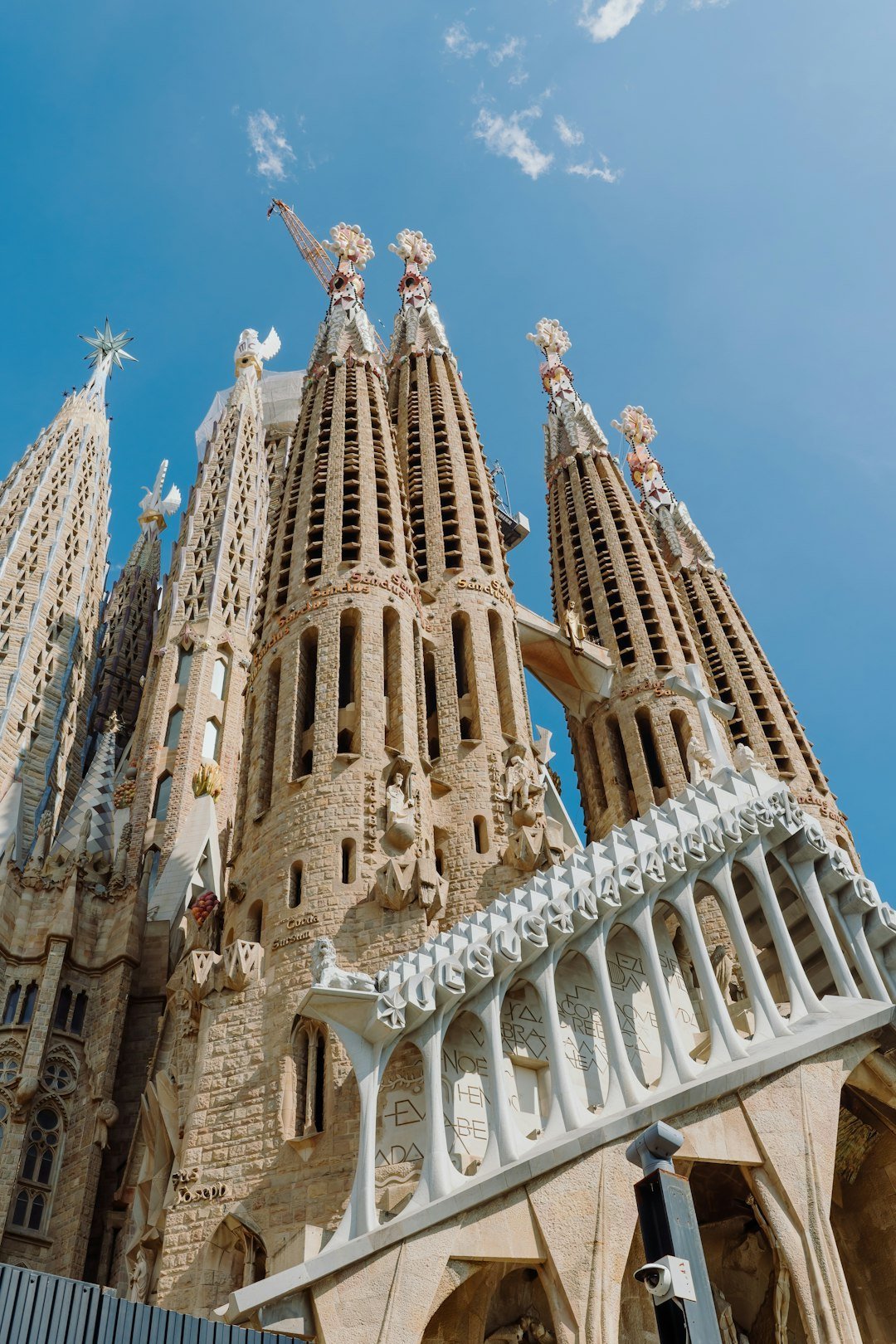
Let’s be real: Barcelona might be the most complete city on this entire list. Barcelona’s diverse architecture sets the city apart from other European destinations, with must-see attractions like Antoni Gaudí’s Park Güell and Basílica de la Sagrada Família being beyond impressive, alongside the many medieval buildings in the Gothic Quarter. It’s the kind of city where you can spend an entire morning just staring at buildings.
The Sagrada Família will mark a major milestone toward its completion in 2026, which happens to be the 100th anniversary of the death of its original designer Antoni Gaudí, with a host of commemorative events. When you tire of taking in the Spanish city’s stunning structures, you can relax on Barceloneta beach, sample tasty local tapas at Boqueria Market, or sip sangria along Las Ramblas. The energy of this city is almost impossible to describe – it simply has to be felt.
4. Prague, Czech Republic – A Fairy Tale You Can Actually Walk Into
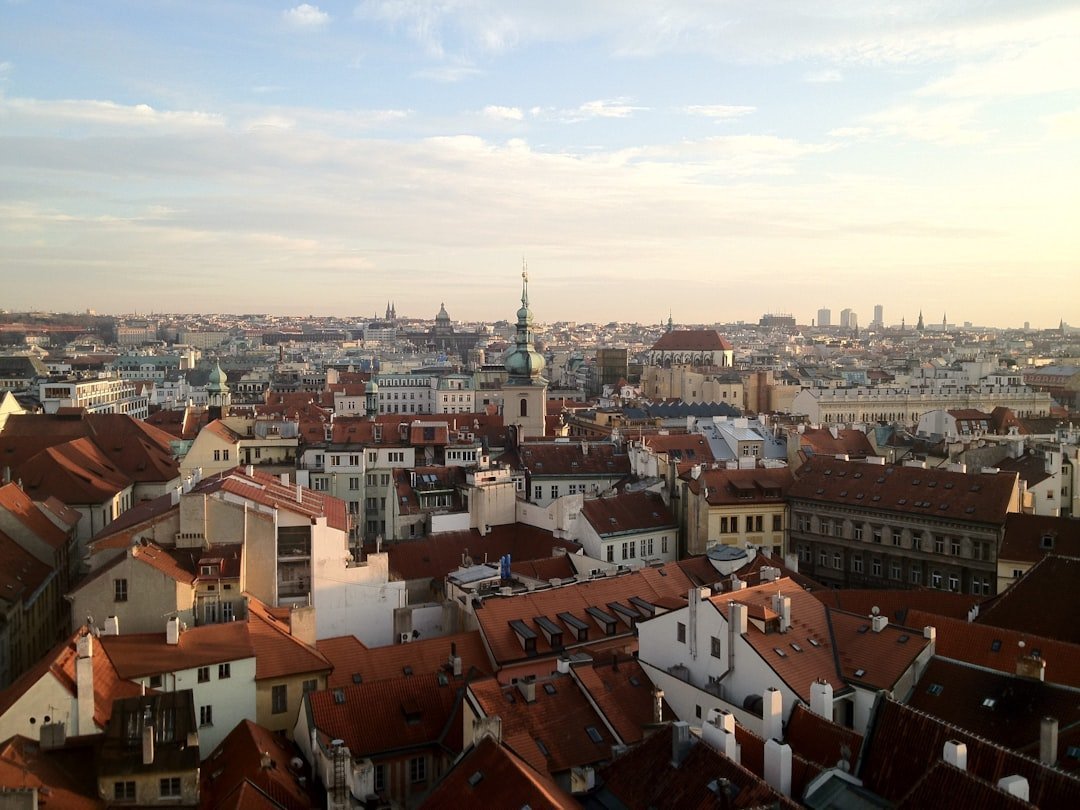
Some cities look better in photographs than in real life. Prague is the glorious exception. A vacation in Prague feels like stepping into a fairy tale. You can take in the Gothic architecture and vibrant atmosphere of Old Town Square, tour Prague Castle, and go for a stroll across the famously scenic Charles Bridge. Every single street feels like it belongs in a storybook.
The Prague Astronomical Clock, Europe’s oldest working clock, puts on an hourly show that draws crowds every single time. Prague remains a fairy-tale city, and ongoing restorations of historic sites, riverfront upgrades, and cultural festivals give it a fresh edge in 2026, while also offering great value compared to Western capitals. It’s hard to say for sure, but Prague may be the single most photogenic city in all of Europe.
5. Amsterdam, Netherlands – Canals, Bikes, and World-Class Art
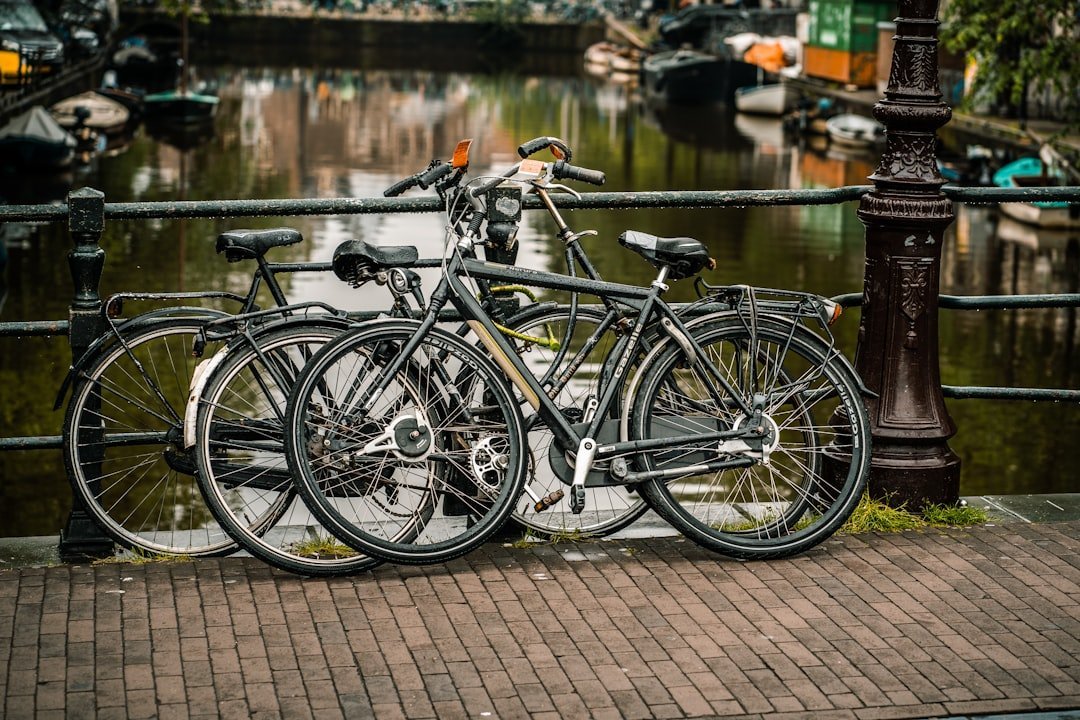
Amsterdam, the capital of the Netherlands, is famous for its picturesque canals, artistic heritage, and laid-back atmosphere. Think of it like Venice, but without the tourist chaos – and with a cycling culture so embedded in daily life that it practically defines the city’s personality. The city is so bike-friendly that it has more bikes than it does residents.
The Rijksmuseum, Van Gogh Museum, and Anne Frank House are some of the city’s top cultural attractions, while Vondelpark offers a peaceful escape from the hustle and bustle. One of the most unique experiences in Amsterdam is cycling along its canals, which are lined with beautiful 17th-century houses. Amsterdam’s 2026 event calendar includes WorldPride, the National Tulip Day, and the Amsterdam Light Festival, bringing colour and beauty to the city. Few cities manage to feel both artsy and deeply welcoming at the same time.
6. Vienna, Austria – Imperial Grandeur Meets Modern Culture
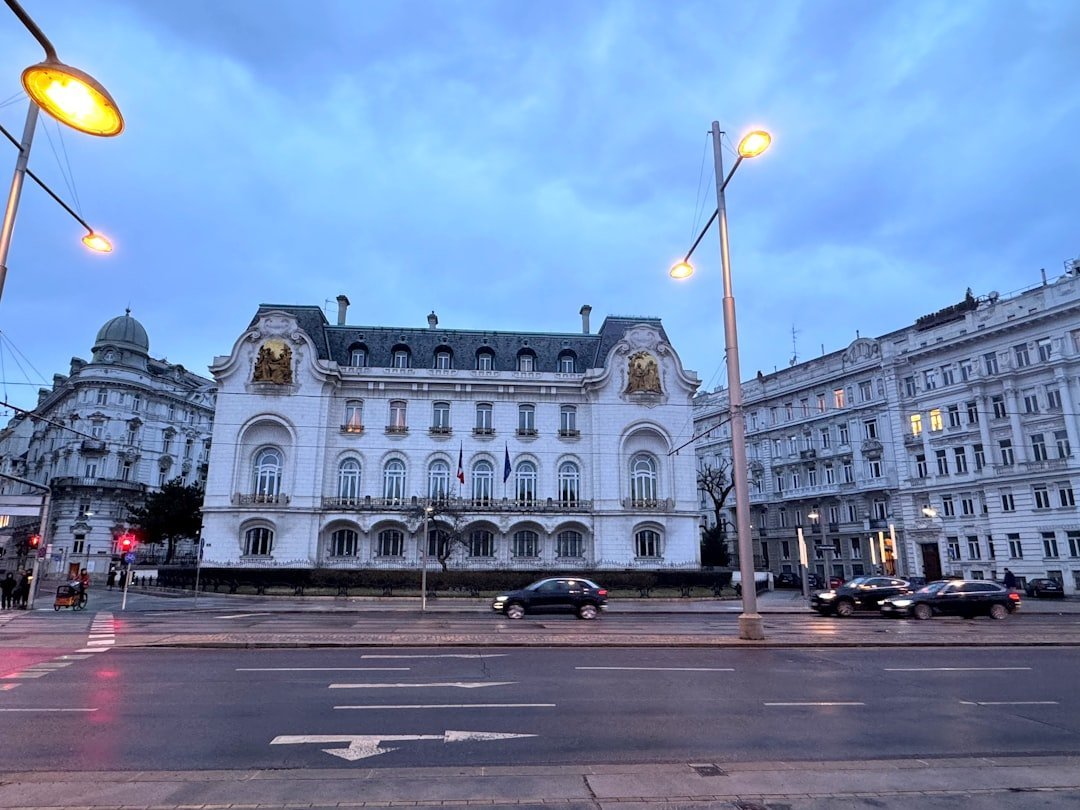
Vienna operates on a different frequency than most European capitals. There’s a deliberate elegance here, a kind of refined confidence that you either instantly fall in love with or find slightly intimidating. Vienna continues updating its museums and public spaces, combining imperial grandeur with contemporary art and music, and consistently ranks as one of the world’s most liveable cities.
Visitors shouldn’t miss the dazzling interiors of the Kunsthistorisches Museum, a slice of Sachertorte at Café Sacher, or a peaceful wander through the MuseumsQuartier. In 2026, Vienna is hosting the Eurovision Grand Final on May 16, making it an especially exciting destination for music lovers this year. The opera houses, the coffee house culture, the ring road lined with palaces – Vienna is, quite simply, Europe at its most theatrical.
7. Lisbon, Portugal – The Most Charming City You May Be Underestimating
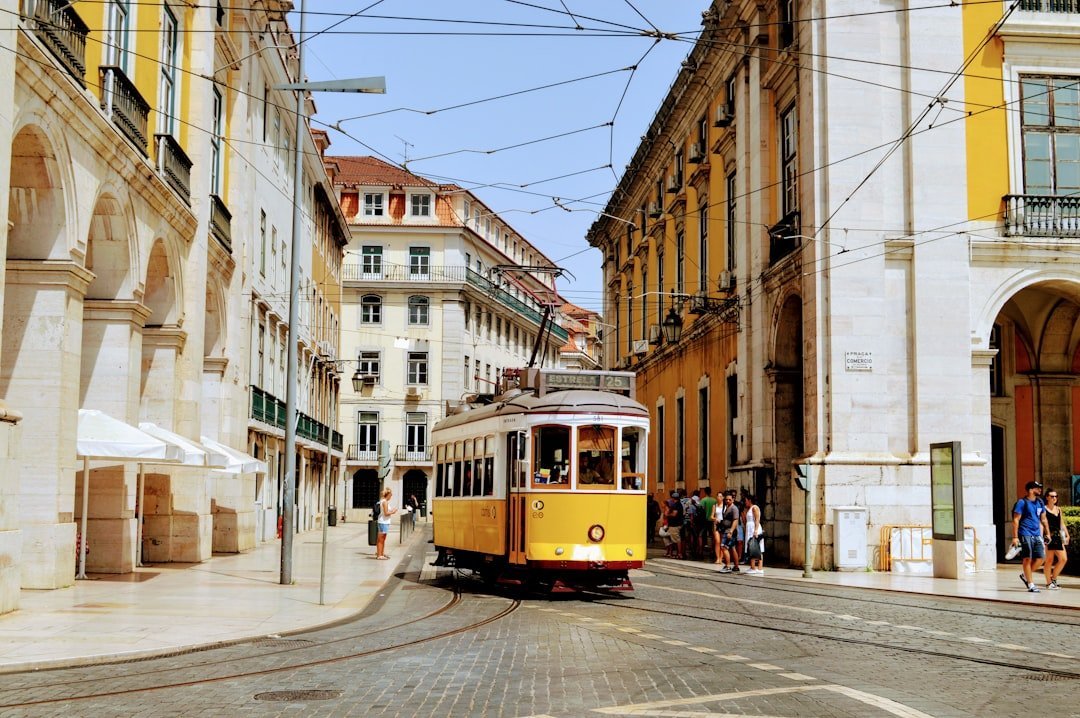
Here’s the thing about Lisbon: it somehow manages to be trendy and timeless at exactly the same moment. Lisbon welcomes travelers with its medieval castles, beautiful overlooks called miradouros, and flavorful seafood. Nestled on top of seven hills, Portugal’s laid-back capital is pedestrian-friendly, and if you don’t want to hike the sloping streets, you can hop on a quaint yellow tram.
Visitors should pencil in time to see the colorful Portuguese azulejo tiles around the city and tour the impressive Jerónimos Monastery in the Belém district. While there, a stop at the famous Pastéis de Belém for a traditional pastel de nata, a decadent custard-filled tart, is a must. Lisbon’s rise continues in 2026 with restored building facades, creative hubs, riverfront hangout spots, and a modern public-transport system that makes it both trendy and comfortable. It’s one of those cities that quietly gets under your skin.
8. Budapest, Hungary – Two Cities for the Price of One
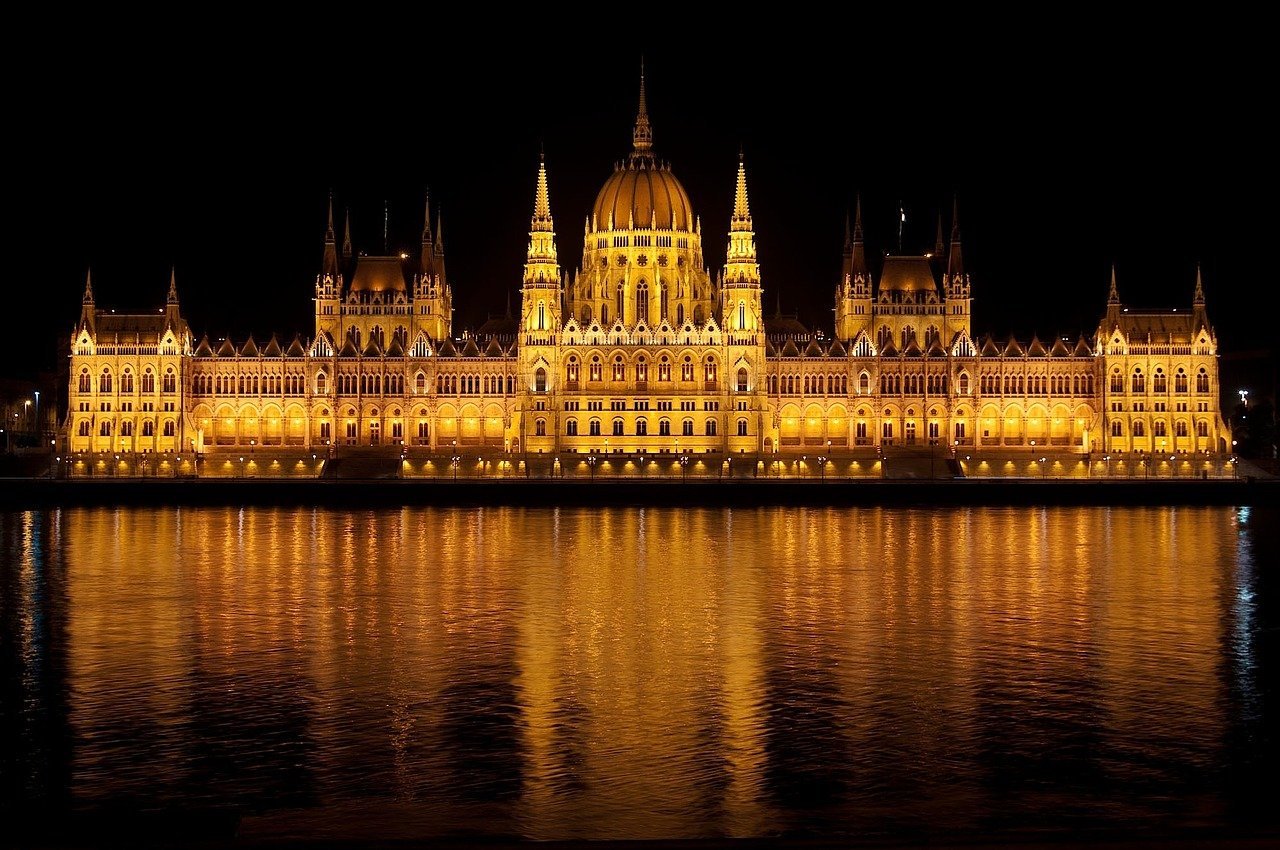
Budapest is arguably Europe’s most underrated capital, and I’ll stand firmly behind that opinion. In Budapest, you get two cities for the price of one – Buda and Pest – split by the stunning Danube River. The contrast between the hilly, castle-crowned west bank and the flat, buzzing east bank gives the city a visual drama unlike anywhere else.
Budapest has a bit of everything: landmarks, rich history, great food, and all at a price that makes tourists from Western countries extremely happy. Budapest remains a thermal spa and nightlife icon, but it’s also developing a more sophisticated café culture and design-forward spaces along the Danube. Soaking in one of the city’s legendary thermal baths, with the domed ceiling above you and steam rising all around, is one of those travel moments you genuinely don’t forget.
9. Florence, Italy – The Renaissance, Still Alive
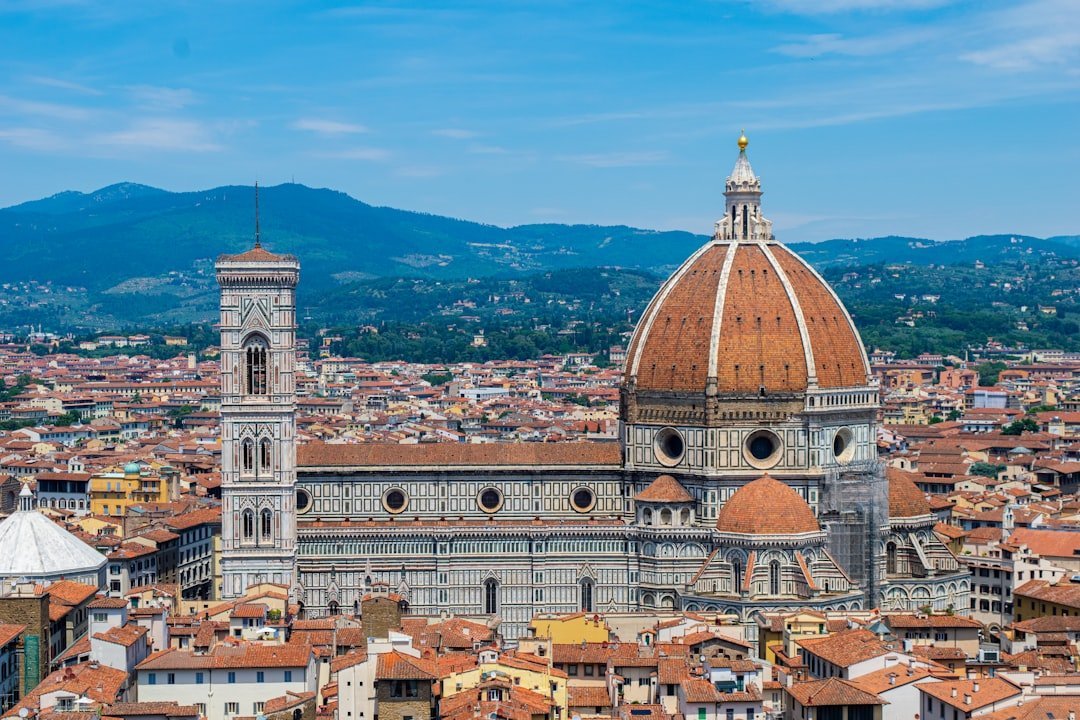
Florence is the place for a full Renaissance immersion – the Duomo, the Uffizi, and Michelangelo’s David are all within easy reach of one another. This is the city that essentially invented the idea of beauty as something worth pursuing for its own sake. Walking through Florence feels like wandering inside a painting.
The Duomo is as breathtaking as everyone says, and the views from Piazzale Michelangelo are worth the climb. The Uffizi Gallery and Ponte Vecchio are beautiful, though they attract plenty of tourists. Florence never really goes out of date, and 2026 continues a wave of museum upgrades, better crowd management, and more curated experiences including night museum openings and timed entries – making it ideal for travelers who want deep art, history, and food. The food alone – the bistecca fiorentina, the ribollita, the wine – could justify the trip entirely.
10. Edinburgh, Scotland – Raw Beauty With a Side of Mystery
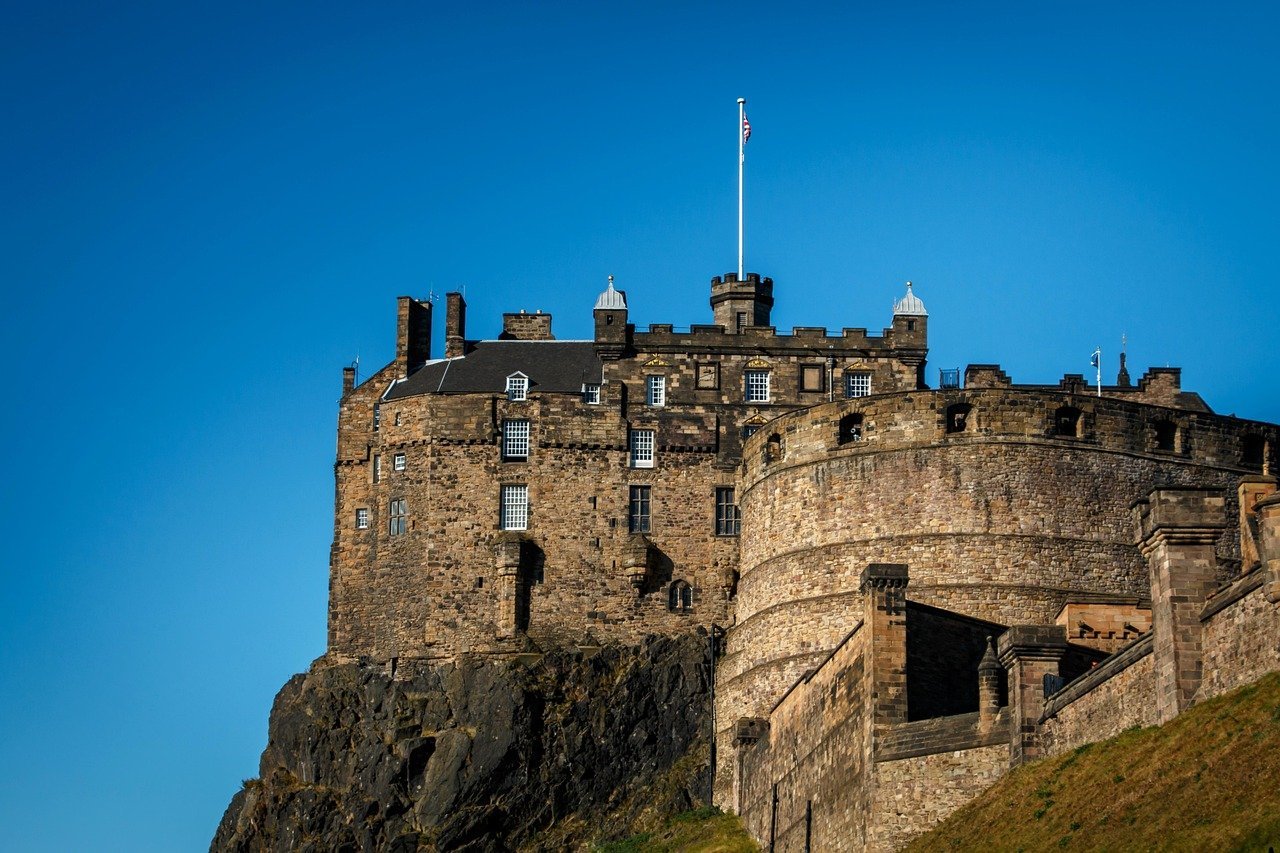
Edinburgh is the kind of city that gets into your bones. With fiery hillsides, misty lochs, and a historic core that feels straight out of a fairytale, visitors can explore Edinburgh’s Old Town or take a road trip through the Highlands, where the scenery is jaw-droppingly beautiful. There’s a gritty, brooding charm here that no other city in Europe quite replicates.
Edinburgh combines its historic charm with easy access to stunning natural landscapes, from the rolling hills of the Pentlands to the rugged cliffs of Arthur’s Seat. Edinburgh is a festival powerhouse with the Edinburgh Festival Fringe, world-class arts events, and historic charm, and the city continues to improve its public spaces and walking routes between Old and New Town. Whether you’re touring the imposing castle, wandering through the narrow closes of the Royal Mile, or staring out at the city from a volcanic hilltop, Edinburgh delivers a travel experience that feels genuinely raw and unforgettable.
Final Thoughts: Europe is Still the World’s Greatest Travel Playground
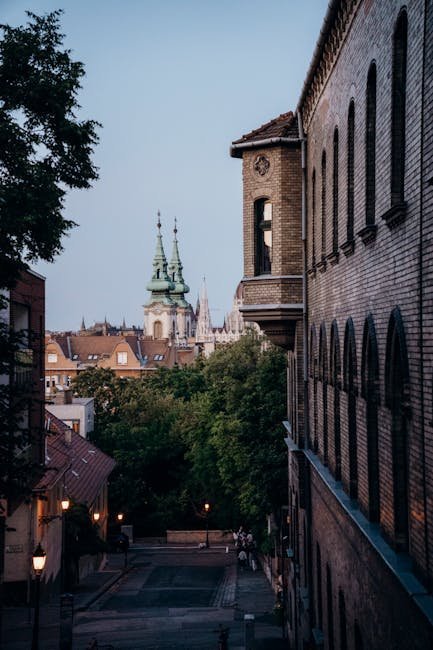
The perfect destination for first-time international travelers while also providing a travel buzz for those visiting for the twentieth time, Europe is all things to all travelers. That’s the magic, isn’t it? It somehow never gets old. Every city on this list could be visited a dozen times and reveal something new each trip.
Travelers in 2026 are choosing culture over checklists, prioritizing local experiences, regional food, boutique stays, and immersive exploration. Smaller towns and secondary cities are rising in popularity, giving visitors more authentic, less crowded journeys. Still, the ten cities above remain the beating heart of what makes European travel so irreplaceable.
If you’ve been waiting for the right moment to book that trip, this is it. Europe isn’t going anywhere – but the version of you who hasn’t seen it yet deserves to change that soon. Which of these cities would you put at the very top of your list? Drop your thoughts in the comments below.
CEO-Co-Founder
