


For any feedback please reach out to info@festivalinside.com
- From Productivity to Happiness: The 17 Best Self-Help Books to Inspire You - December 21, 2025
- The Greatest One-Man Shows of All Time—Solo Performances That Left Audiences in Awe - December 21, 2025
- The Greatest Icons in Human History—Who Left the Biggest Legacy? - December 21, 2025
1. Dragon Ball Z
There is something almost electric about the way Dragon Ball Z first hit American TV screens and how it never really left people’s hearts. For many American fans, this was the first time anime felt big, loud, and larger than life, with battles that seemed to stretch across the sky. The story of Goku going from a simple-hearted fighter to one of the strongest warriors in the universe feels like a classic underdog tale dialed up to the maximum. It mixes simple ideas like friendship, training hard, and protecting the people you love with over the top power-ups that kids used to copy on playgrounds. Even now, a lot of adults can hear the yelling power-up scenes in their minds and remember racing home after school to catch the latest episode. That combination of nostalgia, action, and heart is a big reason Dragon Ball Z still sits near the top of American anime favorites.
In the United States, Dragon Ball Z also helped normalize anime as something mainstream rather than a small niche hobby. Many people who would never call themselves anime fans still recognize characters like Goku, Vegeta, and Piccolo just from pop culture and memes. It has also inspired countless fan artworks, debates over which transformation is the strongest, and even gym routines modeled after Saiyan training. The series made long-running story arcs feel like an epic event, almost like a sports season where everyone waits to see who will win. That feeling of being part of something huge, shared by millions of viewers over the years, gives the show a kind of cultural weight that newer series still chase. For a lot of Americans, loving anime quietly starts with loving Dragon Ball Z loudly.
2. Naruto and Naruto Shippuden

Naruto hit Americans in a different way, with more emotion and personal struggle than many were expecting from a cartoon. The image of a lonely kid, ignored and feared by his own village, promising to become someone important struck a chord with people who felt like outsiders. There is something painfully relatable about Naruto being loud and goofy on the outside while carrying deep hurt on the inside. As the story moves into Naruto Shippuden, the tone matures alongside the characters, and viewers grow with them through failures, friendships, and heartbreaks. Many fans talk about the Chunin Exams, the fight on the hospital rooftop, or Naruto chasing after Sasuke like they are remembering moments with real people. That emotional investment is part of why Americans kept watching even through long arcs and plenty of filler episodes.
The ninja world itself, with its different villages, clans, and jutsu, gave fans a detailed world to obsess over. Kids and teens in the United States would argue about which clan they would join or which jutsu they would want to master, treating it almost like picking a position on a sports team. Cosplay at conventions exploded with orange jumpsuits, forehead protectors, and Akatsuki cloaks as Naruto’s popularity climbed. The series also had a strong message about breaking cycles of hatred and finding your own path, something that resonates with people dealing with family expectations or social pressure. For many American fans, Naruto was the series that made them cry for the first time over an animated character’s fate. It turned anime from just entertainment into something deeply personal and meaningful.
3. Attack on Titan
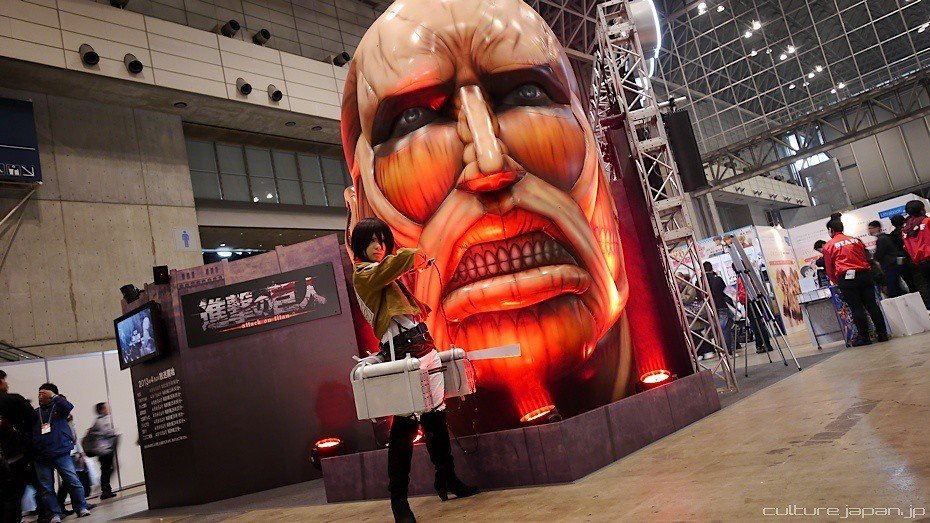
Attack on Titan did something unusual for American viewers by combining horror, political drama, and intense action into one brutal package. The opening episodes are shocking, as humanity is pushed to the edge of extinction by towering, terrifying creatures that look almost human but move in disturbing ways. Rather than feeling like a simple good versus evil story, the show constantly twists expectations and makes you question who is really right. The constant sense of danger, where any character can die, keeps American audiences hooked in a way that feels more like a serious live-action drama than a typical cartoon. As the mysteries of the Titans and the walls deepen, people start obsessing over clues, theories, and hidden hints like they are decoding a massive puzzle. That level of suspense and speculation has made Attack on Titan a regular topic in online discussions and watch parties across the United States.
Americans also connected strongly with the themes of freedom, fear, and the cost of survival that run through the series. The characters are not perfect heroes, and their choices often raise difficult questions about sacrifice and moral limits. Viewers watch Eren, Mikasa, Armin, and others grow, break, and rebuild themselves under extreme pressure, which makes their journey both painful and captivating. The animation of the vertical maneuvering gear scenes, with characters soaring through the air around Titans, gave action fans something thrilling and visually unique. Each new season’s release felt like an event, with fans counting down the days and avoiding spoilers as if they were dodging landmines. Plenty of American fans say Attack on Titan is the series that proved to their friends that anime can be as tense and thought provoking as any big budget live action show.
4. My Hero Academia

My Hero Academia landed in the United States at a perfect time, blending the American love of superheroes with the style and heart of anime. In a world where almost everyone has a special ability, or quirk, the focus on a boy born without powers who still dreams of becoming a great hero is instantly gripping. Many Americans grew up on comic book heroes, so seeing that idea reimagined through a Japanese lens feels both familiar and fresh. The series explores what it really means to be a hero, beyond flashy fights and costumes, by showing the fear, failures, and doubts that come with the job. Viewers of all ages end up rooting for Izuku Midoriya, watching him go from a shaky, nervous kid to someone who can stand tall among the best. It has the energy of a classic superhero story, but with the emotional depth and long form storytelling that anime does so well.
In American fandom spaces, My Hero Academia quickly became a favorite for cosplay, fan art, and endless ranking lists of favorite heroes and villains. The huge cast of students, each with distinct quirks and personalities, gives almost everyone someone they can identify with, whether they feel shy, loud, anxious, or confident. The show also questions the celebrity culture around heroes, touching on ideas about media pressure and public expectations that feel very familiar in American society. Action scenes are bright and explosive, but the quieter classroom moments, training sessions, and personal struggles are what stick in people’s minds. It is the kind of show that makes fans ask themselves what they would do if they had powers and whether they would be brave enough to use them. For a lot of American viewers, My Hero Academia is the anime that makes their love for both comics and animation collide in the best possible way.
5. One Piece

One Piece is a special case in the United States, because it started slowly for many American viewers but has grown into a massive favorite over time. At first glance, the art style can look a bit odd or exaggerated compared to other sleek action shows, and that turned some people away. Those who gave it a real chance, though, discovered a story about friendship, freedom, and chasing impossible dreams that goes far deeper than the silly surface suggests. The journey of Luffy and his crew, sailing across strange seas in search of the legendary treasure, feels like the ultimate adventure story. It is packed with emotional backstories, found family bonds, and painful sacrifices that catch viewers off guard and stay with them for years. For many Americans who stick with it, One Piece becomes less of a show and more of a long, shared journey.
In the last few years, the popularity of One Piece in the United States has exploded as more people catch up through streaming and talk about its strongest arcs. Fans praise how carefully the world has been built, with islands that each feel like their own culture, political systems, and histories that eventually connect in surprising ways. The humor, which ranges from pure slapstick to dry sarcasm, keeps the tone lighter even when the story dives into serious themes like oppression and injustice. Online communities often encourage new viewers to push through the early episodes, promising that certain arcs will completely change how they see the series. Many American fans use the show as comfort viewing, returning to favorite scenes when they need a reminder that stubborn optimism and loyalty still matter. As a result, One Piece has gradually secured a firm place among the anime that Americans openly call their all time favorites.
6. Demon Slayer: Kimetsu no Yaiba

Demon Slayer burst onto the American scene with a level of visual polish that caught almost everyone off guard. The animation during battles, with flowing sword techniques and bright, painterly effects, made even casual viewers stop and stare. Yet it is not just a pretty show, because underneath those visuals is a simple but powerful story about a boy trying to save what is left of his family. Tanjiro’s kindness, even toward demons who have done terrible things, gives the show an emotional core that many American fans find refreshing. Instead of being driven only by revenge, he is driven by love and a desperate hope that his sister can return to normal. This softer, more compassionate approach to a dark fantasy world helps Demon Slayer stand out in a crowded field of action anime.
In the United States, Demon Slayer quickly became a huge box office success when its movie reached theaters, surprising many people who underestimated anime’s drawing power. Suddenly, characters like Tanjiro, Nezuko, Zenitsu, and Inosuke were everywhere on clothing, posters, and convention floors. Fans talk about specific episodes and fight scenes as turning points, moments when they realized anime could look almost like a moving painting. The show also balances intense violence with quieter, almost domestic scenes of the main characters resting, arguing, and sharing meals, giving viewers breathing room. Its blend of horror, action, and heartfelt moments makes it appealing to both longtime anime fans and newcomers who just want a gripping story. For many Americans, Demon Slayer is the series they recommend when someone asks for a beautiful yet emotional anime to try first.
7. Pokémon
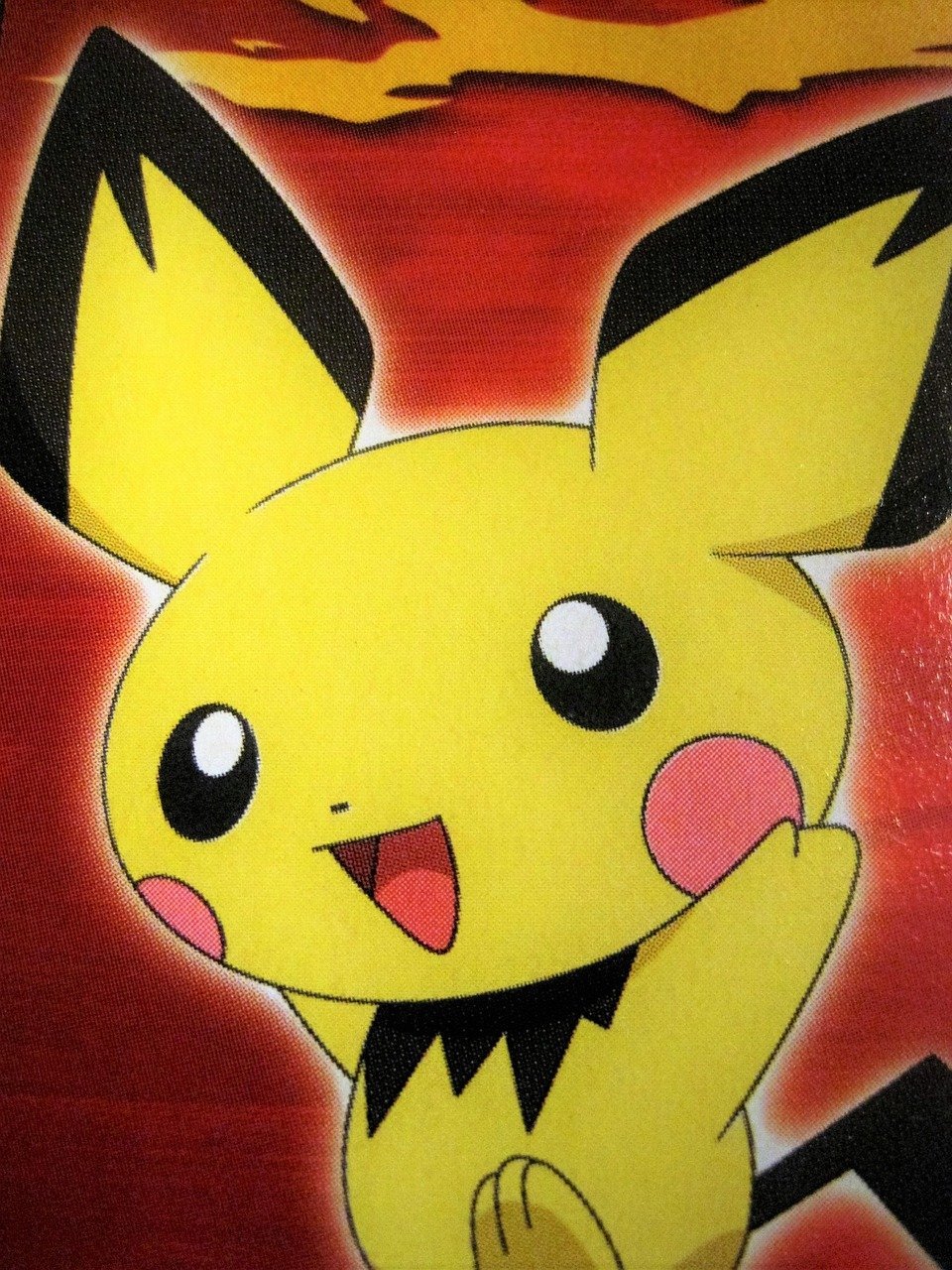
Pokémon might be the most recognizable anime name in the United States, even for people who have never watched a full episode. For an entire generation, waking up early on weekends to watch Ash and Pikachu travel across different regions became a ritual. The idea of leaving home with a small partner creature, making friends, and seeing the world spoke directly to kids’ sense of adventure. Each new region brought fresh creatures to discover, battles to watch, and contests to enjoy, keeping the formula familiar but exciting. Even adults look back on the early seasons with a sense of warm nostalgia, remembering theme songs and key moments almost like childhood memories with real friends. That emotional connection is one reason Pokémon still holds such a strong place in American hearts.
Beyond the show itself, Pokémon in the United States became a lifestyle, with trading cards, video games, toys, and clothes blending into everyday life. Kids would argue over which starter to choose or which legendary creature was the strongest, turning schoolyards into mini fan conventions. Because the anime followed a straightforward and hopeful path, it was also easy for parents to accept, so it slipped comfortably into many homes. Over time, different generations of children discovered Pokémon, making it a shared reference point across age groups. While other shows rise and fall in popularity, Pokémon has kept a steady presence, adjusting its style enough to stay fresh while still feeling like the same familiar world. For that reason, many Americans do not just love Pokémon as an anime but see it as a permanent part of their growing up story.
8. Death Note

Death Note became a favorite in the United States by proving that anime could be tense and intellectual without relying on nonstop action. The cat and mouse game between a genius student who finds a deadly notebook and the mysterious detective trying to stop him grabbed viewers from the first episodes. Instead of giant battles, the main weapons are logic, psychology, and manipulation, which makes the show feel closer to a dark crime drama. American audiences appreciated the moral questions raised, such as what happens when one person gains the power to decide who deserves to live. The shifting line between justice and cruelty keeps viewers uneasy, which is exactly what makes the story so addictive. Many fans still remember the feeling of holding their breath during key confrontations, waiting to see who would outsmart whom.
In conversation, Death Note is often the series Americans recommend to friends who say they do not like animation, because it feels grounded and serious. Its relatively short length compared to many long running anime also makes it less intimidating for new viewers. The distinct personalities of the two leads, one cold and calculated and the other brilliant but strange and awkward, create a memorable clash that people love to analyze. Online discussions often dive into which choices were right, which mistakes were unforgivable, and how they themselves might have used such a notebook. The show’s moody atmosphere and sharp storytelling leave a strong impression even years after watching. For many Americans, Death Note is the anime that opened the door to a whole new way of thinking about what animated stories can do.
9. Fullmetal Alchemist: Brotherhood

Fullmetal Alchemist: Brotherhood has a special reputation among American fans as one of the most well balanced anime series ever made. It combines fantasy, science like alchemy, war, politics, and deep emotional drama without losing its sense of humor or adventure. The story of the Elric brothers, who pay a terrible price for trying to bring their mother back through forbidden alchemy, is tragic but uplifting at the same time. Their bond, built on guilt, stubbornness, and fierce love, gives the show a human heart that viewers easily connect with. As the plot unfolds, themes of sacrifice, responsibility, and the value of human life are explored in ways that stick with you long after the final episode. Many Americans quietly consider it the complete package, blending touching character moments with sweeping, world changing events.
What American audiences often praise most about Fullmetal Alchemist: Brotherhood is how tightly planned the story feels. There is a sense that every character, from the leads to minor figures, has a purpose and a small arc of their own. The show does not waste many scenes, which makes rewatching especially rewarding as you catch small details that hinted at later twists. It also handles heavier topics like war crimes, grief, and discrimination with more care than many viewers expect from animated media. Fans regularly recommend it as a benchmark, suggesting that if someone enjoys this series, they are probably ready to explore more complex anime. That reputation helps keep it high on lists of the most loved series among Americans, even many years after its first run.
10. One Punch Man
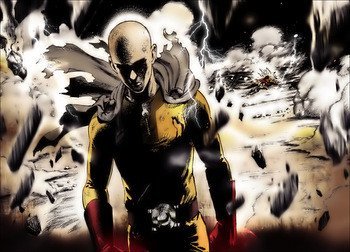
One Punch Man won over American audiences by making fun of superhero and action anime clichés while secretly celebrating them at the same time. The main character, Saitama, is so powerful that he can defeat any opponent with a single punch, which on paper sounds boring. Instead, the show uses that idea to explore how someone could be unbelievably strong and yet feel empty, bored, and a little lonely. Viewers in the United States respond to this mix of absurd comedy and quiet sadness, because it mirrors how success in real life does not always bring happiness. The ridiculous villains, overdramatic heroes, and constant buildup to fights that end instantly create a playful energy that is easy to enjoy. At the same time, small character interactions and background details hint at a deeper world that fans love to imagine.
In American online culture, scenes from One Punch Man are some of the most widely shared clips, especially the over the top training story and sudden shifts in art style. The contrast between Saitama’s plain, almost lazy design and the hyper detailed animation of his serious moments never gets old for viewers. People also find it refreshing that he is not motivated by tragic trauma but simply by the desire to feel something exciting again. This twist on the tired origin story formula gives the show a modern, slightly cynical edge that resonates with many young adults. It is the kind of series that you can watch casually for laughs or think about more deeply if you feel like it. For many Americans, One Punch Man represents the fun, ironic side of anime that still manages to sneak in real feelings underneath the jokes.

Christian Wiedeck, all the way from Germany, loves music festivals, especially in the USA. His articles bring the excitement of these events to readers worldwide.
For any feedback please reach out to info@festivalinside.com
