

For any feedback please reach out to info@festivalinside.com
- 10 of The Most Iconic Music Anthems in Rock Music History - March 22, 2026
- 12 Legendary Concerts That Changed Music History Forever - March 22, 2026
- These Forgotten Literary Heroes Shaped the Very Landscape of American Storytelling - March 22, 2026
Every reader has a shelf of familiar names. Twain. Hemingway. Morrison. Faulkner. These are the giants we celebrate, assign in schools, and debate in literary circles. Yet underneath that celebrated surface lies a deeper, more complicated story, one full of writers whose work quietly rearranged how Americans told stories about themselves, about race, about class, about belonging, and about what it even means to be human in this country.
Here’s the thing. Some of the most transformative literary voices once held the literary world in their grip, penning work that moved hearts and shaped ideas, yet over time, their names faded from public consciousness. The reasons vary. Some faced political resistance. Some were dismissed because of their race or gender. Others simply lacked powerful advocates at the right moment in history. Authors who fail to convincingly self-promote have tended to see more decline, and those who undervalue their work or avoid the public eye have often found readerly attention fleeting. The result is a literary canon with some glaring, inexcusable gaps. Let’s fix that, or at least begin to.
Zora Neale Hurston: The Genius the World Almost Lost
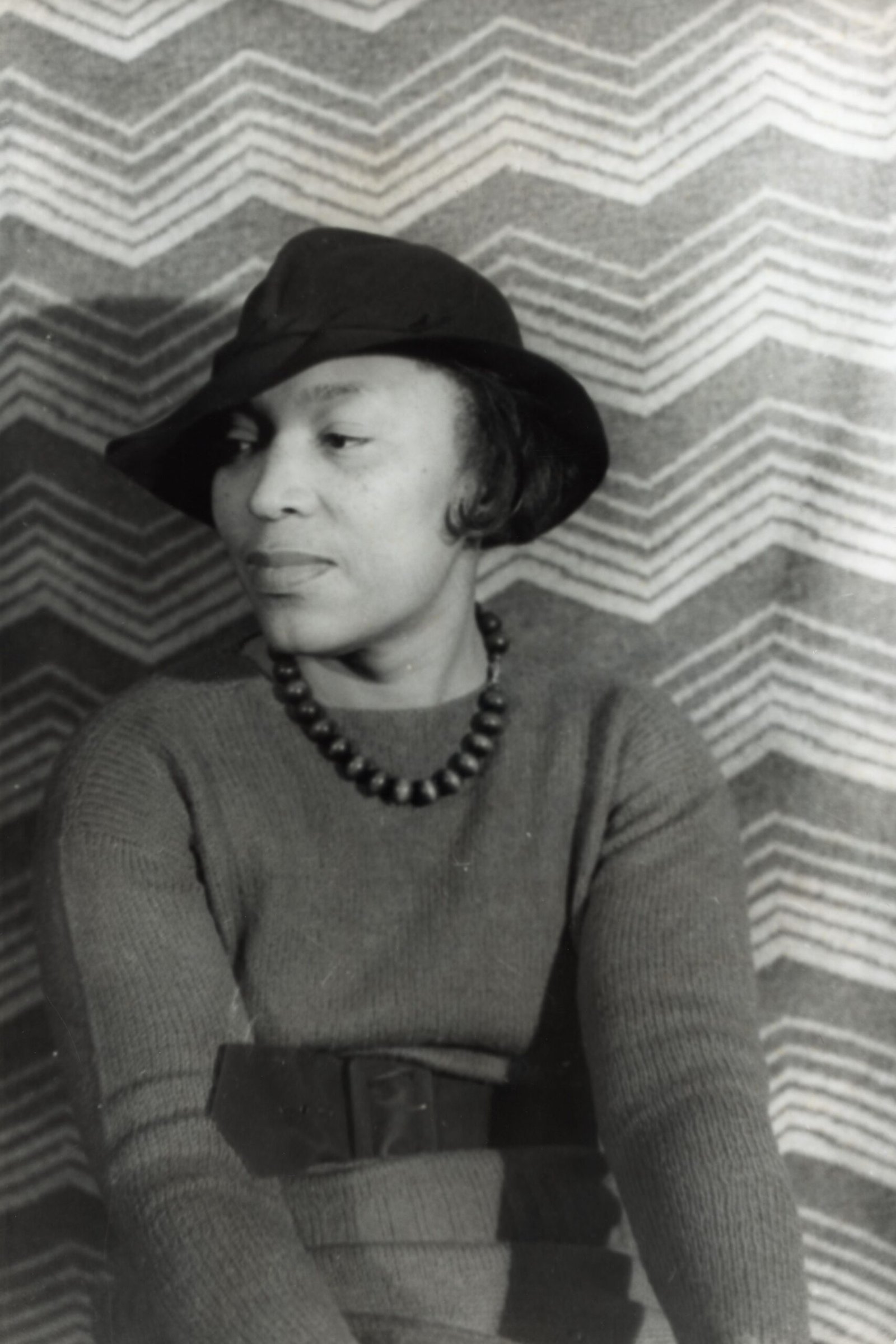
Imagine one of the greatest American novels of the twentieth century going out of print shortly after its publication. That is exactly what happened to Zora Neale Hurston’s masterpiece, “Their Eyes Were Watching God.” Today it has sold millions of copies, but went out of print shortly after it was first published in 1937. None of Hurston’s books stayed in print long, and she was mostly forgotten even before she passed away in 1960.
Zora Neale Hurston was an American writer, anthropologist, folklorist, and documentary filmmaker who portrayed racial struggles in the early-twentieth-century American South and published research on Hoodoo and Caribbean Vodou. Though probably best known as the author of “Their Eyes Were Watching God,” Hurston was also a dedicated collector of African American folklore and one of the first writers to incorporate this rich resource into her own work. That is a staggering combination of talents, and it is honestly shocking that she spent decades in obscurity.
Ridiculed in her life yet revered after death, Hurston left an indelible legacy on the literary community. Forgoing conventions of what it meant to be a woman and a Black writer, Hurston was free-spirited, both professionally and personally, and her commitment to using southern Black vernacular lent her a unique artistic voice. Her writing influenced generations of Black writers, including such distinguished figures as Ralph Ellison, Toni Morrison, Alice Walker, and Gayl Jones.
Hurston’s final resting place was an unmarked grave in Fort Pierce, Florida, reflective of just how forgotten the literary titan was at the time. Alice Walker purchased a headstone for Hurston and had it engraved with “A Genius of the South.” Hurston’s unique background and exceptional approach to anthropology laid key foundations for the growth of ethnography, literature, and Africana Studies. A woman whose work changed the entire conversation about Black womanhood, language, and folklore deserved far better than an unmarked grave. She deserved everything.
William Dean Howells: The Architect Nobody Remembers
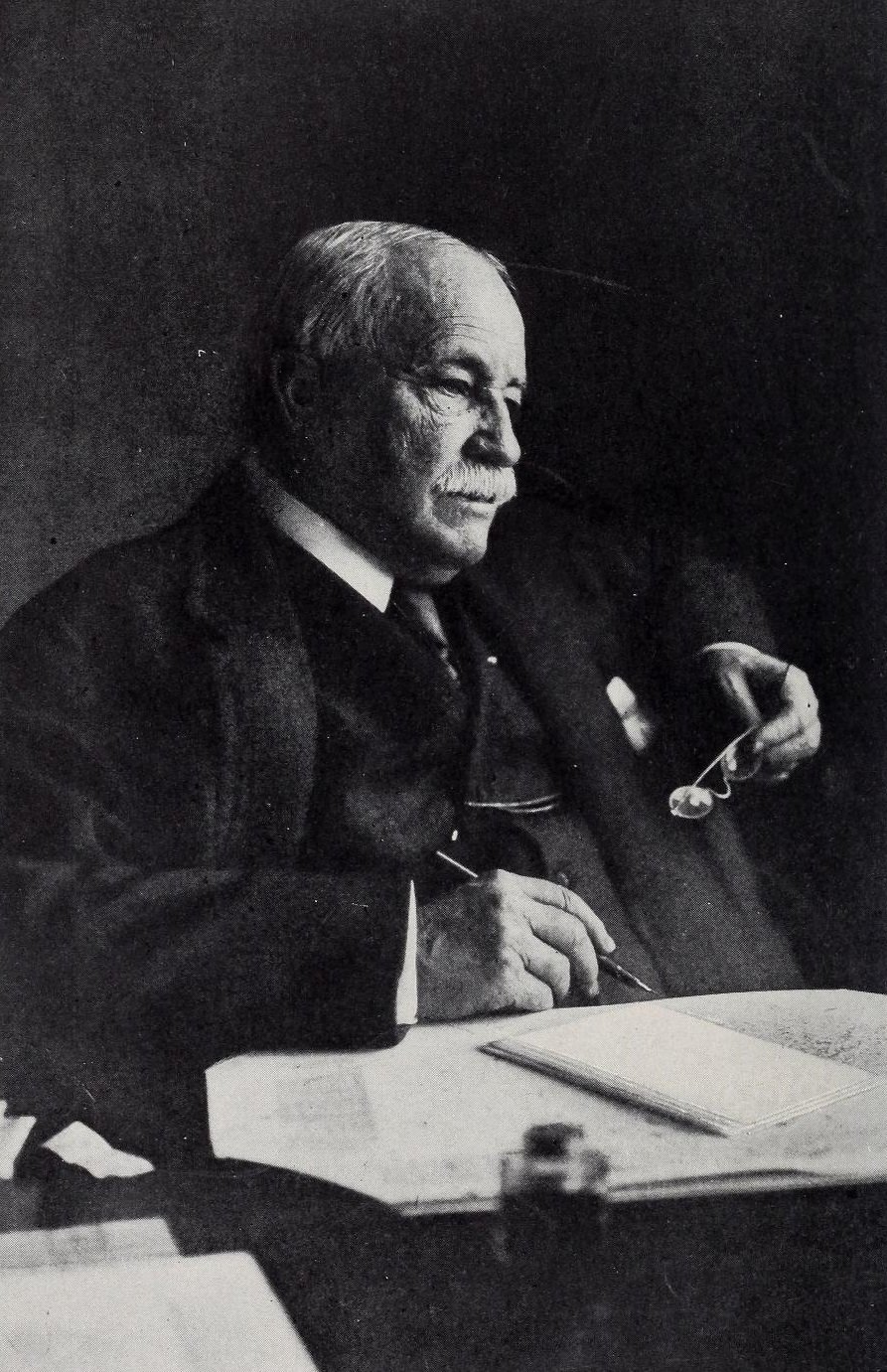
If you’ve never heard of William Dean Howells, you are not alone. Most lay readers who consider themselves well read in American literature have probably never read a book by the man who was possibly the most influential American writer of his generation. That sentence should stop you cold. How does that happen?
At the peak of his career, Howells was perhaps the most acclaimed author and literary critic in the United States. He was the chief advocate, practitioner, and defender of American literary realism, and earned the praise of fellow novelists Henry James and Mark Twain. He knew Emerson, Stowe, Thoreau, and Hawthorne. That’s not a footnote figure. That is the center of American literary culture for an entire generation.
As editor of Atlantic Monthly and Harper’s Magazine, Howells used his influence to publish works by international authors like Leo Tolstoy, Henrik Ibsen, and Émile Zola, while simultaneously promoting American realism as a literary movement worthy of international attention. His 1885 novel “The Rise of Silas Lapham” became his best known work, describing the rise and fall of an American entrepreneur of the paint business. Think of Howells as the invisible hand that shaped the table at which Twain, Crane, and Norris eventually sat.
He went from one of the most respected writers in the history of American literature into a nobody, partially because, starting in the early twentieth century, his art was seen as too timid, womanish, priggish, and bourgeois. He had encouraged a host of younger writers who went on to write great books and who are mostly, at this point, more famous than he is, including Stephen Crane, Frank Norris, and Sarah Orne Jewett. He helped build the house of American realism, then got locked out of it. Honestly, that’s a painful literary injustice.
Pauline Hopkins: The Radical Hidden in Plain Sight
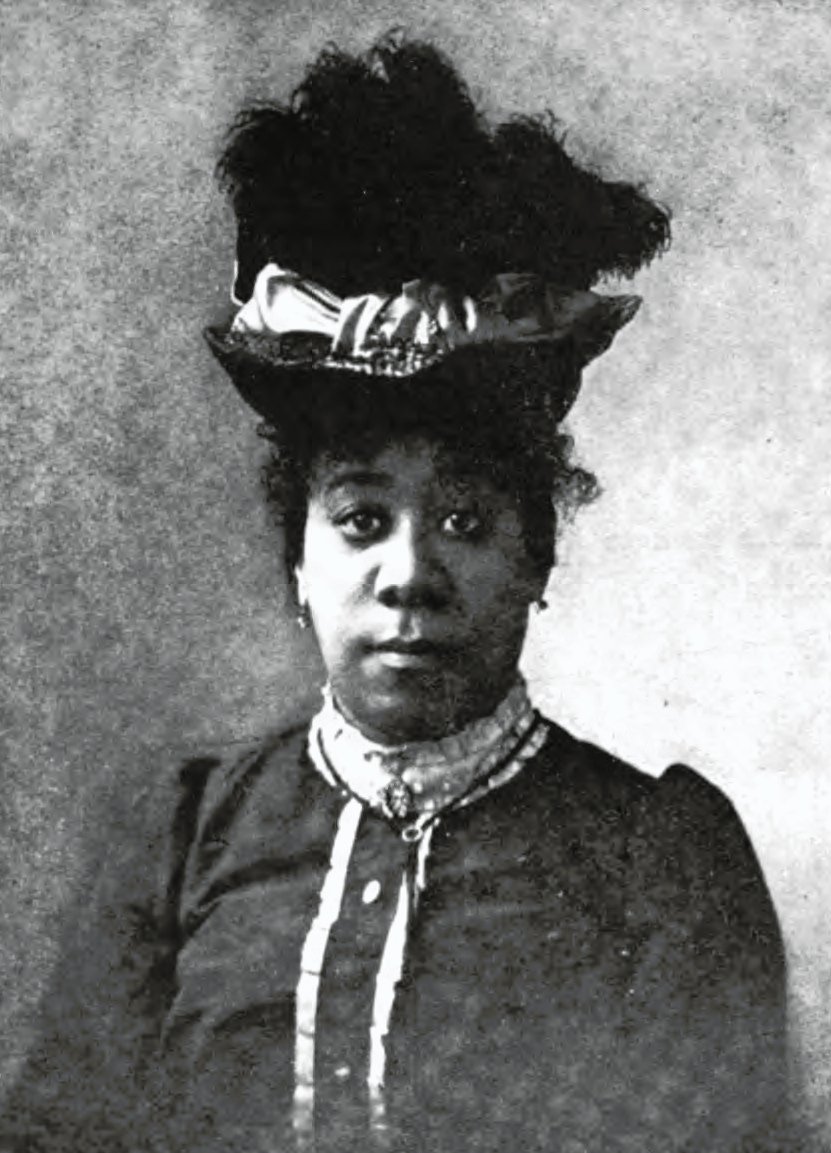
Race was a common issue in American literature of her era, as seen in the work of Pauline Hopkins, who published five influential works from 1900 to 1903. Five influential works in three years, at a time when the obstacles facing a Black woman in publishing were nearly insurmountable. Let that sink in for a moment.
Her novel “Contending Forces” tackled lynching, interracial relationships, and women’s rights with a sophistication that most white writers of her era couldn’t match. What made Hopkins extraordinary was her ability to write for both Black and white audiences simultaneously, using popular fiction to smuggle in radical social commentary. She understood that entertainment could be a Trojan horse for social change, a strategy that would later be adopted by writers around the world.
Hopkins also worked as an editor, using her position to promote other African American writers and create a literary community that would eventually bloom into the Harlem Renaissance. Her influence extended beyond America, as her work was read in Europe and helped shape international conversations about race and colonialism that were just beginning to emerge in the early twentieth century. Think about that. A Black woman from Boston, writing at the turn of the last century, helping to ignite a global conversation.
Hopkins remains criminally underread. Authors like Charles W. Chesnutt, Frances E. W. Harper, and Pauline Hopkins blended realism with romance, often merging mimetic and melodramatic conventions to advocate on behalf of African Americans, challenge popular theories of racial identity, and widen the possibilities for Black representation in fiction. She was not a minor figure who stumbled into significance. She was a deliberate, strategic, fiercely intelligent writer who saw exactly what American literature needed to become.
John Neal: The Critic Who Dared American Literature to Grow Up
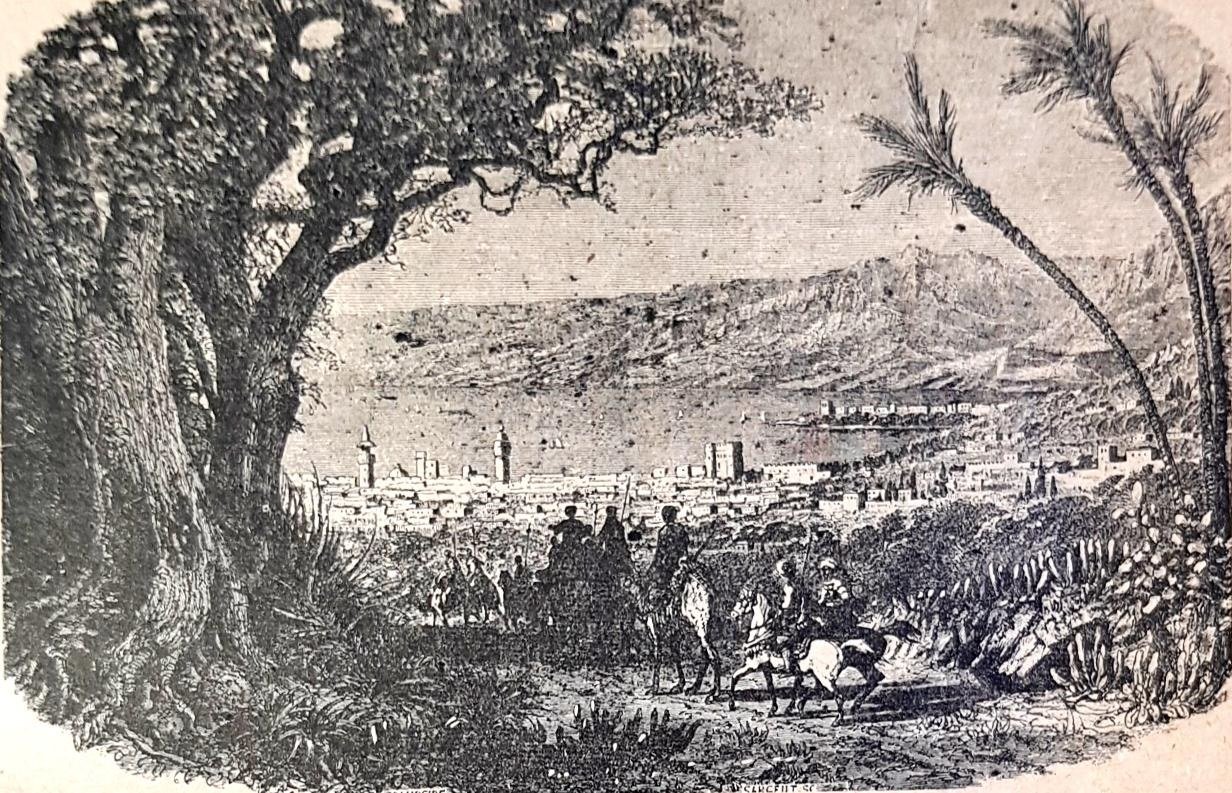
Here is a name almost no one knows outside of academic circles, yet his fingerprints are everywhere in nineteenth-century American writing. The writer and critic John Neal in the early-to-mid-nineteenth century helped to advance America toward a unique literature and culture, by criticizing his predecessors, such as Washington Irving, for imitating their British counterparts and by influencing writers such as Edgar Allan Poe, who took American poetry and short fiction in new directions.
I think of John Neal as the literary conscience of a nation still figuring out what it actually wanted to say. He pushed back against the habit of borrowing European forms and insisted that American writers needed to find their own voice, their own rhythms, their own subjects. That is a radical act in any era. Neal criticized his predecessors for imitating their British counterparts and helped advance America toward a genuinely unique literary culture. Without that push, the distinctly American voice that later defined Whitman, Twain, and countless others might have taken far longer to emerge.
Yet most readers could not name a single John Neal novel today. His critical contributions were absorbed so thoroughly into the mainstream that the source became invisible. That is both his greatest triumph and the reason he disappeared. It’s a strange paradox, being so influential that history forgets to credit you.
Albion Tourgée: The Novelist Who Wrote About Justice When No One Wanted to Hear It
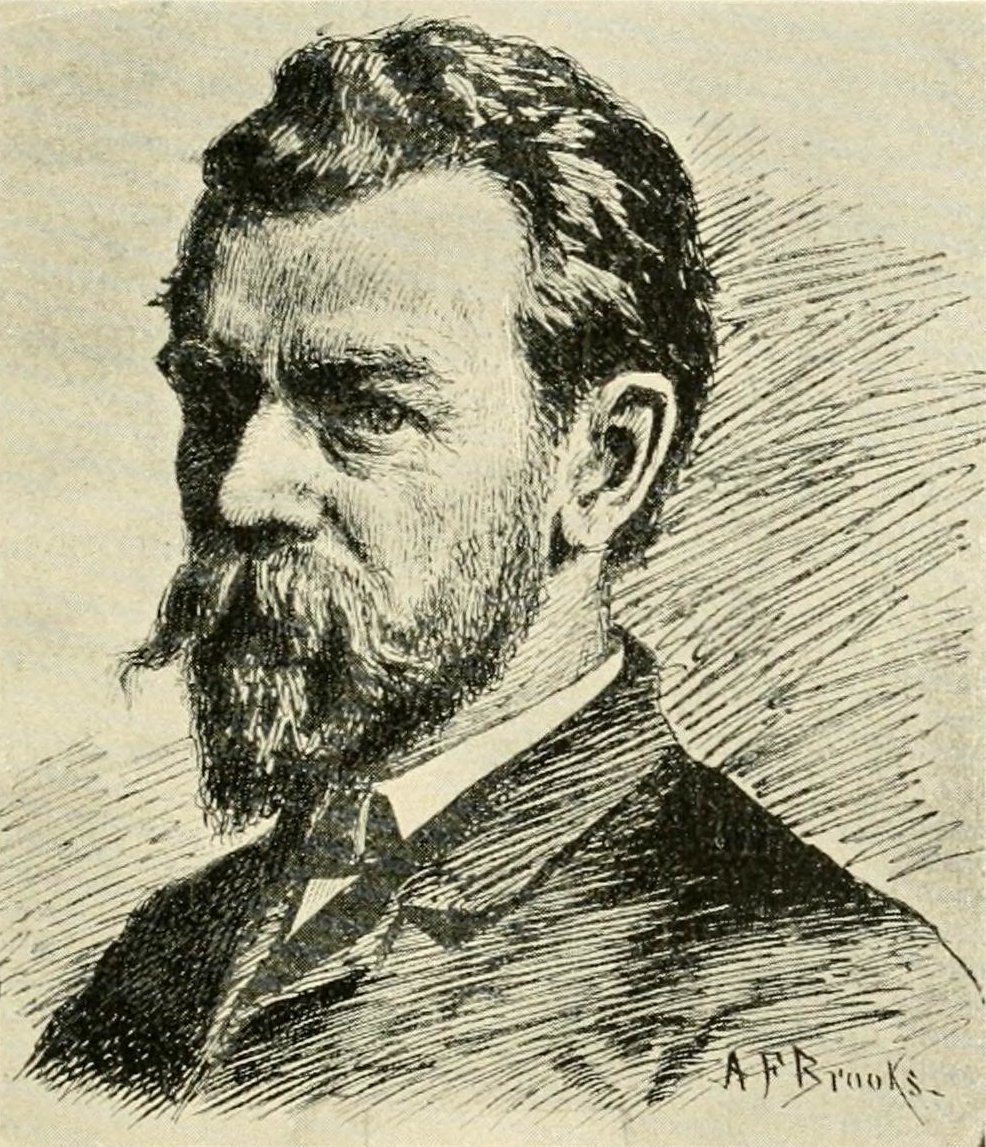
Most people think of Albion Tourgée as a lawyer, if they think of him at all. But his novels about Reconstruction and racial justice were international bestsellers that shaped legal thinking about civil rights for generations. Tourgée, a Civil War veteran who stayed in the South during Reconstruction, wrote novels that exposed the reality of post-war racism with such accuracy that they were used as evidence in court cases. That is not a metaphor. His fiction literally walked into courtrooms.
His most famous novel, “A Fool’s Errand” from 1879, was so popular that it was translated into multiple languages and influenced European opinions about American race relations. What made Tourgée unique was his combination of legal expertise with literary talent, as he understood both the emotional and constitutional aspects of racial injustice. Fiction and law are usually kept in separate rooms, but Tourgée refused that separation.
His writings influenced the legal arguments used in Plessy v. Ferguson, though not in the way he would have wanted. He spent his life, his fiction, and his legal career fighting for equality and lost the landmark case anyway. It’s hard to say for sure whether history would have moved differently if Tourgée’s literary legacy had been preserved alongside his legal one. But his disappearance from the American literary imagination feels like a real loss. His work was brave, urgent, and ahead of its time in the most uncomfortable way.
Phillis Wheatley Peters: America’s First Black Published Poet
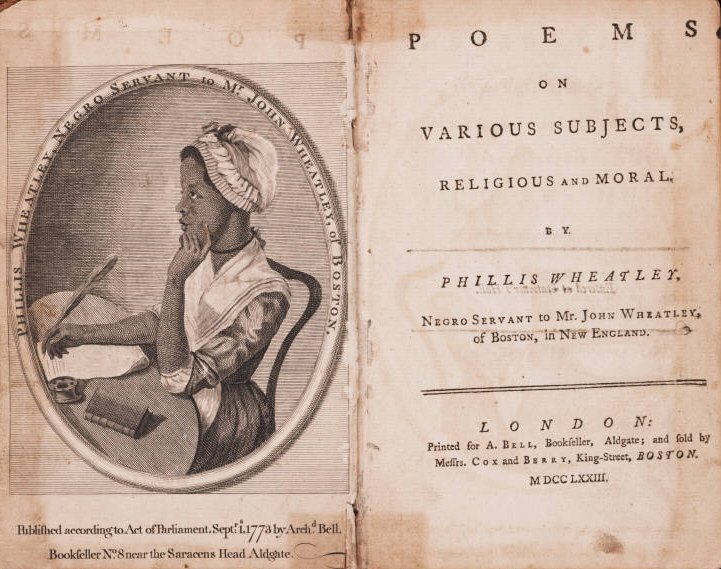
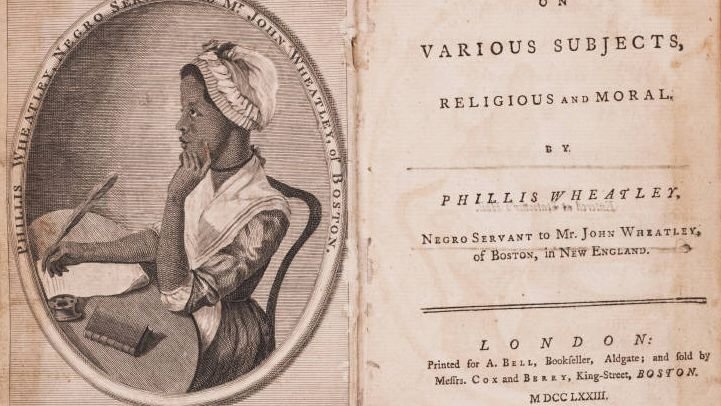
Before the country was even a country, a young enslaved woman was writing poems that would outlast empires. This period of American literature is notable for many firsts, including the country’s first published Black poet, Phillis Wheatley Peters, an enslaved woman whose work predates America’s independence. Her first poetry collection “Poems on Various Subjects, Religious and Moral” was printed in 1773, and following its publication, she continued to write about her experiences and observations on subjects of national importance.
Phillis showed noticeable ability in her studies, particularly in writing, and was sent to London for further education where she studied Latin. She combined her religious education and devotion with her appreciation for the classics, translating and adding to the poems of Rome’s all-time greats such as Ovid and Horace. In September 1773, her first book was published in London. A formally enslaved woman, publishing poetry in London in 1773. The sheer defiance of that fact is breathtaking.
Her ability to perceive the world around her and hearken figures from ancient legend and muse on all things spiritual and mythic has earned her great respect among critics and poets alike, many of whom regard her to be one of the most talented and influential poets of her era. Yet she receives a fraction of the attention given to her contemporaries. Wheatley did not just write poetry. She proved, in the most public way imaginable, that genius could not be owned, shackled, or erased, no matter how hard a society tried.
The Pattern Behind the Forgetting
When you line these figures up together, a pattern emerges that is hard to ignore. A multitude of reasons explain why some authors slipped into obscurity, including political repression that forced them into exile, poor archival practices that led to lost manuscripts, and societal taboos that made their work unpublishable at the time. In almost every case discussed here, the writer was too radical, too female, too Black, or simply too honest for the gatekeepers of their era.
Scholars increasingly recognize these hidden writers as pivotal forces behind major literary shifts. By spotlighting them, we not only amend the historical record but also inspire a renewed celebration of risk-taking, unconventional storytelling. The story of America has often been told through the written word rather than public speeches or monuments. Authors have recorded its contradictions, changes and quiet moments with precision and care. Their books and poems reflect the nation’s character and influence how readers think about history, identity and belonging.
That means forgetting these writers is not just a literary oversight. It is a distortion of the national record itself, a quietly edited version of who we actually were and what voices actually shaped us. Digital archives and collaborative research projects have uncovered many out-of-print manuscripts, reviving authors who once languished in obscurity. With each rediscovery, our literary landscape grows richer and more diverse. The tools exist to bring these writers back. What remains is the collective will to actually do it.
Why Rediscovering These Voices Still Matters in 2026
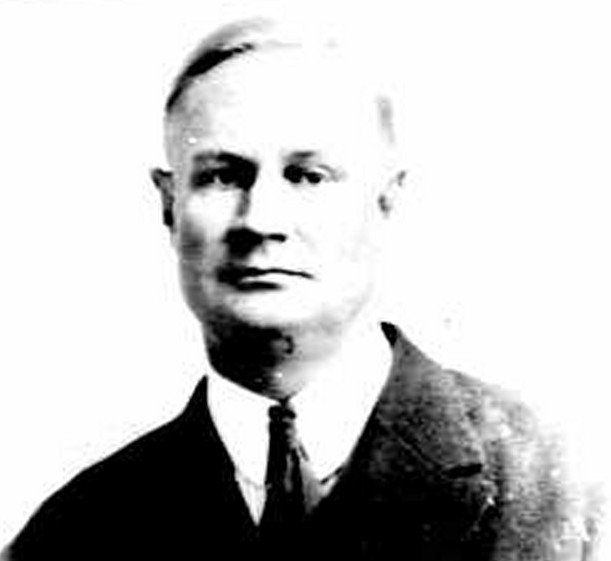
Some people ask why it matters now. The past is the past. Honestly, that question misses the point entirely. Authors have recorded the nation’s contradictions, changes and quiet moments with precision and care. Their books and poems reflect the nation’s character and influence how readers think about history, identity and belonging. When we erase certain voices from that record, we distort our own understanding of who we are and where we came from.
The writers in this article were not minor contributors. They were foundational. Even popular genres including science fiction, mystery, and historical fiction bear the hallmarks of lost voices. These trailblazers paved the way for today’s boundary-pushing authors by creating fresh perspectives on character development and plot structure. The next time you read a novel that centers a Black woman’s inner life, or fiction that blends social commentary with popular storytelling, or realist prose that insists on the dignity of ordinary life, you are reading something these forgotten figures made possible.
Recovering them is not an act of nostalgia. It is an act of accuracy. American works come from all periods, with many drawing on their authors’ personal experiences. Each generation of authors inspires the next, as American writers of all backgrounds share their works with the world. That chain only holds if we are willing to trace it back honestly, all the way to its true beginnings, even the ones that were deliberately obscured.
Conclusion: It Is Time to Go Back and Look Again
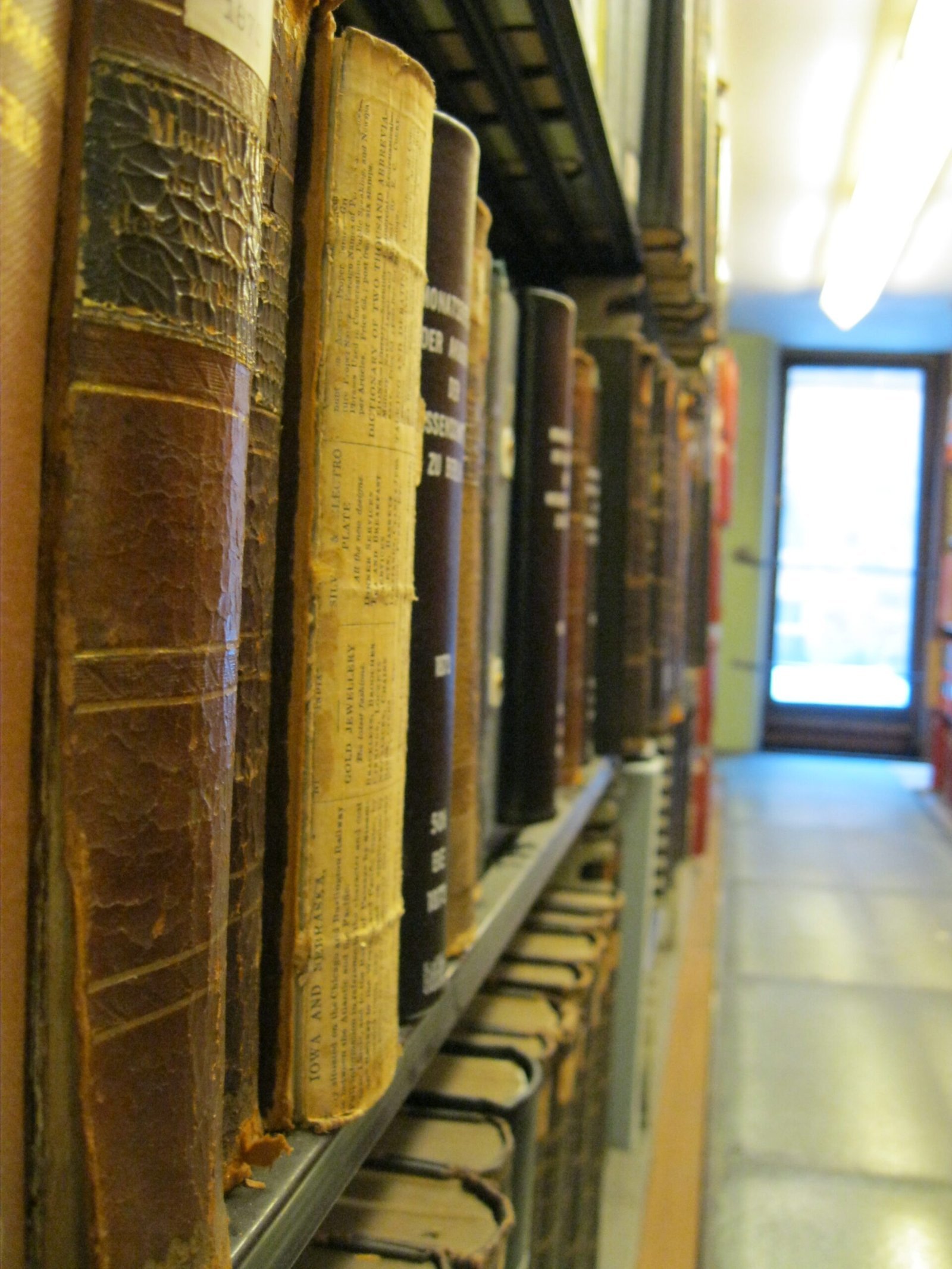
The writers celebrated in schools and on syllabi are not necessarily the writers who mattered most. Sometimes the most important voices are the ones that made the loudest noise quietly, the ones that built the foundations others got to stand on and take the credit for. Zora Neale Hurston died in an unmarked grave. William Dean Howells built the very movement that buried him. Pauline Hopkins ignited a renaissance that rarely bears her name. Albion Tourgée argued for justice in his fiction long before any courtroom would listen.
These are not footnotes. These are the story. By examining the hidden stories of these creators, we uncover a tapestry of experiences that enriches our understanding of literature’s evolution. Pick up one book from one of these writers and see what shifts in how you read everything else. Because once you’ve read them, you start noticing their fingerprints everywhere. The question is: why did it take this long to look?

Christian Wiedeck, all the way from Germany, loves music festivals, especially in the USA. His articles bring the excitement of these events to readers worldwide.
For any feedback please reach out to info@festivalinside.com
