

- 12 Iconic Pop Culture Moments That Defined the 20th Century - March 30, 2026
- 10 Must-Read Native American Authors - March 30, 2026
- The Most Beautifully Designed Book Covers in History - March 30, 2026
There is something almost inexplicable about what happens when two musicians truly find each other. It is not just about blending voices or sharing a stage. It is about the rare alchemy of two distinct creative minds colliding to produce something neither could have made alone. Think about it like this: a solo flame burns on its own, but two flames held close together can light up an entire room differently.
Throughout music history, some of the most powerful, world-shifting songs have come not from bands of five or ten, but from just two people locked into a creative groove. Rivalries, deep friendships, tragic love stories, sibling bonds – all of it has fueled some of the most beloved music ever recorded. So let’s dive into the partnerships that didn’t just make music. They changed it forever.
The Everly Brothers: The Blueprint for Harmony
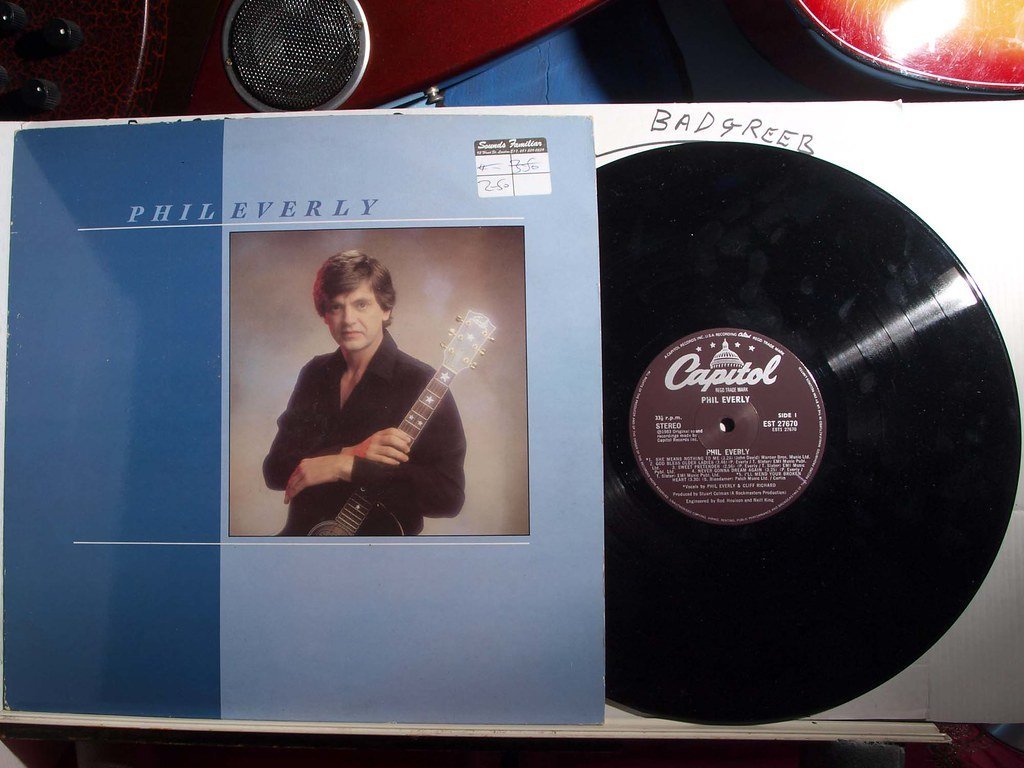
Here’s the thing about the Everly Brothers. Nearly every duo that came after them owes them a debt they probably can’t fully repay. Don and Phil Everly were an American musical duo known for steel-string acoustic guitar playing and close-harmony singing, combining elements of rock and roll, country, and pop, becoming pioneers of country rock. That combination sounds obvious now, but in the mid-1950s it was genuinely revolutionary. Nobody was doing what they were doing.
The brothers’ first hit song was “Bye Bye Love,” which hit number one in the spring of 1957. Additional hits, including “Wake Up Little Susie,” “All I Have to Do Is Dream,” and “Problems,” followed in 1958. Those are not just great songs, they are foundational pillars of popular music as we know it today. Honestly, it is almost staggering how much sonic territory they covered in such a short window of time.
The Everly Brothers had a major influence on the music of the generation that followed them. Many of the top acts of the 1960s were heavily influenced by the close-harmony singing and acoustic guitar playing of the Everly Brothers, including the Beatles, the Beach Boys, the Bee Gees, and Simon and Garfunkel. That list reads like a hall of fame on its own. In 2015, Rolling Stone ranked the Everly Brothers number one on its list of the 20 Greatest .
The Everly Brothers’ vocal approach was based on the high, lonesome sound of bluegrass and Appalachian music, supporting the lead vocal with a moving secondary line to create the effect of intertwined melodies. That intertwining is the key word. Their voices didn’t just harmonize – they wrapped around each other like two vines growing up the same wall. The brothers were inducted into the Rock and Roll Hall of Fame as part of the inaugural class of 1986 and into the Country Music Hall of Fame in 2001.
Simon and Garfunkel: Poetry Meets Pure Voice
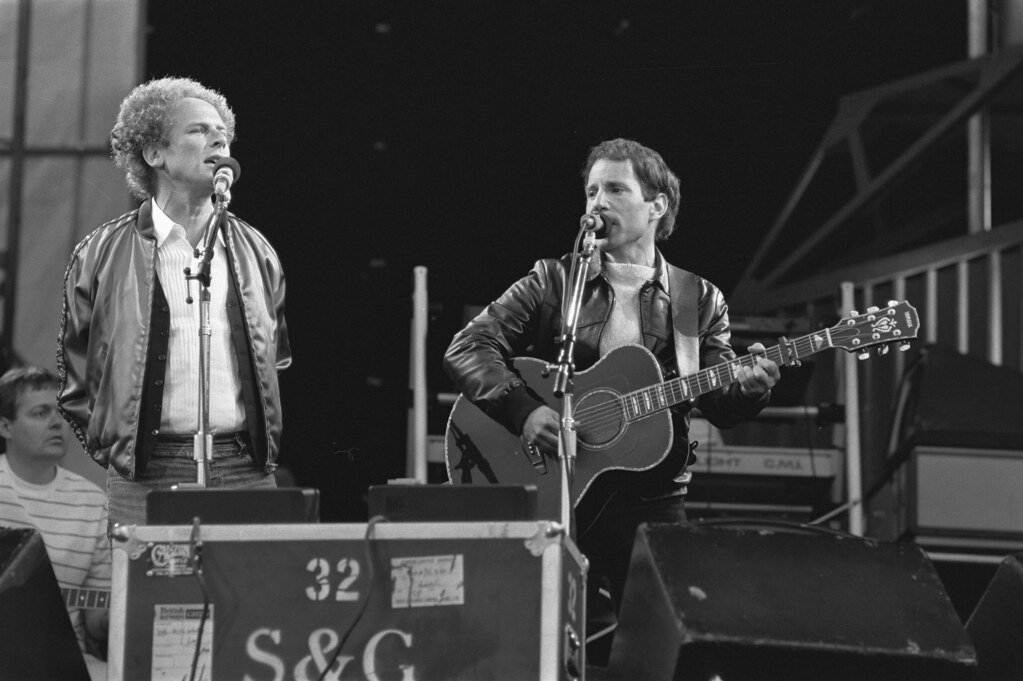
Few partnerships in the history of popular music carry as much weight, or as much tension, as Simon and Garfunkel. Paul Simon and Art Garfunkel met in elementary school in 1953 in Queens, New York, and bonded over a love of doo-wop harmonies and rhythm and blues. They were essentially two kids from the same neighborhood who discovered that their voices and their sensibilities fit together in a way that was almost eerie.
Simon and Garfunkel achieved iconic status in the 1960s by wedding Everly Brothers-styled harmonies to themes of urban alienation and self-examination, which both matched and mirrored contemporary society’s changes. That is a remarkable thing to pull off. Folk music had always been personal, but Simon and Garfunkel made it feel like a whole generation’s private diary, set to melody.
Their final studio album, Bridge over Troubled Water, released that January, became one of the world’s best-selling albums. What makes this even more remarkable is that the album was born in chaos. The combination of Simon’s perfectionism and Garfunkel’s prolonged absences turned the project into a 19-month marathon, spanning from June of 1968 to December of 1969. Great art under pressure, as it turns out.
They are among the best-selling music artists, having sold more than 100 million records. Despite their brief collaboration, Simon and Garfunkel’s influence lives on. Numerous covers, movie soundtracks, and tributes have re-examined their music, and musicians ranging from Fleet Foxes to Iron and Wine have acknowledged their impact. That kind of reach across generations is rare. Most music ages. Theirs only deepens.
Marvin Gaye and Tammi Terrell: Soul’s Most Heartbreaking Partnership
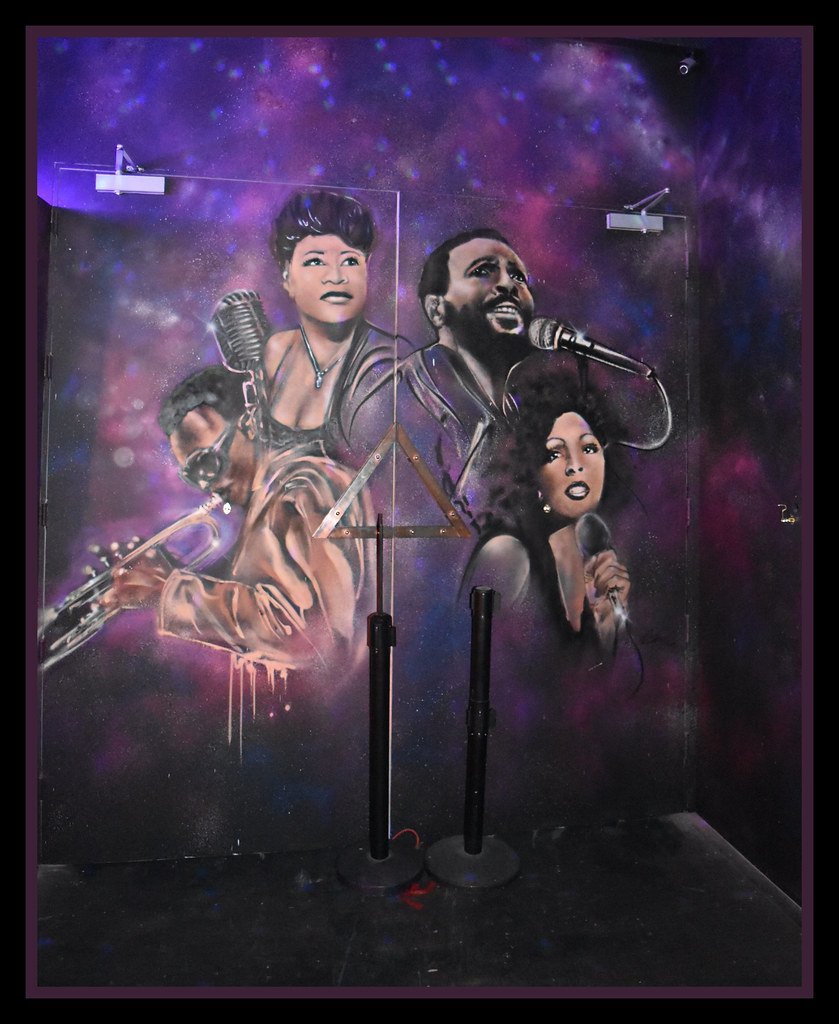
I think it is impossible to talk about the greatest musical duos without confronting the story of Marvin Gaye and Tammi Terrell, because it is as much a story of human tragedy as it is musical triumph. Despite having a short career together due to personal tragedy, the partnership of Marvin Gaye and Tammi Terrell created iconic soul music hits such as “Ain’t No Mountain High Enough” and “You’re All I Need To Get By” that remain deeply popular and have inspired many artists.
Throughout 1967, Gaye and Terrell began performing together, and Terrell became a vocal and performance inspiration for the shy and laid-back Gaye, who hated live performing. It is a beautiful irony. The woman who helped draw Marvin Gaye out of his own shell was taken far too soon. With Gaye, she scored seven Top 40 singles on the Billboard Hot 100, including “Ain’t No Mountain High Enough,” which was inducted into the Grammy Hall of Fame in 1999, “Ain’t Nothing Like the Real Thing,” and “You’re All I Need to Get By.”
Tracks such as “Ain’t No Mountain High Enough” and “You’re All I Need To Get By” epitomized their style, as Gaye and Terrell wove around each other’s voices, creating an aura of romance and eroticism that led to persistent yet false rumors that they were in a secret relationship. Their chemistry was simply that palpable. It leaped right off the record.
Gaye was so devastated by her decline and eventual passing that he retired from the road for three years. When he was ready to return to work, Marvin would chart a new musical path for Motown in the 1970s, and the loss of Tammi Terrell contributed greatly to the spiritual turmoil which informed Gaye’s 1971 masterpiece “What’s Going On.” One partnership’s ending directly sparked one of the greatest solo albums ever made. That is a legacy impossible to quantify.
Hall and Oates: The Kings of Pop-Soul Radio

Let’s be real. If you grew up anywhere near a radio in the late 1970s or throughout the 1980s, Hall and Oates were simply unavoidable. Hall and Oates, consisting of Daryl Hall and John Oates, are one of the most successful duos in music history, dominating the charts in the 1970s and 1980s. Their blend of pop, soul, and rock produced hits like “Rich Girl,” “Maneater,” and “You Make My Dreams.” That is a catalog of songs that could soundtrack an entire decade on its own.
With over 40 million albums sold, they rank among the best-selling . What made them fascinating was the specific tension between Daryl Hall’s extraordinary voice – soulful, almost gospel-level in its expressiveness – and John Oates’ role as the architect of arrangements and guitar work behind the scenes. The combination of Hall’s soulful vocals and Oates’ creative arrangements made their sound unmistakable.
Their 1980 album “Voices” marked a turning point, as it granted them complete artistic control. That freedom showed. The music they made in that era had a confidence and a stylistic distinctiveness that set them apart from every other pop act of the time. They were not chasing trends. They were setting them. In 2014, they were inducted into the Rock and Roll Hall of Fame, a long-overdue honor.
Sam and Dave: The Dynamic Duo of Southern Soul
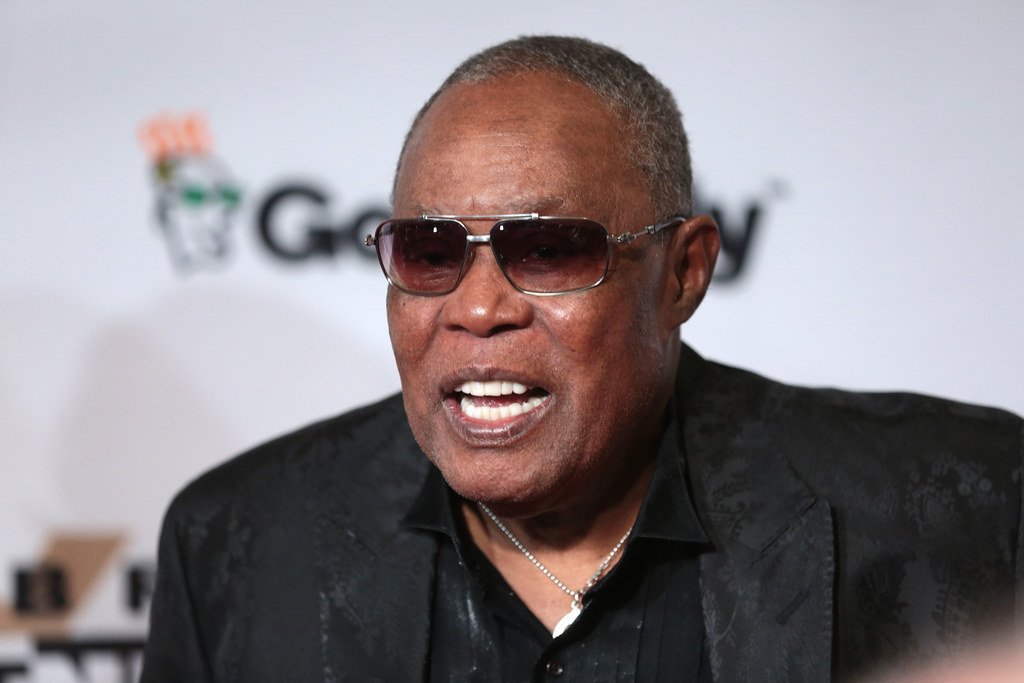
Not every duo on this list is a household name in 2026. Sam and Dave are criminally underappreciated outside of soul and R&B circles, and that is honestly a shame. Responsible for popularizing soul and gospel music and bringing the influence of these genres to bear on popular music as a whole, Sam Moore and Dave Prater met when they were both performing in gospel bands in Miami. That shared gospel foundation gave their music an almost sacred energy, even when the subject matter was anything but holy.
In 1965, Sam and Dave started to produce records with Stax and collaborated with soul music studio legends like guitarist Steve Cropper and producers Isaac Hayes and Jim Stewart. Their first big hit single was “Hold On, I’m Comin’,” which they followed up with “Soul Man” and the LP Soul Men. Those records are not just great soul albums. They are practically textbooks on how call-and-response vocal interplay is supposed to work.
Their song “Soul Man” could be enough: one of the biggest R&B hits of all time, the song that defined the term “soul” as a genre, and the perfect showcase for their tenor and baritone interplay. The cool singing “Dynamic Duo” unleashed a slew of classic songs over their 20-year career, while bringing a gospel influence to rock and roll, something that would affect the next several decades of musicians that came after.
The “Dynamic Duo” performed together from 1961 until 1981, and they influenced many musicians including Michael Jackson, Al Green, and Phil Collins. That is a list of names that tells you everything you need to know about the lasting reach of their sound. Sam and Dave built something that quietly ran through the veins of pop music for generations.
The White Stripes: Minimalism as Maximum Impact
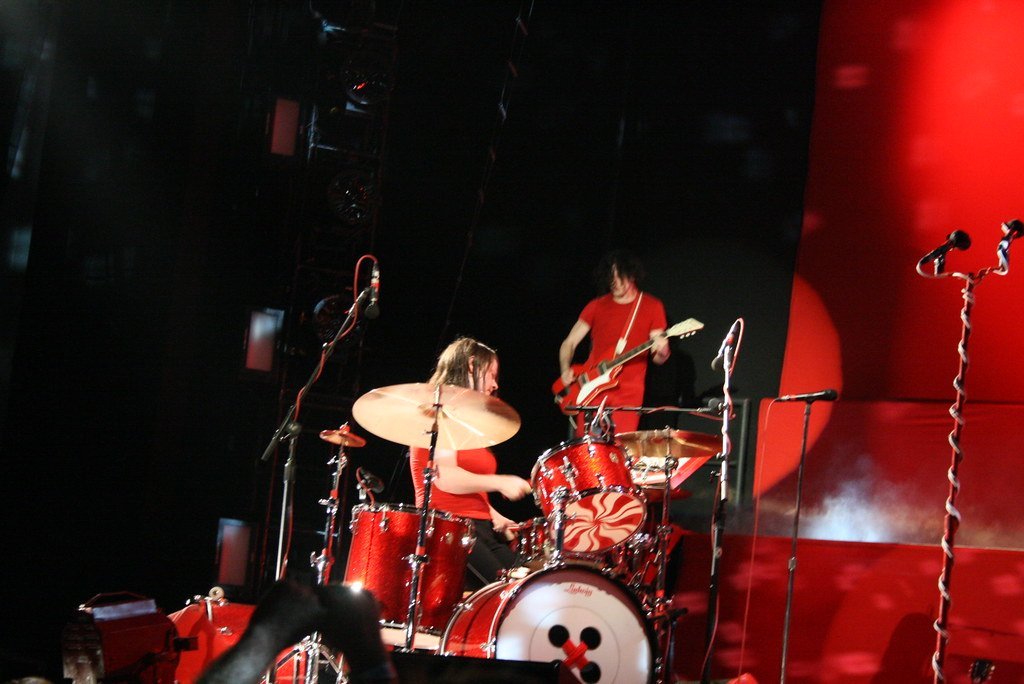
Two people. A guitar, a drum kit, and almost nothing else. The White Stripes looked like they should have been a small club act. Instead they became one of the most important rock duos of the early 21st century. Meg White and Jack White formed the White Stripes in 1997. The rock duo rose to prominence in 2003, with their global hit “Seven Nation Army.” Their music is generally described as garage rock or alternative rock, as they emerged from the Detroit garage rock revival scene.
Together, Meg and Jack White produced a string of successful albums in the early 2000s, like De Stijl, White Blood Cells, and Elephant. They divorced in 2000, but the White Stripes continued as a creative partnership. That detail alone is extraordinary. Most partnerships dissolve under that kind of personal pressure. Theirs somehow intensified.
What made them genuinely strange and brilliant was their insistence on stripping music back to almost nothing. No bass, minimal production, raw and aggressive in one moment, delicate and tender the next. Jack White’s guitar work could fill an entire concert hall on its own. Duos have been instrumental in some of rock’s biggest musical evolutions, from the folk invasion of the ’60s and ’70s to the post-punk revival of the early 2000s. The White Stripes were central to that latter revival.
Honestly, “Seven Nation Army” might be the most recognizable guitar riff of its generation. The fact that it was written by just one person, performed by just two, makes it all the more astonishing. Their legacy is proof that you don’t need complexity to make something unforgettable. Sometimes the emptiness is the point.
OutKast: The Hip-Hop Duo That Defied Every Label

Atlanta-based Big Boi and Andre 3000 led the way for the emergence of Southern hip-hop, impacting the world of rap with their debut album “Southernplayalisticadillacmuzik,” which charted at number two on the R&B charts and featured the title track, as well as “Player’s Ball” and “Git Up, Git Out.” The contrast between Big Boi’s more conventional rap style and Andre’s more poetic style, as well as their incorporation of Southern-style musical elements, set the duo apart from other rap artists.
That contrast, more than anything, is what made OutKast special. Big Boi and Andre 3000 are genuinely different kinds of artists who somehow created a whole that was vastly greater than the sum of its parts. More than just a “Hey Ya” duo, it is impossible to overstate what these two rappers and musicians have done for hip-hop. They expanded what Southern rap was even allowed to sound like.
The pair won six out of 16 Grammy nominations, including two for Best Rap Performance by a Duo and for Best Rap Album and Album of the Year for “Speakerboxxx/The Love Below” in 2004. “Speakerboxxx/The Love Below” was essentially two solo albums packaged as one double release. The fact that it won Album of the Year that way says everything about how far OutKast had pushed the definition of what a duo could be.
The Righteous Brothers: Blue-Eyed Soul and Timeless Emotion
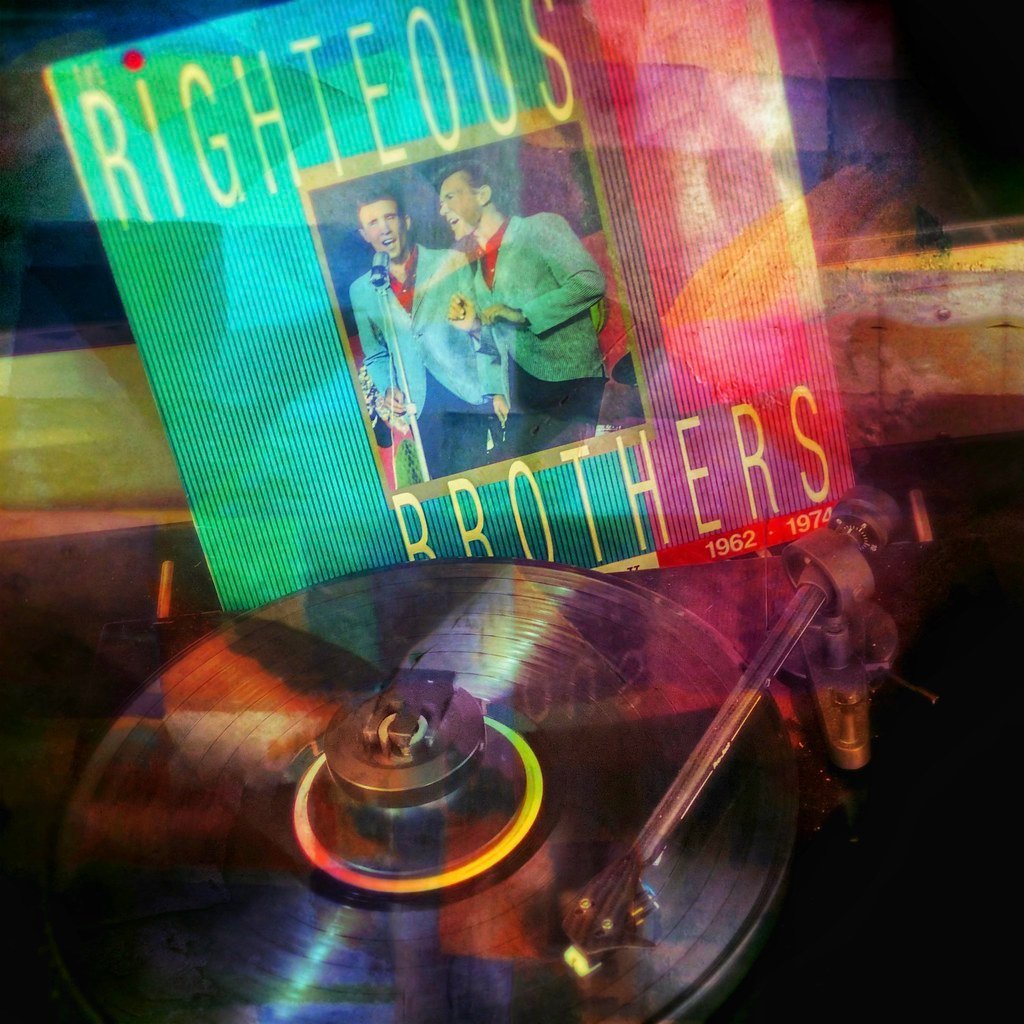
Consisting of the powerful vocalists Bill Medley and Bobby Hatfield, The Righteous Brothers were the epitome of blue-eyed soul duos in the 1960s. Their timeless hits, such as “You’ve Lost That Lovin’ Feelin'” and “Unchained Melody,” have become enduring classics that still resonate with music lovers around the world. With their unique blend of gospel, doo-wop, and soul, The Righteous Brothers managed to showcase their incredible vocal range and emotional depth through stirring harmonies and heartfelt ballads.
Bill Medley and Bobby Hatfield weren’t really brothers, but their two-man band achieved great success. Medley’s bass-baritone voice and Hatfield’s higher-register vocals fit together perfectly. That gap between their vocal registers – one low and deep and rumbling, one soaring and crystalline – created one of the most immediately recognizable sounds in pop music history. It was not just technique. It was pure emotional contrast made audible.
“Unchained Melody” alone has been heard by more people on more occasions than almost any other song ever recorded. It has soundtracked weddings, funerals, movie climaxes, and quiet late-night moments of longing for decades. That kind of reach does not happen by accident. It happens because two voices hit a frequency of human feeling that transcends era, genre, and generation.
The Conclusion: Two Is Sometimes the Most Powerful Number in Music

There is something almost counterintuitive about the idea that stripping a musical act down to just two people can produce more power, more emotion, and more lasting impact than a full band. Yet the evidence is right in front of us. From the Everly Brothers rewriting the rules of harmony in the 1950s to OutKast shattering the conventions of hip-hop half a century later, two has repeatedly proven to be a number capable of extraordinary things.
What unites all these partnerships, at the deepest level, is not just talent. It is the dynamic tension between two distinct personalities, each pushing the other somewhere they wouldn’t have gone alone. The disagreements, the creative clashes, the occasional outright conflict – all of that friction produces heat. And heat, in the right hands, produces something luminous.
The greatest musical duos remind us that collaboration is not about two people agreeing all the time. It is about two people caring enough about the music to keep showing up for each other, even when it’s hard. That is a lesson that extends far beyond music. Which of these partnerships surprised you most? Drop your thoughts below – this is a conversation worth having.

Besides founding Festivaltopia, Luca is the co founder of trib, an art and fashion collectiv you find on several regional events and online. Also he is part of the management board at HORiZONTE, a group travel provider in Germany.
