

- 10 Music Festivals That Changed the World - March 30, 2026
- The Most Unforgettable Opening Lines in English Literature - March 30, 2026
- These Are the Books That Inspired Your Favorite Movies - March 30, 2026
There is something almost magical about the moment a beloved book leaps from the page onto a cinema screen. The words you once heard only in your head suddenly become flesh and blood, with real faces, real voices, and a sweeping score behind them. For as long as movies have existed, storytellers have turned to literature as their greatest source of raw material.
Filmmakers have been interpreting popular books for the screen since the dawn of cinema, from influential novels to page-turning mysteries, comics, and buzzy book-club picks. The relationship between literature and film is not a rivalry, though fans love to make it one. It is something more like a conversation. One medium pushes the other. One medium gives, the other takes, reshapes, and sometimes even improves.
Book-to-screen adaptations have spawned some of the biggest movie franchises, including J.R.R. Tolkien’s “The Lord of the Rings,” Suzanne Collins’ “The Hunger Games,” and J.K. Rowling’s “Harry Potter.” Honestly, the list could go on forever. So let’s dig into the books behind your all-time favorite films, exploring what the stories originally looked like and just how much changed along the way. Be surprised by what you find.
The Godfather by Mario Puzo (1969)
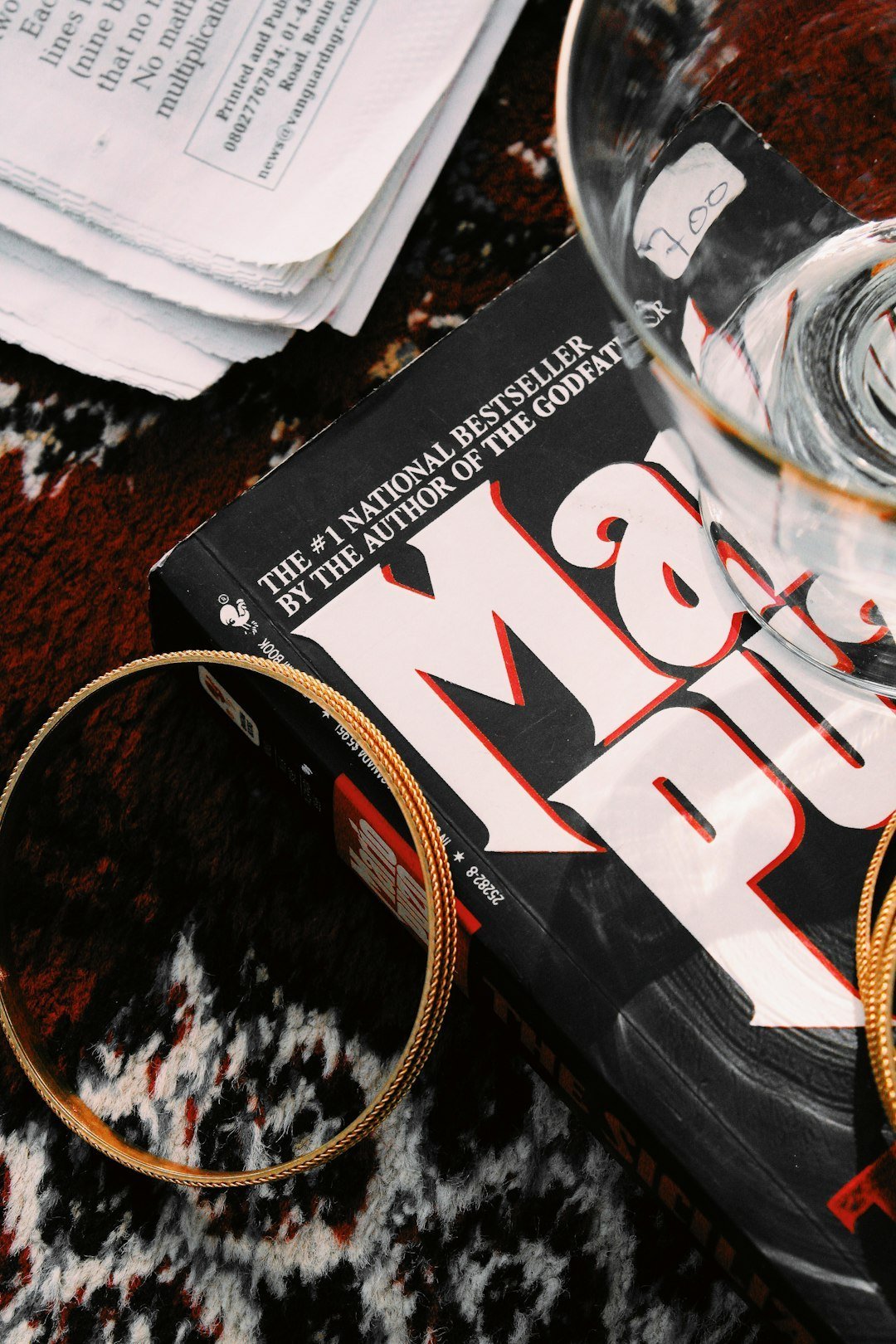
Some novels are so big, so sprawling, that even a three-hour film can only capture part of their world. Mario Puzo’s “The Godfather” is a crime novel originally published on March 10, 1969, and it details the story of a fictional Mafia family in New York City and Long Island, headed by Vito Corleone. The novel covers the years 1945 to 1955 and includes the backstory of Vito Corleone from early childhood to adulthood. Think of it like a vast iceberg. Coppola’s film only shows what’s above the surface.
The 1972 film adaptation was released with Marlon Brando as Don Vito Corleone and Al Pacino as Michael Corleone, directed by Francis Ford Coppola. Mario Puzo assisted with both the writing of the screenplay and other production tasks. The film grossed approximately $269 million worldwide and won various awards, including three Academy Awards, five Golden Globes, and one Grammy. That’s not a small achievement for a story about a crime family.
The chief differences between book and film are of omission and presentation; the film does without extensive subplots for minor characters, and it presents the main story more as an epic family tragedy than the deliberate, well-crafted, and addicting seedy pulp fiction style of the novel. Minor characters who get rich, detailed storylines in the book are barely glimpsed on screen. The biggest difference is that the novel includes a more upbeat ending, in which Kay Corleone accepts Michael’s decision to take over his father’s business. The film, in contrast, ends with Kay’s realization of Michael’s ruthlessness, a theme that would develop in the second and third films.
Luca Brasi, Vito Corleone’s enforcer, was portrayed as nervous and awkward in Coppola’s version. In “The Godfather” books, however, Brasi was a ruthless killer who committed unfathomable acts. In fact, Brasi was considered to be the only person whom the Don actually feared in the books. It’s one of those cases where the film actually made a character less terrifying, not more. The book’s Brasi would have been almost impossible to put on screen without serious controversy.
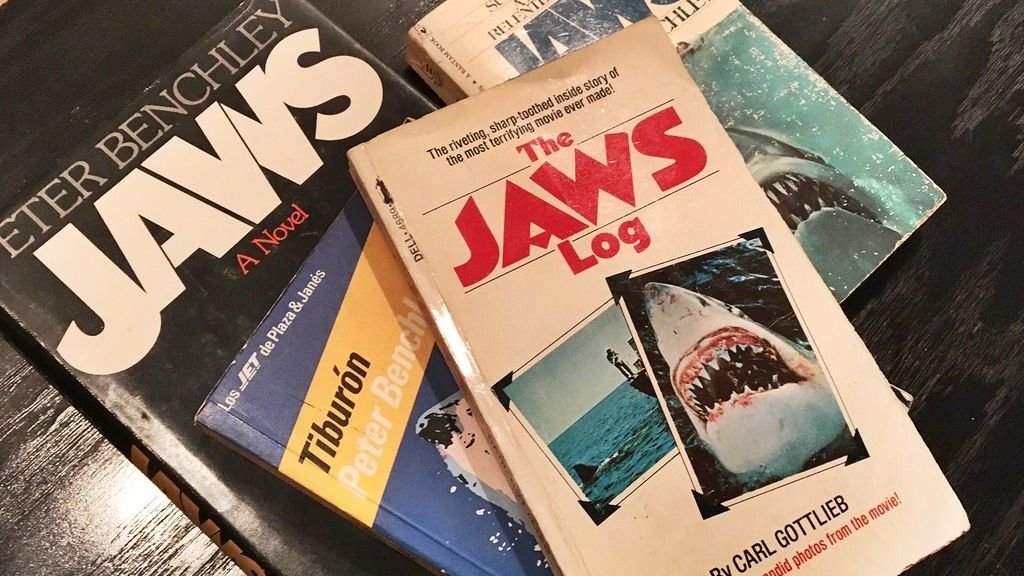
Jaws by Peter Benchley (1974)
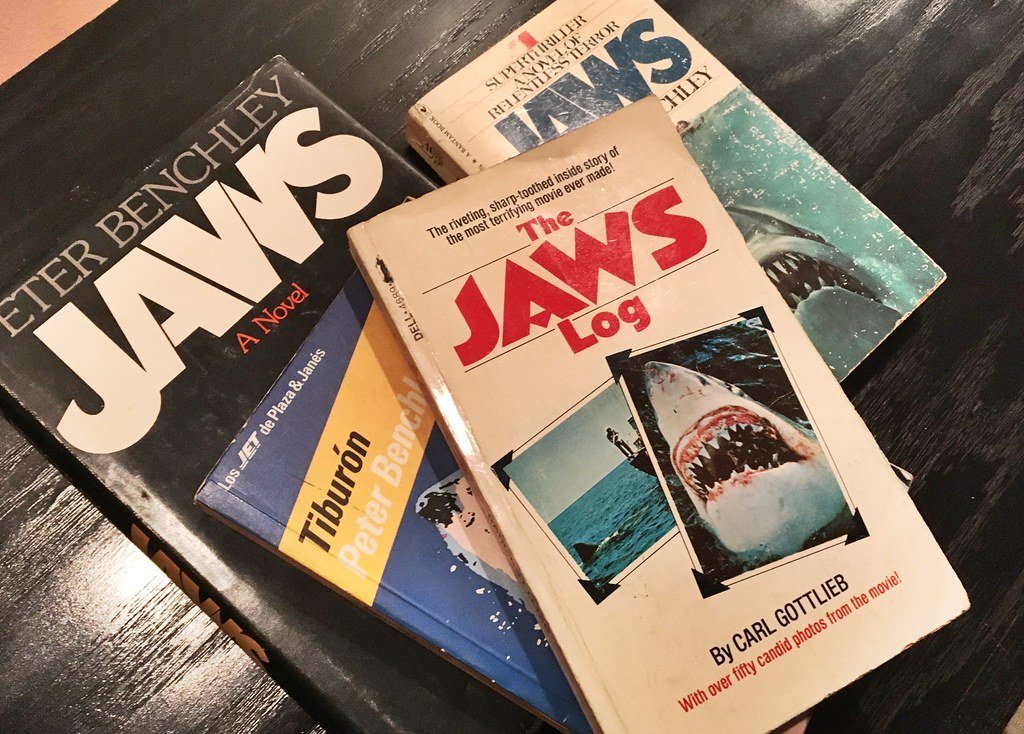
Before Steven Spielberg turned it into the first true summer blockbuster, “Jaws” was a very different animal. Peter Benchley’s 1974 novel and Steven Spielberg’s 1975 film adaptation share the same basic premise – a great white shark attacking a New England resort community – but they differ substantially in plot details, character arcs, tone, themes, and endings. That’s putting it mildly, honestly. Some of those differences are astonishing.
Upon its release, Jaws was the highest-grossing film of all time. It won several awards and basically originated the notion of the summer blockbuster. It’s hard to overstate what that meant for Hollywood. Every popcorn movie you’ve ever loved in the summer owes something to this story about a shark.
In the book, Vaughn has connections to the Mafia, and it is the Mafia pressuring the mayor, who is in debt to the mob and needs to keep the beaches open to prevent Mafia-held real estate in the area from losing value. That entire layer of organized crime corruption was stripped away for the film, simplifying the mayor into a more sympathetic, if misguided, figure. In the novel, Ellen Brody and Matt Hooper have an affair, which creates a triangle of jealousy and resentment that colored the book’s boat scenes entirely differently from the camaraderie audiences saw on screen.
Missing from Benchley’s book is Quint’s Indianapolis speech. This scene in the movie has become famous; it’s a classic moment when Quint slowly and drunkenly tells the haunting story of surviving the USS Indianapolis. That speech, considered one of the greatest in movie history, was invented entirely for the film. The biggest difference between Benchley’s characters and Spielberg’s is their likability. Spielberg famously admitted that he did not like any of the characters in Benchley’s novel, and he set out to make them more interesting and amiable in the film.
Harry Potter and the Philosopher’s Stone by J.K. Rowling (1997)
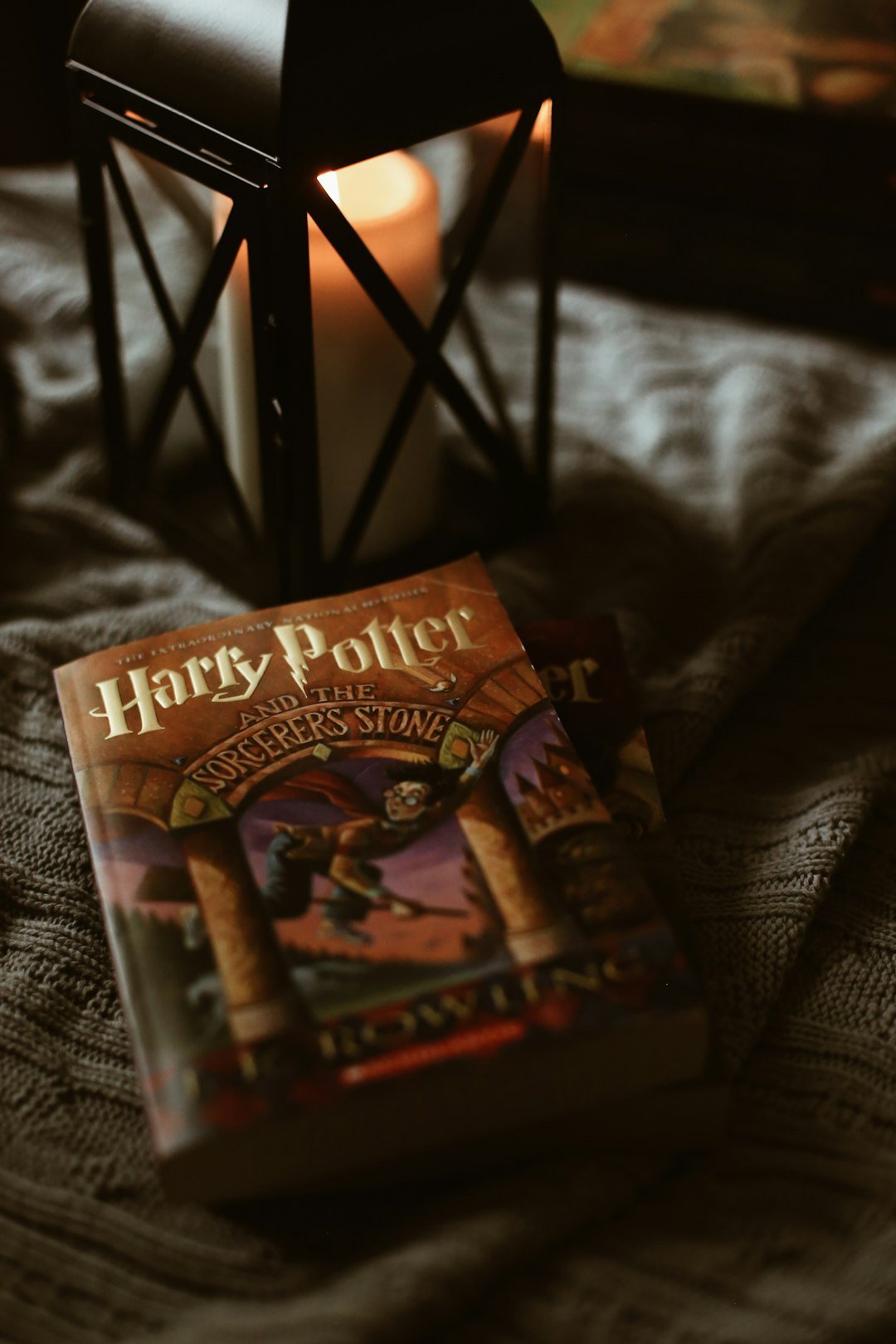
Let’s be real. For a generation of readers, this book didn’t just inspire a movie. It reshaped childhood. The book, first published in 1997, introduced us to J.K. Rowling’s spellbinding universe, while the 2001 film adaptation gave us the chance to see that magic brought to life on screen. Two different experiences, both deeply powerful, but undeniably distinct.
Rowling’s writing is full of charm and detail that make Hogwarts, Diagon Alley, and even the Dursleys’ dreary home feel real. The book lingers on tiny magical touches – moving staircases, enchanted feasts, owls delivering letters at breakfast – that build a world readers can practically live inside. Translating that layered, almost tactile sense of wonder to screen was always going to require some sacrifices.
Characters also get more breathing space in the novel. Hermione’s transformation from bossy know-it-all to loyal friend is more gradual, and Neville Longbottom’s bravery is given more attention. This is the quiet trade-off of adaptation. In a film, you need to make characters immediately distinct. In a book, you can let them grow slowly over hundreds of pages.
Another strength of the book is its pacing. Rowling slowly unveils the wizarding world through Harry’s eyes, giving readers time to marvel at each discovery. There’s also a sense of mystery woven throughout: who is Nicholas Flamel, what’s hidden in the third-floor corridor, and how dangerous is Voldemort really? These layers make the book not just whimsical, but quietly suspenseful. The film, for its part, had to compress all that discovery into roughly two hours. I think director Chris Columbus did a remarkable job, but some of that slow-burn mystery is inevitably lost.
The Devil Wears Prada by Lauren Weisberger (2003)
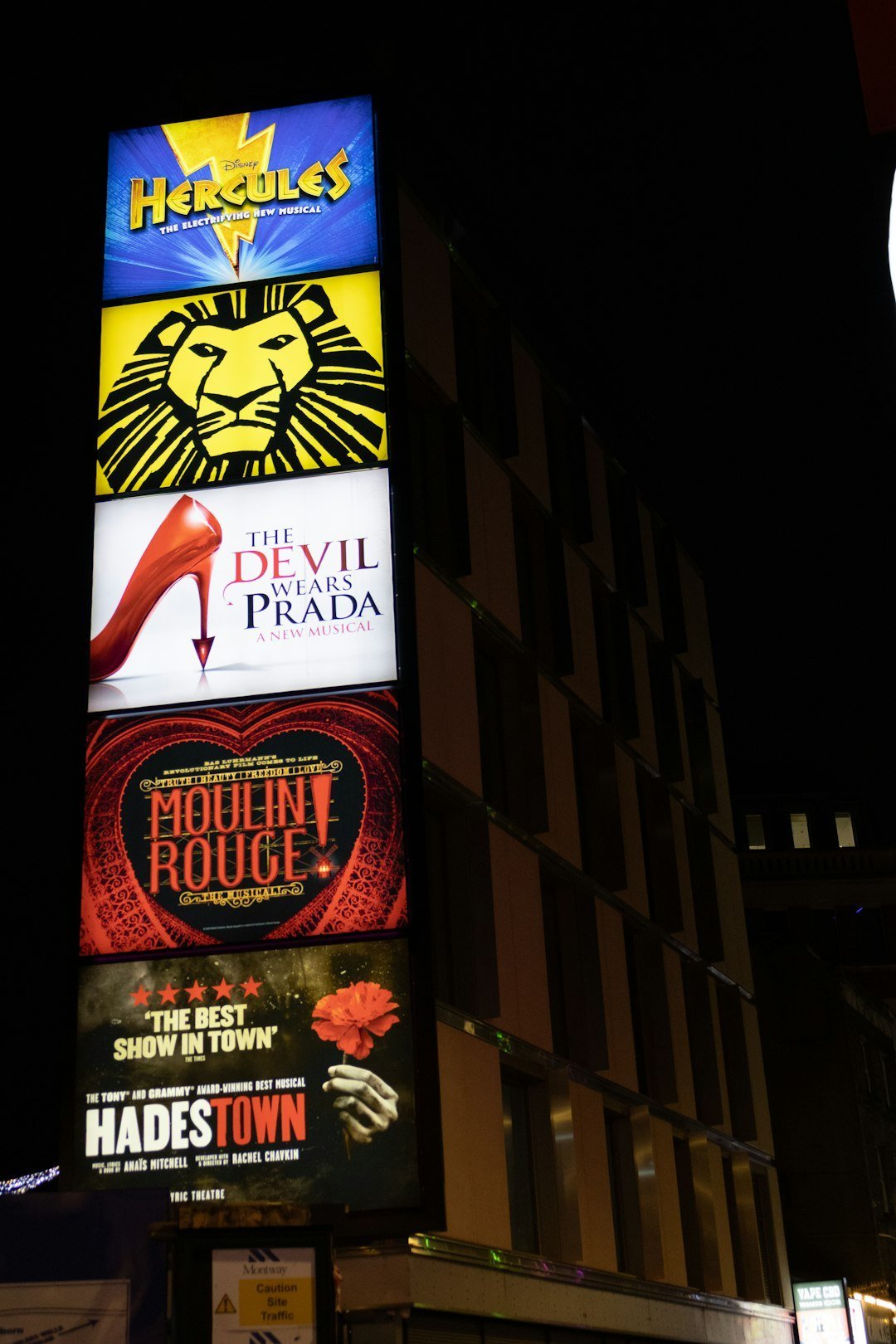
Here’s the thing about “The Devil Wears Prada” – most people who love the movie have no idea how different the book actually is. Author Lauren Weisberger truly paved the way for this Academy Award nominated film with her New York Times bestselling novel of the same name, which acted as a fictional retelling of her time working as an assistant to Vogue editor-in-chief Anna Wintour. That real-world backstory gives the whole thing an extra layer of delicious intrigue.
20th Century Fox bought the rights to a film adaptation of Weisberger’s novel in 2003, before it was completed. The screenplay was already being written while the book was still being finished. The film received positive reviews, particularly for Meryl Streep’s performance. The film grossed over $326 million worldwide. Streep’s portrayal of Miranda Priestly became iconic, arguably eclipsing anything on the page.
In the film adaptation, Andy Sachs tends to be quiet, polite, and very hard working. However, the book frames Andy as more of a strong-willed, somewhat snarky young woman who smokes cigarettes and swears often. While movie Andy would tackle any project put in front of her, novel Andy seems to think she is above it all, and some readers claimed she exhibited the same snobbery she despises in others. The two versions of Andy feel like completely different women.
While the personality and character traits that characterize Miranda as the titular devil are left untouched in the movie, it is only in the books that we get more of Miranda’s past. This deep dive into the story of Miranda allows readers to empathize with her and to understand where the cruelty comes from. In the book, Miranda Priestly is born Miriam Princhek to a large, poor, and orthodox Jewish family. That entire backstory, which transforms Miranda from a cartoon villain into a complicated human being, never makes it into the film at all. It’s a significant loss, though I understand why a movie had to trim it.
Rebecca by Daphne du Maurier (1938)
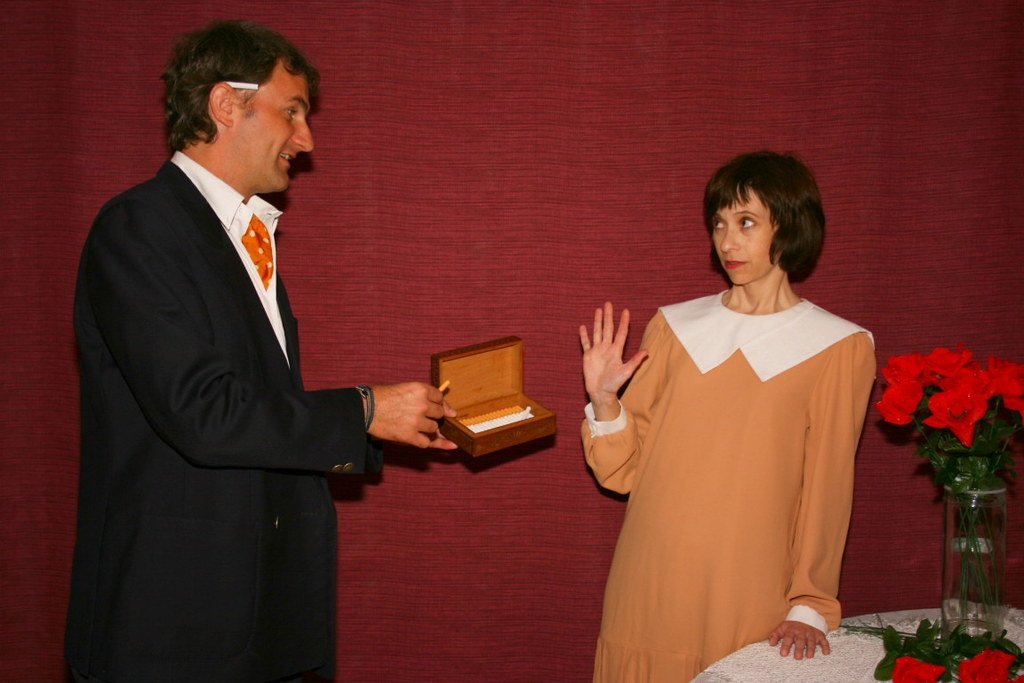
Few novels carry an atmosphere as suffocating and intoxicating as “Rebecca.” It reads like a fever dream, a love story wrapped in dread, and the gothic tension on every page has a quality that almost defies adaptation. Yet Alfred Hitchcock managed it. Starring Joan Fontaine as the second Mrs. de Winter, the 1940 film was nominated for eleven Academy Awards and won Best Picture and Best Cinematography. Directed by none other than Alfred Hitchcock, the unsettling gothic tale is captured perfectly in this adaptation.
Hitchcock’s film is one of cinema’s rare examples where the adaptation matches the source so closely in feeling that readers often find themselves surprised by how faithfully the tone was preserved. Du Maurier’s second Mrs. de Winter – famously never given a first name – is a character defined entirely by self-doubt and the oppressive shadow of a dead woman. That psychological architecture is remarkably intact in the film version. Both the novel and the movie hinge on the idea that the most dangerous rival can be someone who no longer exists.
Where the film diverges is primarily in the ending, driven by production code restrictions of the era. In the novel, Maxim de Winter confesses to having deliberately killed Rebecca in a moment of rage. In the film, her death is reframed as an accident to avoid depicting a murderer going unpunished. It is a small but meaningful change. The moral weight of the story shifts considerably depending on which version you consume, and I think the book’s darker conclusion is the braver and more emotionally honest one.
Schindler’s Ark by Thomas Keneally (1982)
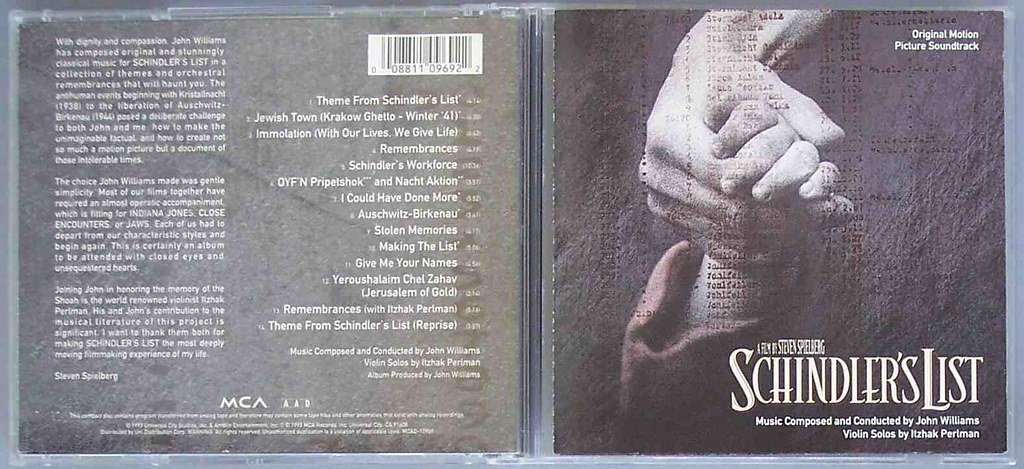
This is a case where the movie may be more famous than the book that inspired it, which is almost a shame. Around twenty Booker winners have gone on to become films and TV series, including “Schindler’s Ark.” Thomas Keneally’s work won the Booker Prize in 1982, presenting the incredible true story of Oskar Schindler, a German industrialist who saved the lives of over a thousand Jewish refugees during the Holocaust by employing them in his factories.
Steven Spielberg’s 1993 film, retitled “Schindler’s List,” honored the book’s core narrative with breathtaking fidelity. Filmed in stark black and white, the movie transformed what was already a deeply moving work of narrative nonfiction into a visceral, harrowing cinematic experience. The contrast between the cold historical record in Keneally’s prose and the emotional immediacy of Spielberg’s visual storytelling is a perfect illustration of what each medium does best.
The book, structured almost like historical journalism, draws on interviews with Schindler Jews themselves and carries the weight of documentary evidence. The film, by necessity, dramatizes and compresses certain scenes, occasionally combining or simplifying some of the Jewish workers’ individual stories. Yet both versions share the same staggering central fact: that one morally imperfect man chose, repeatedly and at great personal risk, to act. It’s hard to say for sure which version hits harder. That might depend entirely on who you are when you encounter it.
Fight Club by Chuck Palahniuk (1996)
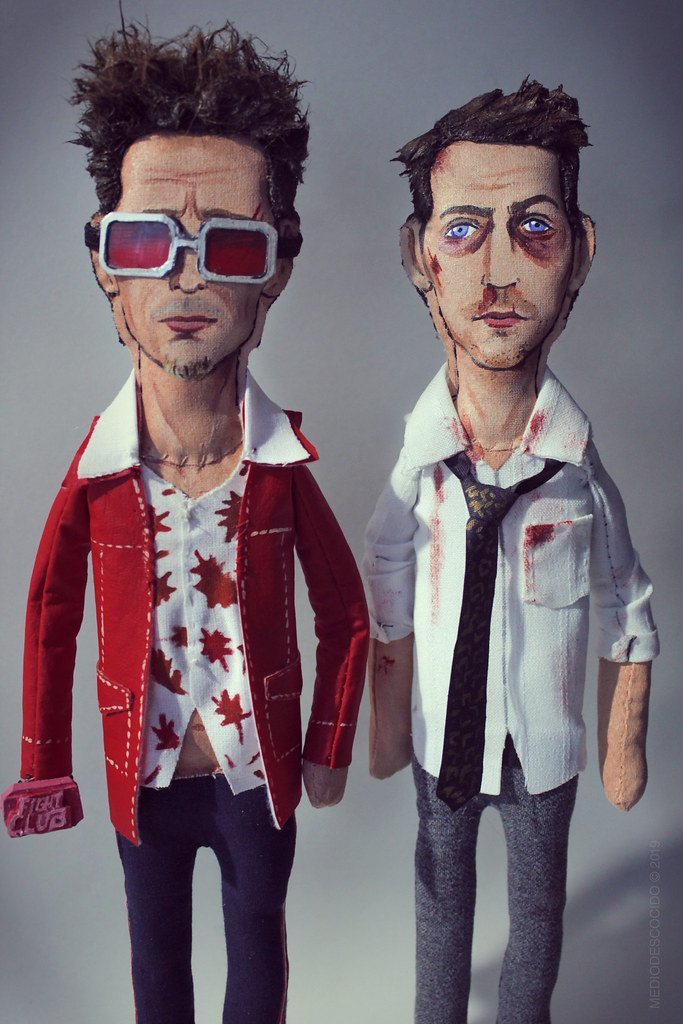
Chuck Palahniuk’s debut novel “Fight Club” is one of those rare books that reads like a manifesto wrapped in a thriller. Dark, anarchic, and packed with sharp observations about consumerism and masculinity, it provided the raw material for David Fincher’s 1999 cult classic. The novel’s unnamed narrator, his alter ego Tyler Durden, and the chaotic organization they build together form the spine of both versions, and the general plot follows a very similar trajectory in each.
Where the two diverge most meaningfully is in the ending. Palahniuk’s novel ends with the narrator institutionalized, implying he is still trapped within his own fractured psyche, surrounded by orderlies who quietly inform him that Tyler will be back. The film, by contrast, ends with a more cinematic, almost romantic image: the narrator and Marla watching buildings collapse to the sound of the Pixies. The movie’s conclusion feels more closed, more deliberately spectacular. The book’s ending is bleaker and more unsettling, and if I’m being honest, probably more true to the novel’s spirit.
Interestingly, Fincher’s film actually improved on one key narrative element. The book’s twist regarding Tyler Durden’s true nature is easier to anticipate on the page because Palahniuk’s prose occasionally gives too much away in the narration. The film uses visual misdirection masterfully, making the revelation hit with far greater force. It is one of those rare cases where cinema’s limitation in telling us what characters think becomes an advantage.
Gone with the Wind by Margaret Mitchell (1936)
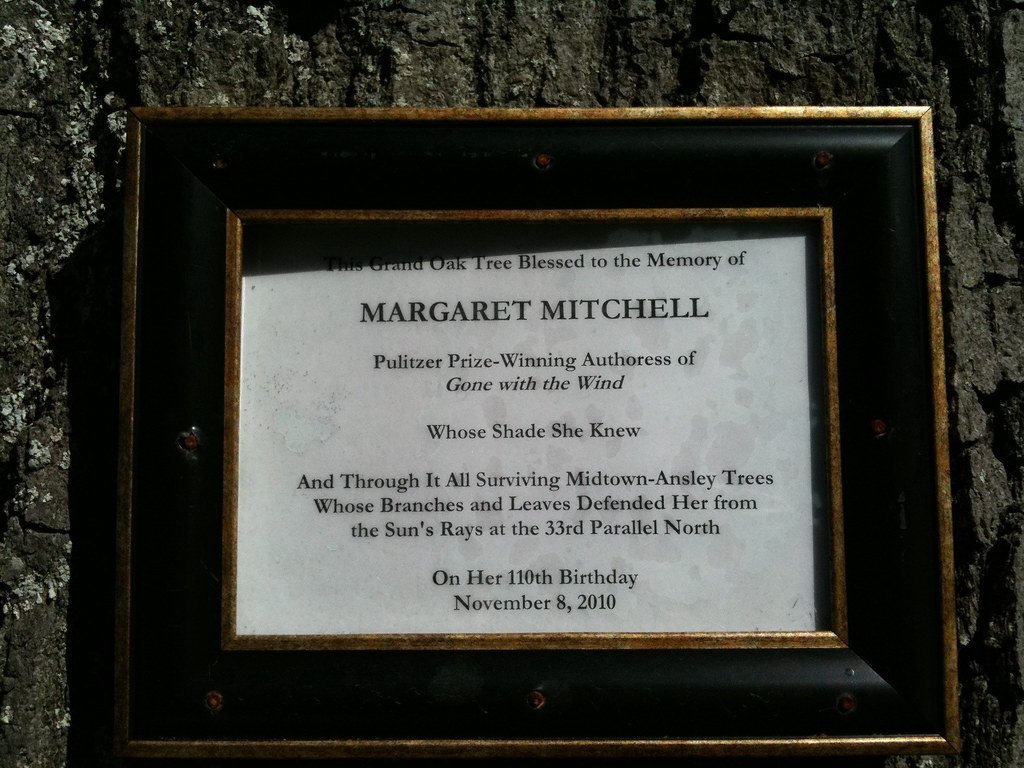
A delightful adaptation of Margaret Mitchell’s 1936 novel, the film was incredibly popular when first released and was one of the highest-earning films made up until that point. Few literary-to-film stories are as sweeping or as culturally consequential as this one. Mitchell’s novel, at well over a thousand pages, is a colossal piece of American historical fiction, sprawling across the years of the Civil War and Reconstruction through the eyes of the infuriating, irresistible Scarlett O’Hara.
The 1939 film managed to distill this enormous novel into roughly four hours of cinema, and the adaptation is, by general consensus, remarkably faithful in spirit if not always in detail. Entire characters and subplots were simplified or removed. The novel spends considerably more time on the post-war economic devastation of the South and explores Scarlett’s business acumen in far greater depth. On screen, she is primarily a romantic figure. In the book, she is also a shrewd and ruthless entrepreneur, willing to do almost anything to ensure Tara’s survival.
The film preserved the novel’s most indelible elements: the chemistry between Scarlett and Rhett, the burning of Atlanta, and that iconic final line. Mitchell herself reportedly approved of Vivien Leigh’s portrayal, which says something about how well the adaptation captured her creation’s spirit. Still, readers who return to the novel after the film are often surprised by how much richer and stranger the original world actually is. The book treats Scarlett’s moral failings with even less mercy than the screen version dares to.
The Lord of the Rings by J.R.R. Tolkien (1954)
Honestly, adapting “The Lord of the Rings” was considered nearly impossible for decades. The sheer density of Tolkien’s world, its invented languages, its exhaustive appendices, its hundreds of named characters, made it seem like a project that would defeat any filmmaker. The Lord of the Rings received 17 awards in total from its film adaptations, which is a testament to just how spectacularly Peter Jackson’s trilogy succeeded despite those obstacles.
Tolkien’s novels are rich with digressions, songs, poems, and extended historical backstory that no three-hour film could accommodate. The most notable omission in Peter Jackson’s adaptation is Tom Bombadil, a mysterious, joyful, and somewhat unexplainable figure who features prominently in the early chapters of “The Fellowship of the Ring.” His entire episode was cut from the films. To some fans, this is still a wound that has never healed. To most casual viewers, his absence is completely unnoticed.
The films also significantly altered the character of Faramir, making him initially tempted by the One Ring in a way the book’s version never was. Tolkien’s Faramir is almost uniquely virtuous; he represents the idea that not all men will fall to temptation. Jackson’s screenwriters changed this, apparently feeling that the arc needed more conflict. It is one of the adaptation’s most debated choices, and I find it hard to disagree with the fans who felt it undermined Tolkien’s point. The book’s Faramir is a more hopeful figure, and that hope matters deeply in the context of the whole story.
Conclusion: The Endless Conversation Between Page and Screen
What these stories share is something fundamental. In each case, a writer put something deeply human into words, and a filmmaker recognized that humanity and tried to translate it into light and sound. Sometimes the translation is nearly perfect. Sometimes it’s a creative reimagining. Sometimes the film discovers things in the story that the author never consciously intended.
The relationship between literature and cinema is not one of competition but of inheritance. Classics endure because they’re endlessly adaptable. From Shakespearean tragedies to Austenian social satire, these stories and their complex characters are ripe for a new lens, interpretation, and reimagination with every generation that comes across their pages. Every new adaptation is, in a sense, a love letter to the original, even when it departs wildly from it.
The books will always be there, patient and waiting, ready to give a reader everything the film had to leave behind. And the films, with their images and music and performances, can sometimes break your heart in ways the written word alone cannot. Neither medium wins the argument. Together, they tell the story better than either could alone.
Which of these adaptations surprised you most – and did you ever pick up the book after watching the film? Tell us in the comments below.
CEO-Co-Founder
