

- 10 Most Romantic Glamping Getaways In America - April 4, 2026
- These 12 Musical Genres Defined Generations, But Are Now Rarely Heard - April 4, 2026
- These 8 Abandoned Historical Sites Hold More Secrets Than Modern Cities. - April 4, 2026
Abandoned places pull at something deep inside us. Historians sift through crumbling walls for echoes of forgotten lives, while travelers chase the chill of stepping into a world untouched by time. These sites, frozen mid-story, reveal raw truths that shiny modern cities bury under concrete and noise.
Picture entire towns left behind overnight, holding grudges against history itself. What drove people away so suddenly? Let’s uncover the haunting tales from eight such spots that whisper secrets louder than any metropolis ever could.[1]
Hashima Island, Japan
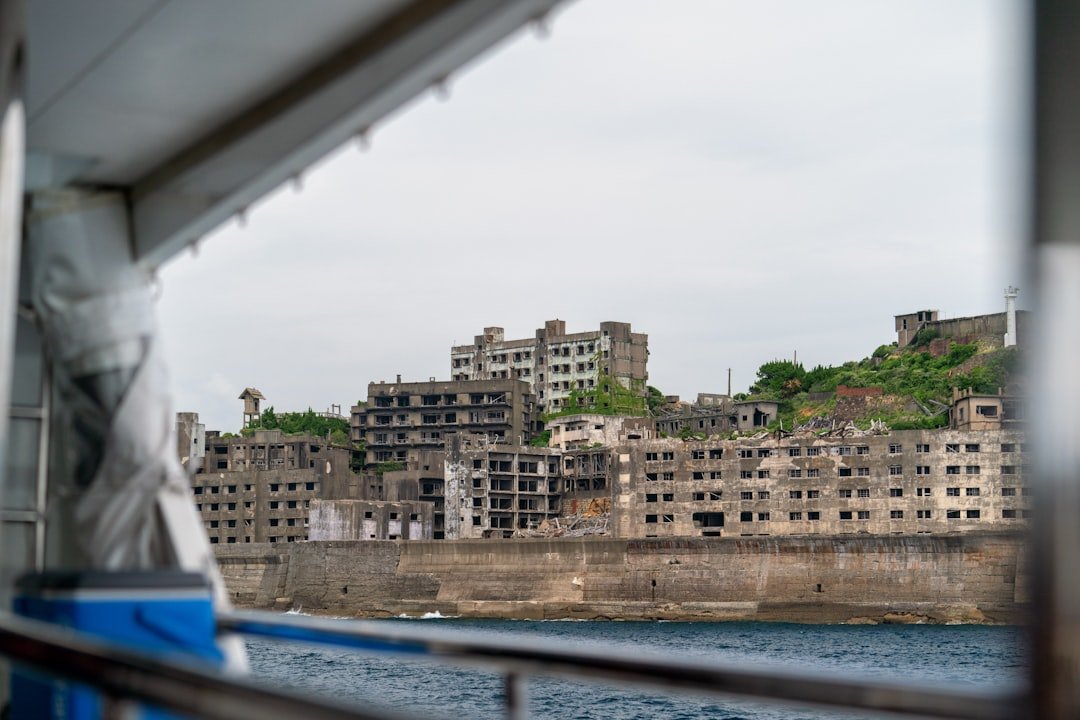
Once a bustling coal mining hub since 1887, Hashima Island, or Gunkanjima, housed thousands in its battleship-shaped high-rises. Workers, including Korean forced laborers during World War II, toiled in brutal conditions deep underground. The mine’s depletion in 1974 forced everyone out, leaving the concrete jungle to the elements.[1]
Dark rumors swirl about the harsh treatment of laborers and unexplained deaths in the shafts. Today, the crumbling ruins draw tourists via guided boat tours, a UNESCO World Heritage site preserved as a stark reminder of industrial excess. Honestly, standing amid the decay feels like peeking into a dystopian novel come real.[1]
Varosha, Cyprus
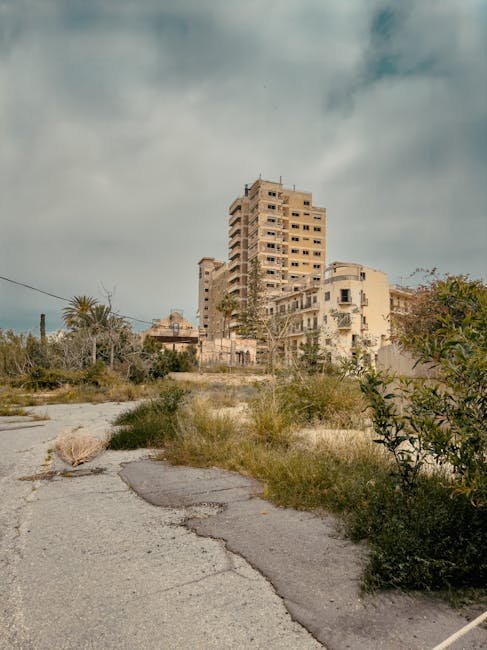
In the 1960s and 70s, Varosha boomed as a glamorous resort in Famagusta, packed with luxury hotels for holidaymakers. Turkey’s 1974 invasion sealed its fate, fencing off the area and stranding half-eaten meals on tables. Residents fled in panic, abandoning their paradise overnight.[1]
The mystery lingers in why it stayed locked for decades, a perfect 1970s time capsule amid geopolitical tension. Partially reopened in 2020 for limited visits, the faded facades stand preserved under Turkish control, evoking a eerie what-if of frozen prosperity. It’s like the beach parties never ended, just paused indefinitely.
Oradour-sur-Glane, France
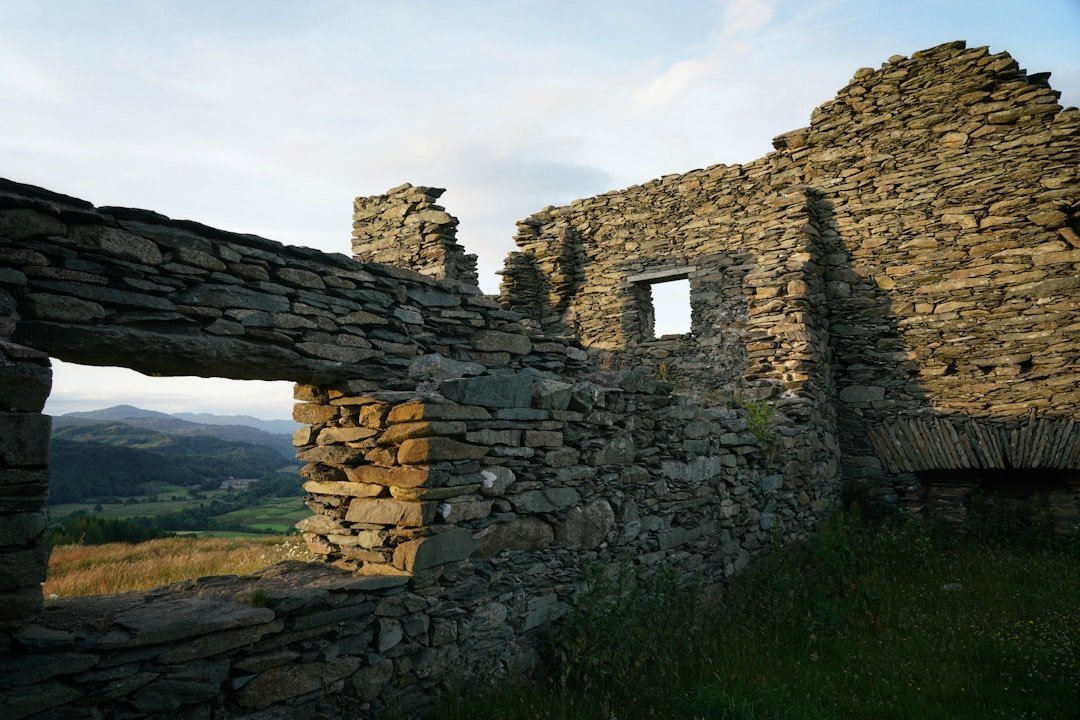
This quiet village turned horror scene on June 10, 1944, when Nazis massacred 643 inhabitants in reprisal for a captured SS officer. Barns burned with trapped families, the church filled with smoke and screams. The site was left razed as a grim memorial by order of the Vichy government.[1]
Secrets hide in the personal relics – stopped watches, rusted cars – that scream silent accusations. Preserved untouched, visitors walk the ruins today, a national monument ensuring the atrocity isn’t forgotten. Here’s the thing: it hits harder than any museum, raw and unflinching.
Kolmanskop, Namibia
Discovered in 1908 after a railway worker found diamonds, Kolmanskop exploded into Africa’s richest town with German-style villas and a casino. By the 1930s, richer fields south drew people away, fully abandoning it by 1956. The Namib Desert sands began their slow reclaim immediately.[2]
Mysteries abound in the opulent lives cut short, with dunes now bursting through doors like uninvited guests. Managed by Namdeb as a tourist site within Sperrgebiet National Park, select buildings are cleared for visits, balancing preservation against nature’s advance. I know it sounds crazy, but the sand-swept ballrooms feel like a diamond fever dream.
Bodie, California
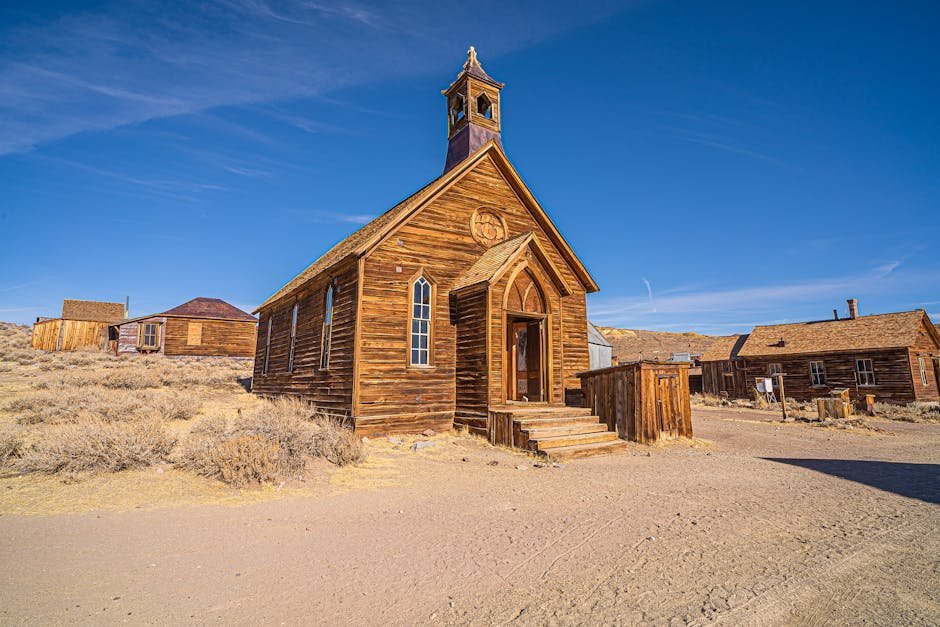
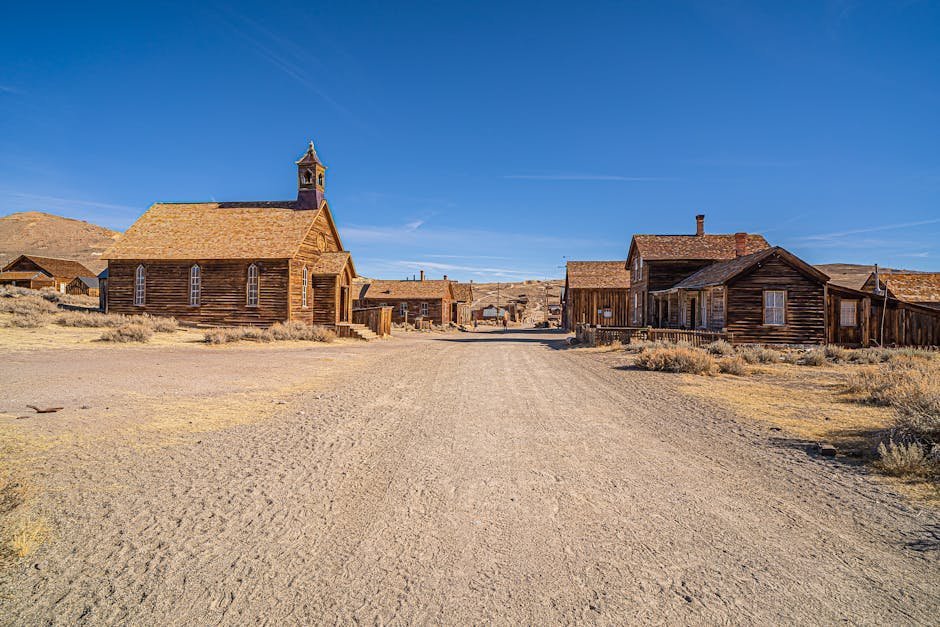
Gold fever struck in 1876, swelling Bodie to 8,000 souls and 2,000 buildings by the late 1870s. Fires, mine exhaustion, and outlaws dwindled it; the last mine shut in 1942, emptying it by 1950. Lawless tales of shootouts linger in the air.[1]
What secrets do the abandoned saloons hold from those wild nights? As a National Historic Landmark, 170 structures stand “arrested decay,” open to tourists who wander freely. It’s preserved just enough to spark the imagination without sanitizing the grit.
Craco, Italy
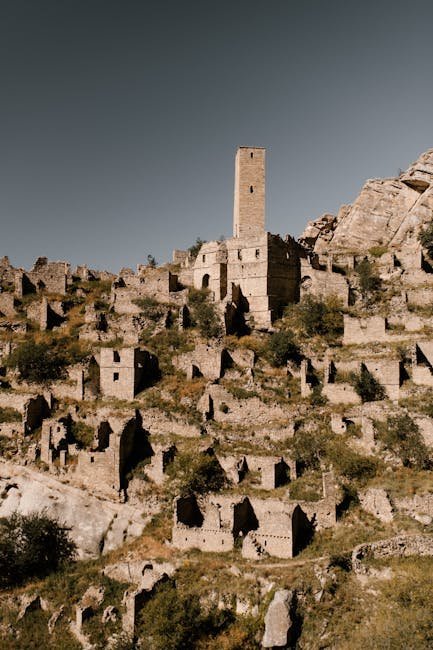
Perched on a Basilicata hilltop since medieval times, Craco battled plagues, feudalism, and poor soil. Landslides from the 1890s worsened with 1963’s disaster and earthquakes, forcing evacuation by 1980. Centuries of hardship etched into every stone.[3]
The puzzle of survival against nature’s wrath captivates, with homes sliding toward oblivion. Now a film set for epics like The Passion of the Christ, ruins are preserved for visitors via funicular, a testament to resilient spirit. Walking those empty streets, you feel the earth’s quiet rebellion.
Kayaköy, Turkey
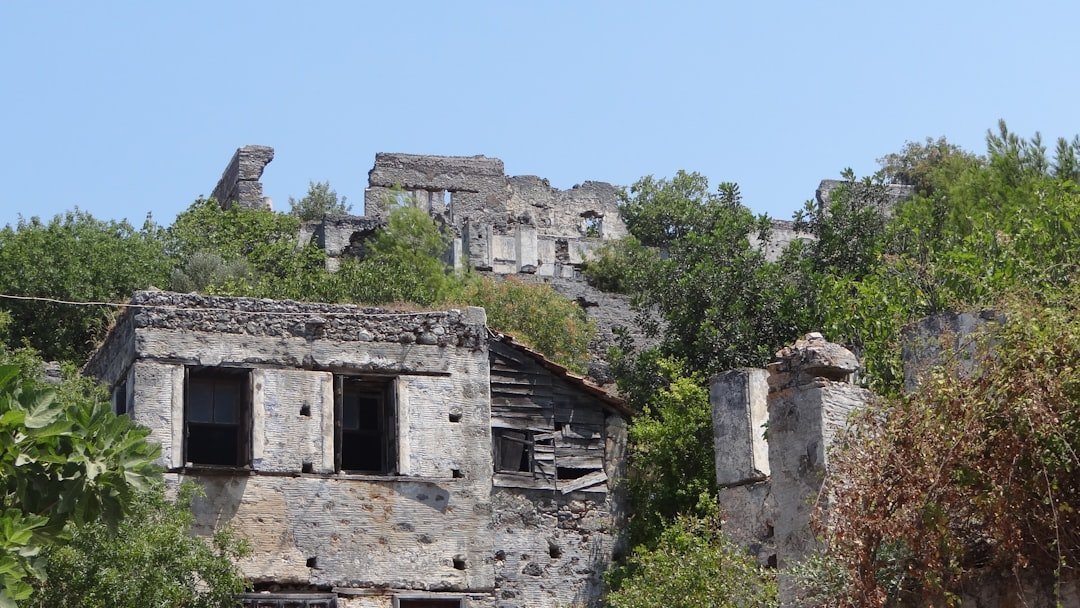
Once Levissi, this hillside town thrived with 6,500 Greek Christians before the 1919-1922 Greco-Turkish War. The 1923 Treaty of Lausanne mandated population exchange, emptying it overnight. Built atop ancient Carmylessos, layers of history stack deep.[1]
Why did harmony shatter so abruptly, leaving ghosts in the churches? Roofless houses and a few restored spots welcome tourists today, an open-air museum of cultural upheaval. It’s a poignant reminder that borders redraw lives in ink and exile.
Imber Village, England
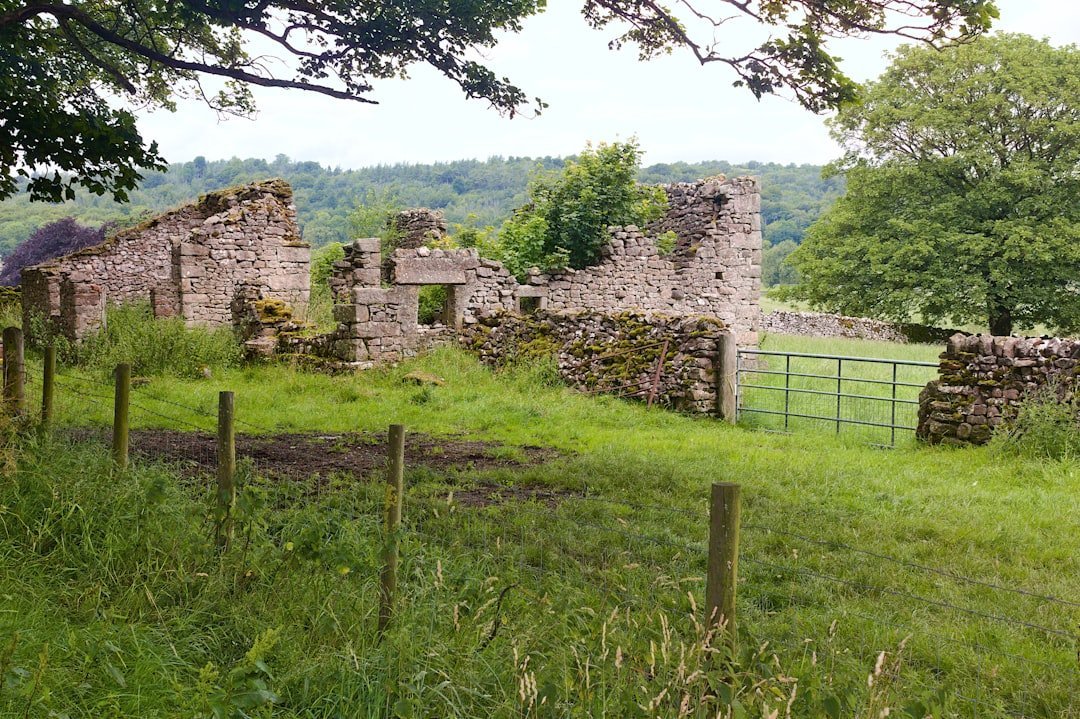
Documented since 1086’s Domesday Book, Imber’s 150 residents faced eviction in WWII for U.S. troop training. The Ministry of Defence refused return postwar, dooming it to military use. Shell craters pockmark the once-idyllic hamlet.[1]
Mysteries brew in the displaced families’ untold stories and wartime secrets. St. Giles Church hosts annual services, while the Bell Inn stands amid ruins on MoD land – accessible sporadically. Preservation battles nature and artillery, a quirky slice of sacrificed history.
Forgotten Landscapes: Echoes of the Past
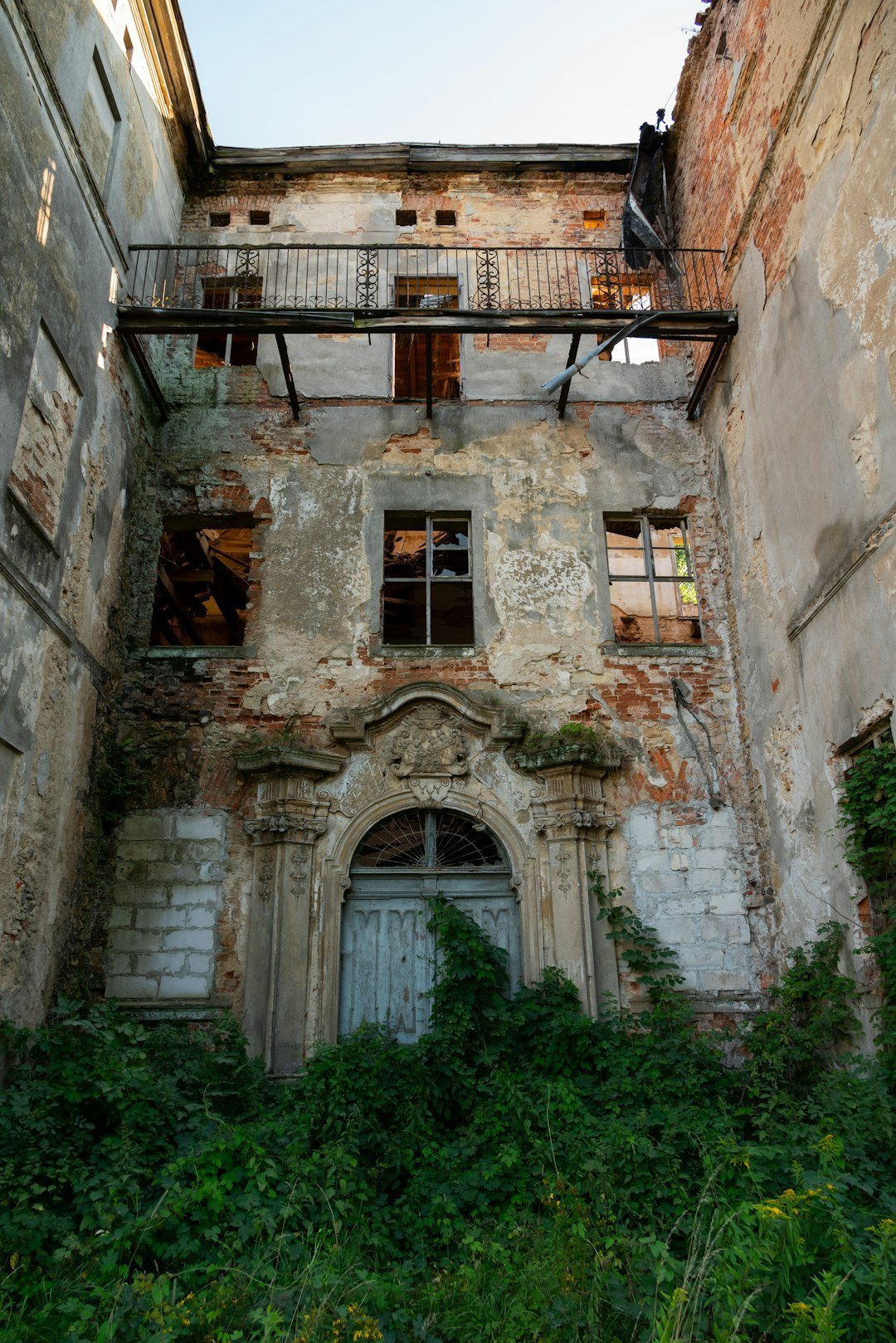
These sites prove time doesn’t erase everything; it just hides it in plain sight. From massacres to mine collapses, their secrets outshine urban gloss, urging us to listen closer.[1]
Next time you rush through a city, think of these silent witnesses. What hidden stories lie beneath your feet? Share your thoughts below – what site calls to you most?
CEO-Co-Founder
