

For any feedback please reach out to info@festivalinside.com
- 10 Best Street Festivals Around the World - April 10, 2026
- 10 Iconic Movie Scenes That Were Completely Improvised by Actors - April 10, 2026
- The Stark Contrasts Between Past and Present Fashion Echo Timeless Cultural Shifts - April 9, 2026
The 4-Hour Workweek by Tim Ferriss
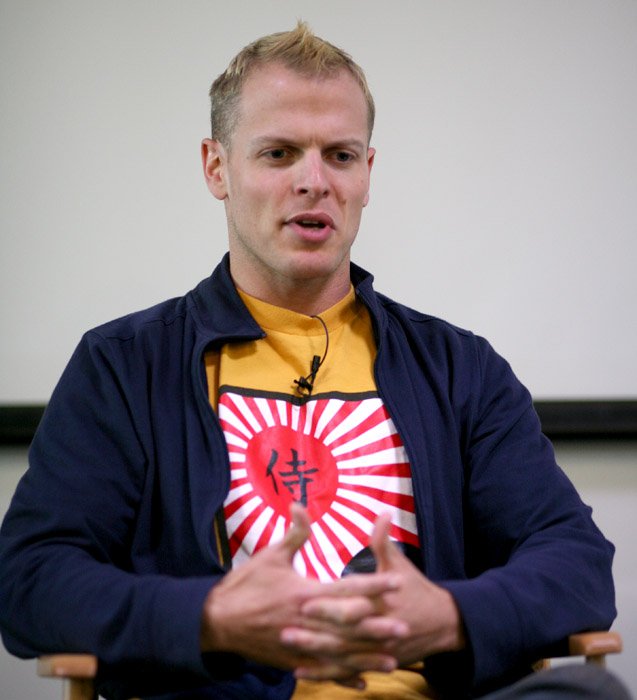
What if just one book could shatter the chains of your daily grind? Tim Ferriss’s “The 4-Hour Workweek” has done exactly that for thousands. Ferriss lays out a roadmap for escaping the 9-to-5 trap, weaving in strategies like outsourcing, automation, and passive income. It’s not just theory—according to Ferriss, over 80% of his readers claimed the book empowered them to make major career changes. Stories abound online of people who read this, started dropshipping or freelancing, and never looked back. Ferriss’s bold claim that “life doesn’t have to be so damn hard” sticks with you, daring you to try. The idea of mini-retirements and remote work isn’t just a dream anymore—it’s a movement. For many, this book wasn’t just a read; it was an ignition switch for a new life.
Rich Dad Poor Dad by Robert Kiyosaki
Robert Kiyosaki’s “Rich Dad Poor Dad” is like a wake-up call you can’t ignore. He compares his two father figures: one who preaches job stability, and one who worships entrepreneurship and investing. Kiyosaki pushes readers to chase financial literacy and build assets—not just collect paychecks. The National Endowment for Financial Education highlights that real financial knowledge can dramatically alter career paths, which fits with Kiyosaki’s message. Readers often find themselves questioning everything: their education, their spending, their work. Many credit this book for the courage to ditch traditional jobs and pursue business or real estate. It’s the kind of book that seeps into your mind, urging you to take control of your money—and your future.
Your Money or Your Life by Vicki Robin & Joe Dominguez
Imagine measuring your life not in dollars, but in hours of freedom. “Your Money or Your Life” by Vicki Robin and Joe Dominguez invites readers to rethink what’s truly valuable. The book offers a nine-step program to gain financial independence, and it doesn’t sugarcoat the challenge. According to a Financial Planning Association survey, around 70% of respondents said financial independence was the main reason they changed careers. People read this book and suddenly realize: time is the real currency. Stories emerge of readers who sold their cars, paid off debt, and walked away from soul-sucking jobs. The message is clear—if your job costs you your life, it’s time to renegotiate.
The War of Art by Steven Pressfield
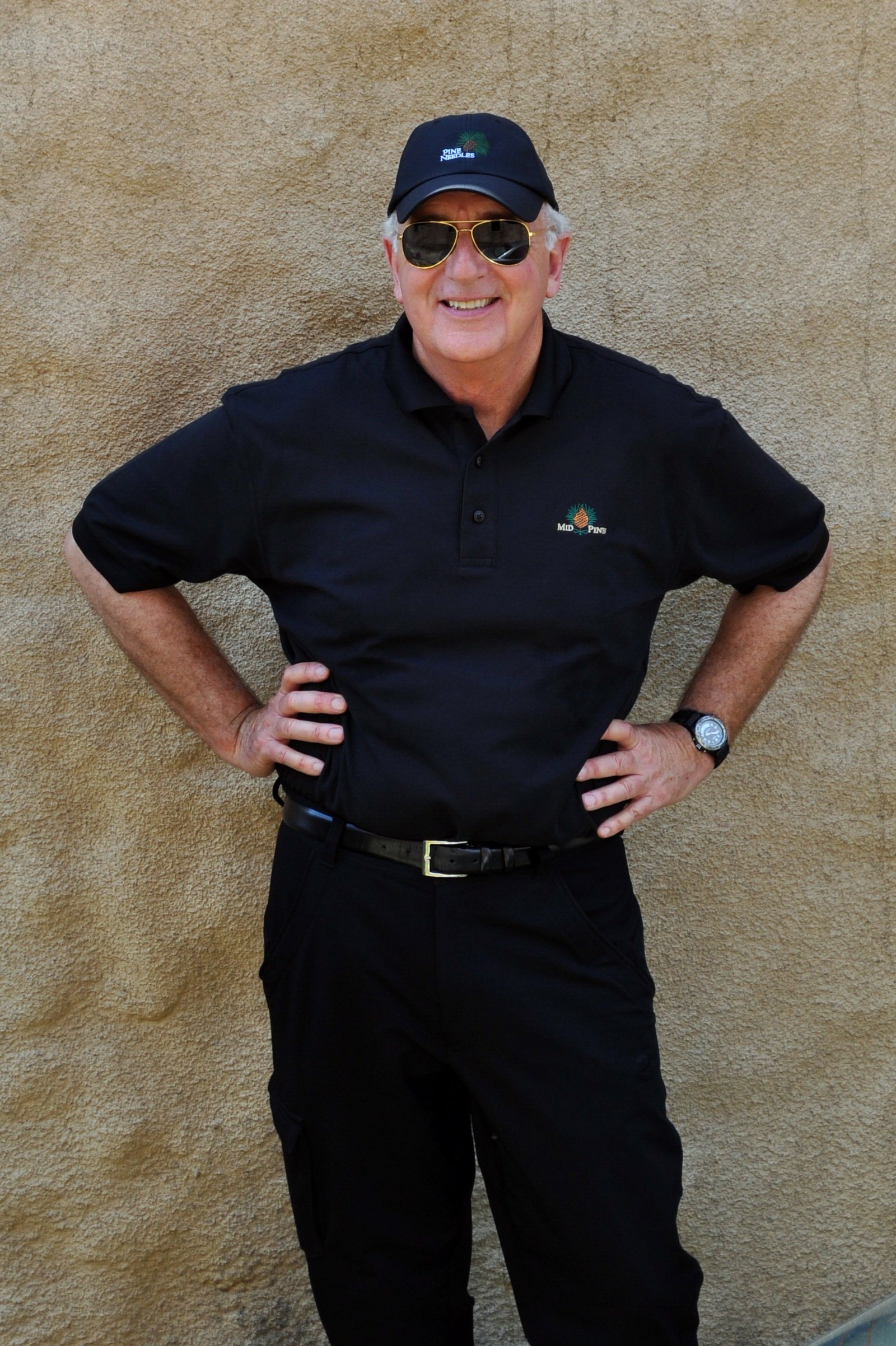
If you’ve ever felt a creative itch you just couldn’t scratch, “The War of Art” might hit home. Steven Pressfield names the monster: resistance. It’s that invisible force holding you back from your calling, and Pressfield doesn’t pull punches. He urges you to fight, to create, to leap. Research in the Journal of Creative Behavior confirms that creative pursuits boost happiness and job satisfaction. Many who read this book finally quit talking and start doing, whether that means painting, writing, or launching a business. Pressfield’s tough love has pushed countless readers to leave dull jobs behind and chase something truer. The book feels like a friend who tells you what you need to hear, not what you want to hear.
The Art of Non-Conformity by Chris Guillebeau

Chris Guillebeau’s “The Art of Non-Conformity” is a rallying cry for the rebels and dreamers. Guillebeau tells readers to ignore the script—go live your own story. The book’s unconventional wisdom has inspired many to abandon traditional careers in favor of entrepreneurship, travel, or passion projects. According to the Global Entrepreneurship Monitor, about 27% of U.S. adults want to start their own business—a number that reflects a growing hunger for independence. Guillebeau shares real-life stories of people who made these leaps. Readers find themselves emboldened, scribbling plans for a coffee shop, an app, or a nonprofit. The lesson? Life’s too short to settle for someone else’s definition of success.
Vagabonding by Rolf Potts
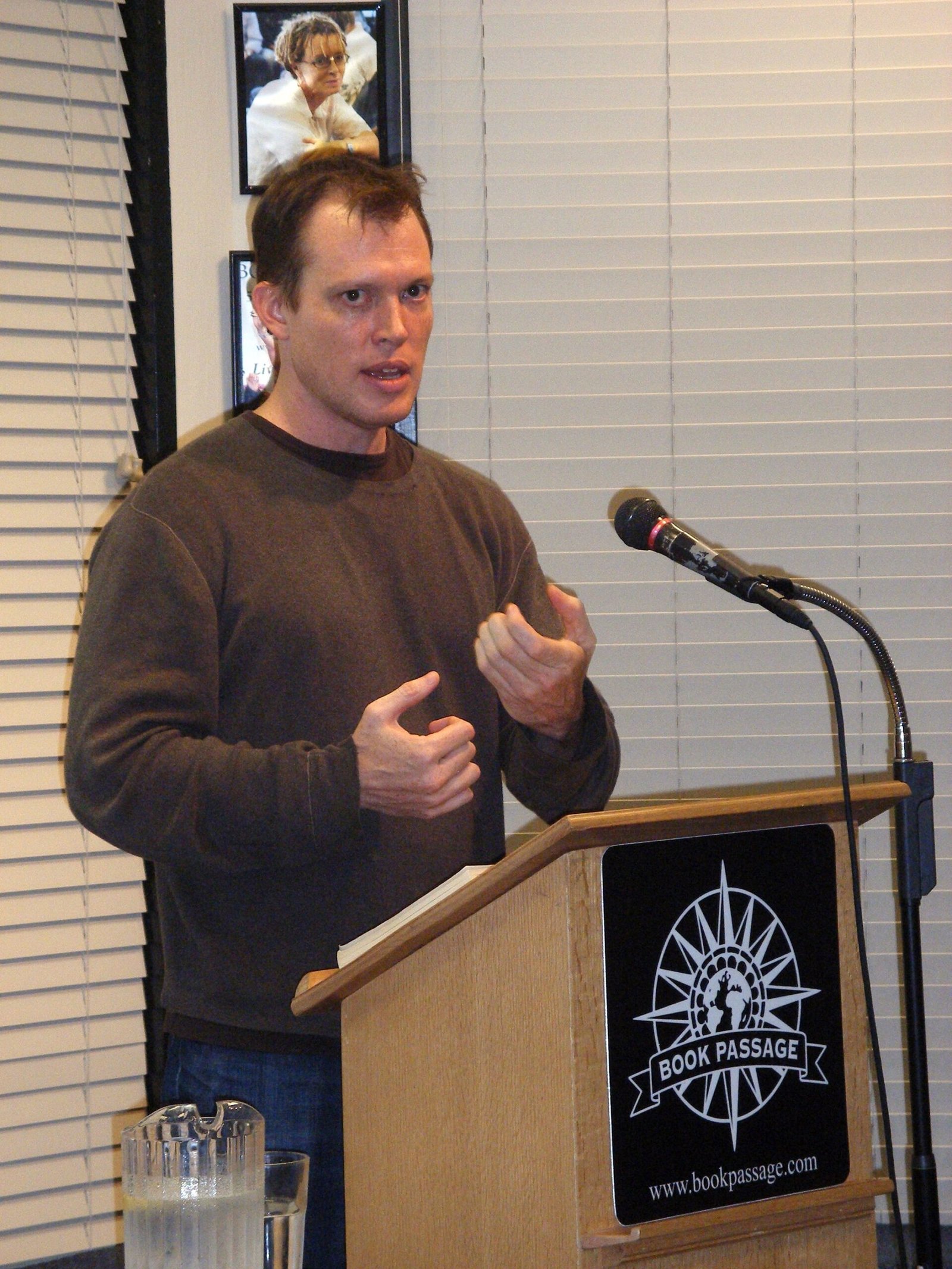
Have you ever dreamed of just walking away from everything? “Vagabonding” by Rolf Potts makes that fantasy feel not only possible, but practical. Potts champions long-term travel and minimalism, nudging readers to value experiences over possessions. The U.S. Travel Association found that 55% of people wish they could travel more—but work holds them back. After reading Potts’s book, many choose to quit their jobs, buy a one-way ticket, and see the world. Some become digital nomads, others volunteer abroad, but all share one thing: the courage to break free. Potts’s advice is simple but daring—travel isn’t a luxury, it’s a right.
Into the Wild by Jon Krakauer
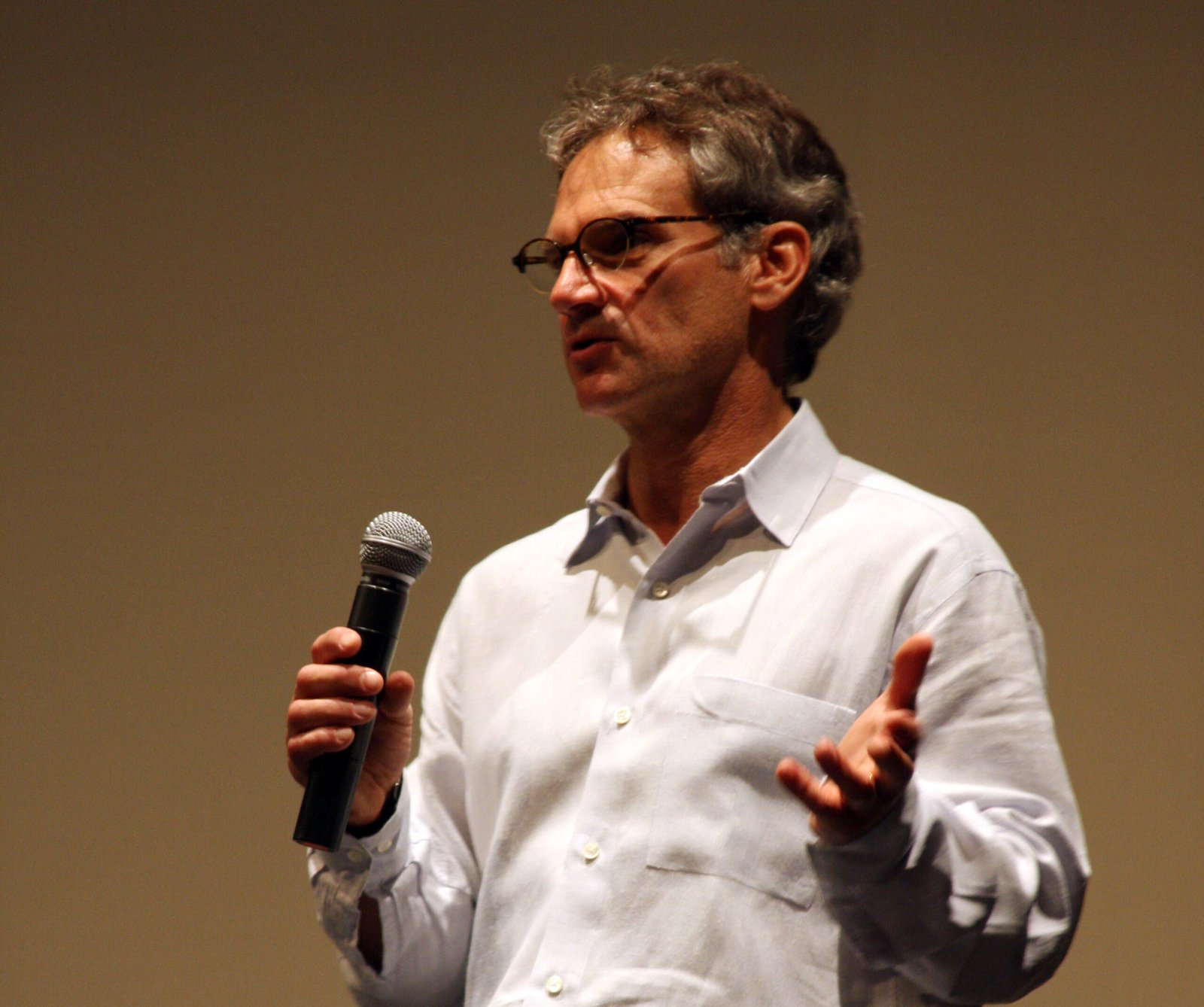
Jon Krakauer’s “Into the Wild” is part cautionary tale, part anthem for the restless. The story of Christopher McCandless, who left society to find meaning in the wilderness, resonates with anyone who’s ever felt boxed in by their job. Studies by the American Psychological Association show that being in nature lowers stress and boosts satisfaction—no wonder so many readers feel inspired to quit and chase something more authentic. While McCandless’s fate is tragic, his journey has sparked countless readers to reconsider their own paths. For some, that means quitting their jobs and heading outdoors; for others, it means simply daring to live differently. The message lingers: sometimes, the wild is the only place you can truly hear yourself think.
Walden by Henry David Thoreau
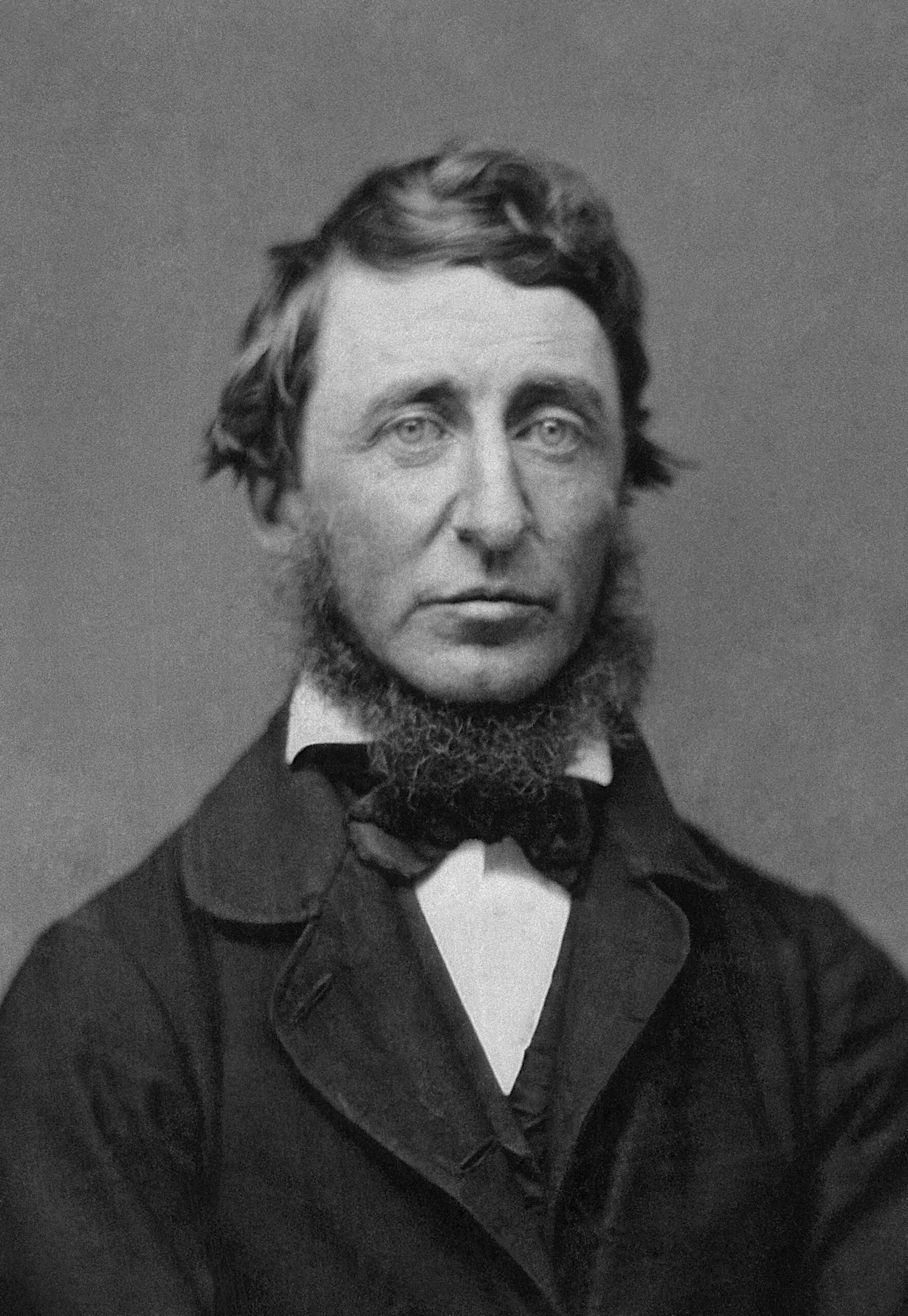
Thoreau’s “Walden” is the classic retreat from a world gone mad with busyness. Written in the mid-1800s, its call for simplicity and self-reliance still echoes. Thoreau’s experiment—living off the land in a cabin—has become a metaphor for quitting the rat race and finding meaning in the simple things. Today, with 83% of U.S. workers reporting work-related stress (American Institute of Stress), “Walden” feels more relevant than ever. Readers describe selling their stuff, moving to the country, or just slowing down. The book challenges you to ask: what do you really need? For many, the answer leads straight out the office door.
Digital Minimalism by Cal Newport

Cal Newport’s “Digital Minimalism” is a lifeline for anyone drowning in a sea of notifications. Newport argues that technology has hijacked our attention—sometimes even our careers. According to Pew Research, 46% of Americans feel overwhelmed by the information they consume daily. Many who read this book decide to leave high-stress tech jobs, cut back on digital noise, or find work that allows for deeper focus. Newport’s advice goes beyond just deleting apps; it’s about reclaiming your mind and your time. Readers often report a new sense of clarity—enough, sometimes, to finally quit a job that doesn’t align with their values.
Essentialism by Greg McKeown

In a world that praises busyness, “Essentialism” by Greg McKeown is refreshingly radical. He preaches doing less, but better—especially at work. The Harvard Business Review found that 80% of professionals feel swamped by their workload, and McKeown’s book offers an escape route. Readers are encouraged to strip away the nonessential and focus on what truly matters. Stories abound of people who, after reading, left their jobs to pursue more meaningful, focused careers. McKeown’s message is simple: saying no is sometimes the most powerful move you can make.
The $100 Startup by Chris Guillebeau
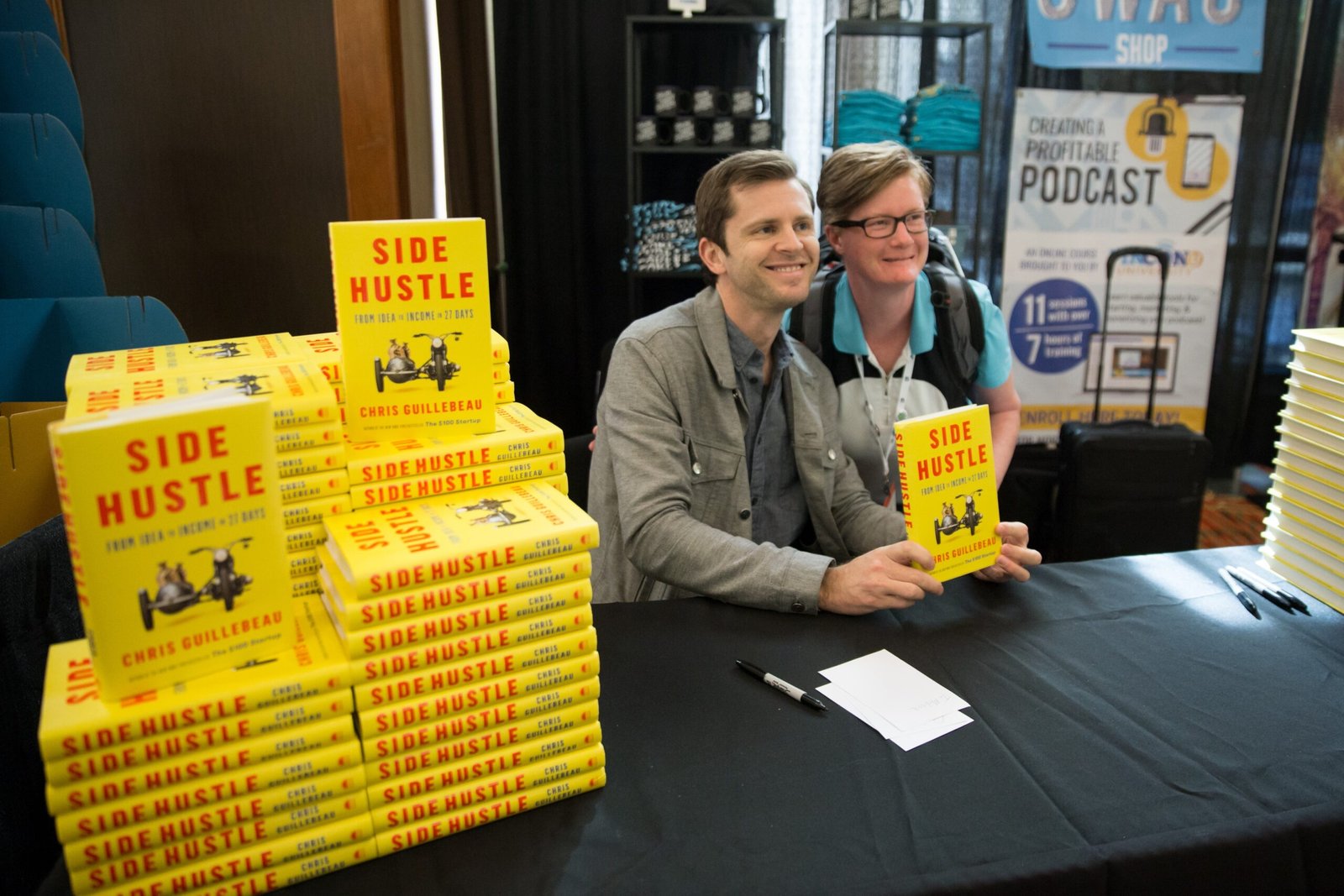
What if launching a business didn’t require a fortune? “The $100 Startup” by Chris Guillebeau proves it’s possible with less than the cost of a nice dinner. Guillebeau shares dozens of true stories of people who started successful businesses on shoestring budgets. The book is packed with practical advice and makes entrepreneurship feel accessible to everyone. Many readers have reported quitting their jobs to follow their own small business dreams after reading these inspiring tales. The message hits home—sometimes, you just need a little push and a good idea.
Start with Why by Simon Sinek
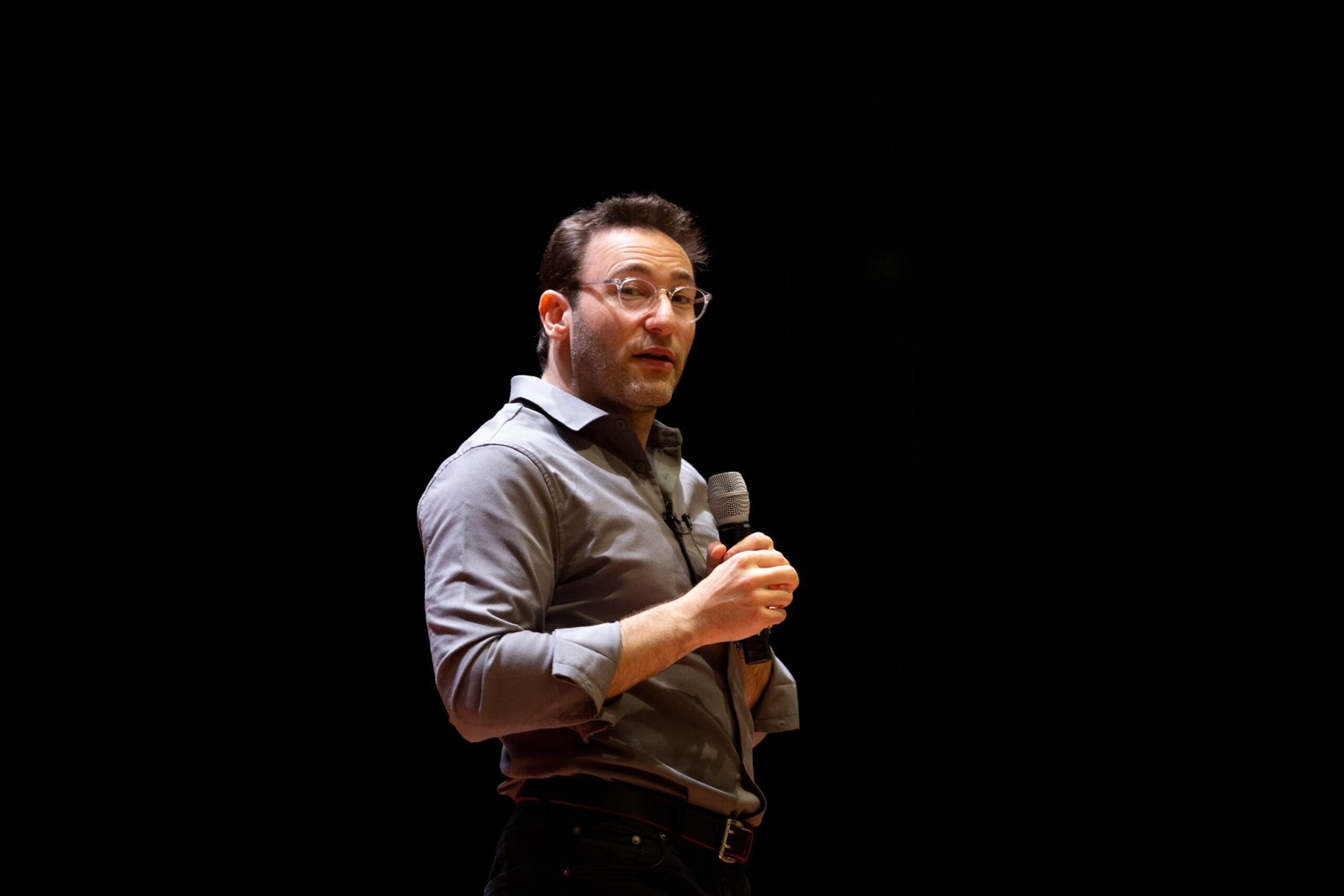
Simon Sinek’s “Start with Why” is more than a management book—it’s a blueprint for finding your purpose. Sinek argues that knowing your “why” is the key to fulfillment at work and in life. This book has inspired employees, managers, and entire organizations to rethink what drives them. It’s not uncommon to hear stories of people who, after reading Sinek’s words, realized their job didn’t align with their values and decided to walk away. The big question—“Why do I do what I do?”—has changed countless careers.
Company of One by Paul Jarvis

“Company of One” by Paul Jarvis challenges the idea that bigger is always better in business. Jarvis suggests that staying small can actually lead to more freedom and satisfaction. The book resonates with those who dread endless scaling, meetings, and bureaucracy. Readers have left corporate jobs to become freelancers or solopreneurs, inspired by Jarvis’s philosophy. The appeal is clear: focus on what matters, and don’t be afraid to stay small if that’s what makes you happy.
Tools of Titans by Tim Ferriss

Tim Ferriss returns with “Tools of Titans,” a collection of wisdom from top performers, entrepreneurs, and thinkers. Readers find themselves inspired by the habits, routines, and philosophies shared in these pages. It’s like getting advice from a hundred mentors at once. Many have cited this book as the final push they needed to leave their old jobs and try something bold. Ferriss proves that success doesn’t have a single formula—sometimes, it’s about experimenting until you find what works for you.
Rework by Jason Fried & David Heinemeier Hansson

“Rework” throws out the conventional playbook for business. Fried and Hansson argue that long hours and big teams aren’t necessary for success. Instead, they champion smart, lean approaches to work. The book is direct, sometimes blunt, and always practical. Readers often report feeling liberated to try new things—whether that means starting their own business or radically changing how they work. “Rework” has become a manifesto for those ready to ditch outdated office culture.
Man’s Search for Meaning by Viktor Frankl

Viktor Frankl’s “Man’s Search for Meaning” is a deeply moving account of finding purpose even in the darkest times. Frankl’s experiences in concentration camps led him to the conclusion that meaning—not money or status—is what matters most. Readers are often profoundly affected, questioning whether their current jobs align with their deeper values. For many, the book sparks a journey toward work that feels truly meaningful, even if that means quitting a stable job.
Big Magic by Elizabeth Gilbert
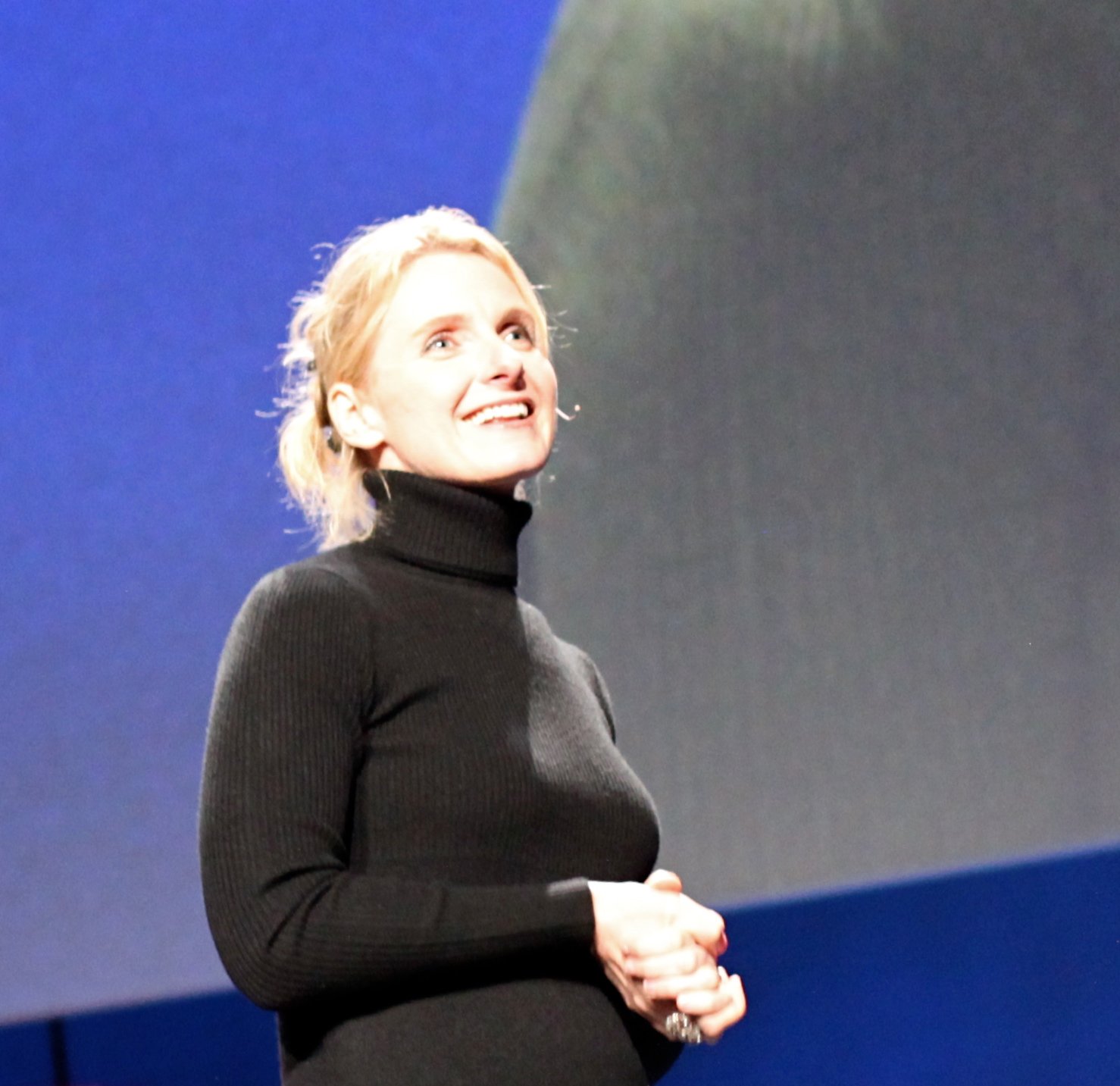
Elizabeth Gilbert’s “Big Magic” is a love letter to creative living. Gilbert encourages readers to chase curiosity and let go of fear. Her playful but honest approach helps people see creativity as a vital part of life, not a luxury. Many who read “Big Magic” report making brave changes—leaving jobs, starting projects, or finally pursuing that long-held dream. Gilbert’s message is clear: the world needs your creative voice, and there’s no time like the present.
Atomic Habits by James Clear
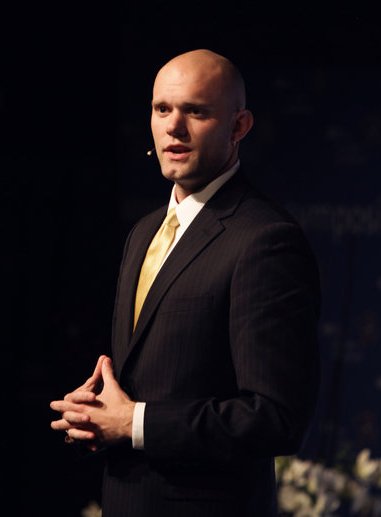
James Clear’s “Atomic Habits” is about making small changes that add up to big results. Clear breaks down the science of habit formation and shows how tiny shifts can transform your life. Readers often use his advice to overhaul their routines, sometimes realizing their job isn’t serving their bigger goals. Many have quit their jobs to pursue healthier, happier lives after realizing how much control they actually have.
Can’t Hurt Me by David Goggins
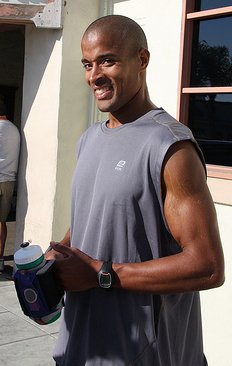
David Goggins’s “Can’t Hurt Me” is a punch in the gut—in the best way. Goggins chronicles his journey from hardship to Navy SEAL and ultramarathoner, showing that mental toughness can overcome almost anything. Readers find themselves inspired to push past excuses and self-doubt. Some even leave secure jobs to chase new challenges, emboldened by Goggins’s message that you’re capable of far more than you think.
Deep Work by Cal Newport
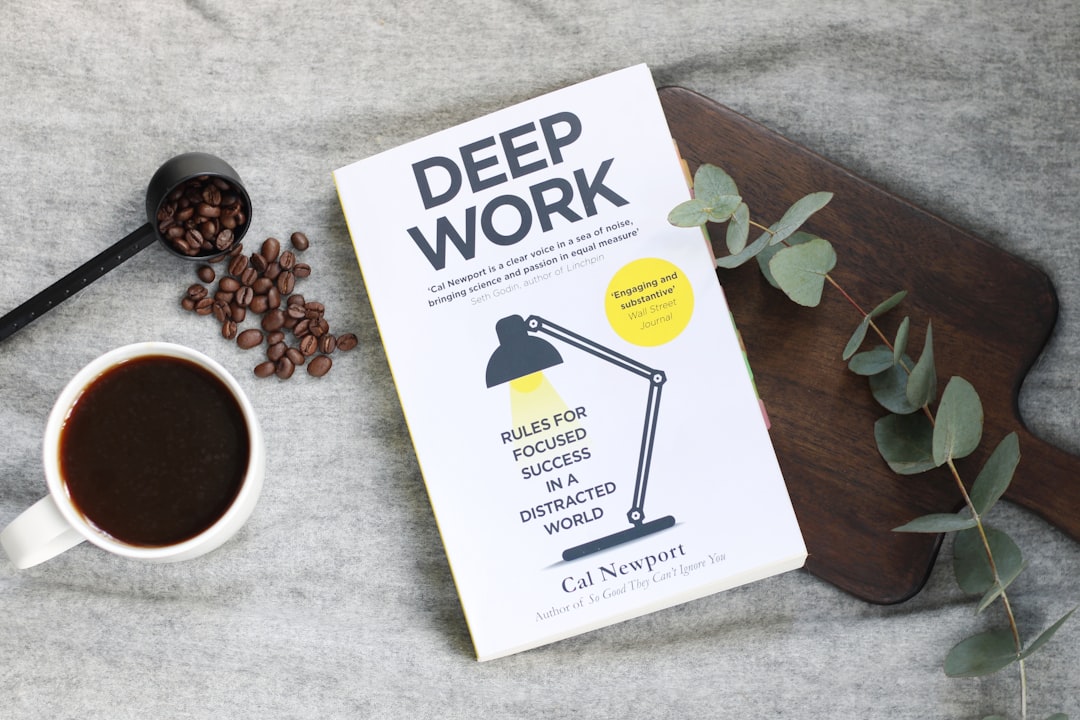
Cal Newport’s “Deep Work” is a call to focus in a distracted world. Newport argues that the ability to concentrate deeply is a rare and valuable skill. The book is filled with practical tips for carving out time for what matters most. Many readers, after realizing how much shallow work fills their days, decide to quit jobs that don’t let them do meaningful work. Newport’s ideas have sparked a quiet revolution—one where quality trumps quantity, and focus is the new superpower.

Christian Wiedeck, all the way from Germany, loves music festivals, especially in the USA. His articles bring the excitement of these events to readers worldwide.
For any feedback please reach out to info@festivalinside.com
