


- 9 Historical Mysteries That Still Baffle Experts to This Very Day - April 5, 2026
- 15 Legendary Authors Whose Personal Lives Were as Gripping as Their Novels - April 5, 2026
- Top Tips to Experience the 2026 California Superbloom - April 5, 2026
Music has always been more than sound. It is a mirror of the times, a vessel carrying the anxieties, dreams, and rebellions of entire generations. Every few decades, a new sound explodes out of nowhere, captures the hearts of millions, and becomes the defining anthem of its era. Then, almost without warning, it fades. Something newer, rawer, and more relevant takes its place.
It is a pattern that has repeated itself throughout history, and honestly, it is both fascinating and a little melancholy to trace. The sounds that once packed ballrooms, filled stadiums, and blasted from car radios are now mostly curiosities, relics preserved on old vinyl or scattered across streaming playlists that few people actually click on. What makes a genre disappear? Is it pure cultural evolution, or is there something more deliberate at work?
The stories behind these twelve vanished genres are far more dramatic, surprising, and emotionally layered than you might expect. Let’s dive in.
1. Swing and Big Band: The Sound That Owned a Nation
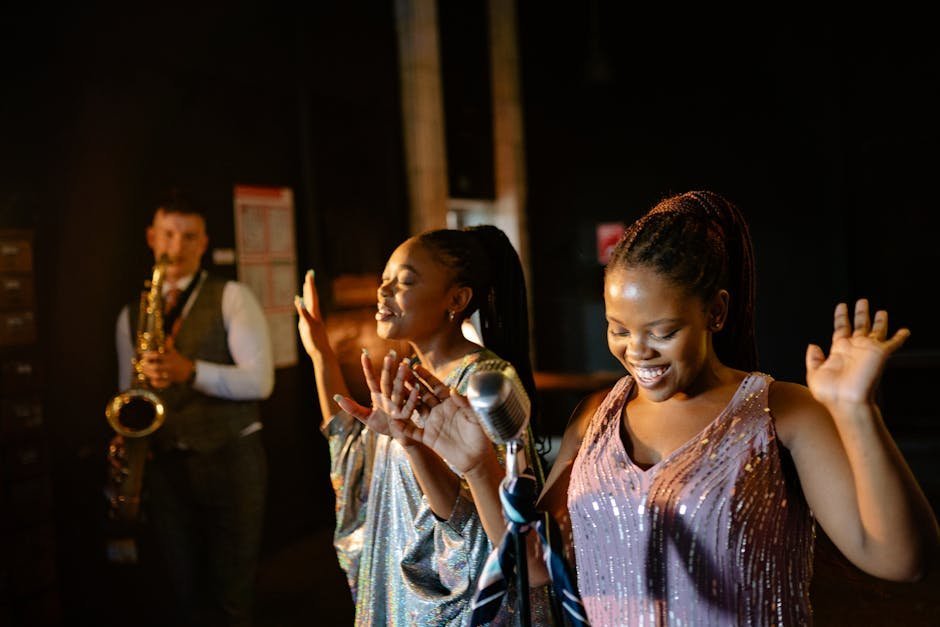
Imagine walking into a ballroom in 1938, the air thick with excitement, a full orchestra blasting rhythm from every corner. That was the reality for millions of Americans. The swing era, roughly spanning 1933 to 1947, was the period when big band swing music was the most popular music in the United States, especially for teenagers. Think about that for a moment. This was the music teenagers actually loved, not parents, not grandparents. Teenagers.
The danceable swing style of big bands and bandleaders such as Fletcher Henderson and Benny Goodman was the dominant form of American popular music from 1935 to 1946, when people were dancing the Lindy Hop. Benny Goodman, known as the “King of Swing,” played a crucial role in popularizing swing music. His racially integrated band was a milestone in jazz history, breaking down racial barriers and showcasing the universal appeal of the music.
The fall was dramatic and swift. Several factors led to the demise of the swing era, including a musicians’ strike from 1942 to 1944, the ban of ASCAP songs from radio stations, World War II which made it harder for bands to travel, the “cabaret tax” which was as high as 30%, the rise of vocalist-centered pop and R&B, and the rising interest in bebop among jazz musicians. Singers like Frank Sinatra quickly rose to prominence during this time period, as record companies began to focus on vocalists rather than supporting bands. Prior to this strike, vocalists had been the support to orchestras, rather than vice versa. The kings of the ballroom lost their throne almost overnight.
2. Ragtime: The First Pop Music America Ever Had
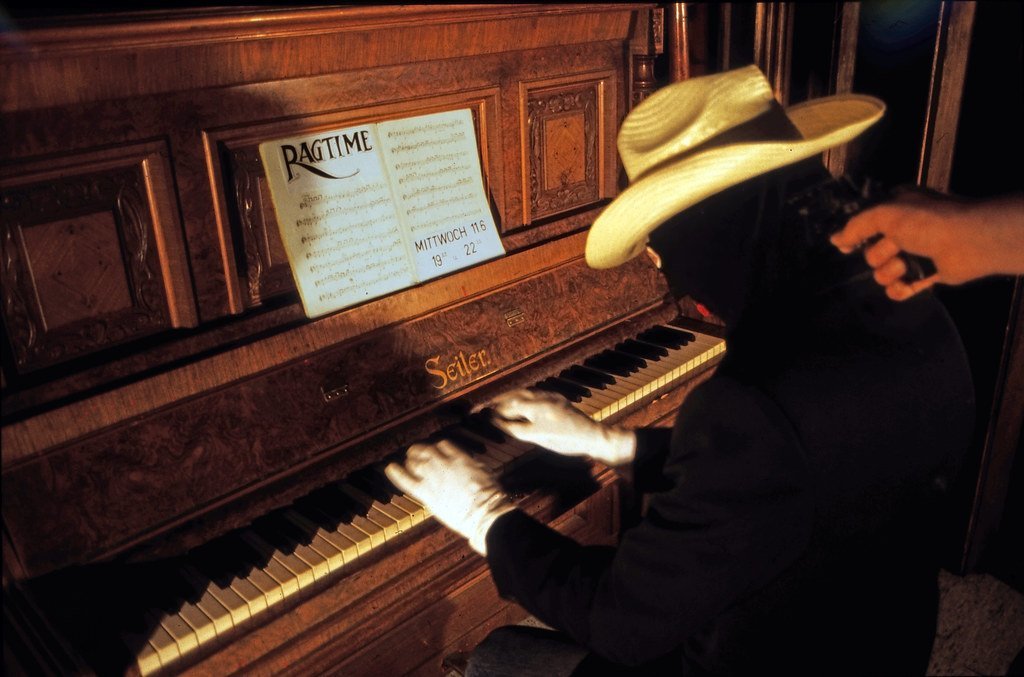
Ragtime, a genre that burst onto the scene in the late 19th century, is best known for its syncopated rhythms and lively piano compositions. It lived its heyday until the 1920s but began to fade as jazz took over. Here is the thing, ragtime was arguably the first truly modern American popular music. It was infectious, rhythmically bold, and deeply rooted in African American musical culture long before mainstream audiences fully acknowledged that lineage.
Ragtime exploded in the late 19th and early 20th centuries, captivating listeners with its syncopated rhythms and lively piano melodies. Scott Joplin, known as the “King of Ragtime,” brought this genre from the saloons and dance halls of the Midwest into mainstream American music. Ragtime’s infectious energy reflected the optimism and innovation of the era, making it a favorite among young people eager for something new.
Jazz offered more freedom and improvisation, which appealed to a broader audience. Despite its decline, ragtime’s influence is still felt today. Scott Joplin composed timeless pieces like “Maple Leaf Rag” that continue to inspire musicians. Ragtime’s innovative rhythmic patterns were groundbreaking, laying the groundwork for jazz and other forms of popular music. Its importance is often overshadowed by jazz, but its contribution to the music world is undeniable. I think there is something genuinely poetic about a genre that planted seeds for everything that followed, but never got full credit for it.
3. Skiffle: The DIY Revolution Nobody Remembers
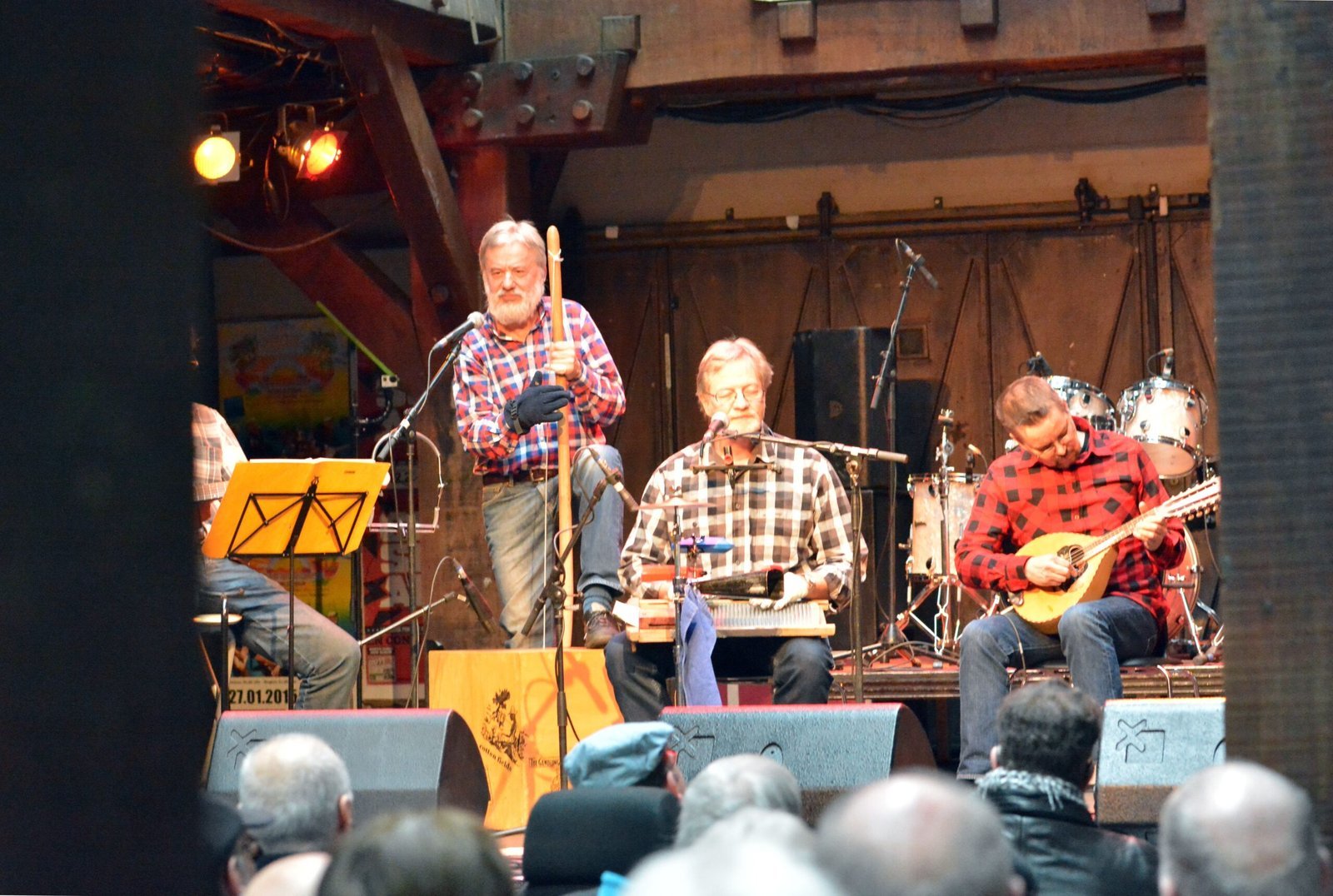
Most people today have never heard the word “skiffle,” and that is a genuine shame. Skiffle, a unique blend of folk, jazz, and blues, originated in the United Kingdom during the 1950s. The genre became a phenomenon among young musicians and was pivotal in launching the careers of legends such as The Beatles and Led Zeppelin’s Jimmy Page. Let that sink in. Two of the biggest rock acts in history were shaped in part by a genre almost nobody remembers.
Skiffle’s popularity waned with the advent of rock and roll, which overshadowed its simplistic, acoustic sound. However, its do-it-yourself ethos and use of everyday objects as instruments inspired a generation to experiment with music. Skiffle’s legacy lives on in the folk and rock movements that followed, proving that sometimes the simplest sounds can have the most profound impact. Skiffle was basically the original bedroom pop, before bedroom pop even had a name. A washboard, a tea chest bass, a cheap guitar. That was all you needed.
4. Psychedelic Rock: When Music Tried to Expand Your Mind
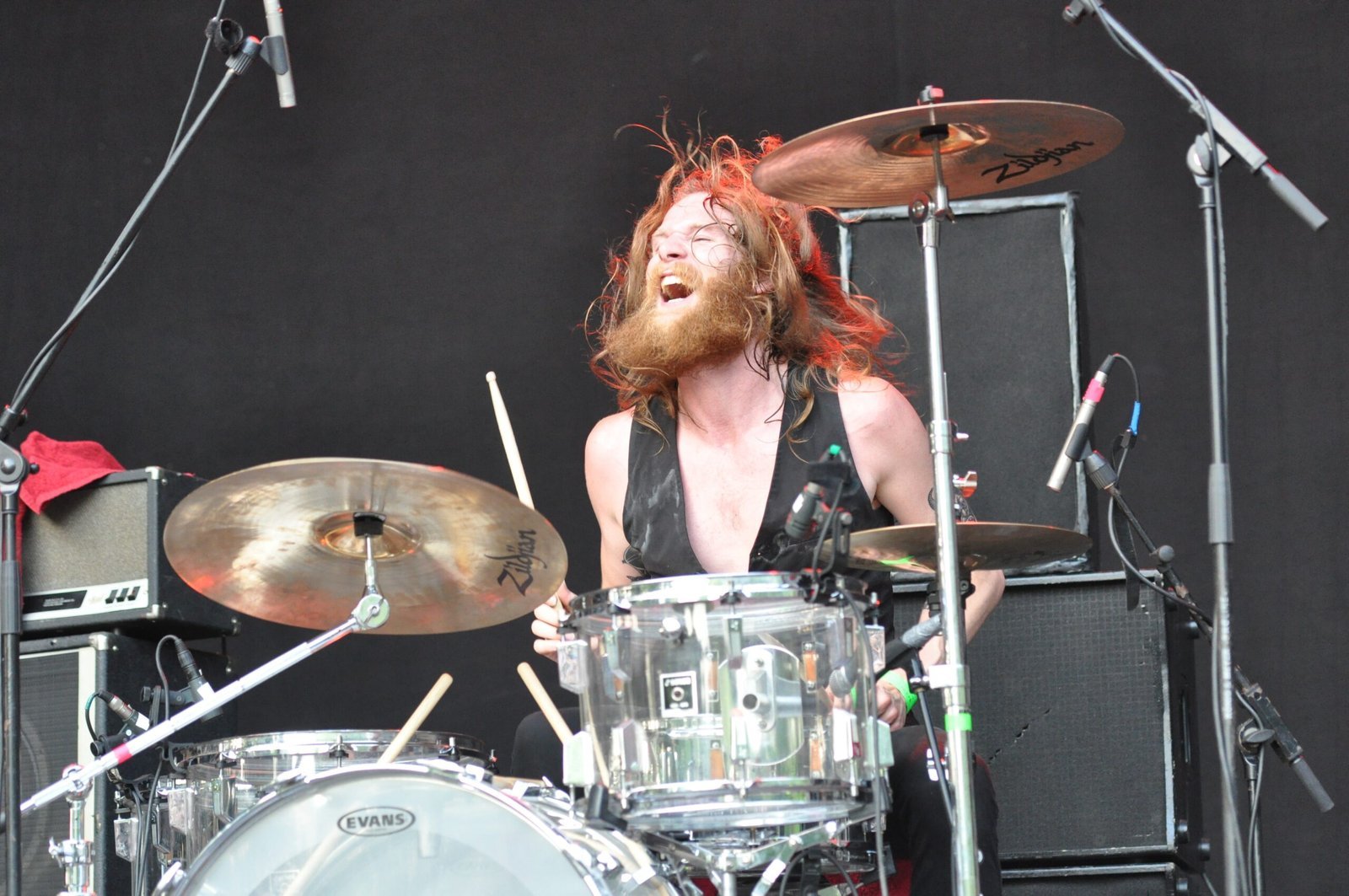
The late 1960s were one of the most turbulent, idealistic, and wildly experimental periods in modern history, and the music matched the mood completely. Psychedelic rock emerged in the late 1960s, capturing the era’s spirit of experimentation and freedom. Bands like The Grateful Dead and Jefferson Airplane used electric guitars, innovative effects, and surreal lyrics to create immersive musical experiences. This was music that did not just want you to listen. It wanted to pull you somewhere else entirely.
Psychedelic rock became synonymous with the counterculture, Woodstock, and the quest for expanded consciousness. This genre pushed musical boundaries and encouraged listeners to explore new ideas and sounds. Its influence can be heard in genres from progressive rock to modern indie, making psychedelic rock a lasting symbol of youthful rebellion and creativity. Psychedelic rock is a genre that took the world by storm in the 1960s, characterized by its experimental sounds and mind-bending lyrics. Its popularity declined with the end of the hippie movement and the rise of progressive rock and punk. Once the cultural soil that nourished it dried out, the flowers faded fast.
5. Disco: The Most Dramatic Fall from Grace in Music History
No genre has ever had a more spectacular collapse than disco. Disco was a genre of uptempo dance music that reached peak popularity during the 1970s. The music developed in underground clubs that catered to Black, gay, and Latino dancers and provided the soundtrack for the sexual revolution. It was genuinely radical at its roots, a space of inclusion and liberation in an era that desperately needed both. Then Saturday Night Fever happened and suddenly everyone wanted a piece of it.
The unassailable peak of disco happened the week of July 21, 1979, when the top six songs in the U.S. and seven in the Top Ten were classified as disco tunes. Over the following few weeks, every trace of the style would vanish from the charts. Honestly, that is staggering. Disco Demolition Night, an anti-disco event held at a baseball stadium in Chicago in July 1979, was a key event marking its decline in popularity. One of the primary reasons for disco’s decline was its overexposure. As the genre gained mainstream popularity, it became heavily commercialized, with record labels and producers flooding the market with disco-themed songs, movies, and merchandise. This saturation diluted the genre’s authenticity, leading many fans to grow tired of its formulaic sound.
6. New Wave: The Quirky Outsider That Briefly Took Over
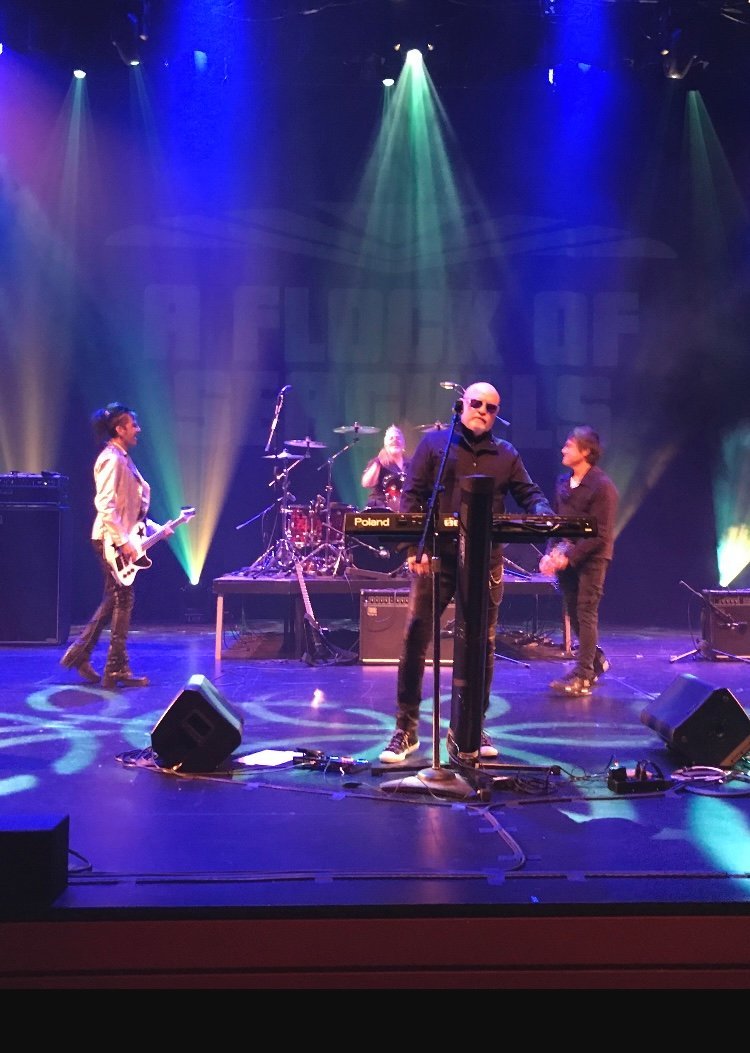
New wave was the sound of smart, stylish misfits who wanted nothing to do with the overblown rock excess of the 1970s, and for a brief, glorious window, it absolutely dominated. In the US, many of the first new wave groups were found in the early New York punk scene, with acts such as Talking Heads, Mink DeVille, and Blondie who drew influences from glam, art rock, and power pop and were primarily associated with the CBGB scene. It was cerebral, angular, and deeply weird in all the right ways.
New wave soundtracks were used in mainstream Brat Pack films such as Sixteen Candles, Pretty in Pink, and The Breakfast Club. John Hughes, the director of several of these films, was enthralled with British new wave music, and placed songs from acts such as the Psychedelic Furs, Simple Minds, and Echo and the Bunnymen in his films, helping to keep new wave in the mainstream. In the US, new wave continued into the mid-1980s but declined with the popularity of the New Romantic, new pop, and new music genres. Its strange, synth-drenched energy got absorbed into the mainstream and then gradually diluted until there was nothing left to distinguish it.
7. Glam Metal: All Hairspray, No Longevity
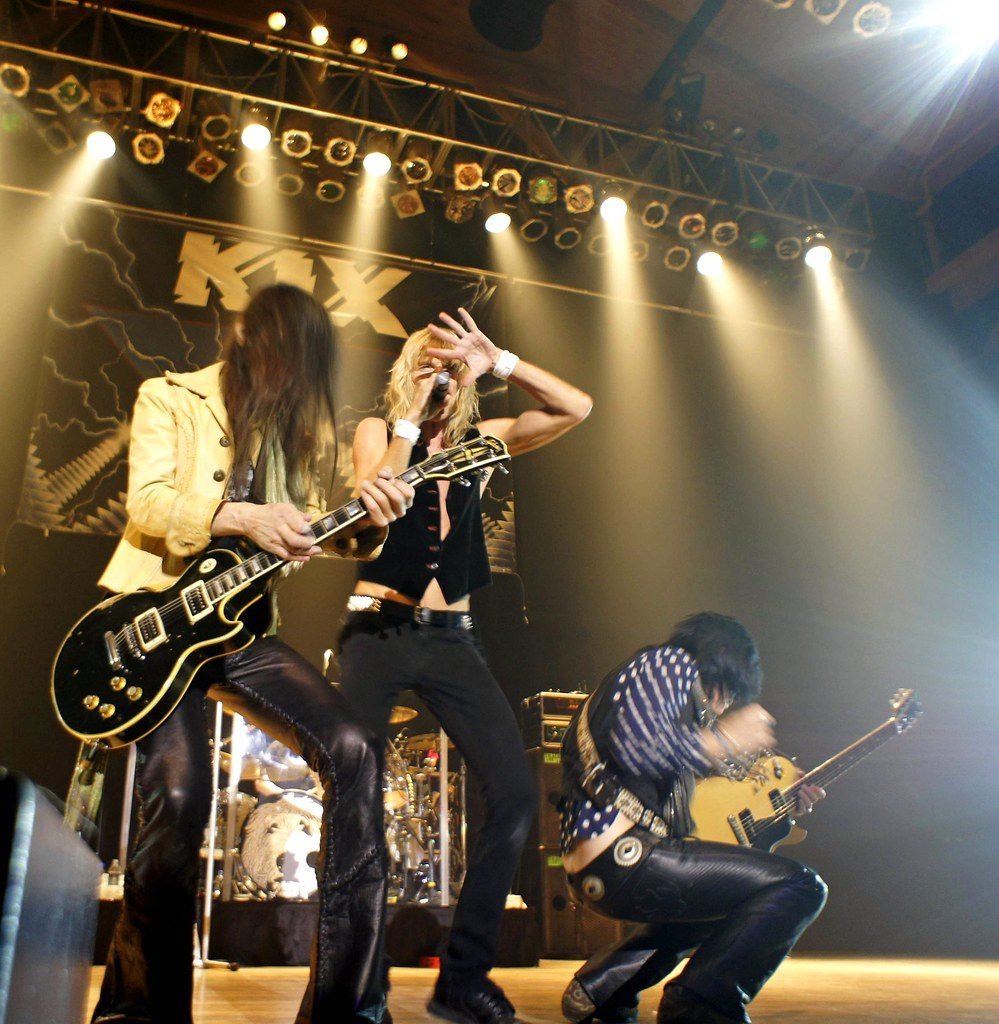
Let’s be real, glam metal was never exactly subtle. Big hair, spandex, power ballads, and guitar solos that seemed to go on longer than some flights. For much of the 1980s and early 1990s, glam metal dominated the hard rock scene before eventually ceding ground to grunge and alternative rock. Originating in the United States, this genre differed from other metal subgenres due to its striking, androgynous, and glamorous image, evident in both the musicians’ appearance and their music. Hair metal emphasized catchy riffs and guitar solos, melodic hooks, and lyrics focused on themes of love and lust.
By far the most significant factor in the decline of glam metal was the rise of alternative rock and grunge music. This included a wave of grunge bands from or around Seattle, such as Nirvana, Alice in Chains, Pearl Jam, and Soundgarden. Glam metal suffered a decline in popularity in the early-mid 1990s, as the grunge and alternative phenomena revolutionized hard rock, and fans’ tastes moved toward a more natural and stripped-down aesthetic and a rejection of the glam metal visual style. The flannel shirt was the sword that slew the hairspray empire, and it was over almost before the bands even knew what hit them.
8. Grunge: The Genre That Burned Brightest and Fastest
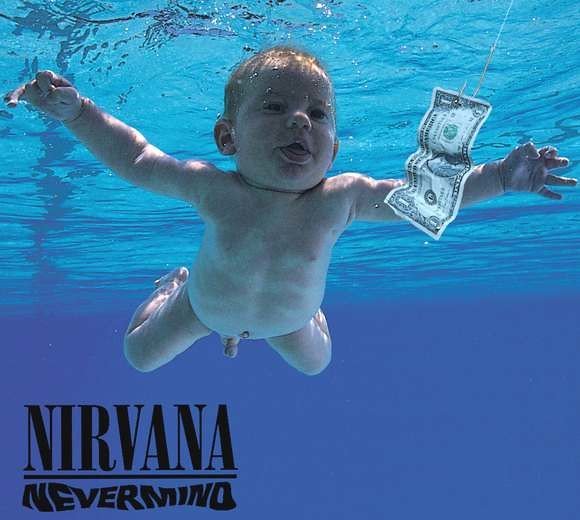
Few genres have packed more raw emotion into such a short window of time. Seattle-based bands like Nirvana, Pearl Jam, Alice In Chains, and Soundgarden fronted this moody mix of punk and metal, featuring distorted guitars and vocals to produce a gritty sound. Their angsty lyrics highlighted the most frustrating aspects of life and society. This moody and unhappy tone resonated strongly with young people at the time.
Nevermind not only popularized grunge but also established “the cultural and commercial viability of alternative rock in general,” and symbolized “a sea-change in rock music” in which glam metal fell out of favor in the face of music that was perceived as authentic and culturally relevant. The grunge genre is beloved by fans, but mostly forgotten by newer generations. It was a “blink and you miss it” experience in the 90s after the scene emerged in the Pacific Northwest. It is strange to think that something so explosively influential could fade so quickly, but that is exactly what happened.
9. Third Wave Ska: The Horns Nobody Could Keep Blowing
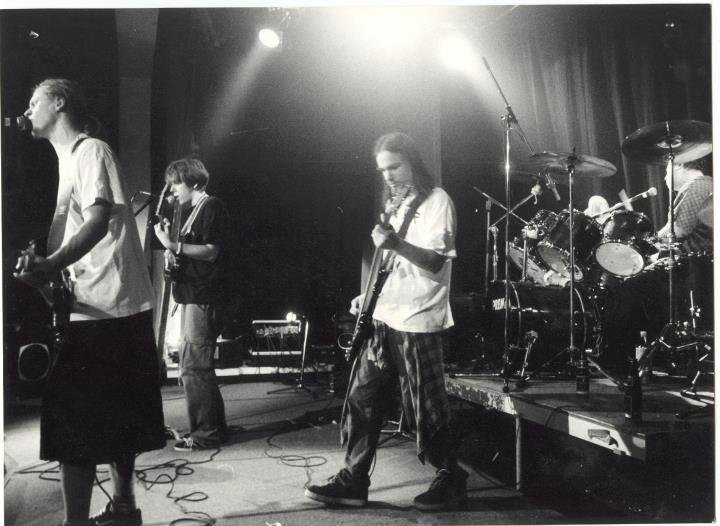
Third wave ska had everything going for it in the mid-1990s, including energy, fun, and an almost absurd level of enthusiasm. Third wave ska is an offshoot of ska, a music genre that originated in Jamaica in the late 1950s and was the precursor to rocksteady and reggae. The third wave ska scene became commercially successful in the mid-1990s with popular bands of the time including Less Than Jake, Reel Big Fish, and early No Doubt. Although some third wave ska has a traditional 1960s sound, most third wave ska is characterized by dominating guitar riffs and large horn sections.
The genre was initially an offshoot of the American punk scene and rarely enjoyed the more traditional sounds and instruments associated with Jamaican ska, which has been a staple pillar of the Jamaican music scene since the 50s. Third wave bands took a wholly different approach to Jamaican ska, although it retained some core principles of the parent genre. Third wave bands focused on grand-scale guitar riffs aimed at impressing audiences with complexity and skill, backed by powerful horn sections and upbeat, fun melodies. The genre was infectiously joyful, which in an era increasingly drawn to emo and post-grunge darkness, turned out to be something of a commercial death sentence.
10. Funk: The Groove That Got Absorbed Rather Than Celebrated
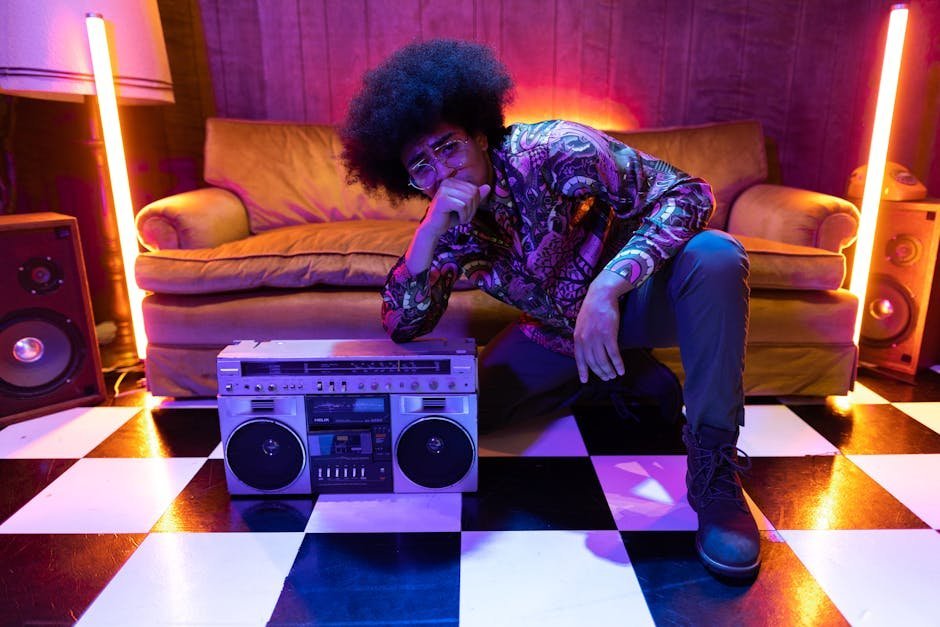
Funk never exactly disappeared. It got quietly consumed by nearly every genre that followed it, from hip-hop to R&B to electronic dance music, and yet as a standalone, front-and-center genre, it is rarely heard in 2026 outside of dedicated aficionados and deep-cut playlist builders. Emerging from African American communities in the 1940s, rhythm and blues fused gospel, jazz, and blues into a powerful new sound. Artists like Ray Charles and Ruth Brown brought raw emotion and groove to the mainstream, capturing the hearts of a generation seeking both romance and rebellion. R&B’s infectious beats and heartfelt lyrics reflected the changing social landscape of postwar America.
Funk in its pure form, the hard-grooving, bass-heavy, deeply rhythmic style pioneered by artists like James Brown and George Clinton, was less a genre you listened to and more a genre you felt in your whole body. It was music as a physical event. These historical genres, once on the brink of obscurity, continue to influence today’s music in various ways, shaping the artistic expressions of modern artists. The influence of lost genres can be seen in the thematic and lyrical content of modern music. Funk is everywhere in 2026, just rarely acknowledged. It is the invisible architecture holding up the music we all stream.
11. Doo-Wop: Street Corner Harmonies That Built a Generation
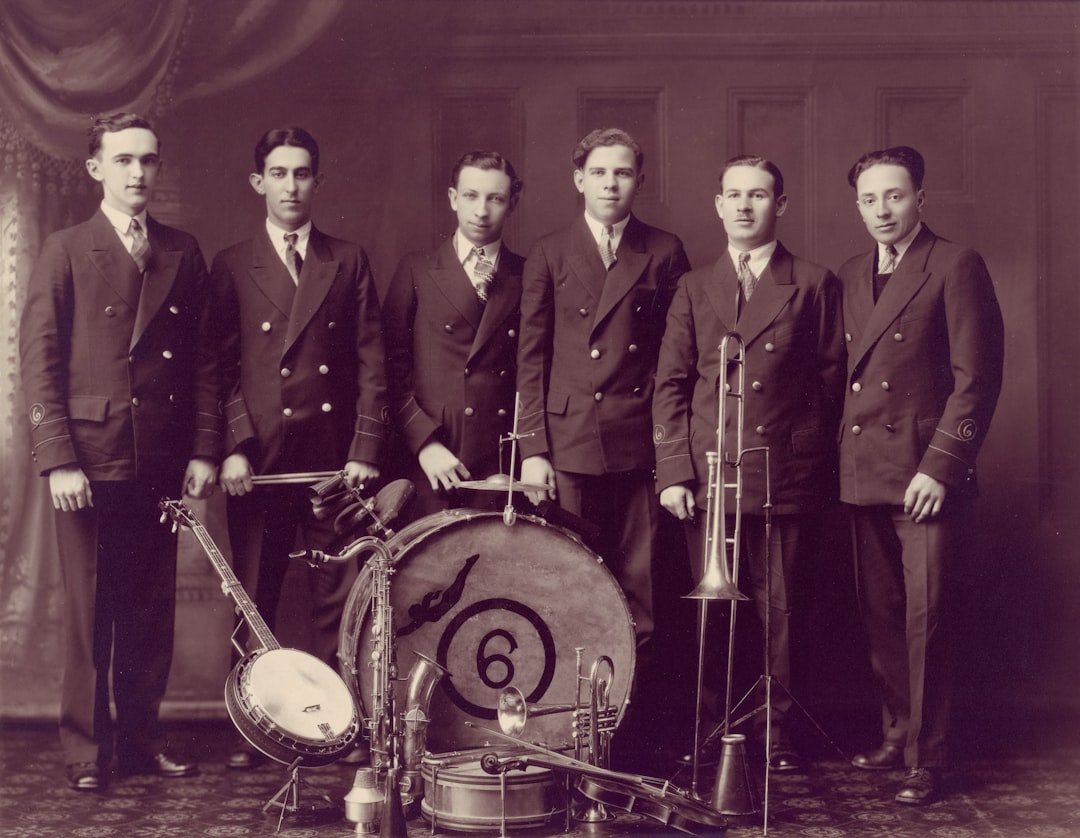
Doo-wop was born on the street corners of American cities in the late 1940s and 1950s, created by young men who needed nothing more than their voices and a good echo. It was music made from pure harmony and very little else, which is exactly what made it so extraordinary. The 1950s witnessed the birth of rock and roll, a genre that shook up the status quo and became the rallying cry of teenagers everywhere. Chuck Berry, Elvis Presley, and Little Richard fused R&B, country, and blues into a sound that was raw, rebellious, and undeniably American. The rise of rock and roll pulled attention decisively away from doo-wop’s gentler, more melodic world.
A lost genre is typically one that enjoyed popularity or significance in a particular era but has since dwindled in prominence or mainstream recognition. These genres haven’t necessarily disappeared; they often linger in the shadows of musical culture, remembered by few, preserved in old recordings, or celebrated in niche communities. Doo-wop fits this description perfectly. Its sweet, intricate vocal arrangements can still be found on oldies radio stations and in a small number of dedicated revival groups, but the idea of doo-wop producing chart hits in 2026 is almost unimaginable.
12. Vaudeville-Era Tin Pan Alley Pop: The Original Song Factory
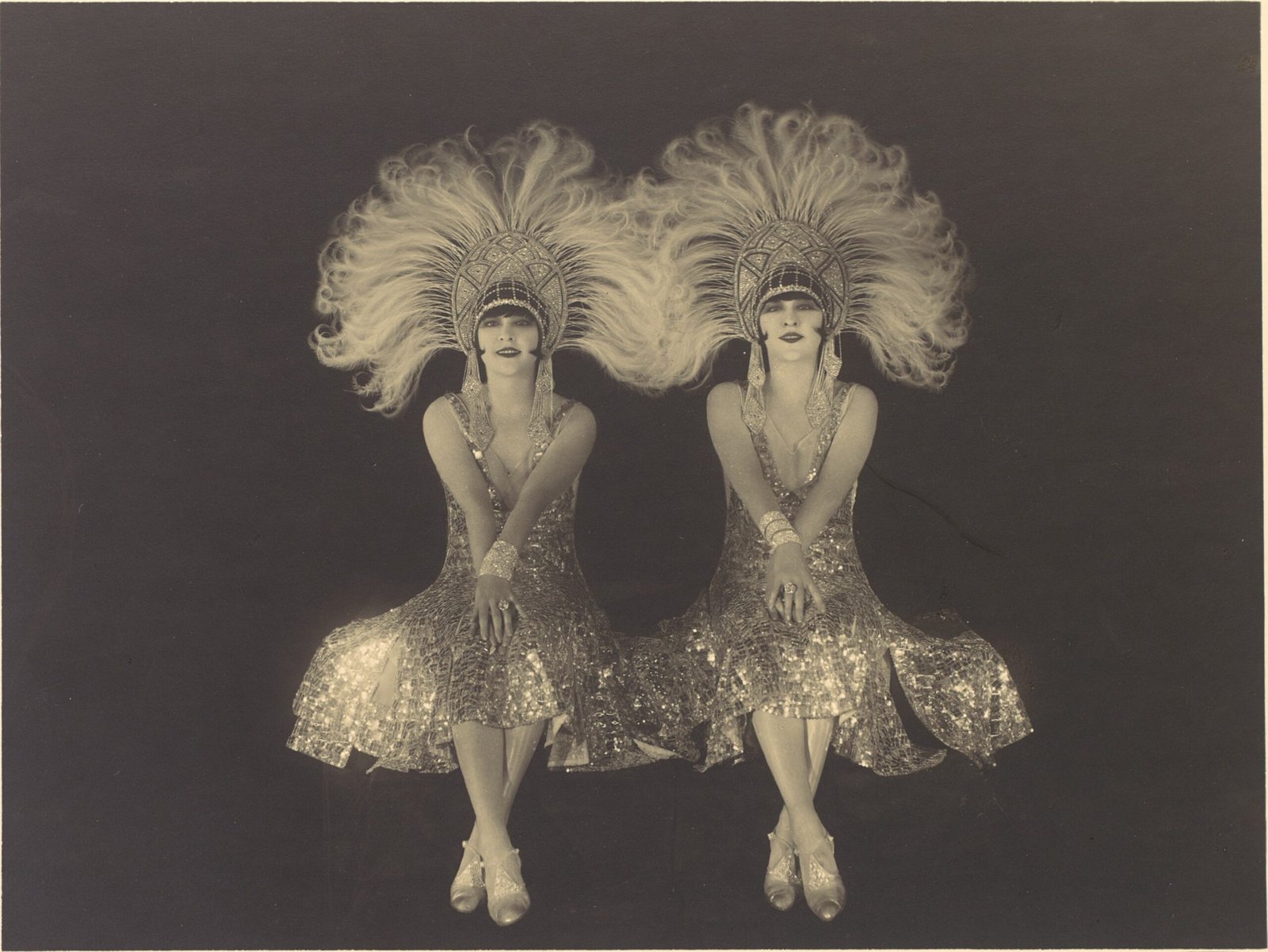
Long before there were record labels, streaming algorithms, or manufactured pop stars, there was Tin Pan Alley, a stretch of music publishers in New York City that essentially ran American popular music for decades. Swing-era repertoire included the Great American Songbook of Tin Pan Alley standards, band originals, and traditional jazz tunes. These songs were crafted with almost architectural precision, designed to be memorable, singable, and emotionally direct in the way that only the best pop writing can be.
The vaudeville-connected pop style that grew out of Tin Pan Alley was cheerful, theatrical, and unabashedly sentimental. It was music built around performance and personality rather than raw rebellion or attitude. Educational initiatives that focus on the history and techniques of these lost genres are key to their preservation and revival. Through workshops, music classes, and academic courses, new generations of musicians and listeners are educated about the significance and beauty of these styles, ensuring that they remain a living, breathing part of our musical heritage. Without those preservation efforts, Tin Pan Alley’s remarkable catalog would exist only in the memories of the very oldest music lovers.
The Eternal Cycle: Why Genres Rise, Shine, and Disappear
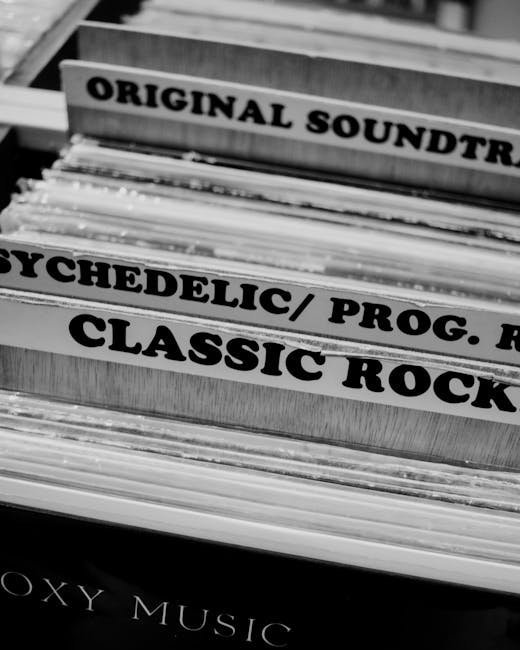
There is a broader pattern here that is hard to ignore. The first few years of a musical revolution, when a younger generation takes control of creating their own music, often represent the halcyon days of a genre. The days when the music was pure, like Classic Rock from the early and mid-1970s. Every one of these twelve genres had its pure moment, that brief window when the music felt urgent, alive, and absolutely necessary.
The resurgence of lost genres challenges the homogenization of music, offering an alternative to the mainstream sound that often dominates the airwaves. By bringing these diverse and distinct styles back into the spotlight, there is a counter-movement to the trend of musical uniformity, celebrating the variety and richness of music as an art form. Genres do not truly die. They get absorbed, sampled, revived, and quietly folded into whatever comes next.
Honestly, the disappearance of a genre is never just about musical taste. It is about social change, economics, technology, and the relentless human need to belong to something new. The journey through the evolution of music genres reveals a rich tapestry of cultural and artistic expression. Understanding this evolution is crucial for any aspiring musician or music enthusiast. Every genre on this list was, at its peak, exactly what its generation needed. The fact that those needs changed is not a tragedy. It is simply what it means to be human and alive in time.
Which of these twelve forgotten sounds surprised you the most? Drop your thoughts in the comments below.
CEO-Co-Founder
