

- These 10 Classic Movies Are Even Better Than the Books They’re Based On - March 29, 2026
- 10 Modern Cities That Are Actually Built on Ancient Ruins - March 29, 2026
- 10 Brave Women Who Fooled Entire Armies - March 28, 2026
There’s a rule in storytelling that most people accept without question: the book is always better. It’s practically gospel. And honestly, most of the time, it’s true. Books breathe. They have room for inner monologues, sprawling subplots, and the kind of rich detail that no two-hour film could ever contain.
But sometimes, just sometimes, a director comes along and does something remarkable. They don’t just translate a book onto screen. They transform it. They find something in the story that the author never quite unlocked, and they elevate it into something unforgettable. These are the rare, stunning cases where the movie doesn’t just match the book. It surpasses it. Let’s dive in.
1. The Godfather (1972)
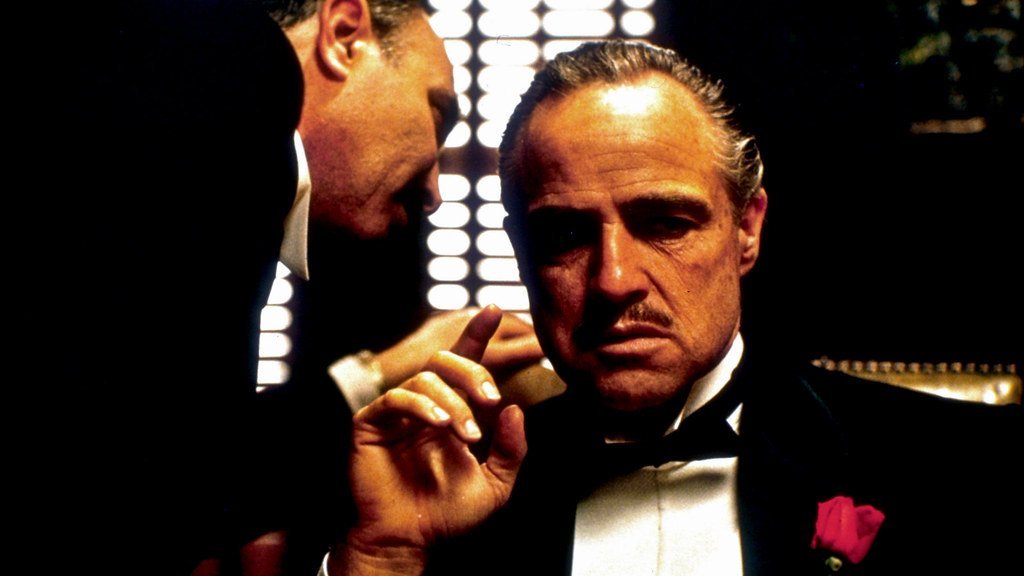
Mario Puzo’s 1969 novel is wonderful, no doubt about it. It’s just that Francis Ford Coppola’s 1972 film adaptation is a flat-out masterpiece. The book sprawls across dozens of subplots, some of them entertaining, others genuinely strange. There are entire chapters devoted to Johnny Fontane’s singing career, Lucy Mancini’s unconventional medical situation, and a level of graphic detail that feels more like pulp fiction than high drama.
Coppola’s adaptation is a landmark in cinematic history. He stayed true to the essence of the novel while assembling a stellar cast including Marlon Brando, Al Pacino, James Caan, and Diane Keaton, whose performances were simply fantastic. The musical score by Nino Rota added another layer of brilliance. The film strips away all the noise and finds the heart of the Corleone saga. In the novel, Michael’s revenge doesn’t take place during the baptism. Coppola combined the happenings to make it more dramatic and Michael more diabolical. That single directorial decision turned a good scene into one of cinema’s greatest sequences.
2. The Shawshank Redemption (1994)
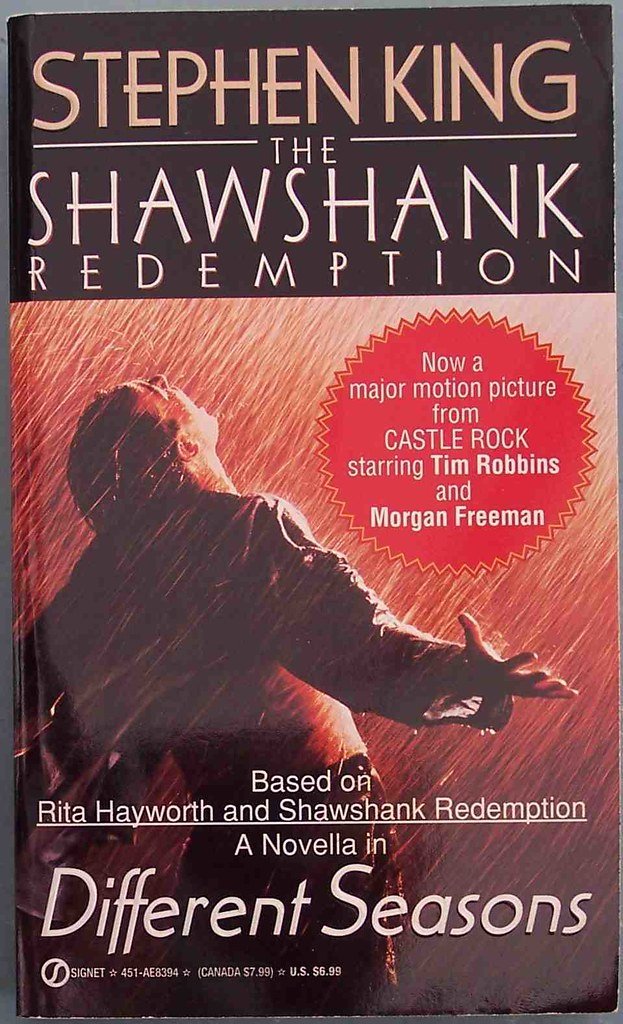
Adapted from Stephen King’s novella, The Shawshank Redemption was turned into a classic movie that many think surpasses its source material. Frank Darabont’s 1994 film adds a great deal to the story of Andy Dufresne and Ellis “Red” Redding. King’s original novella is lean, purposeful, and very good. But it’s short. It gives you the skeleton of a great story without building the full cathedral around it.
Frank Darabont found the soul of the story and translated it in a way that felt more expansive and also somehow more distilled. He dove deeper into the world of the prison and leaned into the relationship between Andy and Red to give the consequences of Andy’s actions some weight. Shifting from the novella, the film is told from multiple viewpoints, making Red the narrator and not the camera’s central perspective. This allowed audiences to become further invested in Andy’s conflicts and struggles. The result is one of the most emotionally resonant films ever made.
3. Forrest Gump (1994)
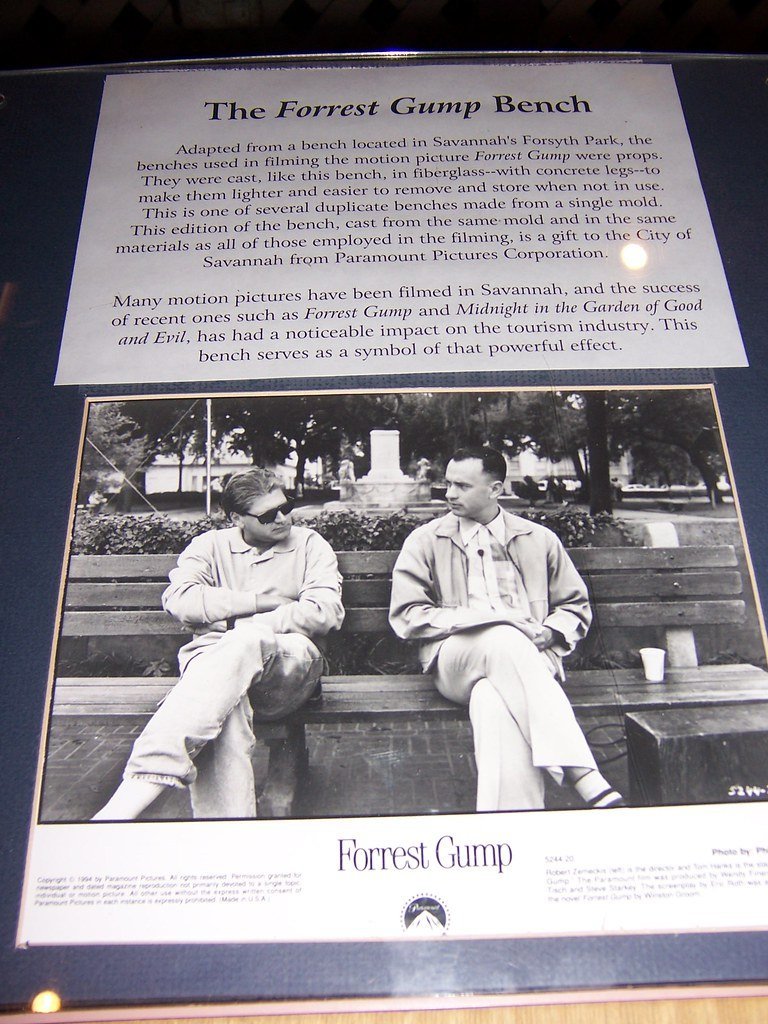
Here’s the thing about Winston Groom’s 1986 novel: it’s almost unrecognizable compared to the film. Written in 1986, Forrest Gump the novel is almost unidentifiable as the basis for the hit 1994 movie. Aside from the title character’s name, the film is a totally different entity. In the book, Forrest grows up healthy and becomes an astronaut who befriends an ape named Sue in space. Yes, you read that right. An ape. In space.
The novel depicted Forrest as simple-minded but prone to swearing, gruffness, and sometimes violence. The Forrest Gump character delivered by Tom Hanks is one of the most beloved in all of cinema. Director Robert Zemeckis gave audiences a more easily digestible narrative despite its moments of loss and brutal reality shown through the eyes of Forrest’s naivety. The book contains a lot of bizarre content, but Robert Zemeckis and screenwriter Eric Roth decided to make the story a fable about innocence and American history, which resonated much more deeply with audiences. It was the right call. Entirely the right call.
4. Jaws (1975)
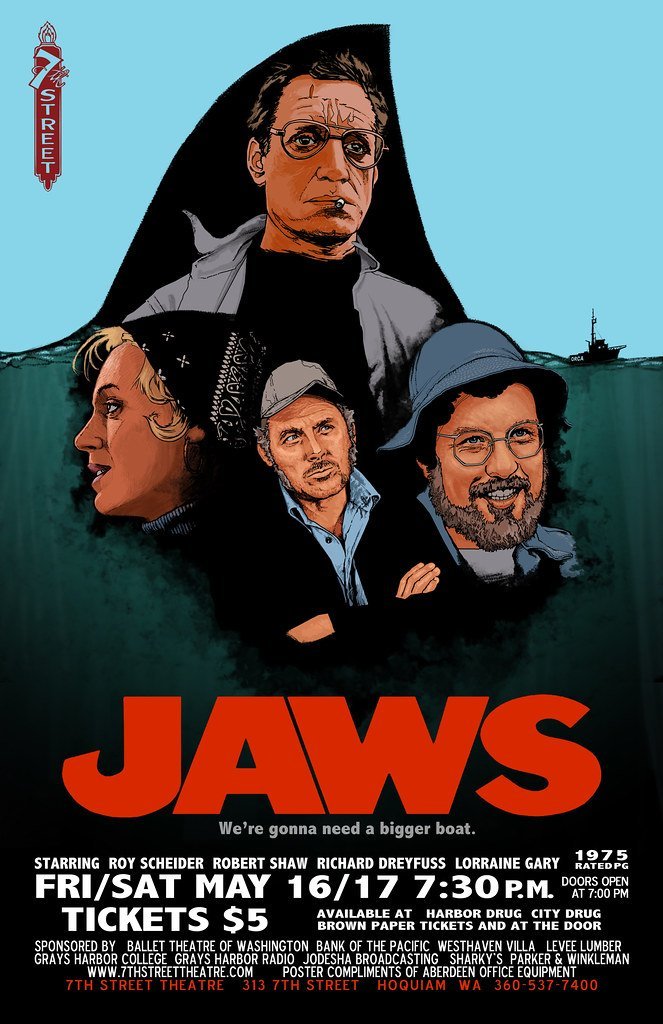
Peter Benchley’s 1974 novel about a great white shark terrorizing a coastal town is a perfectly serviceable thriller. The book is not bad, but the characters are extremely unlikeable. Spielberg was right to eliminate some of the subplots and to make the characters more likable and relatable. The book is cluttered with a mayoral cover-up, a love affair, and a cast of people you genuinely don’t care about. The film strips all of that away.
From making the characters more likable to removing offensive elements that would have inhibited the movie’s timeless status, Spielberg’s cinematic expertise allowed Jaws to succeed better on the screen than it did on the page. The director’s refusal to show the shark until at least an hour built a visual tension that simply can’t exist in the book, with the shark’s only presence signaled by that terrifyingly iconic John Williams score. Think about that for a second. The scariest thing in the movie is just a few notes of music. No book can do that.
5. The Silence of the Lambs (1991)
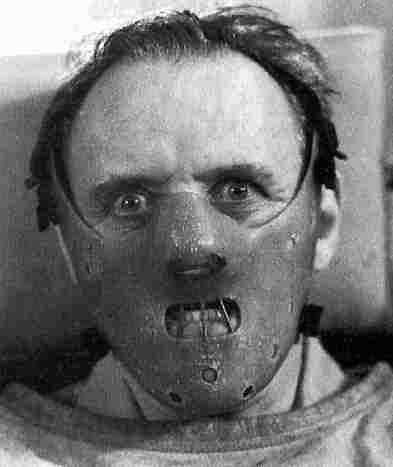
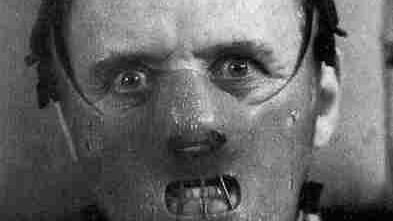
Thomas Harris’s Silence of the Lambs was certainly well received when it debuted and won a few awards for Best Novel in 1989, but the film adaptation starring Jodie Foster and Anthony Hopkins was even better. The novel is a good, tense thriller. But it’s also somewhat clinical at times, loaded with procedural detail that slows the momentum just when it should accelerate. The movie doesn’t have that problem.
The Silence of the Lambs was only the third film to win all of the top five categories at the Academy Awards: Best Picture, Best Actor, Best Actress, Best Director, and Best Adapted Screenplay. On top of all that, it’s the only movie widely considered to be a horror film that won Best Picture. Anthony Hopkins appears on screen for barely more than 15 minutes in total, yet his performance as Hannibal Lecter became one of the most chilling and iconic in film history. No amount of prose could have created that effect.
6. One Flew Over the Cuckoo’s Nest (1975)
Ken Kesey’s classic 1962 novel was adapted into a classic film, directed by Milos Forman, in 1975. The book is narrated entirely by Chief Bromden, a paranoid schizophrenic patient who filters every event through his fractured, fascinating perspective. It’s genuinely brilliant. But the most significant way the movie strayed from the novel is through the story’s point of view. In the book, Chief Bromden is the narrator who watches the struggle between McMurphy and Nurse Ratched. By shifting to a third-person cinematic perspective, the film actually opens up the story considerably.
In the movie, you are better able to experience what is actually going on in the ward, and the motives of the patients, such as McMurphy. The film was nominated for nine Academy Awards and won five of them: Best Picture, Best Director, Best Actor for Jack Nicholson, Best Actress for Louise Fletcher, and Best Screenplay Adapted from Other Material. Jack Nicholson and Louise Fletcher were lauded for their respective performances as McMurphy and Nurse Ratched. Nurse Ratched became one of cinema’s greatest villains. The book gave her the blueprint. The film gave her the face.
7. Blade Runner (1982)
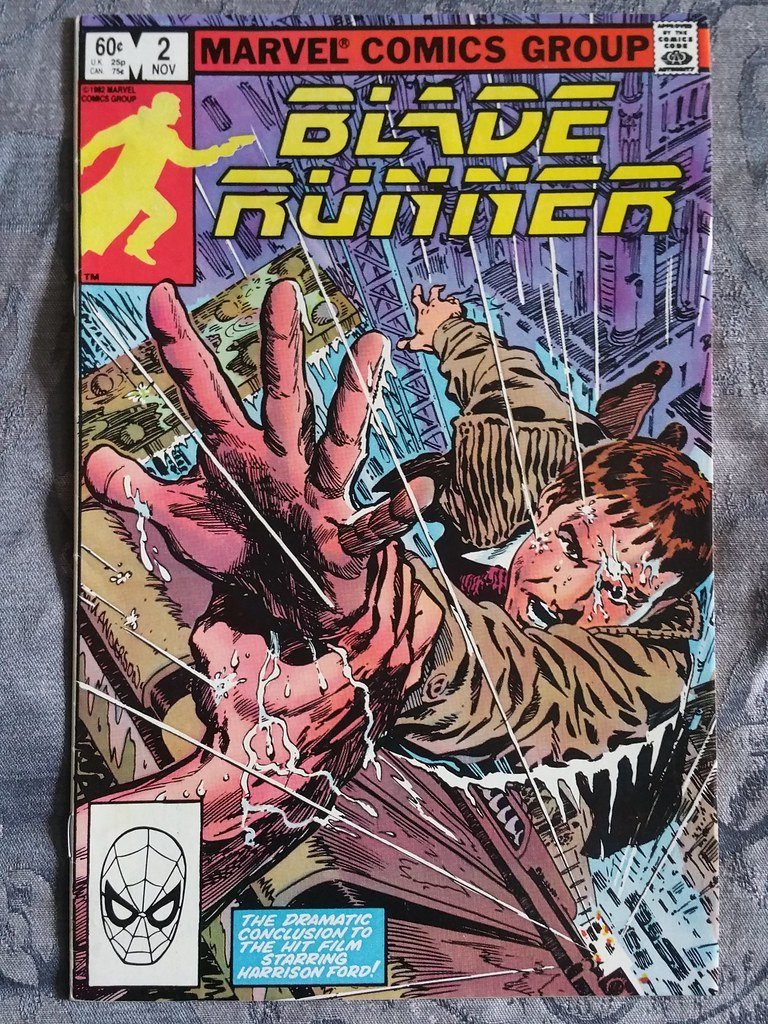
Philip K. Dick’s name is revered in sci-fi circles, while his 1968 novel Do Androids Dream of Electric Sheep? remains seminal reading for genre fans. Most people, however, know this story through the 1982 film version, Blade Runner, directed by Ridley Scott and starring Harrison Ford. The novel is fascinating but deliberately strange, spending considerable time on the sociology of artificial animals and the religion of Mercerism. Compelling on the page, but challenging to love.
Blade Runner takes more inspiration from the core themes of the novel, specifically in terms of what it means to be human, instead of attempting a straight-up adaptation. While there’s still the narrative of Rick Deckard needing to “retire” androids, the characterizations and order of events differ from book to film. Scott’s visual language proves to be its biggest strength, as it influenced the whole cyberpunk genre and decades of sci-fi movies. Honestly, I think Blade Runner might be the greatest argument for why film can exceed its source material on sheer visual poetry alone.
8. Fight Club (1999)
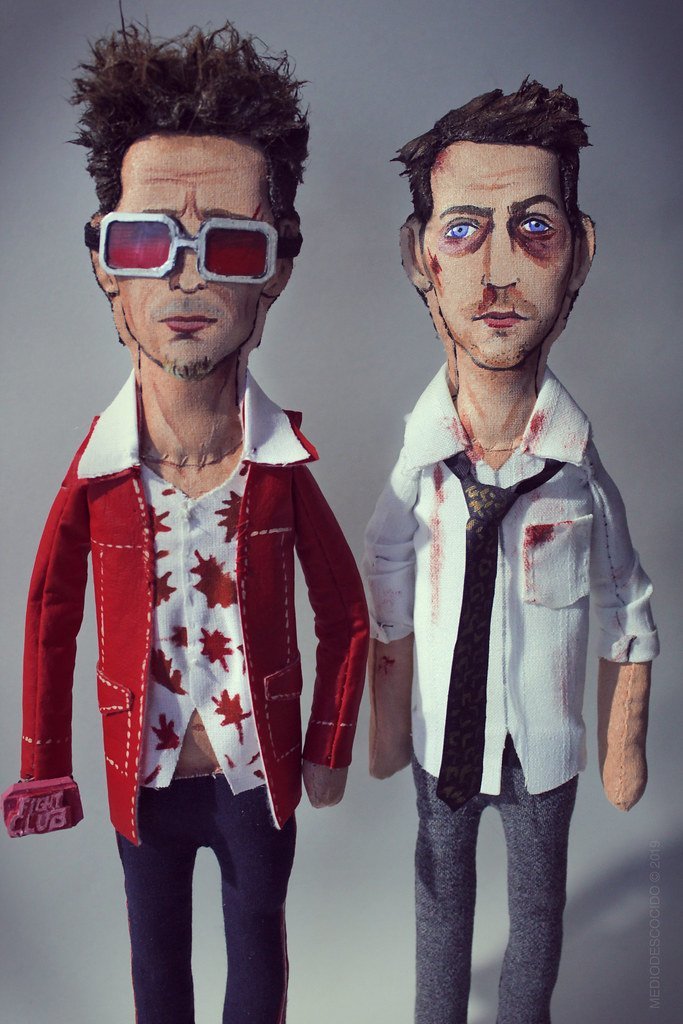
Chuck Palahniuk’s Fight Club was a hit as a book, launching his career, and the movie adaptation only helped to bring the story to a larger audience. The novel is raw, abrasive, and deliberately uncomfortable. It’s written in a fragmented, manic style that many readers find brilliant and many others find exhausting. It’s a novel that makes you work.
Though differing from Palahniuk’s novel in several places, the movie is regarded as a great adaptation. Even Palahniuk himself has gone on record as saying the movie is better than his book in many aspects, such as emphasizing the romance angle more, streamlining the plot, and working with more concrete imagery than the novel. If the writer of the source material thinks the movie is better, there might just be something to it. David Fincher gave the story style, momentum, and that stunning final act twist that lands far harder on screen than it ever did in print. Let’s be real. No book can match that reveal when it’s delivered cinematically.
9. Jurassic Park (1993)
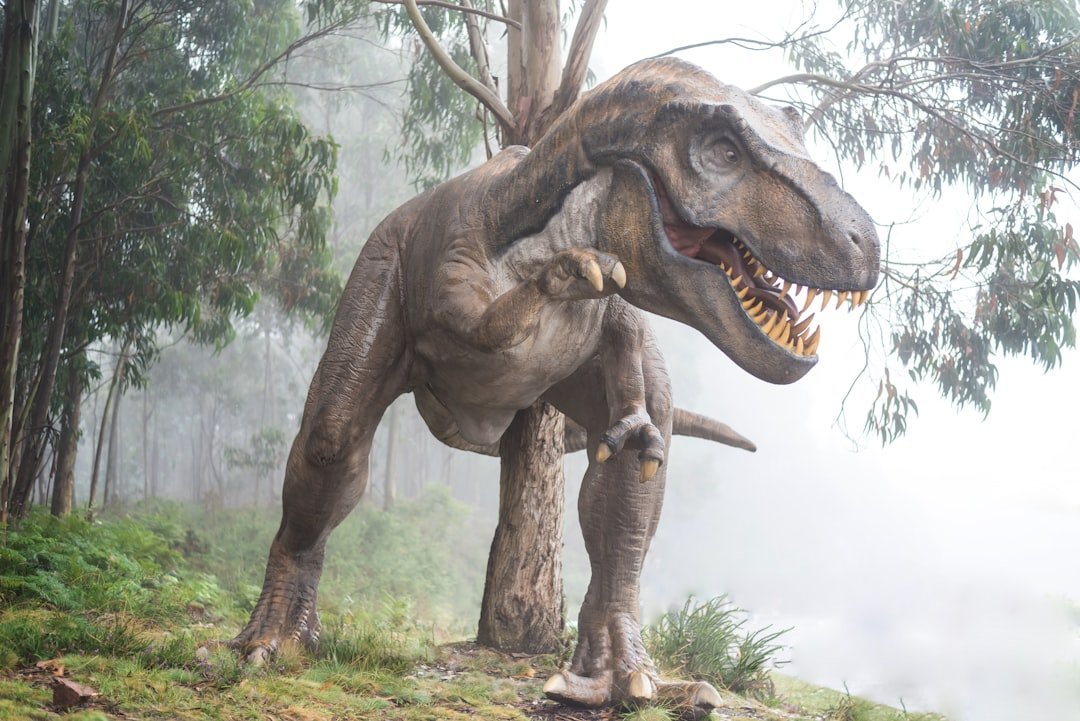
Michael Crichton’s Jurassic Park ponders whether it might be possible to bring dinosaurs back to life in modern times via cloning. The 1990 novel features a lot of scientific explanations and theories that sound plausible to the everyday person. Ultimately, the book proves that pairing dinosaurs and humans in a theme park is a terrible idea. The problem is that those scientific explanations, while genuinely impressive in their research, pile up relentlessly and occasionally suffocate the tension. Crichton is thorough to a fault.
What Steven Spielberg does exceptionally well in his 1993 adaptation is find a balance between the science and imagination of the story. He captures the awe and majesty of these creatures, spending more time on this aspect and demonstrating why someone would even dream of attempting to revive them. John Hammond was much better in the movie. In the book he was kind of a standard greedy businessman. In the movie, he was a dreamy idealist with good intentions, which made it so much more heartbreaking when the park inevitably failed. That one character change made all the difference.
10. The Graduate (1967)
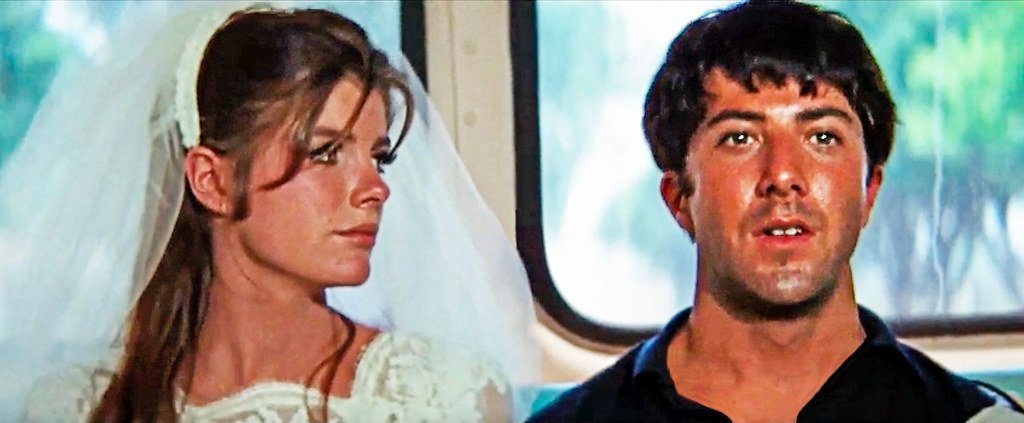
Charles Webb’s 1963 novel about a young man’s aimless drift through post-graduation life and into an affair with an older woman is an interesting but fairly thin piece of work. Charles Webb’s 1963 book is great, but it doesn’t hold a candle to the 1967 movie, if for nothing other than the latter’s Simon and Garfunkel score. The book has charm, but it reads as flat, its characters emotionally sealed off in a way that keeps the reader at arm’s length throughout.
A picture really can be worth a thousand words, and while a book may take pages to get a point across, a few frames can dramatically shift our interpretation of a film. Case in point is the ending of The Graduate where, over the course of a few seconds, the movie goes from being a generic happy ending to something much more ambiguous and dark just by the change in the characters’ expressions. That ending. That bus scene. That look on Dustin Hoffman’s face. It communicates something no paragraph ever could, in about four seconds flat. Director Mike Nichols turned a mildly interesting novel into a cultural touchstone of generational anxiety that still resonates today.
What This Really Tells Us About Stories
It’s worth stepping back and appreciating what all these films have in common. None of them succeeded by simply photographing their source material. They each found what the book was really about underneath all the words and made a bold creative choice to pursue that thing above all else.
A film adaptation should capture and celebrate the unique essence of the original story through reinterpretation of characters, plot, setting, themes, and motifs. The greatest adaptations on this list understood that instinctively. Spielberg didn’t recreate Jaws. He found its fear. Coppola didn’t retell The Godfather. He found its soul.
Film, by being a visual medium, offers advantages that books can’t, even if movie scenes aren’t couched in prose. A picture really can be worth a thousand words, and while a book may take pages to get a point across, a few frames can dramatically shift our interpretation of a movie. That’s not a knock on literature. It’s a celebration of what cinema can uniquely do when it’s operating at its highest level.
The debate between books and movies will never fully be settled, and perhaps it shouldn’t be. Both forms of storytelling are capable of profound greatness, and they bring different gifts to the same stories. Still, next time someone tells you the book is always better, you might just want to point them toward this list. Which one surprised you the most?

Besides founding Festivaltopia, Luca is the co founder of trib, an art and fashion collectiv you find on several regional events and online. Also he is part of the management board at HORiZONTE, a group travel provider in Germany.
