

For any feedback please reach out to info@festivalinside.com
- 10 Obscure ’70s Rock Songs That Shaped Metal Legends - April 1, 2026
- These 10 Books Will Challenge Everything You Thought You Knew About History. - April 1, 2026
- 13 Top Trending Songs on Instagram Reels in 2026 - April 1, 2026
History books often paint a tidy picture of progress, heroes, and inevitable triumphs. Revisionist scholarship flips that script. These works dig into overlooked voices, fresh evidence, and bold reinterpretations that question the stories we’ve all grown up with.[1]
Sure, it can feel unsettling to rethink Columbus or the Founding Fathers. Yet that’s the thrill. Let’s dive into ten game-changers that will leave you seeing the past in a whole new light.[2]
1. A People’s History of the United States by Howard Zinn
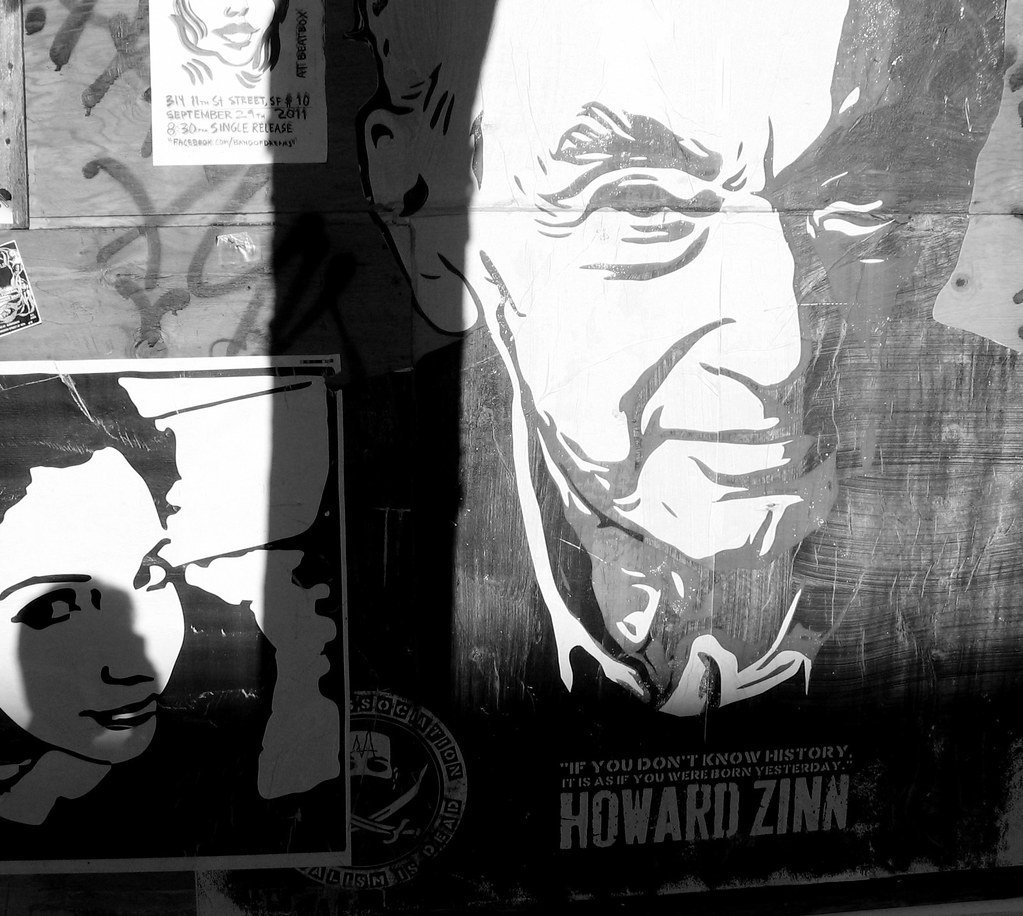
Howard Zinn rewrote American history from the ground up. He spotlights the struggles of workers, women, Native Americans, and enslaved people instead of presidents and generals. Traditional narratives glorify elites as nation-builders. Zinn exposes how power was seized through violence and exploitation.[2][1]
This approach shocked readers and educators alike. It inspired grassroots movements and classroom debates. Scholars praise its empathy, though some critique its selectivity. Still, it forces us to ask whose history gets told.[3]
2. Lies My Teacher Told Me by James W. Loewen

James Loewen dissects high school textbooks with surgical precision. He reveals how they sugarcoat slavery, glorify the Confederacy, and ignore modern complexities. The assumption? American history is a flawless march toward freedom. Loewen proves it’s riddled with myths and omissions.[4]
Teachers and students devoured it, sparking curriculum reforms. Its impact lingers in updated texts and public discourse. Honestly, picking it up feels like uncovering family secrets long buried. It demands we teach truth over comfort.[5]
3. 1491: New Revelations of the Americas Before Columbus by Charles C. Mann
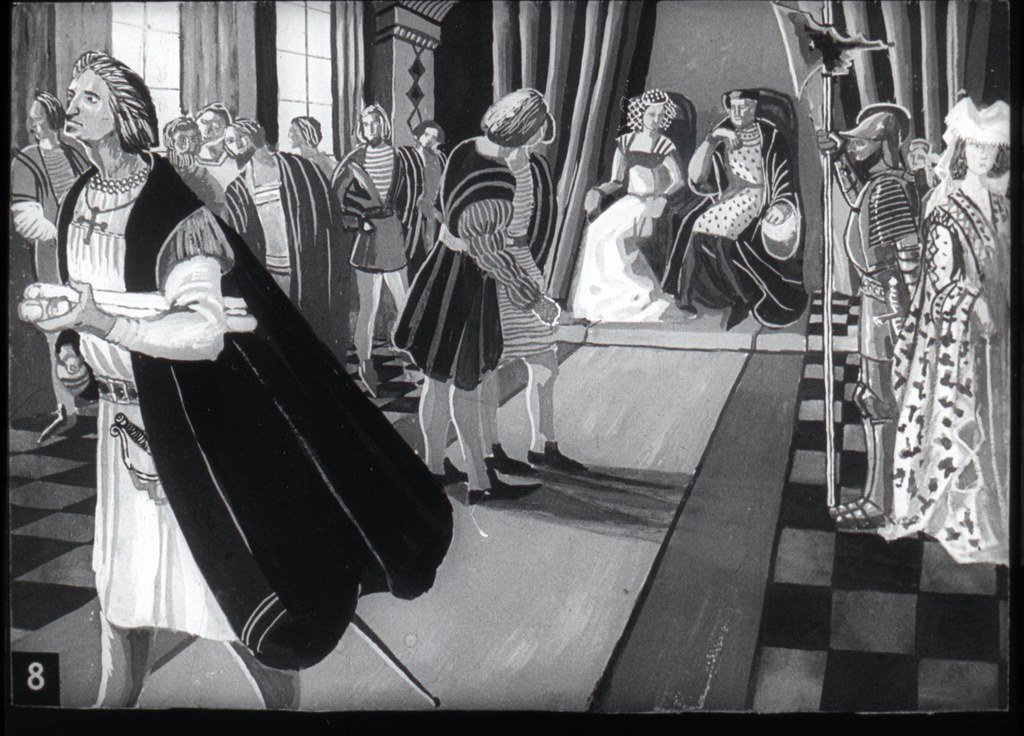
Charles Mann shatters the image of empty, wild Americas awaiting discovery. He marshals archaeology and ecology to show sophisticated empires, vast cities, and engineered landscapes thriving pre-1492. The old view paints natives as nomadic primitives. Mann argues diseases wiped out millions, creating ghost lands Europeans claimed.[6]
Readers reimagine the hemisphere’s scale and ingenuity. Scholars hail it for synthesizing debates. Like stumbling on a hidden continent in your backyard, it reframes conquest’s tragedy. Its sequel extended the revolution.[7]
4. Guns, Germs, and Steel by Jared Diamond
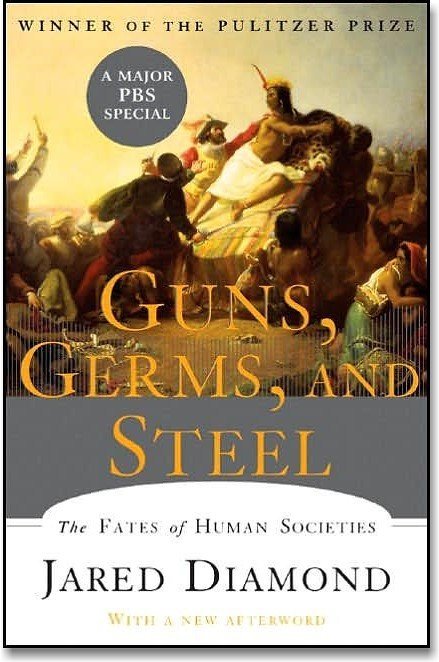
Jared Diamond tackles why Eurasians conquered others. Geography gifted them domesticable plants, animals, and east-west axes for spread. No racial superiority, just luck of the draw leading to technology and immunity. This upends racist explanations for global inequality.[8]
A Pulitzer winner, it reshaped popular understanding. Critics nitpick details, but its big picture endures. Think of it as history’s ultimate geography lesson. It challenges us to see environment’s invisible hand.[9]
5. Sapiens: A Brief History of Humankind by Yuval Noah Harari
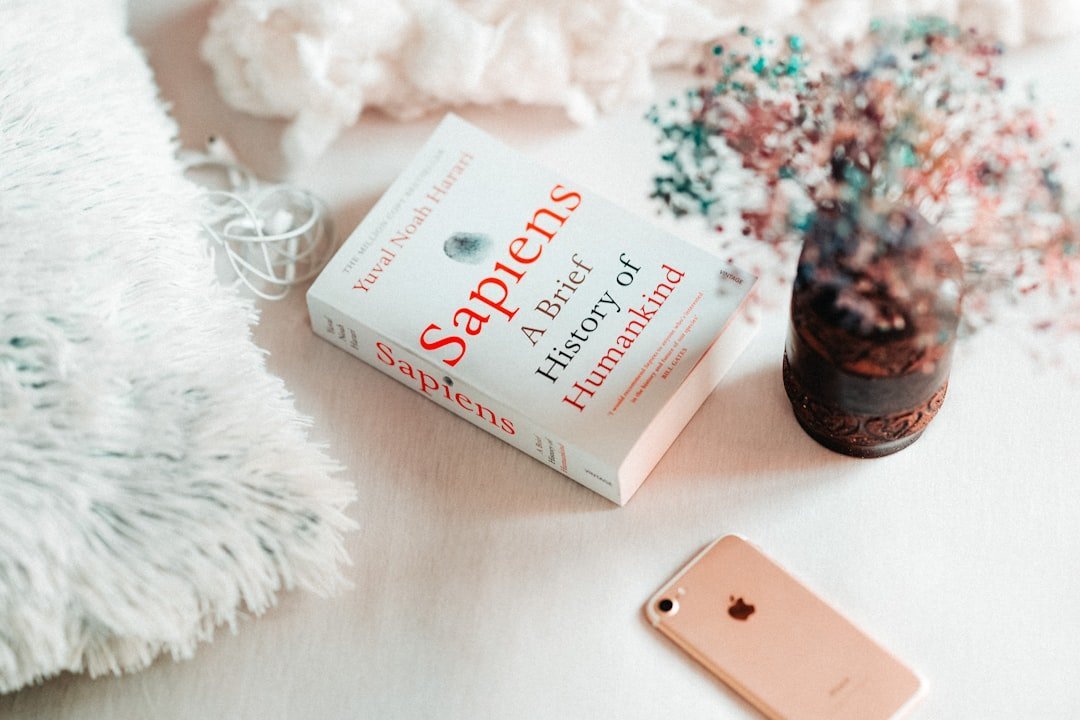
Yuval Noah Harari sweeps from cognitive sparks to empires. Myths like gods and nations enabled cooperation at scale. Agriculture? A trap chaining us to toil. He dismantles linear progress tales with wit and scope.[10]
A global bestseller, it ignited book clubs and TED talks. Academics debate its flair over rigor. Yet it provokes rethinking our species’ quirks. I know it sounds wild, but fictions built our world.
6. The Dawn of Everything by David Graeber and David Wengrow

Graeber and Wengrow upend the march from foragers to tyrants. Ancient societies experimented wildly with equality and seasons of hierarchy. No inevitable inequality from farming. They draw on global archaeology to liberate the past.[11]
Posthumous for Graeber, it stunned with optimism. Readers and thinkers grapple its anti-determinism. Like finding freedom in stone age ruins, it inspires. Scholars continue the conversation it sparked.[12]
7. Black Athena by Martin Bernal

Martin Bernal posits Greek genius borrowed heavily from Egypt and Phoenicia. Linguistics and myths trace Afro-Asiatic roots. The Aryan model? A 19th-century invention to claim purity. He revives ancient acknowledgments of debt.[13]
Controversy exploded, with fierce rebuttals. Yet it forced reexamination of biases. Impact echoes in multicultural classics studies. Bold, if divisive, it questions origins we take for granted.
8. Bury My Heart at Wounded Knee by Dee Brown

Dee Brown chronicles the West from Native eyes. Treaties broken, massacres, forced marches define expansion. Heroic settlers become invaders in this lens. It humanizes leaders like Sitting Bull amid betrayal.[14]
A 1970 phenomenon, it sold millions and shifted culture. Films and activism followed. Still poignant, it evokes raw grief. No wonder it endures as a gut punch to manifest destiny.
9. King Leopold’s Ghost by Adam Hochschild
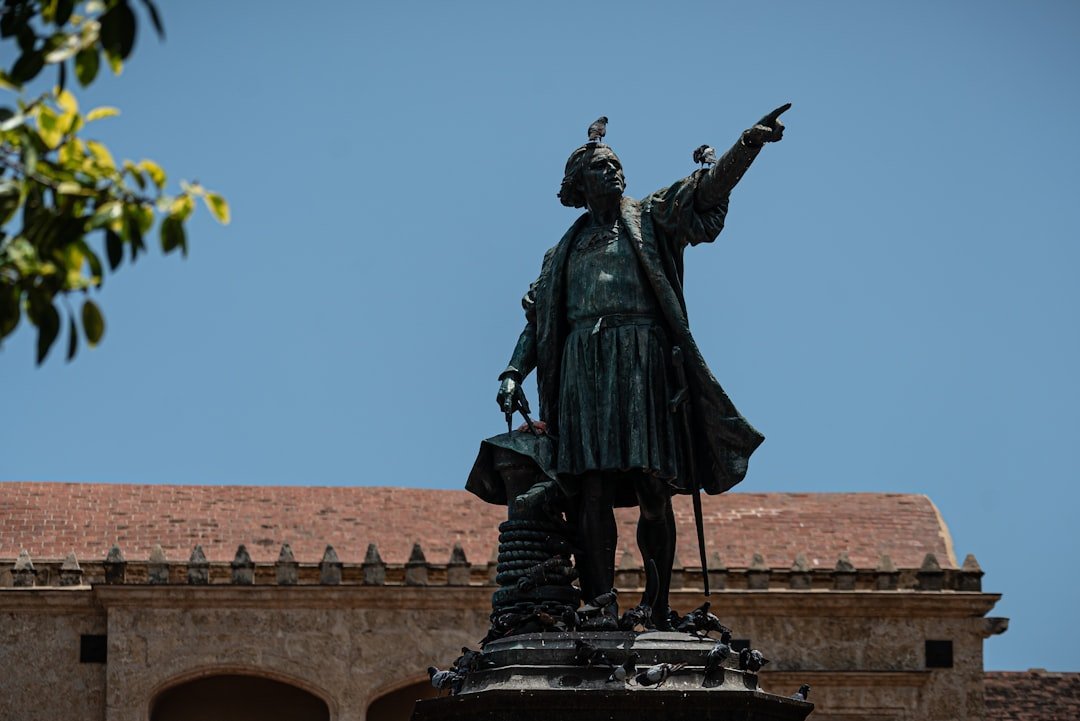
Adam Hochschild unveils Belgium’s king’s Congo nightmare. Rubber quotas meant mutilations, millions dead in secrecy. Colonialism’s heart of darkness, forgotten post-independence. He spotlights resisters like Morel.[15]
Revived awareness of atrocities, influencing aid debates. Gripping narrative drew wide acclaim. Like Heart of Darkness but factual, it horrifies. Its legacy warns of unchecked power.
10. The Silk Roads by Peter Frankopan
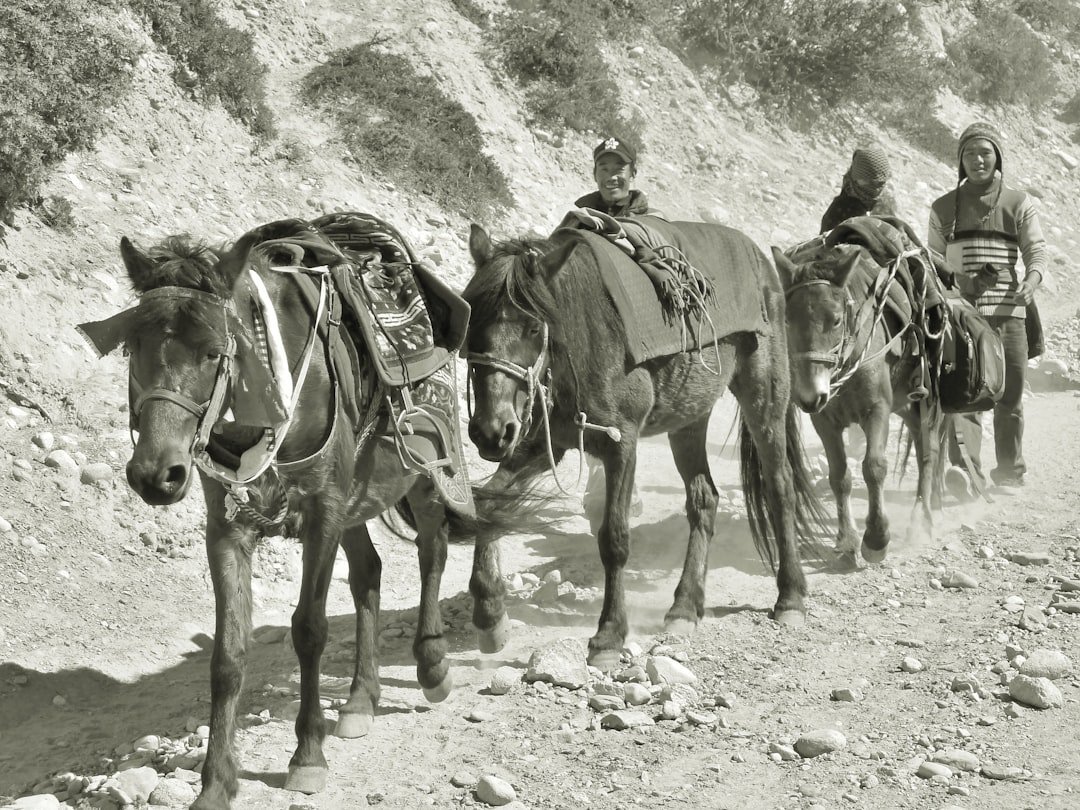
Peter Frankopan recenters world history on Asia and the Middle East. Trade routes carried ideas, plagues, faiths westward. Eurocentric tales ignore this pivot. Empires rose and fell along these veins.[16]
Acclaimed for scope, it broadens horizons. Readers grasp globalization’s ancient roots. Here’s the thing: the West’s just a chapter. It invites viewing our story anew.
Rethinking the Past
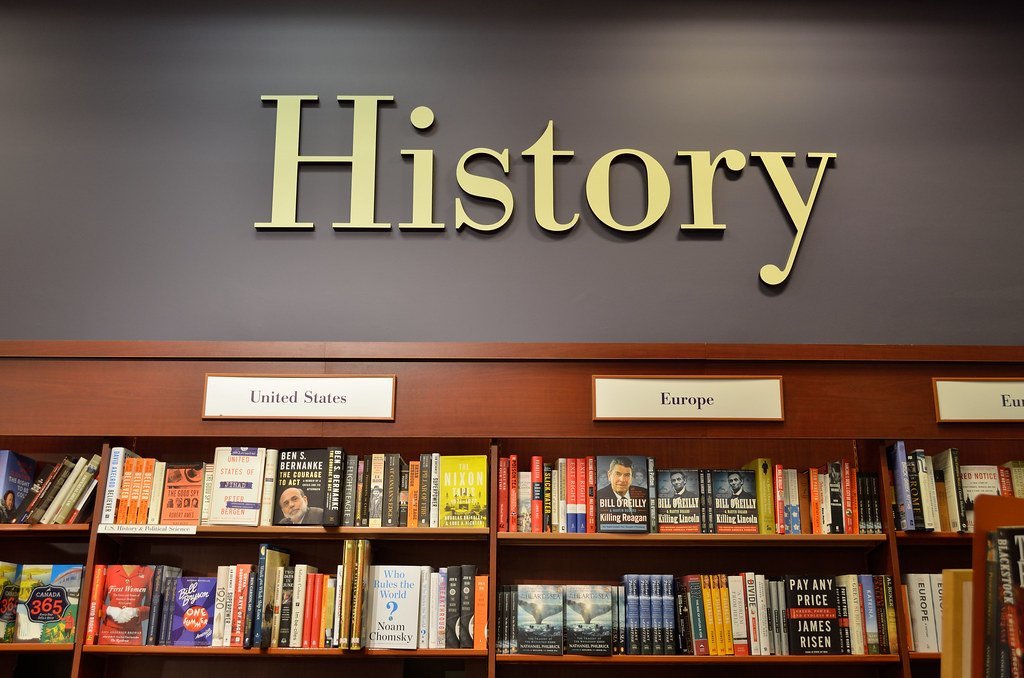
These books prove history evolves with new lenses and voices. No final word, just richer debates. Revisionism keeps it alive, urging humility.[17]
Grab one, and watch your worldview shift. What surprised you most? Share below.

Christian Wiedeck, all the way from Germany, loves music festivals, especially in the USA. His articles bring the excitement of these events to readers worldwide.
For any feedback please reach out to info@festivalinside.com
