

- The World’s Most Beautiful Gardens Are Artworks in Themselves - April 2, 2026
- 10 Coming of Age Books Every Teenager Should Read - April 2, 2026
- The Most Memorable Concerts Are More Than Just Music; They’re Experiences - April 2, 2026
There is something quietly radical about a garden. It sits at the exact crossroads of control and chaos, between human will and nature’s indifference. Across cultures and across time, gardens have represented microcosms of desirable worlds, from realms of political power and control to the inner worlds of the enlightened. That’s an extraordinary thing to think about the next time you stroll past a flowerbed.
Whether untamed and rugged or meticulously manicured, large-scale gardens are an almost worldwide cultural phenomenon. As symbols of identity, they can represent national pride, status and artistic style, or even form a capsulized version of an entire ecosystem. Honestly, that feels more like the definition of a museum than a park. The world’s greatest gardens prove that the line between nature and art was always blurry. Let’s dive in.
The Gardens of Versailles, France: Power Shaped Into Landscape
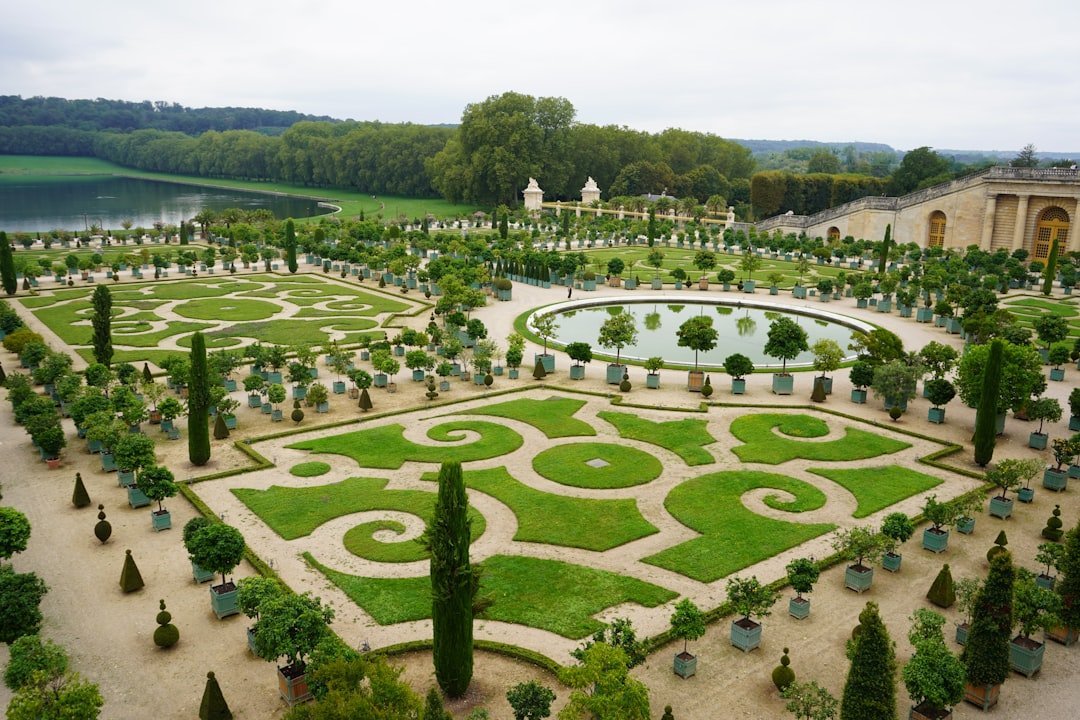
Few places on earth announce power quite so loudly as Versailles. The Gardens of Versailles represent the epitome of formal French garden design, created by André Le Nôtre for King Louis XIV. These magnificent gardens cover nearly 2,000 acres of meticulously manicured lawns, geometric flower beds, and ornate fountains. The perfect symmetry and grandeur of these gardens reflect the absolute monarchy of Louis XIV, earning them UNESCO World Heritage status. Think of it like this: when a king literally designed the landscape to broadcast his dominance over nature itself, you know you are dealing with something far more than horticulture.
Playing on the site’s topography, Le Nôtre defined the main axes (east-west and north-south) and created an “infinite” vista toward and beyond the Grand Canal. Within this overall scheme, Le Nôtre set up a grid of smaller sections, each with its own individual design. Surrounding the palace are several parterres, flat and open zones arranged in ornamental patterns. The lower-lying areas are occupied by bosquets, wooded outdoor salons configured in a variety of ingenious and unpredictable ways. Throughout, sculptures and fountains play an important role and demonstrate the union of art and nature.
The Gardens of Versailles contains over 600 fountains and a whopping 35 kilometers of canals. It brings the landscape to life as it distributes water across the grounds. These installations showcase the capabilities of 17th-century hydraulic engineering as they take from nearby rivers and reservoirs. The mythical is brought front and center as fountains such as the Latona, Apollo, and Neptune feature statues graced by powerful jets of water. Even today, the garden’s elaborate fountain shows run on weekends from spring to fall, displaying the same hydraulic ingenuity that amazed courtiers centuries ago.
Claude Monet’s Garden at Giverny, France: A Painter’s Living Canvas
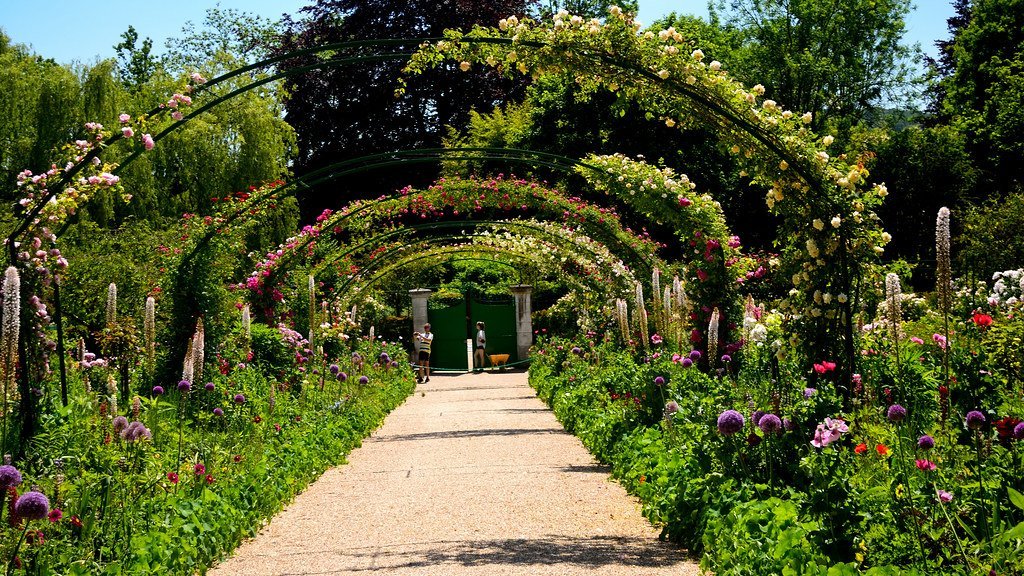
Giverny is different from Versailles in every conceivable way. Where Versailles roars, Giverny whispers. Claude Monet’s gardens at Giverny are like his paintings, brightly colored patches that are messy but balanced. Flowers were his brushstrokes, a bit untamed and slapdash, but part of a carefully composed design. I think that is the most beautiful description of a garden ever written, and it says everything about why this place feels so personal.
Unlike the formal, symmetrical gardens traditional in France, Monet’s Clos Normand was designed to feel wild and overflowing, much like one of his paintings. Narrow gravel paths weave through dense flowerbeds brimming with tulips, irises, roses, peonies, poppies, and nasturtiums, depending on the season. Metal arches stretch over the central path, covered in climbing roses and clematis, creating a tunnel of blooms as you walk toward the house. Monet organized his garden not by plant type but by colour, composing beds like an artist would arrange a palette.
He diverted a river to form a pond, planted willows and bamboo on the shores, filled the pond with water lilies, then crossed it with a wooden footbridge. As years passed, the bridge became overgrown with wisteria. He painted it at different times of day and year, exploring different color schemes. The gardens themselves attract over half a million tourists each year, drawn by the beautiful views, and by travelers’ prior experience of them through Monet’s paintings. Visiting Giverny is not just seeing a garden. It is walking into a painting that never stopped changing.
Ryoan-ji Temple, Kyoto, Japan: The Art of Emptiness
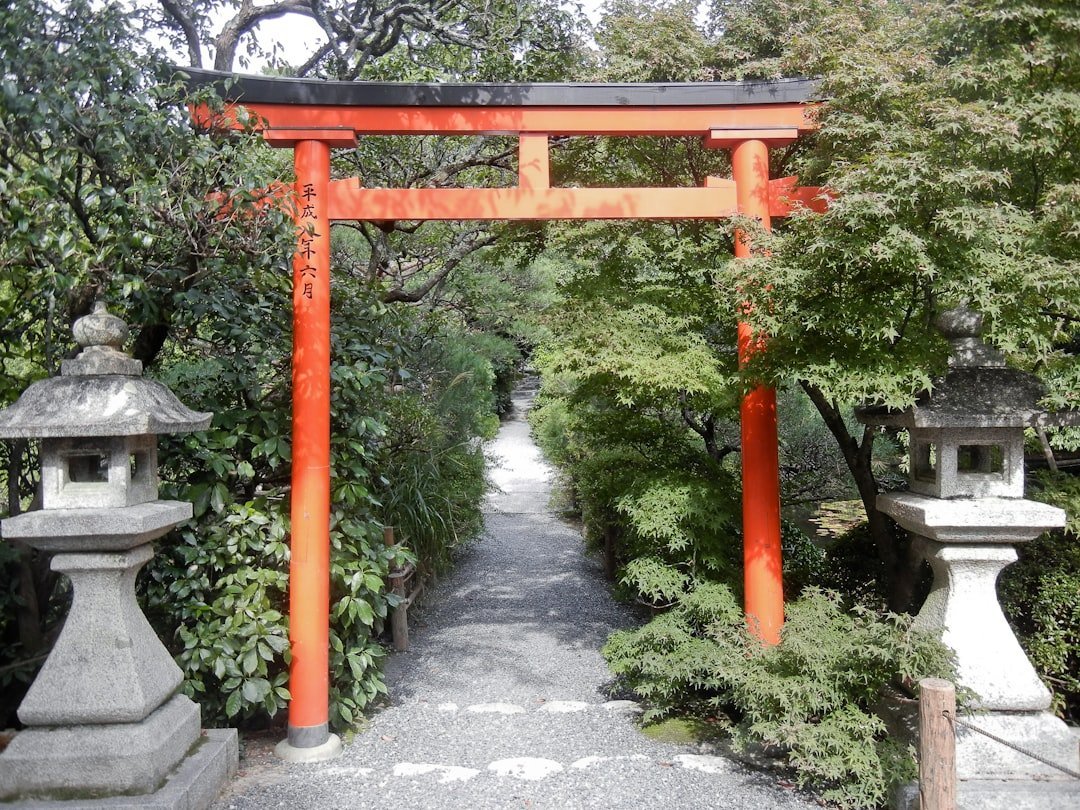
Here is the thing about Ryoan-ji. It looks like almost nothing. Fifteen rocks. Some raked gravel. A low earthen wall. Yet it is arguably the most profound garden in the world, and I mean that without a trace of exaggeration. Ryoan-ji Temple in Kyoto houses Japan’s most famous rock garden, a masterpiece of Zen minimalism. Created in the late 15th century, this dry landscape garden consists of fifteen carefully placed rocks on a bed of raked white gravel, surrounded by earthen walls. The design’s apparent simplicity conceals profound symbolic meaning connecting to Zen Buddhist principles. Viewers cannot see all fifteen stones from any single vantage point, encouraging contemplation and multiple perspectives.
The dominant element here is open space, which is appropriate for a Zen Buddhist context. The garden was designed to provide a site for contemplation, in the hope that the viewer might, through such contemplation, achieve enlightenment. While the garden at Ryoanji is not lush or lavish, its quiet, gentle balance provides a peaceful environment in which the Buddhist devotee can strive toward freedom from suffering.
The garden’s restrained aesthetic contrasts with Japan’s more elaborately planted gardens, demonstrating how absence and emptiness can create powerful artistic statements. This UNESCO World Heritage site continues to inspire minimalist design worldwide. It’s hard to say for sure what makes it so mesmerizing, but standing before it, you feel an almost gravitational pull toward silence. That is the truest test of any artwork.
Keukenhof Gardens, the Netherlands: Color as a Philosophy
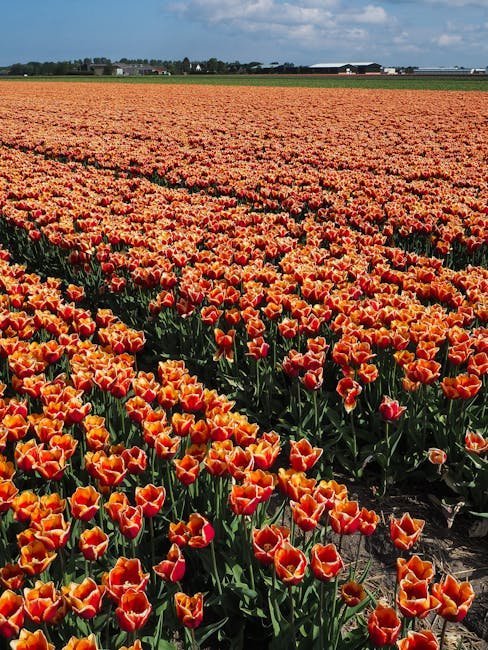
Imagine someone handed a painter roughly seven million brushes and told them to go to town. That is Keukenhof every spring. Also known as the Garden of Europe, Keukenhof is one of the world’s largest flower gardens, situated in the municipality of Lisse, in the Netherlands. According to the official website, Keukenhof Park covers an area of 32 hectares and approximately 7 million flower bulbs are planted in the gardens annually. While it is widely known for its tulips, Keukenhof also features numerous other flowers, including hyacinths, daffodils, lilies, roses, carnations and irises.
Its evolution from a functional ‘kitchen dune’ to a noble manor mirrors the wealth and expansion of the Dutch Golden Age. In 1949, the estate’s front gardens were chosen to host the first-ever open-air flower exhibition, giving birth to the modern Keukenhof phenomenon. The garden that exists today is part horticultural showcase, part national monument. The project was conceived as a place where domestic and international tulip growers could exhibit their specimens to the world market, an important function, as Holland remains the largest exporter of flowers in the world.
The artistic planting designs of the spring flowers at Keukenhof change annually. Keukenhof welcomes around 1.5 million visitors in just eight weeks, which can be up to 30,000 per day at its peak. That kind of intensity is staggering. Keukenhof also worked with 25 artists on an impressive collection of outdoor art installations and sculptures placed throughout the gardens, connecting art and nature. The tulips might steal the headlines, but the philosophy running underneath this place is genuinely radical: beauty as an act of collective national expression.
The Classical Gardens of Suzhou, China: Harmony Built in Stone and Water
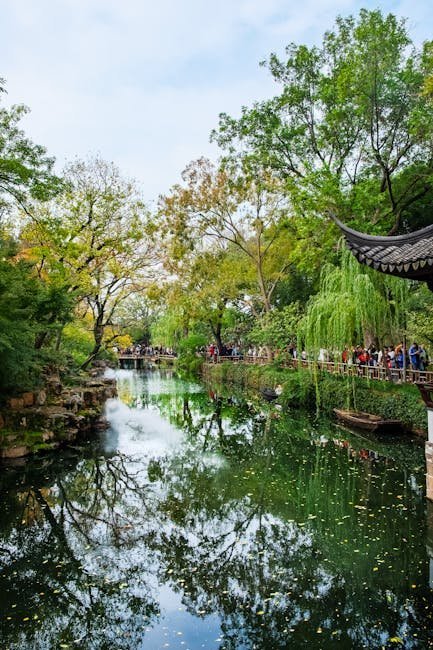
If European garden design is about dominating nature, Suzhou is about becoming one with it. That is not a romantic exaggeration. The classical gardens of Suzhou represent the pinnacle of Chinese garden design with their perfect balance of architecture, water, stones, and plants. Dating back to the 6th century BCE, these UNESCO-listed gardens create miniature idealized landscapes embodying harmony between humans and nature. The Humble Administrator’s Garden, the largest and most famous, exemplifies Ming dynasty aesthetic principles. Each garden incorporates essential elements: weathered limestone rocks symbolizing mountains, winding waterways, exquisite pavilions, and carefully selected plants including pine, bamboo, and plum blossom.
These gardens are said to embody classic Chinese gardens, consisting of hills, rivers, rocks and pagodas scattered throughout the area. Classical Chinese gardeners designed the sites in order to reflect the intellectuals’ wishes to be in harmony with nature. Every element carries meaning. Pine symbolizes endurance. Bamboo, humility. Plum blossom, perseverance through hardship. Walking through these gardens is essentially reading a poem written in landscape form.
Moon gates and covered walkways frame views that change with each step. These gardens inspired imperial designs in Beijing’s Forbidden City and influenced Japanese garden development. The experience is intimate and deliberately unhurried. Suzhou teaches something that modern design often forgets: a garden can be a complete philosophical statement, not merely a pretty place to take photographs.
Jardin Majorelle, Marrakech, Morocco: One Artist’s Obsession Made Permanent
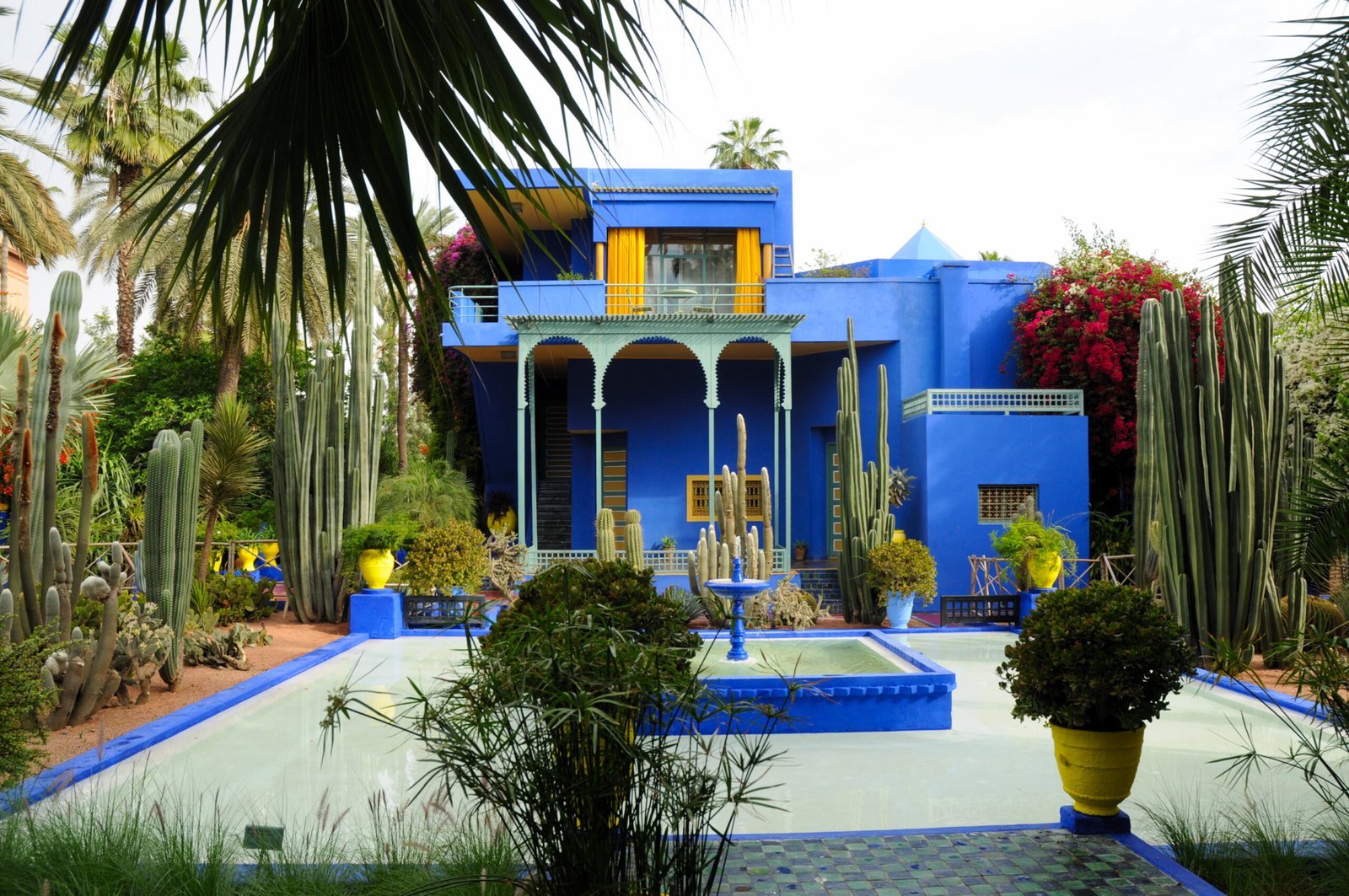
Some gardens are designed by committees or royal decree. Jardin Majorelle was designed by a man who fell so deeply in love with Morocco that he spent four decades turning his backyard into a masterpiece. A heart condition drove French painter Jacques Majorelle to the warmer climes of Morocco, where he finally settled in a home just outside Marrakech in 1923. The artist built an Art Deco studio on his property, but it was the surrounding gardens that would become his life’s work. Majorelle spent four decades tending the land, often sourcing exotic plants from across the globe, some 300 species in total, from Texas’s agave cactus to China’s black bamboo.
He also painted the walls of his studio with “Majorelle blue,” the brilliant color he trademarked in the 1930s, its hue inspired by Moroccan tiles. That intense cobalt blue against the vivid greens and ochres of the surrounding plants creates a visual shock that is genuinely unlike anything else in the world. It is the kind of color combination you might think would be overwhelming, yet somehow it feels absolutely inevitable.
Following a car accident, Majorelle was forced to return to Paris in 1962 and died months later. His magnificent garden fell into disrepair, and by 1980 it was slated for redevelopment, that is, until Yves Saint Laurent and Pierre Bergé stepped in. The pair purchased the property and restored Jardin Majorelle to its former glory for the 700,000 people who now visit each year. There is something deeply moving about that story. A garden almost lost, then saved by admirers who recognized it as the irreplaceable work of art it truly was.
Boboli Gardens, Florence, Italy: The Renaissance Made Tangible
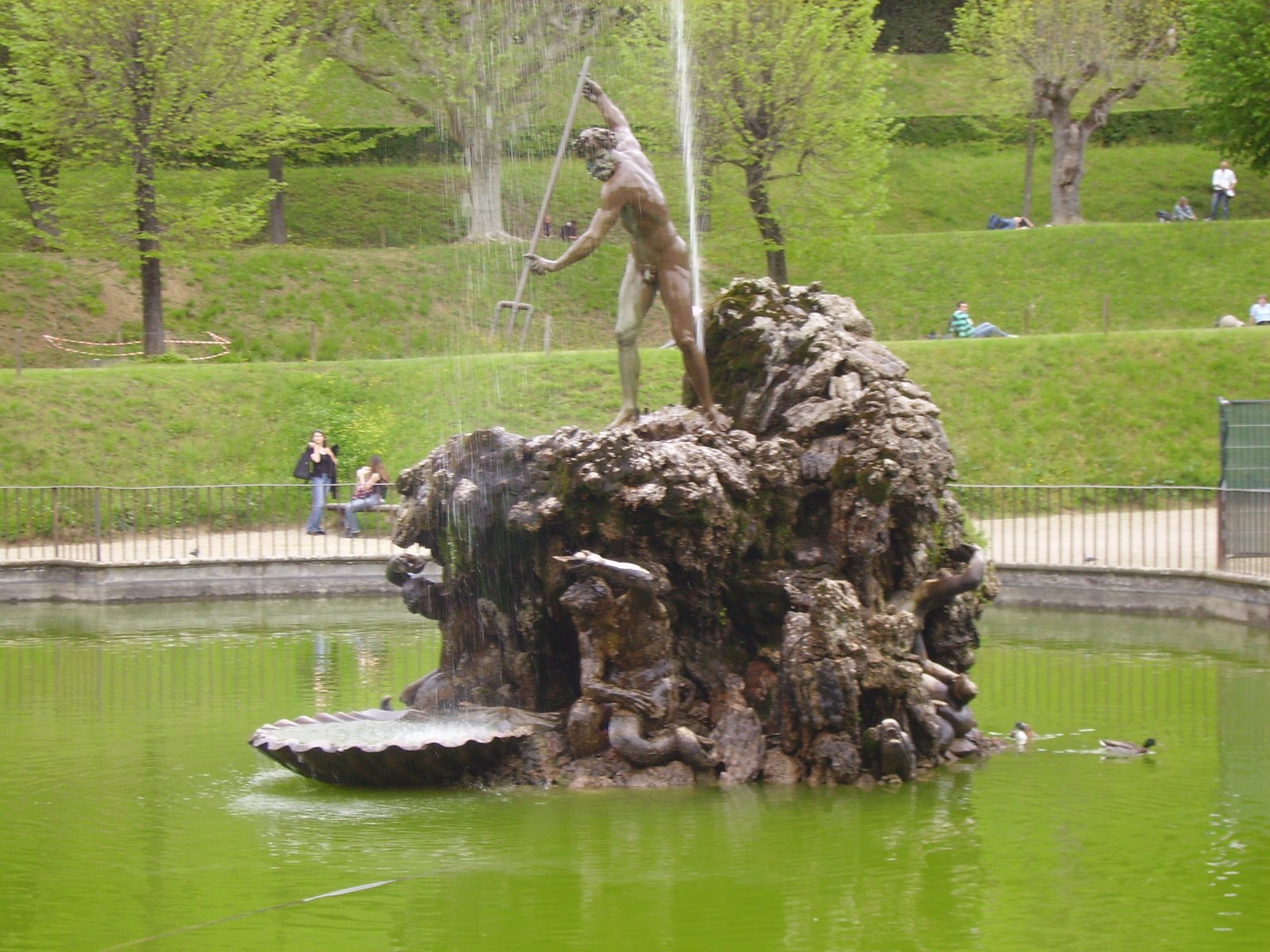
Florence gave the world the Renaissance, and Boboli is where you can feel it underfoot. Marked with distinct Italian Renaissance touches, Boboli Gardens was designed by Niccolò Pericoli in 1549. Nowadays, it is considered one of the greatest examples of a classic Italian garden. Boboli features geometric design and symmetrical layout, grottos, large fountains, and an incredible variety of citrus trees. These features clearly demonstrate the values of the Italian culture at the time that it was built. They contain order, open space, functional fruits, and decoration.
Walking through Boboli is like flipping through the pages of a civilization’s cultural memory. The Medici family commissioned this garden as an extension of their power and taste, and every hedge, fountain, and gravel path was a deliberate philosophical statement. Order is beautiful. Symmetry is divine. Nature, when properly tamed, mirrors the rational mind. It’s a worldview you might not fully agree with, but the result is undeniably stunning.
The visitor experience here carries a weight that purely natural places never quite achieve. Ancient statues emerge from behind topiary walls. Hidden grottos contain frescoes. The amphitheater, once used for Medici theatrical performances, still commands the hillside with unmistakable authority. Boboli is proof that a garden can hold centuries of human story without saying a single word.
Quinta da Regaleira, Sintra, Portugal: Mystery as Garden Design
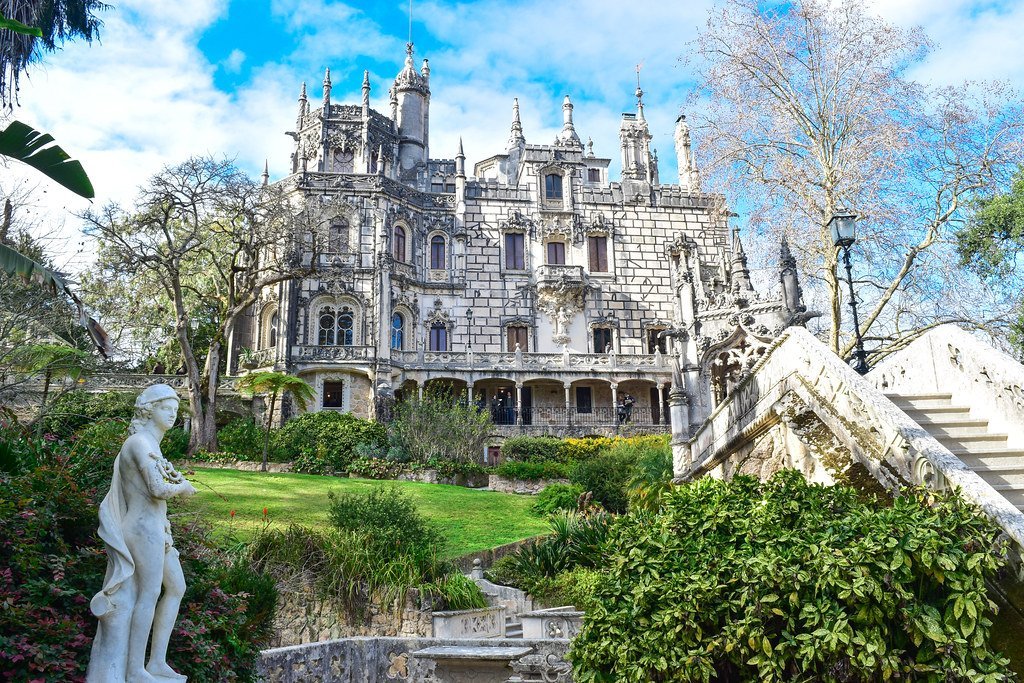
Most gardens invite you to relax. Quinta da Regaleira invites you to get slightly, deliciously lost. Visiting these gardens feels like stepping onto the set of a Guillermo del Toro fantasy film. Twisting stone staircases lead you into secret tunnels, enchanting grottos, and the famous Initiation Well, a spiraling, moss-covered descent that looks like it could transport you to another realm. All around, ornate towers, mystical symbols, and hidden passages are nestled in lush, overgrown greenery. The entire estate is filled with whimsy and mystery, blending Gothic, Renaissance, and Manueline styles into a dreamlike world that stirs the imagination.
The symbolism woven through this garden is dense and intentional. The Initiation Well descends nine spiraling levels, a reference to Dante’s nine circles of hell, while Masonic and Knights Templar symbols appear throughout the pathways and structures. The designer, António Augusto Carvalho Monteiro, was a wealthy eccentric who wanted his estate to encode esoteric philosophy into the landscape itself. Honestly, I find that breathtaking rather than strange.
Visitors today report that sense of genuine discovery that is increasingly rare in a world of instant information. Around every corner in Sintra, the garden offers something genuinely unexpected, whether a sudden opening in the woods revealing a chapel, or a tunnel that surfaces beside a tranquil pond. It is less a garden to be viewed and more a garden to be experienced from the inside out, like a mystery novel you wander through rather than read.
Stourhead, Wiltshire, England: A Landscape That Tells a Story
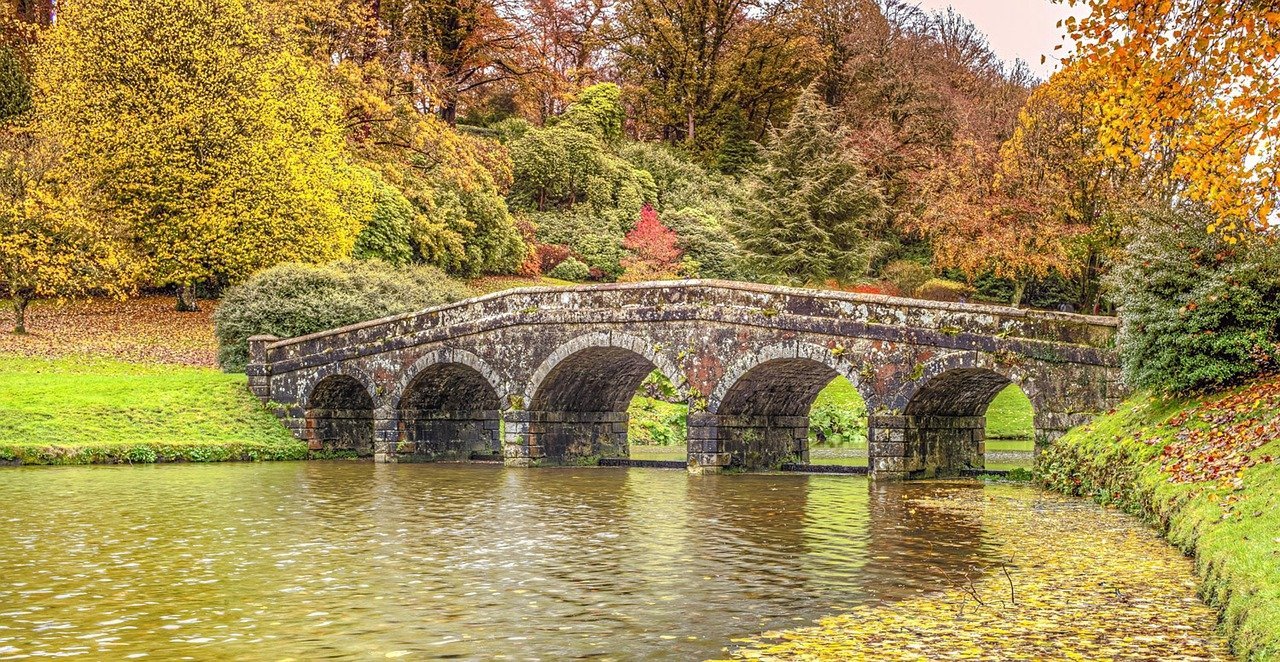
English landscape gardens are not shy about being poetic. Stourhead takes that tendency and elevates it into something genuinely extraordinary. Stourhead garden, located in Wiltshire, UK, is a classic English garden. The classical landmark has been described as a “living work of art,” because of its focus on bodies of water and trees that change colors with the seasons. Planted by 50 gardeners, the landscape at Stourhead is dappled by temples, adding mystery and beauty to the landscape.
The garden was laid out in the 1740s by Henry Hoare II, a banker with a deep love of classical antiquity, and it was designed to evoke Virgil’s Aeneid. The visitor is meant to walk a circuit around the lake, encountering temples dedicated to Flora, Apollo, and Hercules, each positioned to tell a chapter of the ancient story. It is, in the most literal sense, a garden with a narrative arc. Few works of art, in any medium, pull off that ambition so completely.
What makes Stourhead quietly heartbreaking in the best possible way is how it changes. In autumn, the surrounding beeches and maples ignite in extraordinary color, turning the reflections in the lake into something resembling an oil painting. In winter, the geometry of bare branches creates an entirely different work. Throughout the history of art, the harmonious interplay between light, color, and nature in garden spaces has often mirrored broader societal trends, revealing shifting perspectives on beauty, spirituality, leisure, and even the human relationship with the environment. Stourhead makes that truth visible with every passing season.
Conclusion: Gardens as the Most Human of All Artworks
There is something deeply satisfying about the fact that the greatest gardens in the world cannot be fully photographed or archived or preserved in a museum. They live. They change. They age and recover and surprise you even after a dozen visits. That is exactly what makes them such extraordinary forms of art.
The modern English word “paradise” is based on an ancient word for “garden.” Each culture designs its gardens in its own fashion, reflecting different notions of beauty and different concepts of pleasure. That feels like the most important context of all. Every garden on this list is, at its core, one culture’s attempt to describe what paradise looks like.
Whether it is the thunderous geometry of Versailles, the whispered poetry of Giverny, or the meditative silence of Ryoan-ji, each of these places tells a story about the people who created it and the values they held closest. An immaculately-designed garden is like combining artistry with the best of nature. Public gardens around the world serve as living expressions of a nation’s identity, blending history, culture, and natural beauty into breathtaking landscapes. No canvas, no sculpture, no photograph can quite do what a great garden does: pull you physically inside the artwork and make you feel, for a moment, that beauty is not something you observe but something you inhabit.
Which of these gardens speaks to you most? Tell us in the comments.
CEO-Co-Founder
