


For any feedback please reach out to info@festivalinside.com
- Senator Hawley Targets Minnesota AG Keith Ellison in Explosive Somali Fraud Exposé - February 26, 2026
- Bill Gates Comes Clean: Rare Apology for Epstein Ties and Extramarital Affairs Shocks the World - February 26, 2026
- Ohio Home Health Firm Draws Fire Over $1.2 Million PPP Windfall With No Digital Trail - February 26, 2026
Mount Rushmore’s Secret Chamber That Almost Never Existed
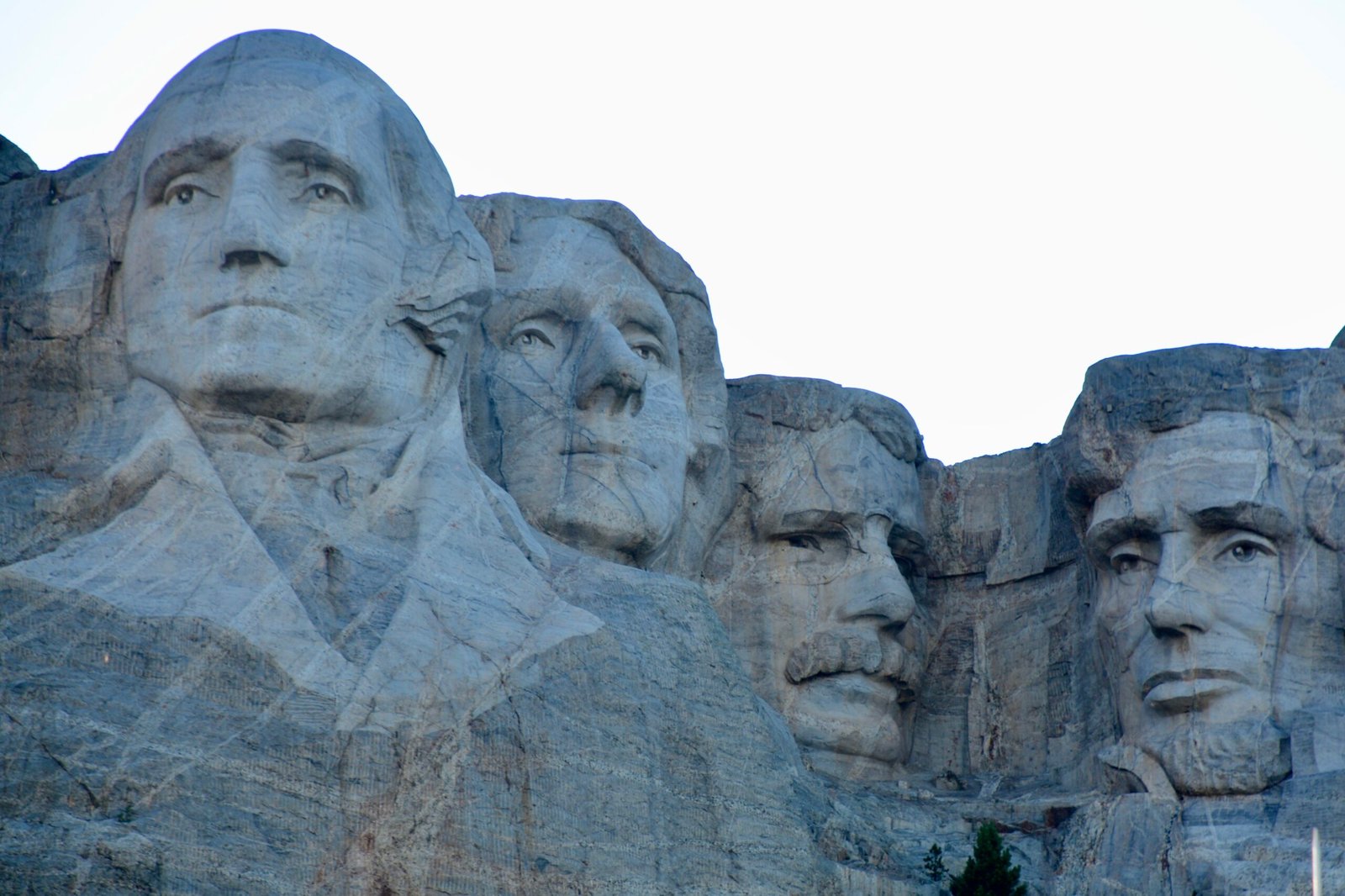
You’ve probably stared at those four presidential faces carved into Mount Rushmore’s granite, but what you might not know is that there’s a hidden chamber behind Lincoln’s head that almost never saw the light of day. Sculptor Gutzon Borglum had a lot more in mind than is immediately apparent, originally planning to sculpt the outline of the Louisiana Purchase and inscribe it with the most important events between George Washington’s and Teddy Roosevelt’s presidencies. When that plan fell through, something even more ambitious emerged.
Borglum wanted to create a Hall of Records to house important American documents for posterity, envisioning a grand time capsule that would be 80 feet tall and 100 feet long, lined with brass cabinets containing copies of the Declaration of Independence, the Constitution, and other historic American contributions to art, science, and industry. Work began in 1938 with workers blasting a 70-foot-long cavern using dynamite, but the government was wary of the ambitious project and insisted that Borglum finish the heads before continuing, yet Borglum died unexpectedly in 1941 and the Hall of Records project was abandoned.
The unfinished hall sat empty for decades until 1998, when 16 porcelain panels were placed inside the chamber, describing the construction of the Mount Rushmore Memorial and documenting U.S. history, intended not for the general public but as a time capsule for people of the distant future. Today, visitors can’t access this hidden repository, but it remains one of America’s most intriguing architectural secrets.
The Statue of Liberty’s Egyptian Origins
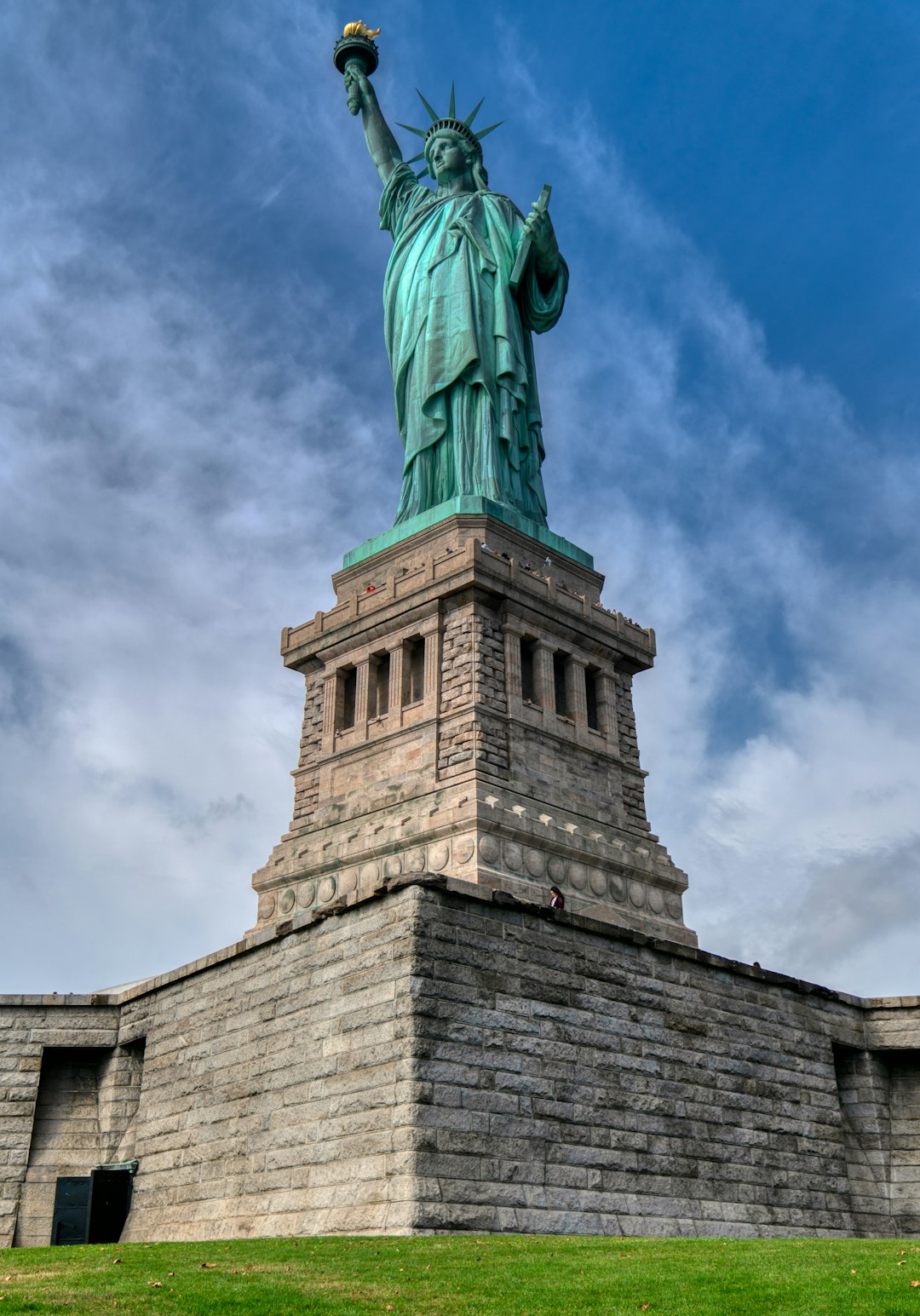
The world’s most recognized symbol of freedom and the American dream was originally intended for Egypt, which ultimately rejected it for being too old fashioned. America’s most iconic symbol was originally meant to be a Muslim woman guarding the newly-opened Suez Canal, with Frédéric Auguste Bartholdi’s first sketch representing an “Egyptian peasant in Muslim garments” and called “Egypt Carrying the Light to Asia.”
The statue was meant to stand at the northern entrance to the Suez Canal as a grand project symbolizing Egypt’s burgeoning industrial development, with Bartholdi’s working title being “Egypt Bringing Light to Asia” and designed as a ninety-foot-tall Egyptian peasant woman with her arm upraised, holding a torch. Unfortunately, Bartholdi’s project was not met with eager anticipation from his Egyptian counterparts, as the country was reeling from expenses spilled into the creation of the canal and deemed the colossal statue too expensive.
When Egypt declined the proposal, Bartholdi had to drop her Islamic robe and transform her into a Roman Goddess, renaming her “Liberty Enlightening the World.” The rejected Egyptian lighthouse became America’s most enduring symbol of freedom, proving that sometimes the best ideas find their true home in unexpected places.
The Eiffel Tower’s Temporary Status and Artistic Hatred
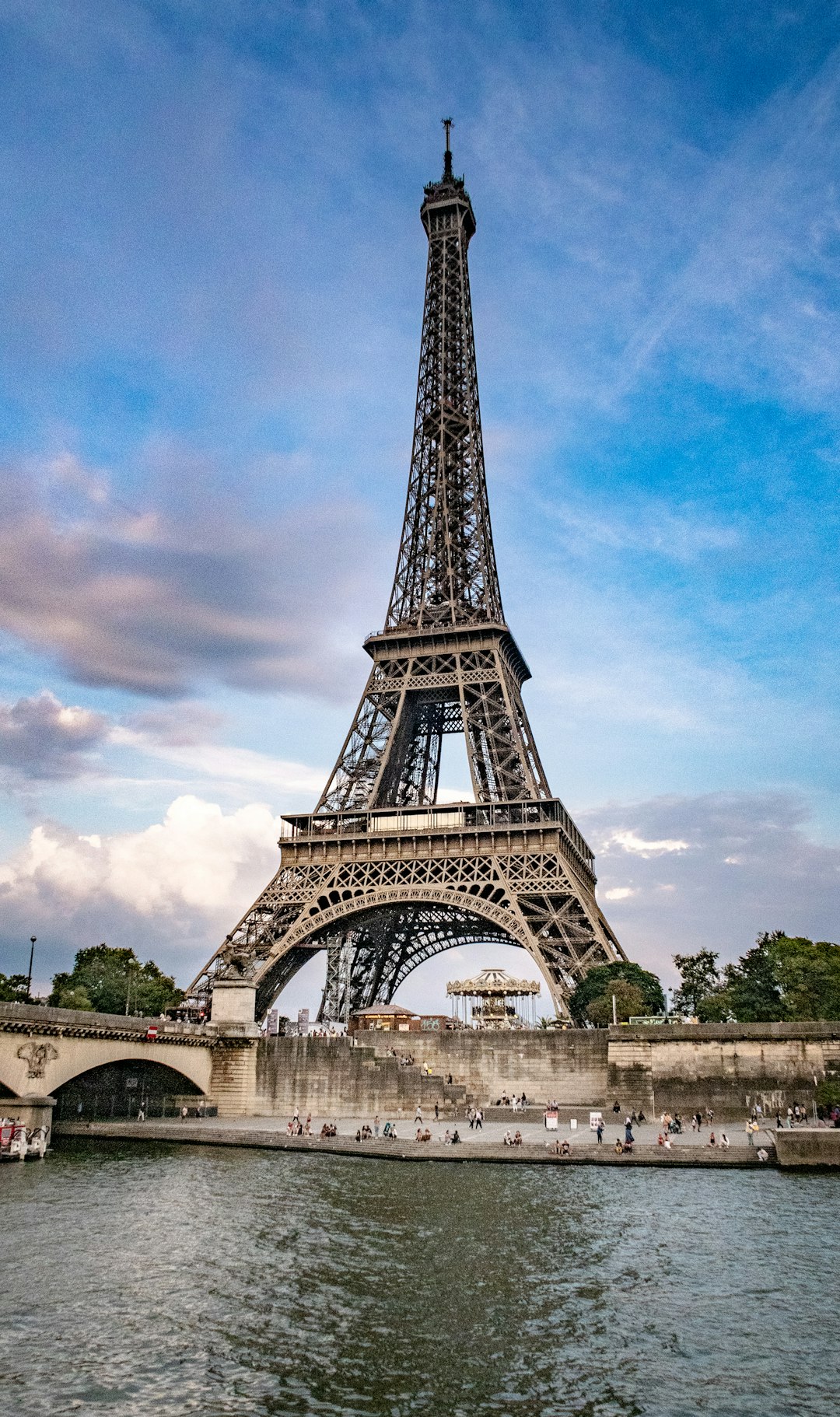
Paris’s most famous landmark was never meant to be permanent – it was literally built as a temporary installation for the 1889 World’s Fair and was supposed to be torn down after just 20 years. The iron structure faced massive opposition from Parisians who considered it an eyesore that would ruin their beautiful city’s skyline. Many prominent artists and writers of the time, including Guy de Maupassant, absolutely despised the tower, calling it an “iron monstrosity” that had no place in the City of Light.
The tower’s survival came down to pure practicality rather than artistic appreciation. As radio technology emerged in the early 1900s, the Eiffel Tower’s impressive height of 324 meters made it the perfect antenna for wireless transmissions. This technological usefulness saved it from demolition and transformed it from a temporary exhibition piece into an essential piece of infrastructure. What started as a hated temporary structure became the most recognizable symbol of France.
Today, the Eiffel Tower attracts over 6 million visitors annually, making it one of the world’s most visited paid monuments. It’s ironic that something once considered so ugly that it needed to be destroyed became a symbol of elegance and romance. Sometimes the most controversial innovations become tomorrow’s treasures.
Stonehenge’s Spontaneous Auction Purchase
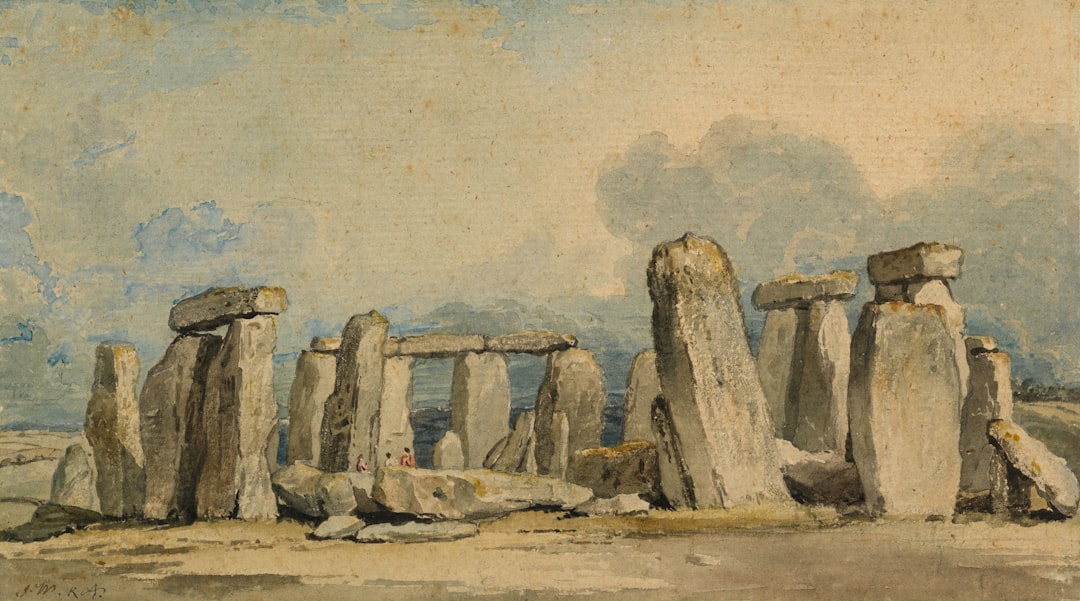
One of the world’s most mysterious ancient monuments was literally bought on a whim at a local auction in 1915. The prehistoric stone circle, which had been privately owned for centuries, was purchased by local businessman Cecil Chubb for just £6,600 – roughly equivalent to about $400,000 today. The purchase was reportedly made because his wife wanted a garden ornament, though what she had in mind was probably something a bit smaller than a 5,000-year-old megalithic monument.
Chubb’s impulsive purchase turned out to be one of the most generous acts in British heritage conservation. Three years after buying Stonehenge, he donated the entire site to the British government, ensuring its preservation for future generations. His spontaneous decision at that auction literally saved one of humanity’s most important archaeological sites from potential private development or neglect.
The businessman’s wife apparently never got her garden ornament, but Britain got one of its most treasured national monuments. Today, Stonehenge attracts over 1.5 million visitors annually and remains a UNESCO World Heritage Site, all because of one man’s impromptu auction bid.
The Leaning Tower of Pisa’s Wartime Military Service
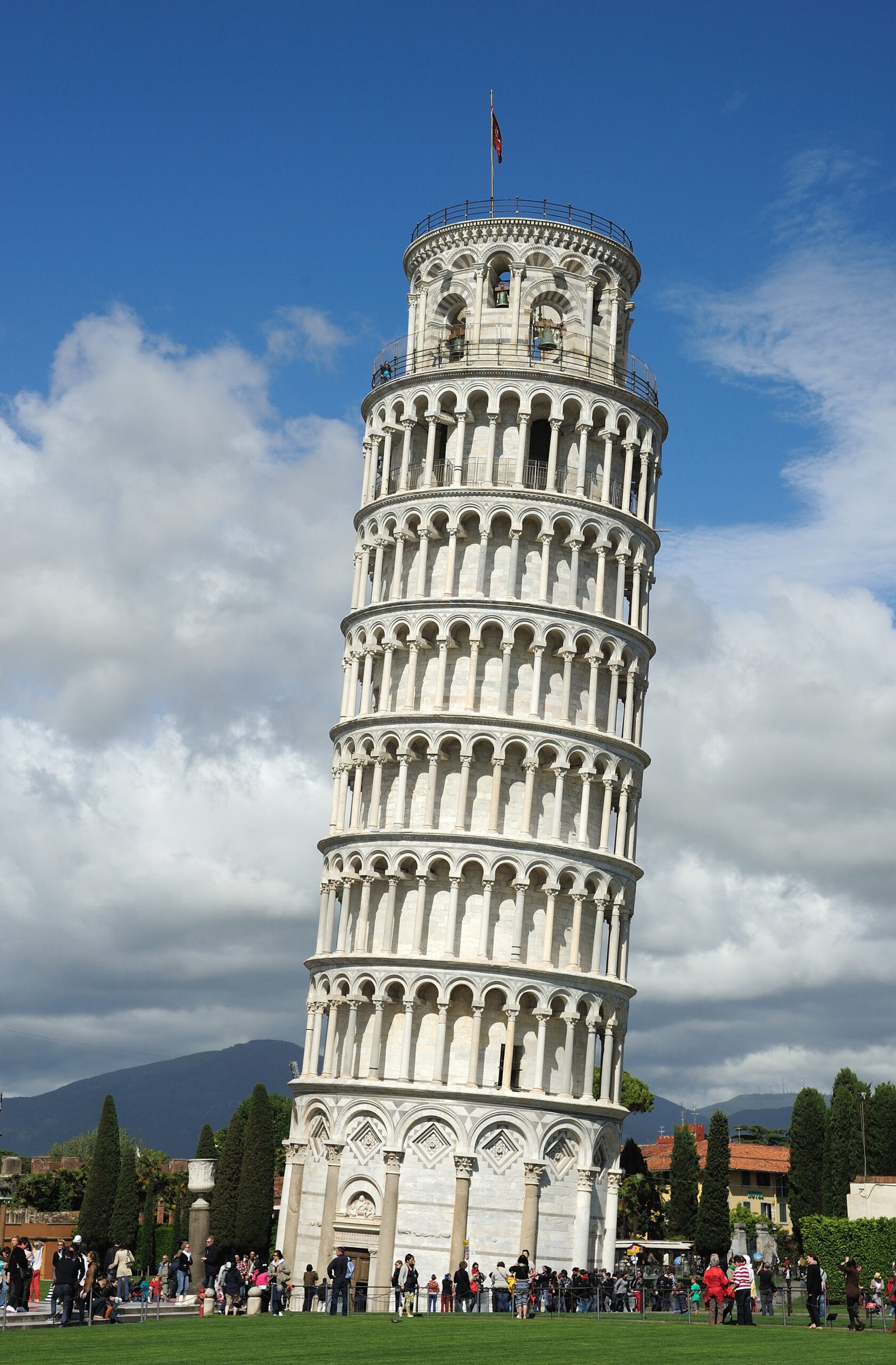
During World War II, the famous Leaning Tower of Pisa served an unexpected role as a Nazi observation post, giving German soldiers a strategic vantage point to monitor Allied movements. The tower’s unique tilt actually provided excellent sightlines across the surrounding countryside, making it valuable military real estate during the Italian campaign. German troops used its elevated position to coordinate defensive operations and spot incoming Allied forces.
Allied commanders faced a terrible dilemma when they discovered the tower’s military use. They could have easily destroyed this strategic Nazi outpost with artillery or bombing runs, but they recognized its immense cultural and historical significance. Instead of bombing the tower, Allied forces chose to work around it, finding other ways to neutralize the German advantage without destroying the 800-year-old architectural marvel.
This wartime restraint saved one of Italy’s most beloved landmarks for future generations. The tower survived the war intact and continues to attract millions of visitors who come to see both its famous lean and its remarkable architectural details. It’s a rare example of cultural preservation taking precedence over military strategy during wartime.
Christ the Redeemer’s Grassroots Funding Campaign
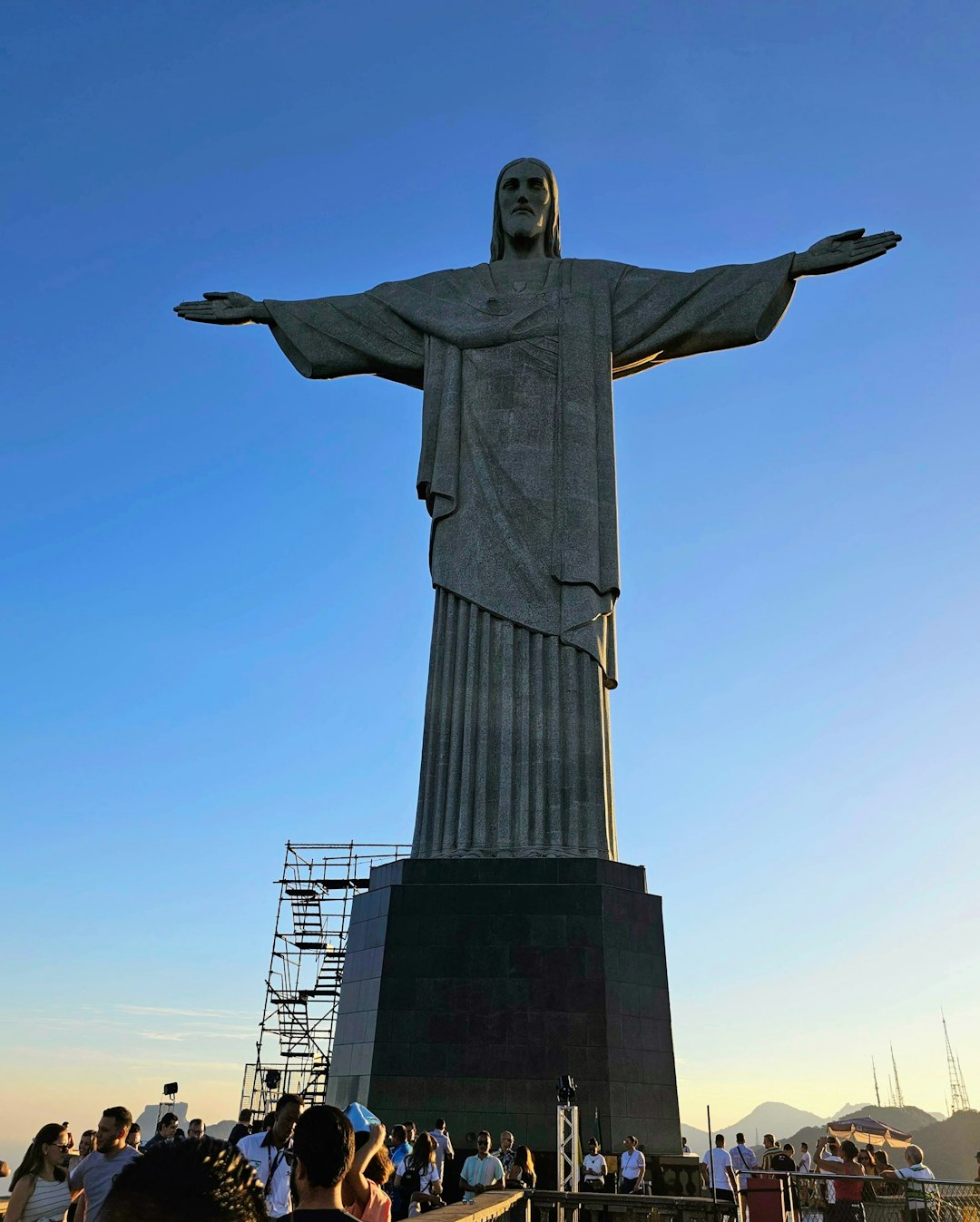
The iconic Christ the Redeemer statue overlooking Rio de Janeiro wasn’t funded by wealthy donors or government budgets – it was built through one of history’s most successful grassroots crowdfunding campaigns. In the 1920s, Brazilian Catholics across the country contributed small donations to make the massive statue a reality. The fundraising effort was so successful that it collected contributions from virtually every social class and region of Brazil.
The statue’s design was chosen through a public competition, making it truly a monument by and for the people. Once the design was selected, the logistical challenge began: how do you transport massive concrete and soapstone pieces up a mountain? Engineers solved this by building a special railway system that could carry the materials up the steep slopes of Corcovado Mountain, piece by piece.
The completed statue stands 98 feet tall on a 26-foot pedestal, with arms spanning 92 feet wide. It took nine years to build and was inaugurated in 1931, becoming one of the New Seven Wonders of the World in 2007. The grassroots funding campaign that made it possible remains a testament to what ordinary people can accomplish when they unite behind a shared vision.
The Great Wall’s Space Visibility Myth
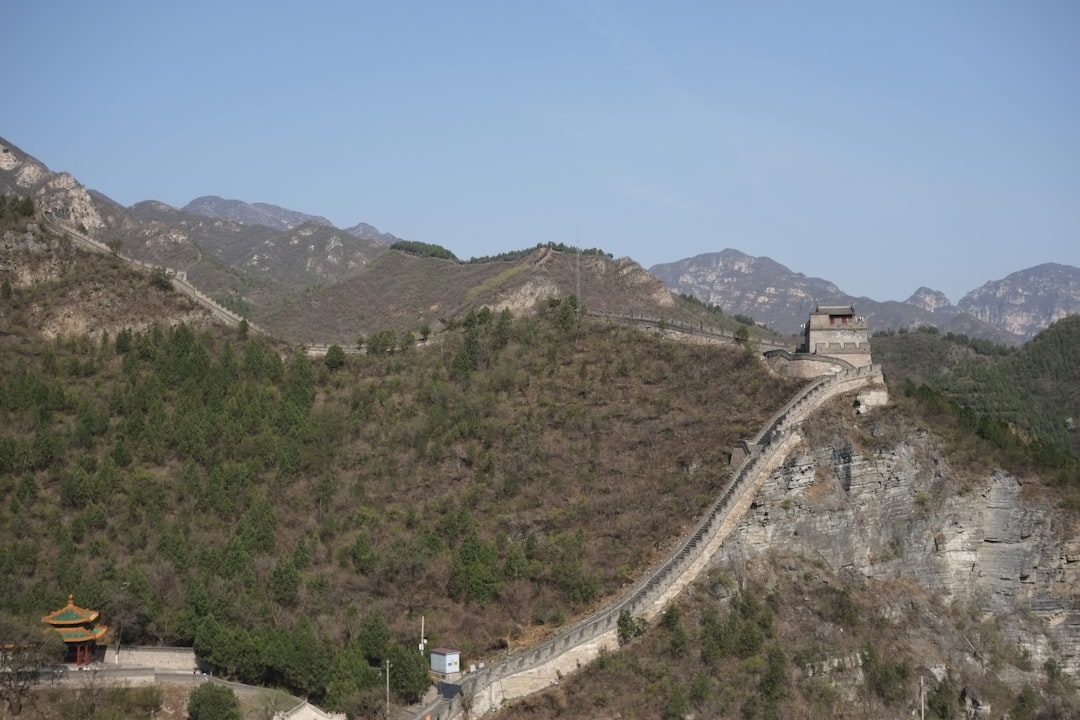
One of the most persistent myths about the Great Wall of China claims it’s the only human-made structure visible from space. This “fact” has been repeated in textbooks, tour guides, and casual conversations for decades, but it’s completely false. Astronauts who have actually been to space consistently report that the Great Wall is barely discernible without aid and certainly not unique in its visibility from orbit.
The reality is that many human-made structures are far more visible from space than the Great Wall. Major cities, highways, airports, and large buildings show up much more clearly than the ancient fortification. The Great Wall’s earthen and stone construction actually blends in quite well with the natural landscape when viewed from hundreds of miles above Earth.
This myth probably persists because it sounds impressive and fits our sense of the Wall’s grandeur. The Great Wall is indeed an remarkable achievement – it stretches over 13,000 miles and took centuries to build – but its visibility from space isn’t what makes it special. Sometimes the most amazing facts about monuments are the ones that are actually true.
The Lincoln Memorial’s Permanent Typo
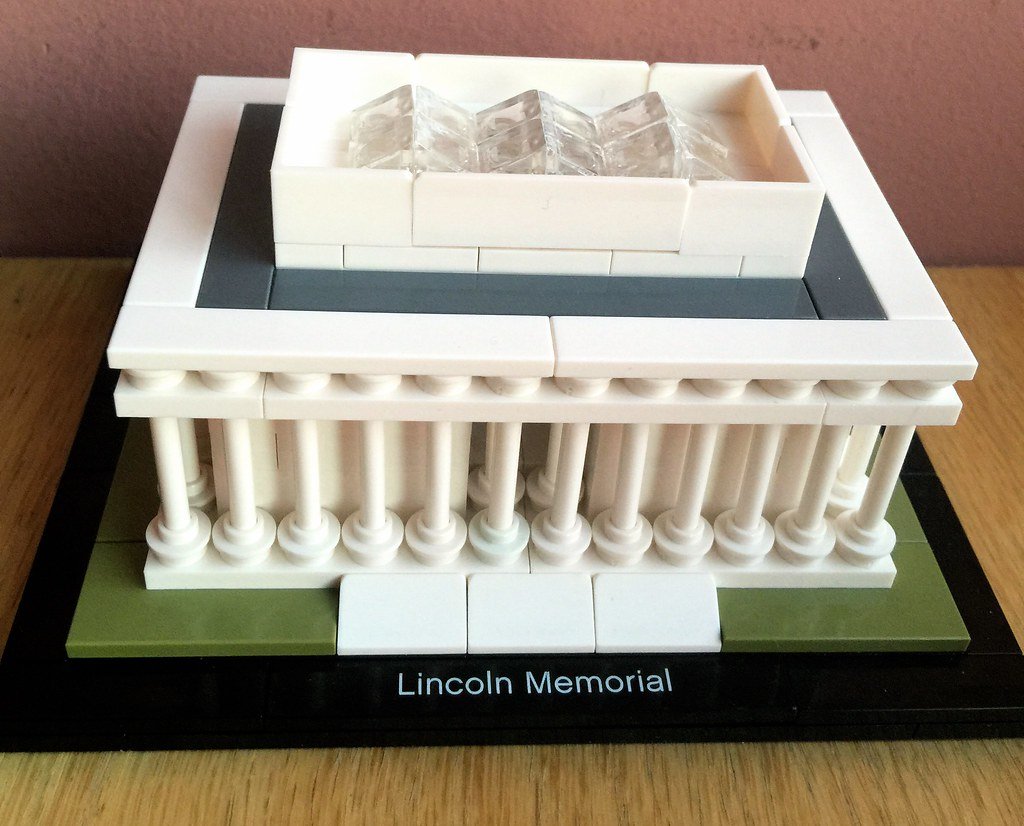
The Lincoln Memorial contains a permanent typo in Abraham Lincoln’s Second Inaugural Address, where the word “future” was initially engraved as “euture,” with park officials believing that artist Ernest C. Bairstow grabbed an “e” stencil instead of an “f,” and while the extra line was filled in, the error remains faintly visible. The typo is found in the north interior wall of the chamber as part of Lincoln’s second inaugural speech that was delivered on March 4, 1865, representing Lincoln’s perspective on his first term and the Civil War.
The worker who possibly grabbed the wrong stencil accidentally chiseled “EUTURE” instead of “FUTURE” when etching the words into the memorial’s north wall, and although the bottom line of the “E” was filled in to correct the flub before the memorial’s dedication, remnants of the misspelling can still be spotted by a discerning eye. Fixing an error carved out of marble is incredibly difficult, as you can’t just edit it like a Word document or erase it like a pencil mark, so despite efforts to patch up the problem, the ghost of the accidental E remains to this day.
Park officials noted that “in a place where iconic memorials can make people seem larger than life, it can be helpful to have a reminder that no one is perfect.” The typo serves as a humble reminder that even our most sacred monuments are created by fallible human hands.
The Taj Mahal’s Misunderstood Purpose
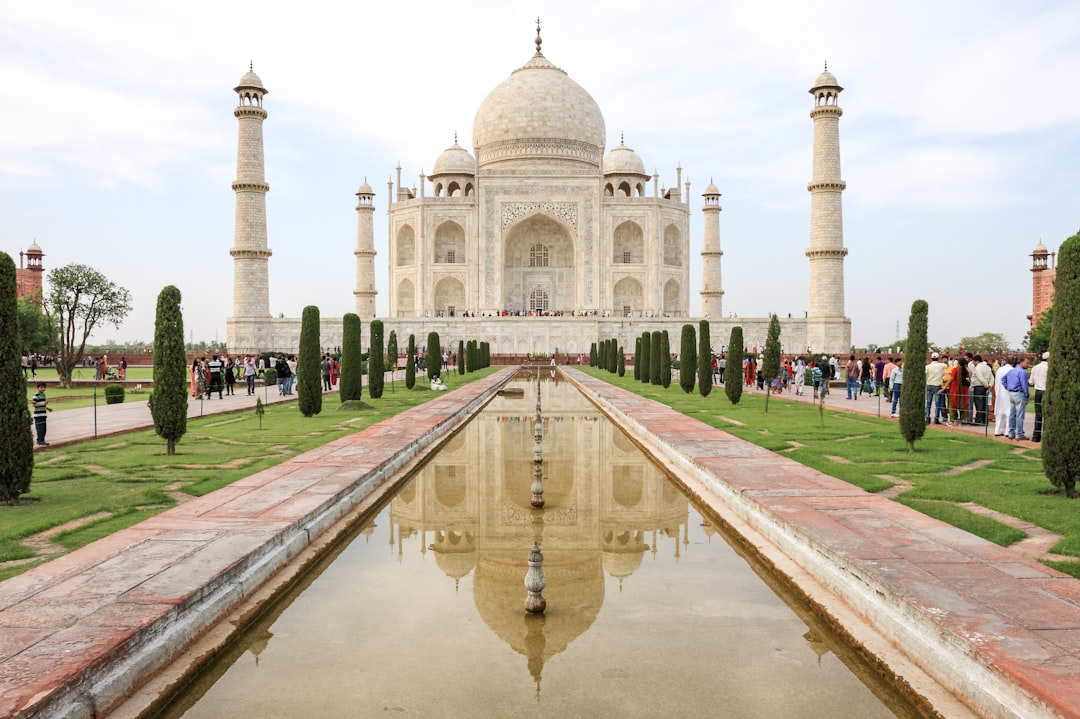
Despite being one of the world’s most famous buildings, the Taj Mahal is constantly misidentified as a palace when it’s actually a mausoleum. Emperor Shah Jahan built this white marble marvel as a tomb for his beloved wife Mumtaz Mahal, who died in 1631 while giving birth to their 14th child. The emperor was so grief-stricken that he decided to create the most beautiful tomb in the world as her final resting place.
The Taj Mahal took over 20 years to complete and employed more than 20,000 workers, including master craftsmen from across the Mughal Empire and beyond. Every detail was designed to reflect paradise as described in Islamic texts, with the white marble symbolizing purity and the intricate inlay work representing the beauty of the afterlife. The entire complex is actually a representation of paradise on Earth.
Shah Jahan originally planned to build a second mausoleum for himself across the river, this one in black marble to create a stunning contrast with the white Taj Mahal. However, his son Aurangzeb deposed him in 1658 and imprisoned him in the Agra Fort, where he spent his final years gazing at his wife’s tomb from his window. He was eventually buried beside Mumtaz Mahal in the Taj Mahal, disrupting the perfect symmetry of the original design.
The Hollywood Sign’s Real Estate Origins
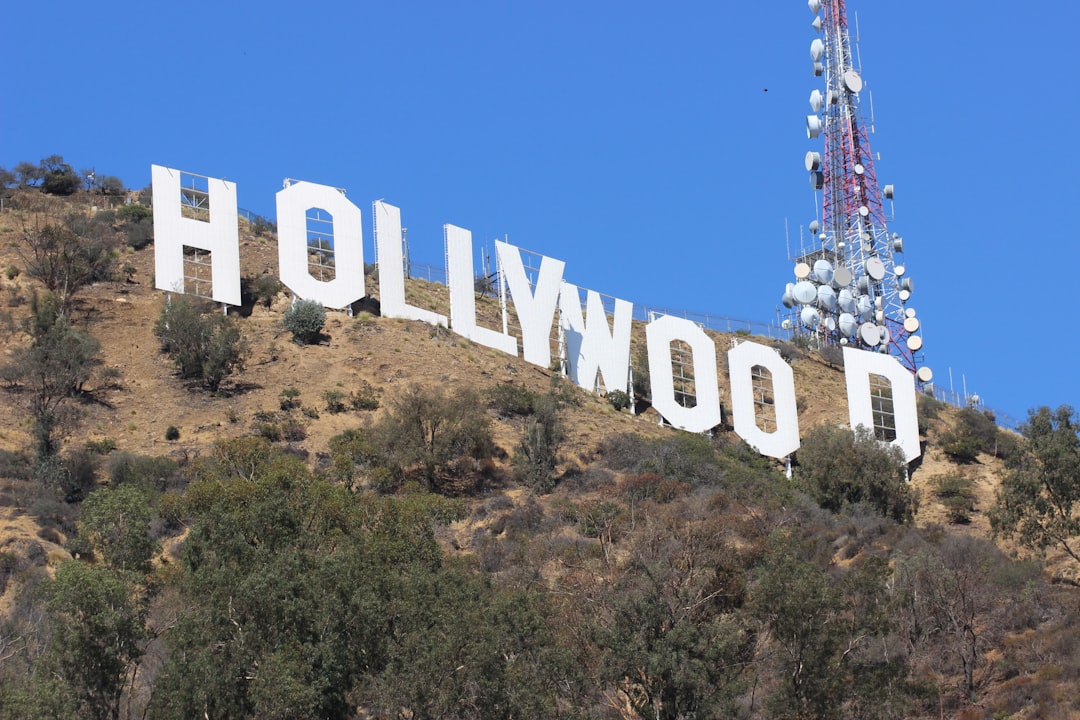
The Hollywood Sign wasn’t created to celebrate the movie industry – it was originally a massive real estate advertisement for a housing development called “Hollywoodland.” Erected in 1923, the sign originally read “HOLLYWOODLAND” in 45-foot-tall letters and was illuminated by 4,000 light bulbs, making it visible from miles away. The sign was meant to last only 18 months but became such an iconic part of the Los Angeles landscape that it remained long after the housing development was built.
The sign underwent several changes over the decades, including the removal of the “LAND” portion in 1949 to simply read “HOLLYWOOD.” By the 1970s, the sign had fallen into serious disrepair, with letters falling down and graffiti covering the remaining structure. The sign was so deteriorated that city officials seriously considered demolishing it entirely.
A celebrity-led fundraising campaign saved the sign in 1978, with donors including Hugh Hefner, Gene Autry, and Alice Cooper each sponsoring individual letters. The campaign raised $250,000 to completely rebuild the sign with more durable materials. Today, the Hollywood Sign is one of the most recognizable symbols in the world, protected by security cameras and surrounded by hiking trails that attract millions of visitors annually.
The Brandenburg Gate’s Stolen Statue
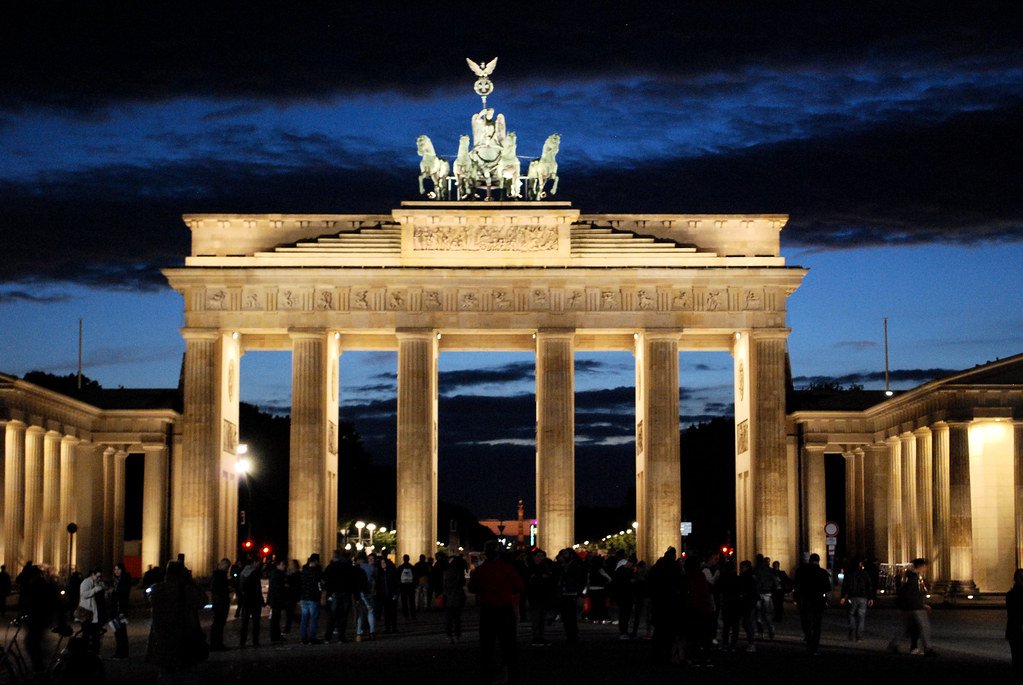
The Brandenburg Gate’s famous Quadriga statue – a chariot drawn by four horses topped with the goddess of victory – was literally stolen by Napoleon after he conquered Berlin in 1806. The French emperor was so impressed by the bronze sculpture that he ordered it dismantled and shipped to Paris as a war trophy. The statue was meant to be displayed in the Louvre as a symbol of French victory over Prussia.
The Quadriga remained in Paris for eight years until Napoleon’s defeat in 1814, when Prussian forces reclaimed it and returned it to its rightful place atop the Brandenburg Gate. When the statue was reinstalled, Prussian officials added an iron cross and an eagle to the goddess’s wreath, transforming her from a symbol of peace into a symbol of military victory. The modifications were meant to commemorate Prussia’s triumph over France.
During World War II, the gate survived heavy bombing but was severely damaged. The Quadriga was restored again in the 1950s, but the Communist East German government removed the iron cross and eagle, considering them symbols of Prussian militarism. After German reunification in 1990, the missing symbols were restored once again, bringing the statue full circle to its post-Napoleonic appearance.
The Sydney Opera House’s Rookie Architect
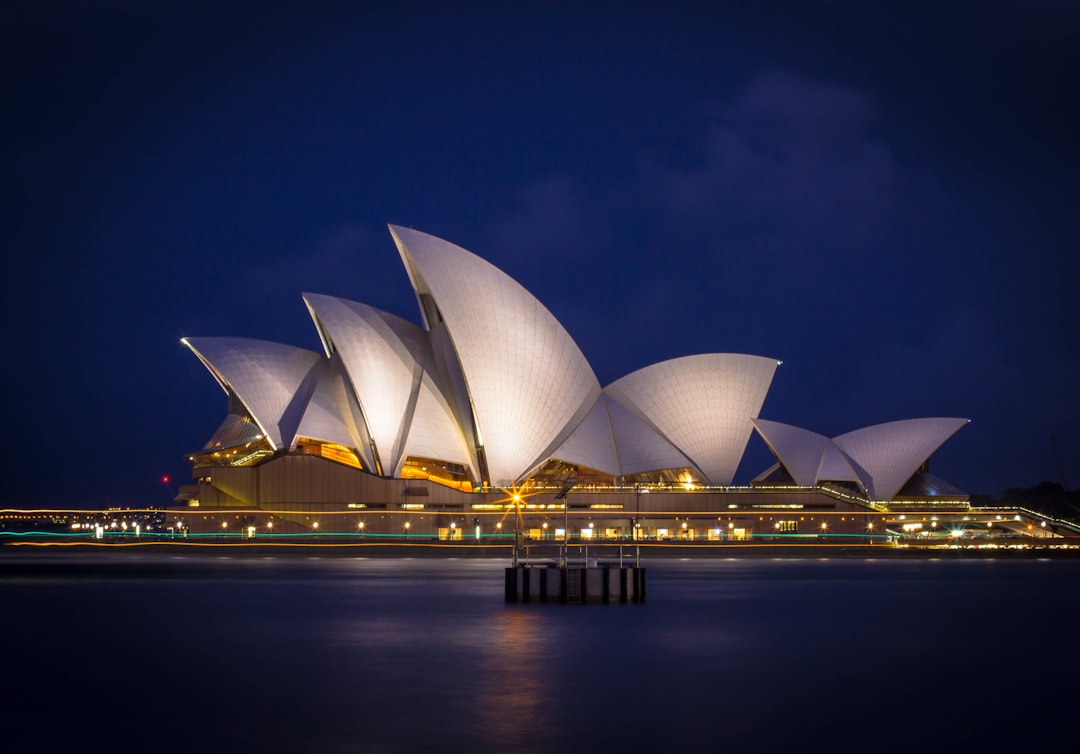
The Sydney Opera House, one of the world’s most recognizable buildings, was designed by Jørn Utzon, a Danish architect who had never completed a major project before winning the international design competition in 1957. Utzon was just 38 years old and had primarily designed houses and small buildings when he submitted his radical shell-like design. His entry was so unconventional that it was initially rejected by the technical advisory panel.
The design was so complex that engineers had to invent entirely new construction techniques to build it. The famous shell-like roof sections were originally supposed to be made from concrete, but the shapes were so complicated that traditional construction methods wouldn’t work. Engineers eventually solved the problem by creating the shells from precast concrete sections arranged in a way no one had ever attempted before.
The project faced massive delays and budget overruns, ultimately taking 14 years to complete and costing 10 times the original estimate. Utzon resigned from the project in 1966 due to political pressure and never returned to see his masterpiece completed. The Opera House finally opened in 1973 and was declared a UNESCO World Heritage Site in 2007, proving that sometimes the most innovative designs require the most patience and persistence.
The Washington Monument’s 23-Year Construction Pause
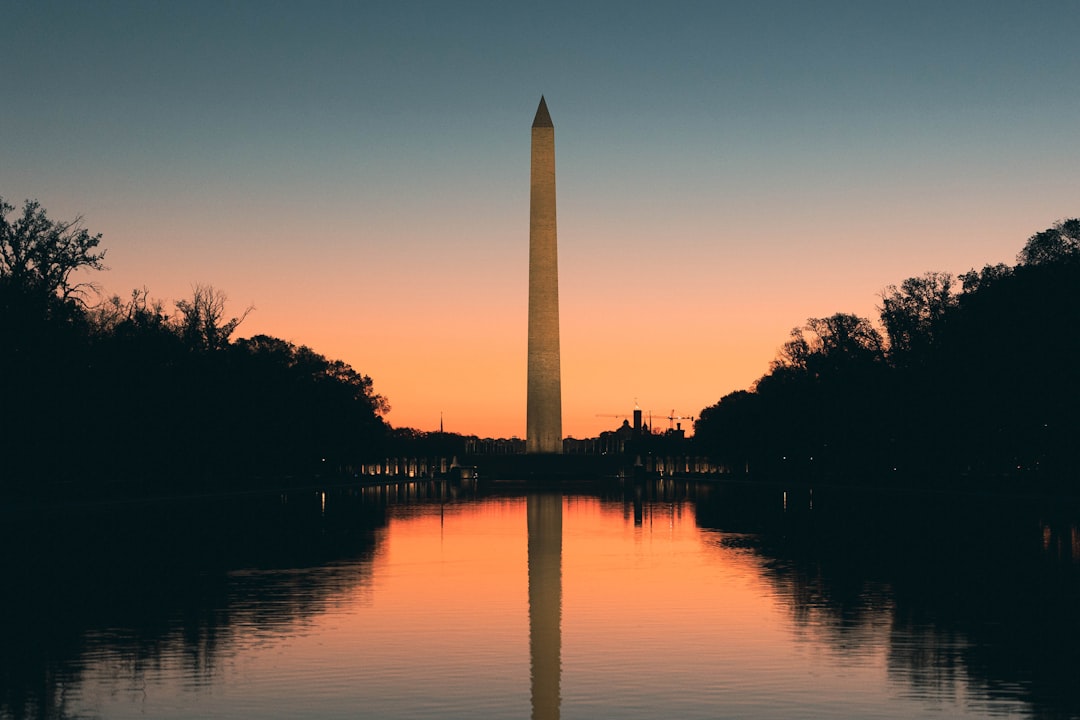
The Washington Monument’s construction was halted for 23 years due to political infighting and lack of funds, leaving the obelisk as an incomplete stub in the middle of the National Mall from 1854 to 1877. The project began in 1848 but ran into trouble when the Know-Nothing Party took control of the Washington National Monument Society and alienated donors with their anti-immigrant and anti-Catholic rhetoric. Public support and funding dried up almost immediately.
When construction finally resumed in 1879, the marble came from a different quarry than the original stone, creating a visible color change about one-third of the way up the monument. The lower section is made from lighter-colored marble, while the upper two-thirds use darker stone, creating a permanent reminder of the construction delay. Engineers couldn’t match the original marble exactly, so they had to proceed with the different-colored stone.
The completed monument stands 555 feet tall and was the world’s tallest structure when it was finished in 1884. The color change that resulted from the construction delay has become one of the monument’s most distinctive features, making it instantly recognizable even from a distance. Sometimes construction problems create the most memorable design elements.
The Colosseum’s Naval Battle Arena
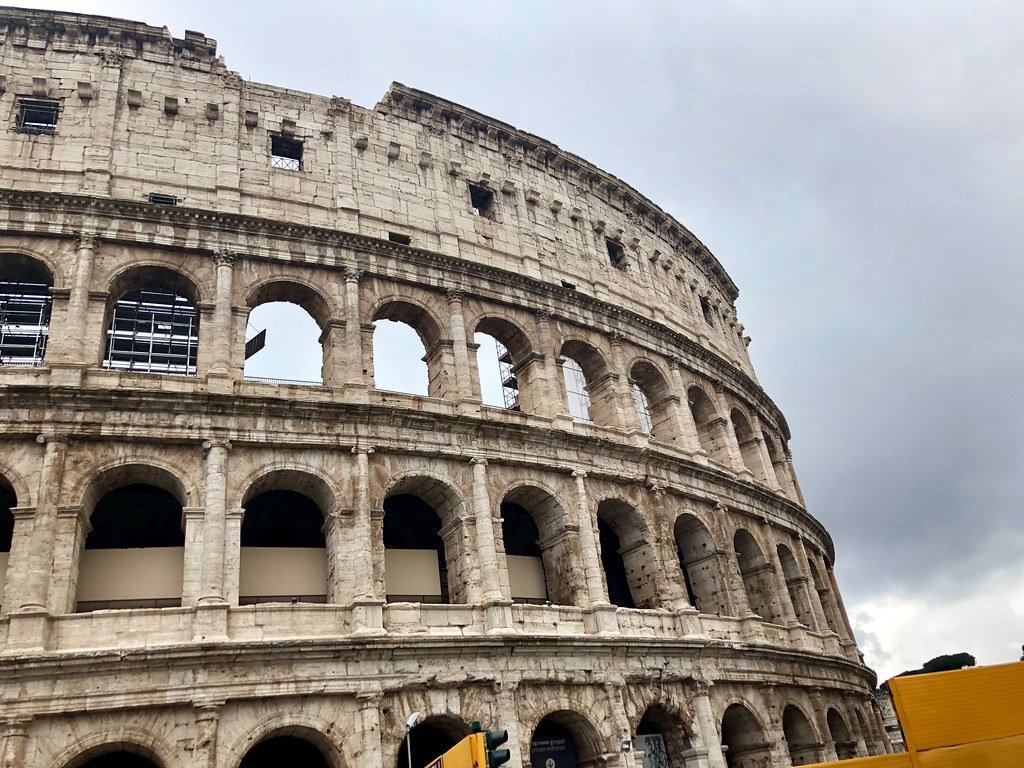
The Colosseum wasn’t just used for gladiator fights – ancient Romans actually flooded the arena to stage elaborate naval battles called naumachiae. These mock sea battles featured real ships, trained fighters, and sometimes even condemned criminals who were forced to fight to the death on the water. The engineering required to flood and drain the massive arena was incredibly sophisticated for its time.
Archaeological evidence shows that the Colosseum had a complex system of aqueducts, drains, and waterproof sealing that allowed it to be filled with several feet of water in a matter of hours. The arena floor could be completely submerged, creating a temporary lake large enough for multiple warships to maneuver and engage in combat. Spectators watched from the surrounding stands as these naval battles recreated famous historical sea fights.
The naval battle shows were eventually discontinued when the underground hypogeum was built beneath the arena floor, making flooding impossible. The hypogeum was a complex network of tunnels, chambers, and elevators used to house gladiators, animals, and stage machinery. While this addition made the gladiator games more spectacular, it ended the era of naval battles that had amazed Roman audiences for decades.
The Moai’s Hidden Bodies
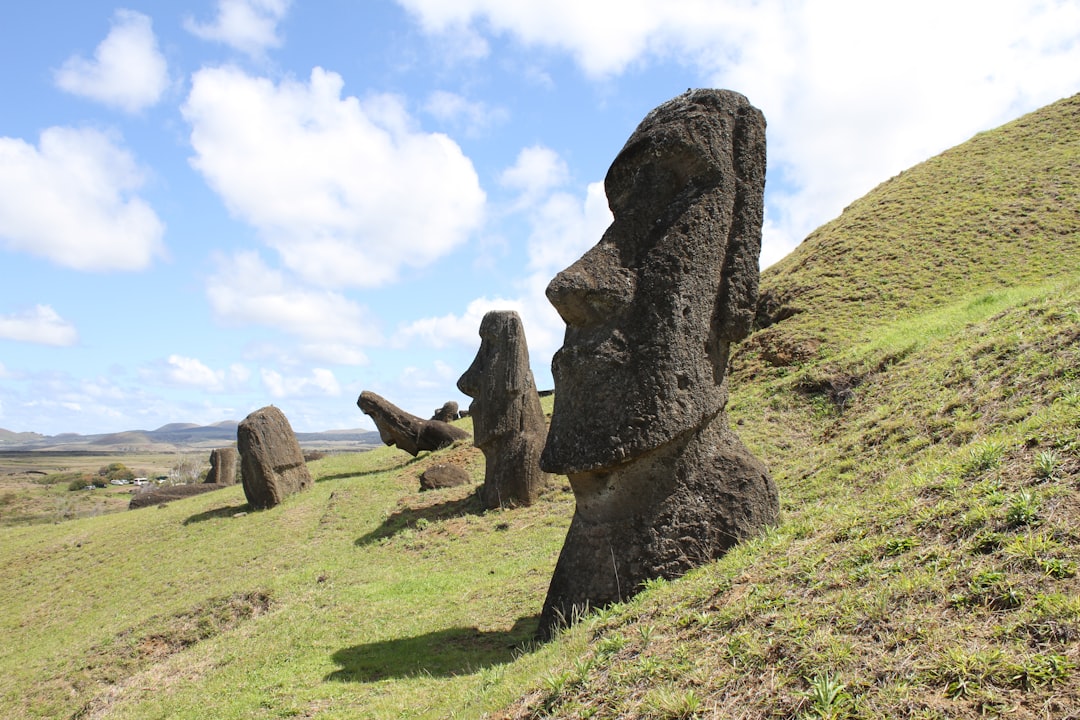
The famous stone heads of Easter Island actually have full bodies that extend deep underground, hidden by centuries of soil accumulation and erosion. These monolithic statues, known as Moai, were carved by the Rapa Nui people between 1250 and 1500 CE, but most people only see the heads because the bodies are buried up to their necks. Recent excavations have revealed that some of the buried bodies are over 30 feet tall when measured from head to base.
The buried portions of the Moai contain intricate carvings and designs that have been perfectly preserved underground for centuries. Some statues have carved hands, elaborate decorations, and even petroglyphs covering their torsos. These hidden details provide crucial insights into Rapa Nui culture and the purpose of these mysterious monuments.
There are nearly 1,000 Moai scattered across Easter Island, with about half of them located around the Rano Raraku quarry where they were carved. The statues were moved across the island using a complex system of ropes and coordinated rocking motion, with some weighing up to 80 tons. The discovery of their hidden bodies has revolutionized our understanding of these ancient sculptures and the sophisticated society that created them.
Conclusion
These 15 national monuments prove that the most fascinating stories are often the ones hidden beneath the surface. From Mount Rushmore’s secret chamber to the Statue of Liberty’s Egyptian origins, each of these iconic structures carries unexpected tales of human ambition, failure, and perseverance. The Lincoln Memorial’s typo reminds us that even our most sacred monuments are created by fallible hands, while the Moai’s buried bodies show us that there’s always more to

Christian Wiedeck, all the way from Germany, loves music festivals, especially in the USA. His articles bring the excitement of these events to readers worldwide.
For any feedback please reach out to info@festivalinside.com
