

- Anticipated Album Releases of 2025: A Musical Journey Awaits - February 22, 2026
- New York City’s Star-Studded Line-Up: 2025’s Must-See Performances - February 22, 2026
- 25 Times Tech Meets Style: The Best Wearable Gear for 2024 - February 22, 2026
Carole King: The Quiet Architect of Pop Music
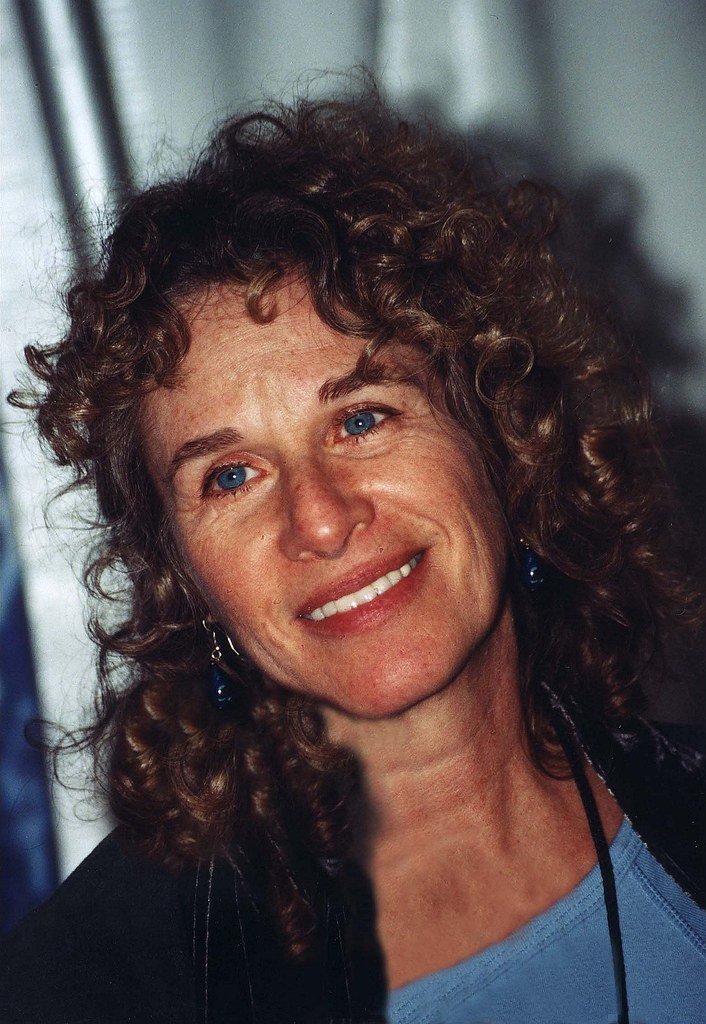
When you hear “(You Make Me Feel Like) A Natural Woman” or “Will You Love Me Tomorrow,” you might think of Aretha Franklin or The Shirelles. But behind those classics stands Carole King, a Brooklyn-born songwriter whose pen shaped the sound of a generation. By the age of 18, King had written her first No. 1 hit, and by the 1970s, she became one of the most successful female songwriters in history. According to the Library of Congress, King wrote or co-wrote 118 pop hits on the Billboard Hot 100 between 1955 and 1999. Her album “Tapestry” spent 15 weeks at No. 1 and sold over 25 million copies worldwide. Despite her fame as a performer, many forget King’s vast influence behind the scenes, quietly crafting the soundtrack of American life.
Cynthia Weil: The Lyricist Who Gave Voices Their Words
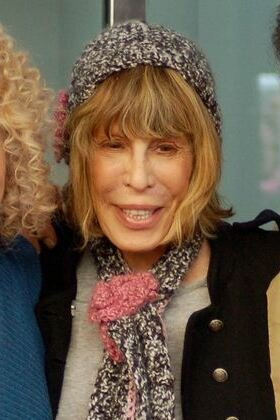
Cynthia Weil’s words have echoed on radios for decades, even if her name isn’t often recognized. Working with her husband, Barry Mann, Weil wrote “You’ve Lost That Lovin’ Feelin’,” the most-played song in radio history according to BMI with over 14 million airplays. Weil’s lyrics gave heart and soul to hits like “On Broadway” and “We Gotta Get Out of This Place.” In 2010, she was inducted into the Rock and Roll Hall of Fame’s Songwriters wing, but she rarely sought the spotlight. Her recent passing in June 2023 sparked renewed appreciation for her role in shaping pop, R&B, and even country music. Weil’s words live on, even as her name stays hidden in liner notes.
Diane Warren: The Ballad Queen Nobody Sees
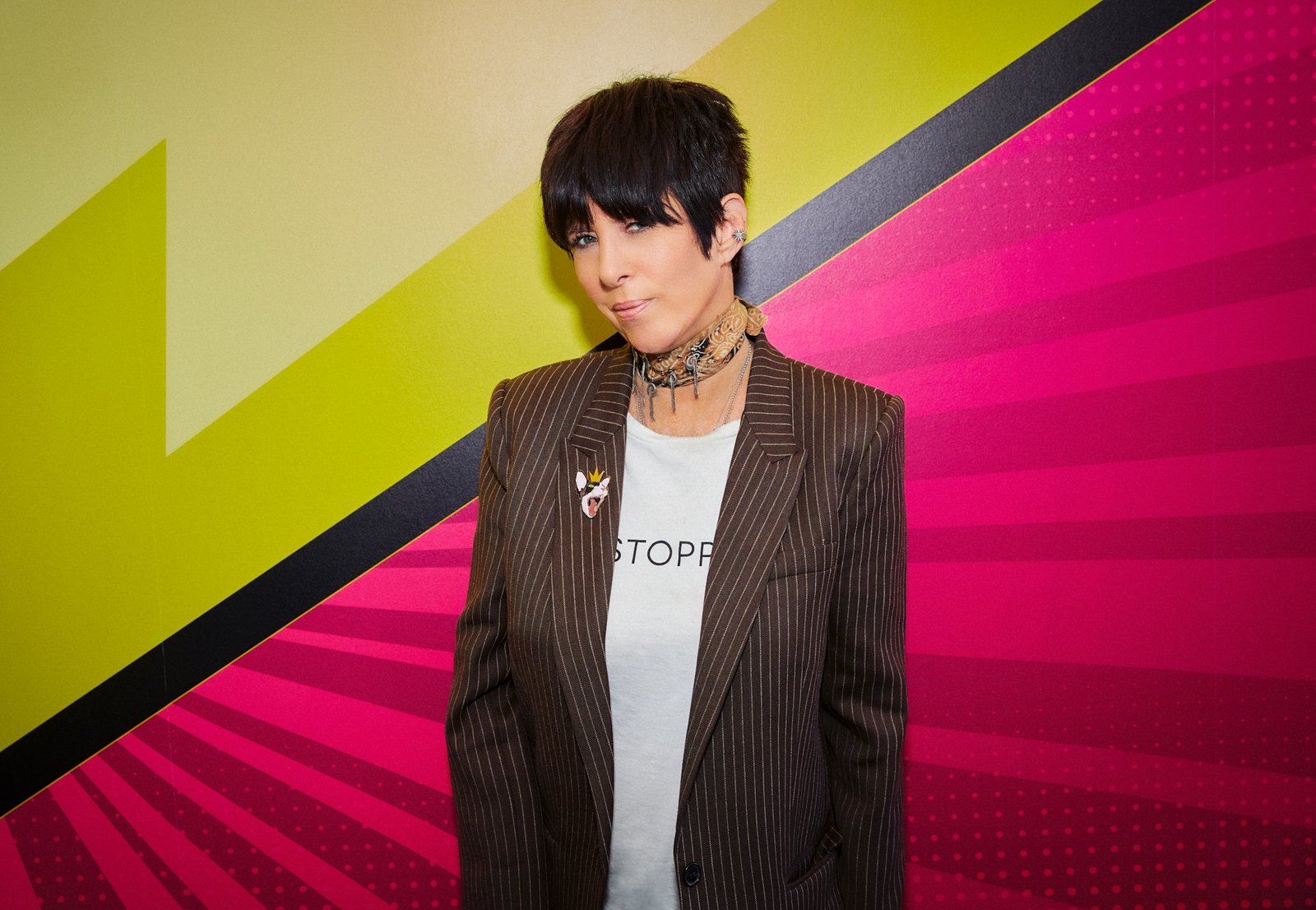
If you’ve ever belted out “Because You Loved Me” or felt chills from “I Don’t Want to Miss a Thing,” you’ve experienced the magic of Diane Warren. With over 100 hits on the Billboard Hot 100 and 15 Academy Award nominations, Warren is one of the most prolific songwriters of all time. According to Billboard, as of 2024, she’s written nine No. 1 hits and 32 top-10 songs. Yet, Warren prefers solitude, often writing alone in her Hollywood office, away from the cameras. Her recent collaboration with Lady Gaga on “Til It Happens to You” brought her first Emmy in 2022. Warren’s melodies and lyrics have powered countless artists to the top of the charts, but she’s content to let the singers shine.
Linda Perry: The Rock Rebel Behind Pop Anthems
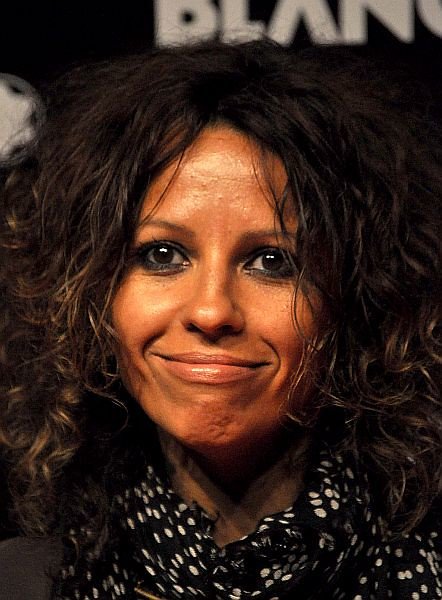
Linda Perry’s journey from fronting 4 Non Blondes to crafting hits for Pink, Christina Aguilera, and Gwen Stefani is nothing short of inspiring. Her raw, emotional songwriting gave Pink’s “Get the Party Started” its punch and Aguilera’s “Beautiful” its vulnerability. Perry has spoken openly about overcoming her own struggles to help others find their voices. In a 2024 interview with Rolling Stone, Pink credited Perry with “changing the direction of my whole career.” Perry’s range and authenticity have made her a sought-after producer and writer, yet she remains largely unknown to the public, often shunning red carpet events for studio sessions.
Holland-Dozier-Holland’s Unsung Hero: Sylvia Moy
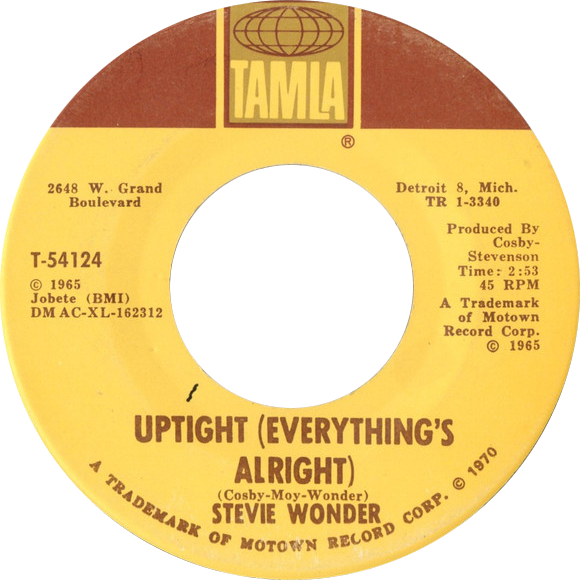
Motown is synonymous with hitmakers, but Sylvia Moy is often overlooked next to the powerhouse trio Holland-Dozier-Holland. Moy was the first female songwriter and producer at Motown, breaking barriers in Detroit’s legendary studio. She co-wrote Stevie Wonder’s “Uptight (Everything’s Alright)” and “My Cherie Amour,” helping launch his adult career. According to the Motown Museum, Moy’s persistence saved Wonder’s contract with Motown when the label considered dropping him. In 2023, her legacy was highlighted in a Detroit Free Press retrospective, showcasing her crucial yet hidden role in Motown’s golden era.
Jessie Mae Robinson: The Blues Pioneer You Never Learned About
Jessie Mae Robinson was the first female African-American member of ASCAP, breaking down racial and gender barriers in the 1940s and 1950s. She wrote “Let’s Have a Party” (popularized by Wanda Jackson and Elvis Presley) and “The Other Woman” for Ray Charles. According to the Songwriters Hall of Fame, Robinson’s work crossed genres, influencing blues, R&B, and early rock and roll. Despite her pioneering role, her name rarely appears in music textbooks. In 2024, several artists paid tribute to Robinson on social media for Black History Month, acknowledging her overlooked impact.
Sharon Sheeley: The Teenager Who Wrote for the Stars
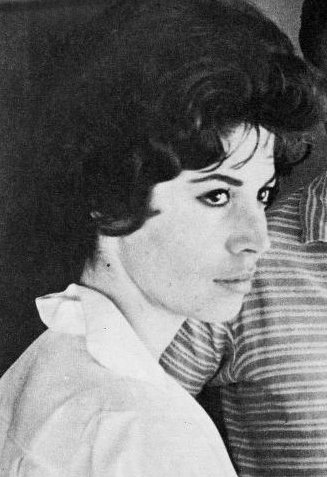
At just 18, Sharon Sheeley wrote “Poor Little Fool” for Ricky Nelson, making her the youngest woman to pen a No. 1 hit on the Billboard Hot 100. Sheeley later collaborated with Eddie Cochran and Gene Vincent, helping to shape the early sound of American rock. According to a 2023 NPR feature, Sheeley’s career was cut short by a tragic car accident, but her influence lingers in the rebellious spirit of rock. Sheeley often faced industry sexism, but her boldness paved the way for future women songwriters.
Estelle Axton: The Mother of Memphis Soul
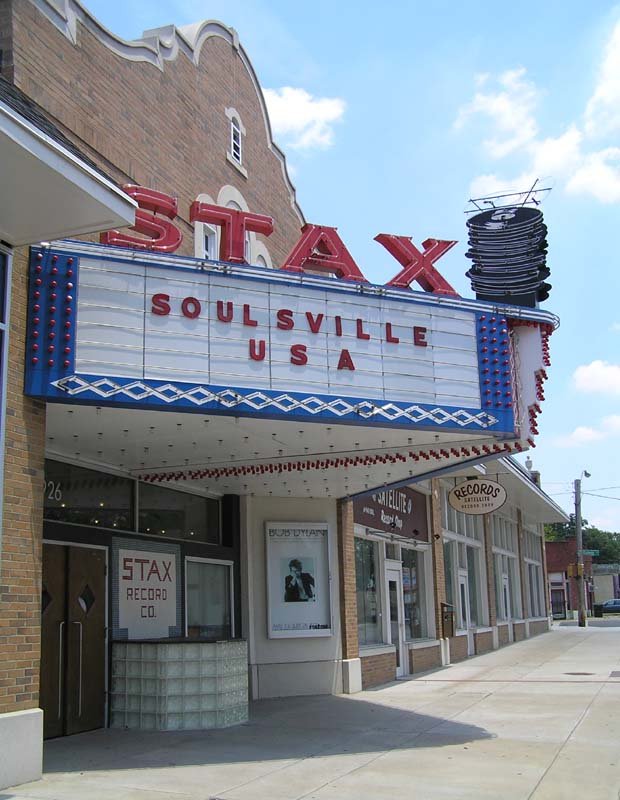
Estelle Axton co-founded Stax Records, home to Otis Redding, Isaac Hayes, and Booker T. & the MG’s. While her brother Jim Stewart is often credited as the founder, Axton’s business savvy and musical instincts built the label’s sound. According to the Stax Museum, Axton mortgaged her house to buy a recording lathe and mentored young artists in the studio. Her role as a behind-the-scenes matriarch earned her the nickname “the godmother of soul.” In 2025, Stax Records celebrated its 65th anniversary, spotlighting Axton’s foundational contributions on their official platforms.
Rose Marie McCoy: The Songwriter Whose Catalog Crossed Genres

Rose Marie McCoy wrote more than 850 songs, spanning R&B, country, pop, and gospel. She penned hits for Elvis Presley, Nat King Cole, and Ike & Tina Turner. According to the New York Times, McCoy’s independence was rare—she refused to sign away her publishing rights and ran her own business. In 2024, her music was reissued by Sony Music, sparking renewed interest in her career. McCoy’s ability to cross boundaries and connect with diverse artists set her apart in a business dominated by men.
Pebe Sebert: The Mother Behind Modern Pop Hits

Pebe Sebert is known as Kesha’s mother, but her songwriting credits stretch much further. She co-wrote Dolly Parton’s No. 1 country hit “Old Flames Can’t Hold a Candle to You” and contributed to Kesha’s chart-toppers like “Tik Tok.” Sebert’s resilience through industry changes and personal challenges is remarkable. In a 2023 interview with Billboard, Sebert discussed co-writing with her daughter and their unique dynamic. Sebert’s story is a reminder that some of America’s biggest songs come from unexpected places—sometimes, even from a mother’s living room piano.

Besides founding Festivaltopia, Luca is the co founder of trib, an art and fashion collectiv you find on several regional events and online. Also he is part of the management board at HORiZONTE, a group travel provider in Germany.
