

The Night that Changed History: September 13-14, 1814

Most people don’t realize the United States almost lost Baltimore in the War of 1812. On the night of September 13, 1814, British warships pounded Fort McHenry with rockets and bombs for 25 hours straight. The city’s fate hung by a thread, and locals spent the night anxious and afraid, unsure if dawn would bring freedom or defeat. The shelling was so intense that Baltimore’s windows rattled, and the sky turned red from the relentless bombardment. By morning, the fort still stood. The giant American flag flying above it sent a clear message: Baltimore had survived. This night is what inspired the words to “The Star-Spangled Banner.”
Francis Scott Key: The Accidental Witness

Francis Scott Key wasn’t a soldier or a politician. He was a 35-year-old lawyer sent to negotiate the release of an American doctor captured by the British. Key found himself trapped on a British ship during the attack, forced to watch helplessly as the city he loved faced ruin. All he could do was pray and wait for morning. As the first rays of sunlight broke through, Key saw the American flag still flying. That sight moved him so deeply he scribbled a poem on the back of a letter. Key later described the “anxious, dreadful uncertainty” of that night, which millions of Americans can relate to in tough times.
The Original Title: “Defence of Fort M’Henry”
Key’s poem wasn’t called “The Star-Spangled Banner” at first. He titled it “Defence of Fort M’Henry.” The poem quickly spread, printed in newspapers and pamphlets across the young nation. People recognized its stirring words and set it to the tune of a popular British song, “To Anacreon in Heaven.” The melody was already well-known from taverns and social clubs, making the song easy to remember and sing. This swift spread showed how deeply Americans identified with their newfound resilience and pride.
The Flag that Inspired a Nation
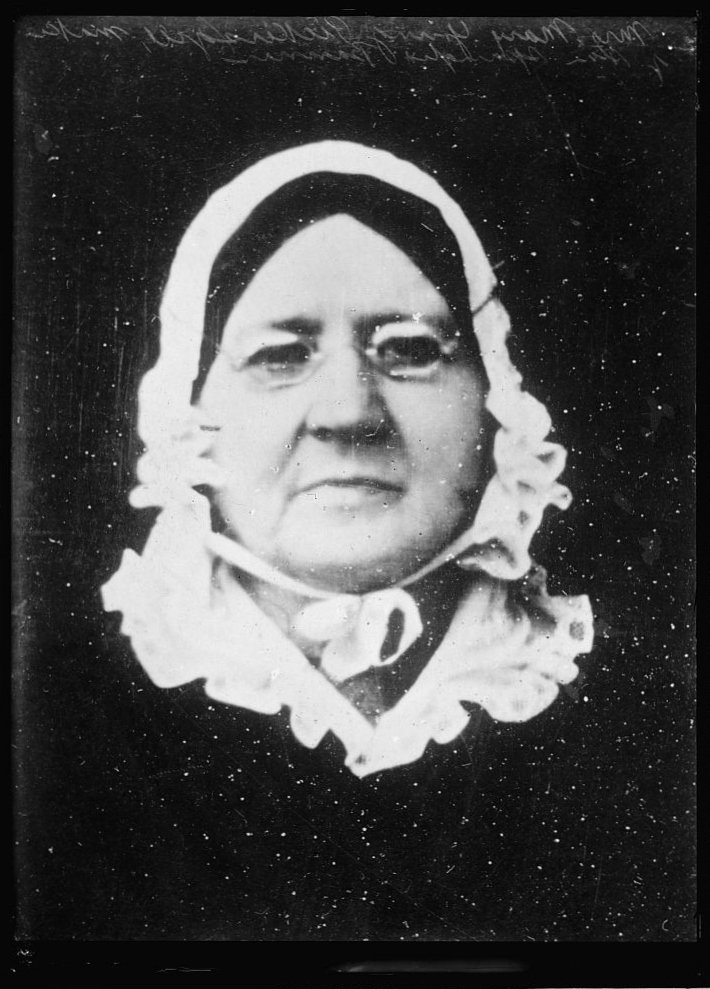
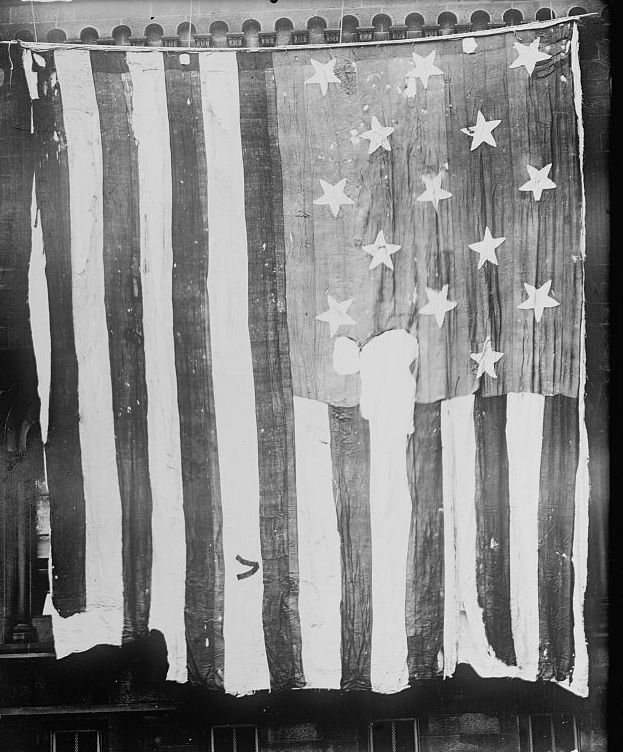
The actual flag Key saw was massive—30 feet by 42 feet—and had 15 stripes and 15 stars, representing the states at the time. It was sewn by Mary Pickersgill, a Baltimore flagmaker, along with her daughter and nieces. The flag was ordered by Major George Armistead, who wanted something “so large that the British will have no difficulty seeing it from a distance.” Today, remnants of this flag are displayed at the Smithsonian’s National Museum of American History. It remains one of the most visited and emotional artifacts in the country.
A Song Born from War

America’s national anthem was literally born from the chaos of battle. Key’s poem describes “the rockets’ red glare, the bombs bursting in air,” details that came straight from what he witnessed. The British used Congreve rockets and explosive shells, brand-new weapons in that era. It was the first time Americans had faced these terrifying, whistling projectiles. The words capture both the horror and hope of a nation fighting for survival, making the anthem a true product of its time.
From Poem to Anthem: The Power of Music
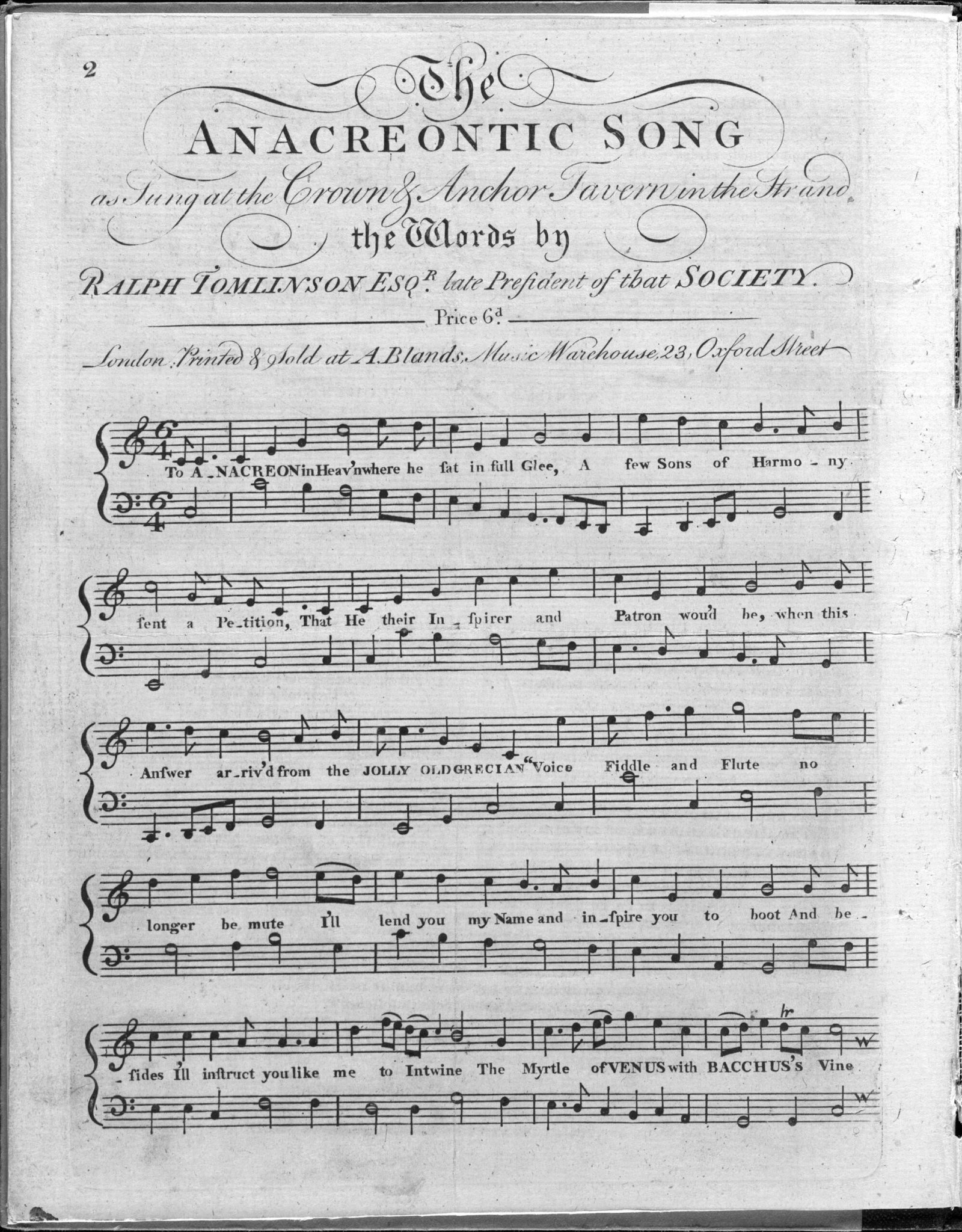
The tune Key chose was anything but easy. “To Anacreon in Heaven” is notoriously difficult to sing, with a wide vocal range. Yet, the melody’s upbeat, almost celebratory feel helped turn the poem into a patriotic anthem. By the late 1800s, it was performed at political rallies and sporting events. The song’s popularity grew organically, showing how a shared story can unite people through music, even if it’s tough to hit those high notes.
Controversy and Criticism
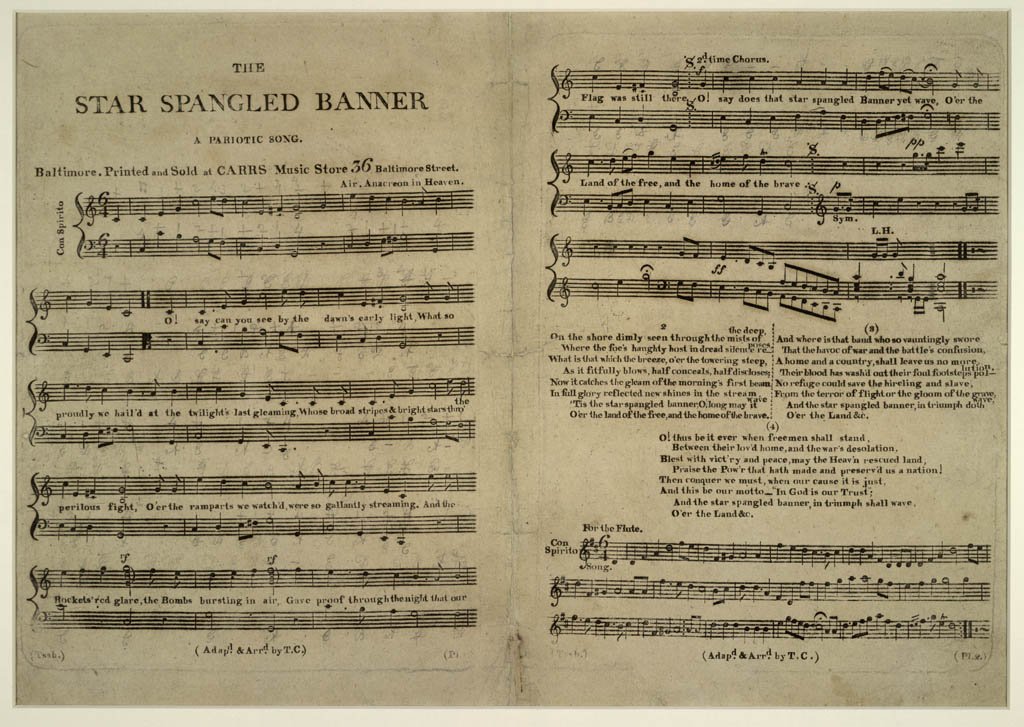
“The Star-Spangled Banner” hasn’t always been loved by everyone. Critics have pointed out that the song’s third and fourth verses, rarely sung today, contain references to slavery and wartime violence. Historians have debated whether these lines reflect Key’s personal views or simply the realities of war. These controversies have sparked debates over the anthem’s meaning, especially in recent years as Americans reconsider their national symbols.
Adoption as the National Anthem
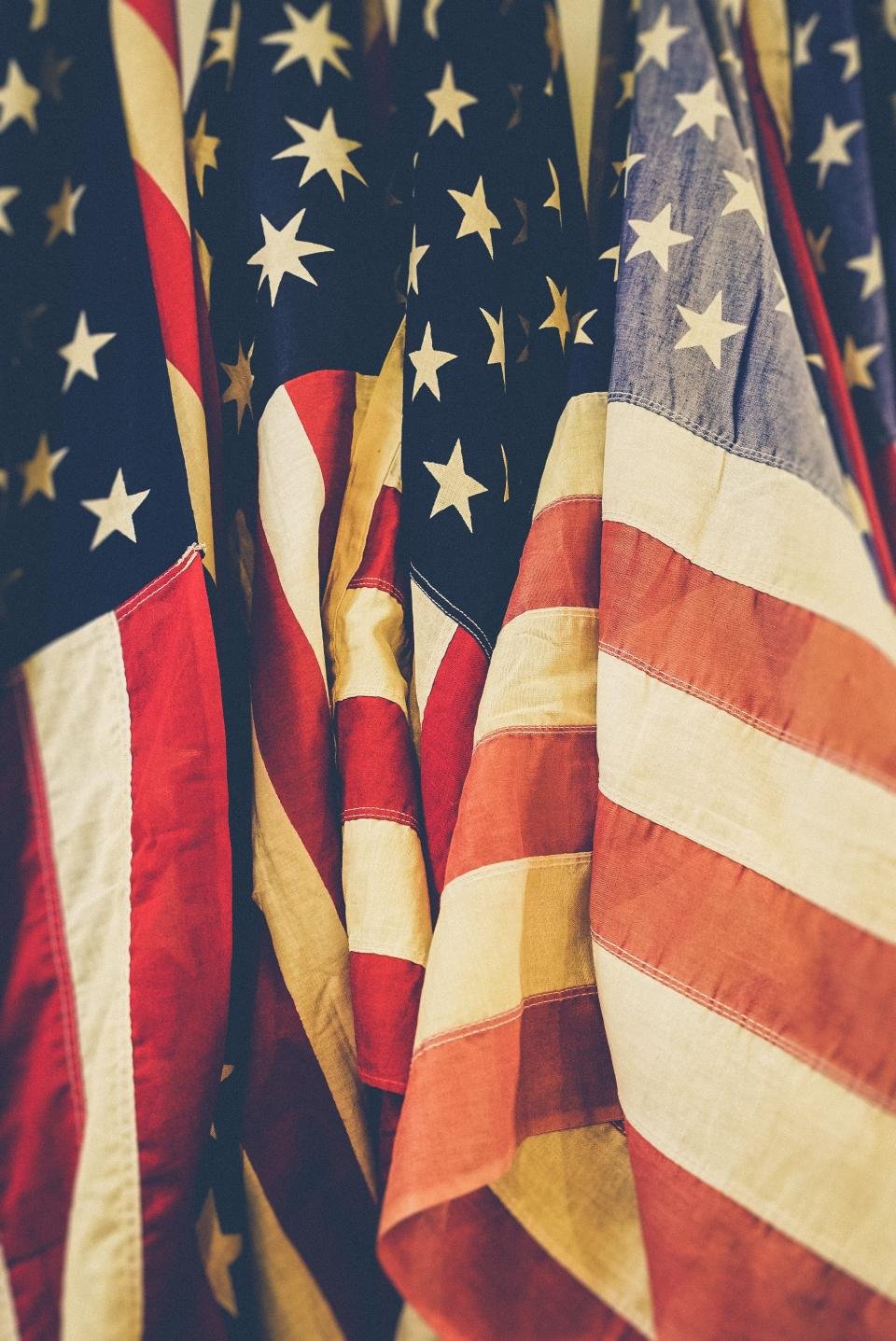
It took more than a century for “The Star-Spangled Banner” to become the official anthem. Other songs like “America the Beautiful” and “My Country, ‘Tis of Thee” were also in the running. Congress finally made it official in 1931, after years of lobbying by patriotic groups and veterans’ organizations. President Herbert Hoover signed the bill into law, saying the song “expresses the spirit of the American people.” Since then, it’s been played at every major event, from presidential inaugurations to the Super Bowl.
The Role of the Anthem in Civil Rights Movements
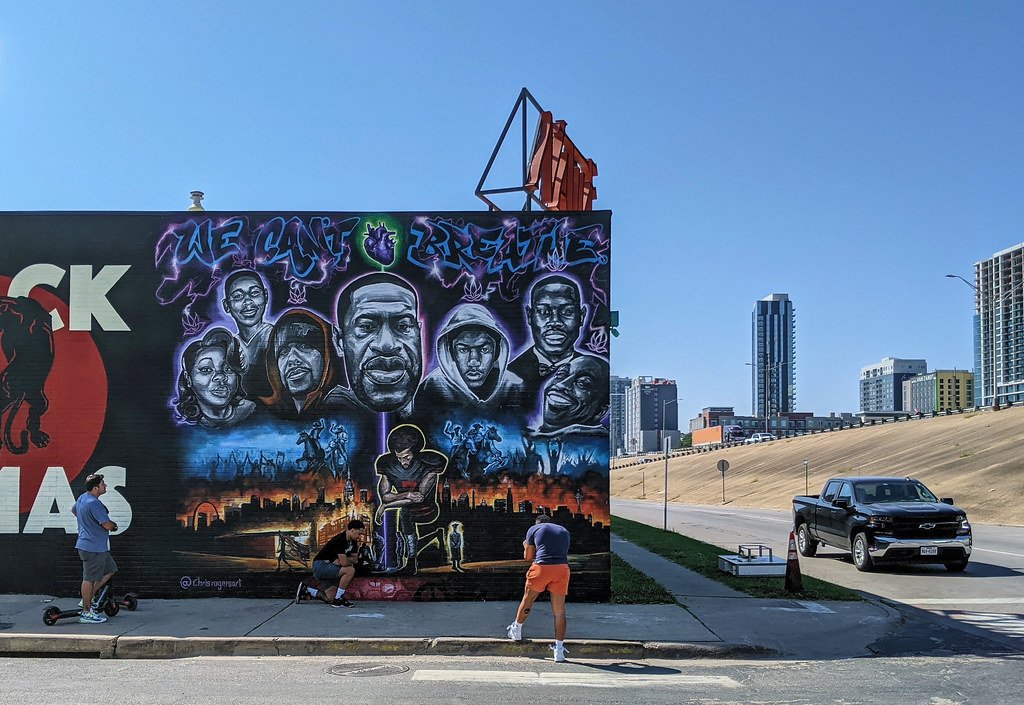
“The Star-Spangled Banner” has been at the center of protest and change. During the 1960s, civil rights activists challenged the anthem’s words and meaning, using it to highlight issues of racial injustice. More recently, athletes like Colin Kaepernick have knelt during the anthem to protest police violence, sparking fierce national debate. These actions show how the anthem remains a living symbol, constantly reinterpreted by generations of Americans.
The Forgotten Verses
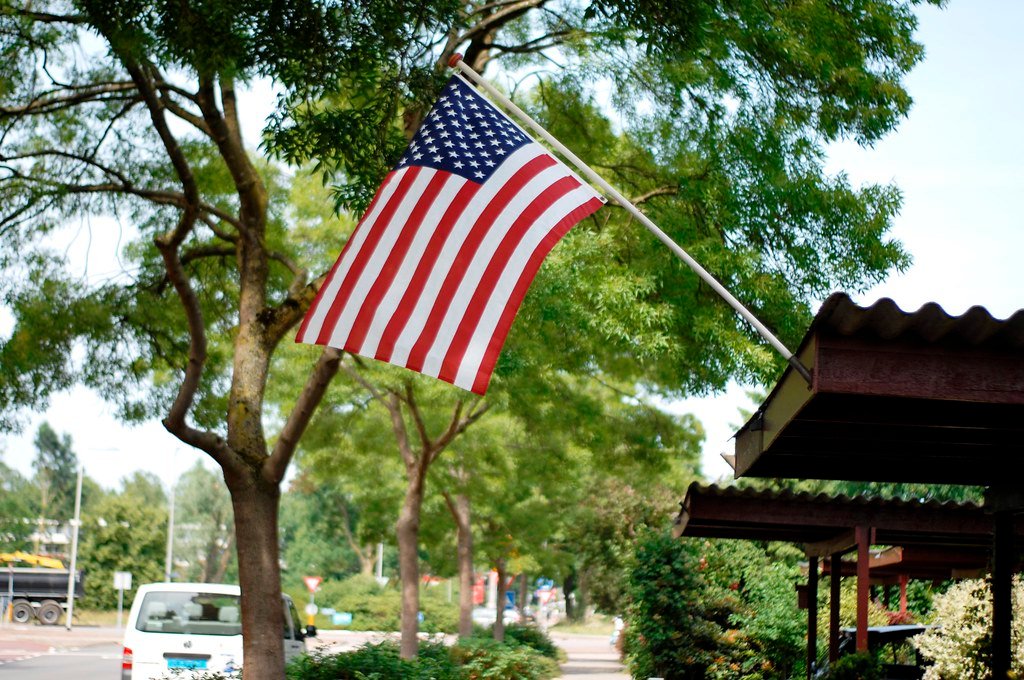
Most people only know the first verse of “The Star-Spangled Banner.” There are actually four verses, each with its own tone and message. The later verses mention God, victory, and “the land of the free.” The third verse, in particular, has been controversial due to its references to “hirelings and slaves.” This complexity reflects the complicated history of the United States itself—proud, flawed, and always evolving.
Scientific Preservation of the Star-Spangled Flag
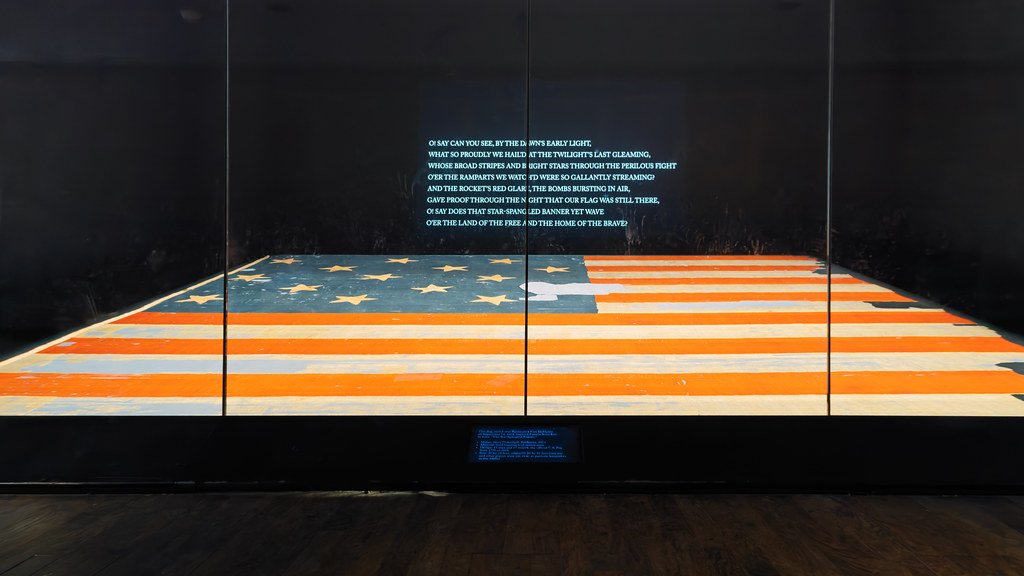
The original flag has suffered from age and exposure. In recent decades, scientists and conservators have worked tirelessly to preserve it. Advanced textile treatments and climate-controlled display cases help keep the fragile fabric intact. According to the Smithsonian, more than 12 million visitors have viewed the flag since its restoration, making it a powerful symbol of resilience and survival.
Anthem Statistics: A Song for All Occasions
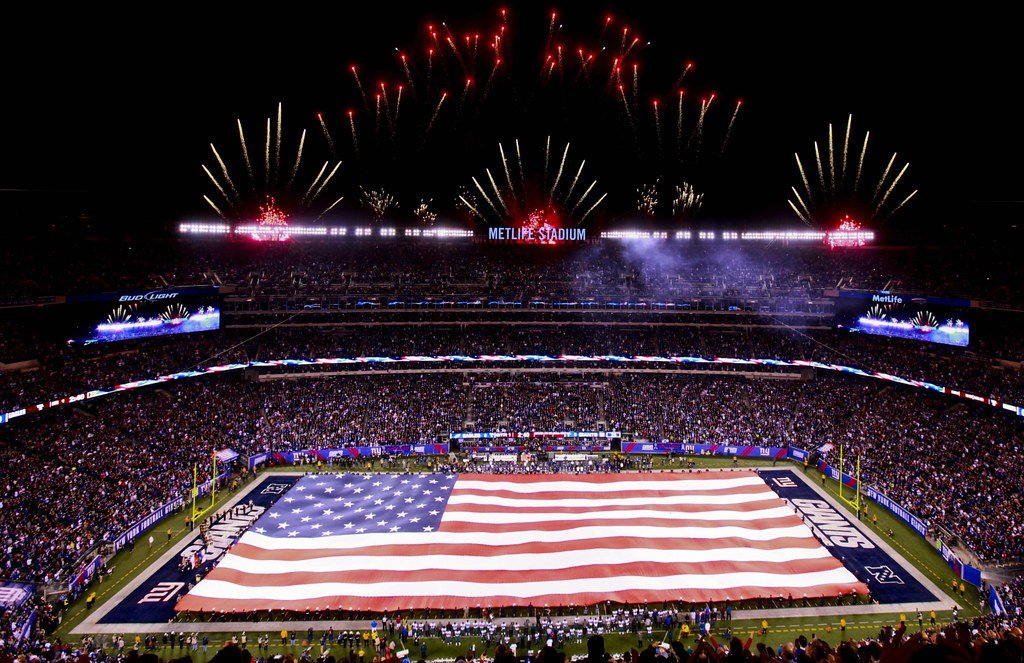
“The Star-Spangled Banner” is played at more than 100,000 events every year in the United States. It’s performed by superstars and schoolchildren alike. A poll by the Pew Research Center in 2024 found that 67% of Americans say the anthem makes them feel proud, even if they don’t always remember the words. This widespread performance keeps the song at the heart of American life.
Modern Recordings and Pop Culture
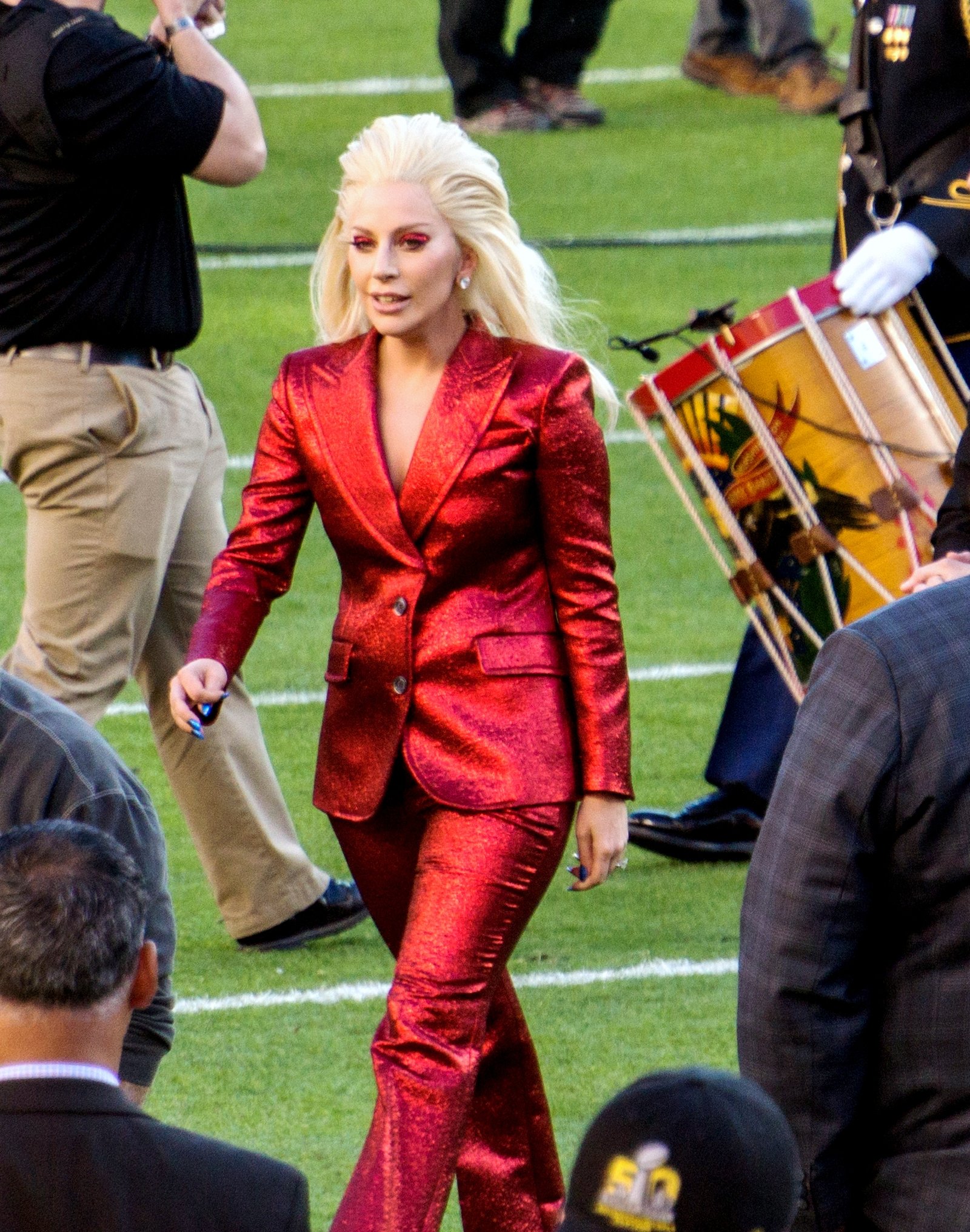
From Whitney Houston’s legendary rendition at the 1991 Super Bowl to Lady Gaga’s powerful performance in 2016, the anthem has inspired countless artists. Each version brings something new—soul, jazz, rock, or even country. The anthem’s appearances in movies, TV shows, and viral videos keep it fresh and relevant. In 2024, a TikTok video of a child singing the anthem at a baseball game went viral, amassing over 20 million views and sparking nationwide conversation.
The Anthem in American Schools
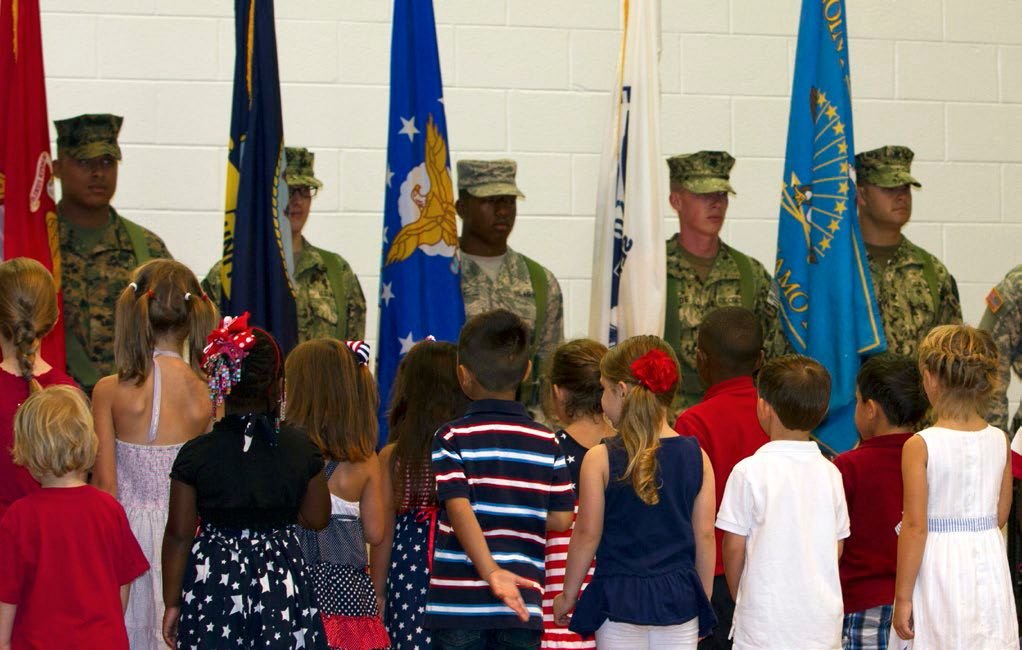
For generations, American children have learned the anthem in school, often singing it at assemblies and sports events. Some schools teach the history behind the song, helping students connect the words to the real events of 1814. A 2023 survey found that 85% of high school students could recite at least the first verse, but only 12% knew about the flag’s maker, Mary Pickersgill. This shows how tradition can sometimes overshadow the deeper story.
International Perspective: How the World Sees America’s Anthem
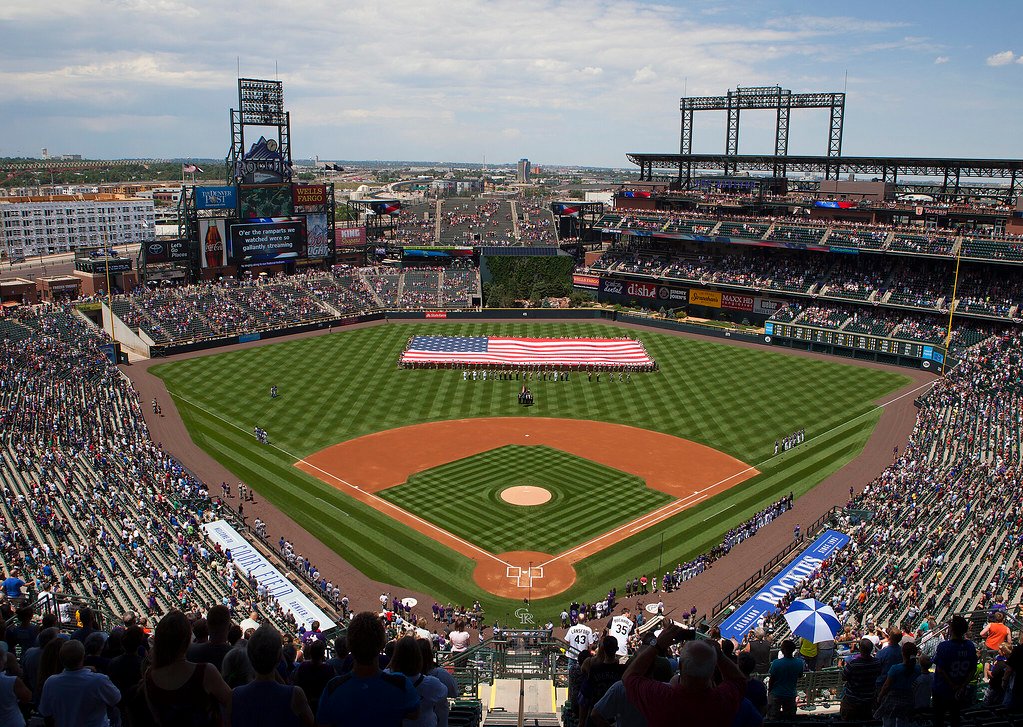
Around the world, “The Star-Spangled Banner” is recognized as a symbol of American resilience and pride. During the Olympics and international summits, the anthem is broadcast to millions. In 2024, a global survey by the BBC found that the American anthem is ranked among the top five most recognizable national anthems, alongside those of France and the United Kingdom. This global recognition underscores its lasting impact.
The Psychology of Patriotism
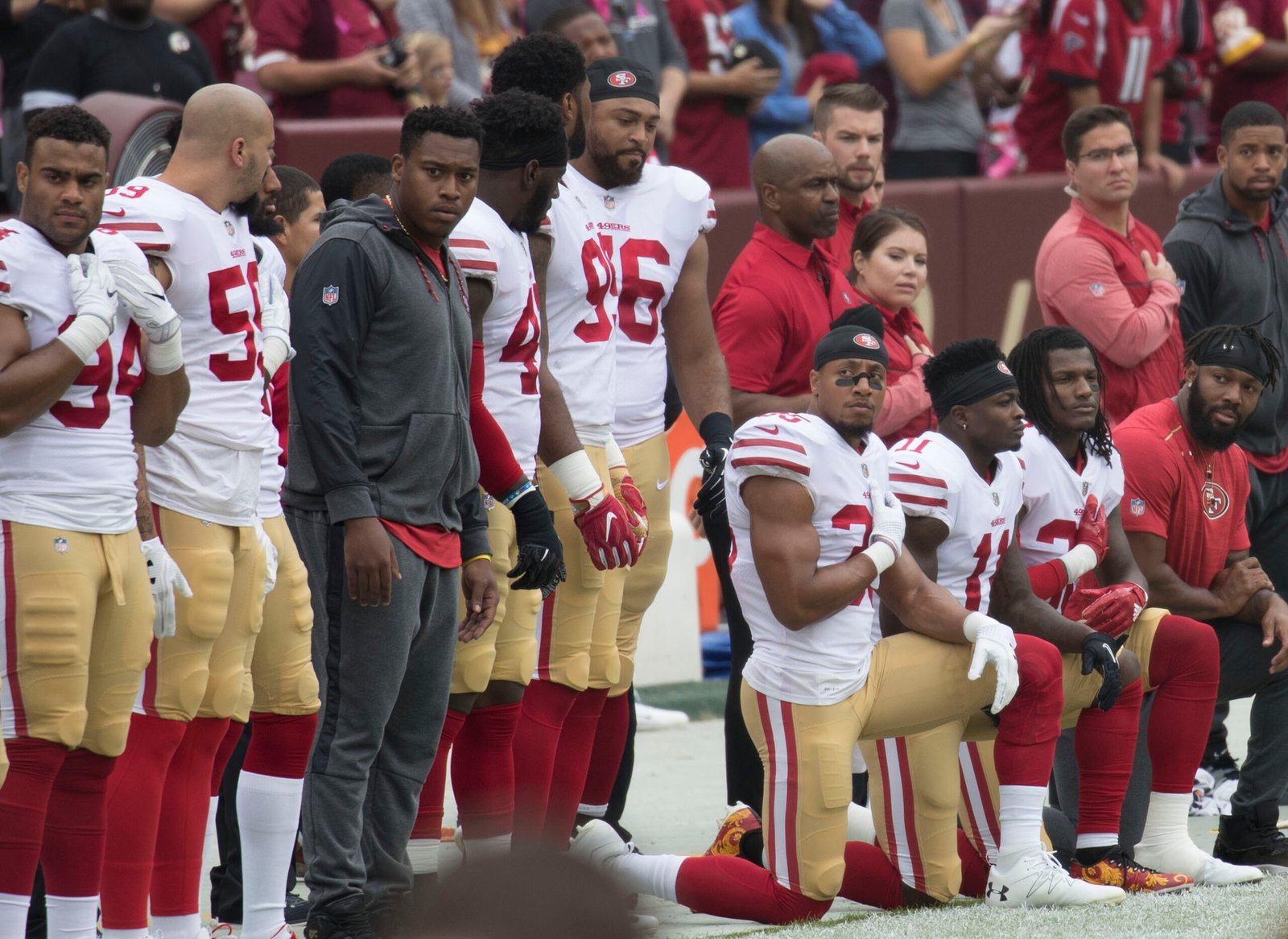
Researchers have studied how national anthems affect our emotions. A 2022 study by the American Psychological Association found that hearing the anthem can increase feelings of unity and belonging. The combination of melody, lyrics, and ritual creates a sense of shared identity. Psychologists believe this emotional response is especially strong during times of crisis or national celebration.
Renditions Gone Wrong: Anthem Mishaps
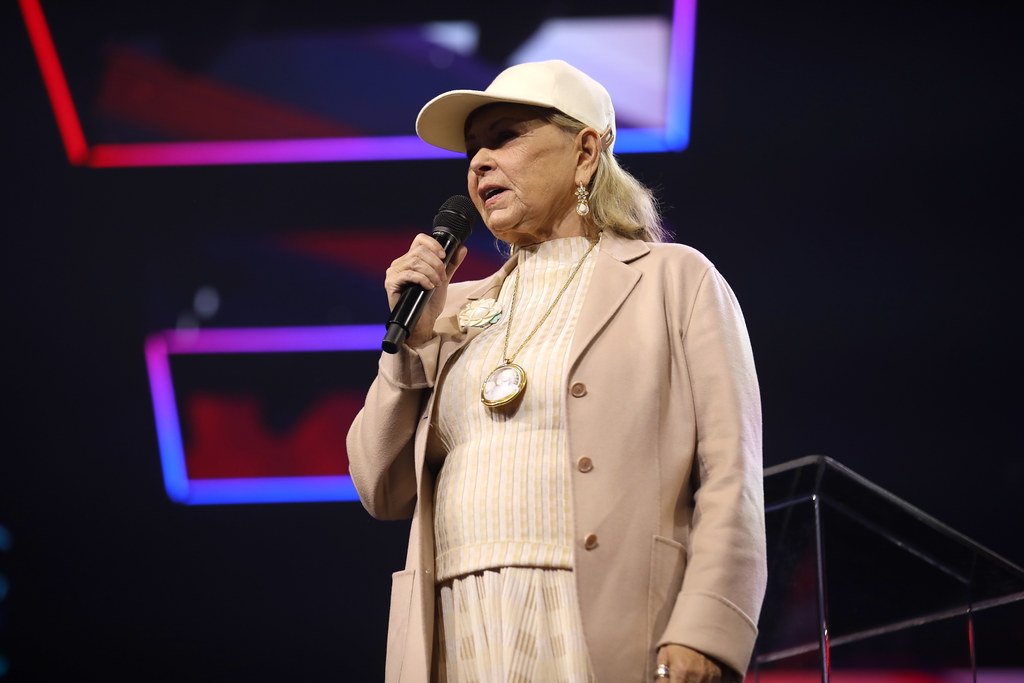
Performing “The Star-Spangled Banner” live is risky. Forgotten lyrics, off-key notes, and technical glitches are common. One infamous example is singer Roseanne Barr’s 1990 baseball performance, which drew national outrage for its irreverent style. Even the most seasoned performers admit to feeling nervous before taking on the anthem. These mishaps remind us that, for all its grandeur, the song is still a very human tradition.
Military and the Anthem
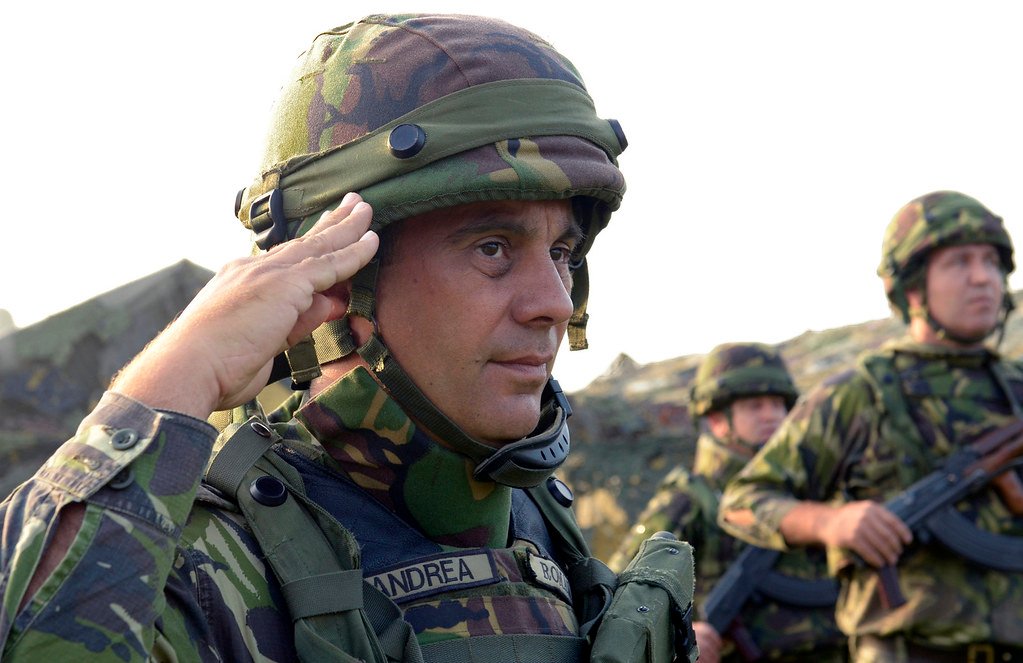
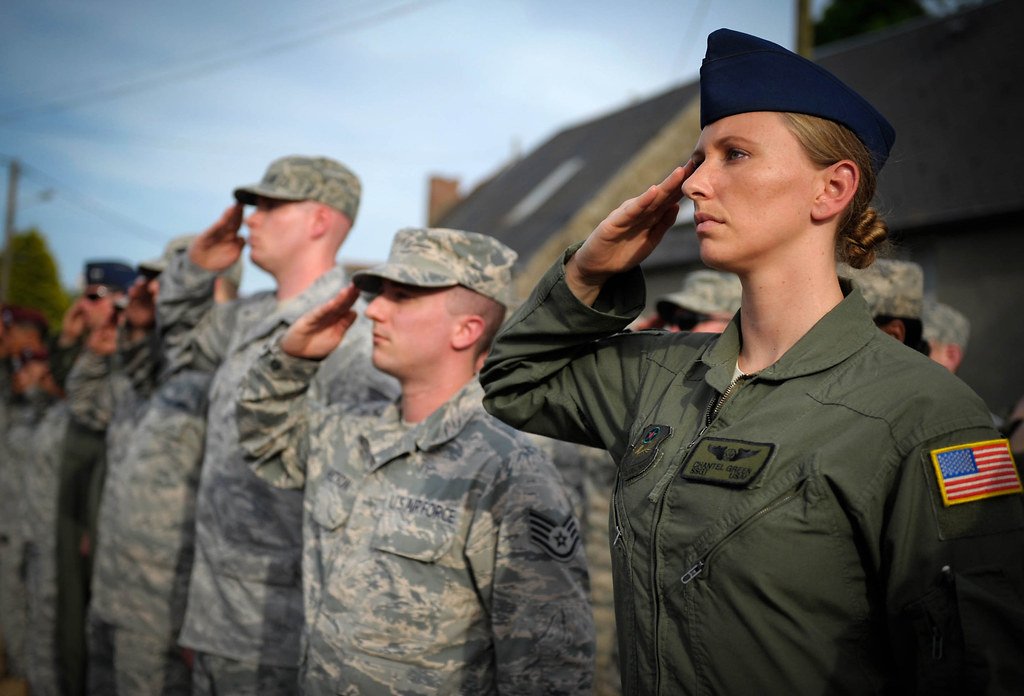
For members of the U.S. military, the anthem holds special meaning. It’s played during flag-raising ceremonies, at the end of the day, and before deployments. Many veterans say the song brings back memories of service and sacrifice. In interviews, soldiers have described feeling a surge of emotion when hearing the anthem overseas, far from home. The song serves as a powerful link to family and country.
Changing Attitudes and the Future of the Anthem
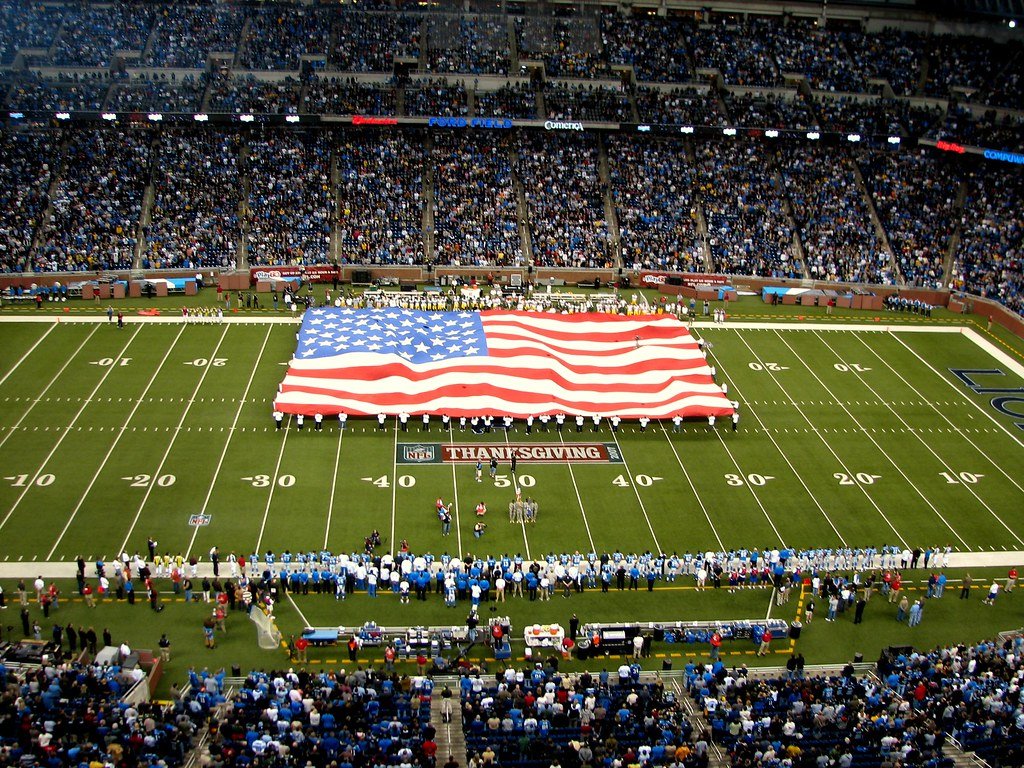
As America changes, so do attitudes toward the anthem. Recent debates have focused on whether the lyrics reflect modern values. Some advocates have called for a new anthem, while others argue for preserving tradition. In 2025, a national poll showed that 58% of Americans believe the anthem should remain unchanged, while 35% support updating the lyrics to better reflect today’s society. These discussions highlight the anthem’s ongoing role in American life.
The Enduring Power of a Song
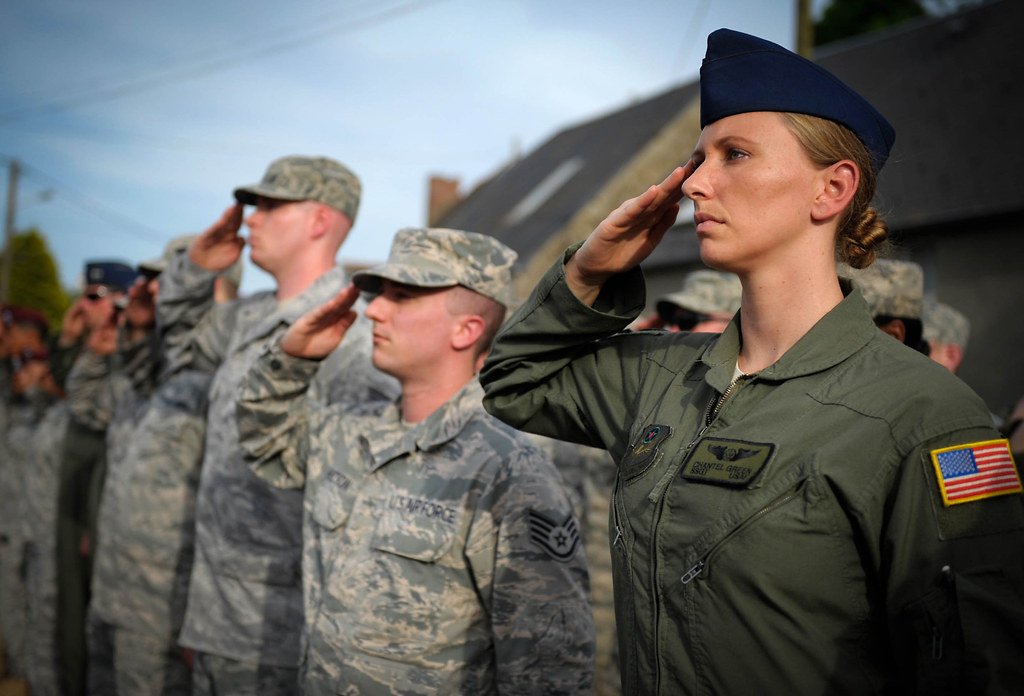
Despite its age and controversies, “The Star-Spangled Banner” endures. It’s more than just a song—it’s a living symbol of hope, struggle, and unity. The anthem’s story is woven into the fabric of American identity, connecting past and present. Every time those first notes play, millions of Americans stand a little taller, remembering the night a flag survived and a nation found its voice.

Besides founding Festivaltopia, Luca is the co founder of trib, an art and fashion collectiv you find on several regional events and online. Also he is part of the management board at HORiZONTE, a group travel provider in Germany.
