


For any feedback please reach out to info@festivalinside.com
- Senator Hawley Targets Minnesota AG Keith Ellison in Explosive Somali Fraud Exposé - February 26, 2026
- Bill Gates Comes Clean: Rare Apology for Epstein Ties and Extramarital Affairs Shocks the World - February 26, 2026
- Ohio Home Health Firm Draws Fire Over $1.2 Million PPP Windfall With No Digital Trail - February 26, 2026
Brown v. Board of Education: Ending Segregation in Schools
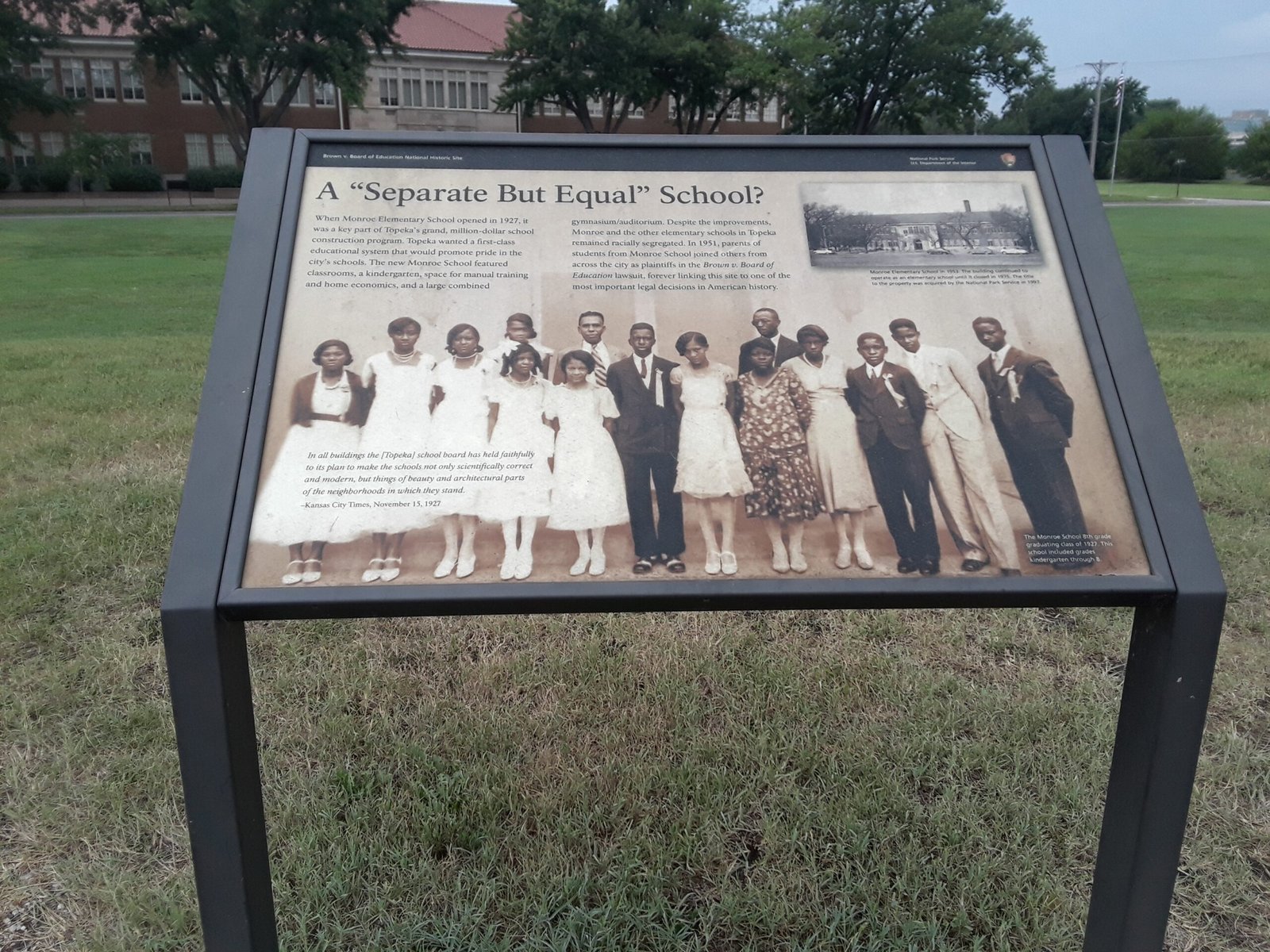
In 1954, the Supreme Court handed down a decision that shocked and inspired the nation. Brown v. Board of Education declared that racial segregation in public schools was unconstitutional. The case began when Oliver Brown, a parent in Topeka, Kansas, challenged the policy that kept his daughter from attending a white school nearby. The NAACP supported the Browns, gathering evidence that segregation harmed Black children’s self-esteem and educational opportunities. Chief Justice Earl Warren wrote the unanimous opinion, stating that separate educational facilities were inherently unequal. This decision overturned the previous “separate but equal” doctrine from Plessy v. Ferguson. The ruling sparked waves of resistance, but it also fueled the civil rights movement and led to the desegregation of schools across America.
Miranda v. Arizona: You Have the Right to Remain Silent
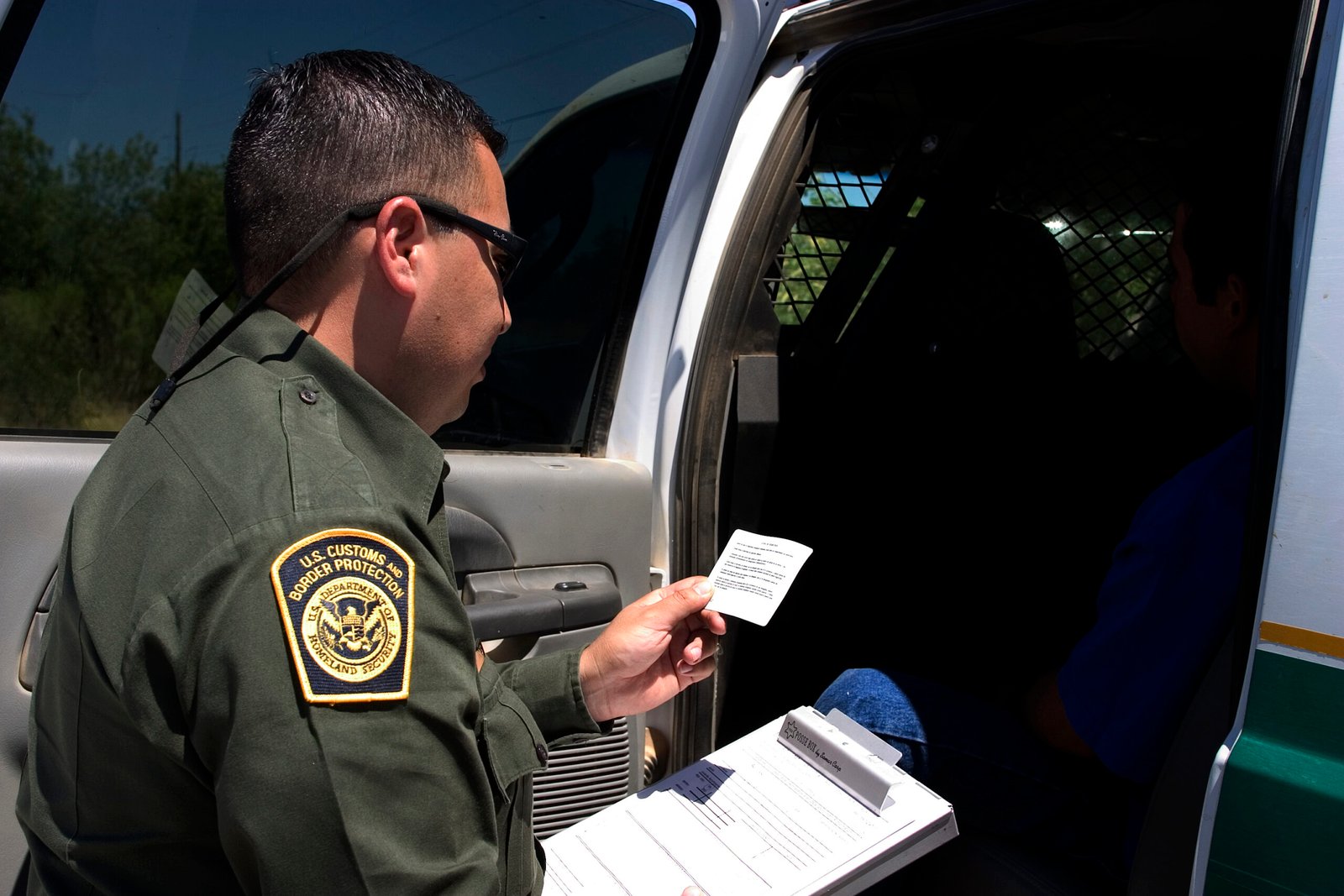
The story behind Miranda v. Arizona is as dramatic as any crime show. In 1963, Ernesto Miranda was arrested in Phoenix for kidnapping and rape. He confessed after a two-hour interrogation, but he wasn’t told he could remain silent or have an attorney. The Supreme Court, in 1966, ruled that confessions are only admissible if suspects are informed of their rights. This led to the now-famous “Miranda warning” heard in every police drama: “You have the right to remain silent…” The case changed law enforcement procedures nationwide. According to the Bureau of Justice Statistics, nearly all police departments now use Miranda warnings, and the case is credited with strengthening protections for the accused in the criminal justice system.
Roe v. Wade: The Battle Over Abortion Rights
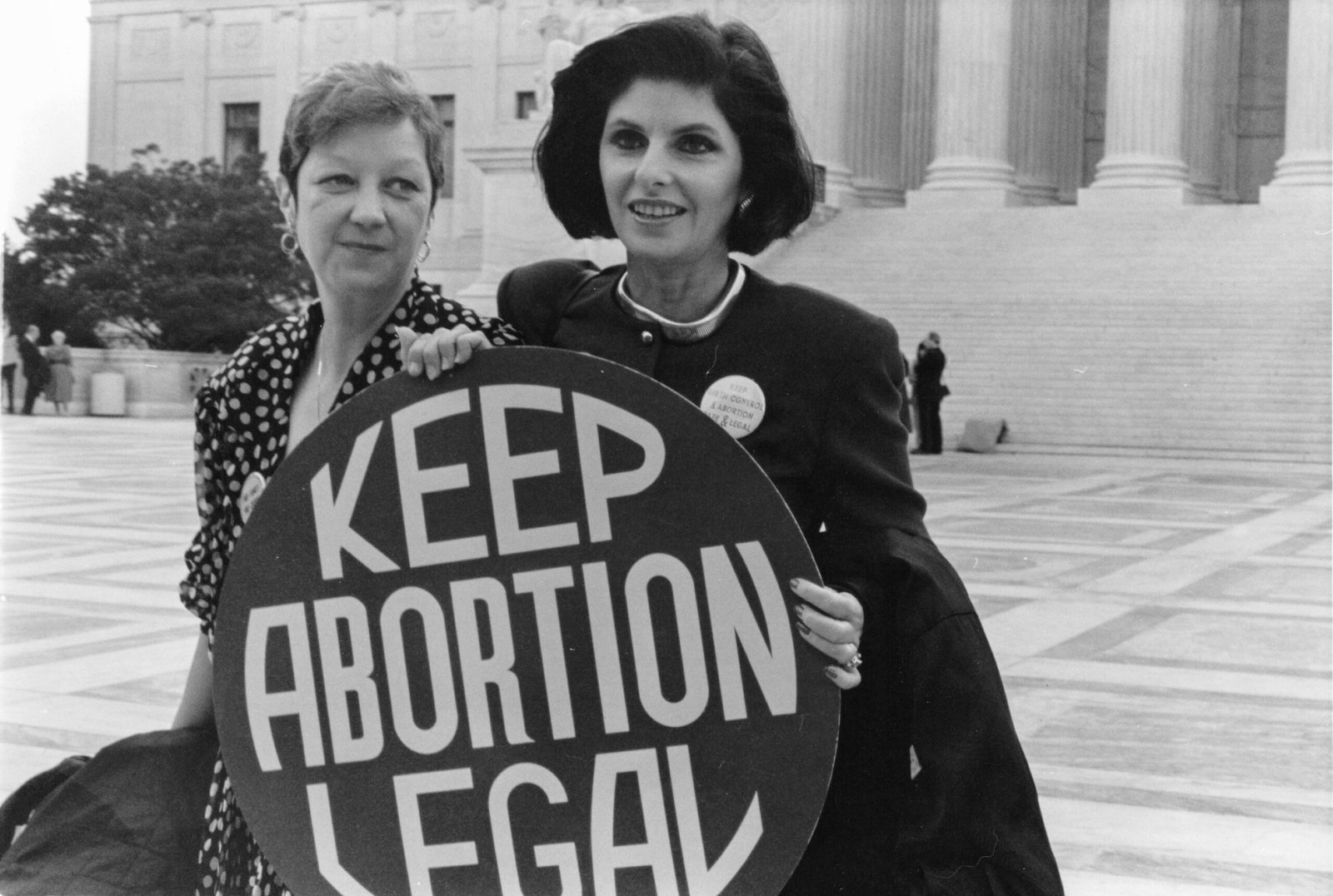
Roe v. Wade remains one of America’s most polarizing cases. In 1973, the Supreme Court ruled that a woman’s right to choose abortion was protected by the Constitution’s right to privacy. “Jane Roe,” an alias for Norma McCorvey, was a Texan who challenged state laws banning abortion. The majority opinion, written by Justice Harry Blackmun, set off decades of legal and political battles. According to the Guttmacher Institute, after the decision, abortion rates rose and then gradually fell as contraception became more widely available. In 2022, the case was overturned by Dobbs v. Jackson Women’s Health Organization, showing how court decisions can be reversed and reignite national debates.
United States v. Nixon: No One Is Above the Law
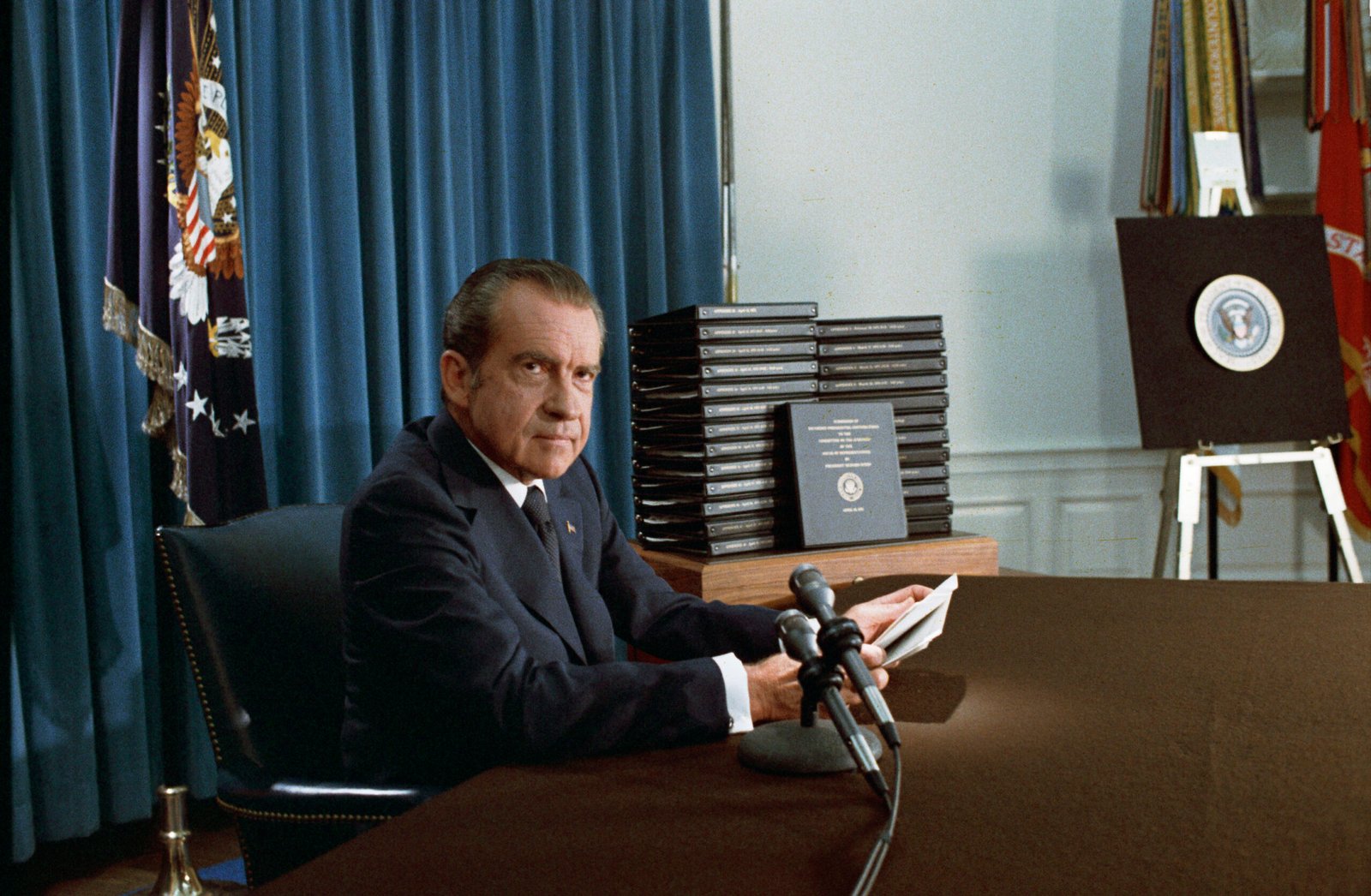
The Watergate scandal exposed the dark side of presidential power. In 1974, the Supreme Court ordered President Richard Nixon to release tape recordings related to the break-in at Democratic National Committee headquarters. Nixon resisted, citing executive privilege. The justices ruled unanimously that the president wasn’t above the law. Nixon’s compliance led to his resignation—the only time in U.S. history a president has stepped down under such pressure. According to the Miller Center at the University of Virginia, this case set a precedent for limiting presidential power and reaffirmed the court’s role in checking the executive branch.
Obergefell v. Hodges: Marriage Equality for All
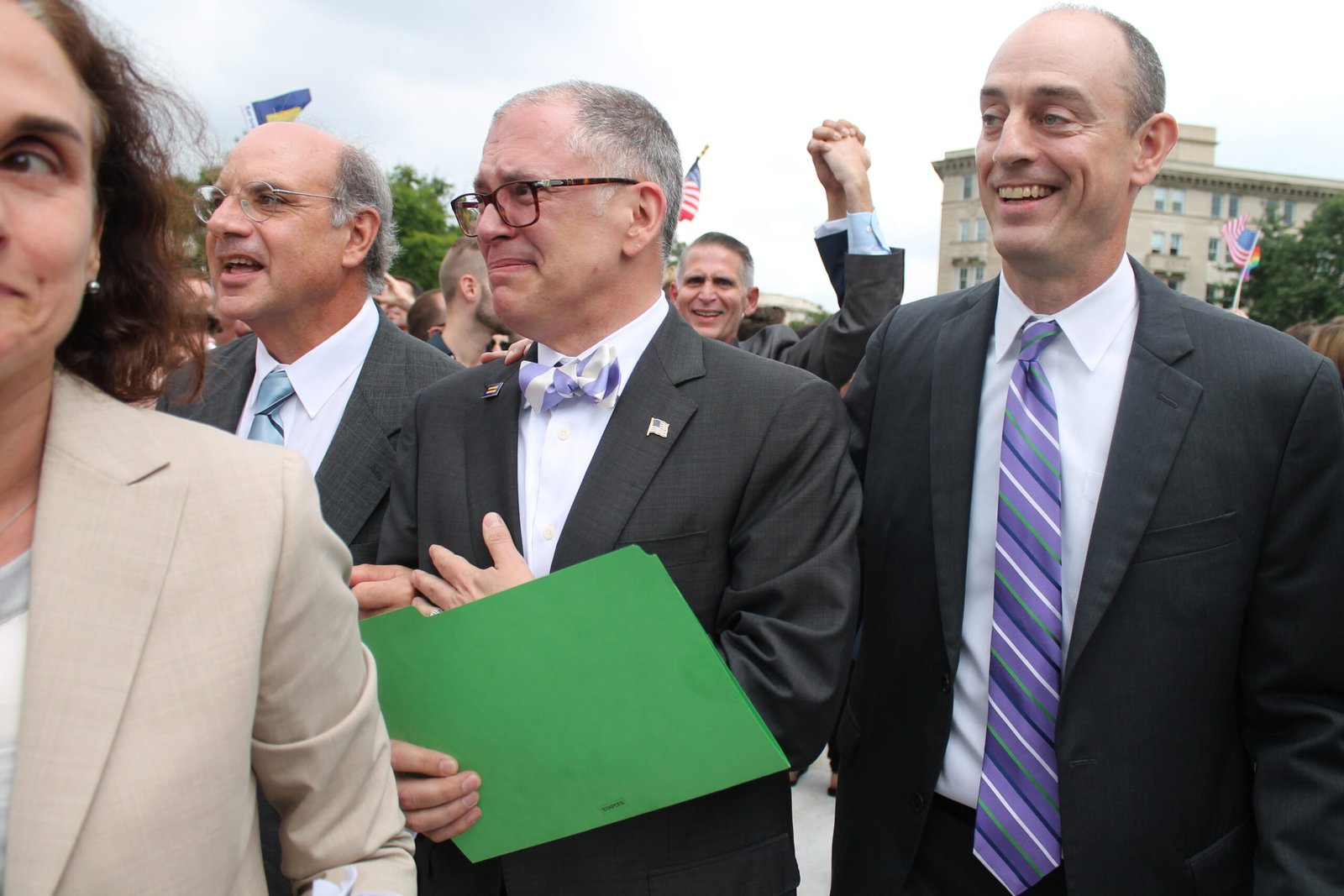
In 2015, love won a landmark victory. Obergefell v. Hodges made same-sex marriage legal across the United States. The case was brought by Jim Obergefell, who wanted his marriage to his late husband recognized in Ohio. The Supreme Court ruled 5-4 that denying same-sex couples the right to marry violated the Constitution’s guarantees of due process and equal protection. After the decision, Gallup polls showed that public support for same-sex marriage rose to over 60%. The case changed the lives of millions, granting legal recognition and protection to LGBTQ+ families nationwide.
Plessy v. Ferguson: The Origins of “Separate but Equal”
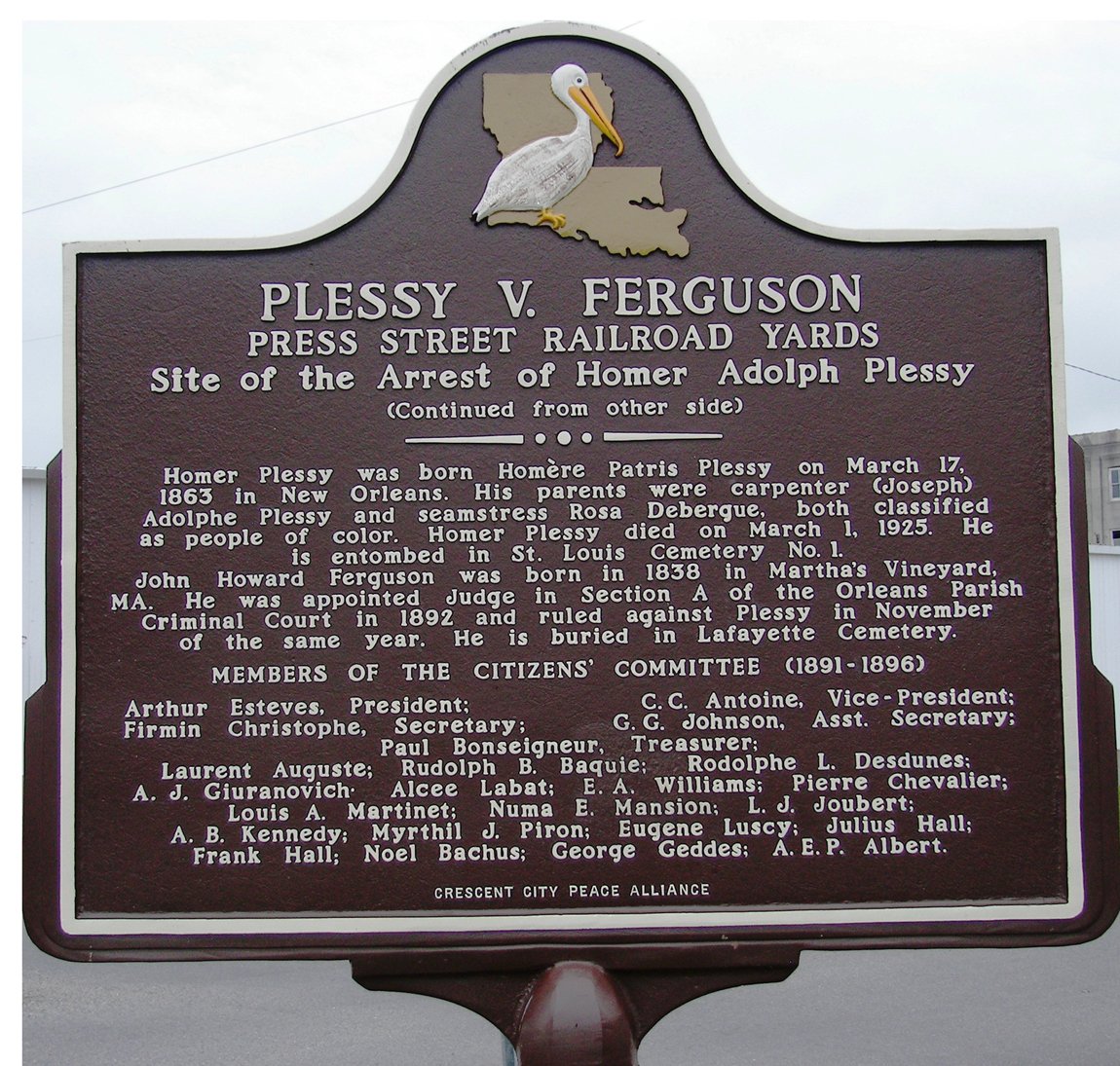
Before Brown v. Board, Plessy v. Ferguson cemented racial segregation. In 1896, Homer Plessy, a mixed-race man, challenged Louisiana’s law requiring separate train cars for Black and white passengers. The Supreme Court ruled against him, establishing the doctrine of “separate but equal.” This case justified decades of Jim Crow laws that kept Black Americans and white Americans apart in public spaces. According to the Equal Justice Initiative, the Plessy decision stood for nearly 60 years before being overturned, illustrating how the Supreme Court can both uphold and dismantle injustice.
Gideon v. Wainwright: The Right to a Lawyer
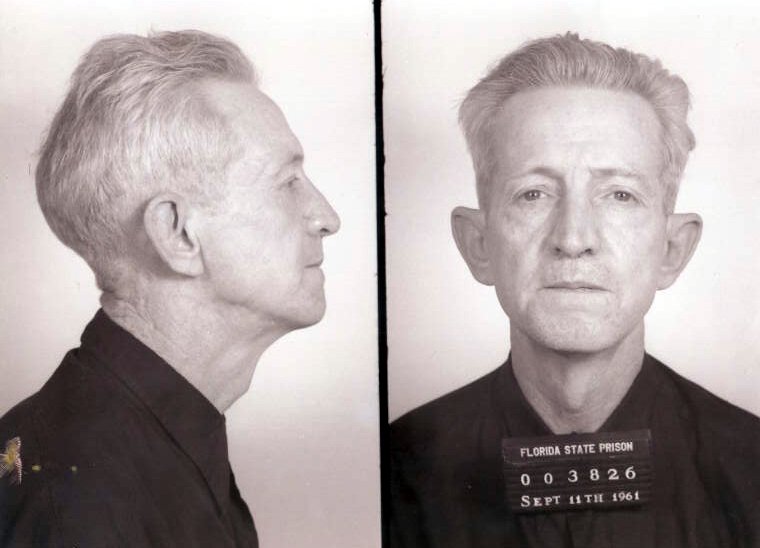
Clarence Earl Gideon’s story is a classic tale of perseverance. Arrested in Florida for burglary in 1961, Gideon couldn’t afford a lawyer and was forced to defend himself. He was convicted and sent to prison. From his cell, he petitioned the Supreme Court, arguing that everyone deserves legal representation. In 1963, the Court ruled unanimously in his favor. Since then, states have been required to provide attorneys for defendants who can’t pay. The National Legal Aid & Defender Association reports that public defenders now handle about 80% of criminal cases in the U.S., showing the huge impact of Gideon’s case.
Loving v. Virginia: Overturning Bans on Interracial Marriage
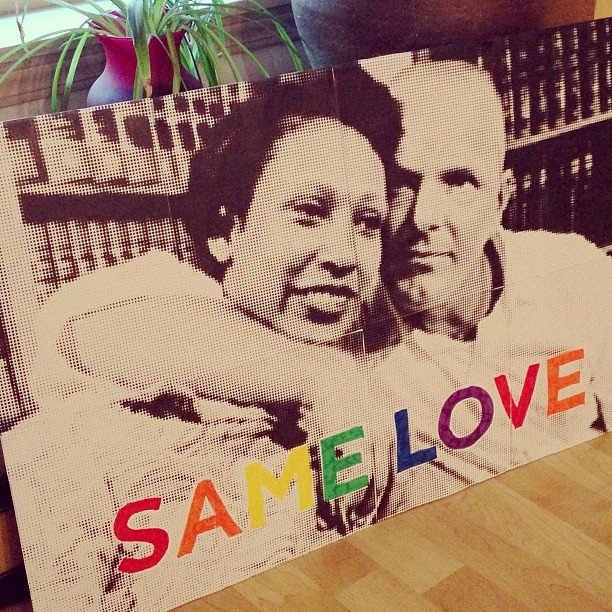
Richard and Mildred Loving’s quiet love story sparked a revolution. In 1958, they married in Washington, D.C., because their home state of Virginia banned interracial marriage. When they returned home, they were arrested and forced to leave the state. The Lovings fought back, and in 1967, the Supreme Court struck down all state bans on interracial marriage. The decision, praised by civil rights groups, paved the way for greater acceptance and legal rights for interracial couples. The Pew Research Center reports that interracial marriages have increased steadily since the ruling.
Citizens United v. FEC: Money and Free Speech
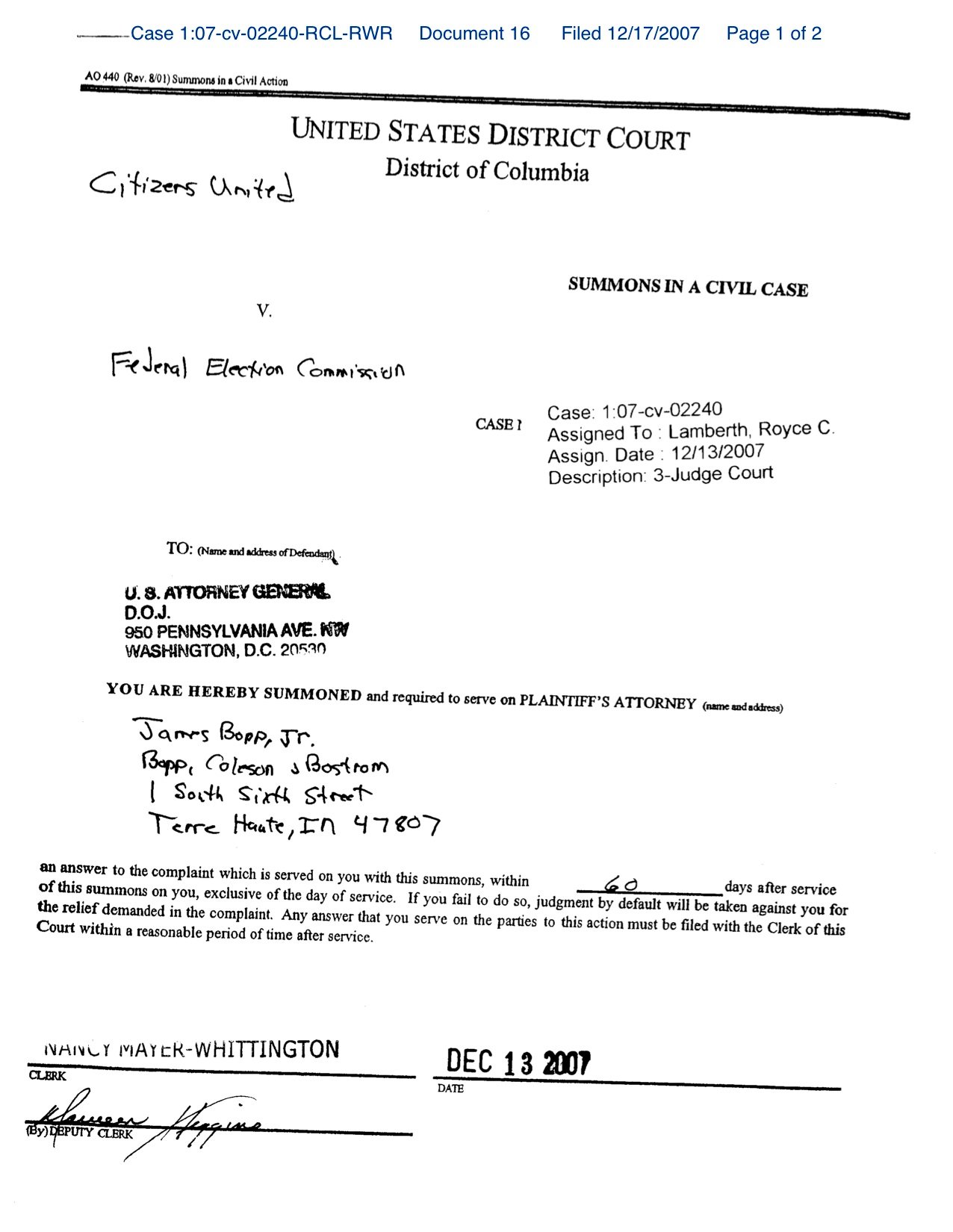
Citizens United v. Federal Election Commission changed the landscape of political spending in America. In 2010, the Supreme Court ruled that corporations and unions could spend unlimited amounts on political campaigns, citing free speech. The case stemmed from a nonprofit’s effort to air a film critical of Hillary Clinton before the 2008 Democratic primaries. Critics argue the decision gave wealthy donors and special interests outsized influence in elections. According to OpenSecrets, outside spending in federal elections soared from $338 million in 2008 to over $4.5 billion in 2020, illustrating the case’s dramatic impact.
Bush v. Gore: The 2000 Presidential Election Decided by the Court
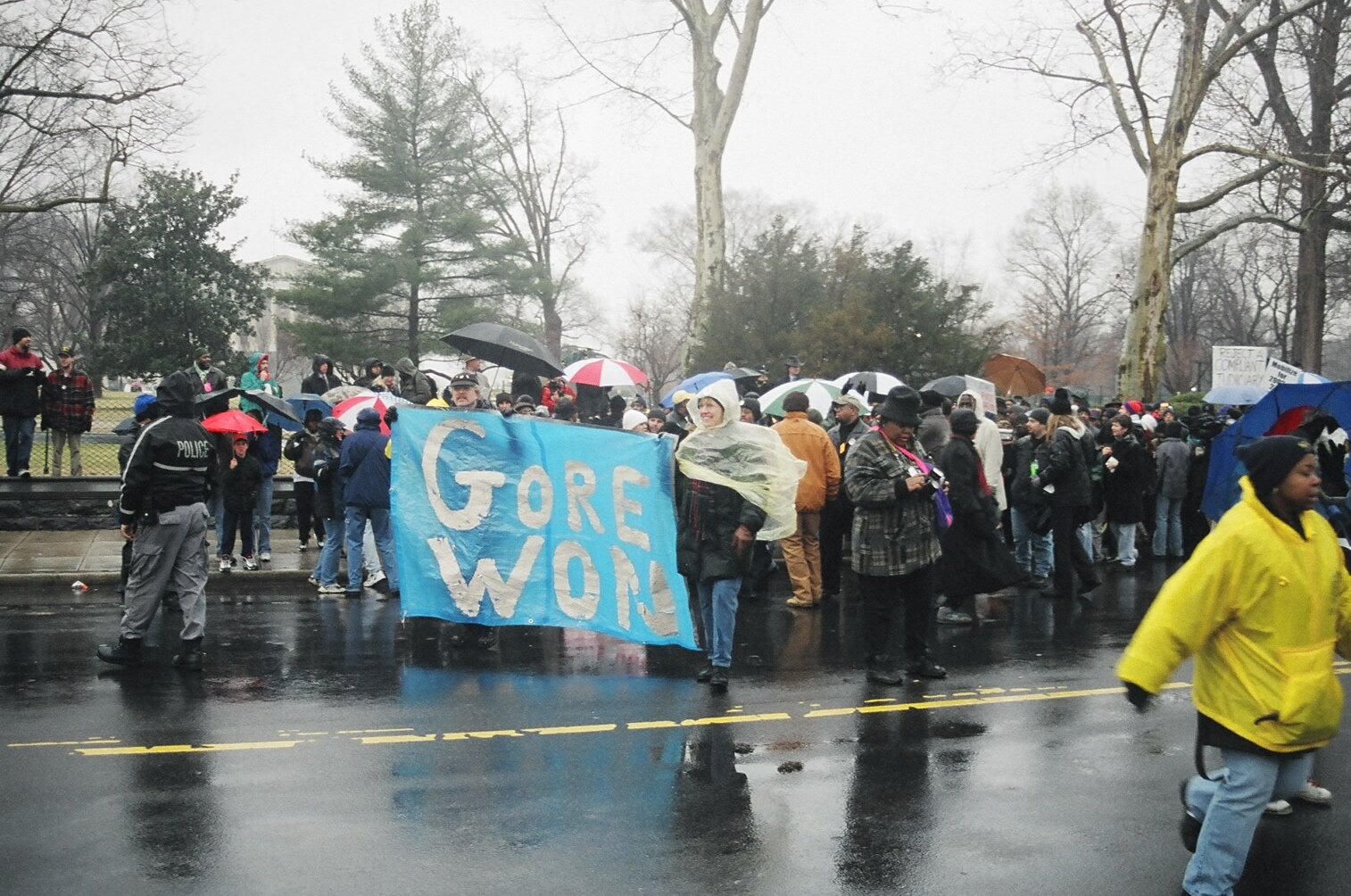
Few court cases have felt as immediate and dramatic as Bush v. Gore. In 2000, the presidential race was so close that Florida’s vote recount would determine the winner. Disputes over ballot counting methods led to a flurry of legal challenges. Ultimately, the Supreme Court stopped the recount, effectively awarding the presidency to George W. Bush. The decision was controversial, with critics arguing it undermined public confidence in elections. According to a Pew Research Center survey, trust in the Supreme Court and the electoral process declined after the ruling.
McDonald v. Chicago: The Right to Bear Arms Extended
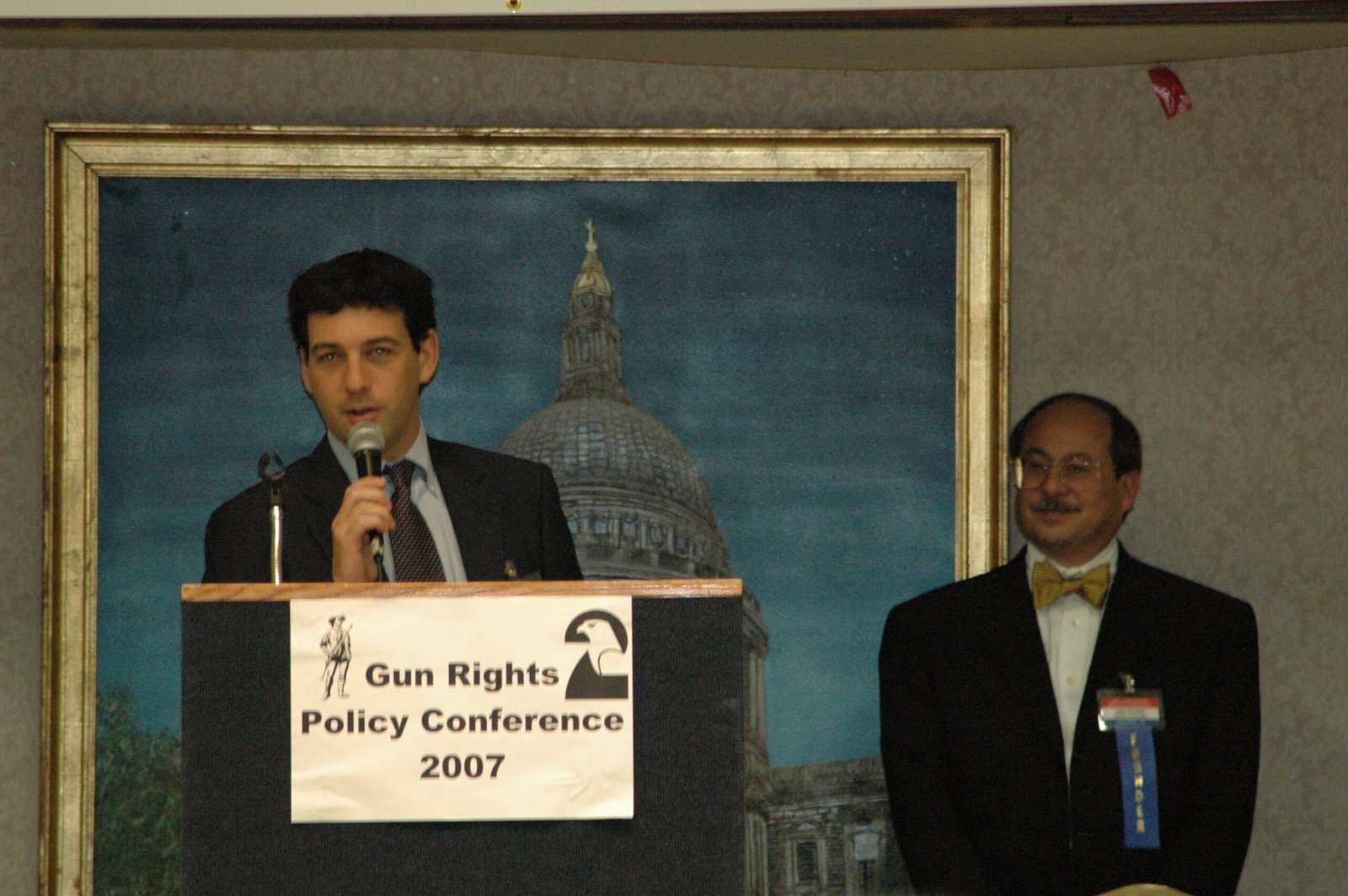
The Second Amendment saw a major expansion in 2010 with McDonald v. Chicago. Otis McDonald, a Chicago resident, challenged the city’s strict handgun ban, arguing it infringed on his right to self-defense. The Supreme Court ruled that the Second Amendment’s protections applied to state and local governments, not just the federal government. After the decision, several cities and states revised or repealed restrictive gun laws. According to the National Shooting Sports Foundation, gun ownership rates in the U.S. have risen since the ruling, and legal debates over firearms continue to this day.
Shelby County v. Holder: Voting Rights Act Weakened
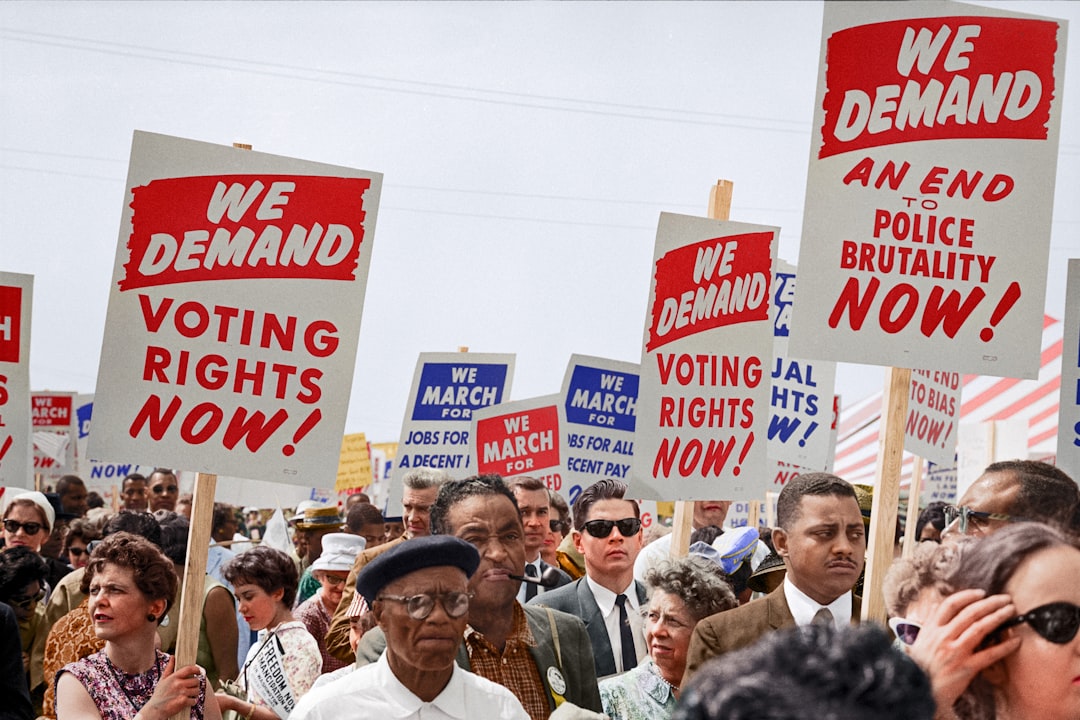
In 2013, the Supreme Court struck down a key provision of the Voting Rights Act of 1965 in Shelby County v. Holder. The decision removed the requirement for certain states with a history of discrimination to get federal approval before changing voting laws. Some states quickly implemented new voter ID laws and restrictions. The Brennan Center for Justice reports that these changes led to a surge in legal battles over voting rights. Critics argue the ruling made it harder for minority voters to cast ballots, reigniting debates over voter suppression.
Korematsu v. United States: Japanese Internment during WWII
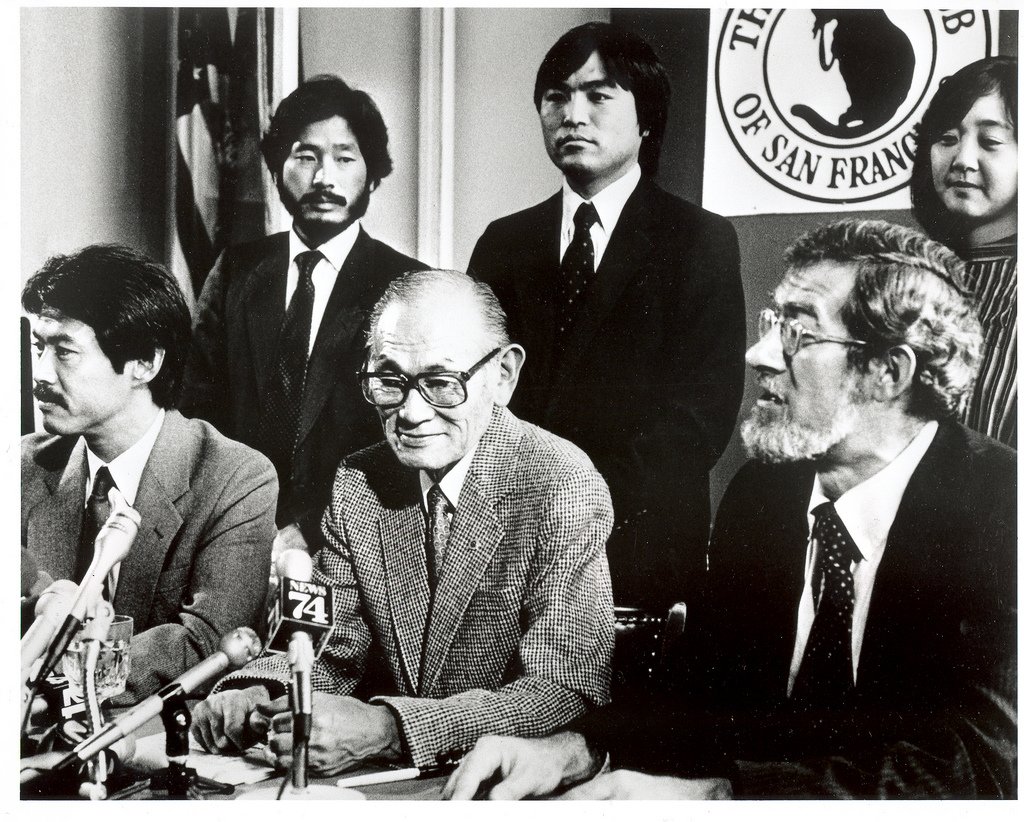
Fred Korematsu’s fight against injustice is a haunting chapter in American history. During World War II, the U.S. government ordered Japanese Americans into internment camps. Korematsu, a U.S. citizen, refused and was arrested. The Supreme Court upheld his conviction in 1944, ruling that military necessity justified internment. Decades later, the U.S. government formally apologized and paid reparations to survivors. In 2018, the Supreme Court disavowed the Korematsu decision, acknowledging the grave injustice. The case remains a stark warning against sacrificing civil liberties in times of crisis.
Regents of the University of California v. Bakke: Affirmative Action in College Admissions
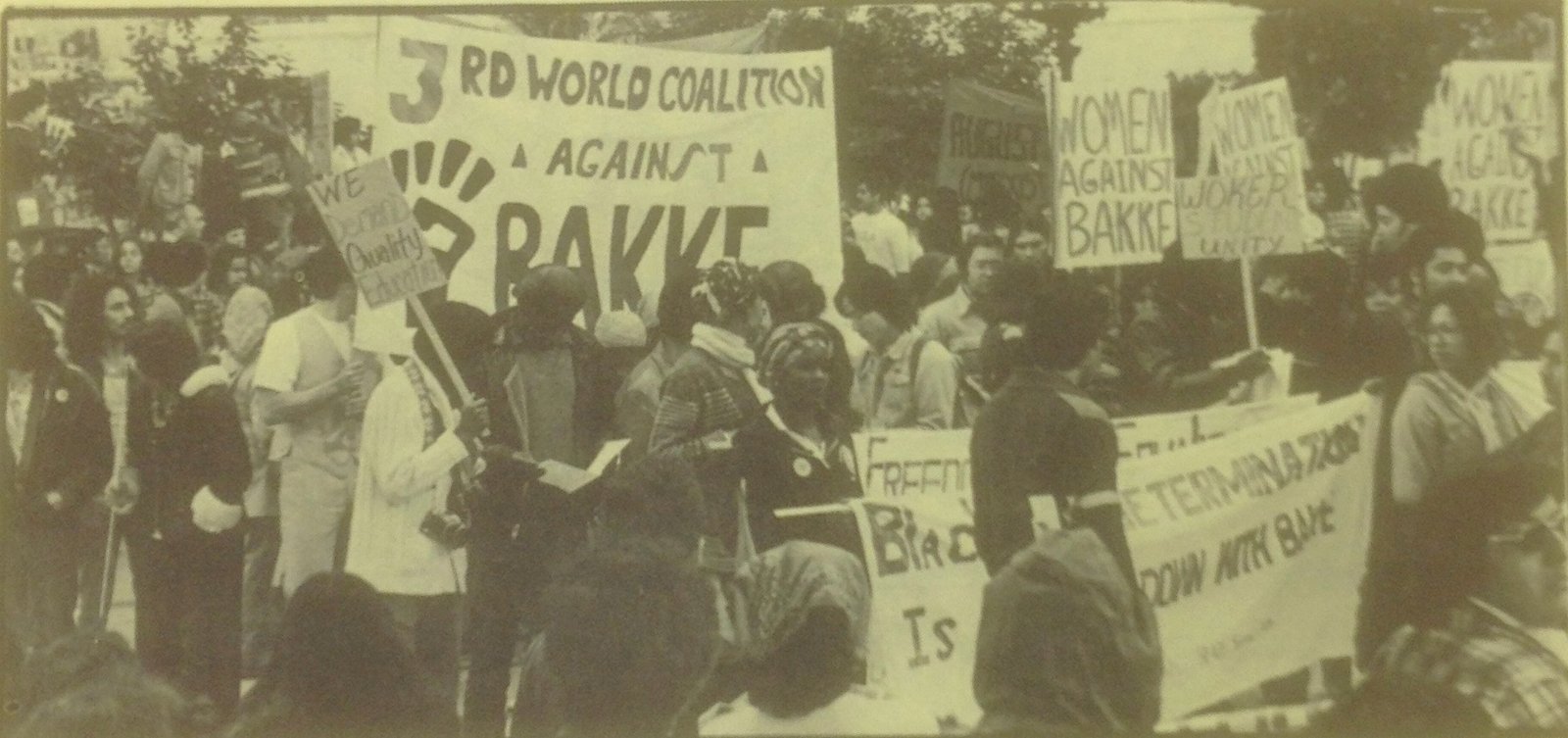
Allan Bakke, a white applicant, sued the University of California, Davis, after being denied admission to its medical school. He argued that the school’s affirmative action program, which reserved spots for minority students, was discriminatory. In 1978, the Supreme Court issued a complex decision: racial quotas were unconstitutional, but race could be considered as one factor in admissions. This nuanced ruling set the stage for decades of debate over affirmative action. According to the National Center for Education Statistics, college enrollment among racial minorities has increased since Bakke, but challenges to affirmative action continue.
Texas v. Johnson: Flag Burning as Free Speech
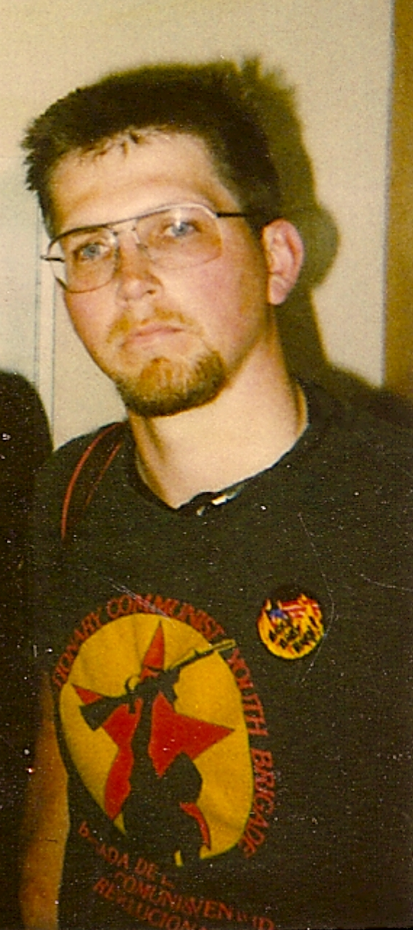
In 1984, Gregory Lee Johnson burned an American flag during a protest at the Republican National Convention in Dallas. He was arrested and convicted under a Texas law banning flag desecration. Johnson’s appeal reached the Supreme Court, which ruled in 1989 that flag burning was protected speech under the First Amendment. The decision remains controversial, with polls showing that most Americans disapprove of flag burning but support free speech rights. The case is a vivid example of how the Supreme Court protects even the most unpopular forms of expression.
New York Times v. Sullivan: Protecting the Press
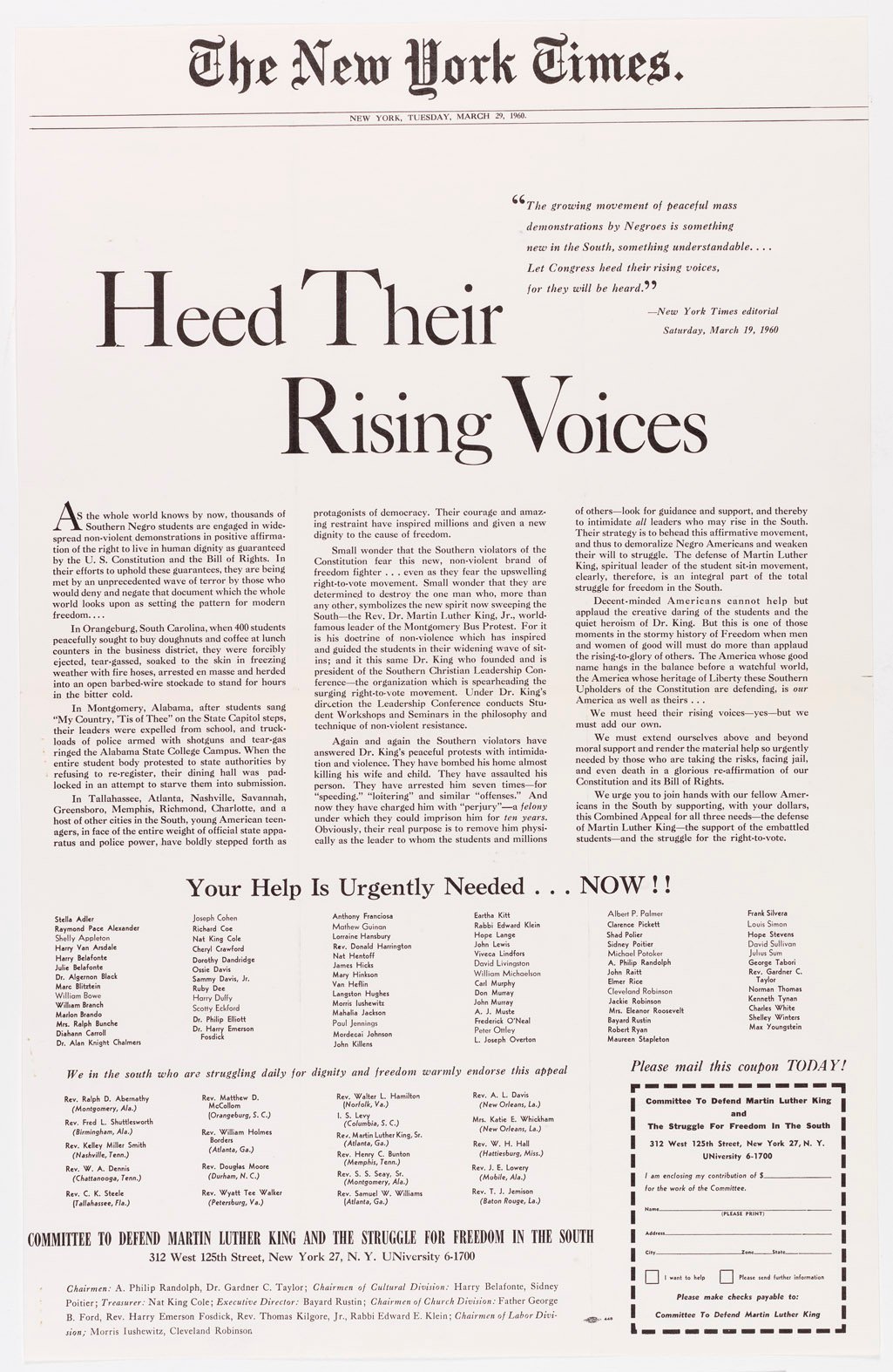
A 1964 Supreme Court case shielded journalists from crippling libel lawsuits. New York Times v. Sullivan arose after the Times published an ad criticizing police in Alabama. The police commissioner sued for libel and won in state court. The Supreme Court reversed the decision, ruling that public officials must prove “actual malice” to win damages. This high bar has enabled investigative reporting and robust criticism of government figures. According to Pew Research Center, freedom of the press is viewed as essential to democracy, and this case is often cited by journalists defending their work.
District of Columbia v. Heller: Defining Second Amendment Rights
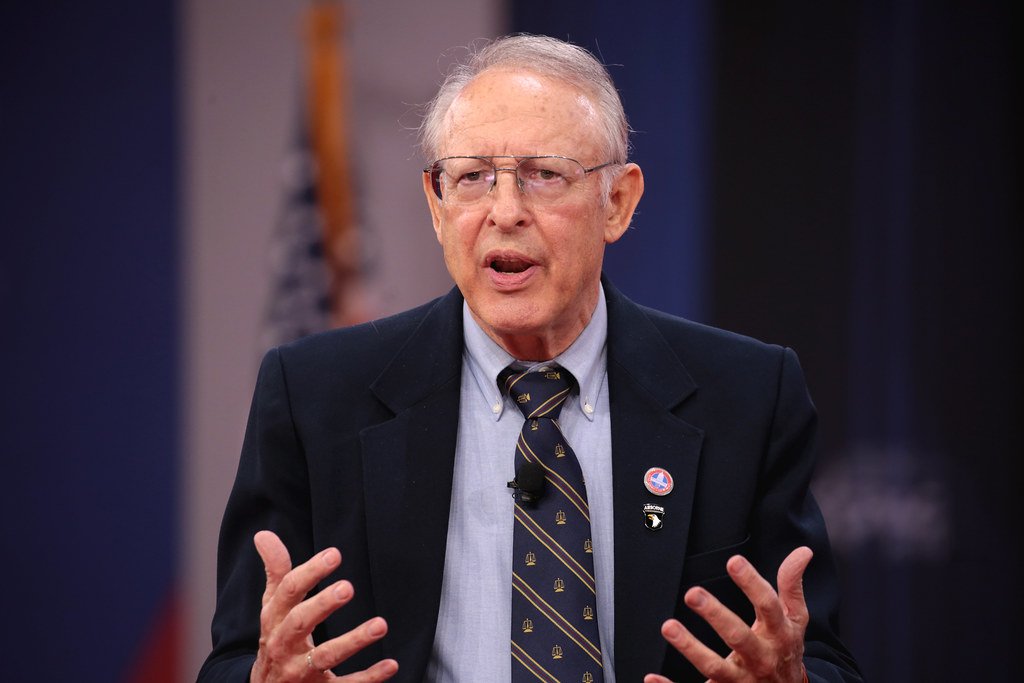
In 2008, the Supreme Court clarified the meaning of the Second Amendment in District of Columbia v. Heller. Security guard Dick Heller challenged Washington, D.C.’s handgun ban, arguing it violated his right to keep a functional firearm at home. The Court agreed in a 5-4 decision, ruling that individuals have a constitutional right to own firearms for self-defense. After Heller, legal challenges to gun restrictions increased, and gun sales surged. The case remains central to debates over gun control, with both sides citing it in arguments over new legislation.
Snyder v. Phelps: Free Speech and Funeral Protests
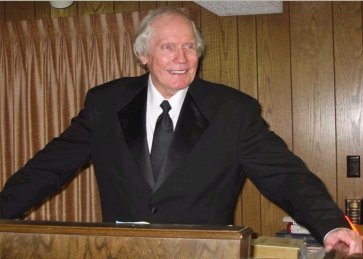
A heartbreaking case tested the limits of free speech. The Westboro Baptist Church picketed the funeral of Marine Matthew Snyder, carrying offensive signs. His family sued for emotional distress. In 2011, the Supreme Court ruled 8-1 in favor of the church, stating that even hateful speech on public issues is protected by the First Amendment. The decision angered many but reaffirmed the broad scope of free speech rights. According to the ACLU, the ruling ensures that the government cannot silence unpopular or offensive views.
Terry v. Ohio: Stop and Frisk
![Terry v. Ohio: Stop and Frisk (image credits: Scan of original print courtesy of the en:Harvard Law School Library Legal Portrait Project,[2] whose librarian was gracious enough to confirm this image's copyright status in e-mail to User:Postdlf., Public domain, https://commons.wikimedia.org/w/index.php?curid=4352772)](https://festivaltopia.com/wp-content/uploads/2025/06/1751206597042_Earl_Warren.jpg)
Terry v. Ohio, decided in 1968, gave police more leeway to stop and search people on the street. Detective Martin McFadden noticed suspicious behavior and frisked John Terry, finding a concealed weapon. The Supreme Court ruled that police could stop and frisk individuals based on reasonable suspicion, not just probable cause. This led to widespread use of stop-and-frisk tactics, especially in cities like New York. According to the NYCLU, hundreds of thousands of stops were conducted annually, disproportionately affecting minorities. The practice has sparked heated debates over policing and civil rights.
Grutter v. Bollinger: Affirmative Action Upheld (for a Time)
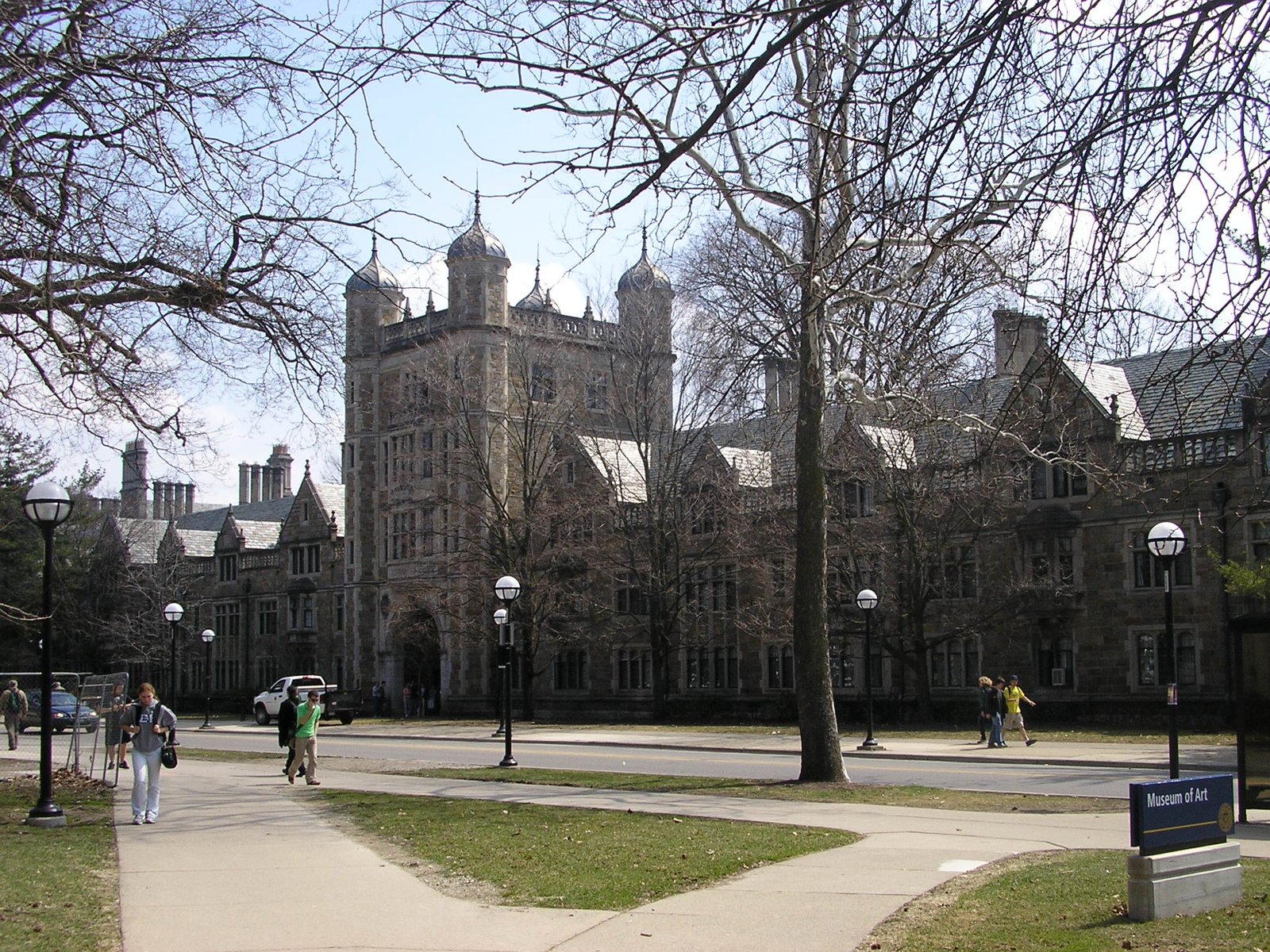
In 2003, Barbara Grutter, a white applicant, sued the University of Michigan Law School after being denied admission. She claimed the school’s use of race in admissions was unconstitutional. The Supreme Court ruled 5-4 that considering race as one factor to achieve diversity was permissible. The decision upheld affirmative action policies, but the debate didn’t end there. In 2023, the Supreme Court struck down race-conscious admissions at Harvard and UNC, showing how the legal landscape keeps shifting.

Christian Wiedeck, all the way from Germany, loves music festivals, especially in the USA. His articles bring the excitement of these events to readers worldwide.
For any feedback please reach out to info@festivalinside.com
