

- 10 Unforgettable US Landmarks That Hold Secrets You Never Knew - April 12, 2026
- Top 15 Festivals Around The World - April 12, 2026
- 10 Groundbreaking Fashion Designers Who Revolutionized How We Dress Today - April 11, 2026
The entertainment world found itself reeling from shocking news on a quiet Sunday afternoon. Hollywood filmmaker Rob Reiner and his wife, Michele Singer Reiner, were found dead in their Los Angeles Brentwood home on December 15, 2025, with paramedics called to the scene around 3:30 p.m. The discovery sent ripples through the industry that this legendary director and actor had spent decades shaping. The couple appeared to have died from stab wounds, turning what should have been an ordinary weekend into a scene of tragedy.
How did a man who brought us some of cinema’s most beloved stories meet such a devastating end? Let’s explore the life and career of Rob Reiner, and understand why this loss resonates so deeply with millions.
A Son of Comedy Royalty
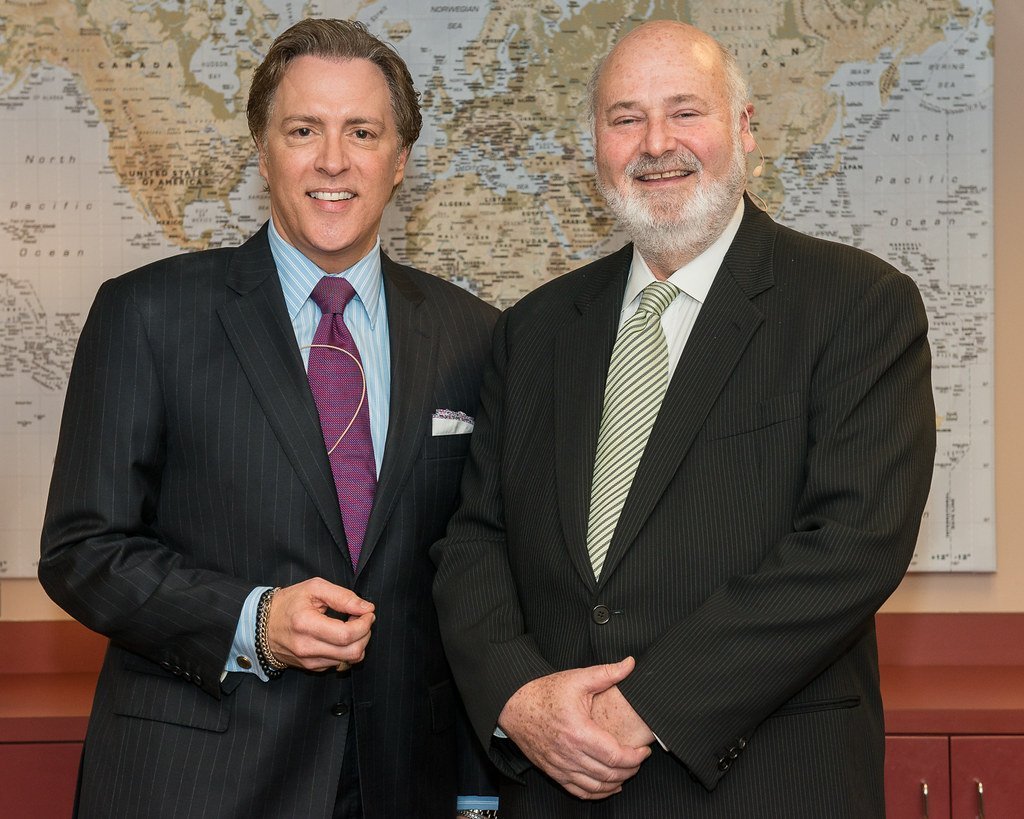
Robert Norman Reiner was born on March 6, 1947, stepping into a world already steeped in entertainment magic. He was the son of Estelle Reiner and Emmy-winning actor, comedian, writer, and producer Carl Reiner, which meant showbiz ran through his veins from day one. Growing up in the Bronx before moving to Los Angeles in 1959, Rob experienced the golden age of television firsthand. His father created The Dick Van Dyke Show, setting an impossibly high bar for success.
The pressure to measure up was intense. Rob attended Beverly Hills High School with future stars like Richard Dreyfuss and Albert Brooks, forming friendships that would last a lifetime. Yet despite this pedigree, he struggled with self-doubt about following in his father’s enormous footsteps. Still, he pushed forward, attending UCLA Film School and cutting his teeth in improv groups like The Session and The Committee in San Francisco.
Meathead: The Role That Made Him a Household Name
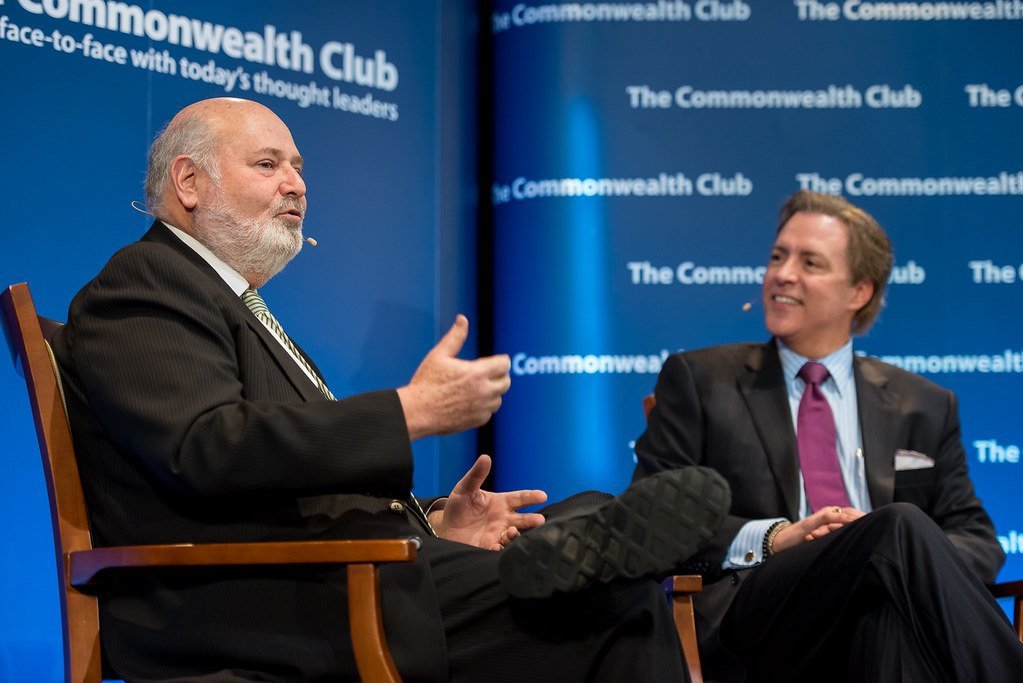
Reiner came to prominence as Mike “Meathead” Stivic on the CBS sitcom All in the Family (1971–1979), a performance that earned him two Primetime Emmy Awards. The show was revolutionary. Here was Reiner, playing the liberal, hippie son-in-law to Carroll O’Connor’s bigoted, blue-collar Archie Bunker. Their clashes weren’t just comedy gold; they reflected the seismic cultural divides tearing through America during the Vietnam War era.
The series was the most-watched television program in the United States for five consecutive seasons (1971–1976). Think about that. This wasn’t just popular television. This was appointment viewing for an entire nation. Families gathered around their TVs to watch Archie and Michael argue about race, politics, and everything in between. Reflecting on the enduring association, Reiner remarked, “I could win the Nobel Prize and they’d write ‘Meathead wins the Nobel Prize'”. The nickname stuck like glue, becoming both a blessing and a curse that followed him throughout his life.
The show gave Reiner invaluable experience behind the scenes too. He learned from Norman Lear, one of television’s greatest producers, and even wrote three episodes himself. This wasn’t just acting. This was his graduate school in storytelling.
The Directorial Debut That Changed Everything

Reiner made his directorial film debut with the heavy metal mockumentary This Is Spinal Tap (1984). Let’s be real, this film invented a genre. Before Spinal Tap, mockumentaries weren’t really a thing in mainstream cinema. Reiner also appeared in the film as Marty DiBiergi, the fictional documentary’s director, adding another layer of meta-comedy to the whole enterprise.
The movie follows a fading British metal band on a disastrous American tour, and it’s so authentic that people still debate whether the band was real. Musicians watched it and saw their own tours reflected back at them. Critics called it brilliant. The film became a comedy classic, and Reiner soon rattled off a string of hit movies in a span of six years, directing five films that were huge successes with both critics and audiences: Stand by Me, The Princess Bride, When Harry Met Sally, Misery, and A Few Good Men.
That run is almost unheard of. These weren’t just commercially successful films; they became cultural touchstones. Stand by Me captured childhood friendship with heartbreaking authenticity. The Princess Bride created a fairy tale that appealed to cynics and romantics alike. When Harry Met Sally redefined the romantic comedy. Can men and women be friends? The question still sparks debates at dinner parties.
A Director Who Mastered Every Genre

What made Reiner truly exceptional was his versatility. He could do comedy, drama, horror, romance, and fantasy without missing a beat. Reiner was known for his films “The Princess Bride,” “When Harry Met Sally” and “A Few Good Men,” which was nominated for an Academy Award for best picture. A Few Good Men gave us Jack Nicholson’s iconic courtroom outburst. You can’t handle the truth has been quoted millions of times since 1992.
Misery showcased Reiner’s ability to create suffocating tension and genuine horror. Based on Stephen King’s novel, the film featured Kathy Bates in an Oscar-winning performance as a deranged fan. Actor Kathy Bates called Reiner “brilliant and kind, a man who made films of every genre to challenge himself as an artist”, noting that he changed the course of her life. That’s the mark of a great director, someone who elevates the people around them.
The Princess Bride remains a peculiar treasure. It initially underperformed at the box office but found its audience through home video, eventually achieving cult status. Today, it’s considered one of the most quotable films ever made. As you wish, Inconceivable, Hello, my name is Inigo Montoya. The phrases have become part of our cultural vocabulary.
Castle Rock Entertainment and Beyond
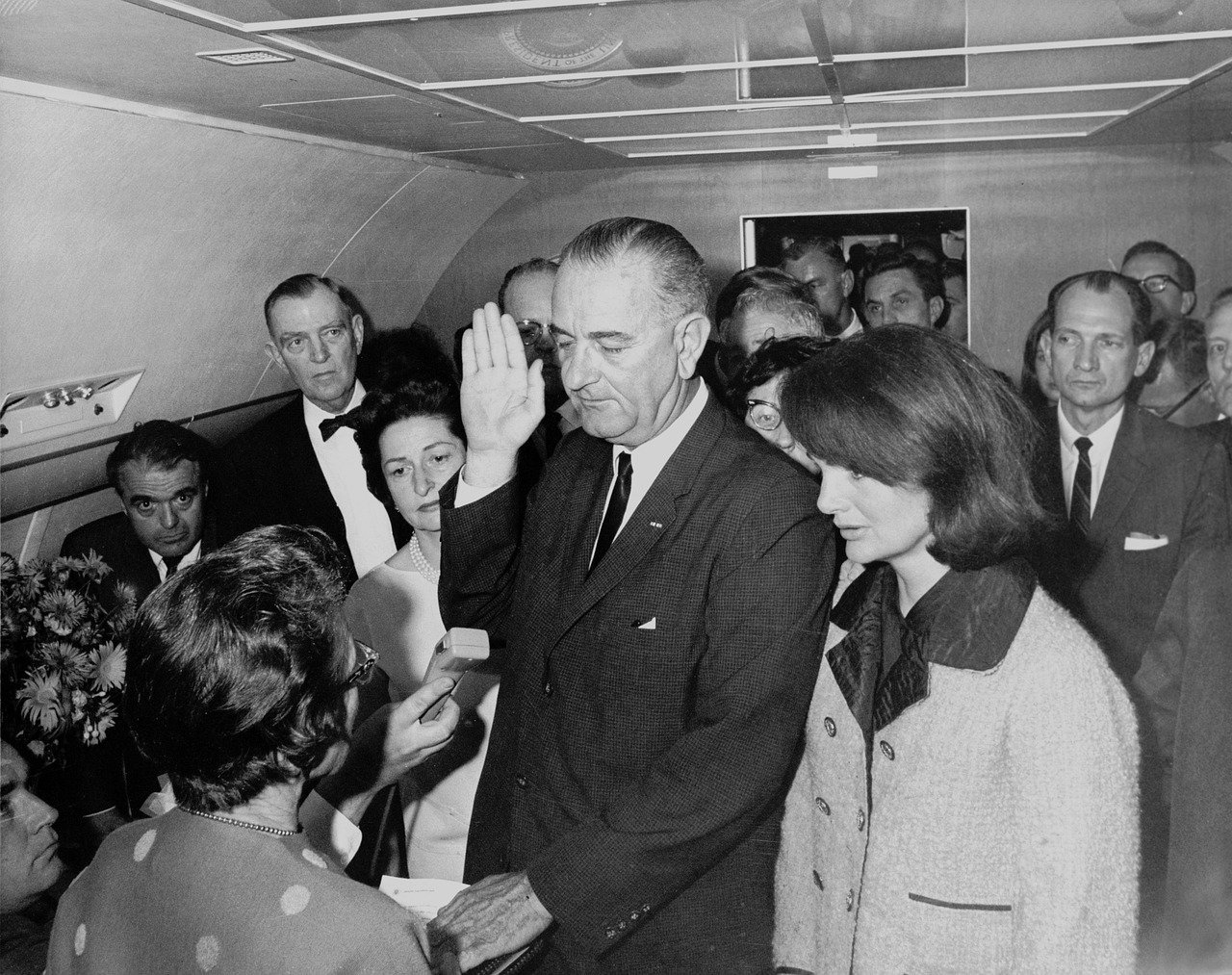
Success bred more ambition. Reiner was a co-founder of Castle Rock Entertainment, the production company behind such films as City Slickers, The Shawshank Redemption, Waiting for Guffman, Miss Congeniality, Best in Show, Michael Clayton and Seinfeld, one of the most lucrative television properties of all time. Castle Rock became a powerhouse, churning out critical and commercial hits throughout the 1990s.
Honestly, his role in keeping Seinfeld on the air deserves more recognition. The show almost got cancelled after just four episodes. Network executives didn’t understand a show about nothing. Reiner fought for it, recognizing its brilliance when others couldn’t see it. Without him, we might never have had nine seasons of comedic perfection.
His later films took on more political and historical subjects. Ghosts of Mississippi tackled the murder of civil rights activist Medgar Evers. LBJ examined Lyndon Johnson’s presidency. Shock and Awe explored the lead-up to the Iraq War. These films didn’t always connect with audiences the way his earlier work did, but they revealed a director unafraid to use his platform for social commentary.
A Life Defined by Love and Activism

While directing “When Harry Met Sally,” Rob met Michele, a photographer, and the two married in 1989. Their relationship was more than romantic; it was creatively influential. Their relationship actually convinced Rob to change the ending of the rom-com to have Billy Crystal and Meg Ryan’s characters end up together. Originally, Harry and Sally weren’t going to end up together. Michele’s presence in his life made him believe in happy endings again.
Michele and Rob had three kids together, Jake, Nick and Romy, and Rob also had a daughter, Tracy, from his first marriage to director Penny Marshall. Michele was a talented photographer in her own right. She famously took the cover photo for Donald Trump’s book The Art of the Deal, among many other notable works.
Together, the couple became fierce advocates for social justice. Rob and Michele fought for early childhood development and marriage equality, working to overturn Proposition 8, and were true champions for LGBTQ+ rights. Reiner co-founded the American Foundation for Equal Rights, which challenged California’s same-sex marriage ban. In 1998, he spearheaded California Proposition 10, creating First 5 California, a program funding early childhood development through tobacco taxes.
This wasn’t performative activism. Reiner put his money, time, and reputation on the line for causes he believed in. He spoke at rallies, lobbied politicians, and used his Hollywood clout to shine light on issues that mattered.
Recent Work and Final Projects
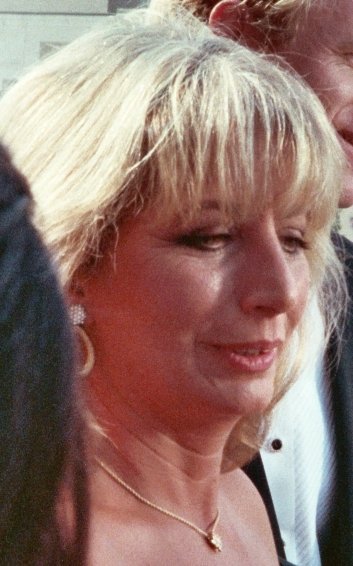
This year, Reiner appeared in four episodes of the Hulu TV show “The Bear” and in “Spinal Tap II: The End Continues,” which he also directed. Seeing him return to Spinal Tap after all these years was a gift to fans. The sequel captured the same mockumentary magic that made the original so special. At 78, Reiner was still working, still creating, still relevant in an industry that often discards older artists.
Tracy Reiner, Rob Reiner’s adopted daughter from his marriage to ex-wife Penny Marshall, said she had just seen her father the day before for a family gathering. It’s heartbreaking to imagine. One day they’re celebrating together as a family; the next, unimaginable tragedy strikes. Tracy said she was in shock, unable to process the loss.
The Investigation and Unanswered Questions
Los Angeles police said a “death investigation” is underway, with the Robbery Homicide Division handling the case. Officials stated that the Los Angeles Police Department is not seeking anyone as a suspect or as a person of interest at this time, and they will not be doing this until they conduct their investigation and move forward. The lack of clarity only deepens the tragedy.
A family member went to the house and discovered the bodies of two people, according to Los Angeles police, and homicide detectives were at the scene conducting an investigation. Imagine being that family member. Walking into a home expecting normalcy and finding horror instead. According to a neighbor, actors Billy Crystal and Larry David arrived separately at the home on Sunday evening, showing that Reiner’s Hollywood friendships ran deep.
The press conference held by LAPD Deputy Chief Alan Hamilton was confusing and frustrating for media and the public alike. Officials wouldn’t confirm identities or details, even as the mayor and family members had already released statements. It highlighted how complicated high-profile investigations can become.
An Outpouring of Grief

Tributes poured in from across the entertainment world and political spectrum. Former President Obama wrote that he and Michelle were heartbroken, highlighting Reiner’s storied career and noting that his work helped create “some of our most cherished stories on screen”. Governor Gavin Newsom, Mayor Karen Bass, and Nancy Pelosi all released statements mourning the loss.
Actor Elijah Wood wrote, “Horrified to hear of the passing of Rob Reiner and his wonderful wife Michelle,” while actor and filmmaker Ben Stiller said Reiner “was a kind caring person who was really really funny” and “made some of the most formative movies for my generation”. Josh Gad, John Cusack, and countless others shared their grief on social media.
The Norman Lear estate released a statement remembering Reiner’s close relationship with the legendary producer. Lear often referred to Rob as a son. That bond, forged during All in the Family, lasted until Lear’s death in 2023.
A Legacy That Will Endure

SAG-AFTRA President Sean Astin said Reiner was “one of the most significant figures in the history of film and television,” adding that “the impact he made on American culture simply can’t be overstated”. It’s not hyperbole. Reiner gave us stories that made us laugh, cry, think, and feel. He showed us that genre was just a framework, that what mattered was emotional truth.
Stand by Me taught us about the bittersweet nature of childhood friendships. When Harry Met Sally explored adult relationships with wit and wisdom. The Princess Bride reminded us that fairy tales could be sophisticated and self-aware. A Few Good Men delivered powerful commentary on military justice and moral courage. Misery explored obsession and survival. This Is Spinal Tap satirized rock culture while somehow becoming a love letter to it.
These films don’t just entertain. They’ve become part of how we understand ourselves and our relationships. People quote them at weddings and funerals, use them to explain their feelings, return to them in times of joy and sorrow. That’s immortality in the truest sense.
Remembering Michele Singer Reiner
Michele deserves recognition beyond being Rob’s wife. She was a talented photographer and producer who captured iconic images throughout her career. Michelle was a gifted photographer, with a keen eye that translated to both her professional work and her advocacy. Together with Rob, she championed causes from children’s welfare to LGBTQ+ rights, leaving her own mark on the world.
Their 36-year marriage was by all accounts a true partnership, built on mutual respect, shared values, and deep love. In Hollywood, where relationships often crumble under the spotlight, they created something lasting and beautiful.
What Happens Now
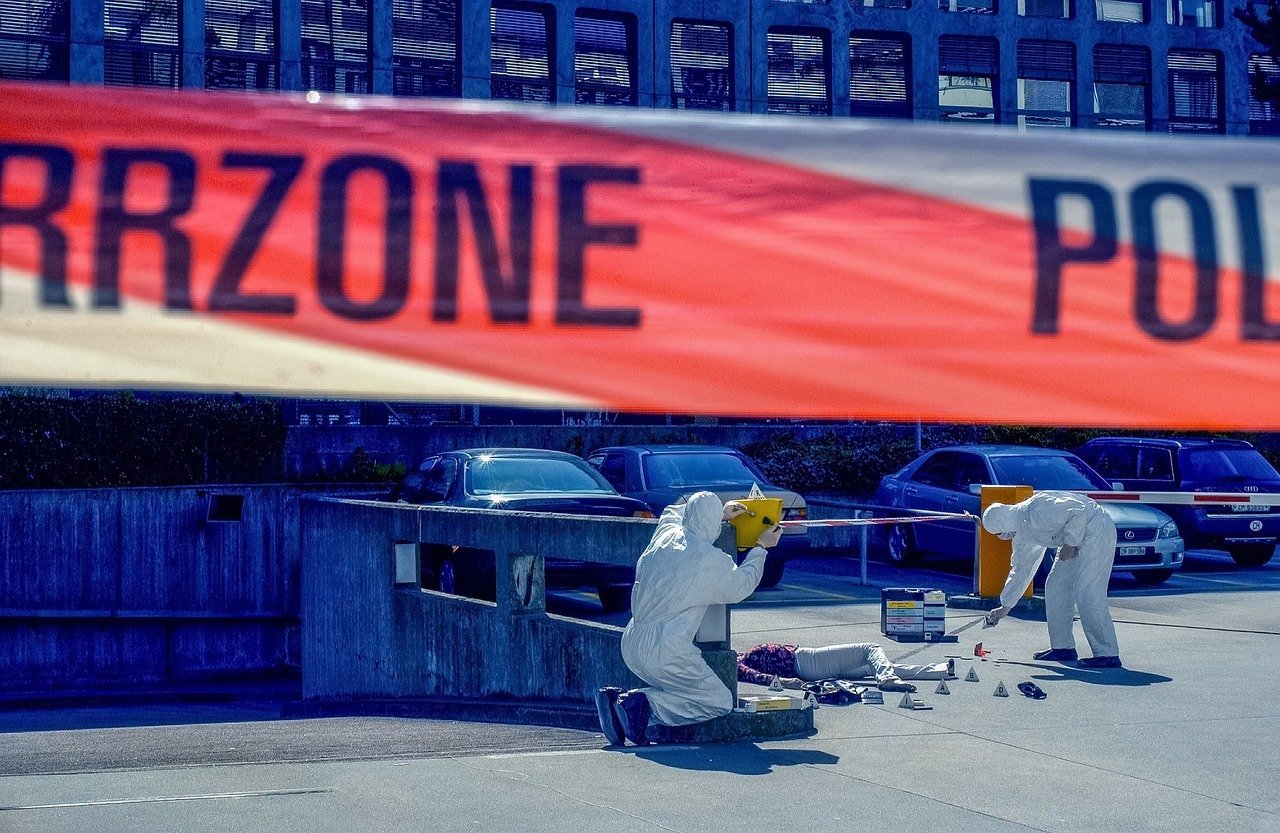
The investigation continues. The Los Angeles Police Department opened a homicide investigation, with its Robbery-Homicide Division leading the inquiry, and during a press conference, police stated that no suspects were being sought and that no one was in custody at the time, with investigators awaiting a search warrant to conduct a full crime scene investigation. Detectives are working to piece together what happened in that Brentwood home on a Sunday afternoon.
For now, we’re left with memories, with films that will continue to delight new generations, and with questions that may take time to answer. The shock hasn’t worn off. It still feels surreal that Rob Reiner, a man who seemed eternal in his creativity and relevance, is gone.
A Final Reflection

Rob Reiner spent his life telling stories about the human condition. He explored love and friendship, fear and courage, justice and injustice. He made us laugh until we cried and cry until we somehow felt better. He showed us that entertainment could be meaningful, that comedy could carry profound truths, that genre was no barrier to emotional resonance.
Governor Newsom said Rob was “the big-hearted genius behind so many of the classic stories we love” and that “His boundless empathy made his stories timeless, teaching generations how to see goodness and righteousness in others and encouraging us to dream bigger”. That empathy shines through every frame of his work.
The world feels darker without Rob and Michele Reiner in it. We’ve lost not just a filmmaker but a moral voice, an advocate for the vulnerable, a believer in human goodness despite all evidence to the contrary. His films will live on, continuing to inspire, entertain, and challenge us. That’s something, at least.
What’s your favorite Rob Reiner film, and what does it mean to you? Sometimes remembering the art helps us process the loss of the artist.
CEO-Co-Founder
