


- How George Washington Was A Coffee Connoisseur Of His Time - April 10, 2026
- Classic Novels Often Hide Modern Lessons We’re Still Learning Today - April 10, 2026
- The 15 Most Influential Musicians of the 20th Century - April 10, 2026
Crime often brings to mind images of violence and chaos. Yet honestly, some of the most fascinating criminal schemes in Chicago’s history unfolded without a single gunshot. These weren’t street crimes driven by desperation. They were calculated, patient, and disturbingly elegant in their execution.
What makes a crime truly intelligent? It’s not about the haul or the headlines. It’s about understanding systems so deeply that you can exploit them from within. Chicago, with its layered bureaucracy, bustling trade networks, and dense financial infrastructure, became fertile ground for those who knew how to think several steps ahead. The following cases reveal a different kind of criminal mind – one that traded brute force for blueprints, and intimidation for insider knowledge.
When Financial Fraud Hides in Plain Sight

In the late 1980s, undercover FBI agents infiltrated the pits of the Chicago Mercantile Exchange, chasing tips of alleged fraud and rigged trades that skimmed money from investors. While this investigation exposed widespread manipulation, it highlighted just how vulnerable even the world’s largest financial centers can be to those who truly understand the machinery.
The beauty of financial crimes lies in their invisibility. Losses blur into daily transaction volumes. During investigations, it was realized that the open-outcry system could be abused. The volume itself became the camouflage. In an environment where billions change hands daily, who notices a few million slipping sideways?
The Underground Approach
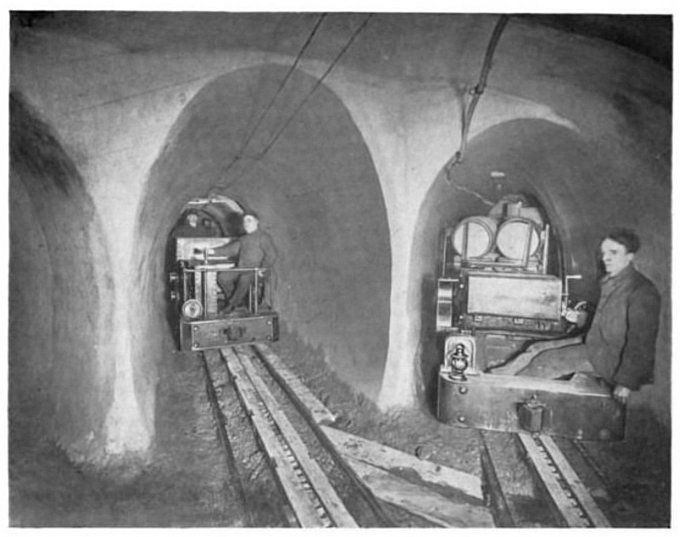
Chicago’s infrastructure has always been its pride and its vulnerability. The city’s unique 46-mile freight tunnel system, filled with small-scale locomotive trains from 1906 to 1959, hauled freight between Loop buildings and carried away ashes from coal-burning furnaces. These forgotten passages created opportunities for those patient enough to map them.
Tunnel-based bank robberies aren’t unique to Chicago, though the city’s underground maze offered unusual possibilities. Analysts believed that it would have taken the culprits of robberies at least 4 to 5 weeks of work to accomplish digging feats. The planning required geological knowledge, engineering skill, and an almost obsessive attention to detail. Some crews worked for months, creating elaborate underground passages that bypassed every alarm system installed above ground.
Rail Hub Exploitation

Chicago’s position as America’s rail crossroads made it a nexus for cargo movement. That scale created blind spots. Shipments moved through multiple hands, across different companies, through various inspection points. Each handoff represented a potential gap in accountability.
Organized theft rings targeting rail cargo didn’t smash and grab. They infiltrated scheduling systems, understood routing protocols, and knew exactly when high-value shipments moved through the city. The sheer volume of freight passing through Union Station meant that missing cargo could take days or even weeks to be noticed, giving thieves ample time to disappear into legitimate commerce.
The Ghost Payroll Legacy

Individuals pleaded guilty to holding ghost jobs on various committees from the 1980s and early 1990s, collecting tens of thousands in pay and health insurance coverage while doing no work. This wasn’t smash-and-grab theft. It was systematic, bureaucratic plunder that exploited trust and routine.
FBI operations with names like Haunted Hall targeted ghost payroll schemes. The genius here wasn’t in complexity – it was in patience. Small amounts, repeated over years, hidden within legitimate payroll systems. One city clerk predecessor was convicted in a ghost payroll scheme for paying a total of nearly half a million dollars to six “ghosts” for little or no work over a dozen years.
What’s remarkable is how long these schemes persisted. The bureaucracy itself became the accomplice, its layers of process and approval creating plausible deniability for everyone involved.
After-Hours Access

Not every theft requires tunnels or insider trading knowledge. Sometimes the simplest approach works best. Criminals posing as cleaning crews exploited one of the most overlooked aspects of building security – the assumption that people in uniforms belong there.
Office buildings in the Loop housed law firms, financial institutions, and trading companies. After-hours cleaning staff had keys, access codes, and most importantly, legitimacy. By the time businesses discovered missing documents or valuables, the “cleaning crew” had vanished, often having worked multiple buildings before anyone noticed a pattern.
Diamond District Deception
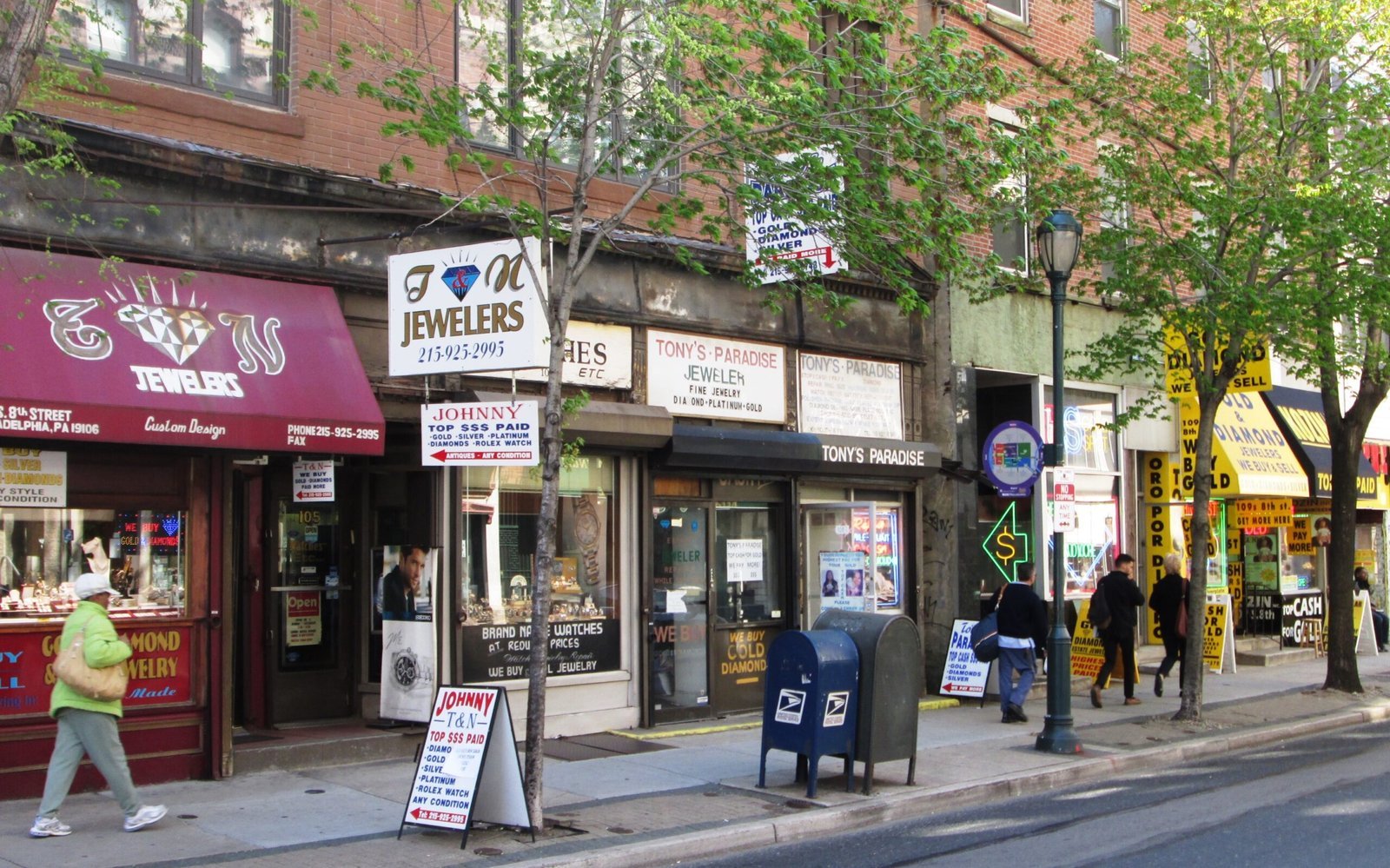
Chicago’s Jewelers Row is home to numerous large jewelry stores, including the Jewelers Center – an iconic building housing almost 200 different jewelers. High transaction volumes, rapid evaluations, and the inherent difficulty in distinguishing quality created opportunities for skilled con artists.
Diamond switch scams rely on speed, confidence, and distraction. A common dirty trick is to switch the diamond chosen and paid for with one of lesser quality when left to be set in jewelry or sized. The scam works because customers lack expertise and trust the professional handling their purchase. By the time someone discovers the switch – often months later during an insurance appraisal – proving what happened becomes nearly impossible.
False Authority Schemes

Chicago’s reputation for bureaucratic complexity created perfect conditions for impersonation scams. Criminals posing as city inspectors leveraged fear of fines, violations, and regulatory hassles. Small business owners, particularly immigrants unfamiliar with official processes, became easy targets.
The brilliance lay in exploiting the system’s reputation. Chicago conditioned people to expect visits from inspectors, to anticipate fees and fines, to simply comply. Fake inspectors collected cash payments for violations that didn’t exist, promising to ‘take care of things’ without filing official paperwork. Victims often didn’t report the extortion because they believed they’d narrowly avoided worse penalties.
Warehouse Paper Trails

Chicago’s logistics sector handles staggering inventory volumes. Warehouses near O’Hare and throughout the industrial corridors process goods for the entire Midwest. That scale creates opportunities for those who understand that theft can happen on paper before a single box goes missing.
Employees falsifying inventory records while removing goods exploited the gap between physical counts and database entries. Audits happened quarterly at best, often less frequently. By the time discrepancies surfaced, determining exactly when and how goods disappeared became nearly impossible. The scheme required patience, access, and understanding of inventory management systems – but no violence, no forced entry, no obvious crime scene.

Besides founding Festivaltopia, Luca is the co founder of trib, an art and fashion collectiv you find on several regional events and online. Also he is part of the management board at HORiZONTE, a group travel provider in Germany.
