

The Unsung Architects of History
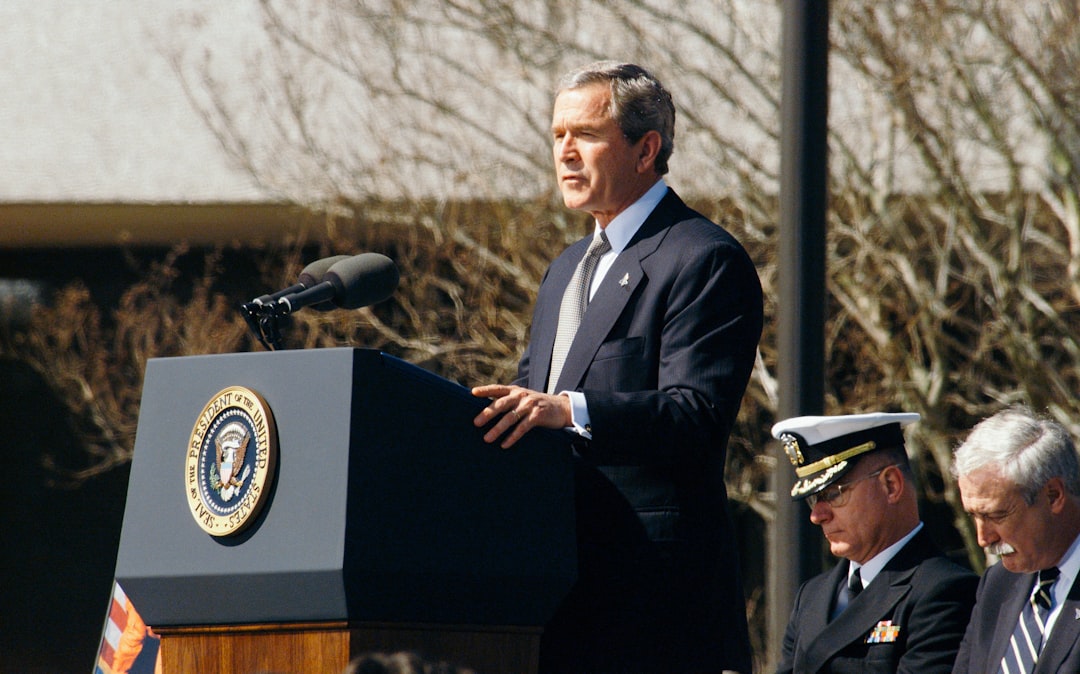
When the President of the United States speaks, the world listens. But hidden behind those powerful words are teams of talented, often anonymous writers who sculpt every syllable. These speechwriters are the architects of history, giving voice to leadership in moments of triumph, tragedy, and transition. Their work is felt in living rooms, on battlefields, and in the halls of Congress. According to a 2024 study by the American Presidency Project, over 80 percent of presidential speeches in the last 50 years were crafted or heavily edited by professional writers. While presidents receive the praise—or criticism—it’s these secret scribes who often turn a simple message into a lasting legacy.
From FDR’s Fireside Chats to Obama’s Oratory
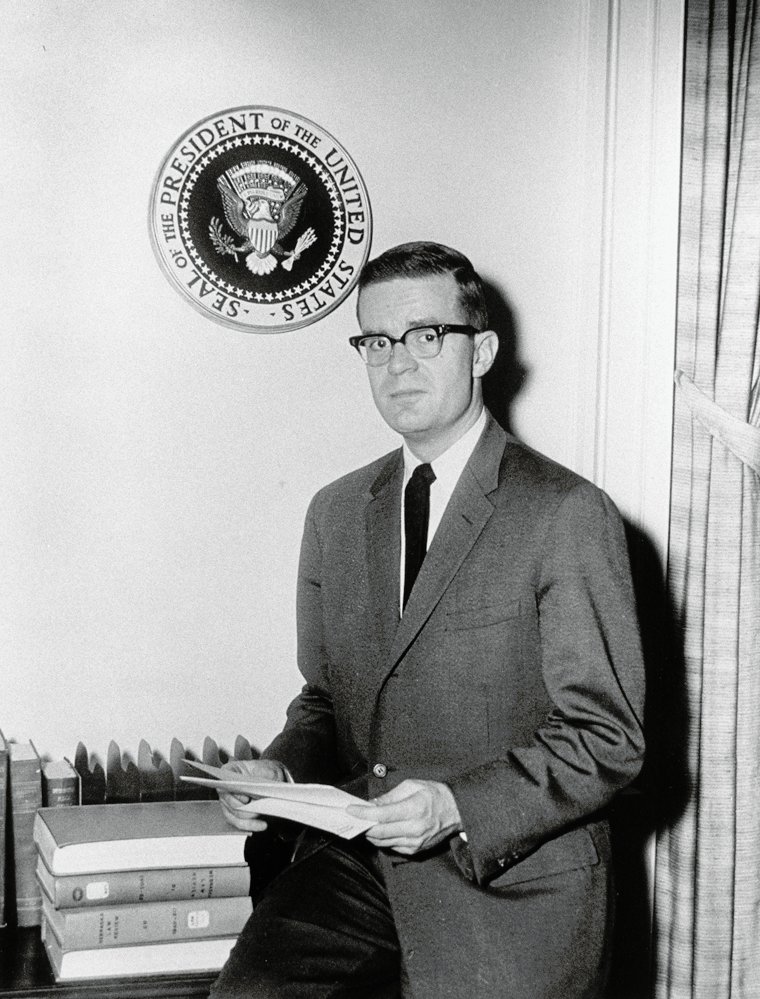
The tradition of presidential speechwriting stretches back over a century. Franklin D. Roosevelt’s “Fireside Chats” were actually the result of careful drafting and collaboration with trusted advisors. When John F. Kennedy delivered his stirring inaugural address—“Ask not what your country can do for you”—it was written by Ted Sorensen, a man whose name was almost never mentioned in public. Fast-forward to Barack Obama, whose speeches were crafted by a core team led by Jon Favreau, a 27-year-old with a knack for storytelling. In 2023, the Smithsonian Institution reported that nearly every modern president has relied heavily on a dedicated speechwriting staff, showing how essential these writers have become.
How Many Speechwriters Does a President Have?
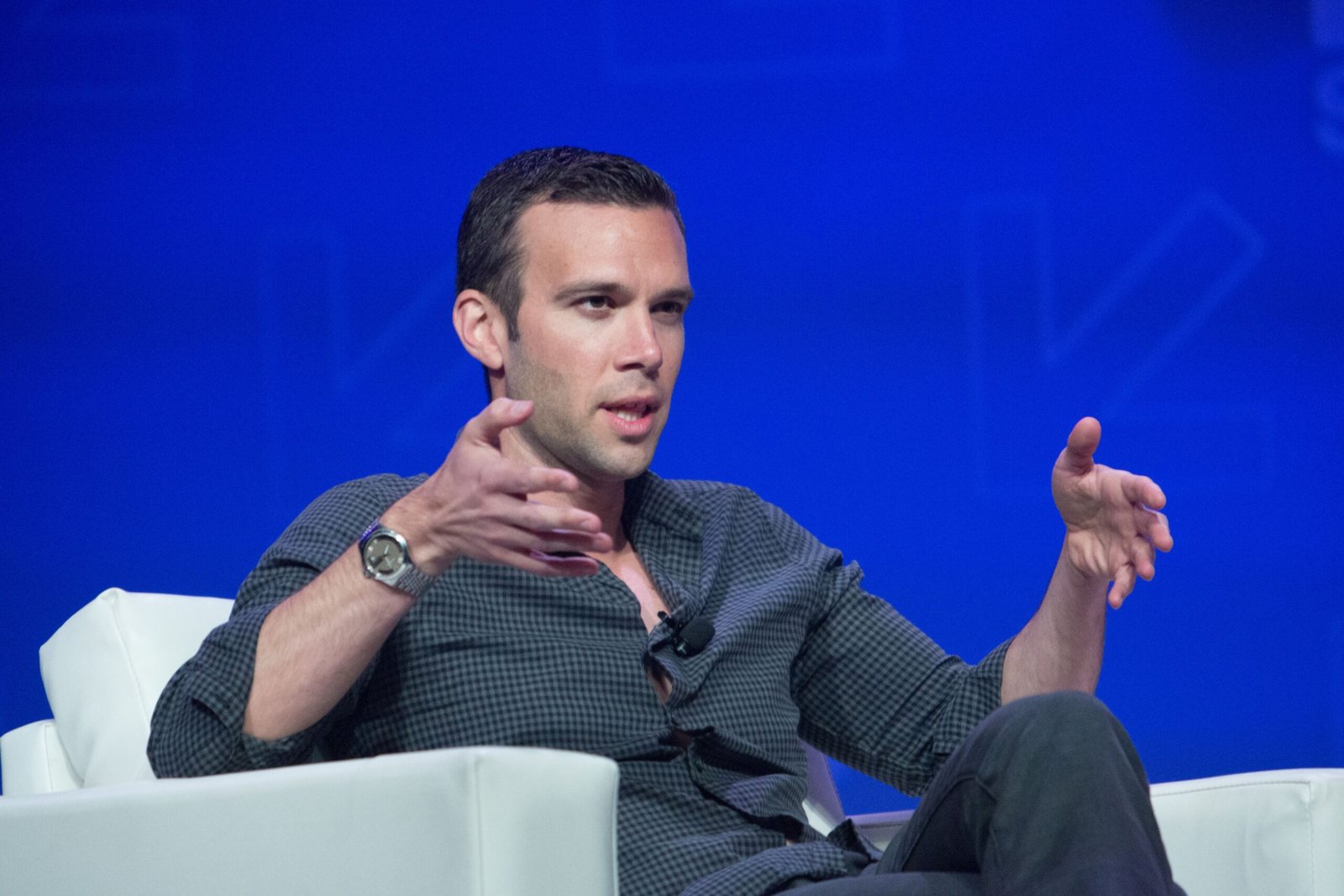
It might surprise some people to learn that the White House speechwriting office isn’t just one person. During the Biden administration, the White House Office of Speechwriting reportedly employed about 12 full-time staffers, according to a 2024 Politico report. This number can fluctuate—Ronald Reagan often had up to 15, while earlier presidents managed with fewer. These teams include senior speechwriters, junior assistants, researchers, and even fact-checkers. Their collaboration allows the president to speak on vastly different issues, from foreign policy to holiday greetings, all with a consistent and authentic voice.
The Art of Capturing a Presidential Voice
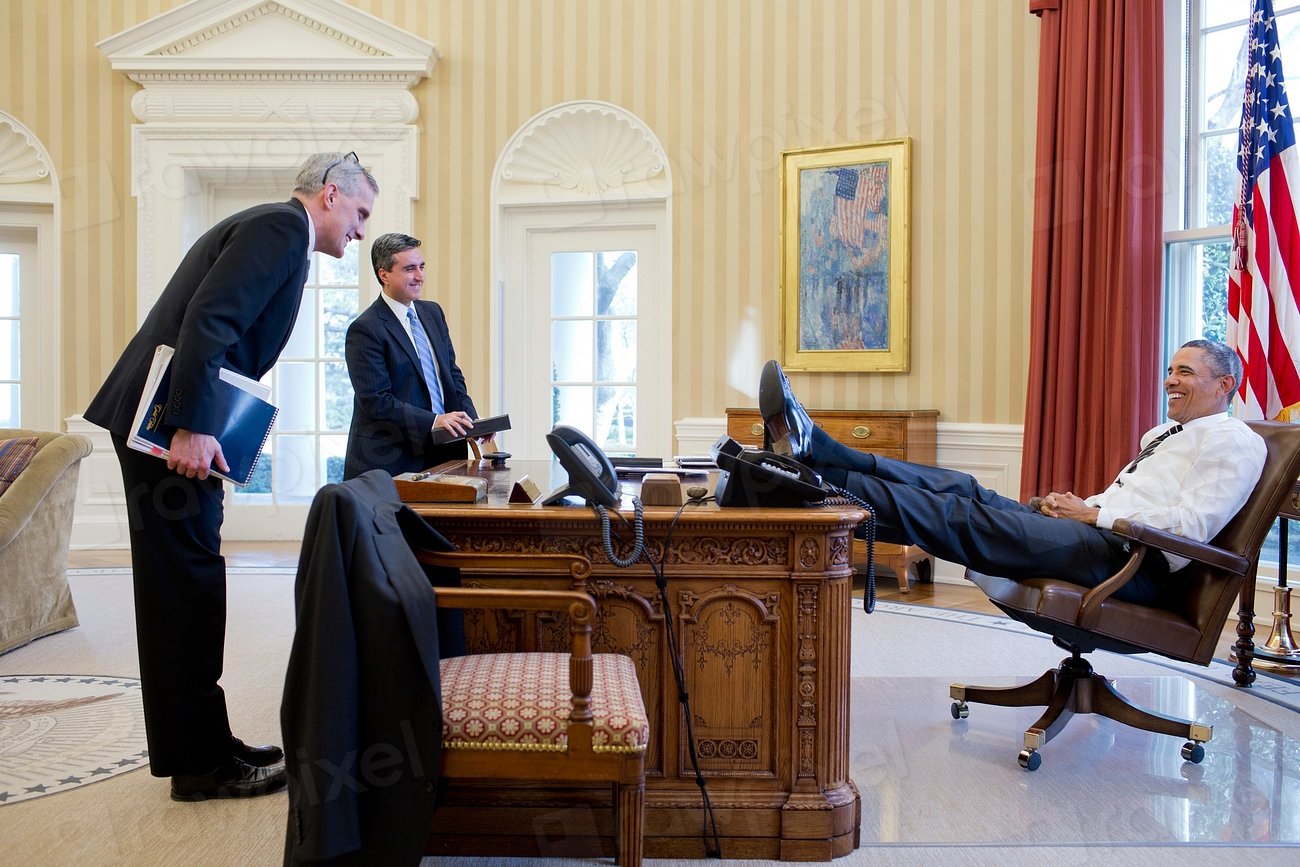
One of the biggest challenges for presidential speechwriters is mimicking the unique voice and style of their boss. Every president has quirks—words they love, phrases they avoid, a certain rhythm or tone. Writers spend weeks studying past speeches, watching interviews, and even listening to private recordings to nail this down. A 2022 Pew Research Center survey found that 60 percent of Americans believe a president’s words reflect their personal beliefs, not realizing the careful craft behind the curtain. Writers must blend their own skills with the president’s persona, making the final product sound genuine and heartfelt.
Writing in Times of Crisis
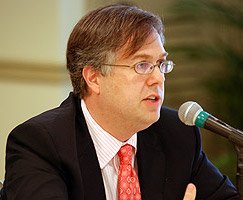
Moments of national crisis are when speechwriters truly shine—and feel the pressure. After the September 11 attacks, George W. Bush’s address to the nation was penned in less than two hours by Michael Gerson and his team, who worked under extreme emotional strain. In 2020, as the COVID-19 pandemic unfolded, presidential speechwriters faced unprecedented challenges in communicating hope, urgency, and caution, all at once. According to Harvard’s Shorenstein Center, the wording of these crisis speeches can have direct effects on public behavior, from calming panic to inspiring action.
Speechwriting Goes Digital
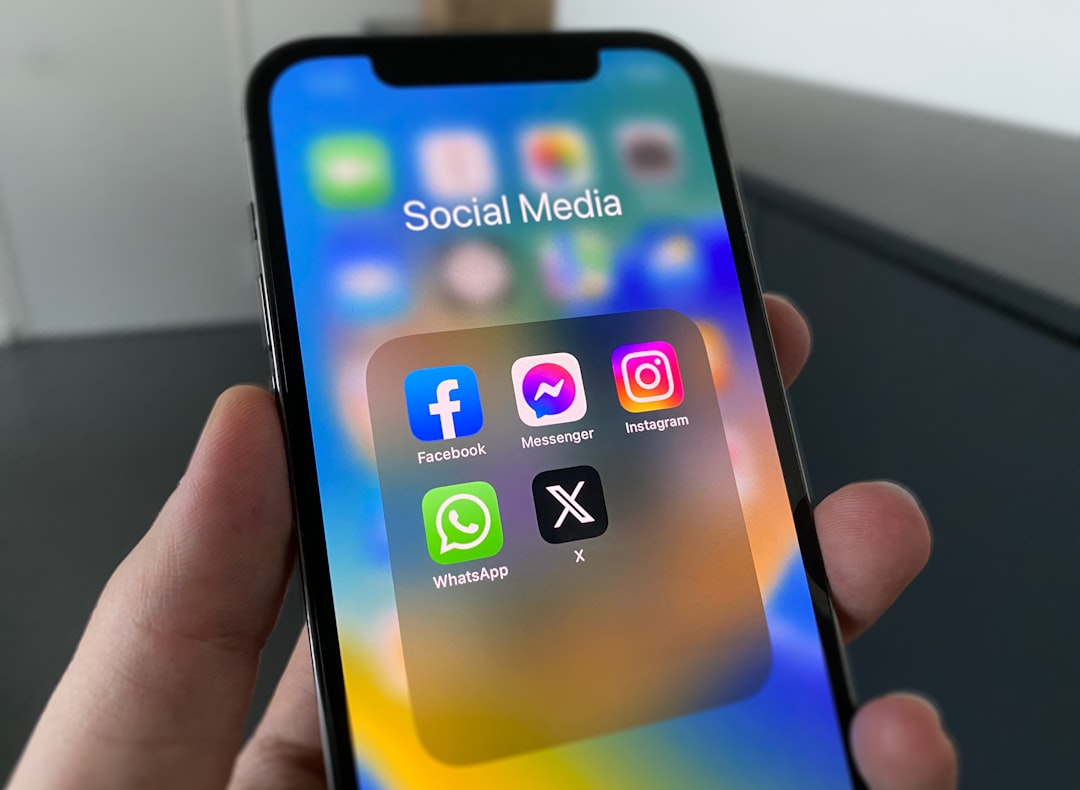
The rise of social media has transformed the job of the presidential speechwriter. Today, every word is dissected and shared instantly across platforms like X (formerly Twitter), Instagram, and TikTok. In 2024, the White House digital team reported that over 70 percent of presidential remarks are now written with social media in mind, using shorter sentences, punchier phrases, and even hashtags. Writers must think not just about the audience in the room, but about millions of people who will see clips and soundbites online. It’s a new kind of pressure, but also an opportunity to connect more personally with the public.
Famous Lines You Didn’t Know Were Ghostwritten
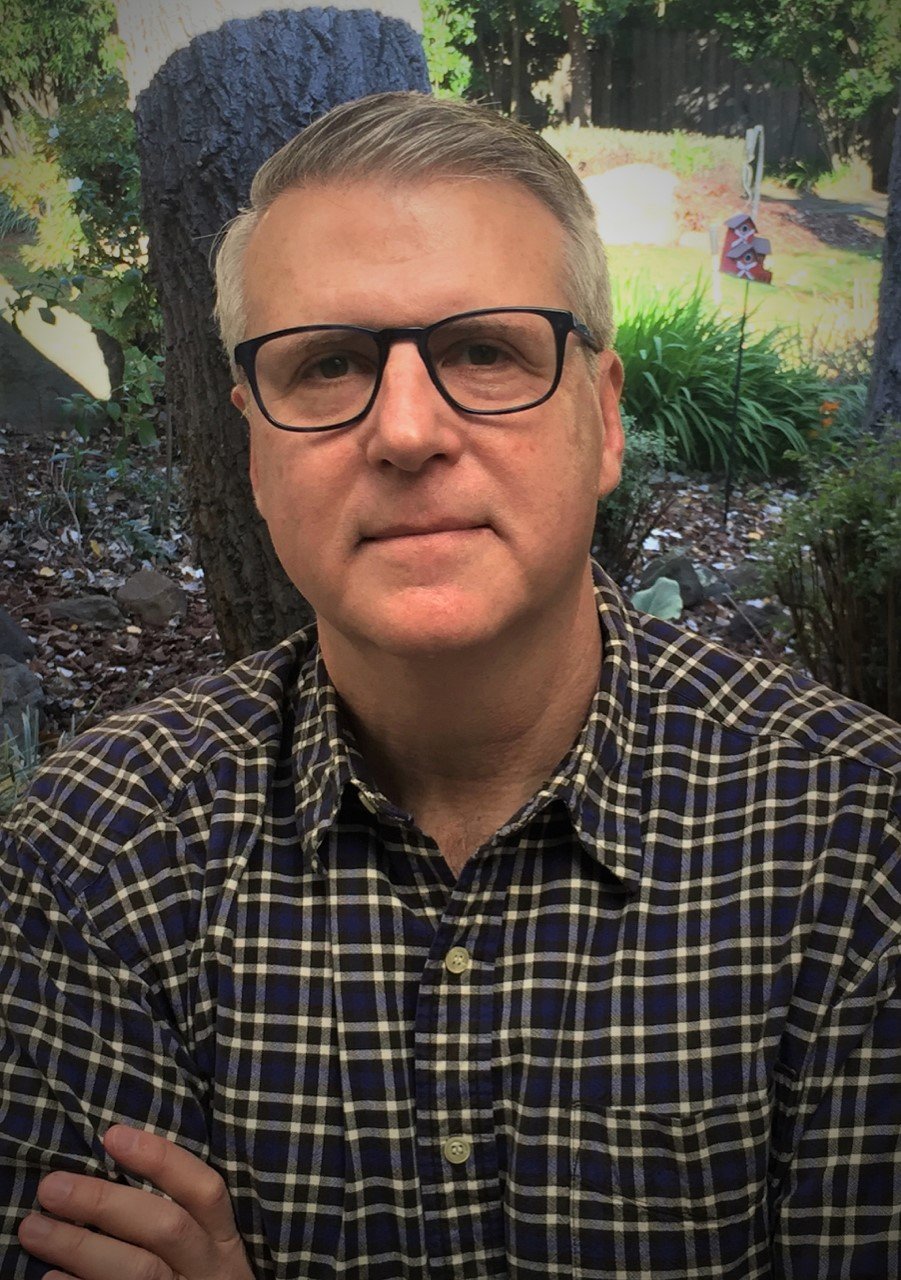
Some of the most iconic phrases in American history were actually crafted by speechwriters. Ronald Reagan’s “Mr. Gorbachev, tear down this wall!” was the work of Peter Robinson, who fought to keep the line in the speech despite resistance from State Department officials. Michelle Obama’s “When they go low, we go high” was coined by head speechwriter Sarah Hurwitz. Even Biden’s 2021 inaugural theme, “America United,” was the result of brainstorming sessions among his writing staff, as revealed in a 2023 New York Times feature. The fingerprints of these hidden writers are all over history’s greatest moments.
The Vetting Process: Fact-Checking Every Word
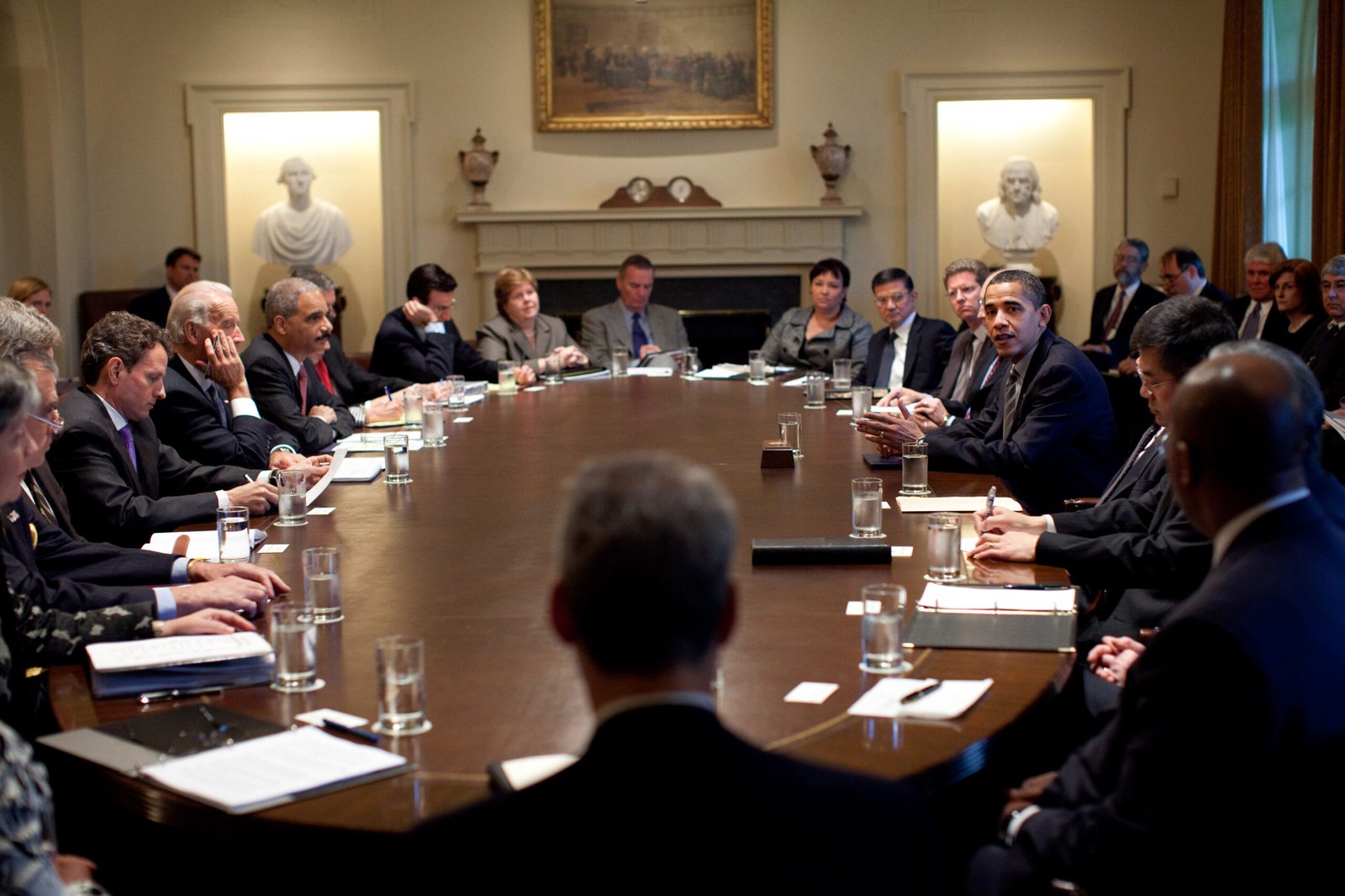
Every presidential speech undergoes a rigorous vetting process before it’s delivered. Dozens of policy experts, legal advisors, and communications officers comb through each draft, ensuring accuracy and avoiding diplomatic missteps. According to a 2024 Government Accountability Office report, the process can involve up to 30 people, especially for major addresses like the State of the Union. This collective scrutiny helps prevent embarrassing errors and ensures that every statement is backed by verified facts.
Confidentiality and Loyalty: The Code of the Speechwriter

Presidential speechwriters are bound by strict confidentiality. They rarely speak publicly about their work and almost never reveal private conversations with the president. This sense of loyalty is crucial; leaks or breaches of trust can end a career overnight. In 2023, a former White House speechwriter told NPR that “the best writers are the ones who can keep a secret and keep the president’s trust, no matter what.” Their silence only adds to the mystery and allure of their work.
Diversity and the Changing Face of Speechwriting
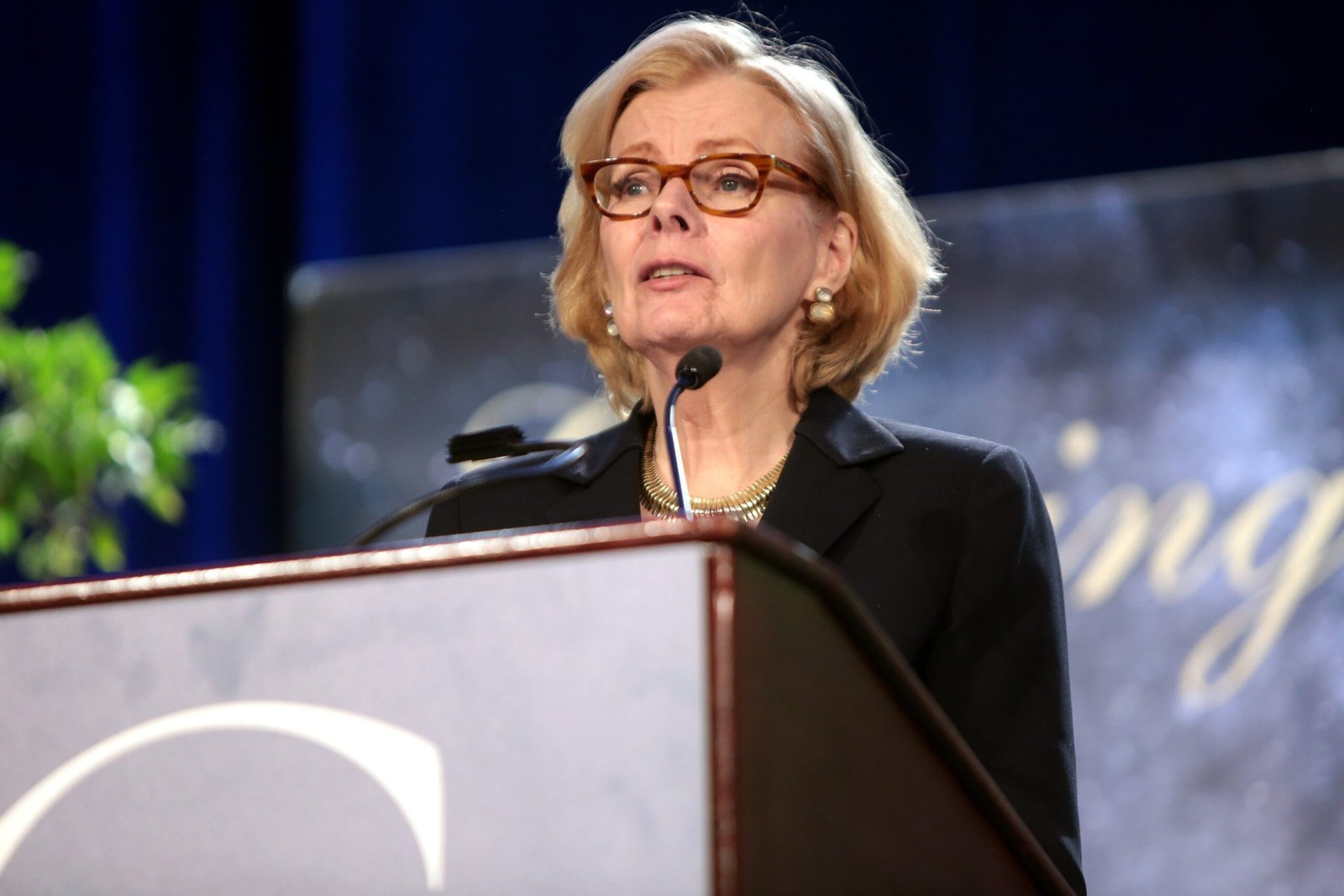
The world of presidential speechwriting is slowly becoming more diverse. In the early 20th century, nearly all speechwriters were white men from elite backgrounds. Today, according to the 2023 White House Gender and Diversity Report, nearly half the speechwriting staff is female, and a growing number come from varied racial and socioeconomic backgrounds. This diversity brings fresh perspectives and richer language to presidential addresses, helping America’s voice reflect its people more authentically.
The Emotional Toll of Shaping a Nation’s Words

Being a presidential speechwriter is not for the faint of heart. The hours are long, the stakes are high, and the emotional weight can be crushing. Writers often work late into the night, missing family events and holidays. The pressure to “get it right” is immense, especially when the words could impact millions. In a 2024 interview with The Atlantic, several current and former speechwriters admitted to burnout and stress-related health issues. Their sacrifices are real, yet they continue because of a deep sense of duty and love for storytelling.
Presidential Speechwriting in 2025 and Beyond

As the 2024 election brought new faces and voices to Washington, the role of speechwriters has evolved yet again. With artificial intelligence now assisting in drafting early versions of speeches, writers must adapt to new tools while keeping the human touch. Yet, as recent research by the University of Pennsylvania shows, it’s still the human writers who inject emotion, nuance, and authenticity—qualities that machines can’t replicate. The future will likely see more collaboration between technology and tradition, but the need for skilled, heartfelt storytelling remains as vital as ever.

Besides founding Festivaltopia, Luca is the co founder of trib, an art and fashion collectiv you find on several regional events and online. Also he is part of the management board at HORiZONTE, a group travel provider in Germany.
