

For any feedback please reach out to info@festivalinside.com
- From Productivity to Happiness: The 17 Best Self-Help Books to Inspire You - December 21, 2025
- The Greatest One-Man Shows of All Time—Solo Performances That Left Audiences in Awe - December 21, 2025
- The Greatest Icons in Human History—Who Left the Biggest Legacy? - December 21, 2025
The Rolling Stones Transform Motown Magic
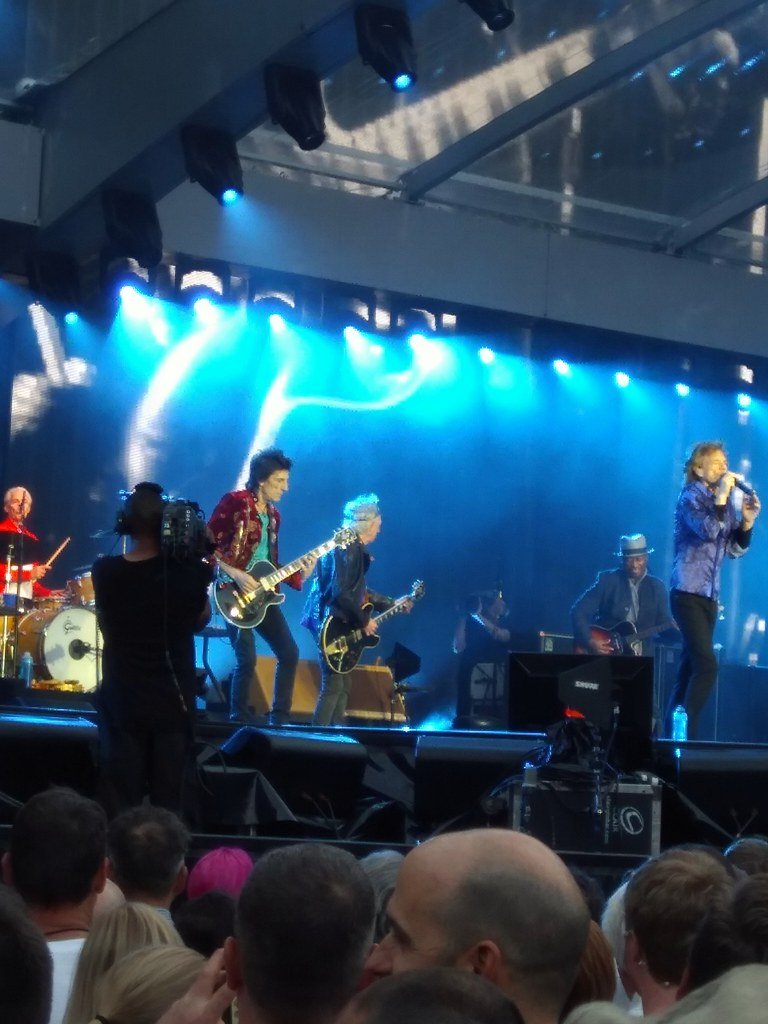
When it was the first time they’d played the song since a 2007 gig at London’s 02 Arena, but they’ve done it at least 110 times going all the way back to the Made in the Shade tour of 1975, the Rolling Stones proved once again why “Ain’t Too Proud to Beg” remains their secret weapon. The Temptations’ 1966 classic gets completely transformed when filtered through Mick Jagger’s swagger and Keith Richards’ raw guitar work. What makes this cover so compelling isn’t just its energy—it’s how the Stones managed to honor the Motown original while stamping it with their unmistakable British blues sensibility.
The Rolling Stones played Detroit’s Ford Field on Monday night, and they honored the city’s musical roots by covering the 1966 Temptations classic “Ain’t Too Proud to Beg.” “Ever since we were really young, we always loved Motown,” Mick Jagger told the audience. The song is from the group’s 1974 album It’s Only Rock and Roll. As always, Mick Jagger’s vocals are terrific. It’s one of four Temptations songs in their live repertoire, along with “I Can’t Get Next to You,” “Don’t Look Back,” and “Just My Imagination (Running Away With Me).”
U2’s Spiritual Take on Lennon’s Instant Classic
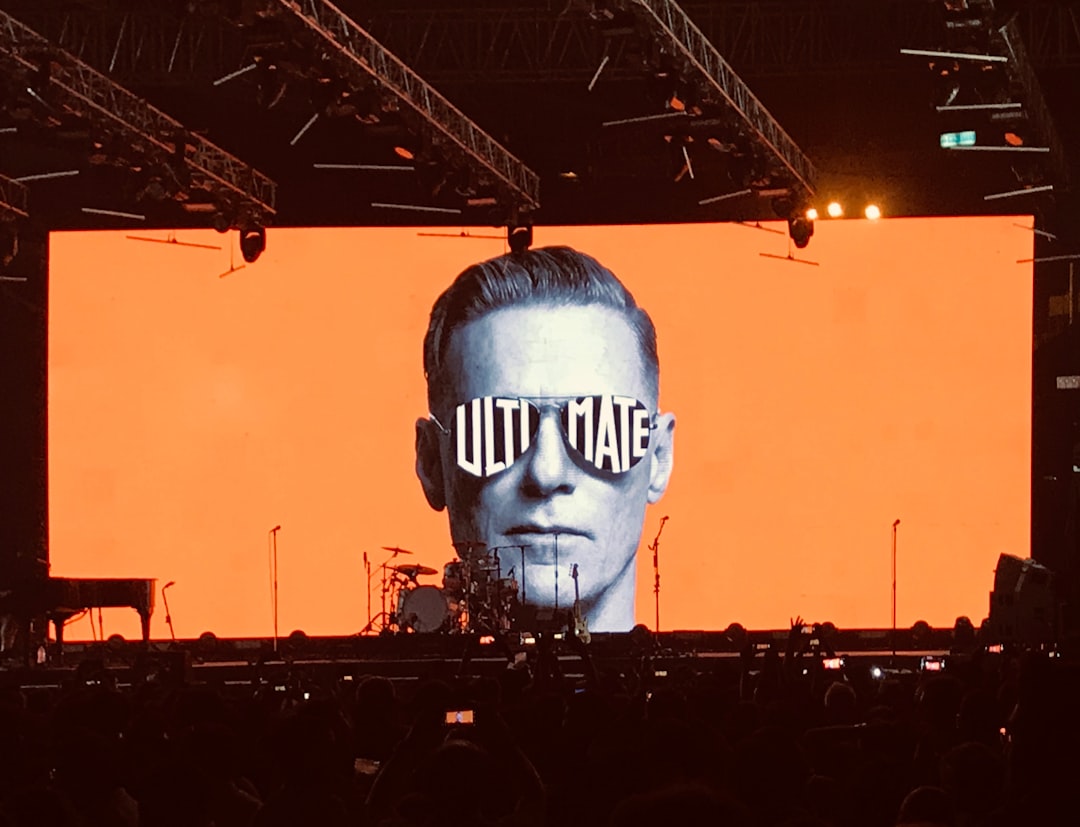
Few covers capture the essence of spiritual yearning quite like U2’s interpretation of John Lennon’s “Instant Karma!” The band’s version transforms the original’s immediate punch into something more expansive and anthemic. Bono’s vocals soar with the kind of passion that made U2 stadium legends, while The Edge’s guitar work adds layers of shimmer that weren’t present in Lennon’s more straightforward approach. Paul Weller, Duran Duran, and U2 are among the acts who have covered “Instant Karma!” In 2007, the song provided the title for Amnesty International’s multi-artist compilation of Lennon compositions, Instant Karma: The Amnesty International Campaign to Save Darfur, for which U2 recorded a cover version.
The beauty of U2’s version lies in how they’ve maintained the urgency of Lennon wrote, recorded, and mixed his new single, “Instant Karma!,” all in one day. It ranks as one of the fastest-released songs in pop music history, recorded at London’s Abbey Road Studios and arriving in stores only ten days later while adding their signature expansiveness. The song has since become a Lennon classic and has been covered by countless artists (including Paul Weller, U2, John Hiatt, Phish, and Regina Spektor). When U2 performs this live, particularly during tribute shows or spontaneous encores, they turn Lennon’s message about immediate karma into a communal experience that connects directly with their own spiritual themes.
Foo Fighters Rock Paul McCartney’s Wings Classic
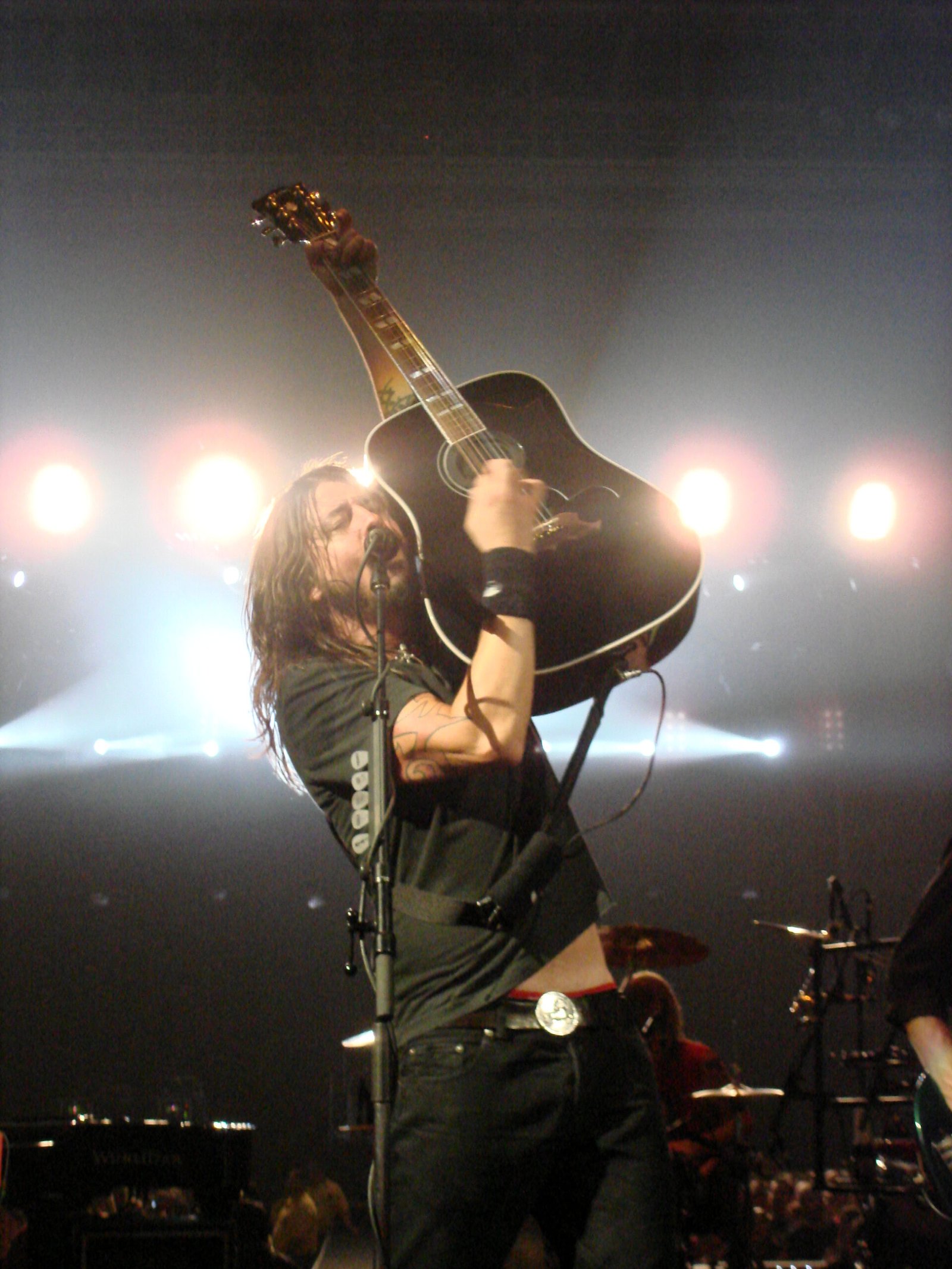
Uploaded by TheCuriousGnome, CC BY 2.0, https://commons.wikimedia.org/w/index.php?curid=10197542)
Dave Grohl’s relationship with Paul McCartney runs deeper than most people realize, which makes the Foo Fighters’ cover of “Band on the Run” feel like a natural evolution rather than just another tribute. A cover version was recorded in 2007 by the rock band Foo Fighters as their contribution to the Radio 1: Established 1967 album; on 1 June 2008 McCartney was joined onstage by Foo Fighters lead singer Dave Grohl for a special performance of the song in Liverpool. The relationship between these two rock legends goes both ways—McCartney even contributed drums to the track “Sunday Rain” after entering the studio and recording two drum tracks without even hearing the song first, basing his performance entirely on Grohl recreating the song acoustically for him on the spot.
In 2007, BBC Radio 1 celebrated its 40th anniversary by releasing a tribute album. The album was a compilation of various artists all recording one song each that would represent the 40-year career of BBC Radio One. The Foo Fighters’ version captures all the drama and complexity of McCartney’s original while adding their characteristic wall of sound. What’s remarkable about their approach is how they’ve kept the song’s theatrical three-part structure intact while making it unmistakably their own. Dave was up first on the night, with Paul introducing him to the crowd by saying: “Now, I’ve got a little surprise for you: your hero from the west coast of America – Dave Grohl!” He revealed that Dave flew in “especially to do this”, with the pair then performing The Beatles’ I Saw Her Standing There and Wings’ Band On The Run together.
Metallica’s Celtic Thunder Meets Thrash Metal
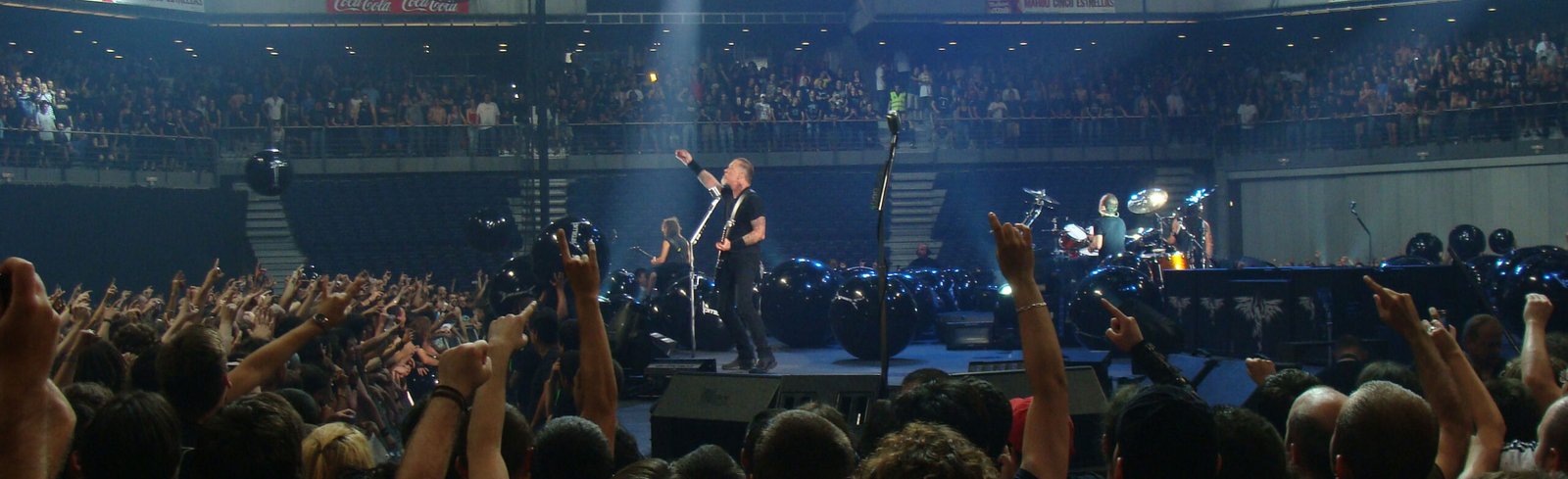
Perhaps no cover song demonstrates the power of transformation quite like Metallica’s version of “Whiskey in the Jar.” This version has since been covered by U2, Pulp (first released on a 1996 various artist compilation album Childline and later on deluxe edition of Different Class in 2006), Smokie, Metallica (Garage Inc. 1998, which won a Grammy). The traditional Irish folk song, “Whiskey in the Jar” (Roud 533) is an Irish traditional song set in the southern mountains of Ireland, often with specific mention of counties Cork and Kerry. The song, about a rapparee (highwayman) who is betrayed by his wife or lover, is one of the most widely performed traditional Irish songs and has been recorded by numerous artists since the 1950s.
Total Plays 104 times by Metallica, making it one of their most frequently performed covers. Whiskey In The Jar was actually the 21st single released by Metallica and featured on their 1998 covers album Garage Inc. The idea behind the album was to feature songs by artists that have influenced the band. In addition to Thin Lizzy, it features covers of tracks from the likes of Black Sabbath, Blue Oyster Cult & Lynyrd Skynyrd. What makes Metallica’s approach so effective is how they’ve taken Irish rock band Thin Lizzy hit the Irish and British pop charts with the song in 1973 and amplified its inherent drama. To honor the country’s most famous hard-rock export Thin Lizzy, the thrash quartet fired up their cover of the group’s 1973 folk song re-working “Whiskey in the Jar,” which Metallica included on their 1998 album Garage, Inc.
Pearl Jam’s Anthem for the Disenfranchised
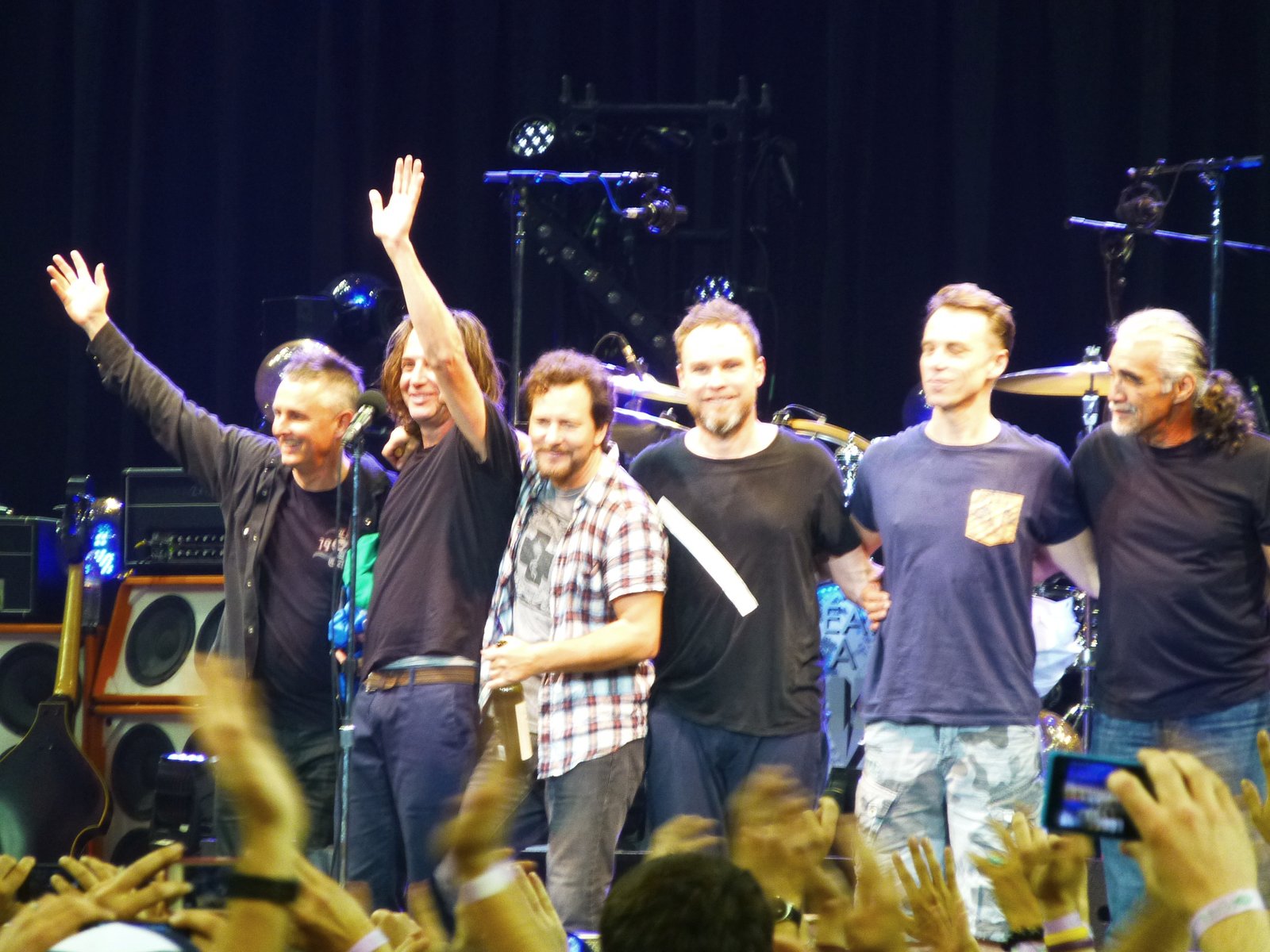
When Pearl Jam tears into Neil Young’s “Rockin’ in the Free World,” something magical happens in the venue. Eddie Vedder’s voice carries the weight of generational frustration, turning Young’s already powerful protest song into something that feels both nostalgic and urgently contemporary. The song works perfectly for Pearl Jam because it matches their own political consciousness and their ability to channel collective anger into cathartic release.
What’s particularly striking about Pearl Jam’s interpretation is how they’ve made the song feel like it could have been written yesterday. Vedder’s delivery transforms the lyrics into something deeply personal, while the band’s dynamic shifts—from quiet, brooding verses to explosive choruses—create an emotional arc that leaves audiences drained and exhilarated. The extended versions they often perform during show closers turn into communal experiences where the entire crowd becomes part of the protest, singing along with voices hoarse from the night’s emotions.
Bruce Springsteen’s Jersey Heart
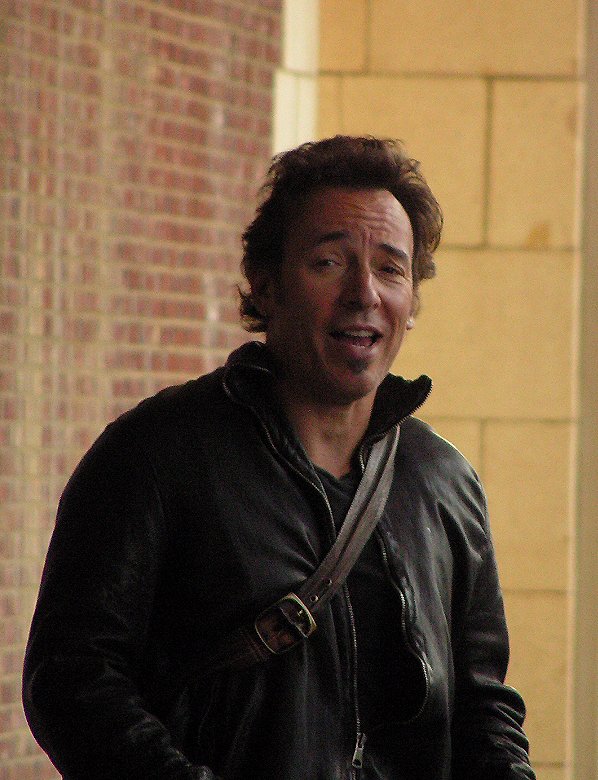
There’s something beautifully ironic about Bruce Springsteen covering Tom Waits’ “Jersey Girl”—especially since Springsteen’s version has become more famous than the original. While technically a cover, this song has become so associated with The Boss that many fans don’t even realize it’s not his original composition. When Springsteen performs it for New Jersey crowds, the emotional connection is palpable, as if he’s singing about his own backyard (which, in many ways, he is).
The magic of Springsteen’s version lies in how perfectly the song fits his artistic persona. Waits wrote a love letter to New Jersey, but Springsteen has lived that love letter his entire career. His delivery turns the song into something that feels autobiographical, complete with the kind of romantic yearning that has defined his best ballads. When he breaks it out during hometown shows, it becomes less a cover and more a declaration of identity—a reminder of where he comes from and what shaped the music that made him a legend.
Red Hot Chili Peppers Funk Up Stevie Wonder
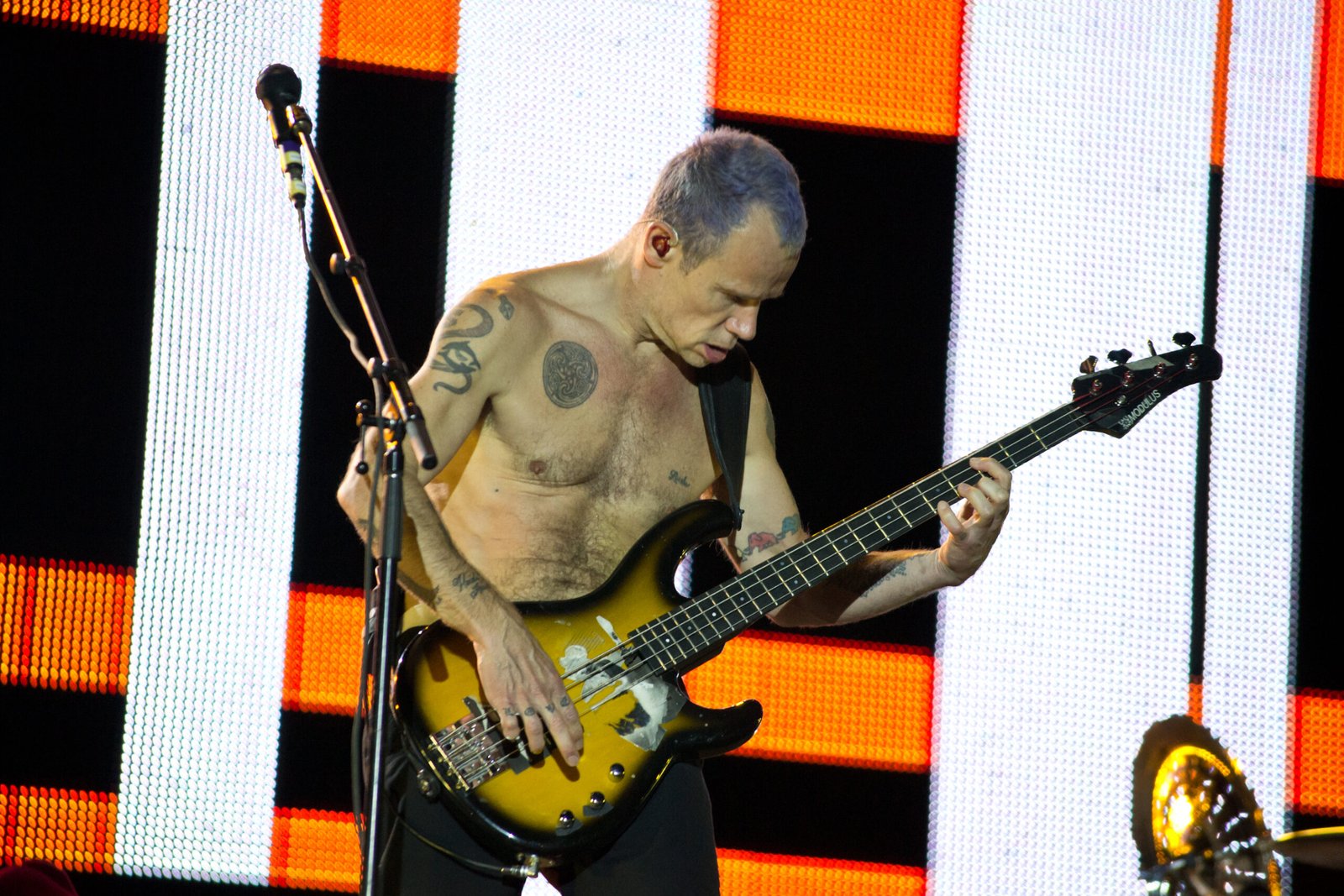
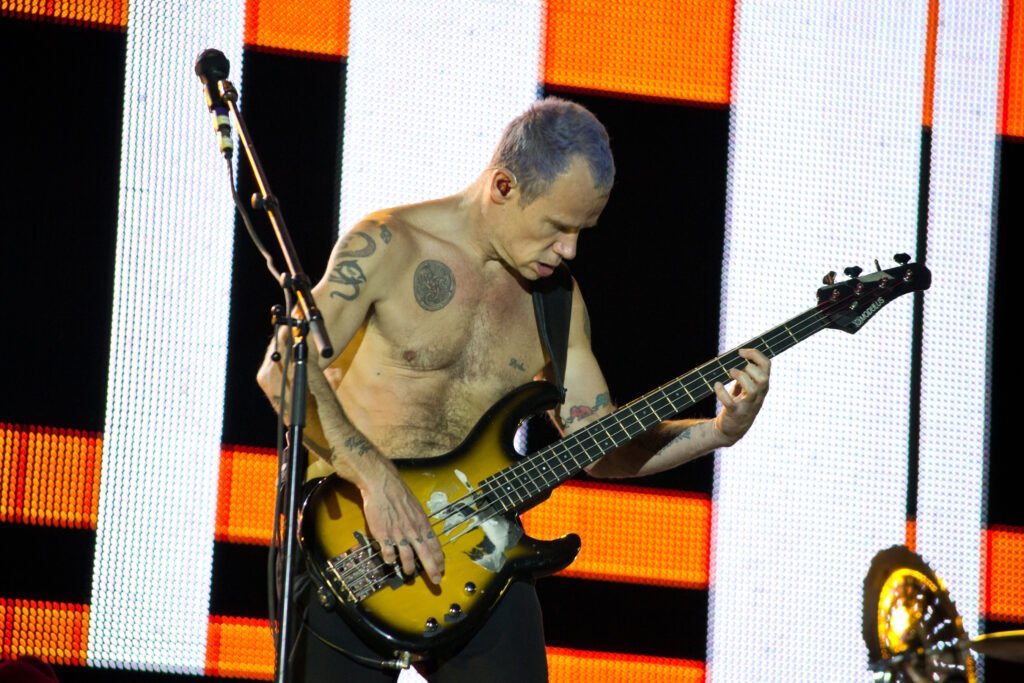
The Red Hot Chili Peppers’ take on Stevie Wonder’s “Higher Ground” is a masterclass in how to reimagine a classic without losing its soul. Flea’s bass playing transforms Wonder’s keyboard-driven groove into something that feels completely contemporary while honoring the original’s spiritual message. Anthony Kiedis’s vocals add a California urgency that makes the song’s themes of growth and transcendence feel fresh and immediate.
What makes this cover so effective is how naturally it fits into the Chili Peppers’ aesthetic. The funk foundation was already there in Wonder’s original, but the band amplifies it through their signature blend of punk energy and R&B sophistication. The result is a version that sounds like it could only come from the Chili Peppers, yet remains respectful to Wonder’s vision. It’s become such a staple of their live shows that newer fans might assume it’s an original composition, which is perhaps the highest compliment a cover can receive.
Radiohead’s Haunting Post-Punk Tribute
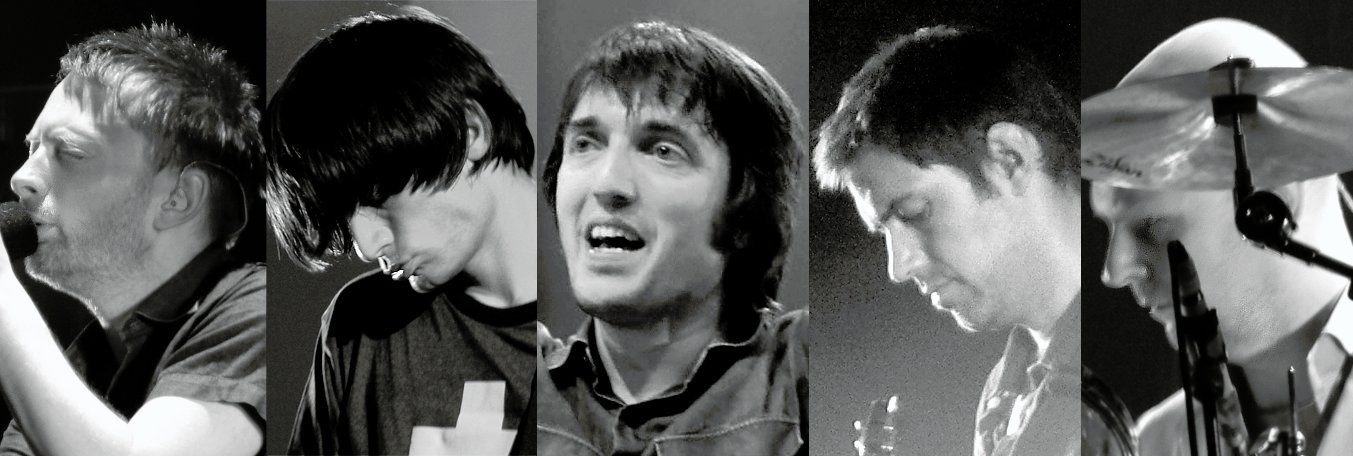
Image:Thom Yorke (Amsterdam).jpg by Michell Zappa
Image:CGreenwood2006-06Radiohead.jpg by Jesse Aaron Safir
Image:Jonny Greenwood (Amsterdam).jpg by Michell Zappa
Image:Radiohead in amsterdam.jpg by Michell Zappa
Image:Phil Selway.jpg by Michell Zappa, CC BY-SA 2.5, https://commons.wikimedia.org/w/index.php?curid=3232309)
When Radiohead tackles Joy Division’s “Ceremony,” they’re not just covering a song—they’re paying homage to one of their most significant influences while adding their own layers of atmospheric complexity. Thom Yorke’s falsetto brings a fragility to the track that wasn’t present in the original, creating an entirely different emotional landscape while maintaining the song’s essential melancholy.
The beauty of Radiohead’s interpretation lies in its restraint. Rather than overwhelming the song with their characteristic electronic flourishes, they strip it down to its emotional core, allowing the haunting melody to breathe in new ways. When they perform it during soundchecks or intimate gigs, it feels like a private conversation between the band and their influences—a reminder that even the most innovative artists build upon the work of those who came before them. The cover works because it demonstrates how influence can be both reverent and transformative.
Led Zeppelin’s Acoustic Deep Cut Legacy
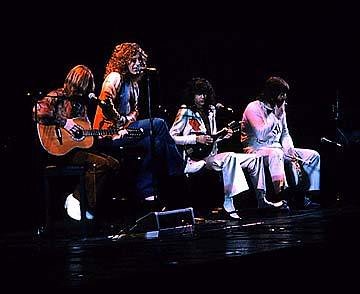
While “Hey Hey What Can I Do” might not technically be a cover in the traditional sense, its influence on other artists has created a fascinating reverse-cover phenomenon. The song, which was a B-side that never appeared on a proper Led Zeppelin album, has been covered by bands like The Black Crowes and Hootie & the Blowfish, who’ve actually made it more famous than the original recording ever was.
What’s particularly interesting about this track is how Robert Plant and Jimmy Page have occasionally revisited it in their solo work, almost as if they’re covering other bands’ interpretations of their own song. The acoustic-driven composition showcases a different side of Led Zeppelin’s songwriting prowess, one that influenced the folk-rock movement of the ’90s. When Plant performs it now, there’s a sense that he’s rediscovering his own work through the lens of how other artists have interpreted it—a unique artistic circle that demonstrates the living, breathing nature of musical influence.
Arctic Monkeys’ Unexpected Hip-Hop Transformation
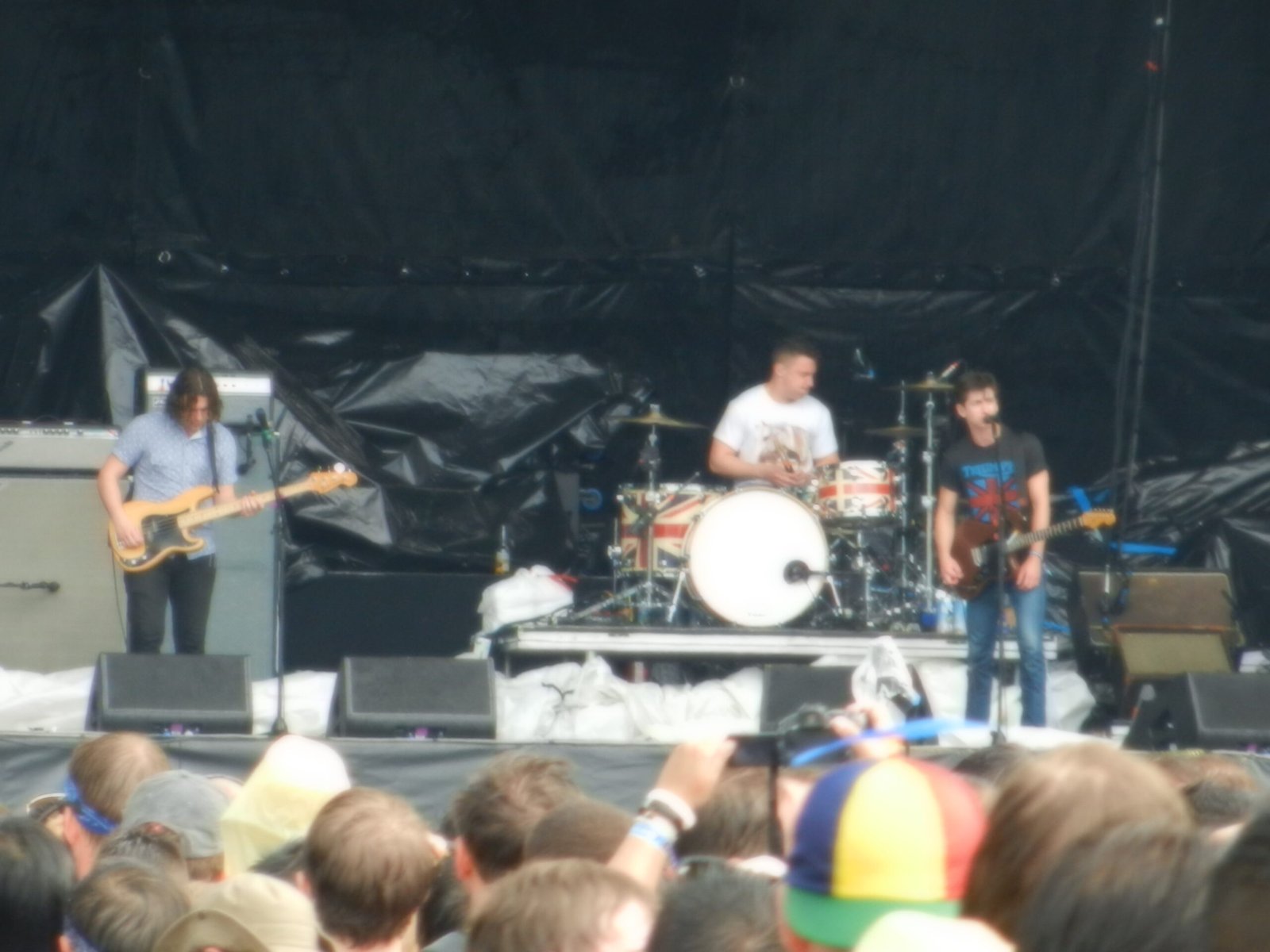
Perhaps no cover on this list is more surprising than the Arctic Monkeys’ lounge-style interpretation of Drake’s “Hold On, We’re Going Home.” Alex Turner’s decision to transform a contemporary hip-hop hit into something that sounds like it could have been recorded in a smoky 1950s jazz club demonstrates the band’s remarkable versatility and willingness to take creative risks.
Turner’s sultry vocal delivery completely reimagines the song’s emotional content, turning Drake’s modern romance into something that feels timeless and cinematic. The arrangement strips away all the contemporary production elements and replaces them with classic instrumentation that highlights the song’s underlying melody and emotional core. When they perform it live, audiences are often caught off guard by how naturally the transformation works—it’s a reminder that good songs can transcend genre boundaries when interpreted by artists willing to think beyond conventional expectations.
The Psychology Behind the Secret Cover
What makes these covers so powerful isn’t just the musical transformation—it’s the element of surprise they bring to live performances. When a band like the Rolling Stones suddenly breaks into “Ain’t Too Proud to Beg” during a show, it creates a moment of shared discovery between the artists and their audience. These songs serve as bridges between generations, connecting older fans who remember the originals with younger listeners experiencing them for the first time through their favorite contemporary artists.
The strategic use of covers also reveals something fascinating about how established bands maintain their creative vitality. Rather than simply relying on their greatest hits, these artists use covers as a way to explore new emotional territories and demonstrate their musical range. It’s a form of musical conversation that spans decades, showing how great songs continue to inspire and evolve long after their initial creation. The fact that these covers often become as beloved as the original compositions speaks to the enduring power of reinterpretation in keeping music alive and relevant across generations.
These secret weapons in every iconic band’s arsenal prove that the best covers aren’t just faithful reproductions—they’re bold reinterpretations that honor the past while creating something entirely new. Whether it’s Metallica turning an Irish folk song into a thrash anthem or U2 transforming Lennon’s urgent message into a stadium-sized spiritual experience, these covers remind us that great music transcends time, genre, and expectation. What surprises might your favorite band have waiting in their back pocket?

Christian Wiedeck, all the way from Germany, loves music festivals, especially in the USA. His articles bring the excitement of these events to readers worldwide.
For any feedback please reach out to info@festivalinside.com
