

- Celebrities With Surprisingly Impressive Academic Backgrounds - December 9, 2025
- The Surprising Origins of Your Favorite Childhood Nursery Rhymes - December 9, 2025
- Forgotten Pop Culture Trends That Deserve a Comeback - December 9, 2025
Hidden Messages in Classic Novels
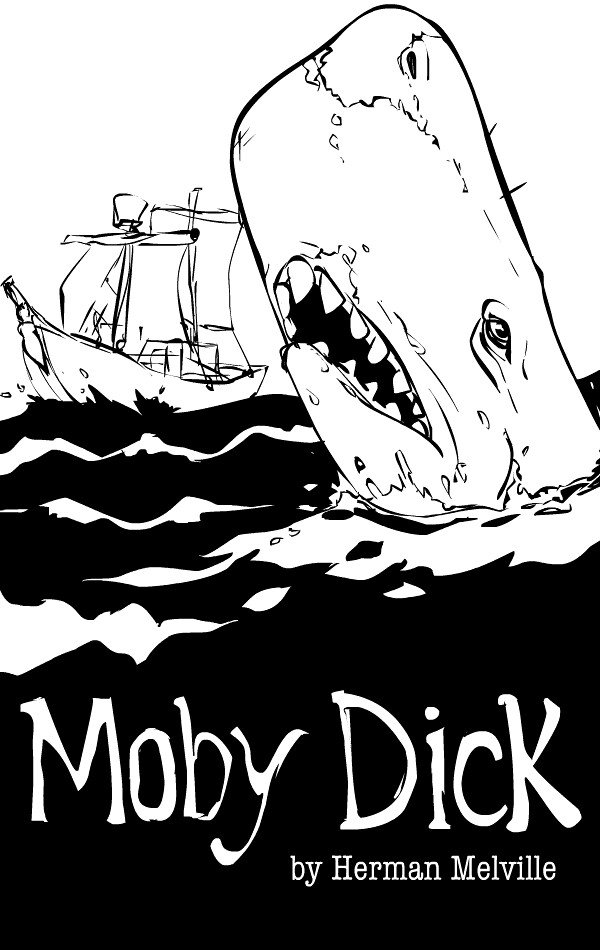
It might sound like something out of a spy thriller, but American intelligence agencies have a history of encoding secret information within the pages of novels. During World War II, agents would sometimes use specific editions of popular novels—like “Moby Dick” or “The Great Gatsby”—to hide codes. By referencing page numbers, lines, and words, they sent cryptic messages to allies behind enemy lines. According to declassified OSS files, these so-called “book codes” were simple to use and nearly impossible for the enemy to break unless they knew the exact book and edition. This technique is similar to what was used by the British, as detailed in CIA publications. Even today, the idea of concealing information in plain sight through literature still fascinates intelligence professionals.
The CIA’s Literary Recruitment
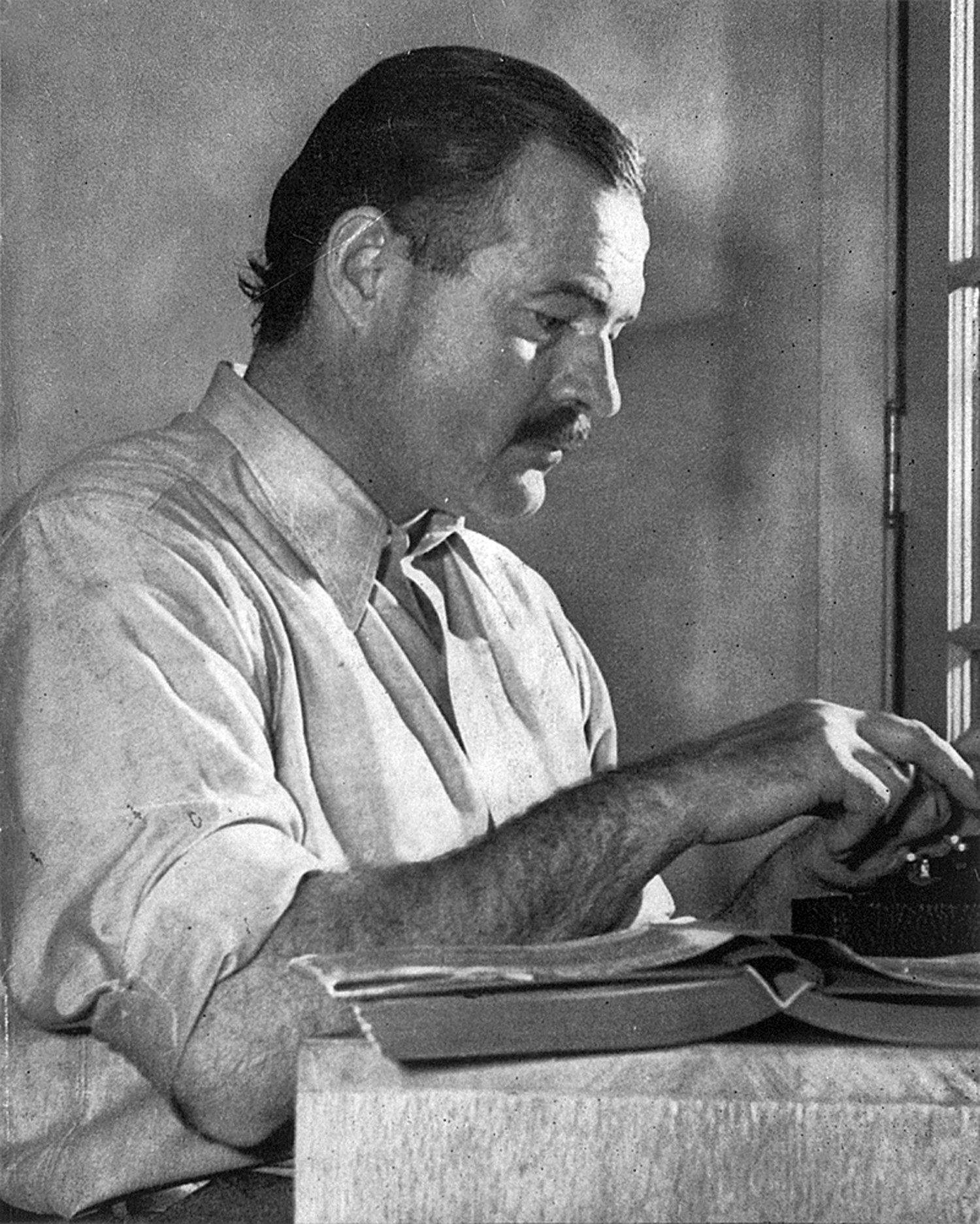
The CIA has a documented history of recruiting writers, journalists, and editors. According to a 2017 report by the National Security Archive, the agency used literary connections to gather information during the Cold War. Notably, authors like Ernest Hemingway and Ian Fleming were rumored to have worked with intelligence agencies, although the full extent is still debated among historians. The CIA’s recruitment of literary figures was not just about gathering intel—it was about shaping public opinion and spreading American ideals abroad. Writers were seen as valuable assets because they could travel freely, ask questions under the guise of research, and blend in with intellectual circles.
Operation Mockingbird and Media Manipulation
One of the most shocking discoveries about American espionage is Operation Mockingbird, a covert program from the late 1940s to the 1970s. According to declassified Senate records, the CIA secretly paid journalists and writers to insert pro-American or anti-Communist messages into books, newspapers, and magazines. This operation influenced public opinion both within the United States and overseas. The impact was enormous—by controlling the narrative, intelligence agencies could sway the hearts and minds of millions without firing a single shot. The echoes of this strategy can still be seen in the way information is managed today.
The Paris Review and Literary Espionage

The prestigious literary magazine “The Paris Review” has been linked to covert intelligence operations. In 2012, the New York Times confirmed that Peter Matthiessen, one of its founders, was a CIA operative. Matthiessen admitted to using the magazine as cover while gathering information in Paris during the 1950s. The magazine’s literary reputation allowed him to move freely through artistic and intellectual circles, collecting valuable political and social intel. This case is a rare, documented example of how literature and espionage have intersected at the highest levels.
Books as Diplomatic Tools

American embassies have long distributed books as a form of soft power. During the Cold War, the United States Information Agency (USIA) sent thousands of English-language books to Eastern Europe and the Soviet Union. According to USIA records, these books were carefully chosen to promote democratic values and counter Communist propaganda. The effort was massive—by 1965, the USIA had distributed over 15 million books worldwide. It wasn’t just about education; it was about subtly influencing how people thought about America and freedom.
Spycraft Embedded in Fiction
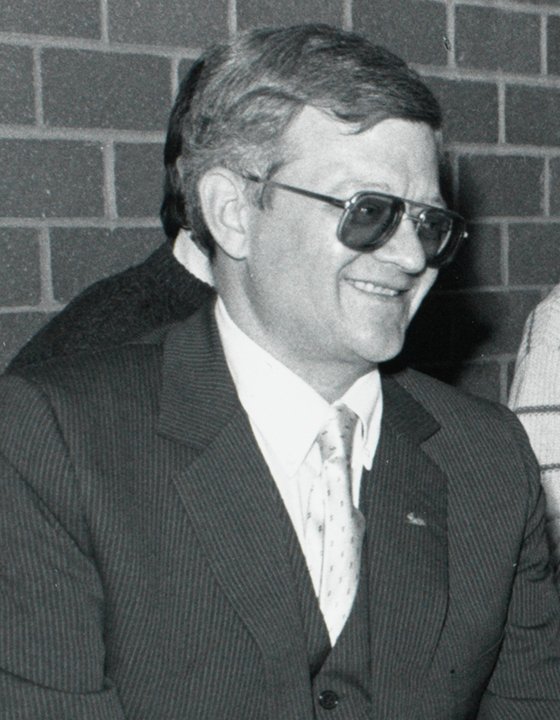
Many spy novels written by Americans contain real-life tradecraft techniques, sometimes straight from the agencies themselves. For example, Tom Clancy’s novels are filled with detailed descriptions of military technology and intelligence operations. According to a 1996 Washington Post article, Clancy was once questioned by the Pentagon about the accuracy of his depictions. Authors with intelligence backgrounds, such as Charles McCarry—a former CIA officer—often blur the line between fiction and reality, weaving genuine espionage methods into their stories. This practice not only entertains but also educates the public about how spies actually work.
Invisible Ink and Literary Codes
Invisible ink isn’t just a childhood fantasy. According to Smithsonian research, American spies in World War I and II used literary references to hide instructions about how to use invisible ink. Letters and books would contain subtle references—like “apply heat” or “look for lemon juice”—which acted as cues for the real message. These techniques were so effective that they became standard practice in intelligence training manuals throughout the 20th century. The clever use of literary clues made it nearly impossible for enemy censors to uncover the hidden messages.
American Poets as Spies

Immediate source: cropped, high-resolution version via TheParisReview.org (direct link to jpeg), Public domain, https://commons.wikimedia.org/w/index.php?curid=84005167)
It may surprise many to learn that several American poets have worked for intelligence agencies. During World War II, the Office of Strategic Services (OSS) recruited literary figures like John Ciardi and James Dickey. According to OSS records, their creative skills made them adept at encoding and deciphering messages. Poets’ abilities to think abstractly and use language creatively were seen as major assets in the world of espionage. This blending of poetry and spycraft is a testament to the versatility of literary minds under pressure.
Propaganda Through Children’s Books
Children’s literature was not immune to the touch of American intelligence agencies. Declassified USIA materials show that during the 1950s and 1960s, the government distributed children’s books in countries like Iran, Indonesia, and parts of Africa. The books often featured stories about democracy, freedom, and the American way of life. The goal was to plant seeds of goodwill toward the United States from an early age. By shaping young minds, intelligence agencies hoped to build a generation more sympathetic to American interests.
Ghostwriters and Espionage Memoirs

Many high-profile espionage memoirs were quietly ghostwritten by professional authors. According to publishing industry insiders, former CIA and FBI operatives often work with ghostwriters to shape their stories for the public. These collaborations are not just about style—they’re about making sure sensitive information is presented in a way that’s accurate but not revealing. The process is closely monitored by agency censors to avoid leaks. This unusual partnership between spies and writers has produced some of the most compelling nonfiction on the shelves today.
Intelligence Agencies and Literary Prizes

There have been claims—some substantiated, others speculative—that American intelligence agencies have influenced the awarding of literary prizes. According to a 1999 exposé in The Atlantic, the CIA funded cultural organizations that sponsored book festivals and literary awards during the Cold War. By celebrating writers sympathetic to Western ideals, intelligence agencies could help amplify voices that furthered their own agenda. This kind of covert cultural support blurred the line between art and propaganda.
Codebooks in the Digital Age
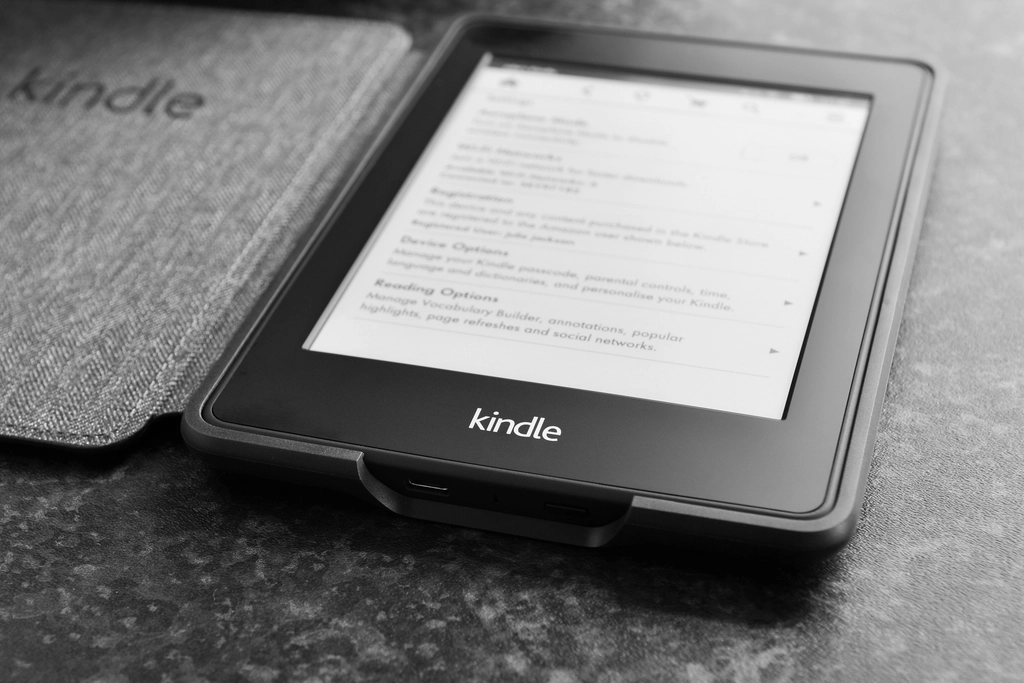
With the rise of digital communication, codebooks have evolved but haven’t disappeared. According to 2024 cybersecurity briefings, intelligence operatives still use literature as a base for encryption. Instead of referencing a printed book, agents now use e-books with specific formatting or digital watermarks. The principle remains the same: hide the key to a code in something ordinary and easily accessible. This approach is particularly effective in today’s world, where digital files can be shared instantly across the globe.
Fictional Spies Based on Real Operations

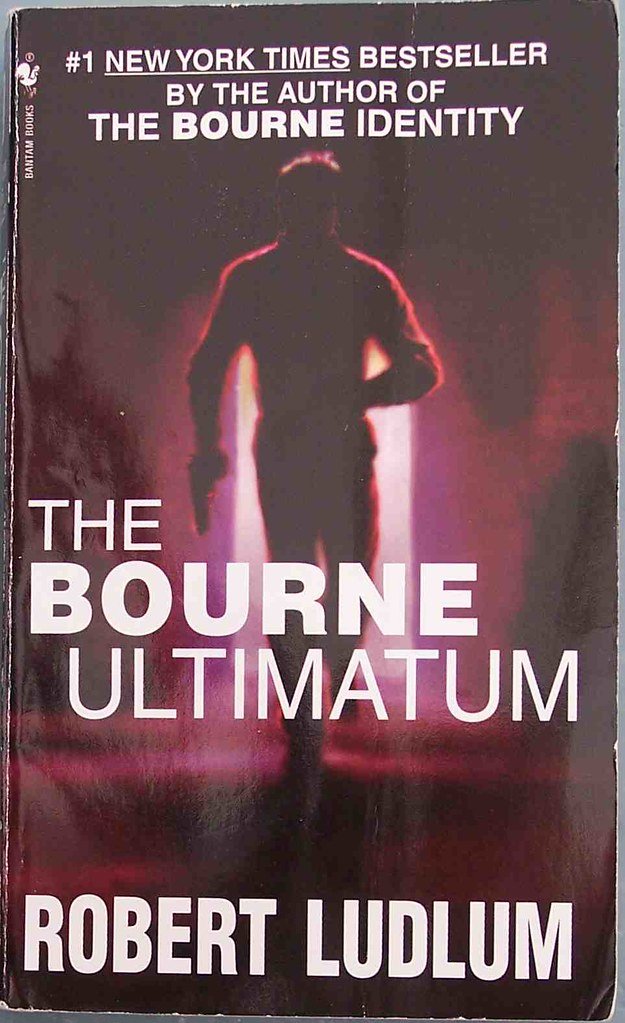
Many characters in American spy fiction are based on real intelligence agents and missions. For example, the character of Jack Ryan—created by Tom Clancy—was inspired by multiple real CIA analysts. In interviews, Clancy confirmed that he consulted with former intelligence officers to create authentic plotlines. Similarly, the gritty realism of Jason Bourne’s world is drawn from actual Cold War operations. This blending of fact and fiction keeps readers guessing about where reality ends and storytelling begins.
The Library of Congress as an Intelligence Tool

The Library of Congress has served as more than just a repository of books—it has been a resource for intelligence gathering. According to internal reports, analysts from multiple agencies regularly scour the Library’s archives for obscure publications, foreign pamphlets, and rare newspapers. This information often provides valuable context for ongoing intelligence operations. The vastness of the collection makes it an unparalleled source of open-source intelligence, or OSINT, in the digital age.
Literary Hoaxes and Disinformation
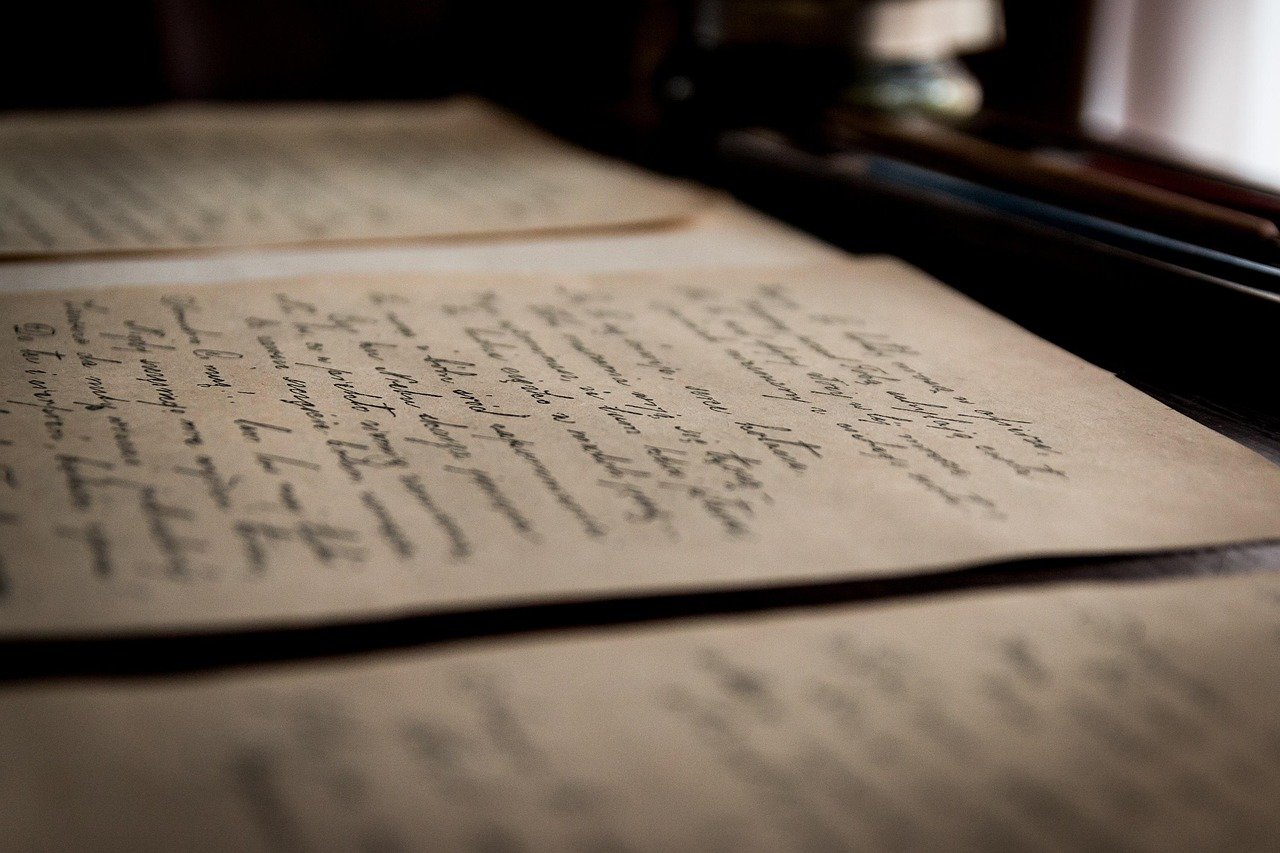
Spreading disinformation through fake books and forged manuscripts is a tactic that dates back over a century. According to a 2022 study by the RAND Corporation, American intelligence agencies have occasionally used fake literary works to mislead adversaries. These hoaxes—such as doctored political pamphlets or fake diaries—are designed to sow confusion or distract enemy intelligence. The art of literary deception remains a potent weapon in the modern espionage toolkit.
Writers Embedded in War Zones

During conflicts like the Vietnam War and the wars in Iraq and Afghanistan, American intelligence agencies embedded writers and journalists with military units. According to Pentagon records, these writers were sometimes tasked with reporting back intelligence under the guise of journalism. In some cases, their observations were used to shape military strategy or inform psychological operations. The blurred lines between reporting and spying have sparked ethical debates that continue today.
Academic Exchanges and Espionage

Literature-focused academic exchanges have provided cover for espionage activities for decades. According to 2023 State Department disclosures, American scholars and students traveling abroad have sometimes gathered political or military intelligence. Literary conferences and book fairs offer opportunities to network with foreign officials, collect information, and recruit potential assets. While most academic exchanges are genuine, intelligence agencies have not hesitated to exploit them when national security is at stake.
Bookstores as Meeting Points

Bookstores have long been favored meeting spots for spies. According to declassified CIA training materials, exchanging information in a bookstore is less suspicious than meeting in a park or café. Agents could leave coded notes in the margins of books, slip envelopes between pages, or pass along specific titles as a signal. The anonymity and quiet of bookstores made them ideal for clandestine operations. Some famous spy exchanges in New York and Washington, D.C. took place in the aisles of independent bookstores.
The “Little Free Library” Movement and Modern Espionage

In recent years, intelligence officials have warned that even the “Little Free Library” movement—where people leave books in public boxes for others to take—could be exploited for espionage. According to a 2024 FBI advisory, these libraries have been used to exchange coded messages, USB drives, or sensitive documents. The casual nature of these book exchanges makes them difficult to monitor. This modern twist on old spycraft shows just how adaptable literary-based espionage remains.
Literature as a Shield for Whistleblowers

Whistleblowers in American intelligence have sometimes turned to literature to reveal hidden truths. By publishing memoirs, novels, or essays, they can share stories that might otherwise be censored or suppressed. According to a 2023 PEN America report, literature provides a safe space for exploring controversial topics without directly naming names. The power of storytelling allows whistleblowers to shine a light on government secrets while protecting themselves from legal or political retribution.
Spy Novels Driving Public Curiosity About Espionage
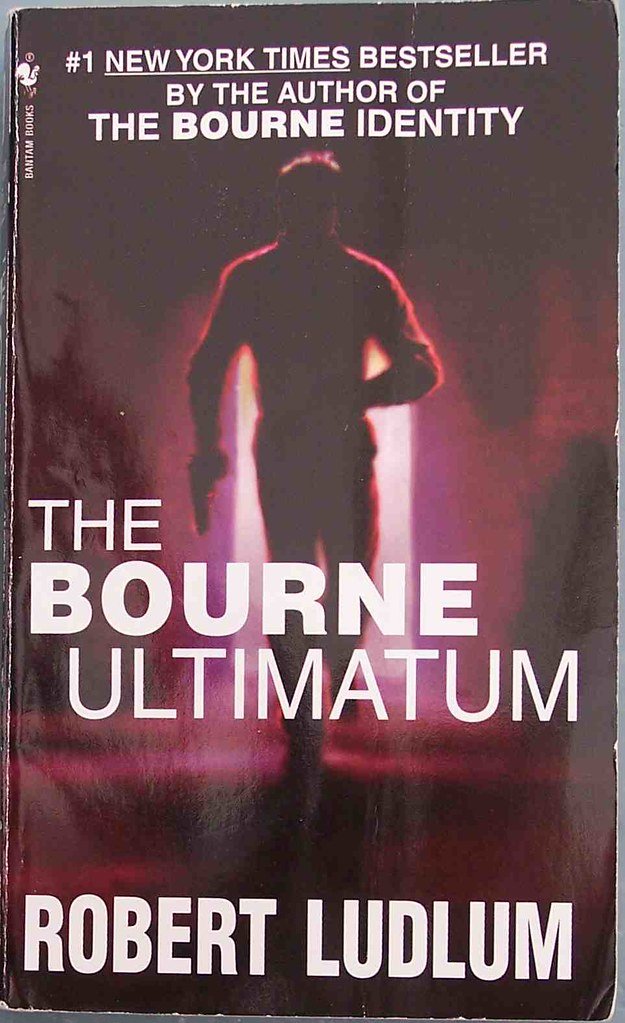
American spy novels have fueled a national fascination with espionage. According to a 2024 survey by the Pew Research Center, nearly 40% of Americans say their interest in intelligence work began with a book. Popular series like Robert Ludlum’s “Bourne” or Daniel Silva’s thrillers have inspired countless readers to learn more about real-life spycraft. This public curiosity can be a double-edged sword—while it helps recruit new agents, it also makes it harder for intelligence agencies to keep their secrets.
End.

Besides founding Festivaltopia, Luca is the co founder of trib, an art and fashion collectiv you find on several regional events and online. Also he is part of the management board at HORiZONTE, a group travel provider in Germany.
