

- 10 Classic Albums Everyone Should Listen To Before They Die - March 9, 2026
- The 5 Most Affordable U.S. Cities Where Quality of Life Is Surprisingly High - March 9, 2026
- 7 Fashion Trends From the Past That Are Making a Major Comeback - March 9, 2026
Hidden Beginnings in the Jazz Age
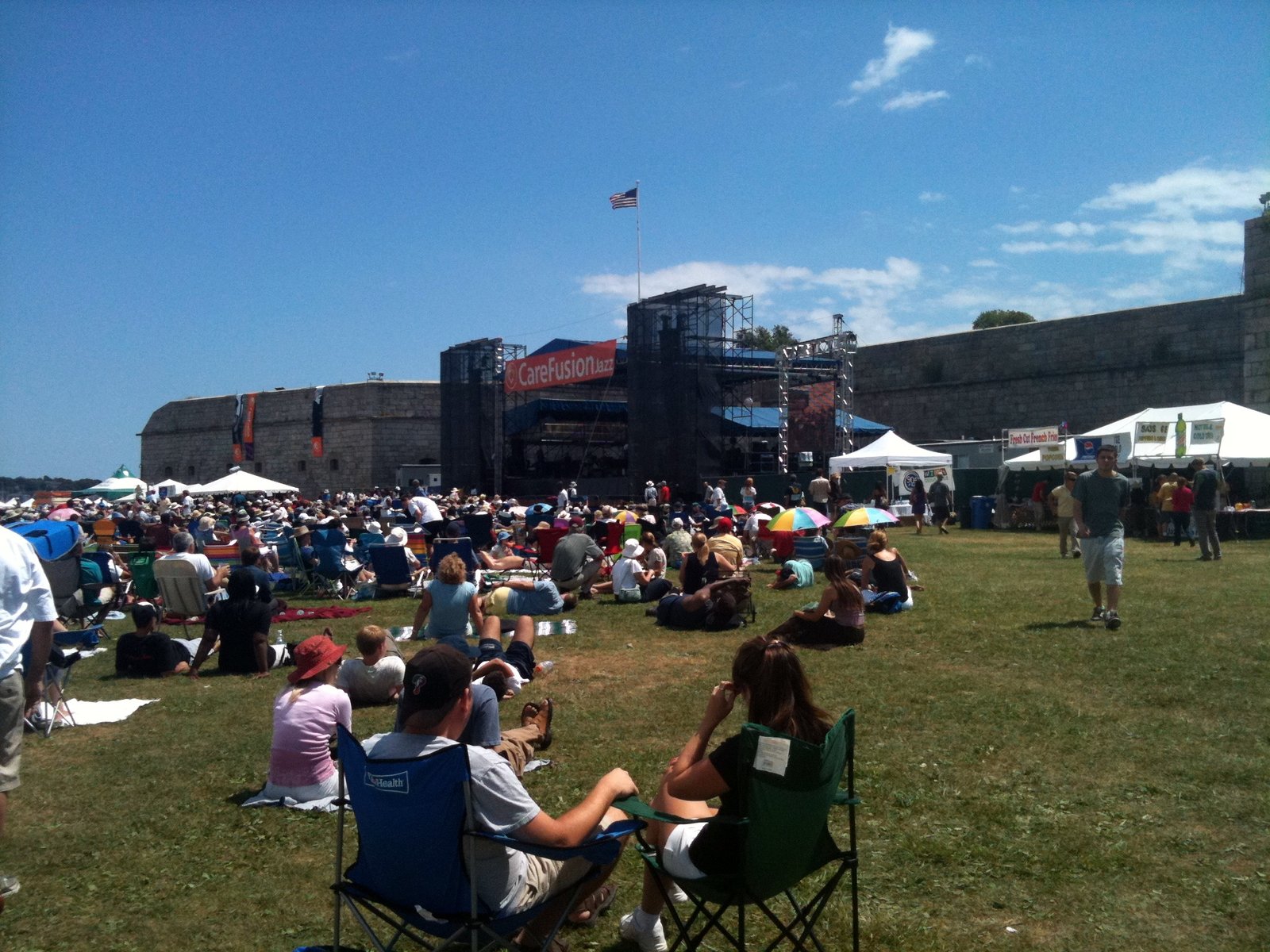
It might surprise folks today, but some of America’s oldest music festivals began as small, almost secret gatherings during the roaring 1920s. Back then, jazz was the heartbeat of the nation, pulsing through smoky clubs and hotel ballrooms. The Newport Jazz Festival, which traces its roots to informal jazz parties in Rhode Island, was born from these gatherings. In an era when racial segregation was the norm, these early jazz festivals quietly broke boundaries by welcoming musicians and fans of all backgrounds. These events set a bold precedent: music could unite people no matter their differences. According to the Smithsonian, jazz festivals were among the first major music events to bring together integrated audiences. Even today, echoes of that rebellious and hopeful spirit resonate at jazz festivals across the country.
Newport Folk Festival and the Spirit of Protest
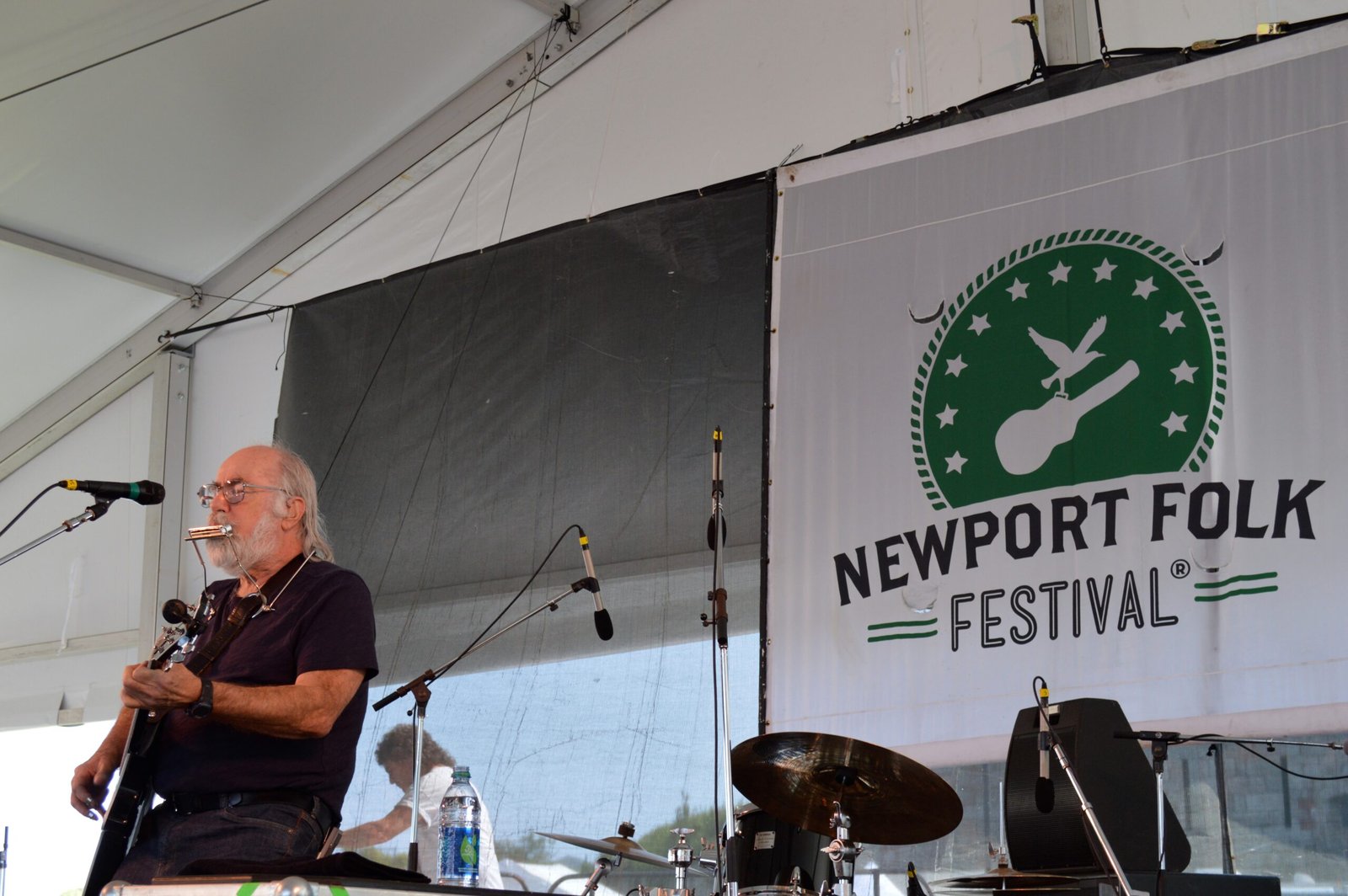
The Newport Folk Festival, founded in 1959, began as a haven for folk musicians who felt overlooked by mainstream radio. What many don’t know is that the festival’s founders were inspired by intimate, candle-lit folk hootenannies in Greenwich Village coffeehouses. The first Newport gathering was modest, but it lit a fire that would help fuel the civil rights movement. Bob Dylan’s 1965 electric performance at Newport, which shocked purists, would become legendary. The festival’s early years were marked by a spirit of activism, with artists like Joan Baez and Pete Seeger using their platform to challenge injustice. Attendance at the festival swelled from a few hundred in its first year to nearly 10,000 just five years later, reflecting the era’s hunger for change.
Monterey Pop Festival: California’s Counterculture Experiment
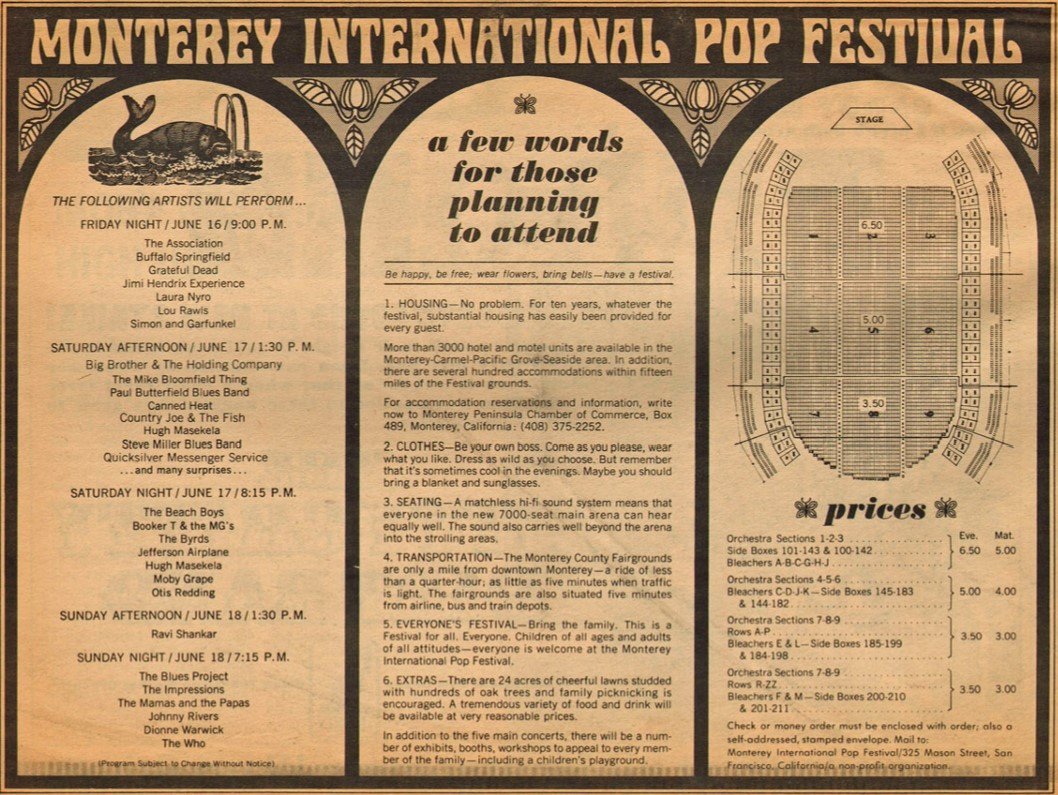
The Monterey Pop Festival exploded onto the scene in 1967, forever changing the American music landscape. This festival wasn’t just about music—it was a wild, colorful experiment in peace, love, and psychedelic self-expression. Inspired by the Monterey Jazz Festival and the growing hippie movement, the event’s founders wanted to create a “Woodstock before Woodstock.” Their vision was realized when 50,000 people flocked to the fairgrounds, witnessing Jimi Hendrix famously set his guitar on fire. The Monterey festival established the model for outdoor rock festivals, and according to Rolling Stone magazine, it helped launch the careers of Janis Joplin, The Who, and Otis Redding. It was the ultimate turning point, proving that music festivals could be both cultural revolutions and massive business ventures.
Philadelphia Folk Festival: Community and Tradition
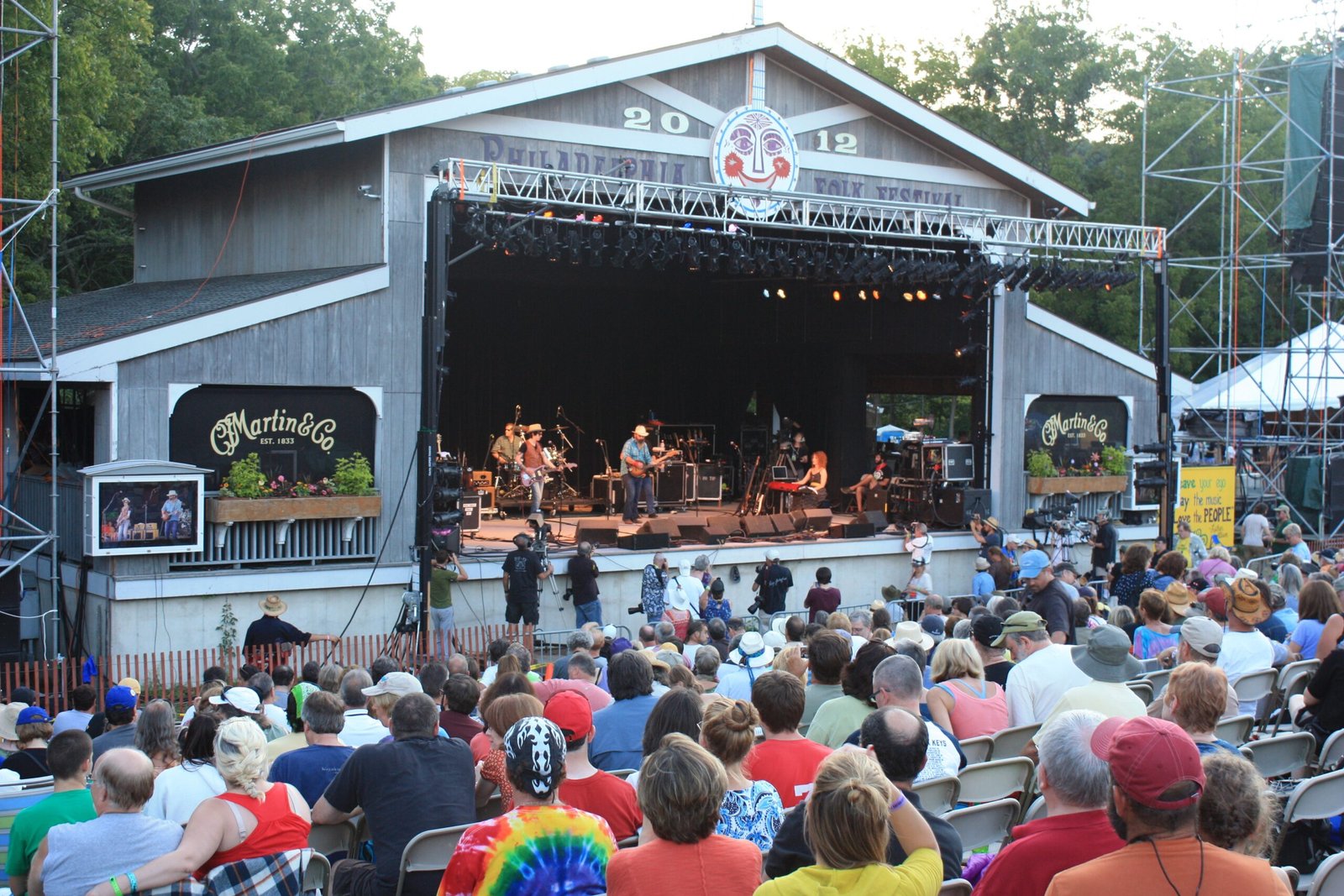
Few festivals can boast a continuous history like the Philadelphia Folk Festival, which has run every summer since 1962. Organized by a group of local folk enthusiasts, the event began as a small affair in a rural field outside Philadelphia. The founders were inspired by Appalachian gatherings, where neighbors would gather for days of song and storytelling. Over the years, the festival became known for its family-friendly atmosphere and multigenerational crowds. Recent statistics from the festival’s organizers reveal that over 35% of attendees in 2024 were return visitors, some of whom have attended for decades. The festival’s “campfire jam” tradition, where strangers become friends over shared songs, remains at its heart—a secret ingredient to its longevity.
Chicago Blues Festival: A City’s Tribute to Its Own
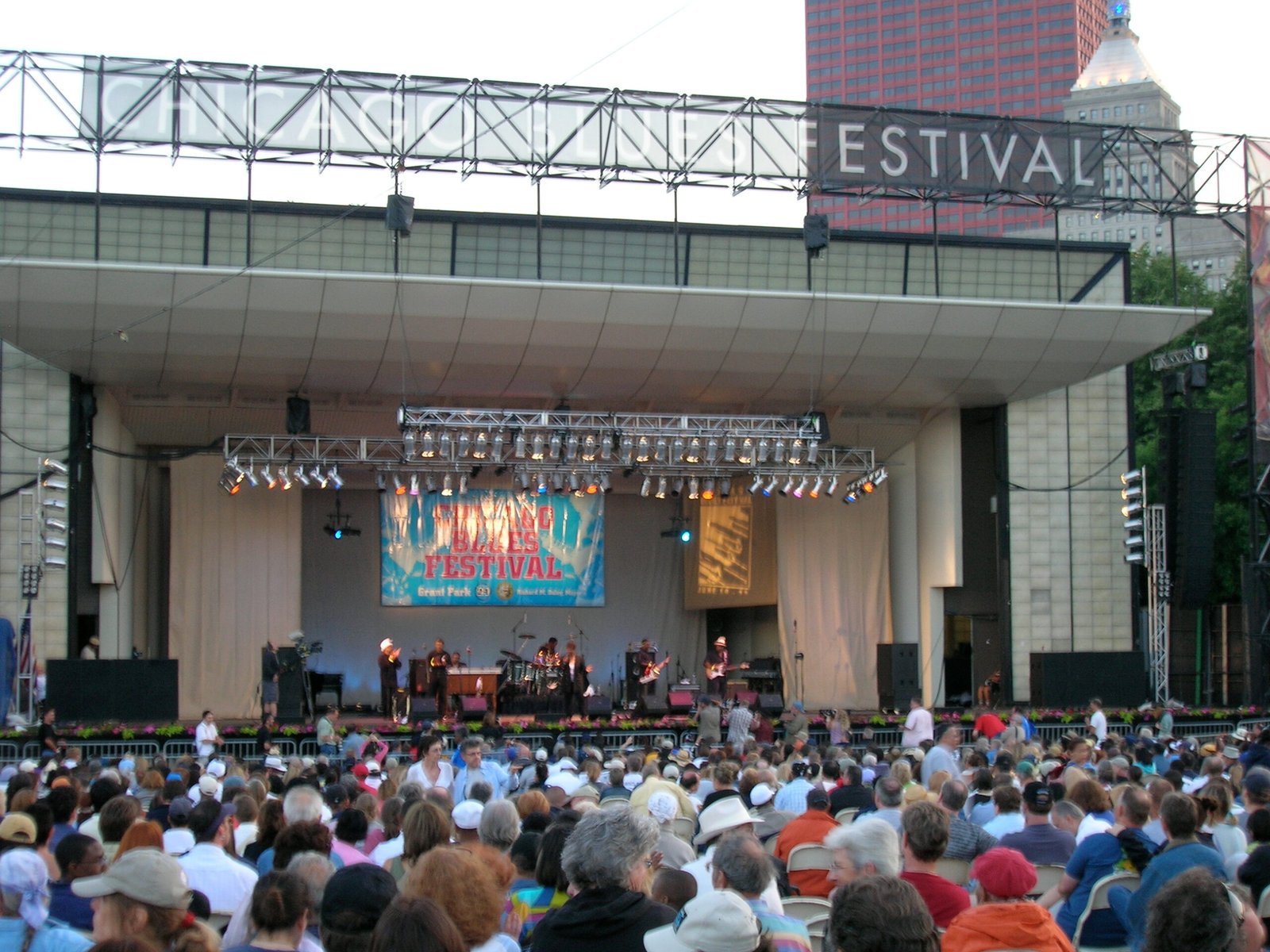
The Chicago Blues Festival, now the largest free blues festival in the world, had humble beginnings. In 1984, local officials wanted to honor blues legend Muddy Waters, who had passed away the year before. What started as a simple tribute evolved into an annual celebration that now draws over half a million visitors each year, according to city data from 2023. The secret to its early success was the support of local musicians, who saw it as a way to preserve the music that made Chicago famous. The festival quickly became a pilgrimage site for blues fans worldwide, helping to rejuvenate Chicago’s live music scene and spark new generations of blues artists.
Vail Jazz Festival: Mountain Magic and Musical Roots
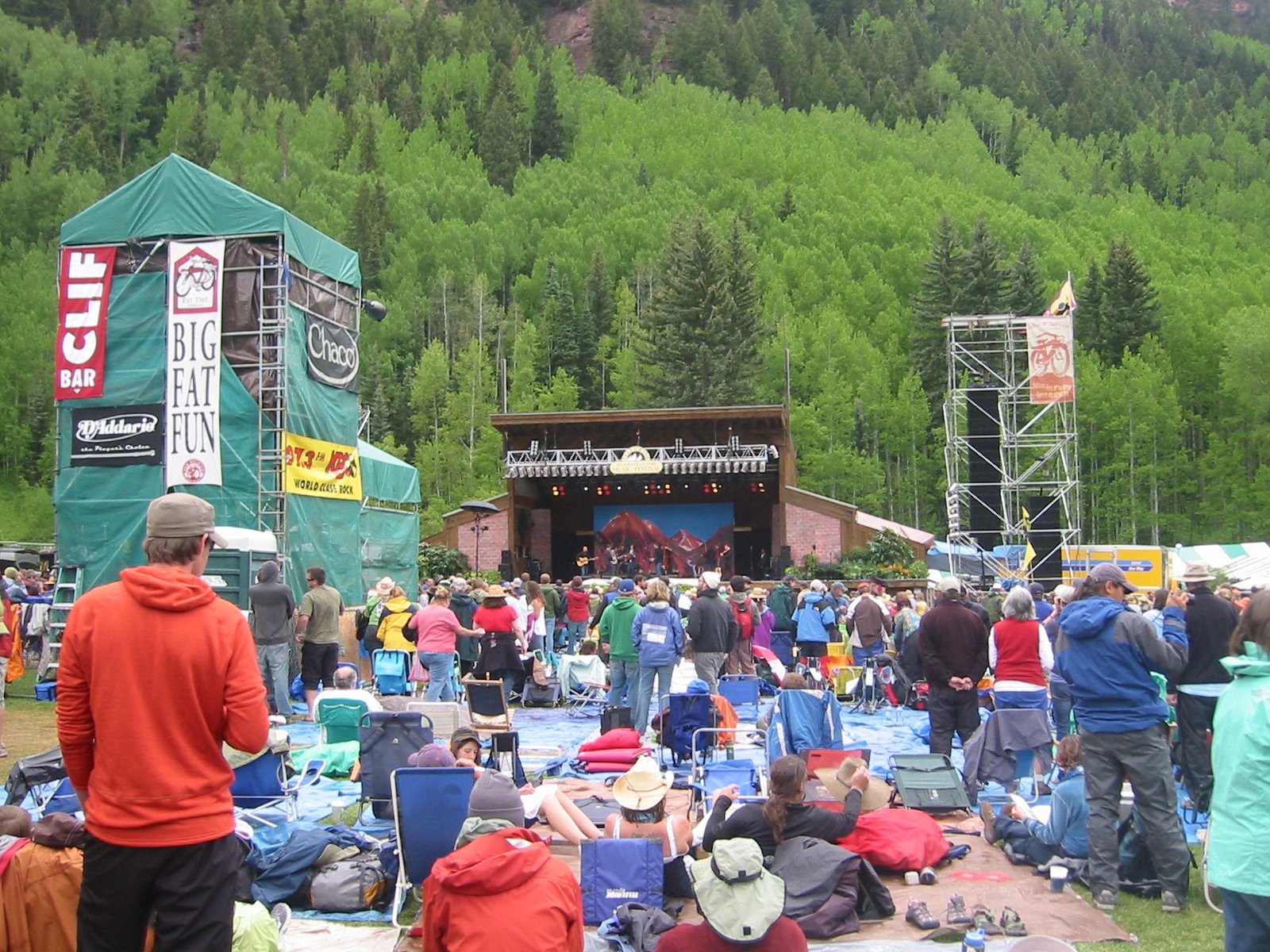
Tucked away in the Colorado Rockies, the Vail Jazz Festival started in 1995 with a handful of passionate jazz lovers. Its founders were inspired by the legendary Telluride Bluegrass Festival, wanting to bring a similar sense of community and discovery to jazz. The Vail festival’s early years were marked by intimate performances in local restaurants and outdoor plazas, with musicians and audience mingling freely. By 2024, the festival had expanded to include over 40 concerts each summer, attracting up-and-coming artists alongside established legends. Festival attendance has steadily grown, with ticket sales up 18% in the last five years, according to festival reports.
MerleFest: A Bluegrass Family Affair
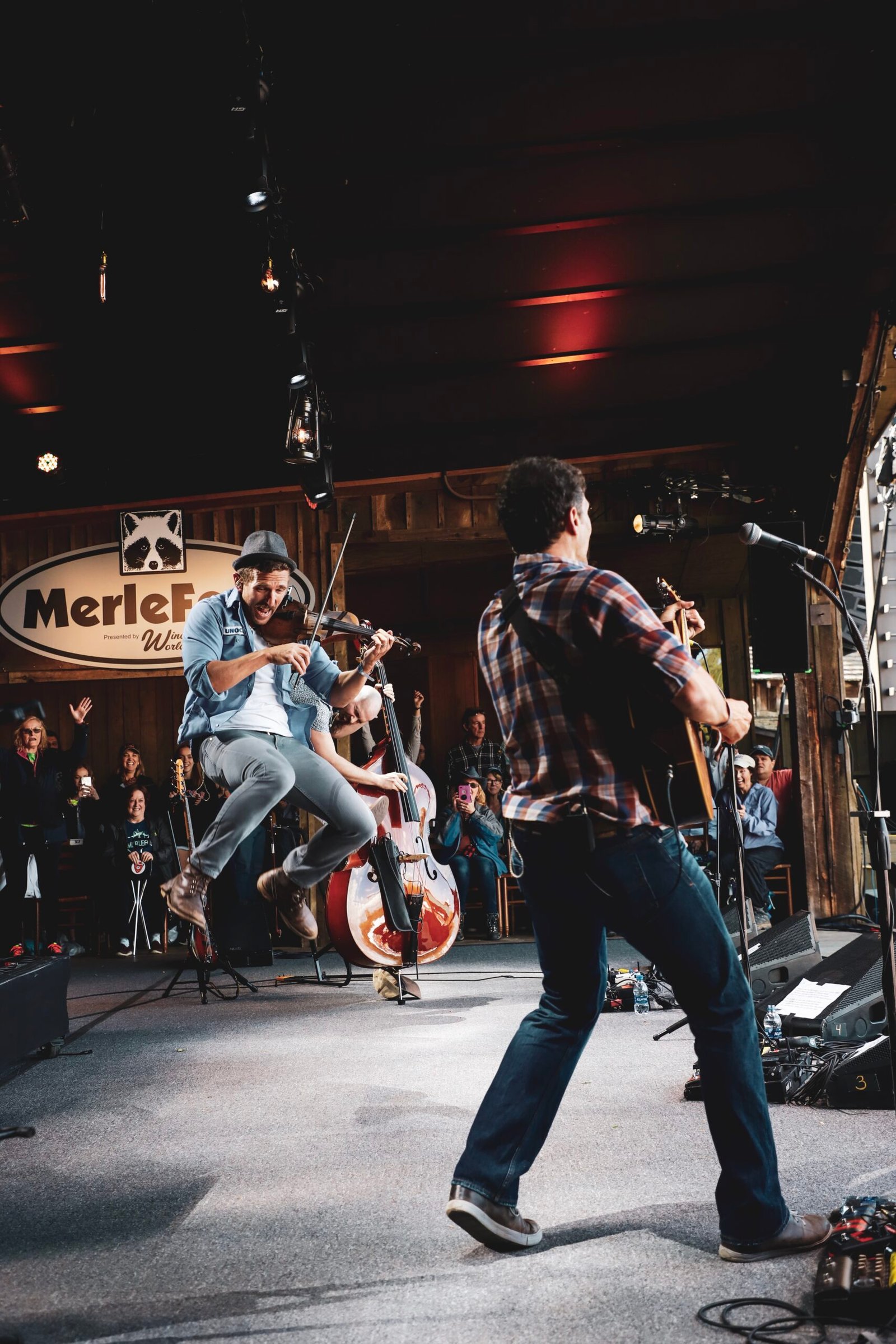
MerleFest, launched in 1988 in North Carolina, was created as a tribute to Merle Watson, the late son of bluegrass legend Doc Watson. What makes MerleFest unique is its “traditional plus” approach—honoring bluegrass roots while welcoming new sounds. The festival’s origins are steeped in family and community, with early events held on the campus of Wilkes Community College. In 2023, MerleFest drew more than 75,000 fans, making it one of the largest bluegrass festivals in the country. Its secret? A focus on collaboration, with artists often joining each other onstage for impromptu “picking sessions,” a nod to the porch jam culture of the Appalachian South.
Hardly Strictly Bluegrass: San Francisco’s Gift to the People
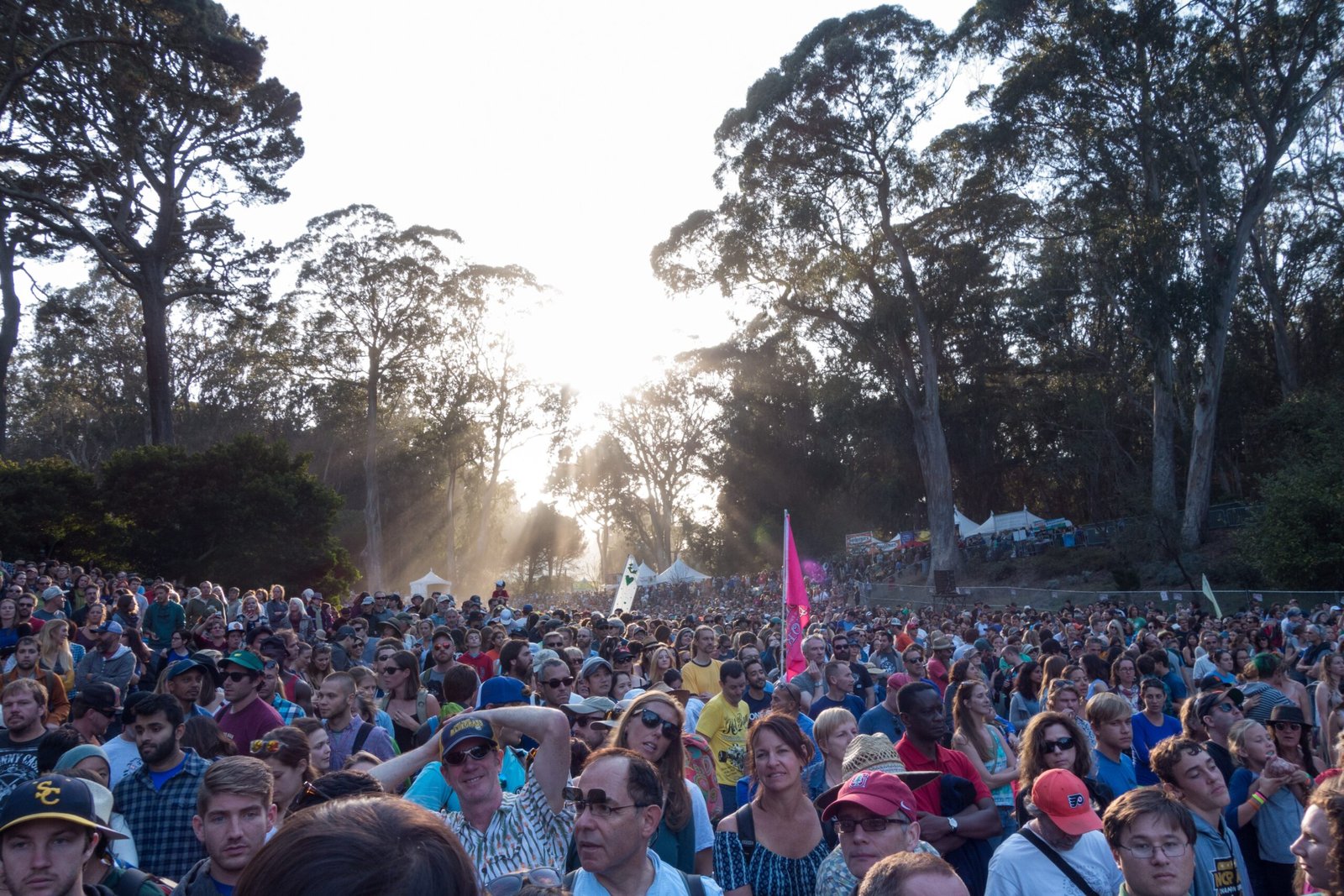
Perhaps one of the most astonishing festival stories is that of Hardly Strictly Bluegrass. Founded in 2001 by billionaire philanthropist Warren Hellman, the festival is entirely free and held annually in San Francisco’s Golden Gate Park. Hellman’s vision was radical: music for the masses, with no corporate sponsorship and no ticket sales. The festival’s roots trace back to private backyard concerts among Hellman’s friends, gradually morphing into a giant communal event. By 2024, Hardly Strictly Bluegrass was drawing crowds of over 750,000, making it one of the biggest free music festivals in the world. The festival remains fiercely independent, with an eclectic lineup that stretches the definition of bluegrass far beyond tradition.
Spoleto Festival USA: Crossing Classical Boundaries
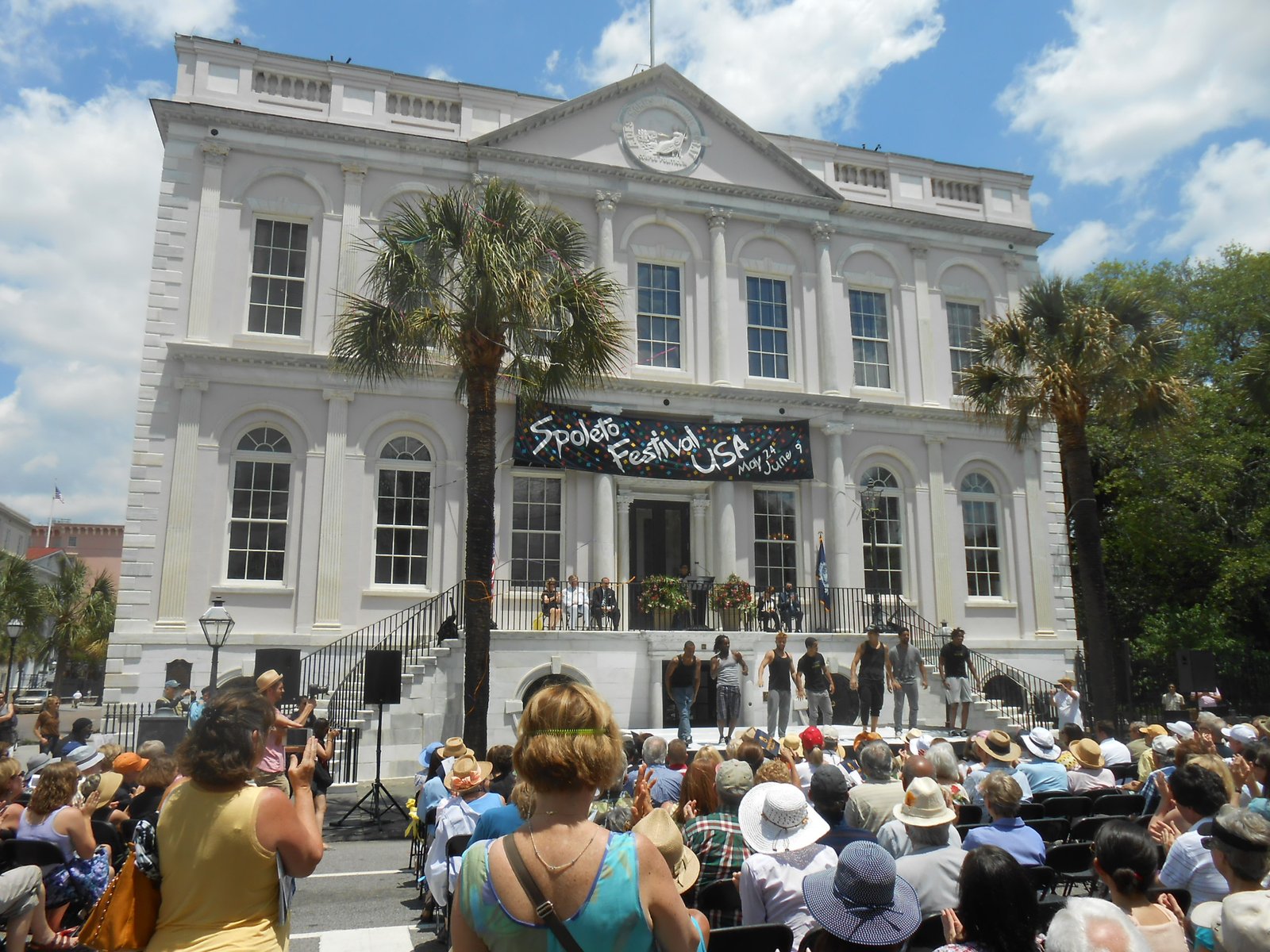
Spoleto Festival USA, held in Charleston, South Carolina, began in 1977 as a sister event to the Spoleto Festival in Italy. Its founders, including composer Gian Carlo Menotti, wanted to create a space where classical, jazz, opera, and experimental music collided. In its first year, Spoleto USA presented over 40 events, a staggering number for a brand-new festival. Recent years have seen attendance soar to over 60,000, with the 2024 lineup featuring everything from avant-garde jazz to cutting-edge chamber music. The festival’s reputation for championing boundary-pushing work has made it a magnet for adventurous audiences and performers alike.
Berkshire Hathaway’s Secret Summer Jams
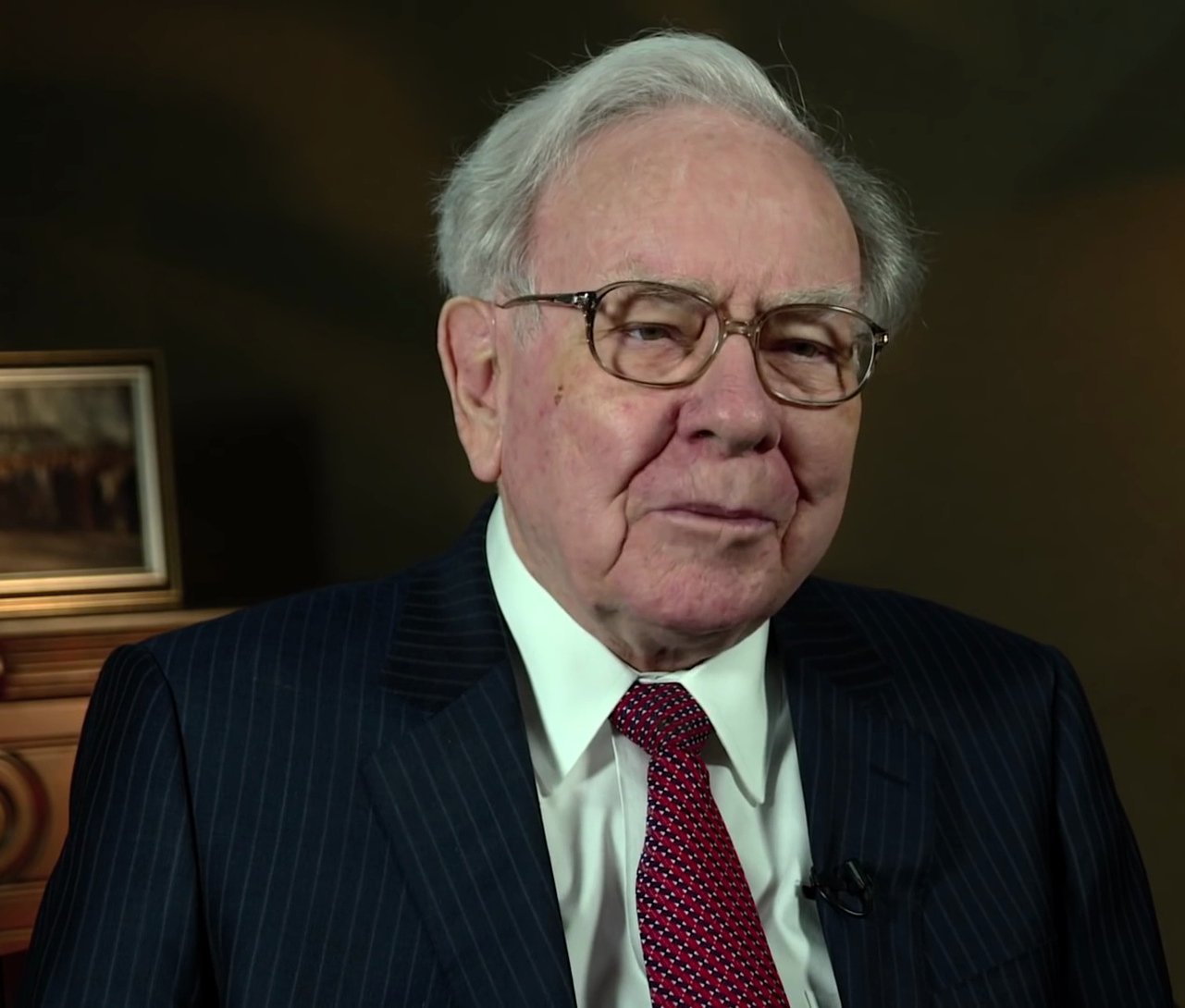
A little-known secret in the festival world is the private summer music jam hosted for decades by Warren Buffett during the annual Berkshire Hathaway shareholders meeting in Omaha, Nebraska. While not open to the general public, these gatherings have featured surprise performances from music legends and even Buffett himself on ukulele. The tradition started as an informal afterparty in the early 1990s, growing into a closely guarded event with performances rumored to include Paul McCartney and Jimmy Buffett. Although statistics are hard to come by due to the private nature, shareholder stories confirm the legendary status of these secret summer jams.
New Orleans Jazz & Heritage Festival: The Heartbeat of a City
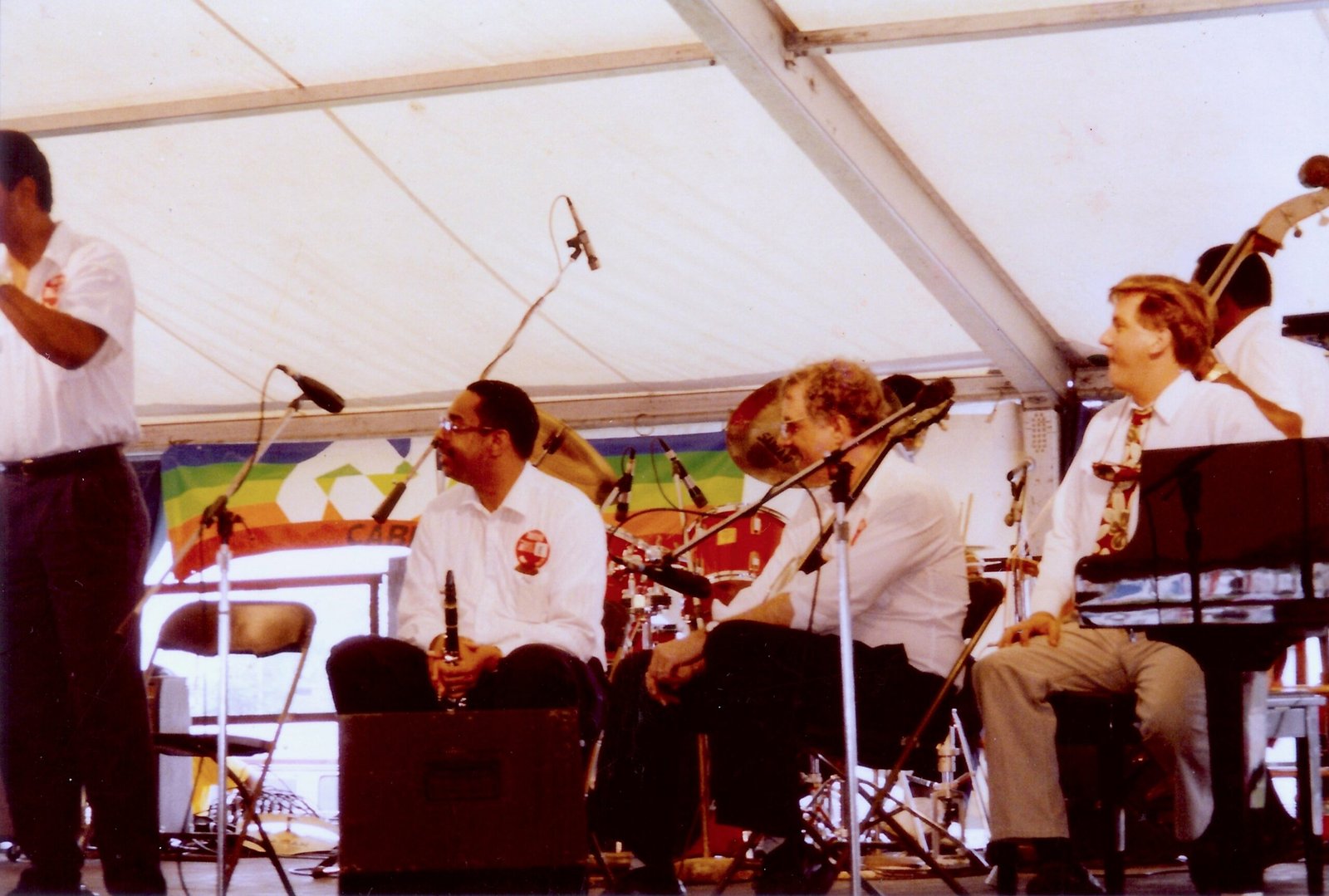
The New Orleans Jazz & Heritage Festival, more commonly known as Jazz Fest, began in 1970 with a humble crowd of just 350 people. Today, it stands as one of America’s largest music festivals, welcoming nearly half a million attendees each spring, according to 2024 estimates. Jazz Fest’s origins are deeply rooted in the city’s unique cultural blend of African, French, Spanish, and Creole influences. Its founders wanted to showcase not just jazz, but all the music and food that make New Orleans a living, breathing work of art. The festival’s “heritage” focus has helped preserve local traditions, with dozens of local acts performing alongside global superstars year after year.
Stagecoach: Country’s Modern Take on Roots Festivals
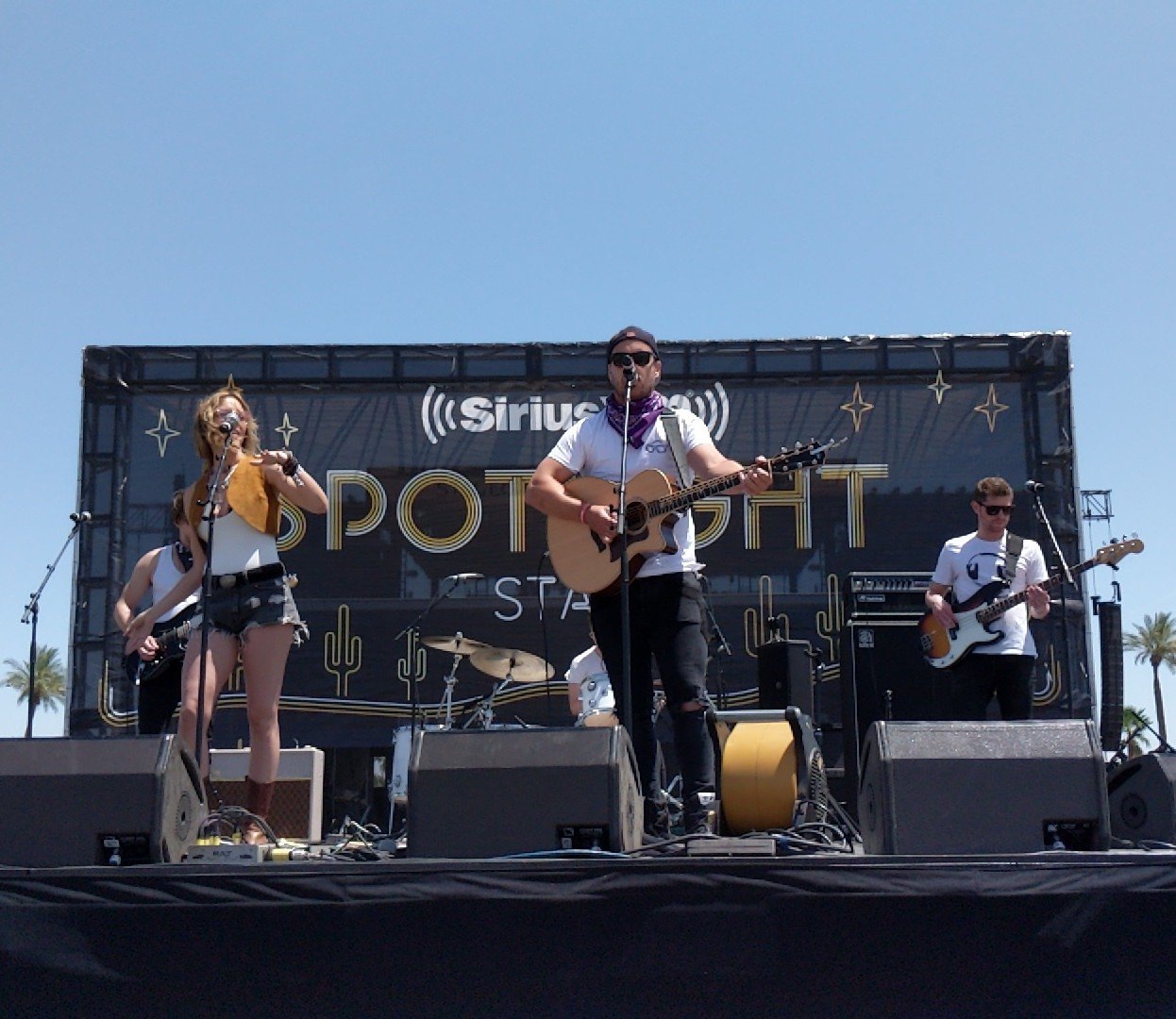
Stagecoach Festival, launched in 2007 in California, draws its inspiration from the historic “barn dances” and county fairs that dotted rural America in the early 20th century. While it’s one of the youngest festivals on this list, Stagecoach has quickly become the largest country music festival in the world, welcoming nearly 80,000 fans in 2024. Its founders wanted to capture the communal spirit of old-time gatherings, blending superstar headliners with local barbecue, line dancing, and rodeo shows. The festival’s rapid growth is a testament to the enduring appeal of country music’s roots—and the timeless joy of celebrating together under the open sky.
Woodstock’s Echoes Across the Decades
Though not the oldest, Woodstock’s 1969 debut casts a long shadow over every American music festival. Born out of the antiwar movement and a longing for peace, the original Woodstock drew over 400,000 people despite torrential rain and muddy fields. The festival’s secret origin lies in a failed attempt to build a recording studio in the town of Woodstock, New York. Instead, a group of young entrepreneurs decided to stage a concert, hoping for a crowd of 50,000. The rest is history. Even today, festivals large and small look to Woodstock’s legacy of peace, love, and music as a guiding star, reminding us that sometimes the greatest events are born from happy accidents and wild dreams.
CEO-Co-Founder
