

- The 5 Most Underrated Literary Figures You Absolutely Need to Read Now - March 24, 2026
- 14 Practical Gardening Tips That Reduce Pests Naturally - March 24, 2026
- The Sad Truth Behind Glen Campbell’s “I’m Not Gonna Miss You” - March 24, 2026
There are songs that entertain. There are songs that move you. Then, every so once in a while, there is a song that strips everything bare and leaves you speechless. Glen Campbell’s final recorded song, “I’m Not Gonna Miss You,” belongs firmly in that last category. It is not a breakup song. It is not a love song in any traditional sense. It is something far more devastating – a farewell written from inside a disappearing mind, offered to the people a man loves most, before he forgets them entirely.
For anyone who grew up listening to Campbell’s silky tenor on “Rhinestone Cowboy,” “Wichita Lineman,” or “By the Time I Get to Phoenix,” hearing this song is a gut-punch. The backstory behind it is even more heartbreaking than the music itself. Let’s dive in.
The Diagnosis That Changed Everything
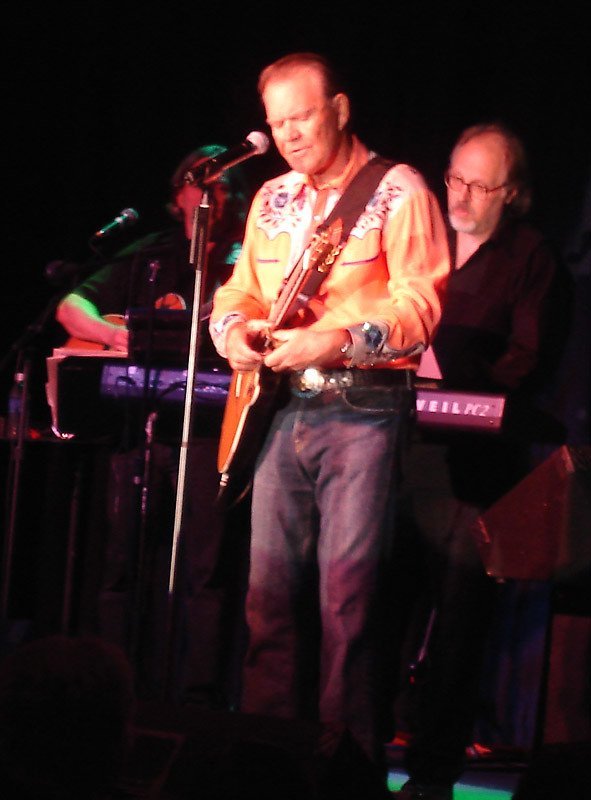
In June 2011, Campbell announced he had been diagnosed with Alzheimer’s disease six months earlier. For a man who had spent more than five decades charming audiences with his guitar and his warm, effortless voice, the news sent shockwaves through the music world. In his six-decade career, Campbell had won four Grammys and sold millions of records, with hits like “Gentle on My Mind,” “By the Time I Get to Phoenix,” “Wichita Lineman,” and “Galveston.”
Rather than quietly disappear from public life, Campbell made the remarkable decision to face the illness head-on. Following his Alzheimer’s diagnosis, Campbell embarked on a final “Goodbye Tour,” with three of his children joining him in his backup band. He had announced he would head out on a three-to-five-week goodbye tour, but ended up completing 151 concerts over a year and a half. Honestly, that alone says everything you need to know about the kind of man he was.
How the Song Was Born From a Passing Comment
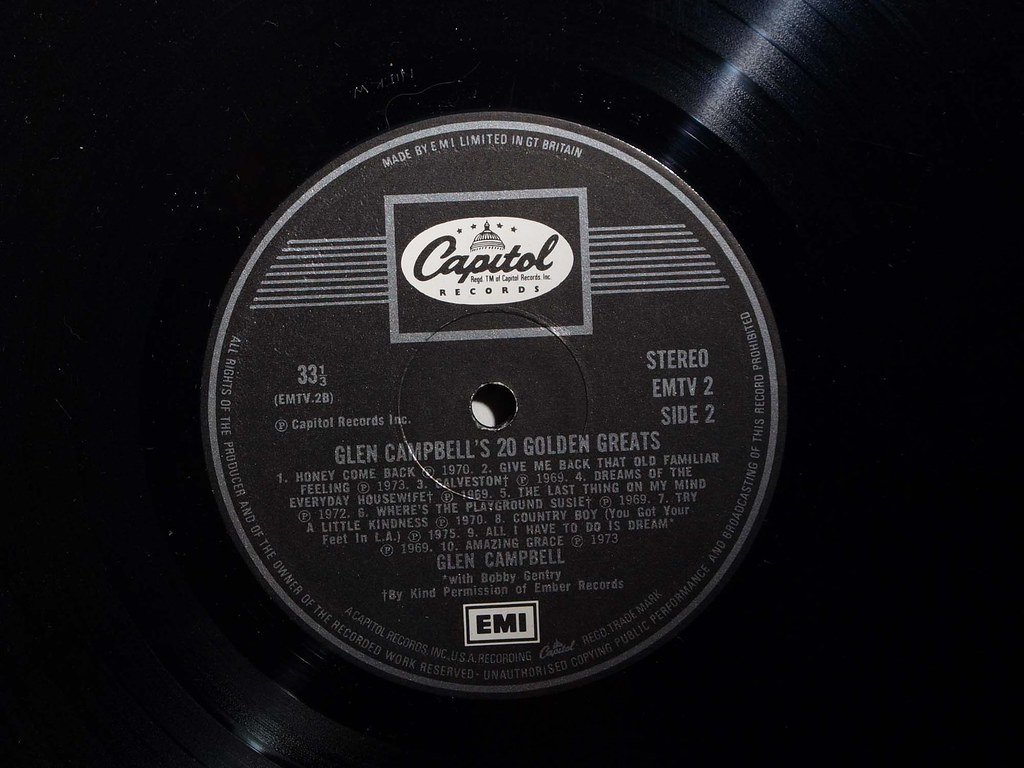
Here’s the thing about great songs – they often come from the smallest, most unguarded moments. “I’m Not Gonna Miss You” is proof of that. To compose this song, Julian Raymond kept a journal of things Campbell said to him, which formed the basis for the lyric. It was a quiet, almost accidental act of documentation that would eventually result in one of the most emotionally devastating songs in modern country music.
Julian Raymond, who co-wrote the song, revealed that the lyrics came out of something Campbell said after his diagnosis: Campbell had a hard day of people asking him about Alzheimer’s and how he felt about it. He didn’t talk too much about it, but came up to Raymond and said, “I don’t know what everybody’s worried about. It’s not like I’m going to miss anyone, anyway.” That offhand remark, darkly humorous and heartbreakingly honest at the same time, became the emotional core of the entire song.
The Lyrical Meaning – Painfully Literal Words

Most love songs use poetic exaggeration. When a singer says “you’re the only one I’ll ever love,” we understand that as a romantic flourish. With “I’m Not Gonna Miss You,” there is no metaphor. The song is a remarkably insightful, haunting, and yet dispassionate foretelling of what is going to happen to the mind of a man with Alzheimer’s disease. He is telling his wife that she’s the last one he’ll love and that she has the last face he’ll remember, due to his progressive memory loss.
The title itself, “I’m Not Gonna Miss You,” at first sounds like a spiteful threat, but the lyric is meant literally. Memory loss prevents missing someone, and ultimately an early death means the other partner will be doing the “missing.” It’s a bit of self-consolation – that although he’ll be cut off from his life and those he loved because of his brain disease, he’ll be spared the agony of loss which afflicts only those who retain memories. When you understand that, the title becomes one of the most tender statements imaginable. It is not coldness. It is grief spoken from a place beyond grief.
Inside the Recording Session

Recording this song was no small feat. By early 2013, Campbell’s memory was already significantly compromised. Campbell had input on the words and melody, but Raymond guided him through the process, and the song ended up capturing Campbell’s fleeting thoughts as his memory had failed. Think about that for a moment – a man assembling the last true message he would ever record, piece by piece, guided by a friend as his own mind slipped further away.
The song by design is simple. Raymond knew they couldn’t do something like “Wichita Lineman” that had complicated key changes or bigger-range material. The song was recorded over just four takes within a single day. It also features the members of The Wrecking Crew, the musicians Campbell had long collaborated with. It was recorded in January 2013 in Los Angeles. There is something both poignant and perfect about that – surrounded by old friends and familiar players, Glen Campbell sang his goodbye.
The Documentary That Gave It a Stage
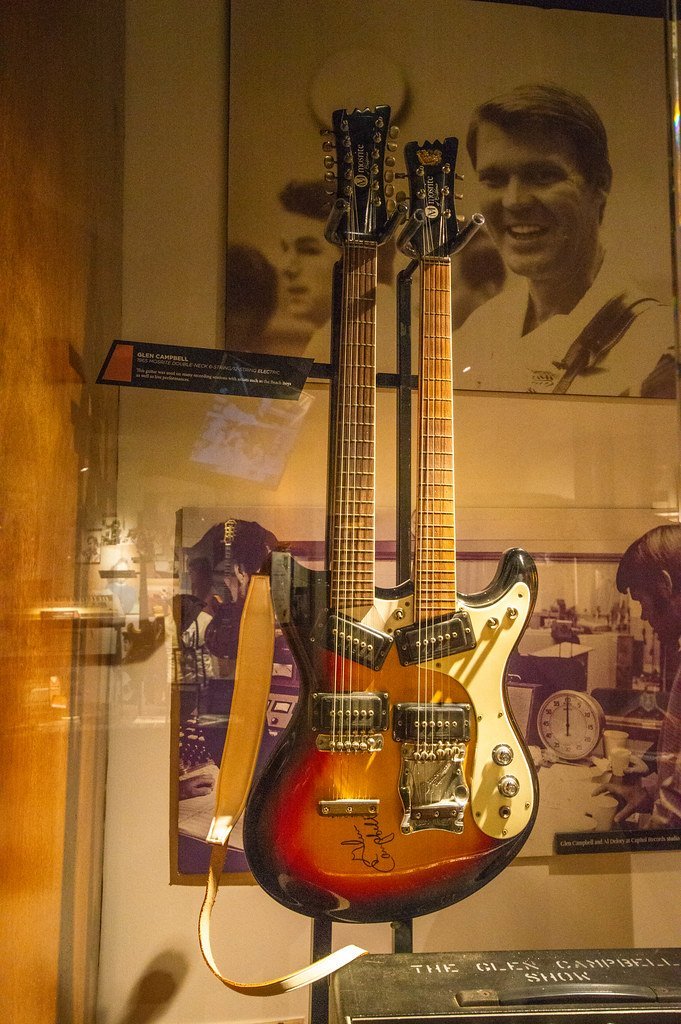
The song found its full power when placed inside the documentary that surrounded it. “I’m Not Gonna Miss You” was initiated by Julian Raymond, who pitched the idea of recording it to James Keach, director of Glen Campbell: I’ll Be Me, who eventually decided to use footage of the recording session as one of the final scenes in the documentary. So the process of making the song itself became part of the film. Raw and unfiltered.
The ballad’s devastating lyrics, juxtaposed with the music video which utilizes personal home video and performance footage from throughout Campbell’s life, make for a truly poignant experience. Rotten Tomatoes reports that the film received a 100% “Fresh” rating, with the critical consensus reading: “The heartrendingly honest Glen Campbell: I’ll Be Me offers a window into Alzheimer’s that should prove powerful viewing for Campbell fans and novices alike.” That score is extraordinarily rare. It means critics were not just impressed. They were floored.
Awards, Recognition, and Tim McGraw’s Tearful Performance
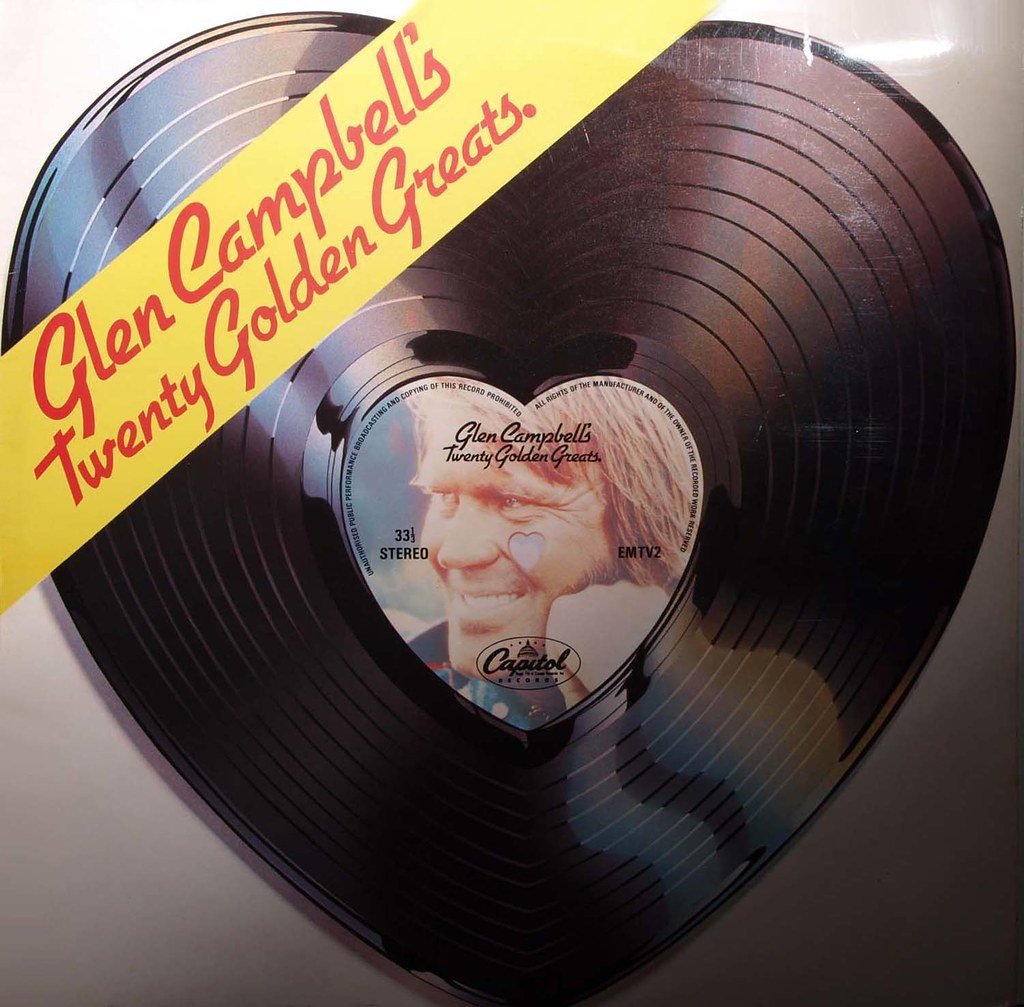
The song did not go unnoticed by the music industry. It was nominated for Best Original Song at the 87th Academy Awards, and during the ceremony, the song was performed by Tim McGraw. It also won the Grammy Award for Best Country Song. The Grammy win in particular felt like the industry reaching out to hold Campbell’s hand one last time.
Introducing the Oscar performance, Gwyneth Paltrow said of Campbell, “Faced with the prospect of fading memories, he decided to record one last song to tell his wife and children how much he loved them before it was too late.” I think it’s hard to imagine a more devastating single sentence to deliver onstage at the Oscars. The song was also Campbell’s first charting song in over two decades, which adds yet another layer of bittersweet irony to an already overwhelmingly emotional story.
A Wife, a Marriage, and the Weight of It All

The song is a message to his wife and children. Campbell’s wife, Kim Woollen, who had been with him since 1982, bore the full emotional weight of this disease with extraordinary grace. Despite the progression of the disease, Campbell would brighten when he saw his wife, and experts noted that Alzheimer’s patients often communicate in their “first language” as the disease progresses. For Campbell, that language was music.
The pain of watching someone you love disappear while they are still physically present is something that is deeply hard to put into words. Even as his memory was fading, Campbell wanted to share his struggle with the world, which is why he did both the final tour and the documentary. His wife noted he said it was the most important thing he was doing at the time. He knew he was trying to show the world what living with Alzheimer’s was like because he wanted to help find a cure. That act of selflessness, even in the middle of personal tragedy, is staggering.
Elton John’s Tribute and the Song’s Afterlife
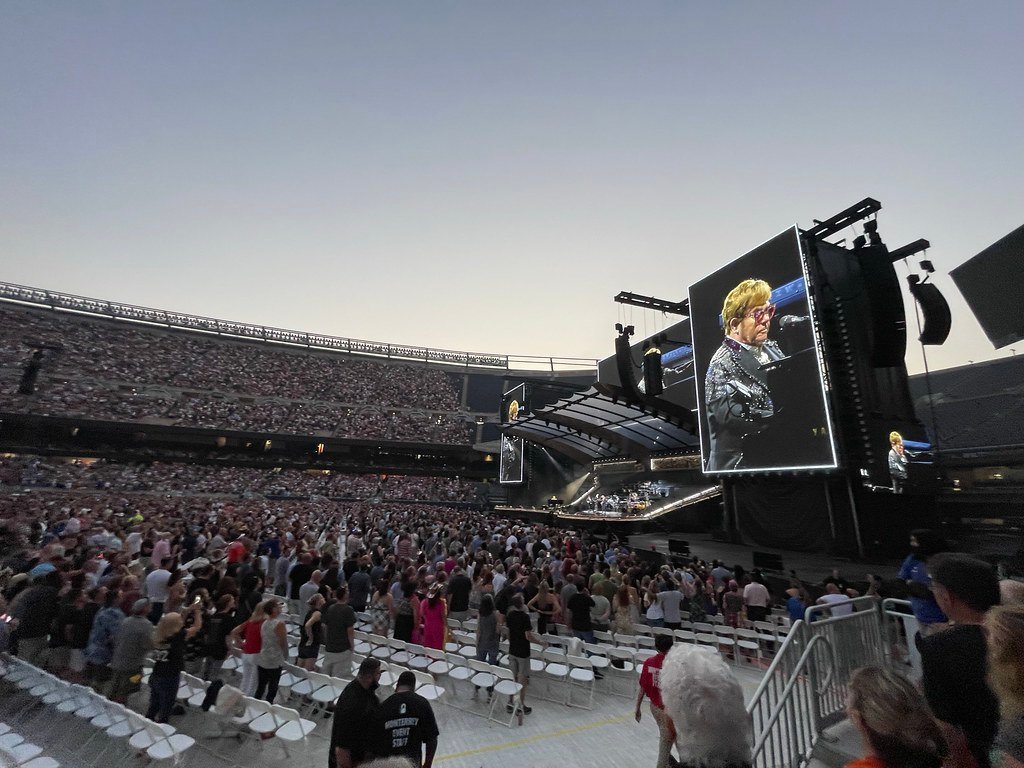
The story of the song did not end with Campbell’s passing on August 8, 2017. In a virtual duet with Glen Campbell, Elton John released “I’m Not Gonna Miss You” as the final track of his October 2021 collaborative album, The Lockdown Sessions. The collaboration came about when Campbell’s label contacted John asking him to sing the song at London’s Abbey Road studio. When Elton John listened to the tune, he thought it was one of the most beautiful songs he had ever heard.
It’s hard to say for sure whether Campbell would have fully understood the reach his final song had achieved. After 50 years in the business and 50 million records sold, Glen Campbell’s most enduring legacy may be the courage he demonstrated by letting the world see what it is to live with Alzheimer’s disease. A song born from loss ended up touching millions of people who had experienced similar heartbreak with their own loved ones.
Why “I’m Not Gonna Miss You” Remains Unforgettable

There is a special kind of music that does more than move you – it reshapes the way you see something. “I’m Not Gonna Miss You” changed the public conversation around Alzheimer’s disease in a way that medical statistics never could. There aren’t many songs about health issues aside from cancer, because it’s a challenge to package a message and a melody that doesn’t come across as over-the-top or cheesy. Campbell’s song was described as a needed wake-up call reminding America of the millions forgotten in assisted living homes nationwide.
Glen, even when he was firmly in the grip of that dreadful disease, was still able to give you goosebumps with his voice. The song works because it is stripped of sentimentality and filled instead with plain, painful truth. Most goodbye songs are written in hindsight, by those left behind. This one was written by the person leaving – and that inverts every emotional expectation you bring to it.
Conclusion: A Farewell That Stays With You

is not just a great song. It is an act of profound love, completed under extraordinary circumstances, at enormous personal cost. It is the work of a man who, even as his memories dissolved, found a way to say what mattered most. The fact that it was made at all still feels like something close to a miracle.
Music rarely gets this honest. And honestly, most of us couldn’t handle it if it did. The song endures not because it is sad, but because it is true – true in the way only lived experience can be, true in the way that reaches across the distance between a stranger’s story and your own. It was Glen Campbell’s last recorded message to the world, and somehow, it said more than a thousand ordinary songs ever could.
What would you have done in his place, knowing time was slipping away? Tell us your thoughts in the comments.

Besides founding Festivaltopia, Luca is the co founder of trib, an art and fashion collectiv you find on several regional events and online. Also he is part of the management board at HORiZONTE, a group travel provider in Germany.
