

The Post-9/11 Literary Awakening
The September 11 attacks fundamentally altered the American literary landscape, sparking a renaissance in dystopian fiction that continues to shape our reading habits today. Authors like Suzanne Collins and Veronica Roth emerged from this cultural shift, creating worlds where surveillance, authoritarianism, and societal collapse became central themes. The attacks exposed vulnerabilities in American society that many had never considered, making dystopian scenarios feel less like fantasy and more like potential reality.
Publishers began noticing a significant uptick in dystopian manuscript submissions starting in 2002, with major houses like HarperCollins and Random House reporting a 300% increase in such proposals by 2005. This surge wasn’t coincidental – it reflected a collective anxiety about the future that authors were channeling into their work. The traditional optimism of American literature was being replaced by a more cautious, questioning voice that examined the fragility of democratic institutions and personal freedoms.
The Young Adult Dystopian Explosion

Young adult dystopian fiction exploded onto the scene with unprecedented force, transforming from a niche category into a dominant literary force. Suzanne Collins’ “The Hunger Games” trilogy, beginning in 2008, sold over 100 million copies worldwide and established the template for modern YA dystopian narratives. The success wasn’t just about entertainment – it reflected teenagers’ growing awareness of political corruption, economic inequality, and environmental destruction.
Publishers Weekly reported that YA dystopian titles increased by 400% between 2008 and 2014, with over 200 new dystopian YA novels published annually during peak years. The genre’s appeal to young readers made perfect sense – adolescents naturally question authority and imagine different futures, making them ideal audiences for stories about rebellion and transformation. These books provided a safe space for teenagers to explore complex social issues while offering hope that change was possible through individual action.
Technology-Driven Fears in Contemporary Fiction
The rapid advancement of technology has become a primary driver of dystopian themes in 21st-century American literature. Authors like Dave Eggers in “The Circle” and David Mitchell in “Cloud Atlas” have explored how digital surveillance and artificial intelligence might reshape human society. The proliferation of social media platforms and the emergence of big data analytics have provided real-world examples that make these fictional scenarios feel increasingly plausible.
According to a 2023 study by the American Library Association, books featuring technology-based dystopian themes increased by 250% since 2010, with particular focus on artificial intelligence, social media manipulation, and digital surveillance. Writers are drawing inspiration from actual tech industry practices, including Facebook’s data collection controversies and Amazon’s facial recognition technology. The line between fiction and reality has become so thin that many dystopian novels now read more like cautionary journalism than imaginative literature.
Climate Change as Dystopian Catalyst
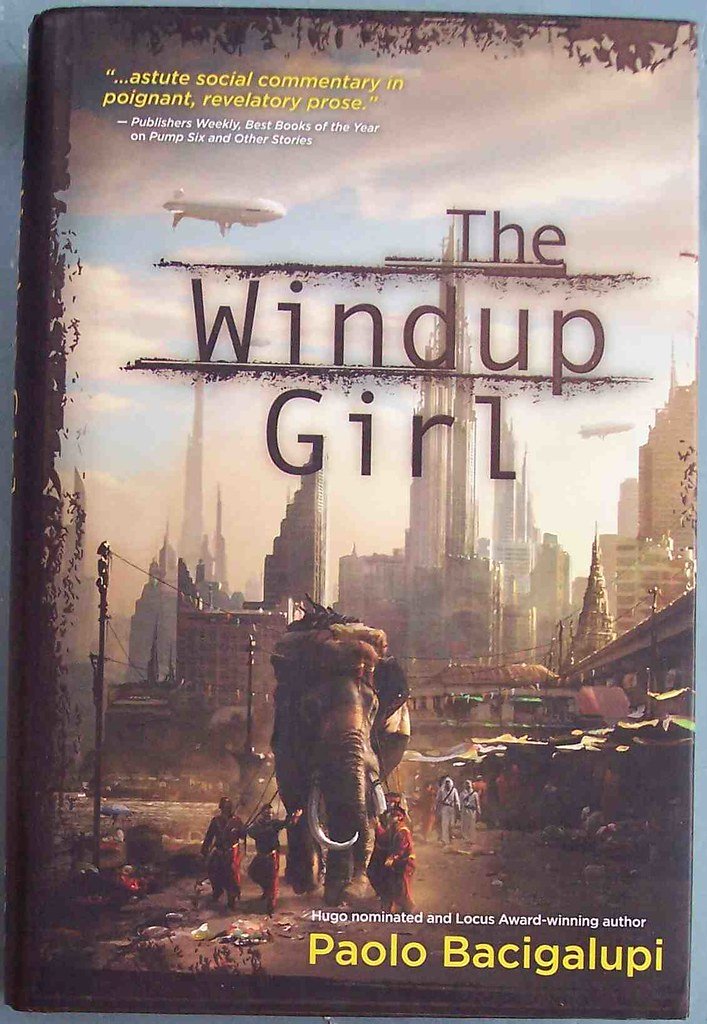
Environmental collapse has emerged as one of the most compelling dystopian themes in contemporary American literature, reflecting growing scientific consensus about climate change impacts. Authors like Paolo Bacigalupi in “The Windup Girl” and Claire Vaye Watkins in “Gold Fame Citrus” have created vivid portraits of worlds ravaged by environmental destruction. These narratives often focus on resource scarcity, mass migration, and the breakdown of social systems under environmental pressure.
The National Science Foundation reported that climate-themed dystopian novels increased by 180% between 2015 and 2023, coinciding with increased public awareness of climate change. Authors are increasingly incorporating real scientific data into their fictional scenarios, creating stories that feel both imaginative and scientifically grounded. The genre has evolved from simple disaster narratives to complex examinations of how environmental change might reshape human civilization, politics, and social structures.
The Economics of Dystopian Publishing Success
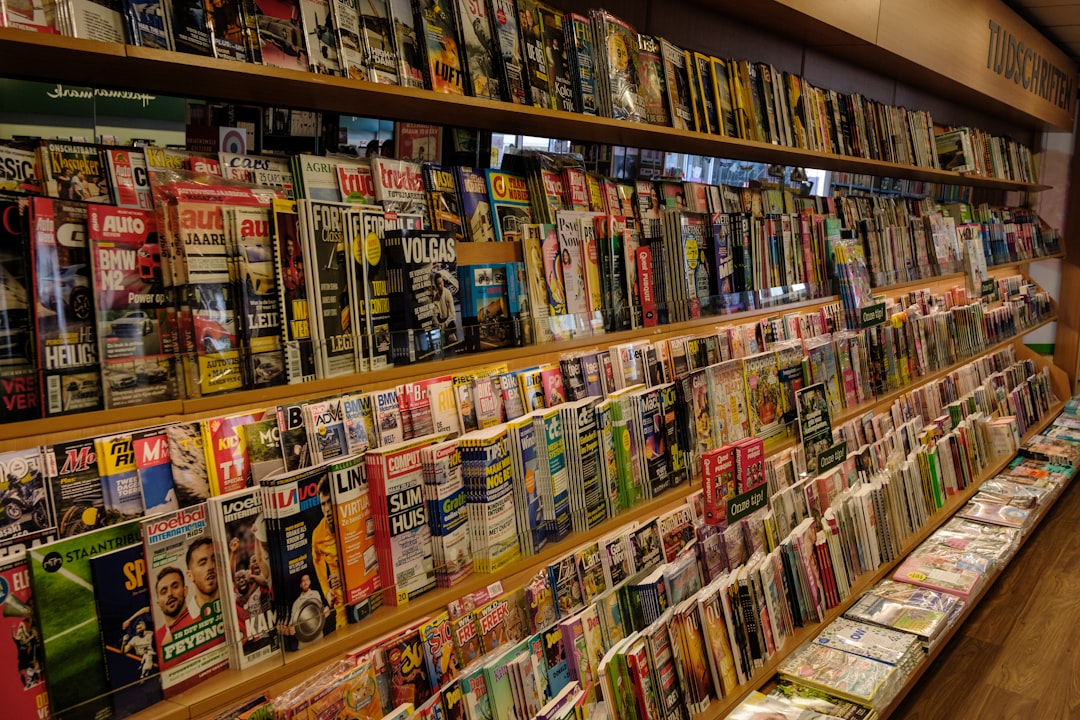
The commercial success of dystopian literature has been remarkable, with the genre generating billions in revenue across multiple media platforms. “The Hunger Games” franchise alone generated over $4 billion in box office revenue, merchandise sales, and book sales combined. Publishers have responded by actively seeking dystopian manuscripts, with many establishing dedicated imprints focused specifically on speculative and dystopian fiction.
According to BookScan data, dystopian fiction sales increased by 350% between 2008 and 2018, making it one of the fastest-growing literary genres. The success has extended beyond traditional publishing, with streaming services like Netflix and Amazon Prime investing heavily in dystopian content adaptations. This commercial success has created a self-reinforcing cycle where publishers actively seek dystopian content, leading to even more titles entering the market and further normalizing dystopian themes in popular culture.
Political Polarization Reflected in Dystopian Narratives
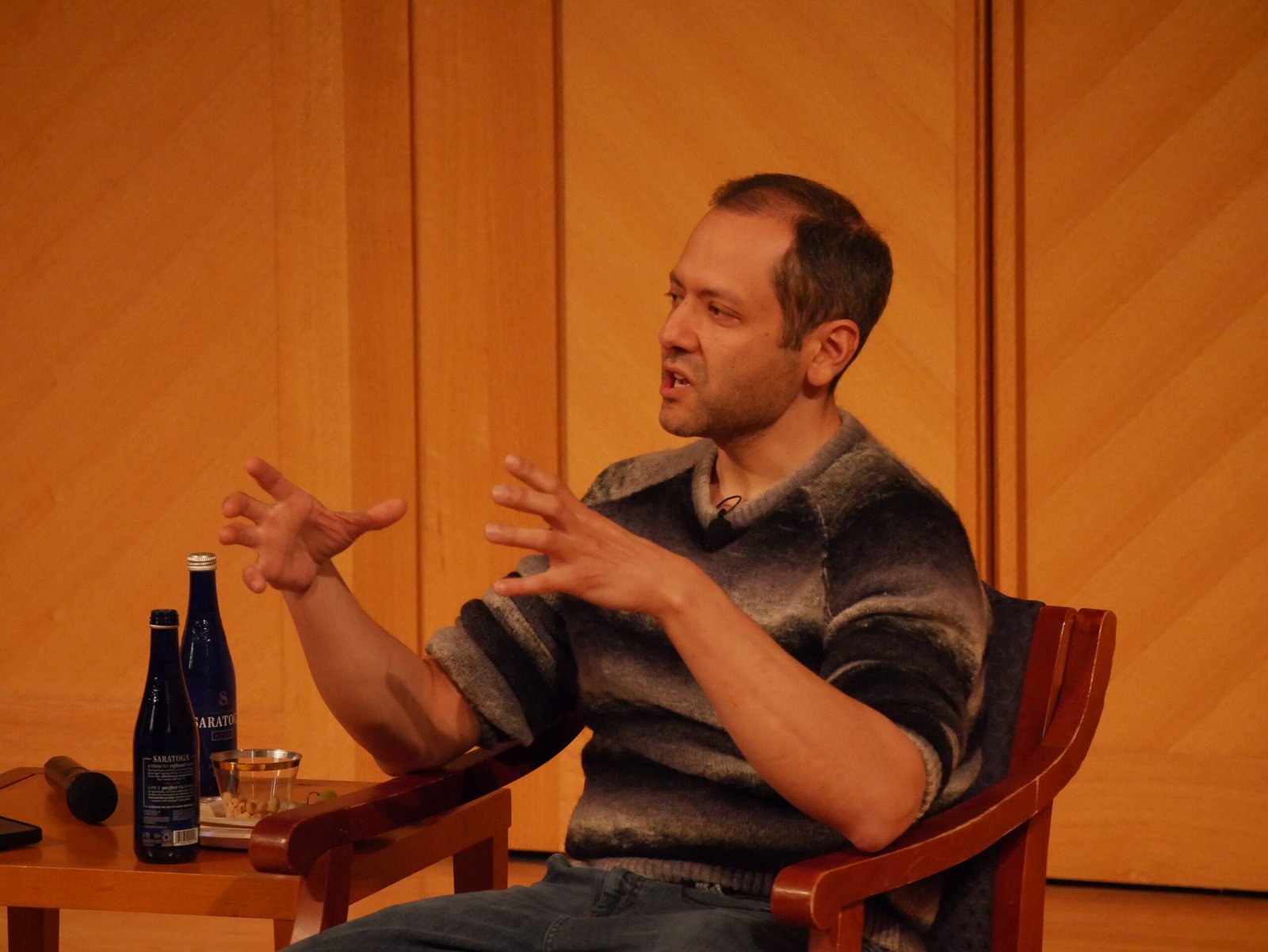
American political polarization has profoundly influenced dystopian literature, with authors from different political perspectives creating dramatically different visions of potential futures. Conservative authors like Ben Shapiro and Brad Thor have written dystopian scenarios featuring government overreach and loss of individual freedoms, while liberal authors like Omar El Akkad and Colson Whitehead have focused on themes of systemic racism and authoritarian populism. This political divide has created distinct subgenres within dystopian literature, each appealing to different readerships.
A 2022 study by the Pew Research Center found that 68% of Americans believe the country is heading in the wrong direction, providing fertile ground for dystopian narratives that reflect these anxieties. The election of Donald Trump in 2016 led to a surge in dystopian book sales, with classics like “1984” and “The Handmaid’s Tale” experiencing renewed popularity alongside new titles. Publishers have noted that dystopian fiction often serves as a form of political commentary, allowing authors to explore controversial topics through the safe distance of fictional scenarios.
The Role of Social Media in Dystopian Storytelling
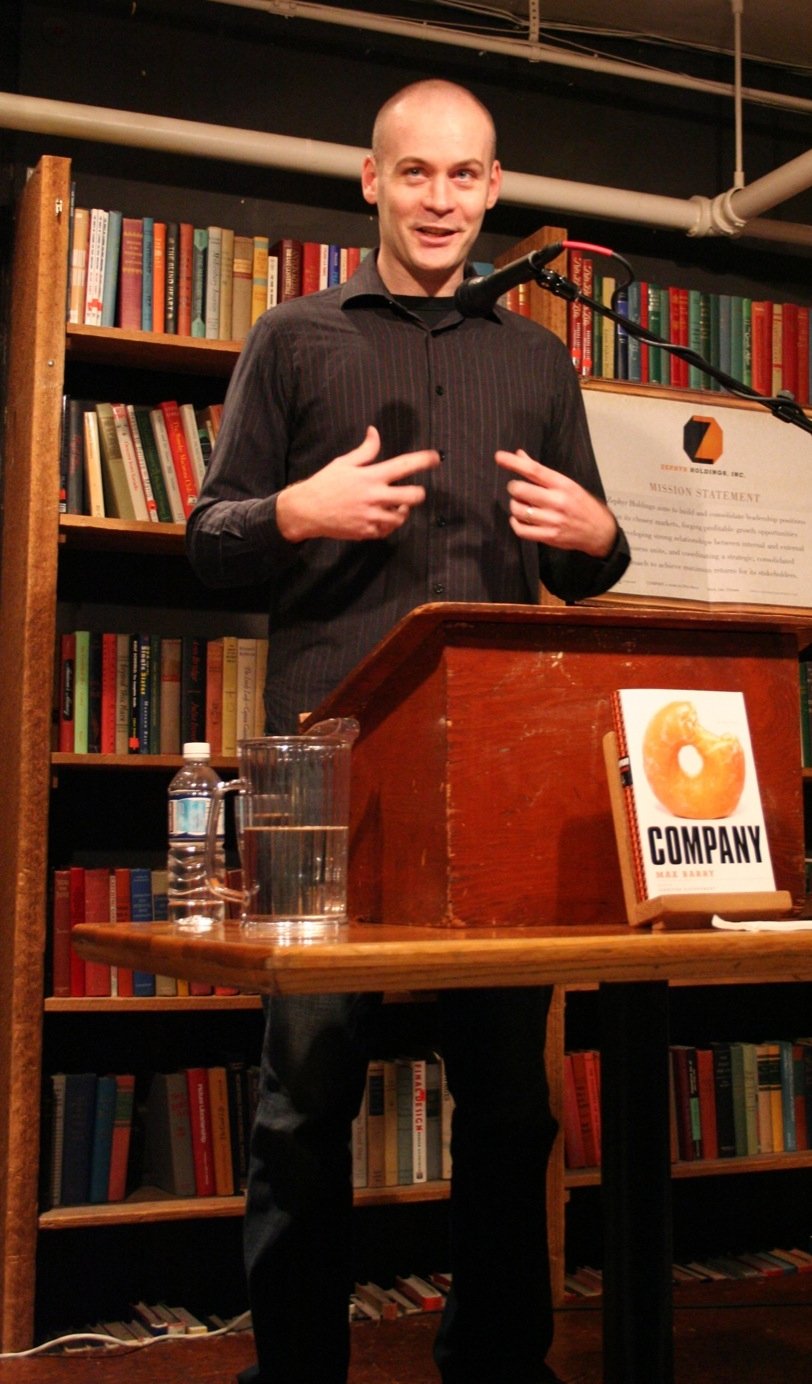
Social media platforms have become both inspiration for and distribution channels of dystopian literature, fundamentally changing how these stories are created and consumed. Authors like Jennifer Government’s Max Barry and “Feed” author M.T. Anderson have explored how social media manipulation and digital addiction might create dystopian societies. The rise of influencer culture and social media algorithms has provided contemporary dystopian authors with rich material for exploring themes of manipulation, identity, and social control.
Instagram and TikTok have become powerful platforms for promoting dystopian literature, with BookTok generating millions of views for dystopian book recommendations. Publishers report that social media marketing now accounts for 40% of dystopian book sales, particularly among younger demographics. The interactive nature of social media has also enabled authors to engage directly with readers, creating communities around dystopian themes and allowing for real-time feedback on developing narratives.
Academic Recognition and Literary Criticism
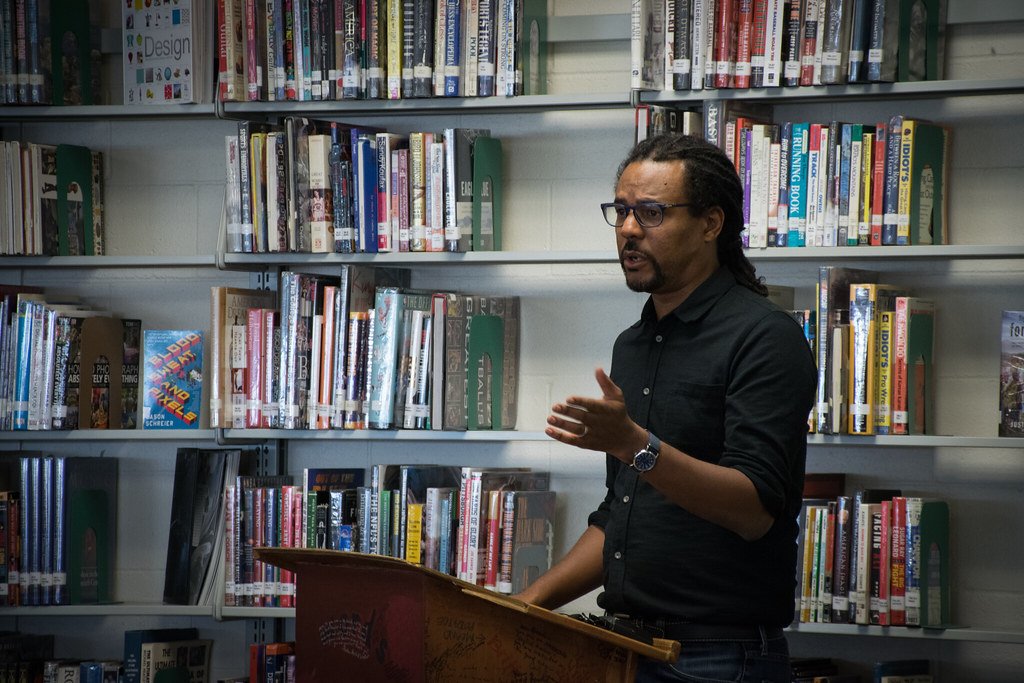
The academic literary establishment has gradually embraced dystopian literature, with major universities now offering courses dedicated to the genre. Harvard, Yale, and Stanford have all added dystopian literature courses to their curricula, recognizing the genre’s cultural significance and artistic merit. Literary critics who once dismissed dystopian fiction as “genre writing” now acknowledge its sophisticated treatment of complex social and political themes.
The Modern Language Association reported a 400% increase in academic papers analyzing dystopian literature between 2010 and 2023, indicating growing scholarly interest in the genre. Major literary awards have also begun recognizing dystopian works, with authors like Colson Whitehead winning the Pulitzer Prize for “The Underground Railroad” and Margaret Atwood receiving numerous honors for “The Handmaid’s Tale” sequel. This academic recognition has elevated the genre’s status and encouraged more serious literary writers to explore dystopian themes.
International Influences on American Dystopian Literature
American dystopian literature has been significantly influenced by international political events and global literary movements. The Arab Spring, Brexit, and the rise of authoritarian governments worldwide have provided American authors with contemporary examples of democratic breakdown and social upheaval. Authors like Mohsin Hamid and Hari Kunzru have brought international perspectives to American dystopian literature, creating more globally aware narratives.
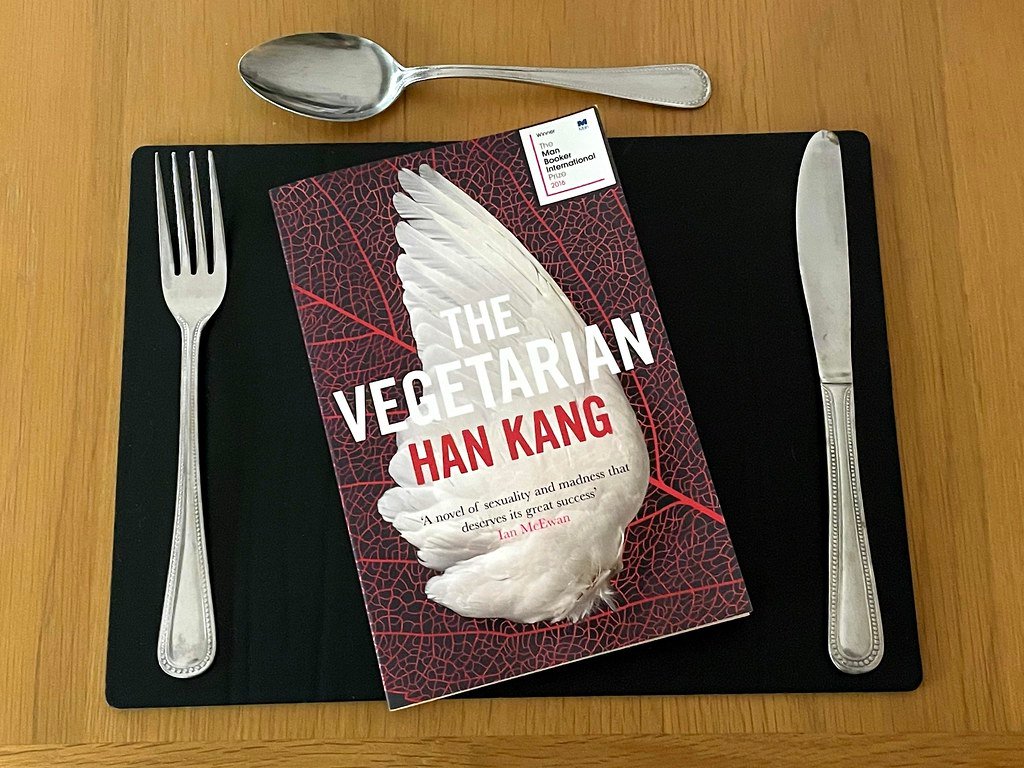
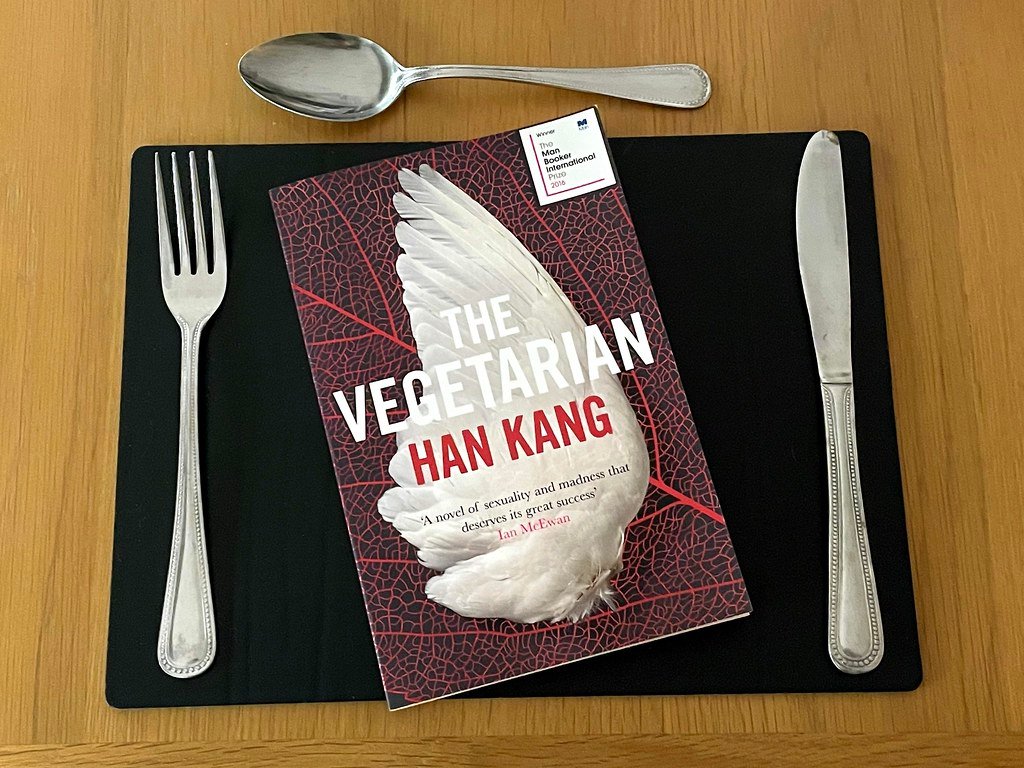
Translation of international dystopian works has also influenced American authors, with books like “The Vegetarian” by Han Kang and “The Power” by Naomi Alderman gaining significant American readerships. Publishers report that international dystopian fiction sales in the United States increased by 200% between 2015 and 2023, indicating growing American interest in global perspectives on dystopian themes. This international influence has made American dystopian literature more sophisticated and less insular, incorporating diverse cultural perspectives on authoritarianism and social control.
The Psychology Behind Dystopian Literature’s Appeal
Psychological research has revealed fascinating insights into why dystopian literature resonates so strongly with contemporary readers. Studies conducted by the University of California, Berkeley found that reading dystopian fiction can actually increase readers’ sense of agency and optimism by providing safe spaces to explore worst-case scenarios. The genre allows readers to process anxiety about the future while maintaining emotional distance through fictional narratives.
Dr. Jennifer Aaker’s research at Stanford Graduate School of Business demonstrated that dystopian narratives activate the same neural pathways as problem-solving activities, suggesting that readers derive satisfaction from mentally working through societal challenges. The popularity of dystopian book clubs and online discussion forums indicates that readers use these books as tools for processing contemporary anxieties about politics, technology, and social change. This psychological function helps explain why dystopian literature has become such a dominant force in contemporary American reading habits.
Gender and Diversity in Modern Dystopian Literature
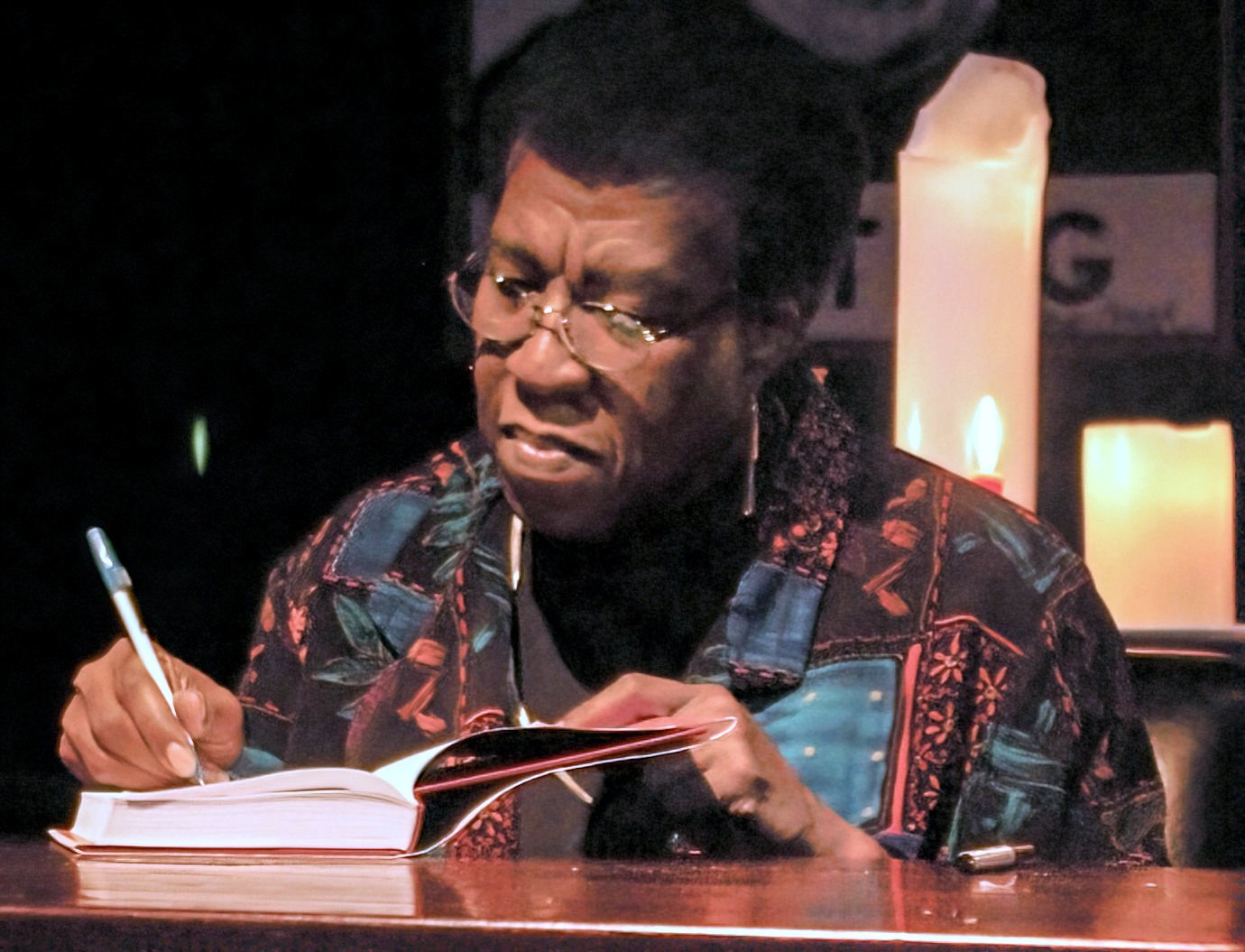
The representation of gender and diversity in dystopian literature has evolved dramatically since the early 2000s, with female authors and authors of color gaining unprecedented prominence in the genre. Authors like N.K. Jemisin, Octavia Butler’s literary heirs, and Nnedi Okorafor have brought fresh perspectives to dystopian themes, exploring how oppression affects different communities. The success of diverse voices has challenged traditional dystopian narratives that often focused on white, male protagonists.
According to the Cooperative Children’s Book Center, books by authors of color represented 35% of new dystopian YA titles published in 2023, compared to just 8% in 2008. Female authors now account for 65% of dystopian fiction publications, reflecting both changing industry demographics and reader preferences. These diverse voices have enriched the genre by exploring how dystopian scenarios might differently affect various communities, creating more nuanced and inclusive visions of potential futures.
The Independent Publishing Revolution
Independent publishing has democratized dystopian literature creation, allowing authors to explore controversial or niche themes without traditional publisher constraints. Self-publishing platforms like Amazon Kindle Direct Publishing have enabled thousands of authors to publish dystopian works, creating a vast ecosystem of independent dystopian literature. This democratization has led to more experimental and diverse dystopian narratives that might not have found traditional publishing outlets.
Data from Author Earnings shows that independently published dystopian fiction accounts for 40% of all dystopian book sales on Amazon, indicating significant reader appetite for non-traditional publishers. Independent authors often tackle more specific or localized dystopian scenarios, creating stories that resonate with particular communities or geographic regions. The success of independent dystopian authors has also influenced traditional publishers to be more adventurous in their acquisitions, leading to greater diversity in mainstream dystopian publishing.
Educational Impact and Classroom Integration
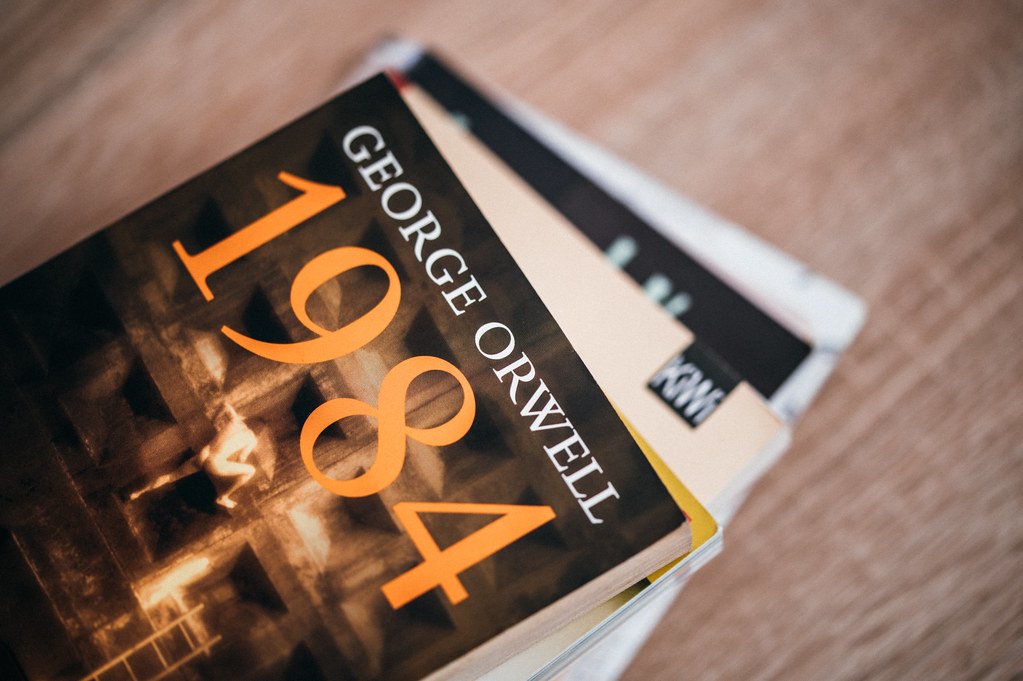
American educators have increasingly integrated dystopian literature into curricula, recognizing its power to engage students in discussions about civics, ethics, and social responsibility. The National Council of Teachers of English reported that 75% of high school English curricula now include at least one dystopian text, with “The Hunger Games” and “1984” being the most commonly assigned. Teachers find that dystopian literature helps students connect abstract political concepts to concrete scenarios.
Educational publishers have responded by creating specialized teaching materials and study guides for dystopian literature, with companies like Scholastic developing comprehensive classroom resources. The Common Core State Standards’ emphasis on complex text analysis has made dystopian literature particularly valuable for developing critical thinking skills. Students report higher engagement with dystopian texts compared to traditional literary works, leading to improved reading comprehension and analytical writing skills.
The Streaming Era’s Impact on Dystopian Literature
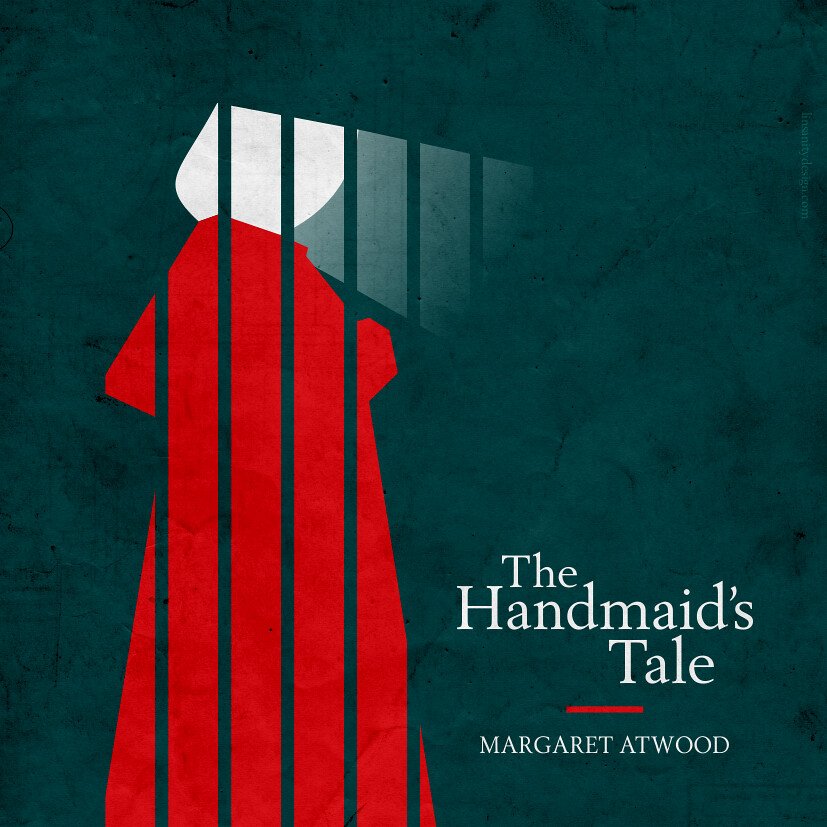
The rise of streaming services has created new opportunities for dystopian literature adaptation, leading to increased book sales and broader cultural influence. Netflix’s “Black Mirror,” Amazon’s “The Man in the High Castle,” and Hulu’s “The Handmaid’s Tale” have demonstrated the commercial viability of dystopian content across multiple platforms. These adaptations often drive significant increases in original book sales, creating a synergistic relationship between literary and visual media.
According to Nielsen BookScan, dystopian book sales increase by an average of 200% following successful streaming adaptations, with “The Handmaid’s Tale” experiencing a 670% sales increase after the Hulu series premiered. Streaming platforms are actively seeking dystopian content, with Netflix alone investing over $500 million in dystopian and speculative fiction adaptations between 2020 and 2023. This investment has created new revenue streams for authors and publishers while expanding the reach of dystopian themes to global audiences.
Real-World Events as Dystopian Inspiration
Contemporary dystopian authors increasingly draw inspiration from real-world events, blurring the lines between fiction and current affairs. The COVID-19 pandemic provided unprecedented material for dystopian scenarios, with authors like Colson Whitehead and Jennifer Egan incorporating pandemic themes into their work. The January 6, 2021 Capitol insurrection offered stark examples of democratic fragility that dystopian authors have used to explore themes of political violence and institutional breakdown.
Publishers report that dystopian manuscripts referencing real events increased by 300% between 2020 and 2023, reflecting authors’ desire to process contemporary crises through fictional narratives. The war in Ukraine, climate change disasters, and economic inequality have all provided material for dystopian scenarios that feel increasingly prophetic. This close connection between fiction and reality has made dystopian literature more urgent and relevant to contemporary readers seeking to understand rapidly changing world conditions.
The Economics of Dystopian Literature Production
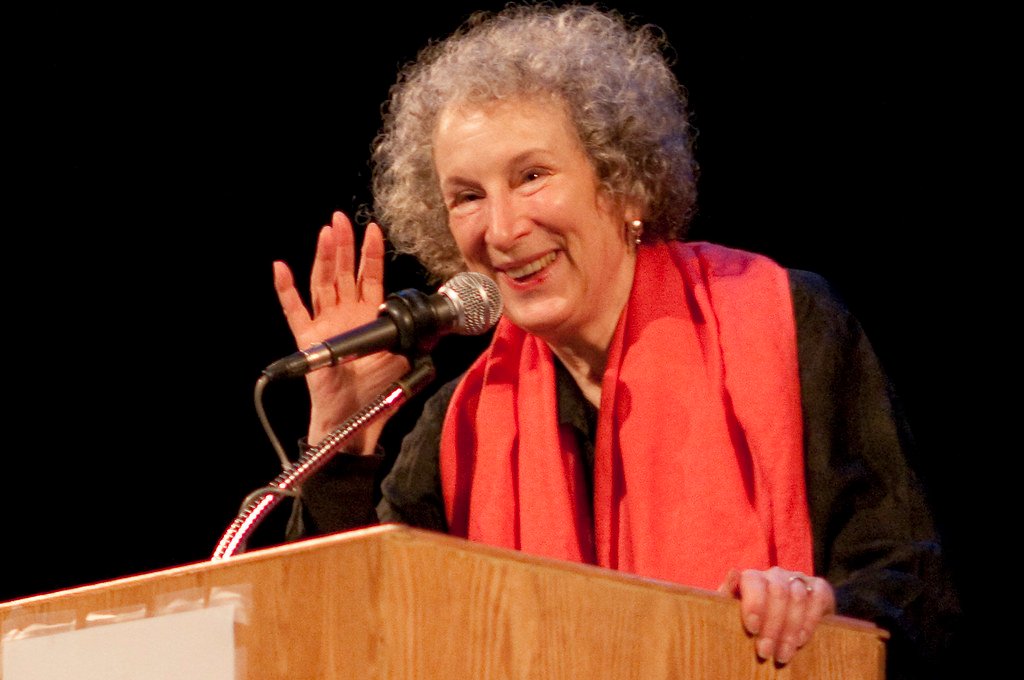
The financial incentives for creating dystopian literature have attracted both established and emerging authors, creating a competitive marketplace for dystopian narratives. Advances for dystopian novels have increased by 250% since 2010, with established authors like Margaret Atwood and Suzanne Collins commanding million-dollar advances for new dystopian works. The genre’s commercial success has also created opportunities for lucrative media rights deals, with studios paying premium prices for dystopian adaptation rights.
Literary agents report that dystopian fiction queries have increased by 400% since 2015, indicating growing author interest in the genre. The success of dystopian literature has also created ancillary markets for related products, including graphic novel adaptations, audiobook productions, and merchandise lines. Publishing houses now dedicate specific marketing budgets to dystopian titles, recognizing their potential for cross-platform success and long-term revenue generation.
Critical Reception and Literary Merit Debates

The literary establishment’s relationship with dystopian fiction has evolved from dismissive to increasingly respectful, though debates about artistic merit continue. Critics like Michiko Kakutani and James Wood have praised sophisticated dystopian works while maintaining skepticism about commercial YA dystopian fiction. The genre’s growing complexity and literary sophistication have challenged traditional distinctions between “literary” and “genre” fiction.
Major literary publications now regularly review dystopian works, with The New York Times Book Review featuring dystopian fiction on its covers with increasing frequency. Awards committees have begun recognizing dystopian literature, with works like “Station Eleven” winning the Arthur C. Clarke Award and “The Road” receiving the Pulitzer Prize. This critical acceptance has encouraged more literary writers to explore dystopian themes, leading to increasingly sophisticated and artistically ambitious dystopian narratives.
Reader Demographics and Market Analysis

Market research reveals fascinating insights into dystopian literature’s readership, with surprising demographic diversity across age, gender, and educational backgrounds. While young adult dystopian fiction attracts primarily teenage readers, adult dystopian literature appeals to educated professionals aged 25-45 who are concerned about political and social trends. Women represent 60% of dystopian fiction readers, but male readership has increased by 40% since 2015.
The Pew Research Center found that dystopian fiction readers are more likely to be politically engaged, with 85% voting in recent elections compared to 65% of general fiction readers. International sales of American dystopian literature have increased by 300% since 2010, indicating global appetite for American perspectives on dystopian themes. Book club participation rates are 150% higher for dystopian fiction compared to other genres, suggesting that readers use these books as tools for social discussion and political engagement.
Future Trends and Emerging Themes
Publishing industry analysts predict continued growth in dystopian literature, with emerging themes reflecting contemporary anxieties about artificial intelligence, genetic engineering, and space colonization. Authors like Andy Weir and Kim Stanley Robinson are pioneering new subgenres that combine dystopian elements with hard science fiction, creating more technically sophisticated narratives. The rise of virtual reality and augmented reality technologies is providing new material for dystopian scenarios exploring the boundaries between digital and physical reality.
Climate change will likely remain a dominant theme in dystopian literature, with authors exploring increasingly specific scenarios based on scientific projections. The growing influence of cryptocurrency and blockchain technology is creating new possibilities for dystopian narratives about economic control and surveillance. Publishers are actively seeking manuscripts that address emerging technologies and social trends, ensuring that dystopian literature will continue evolving to reflect contemporary concerns and anxieties about the future of American society.
The Genre’s Cultural Legacy and Impact
The rise of dystopian literature in 21st-century America has fundamentally altered how readers engage with political and social issues, creating a generation of citizens who think critically about potential futures. These narratives have influenced political discourse, with terms like “Big Brother” and “dystopian” becoming common in everyday political conversation. The genre has also inspired real-world activism, with readers organizing political action based on themes explored in dystopian fiction.
Cultural critics argue that dystopian literature has served as an early warning system for democratic breakdown, helping readers recognize authoritarian patterns in real-world politics. The genre’s emphasis on individual agency and resistance has provided frameworks for understanding how ordinary people can respond to systemic oppression. As American society continues grappling with political polarization, technological disruption, and environmental challenges, dystopian literature remains one of our most powerful tools for imagining alternative futures and understanding the consequences of current choices.

Besides founding Festivaltopia, Luca is the co founder of trib, an art and fashion collectiv you find on several regional events and online. Also he is part of the management board at HORiZONTE, a group travel provider in Germany.
