

- The 20 Impossible 60s–70s Music Quiz for Hardcore Fans - December 21, 2025
- 14 Songs That Were Almost Never Released – And Changed Everything - December 21, 2025
- 20 Epic Coming-of-Age Books You Wish You Read Sooner - December 21, 2025
From cramped airplane seats to endless car rides, portable gaming consoles have given us the freedom to carry entire worlds in our pockets. The handheld gaming market has produced some of the most beloved and commercially successful systems ever created, each pushing boundaries and defining generations of players. These pocket-sized powerhouses didn’t just compete on technical specs alone.
Their stories reveal fascinating battles between innovation and practicality, showing us how sometimes the simplest solution wins over the most advanced technology. Let’s explore the triumphs, failures, and surprising turns that shaped the portable gaming landscape we know today.
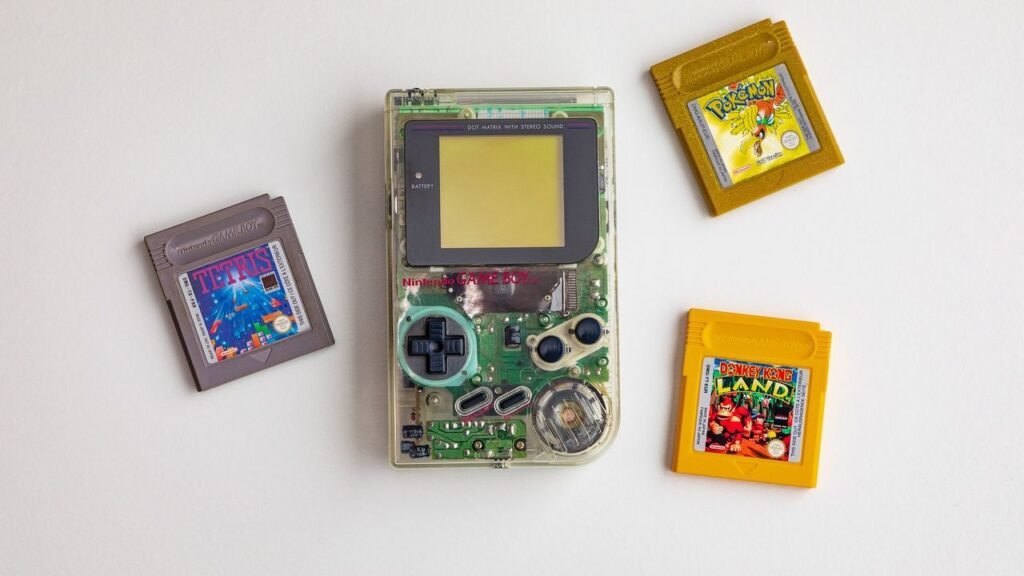
Nintendo Game Boy: The Green-Screen Giant That Started It All
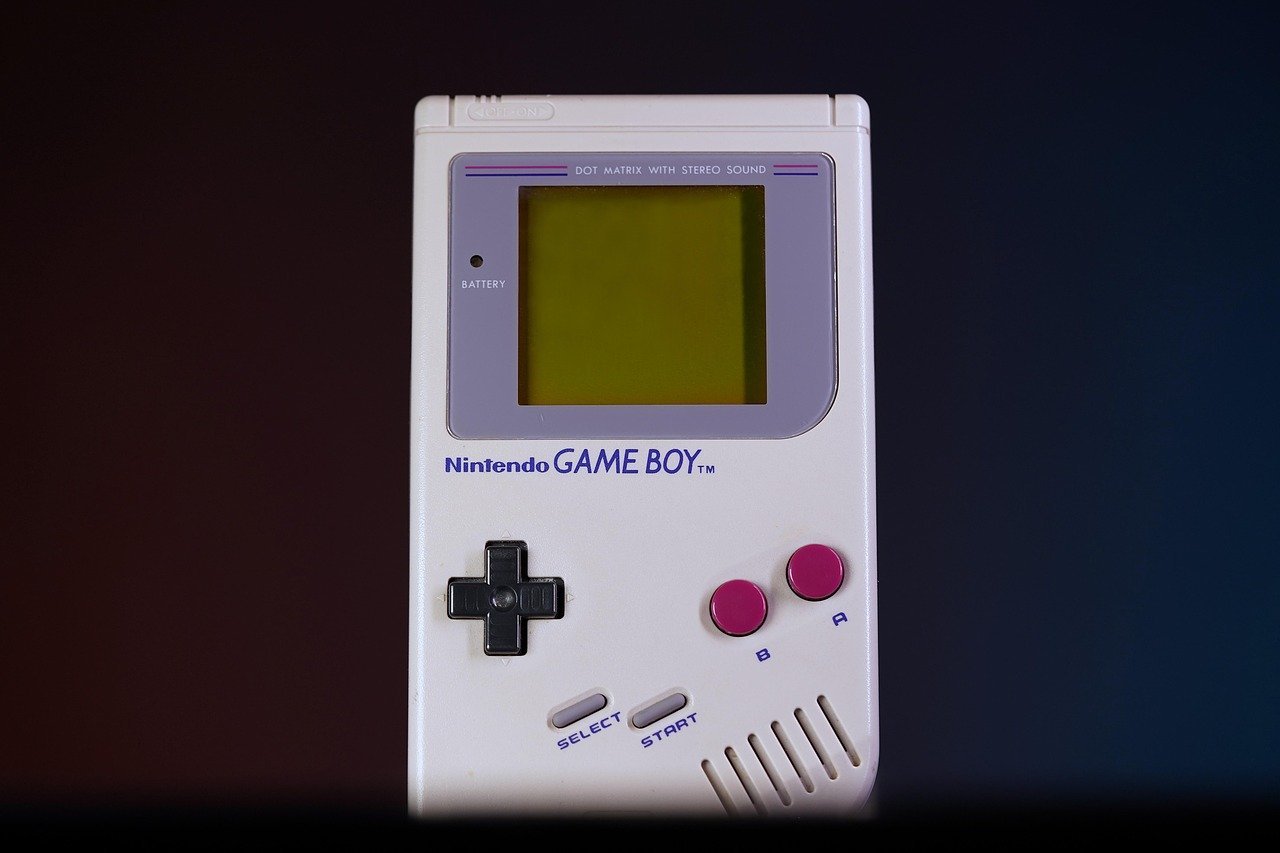
The original Nintendo Game Boy wasn’t trying to impress anyone with flashy colors or cutting-edge graphics when it launched in Japan in April 1989. Despite mixed reviews criticizing its monochrome graphics compared to competitors, the Game Boy’s affordability, battery life, and extensive game library propelled it to market dominance. This seemingly primitive device would go on to sell an astounding 118.69 million units, proving that sometimes less really is more.
What made the Game Boy special wasn’t its technology but its strategic brilliance. Nintendo took the most-played arcade game of the generation and quite literally crammed it into a portable gaming device. But, the moment Nintendo dropped the most-played game on a convenient little cartridge for the Game Boy, players were quick to snatch the opportunity to play from anywhere in the world. Tetris became the system’s killer app, creating an addiction that transcended age groups and gaming experience.
The Game Boy’s monochrome display, which competitors mocked, actually became its secret weapon. While rivals focused on color screens that drained batteries in hours, the Game Boy could run for over 30 hours on just four AA batteries. This incredible battery life made it the perfect companion for long trips and extended gaming sessions.
The Nintendo Game Boy amassed such an inspirational following after the launch of the platform, which later led to Nintendo releasing a whole line of products. And, if it weren’t for the global success of the Game Boy – we’d probably never have had the Switch.
Nintendo DS: The Dual-Screen Revolution That Defied Skeptics

Nintendo’s first non-Game Boy branded handheld, had games journalists and Nintendo fans questioning why we needed two screens at all, when the DS was released on 21 November 2004. But its success shows that the gimmick proved its worth in the end. The Nintendo DS would become the best-selling handheld console ever with over 154.02 million units sold worldwide.
The DS represented a bold gamble by Nintendo that paid off spectacularly. Its dual screens, touchscreen interface, and built-in microphone opened up entirely new gameplay possibilities that developers eagerly embraced. Games like Brain Age attracted non-traditional gamers, while classics like Mario Kart DS and New Super Mario Bros. satisfied longtime Nintendo fans.
What truly set the DS apart was its backwards compatibility with Game Boy Advance games, giving early adopters access to an enormous library from day one. It also has a host of great games, including The World Ends With You, Castlevania: Dawn of Sorrow, and Mario & Luigi: Bowser’s Inside Story, among many, many others.
The system’s success came from Nintendo’s willingness to experiment with unconventional ideas. While competitors focused on raw power, Nintendo created new ways to interact with games that felt fresh and intuitive.
PlayStation Portable: Sony’s Bold Challenge to Nintendo’s Throne
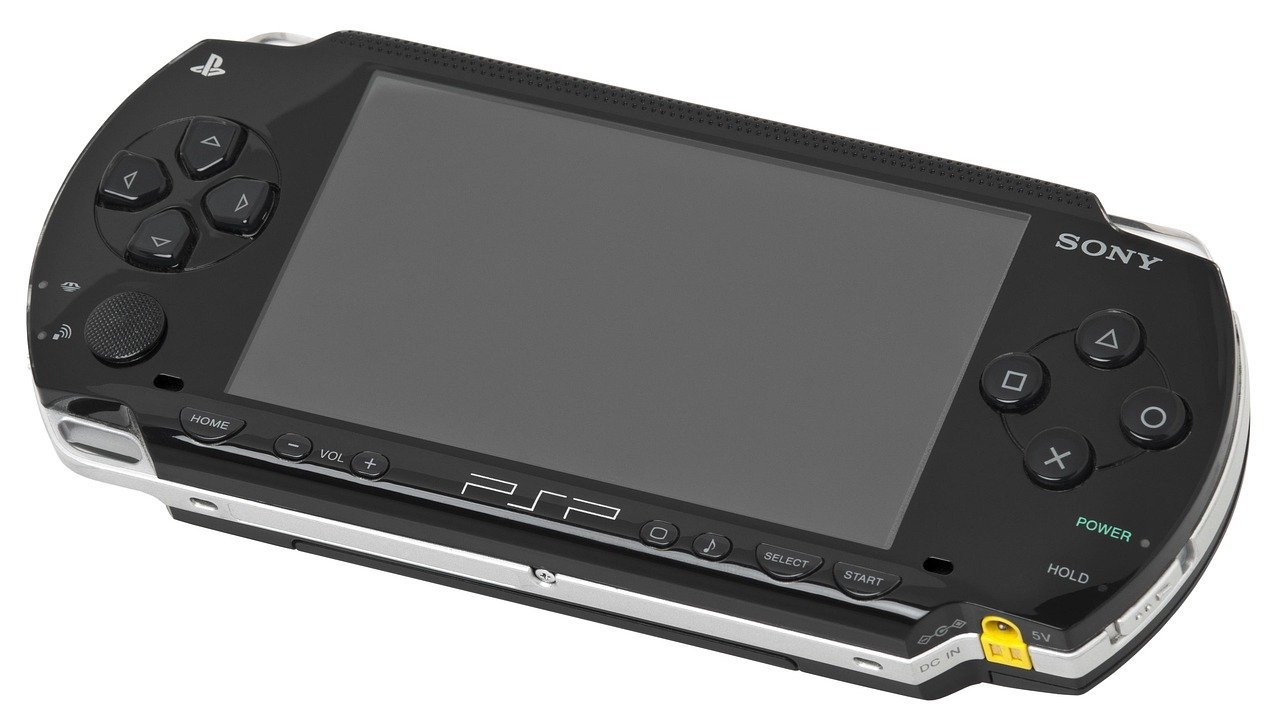
When Sony entered the handheld market in 2004, they brought console-quality graphics to portable gaming with the PlayStation Portable. The system was the most powerful portable console at the time of its introduction, and was the first viable competitor to Nintendo’s handheld consoles after many challengers such as Nokia’s N-Gage had failed. The PSP would go on to sell over 80 million units over its 10-year lifespan, making it a legitimate success story despite facing the DS juggernaut.
CEO Ken Kutaragi called the device the “Walkman of the 21st century”, a reference to the console’s multimedia capabilities. This vision positioned the PSP as more than just a gaming device, offering video playback, music, and internet connectivity that appealed to tech enthusiasts.
The PSP excelled in certain markets, particularly Japan, where it sold nearly 20 million units. It was supported by great games like Grand Theft Auto: Liberty City Stories and Monster Hunter Portable 3rd. The Monster Hunter franchise became a cultural phenomenon in Japan, driving PSP sales and creating a dedicated fanbase that would follow the series for years.
Though it never caught the DS in total sales, the PSP proved that there was room for premium handheld gaming experiences. Its sleek design and impressive graphics capabilities influenced future portable systems and showed that Sony could compete in Nintendo’s traditional stronghold.
Game Boy Advance: The 32-Bit Bridge to the Future
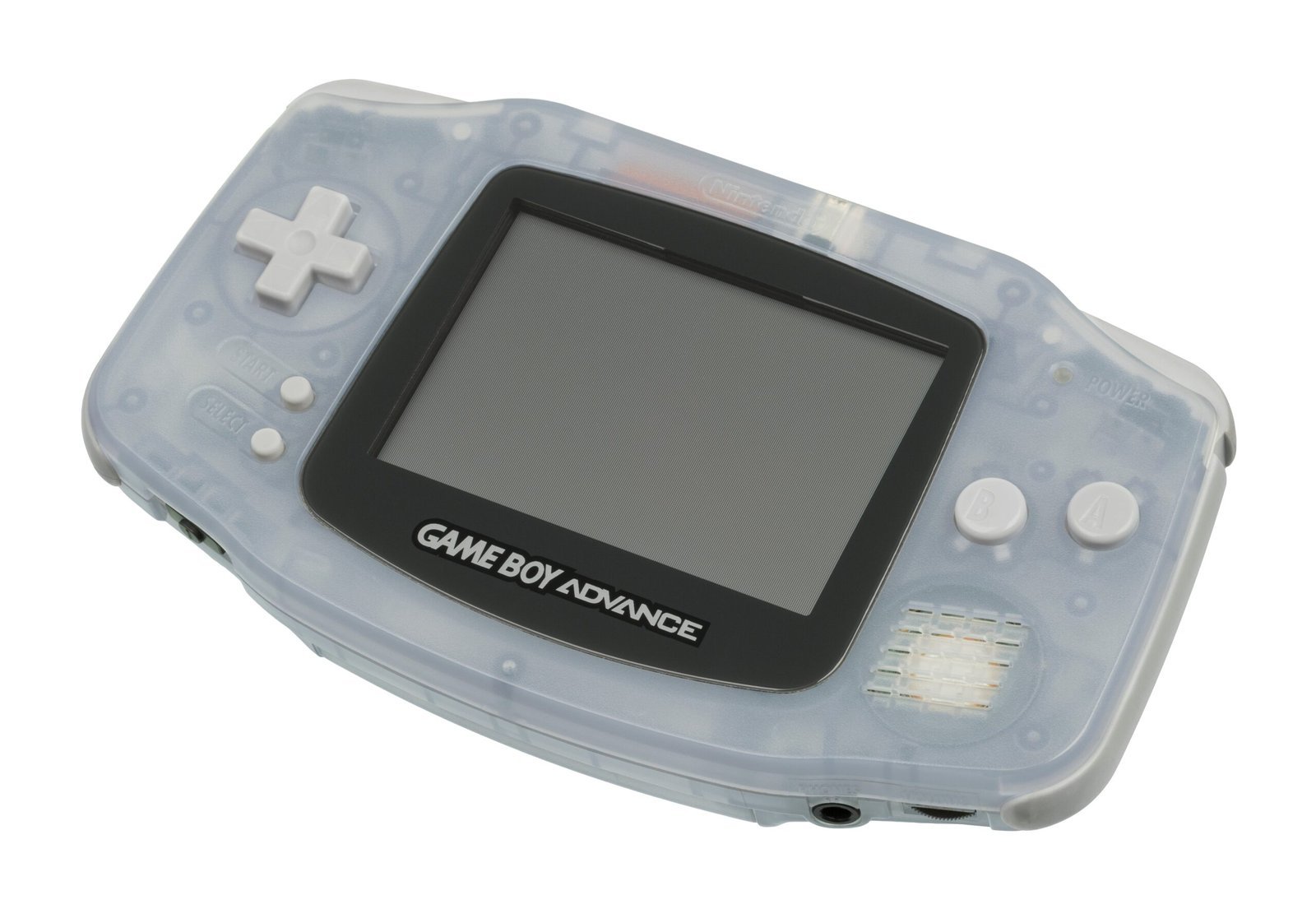
Released in 2001, the Game Boy Advance marked Nintendo’s transition into the modern era of handheld gaming. In its 9-year life (between 2001 and 2010) the GBA sold 81.51 million units. The system represented a massive leap forward from the Game Boy Color, offering SNES-caliber graphics and even play recorded sound samples in a portable format.
The GBA’s landscape orientation was a radical departure from previous Game Boy designs, making it more comfortable for extended play sessions. Within the first week of its North American launch in June, the Game Boy Advance sold 500,000 units, making it the fastest-selling video game console in the United States at the time.
What made the GBA special was its incredible software library. Players could enjoy portable versions of classic SNES games like Super Mario World and The Legend of Zelda: A Link to the Past, alongside original titles like Advance Wars and Metroid Fusion. The system maintained full backwards compatibility with original Game Boy and Game Boy Color games, preserving decades of portable gaming history.
However, the original GBA had one major flaw that would be addressed in later revisions. The redesign was intended to address some common complaints about the original Game Boy Advance, which had been criticized for being somewhat uncomfortable to use, especially due to a dark screen.
Game Boy Advance SP: The Clamshell Revolution

The Game Boy Advance SP, released in 2003, transformed Nintendo’s 32-bit handheld into something truly special. The SP is an upgraded version of the Game Boy Advance with a more compact clamshell design. The SP was the first Game Boy device with a rechargeable battery, and the first widely released model with an integrated screen light, starting with front lighting and later transitioning to backlighting.
In addition to being smaller and using a rechargeable battery, the Game Boy Advance SP also addressed a key shortcoming of the original Game Boy Advance: the reflective color display that was hard to see in dark conditions. The first Game Boy Advance SP had a frontlight that illuminated the front of the display and a reflective surface behind the screen that sent light back through the liquid crystal pixel elements to the viewer.
The SP’s clamshell design wasn’t just about protection, it was about evolution. The Game Boy Advance SP’s clamshell form factor marked a pivotal shift in portable gaming design, protecting the screen while enabling a more compact profile that directly influenced subsequent Nintendo handhelds, including the Nintendo DS released in 2004, which expanded the flip-open mechanism to accommodate dual screens.
Later, Nintendo released an improved version with a proper backlight that made games look absolutely stunning. Entertainment Weekly described it as “one of the best designed pieces of hardware Nintendo has ever introduced,” crediting the clamshell hinge for screen protection and adjustability, alongside the rechargeable battery for convenience. The SP would be discontinued globally by the end of 2010, marking the end of the Game Boy era.
Sega Game Gear: The Colorful Contender That Couldn’t Quite Win
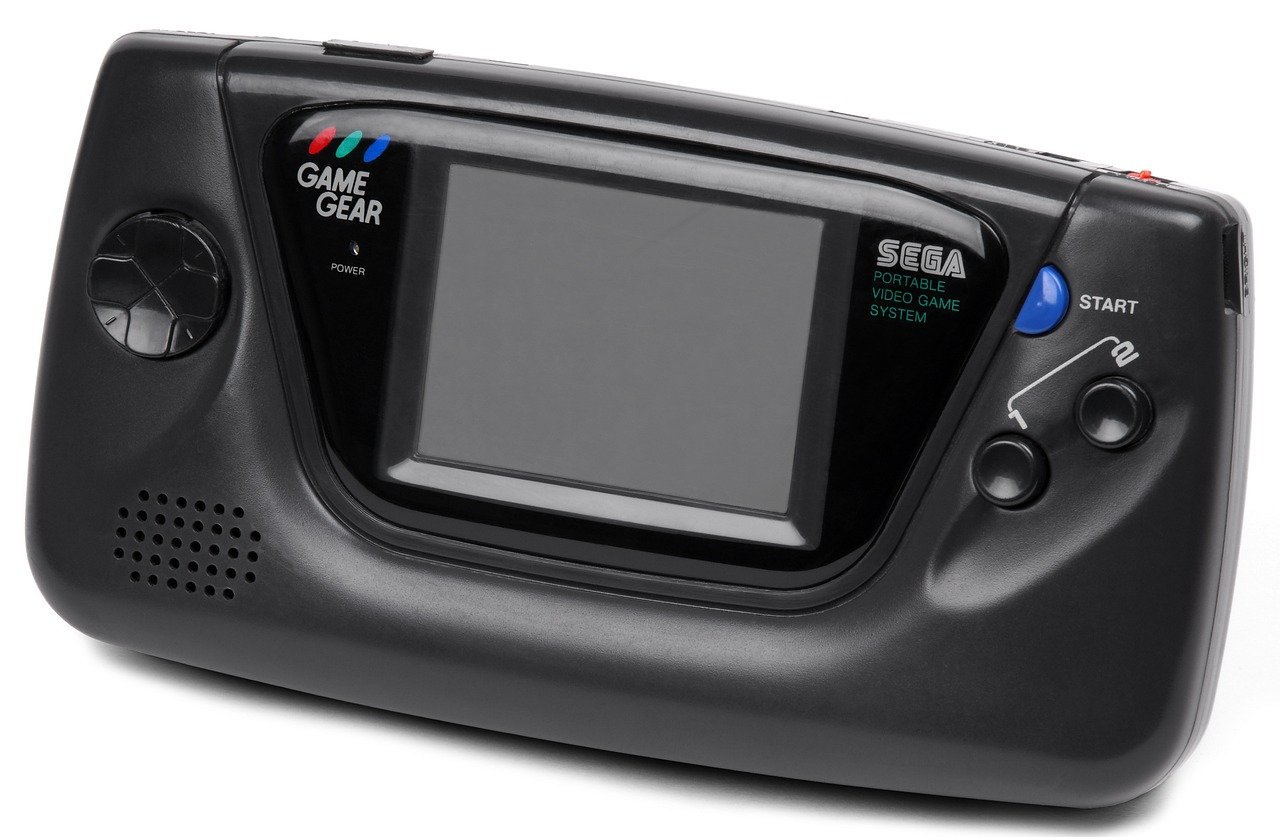
When Sega launched the Game Gear in 1990, it seemed like the perfect Game Boy killer. The console had been designed as a portable version of the Master System, with more powerful features than the Game Boy, including a full-color screen instead of monochromatic. With its impressive 4,096 color palette and backlit screen, the Game Gear appeared technologically superior in every way.
Despite its advanced features, the Game Gear faced insurmountable challenges. The Game Gear’s stronger hardware impacted its battery life, running for three to five hours on six AA batteries, falling short of the Game Boy, which could run for more than 30 hours on four AA batteries. This poor battery life became a constant frustration for players who wanted true portability.
In North America, marketing for the Game Gear included side-by-side comparisons against the Game Boy which likened Game Boy players to the obese and uneducated. One Sega advertisement in early 1994, which contained a dog looking between the two consoles, features the quote, “If you were color blind and had an IQ of less than 12, then you wouldn’t mind which portable you had.” Despite aggressive marketing, the Game Gear sold 10.62 million units by March 1996, respectable but nowhere near the Game Boy’s dominance.
According to author Kenneth Horowitz, the Game Gear’s failure had nothing to do with the device itself, but rather was thanks to Sega’s mismanagement regarding multiple console and accessory releases that fell flat. It was because Sega was having economic problems and they were cutting fat. The Game Gear became a casualty of Sega’s divided focus as the company struggled to support multiple platforms simultaneously.
PlayStation Vita: Sony’s Premium Gamble That Fell Short
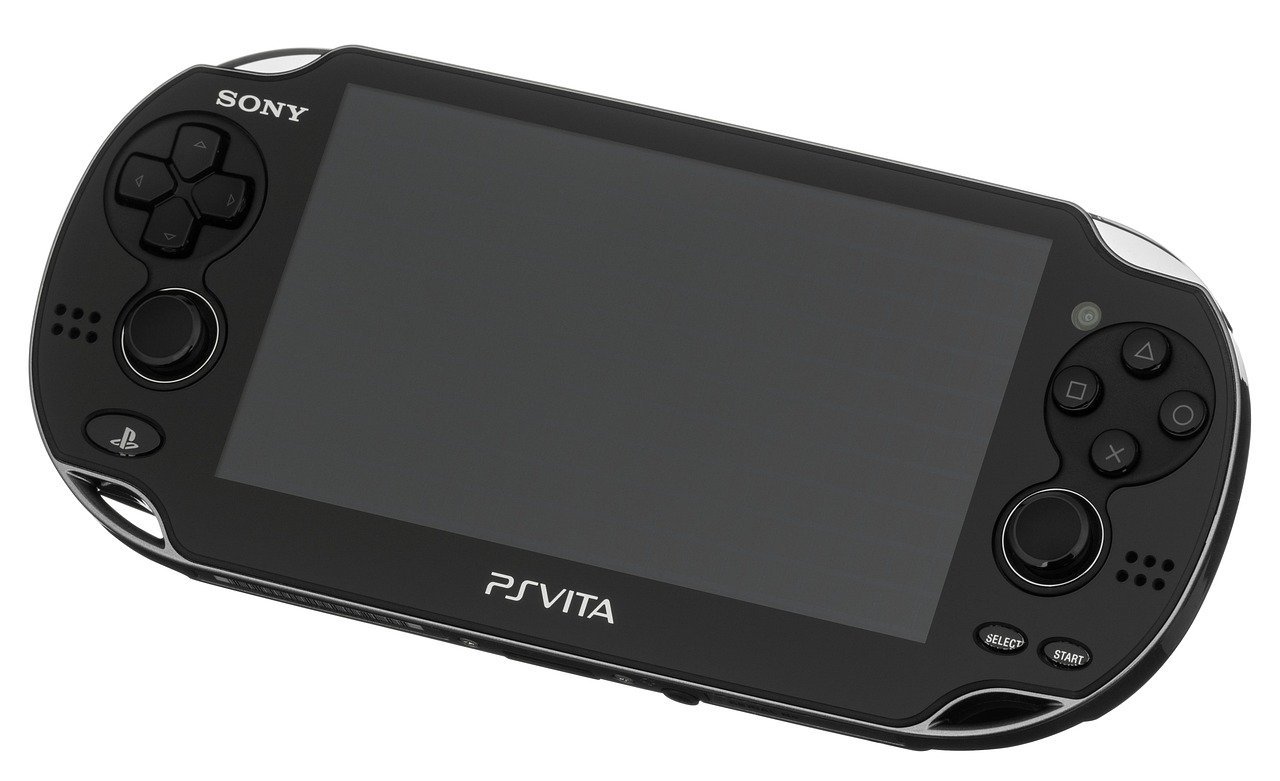
Sony’s second attempt at handheld gaming arrived in 2011 with impressive credentials. The PlayStation Vita boasted console-quality graphics, dual analog sticks, and a gorgeous OLED screen that showcased games in stunning detail. The PS Vita offered a niche library of exclusive games and indie titles that couldn’t be found anywhere else. It also sat as an additional screen to reflect a PlayStation 3 or 4 console for any gamer on the move.
However, the Vita struggled from the beginning with several critical issues. But, due to the rather low memory and seriously expensive extras, the PS Vita struggled to convince consumers to stay on board, and this sadly led the Vita to its demise in 2019. The proprietary memory cards were outrageously expensive, sometimes costing more than the games themselves.
The PSP’s successor, the PlayStation Vita arrived in 2011/2012 and despite a strong start, sales quickly dwindled and ultimately disappointed. The fact that Sony refused to disclose sales data for the Vita while doing so for every other PlayStation device released since 1994 speaks for itself. Estimates from various sources put Vita lifetime sales around 15 million units, which partly explains why Sony temporarily gave up on handheld gaming afterwards.
The Vita represented everything wrong with premium handheld gaming at the time. While it offered incredible experiences for dedicated gamers, its high price point, expensive accessories, and competition from smartphones made it a tough sell to mainstream audiences. Sony’s lack of major first-party exclusives after the initial launch window sealed its fate.
Nintendo 3DS: Stereoscopic Success Despite Early Struggles
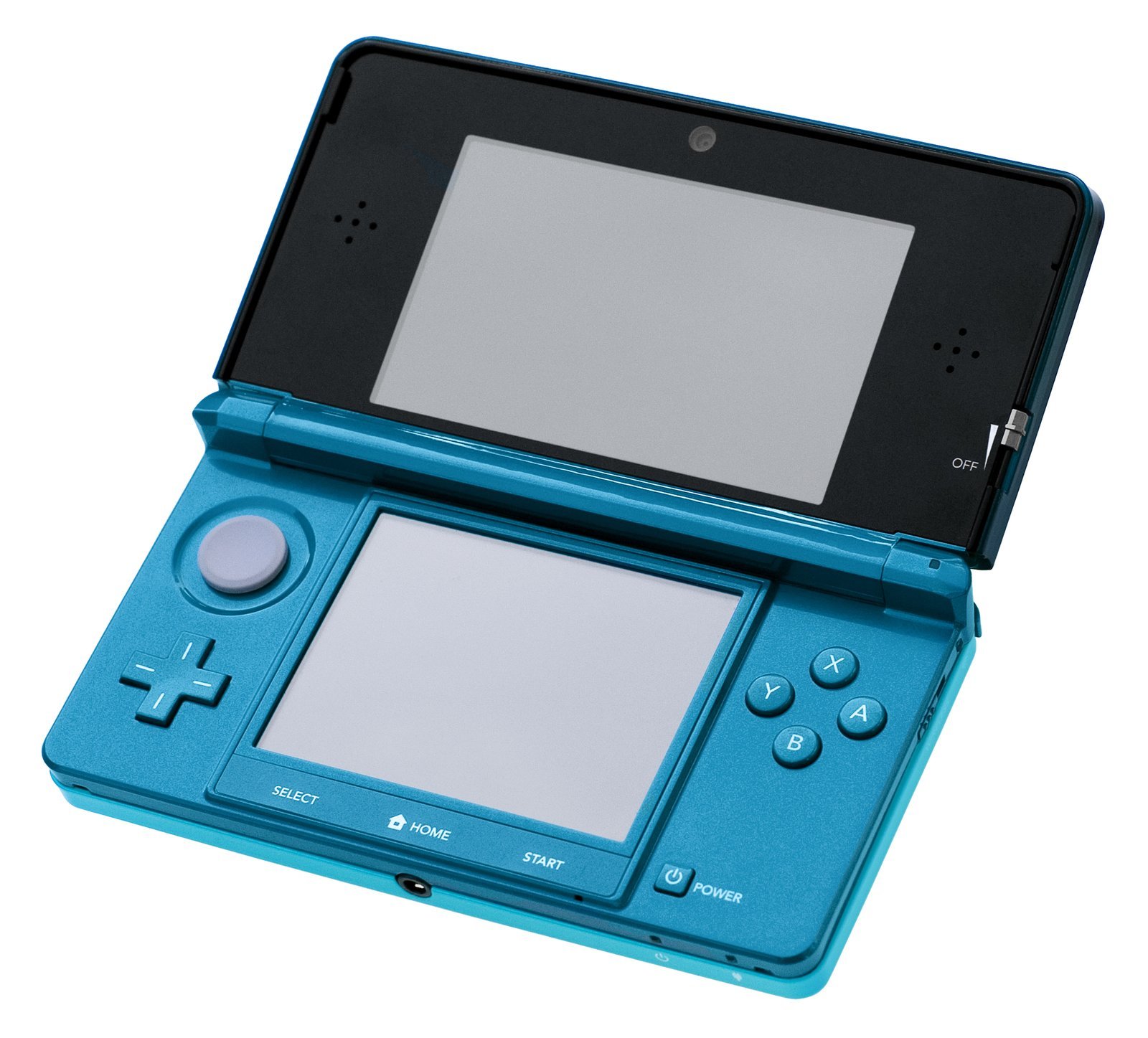
The Nintendo 3DS launched in 2011 with a revolutionary feature that seemed almost magical: glasses-free 3D gaming. The 3DS had a very rocky start, launching to disappointing sales which led to a significant price reduction from $249 to $169 less than six months later. Luckily for them, this move proved to be an enormous success, and the console’s unique features, like stereoscopic 3D, the StreetPass function, and the Virtual Console helped to move even more copies.
The 3DS recovered brilliantly from its difficult launch, eventually selling 75.94 million units across all its variations. The system’s success came from Nintendo’s willingness to support it with high-quality exclusive games and innovative features that couldn’t be found anywhere else.
StreetPass became an unexpected social phenomenon, encouraging players to carry their 3DS systems everywhere to collect data from other players. The feature turned the handheld into a social networking device that rewarded portable gaming in ways no one had anticipated.
The 3DS proved that dedicated handheld gaming could still thrive in the smartphone era, offering experiences that mobile games simply couldn’t match. Its extensive library of first-party Nintendo exclusives and strong third-party support kept it relevant until the Switch’s arrival.
Why Some Consoles Thrived While Others Failed
The portable gaming market reveals harsh truths about what consumers actually want versus what companies think they want. Battery life consistently trumped graphical power when it came to handheld success. The Game Boy’s 30-hour battery life made it practical for real-world use, while the Game Gear’s 3-5 hour lifespan relegated it to home use with an AC adapter.
Price accessibility played a crucial role in determining winners and losers. Sega launched its Game Gear for USD 149.99, which was way more than Nintendo’s Game Boy, which was priced at USD 89.95. Gamers felt it unreasonable to buy such an expensive handheld gaming console when you have other cheaper options present around. Even superior technology couldn’t overcome economic barriers to entry.
Software support ultimately determined long-term success. Nintendo’s first-party development strength gave their systems exclusive franchises that players couldn’t find elsewhere. Pokémon alone transformed the Game Boy from a successful system into a cultural phenomenon that defined portable gaming for generations.
Form factor and durability mattered more than early adopters realized. Its bulky design has also been a dealbreaker. Since it couldn’t be easily kept in one’s pocket, the Game Gear wasn’t nearly as convenient as the much smaller Game Boy. True portability required more than just being cordless; it demanded pocketability and ruggedness for daily use.
The Evolution of Portable Gaming Technology
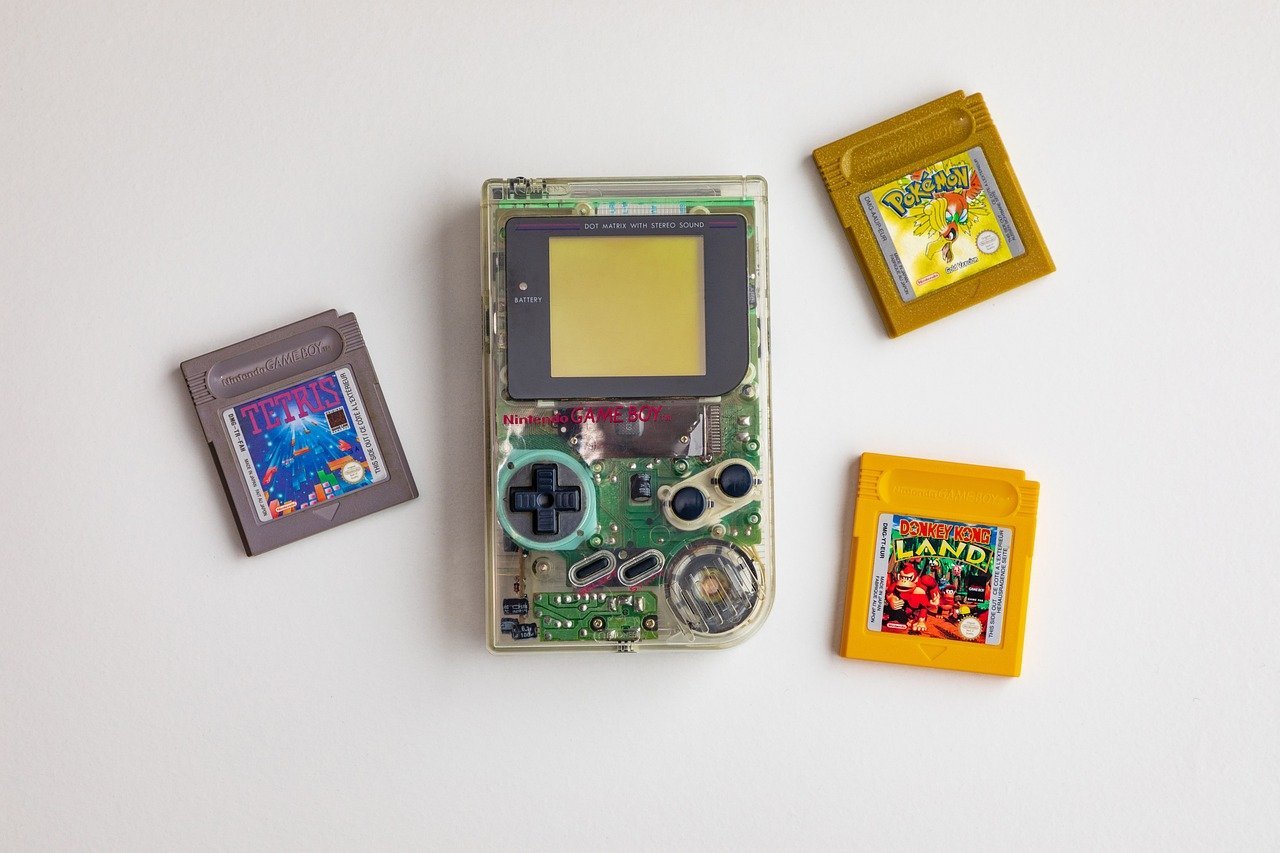
Each generation of handheld consoles pushed specific technological boundaries while learning from predecessors’ mistakes. The transition from monochrome to color displays seemed inevitable, but the Game Gear’s experience showed that premature adoption of power-hungry technology could backfire spectacularly.
Touch controls revolutionized portable gaming interaction when the DS introduced them to mainstream audiences. What seemed like a gimmick initially became an essential interface element that influenced smartphone gaming and future Nintendo systems. The DS proved that innovation in input methods could be as important as graphical improvements.
Wireless connectivity transformed handheld gaming from solitary experiences into social activities. The PSP’s ad-hoc multiplayer and the 3DS’s StreetPass functionality showed how portable systems could create unique social gaming experiences impossible on home consoles.
Backwards compatibility became a crucial feature for establishing new systems. The Game Boy Advance’s ability to play original Game Boy games instantly gave it access to decades of established software, while the DS’s GBA compatibility eased the transition for existing Nintendo handheld owners.
The Impact of Smartphone Gaming on Dedicated Handhelds
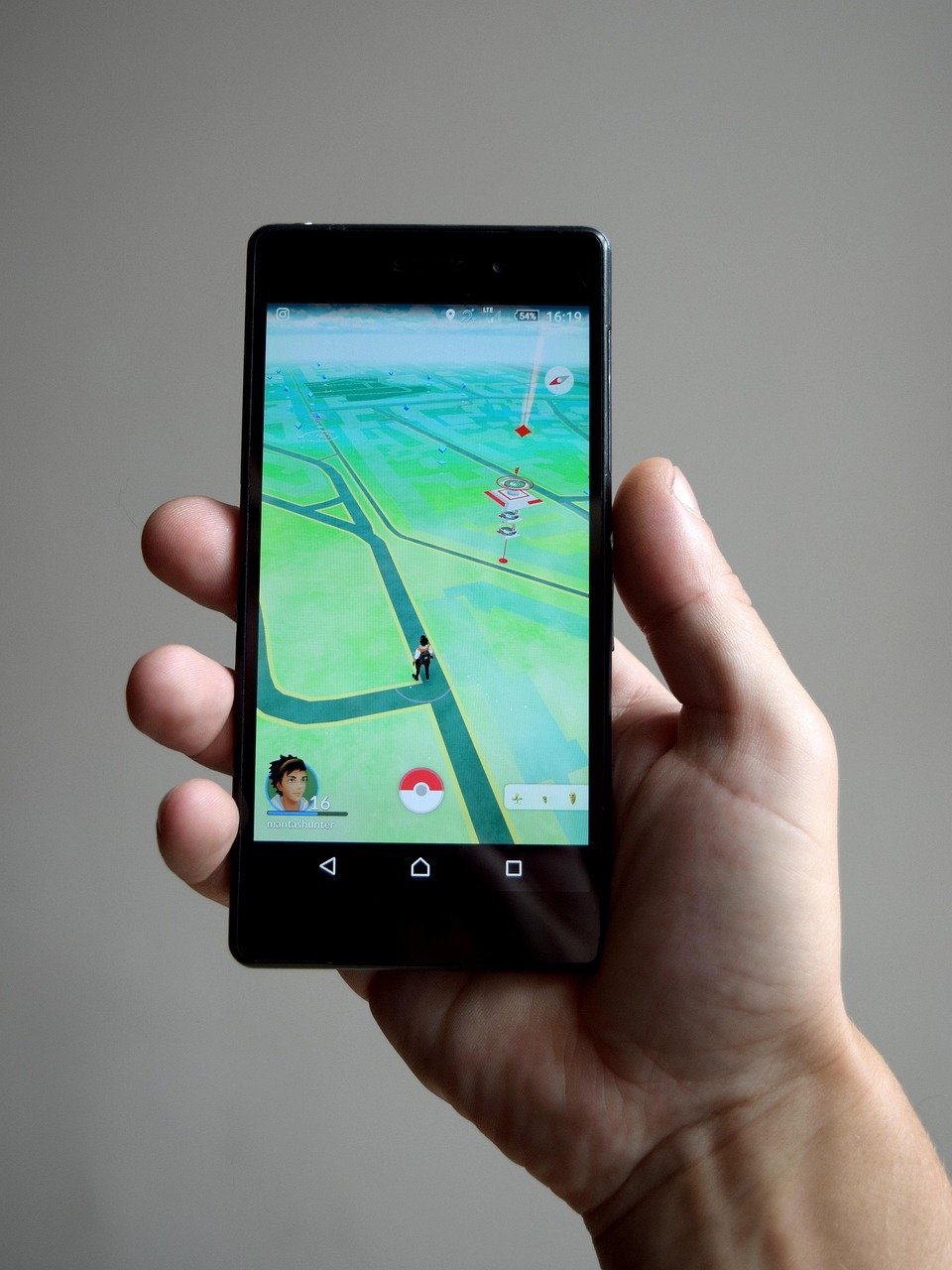
The rise of smartphones fundamentally changed the portable gaming landscape, challenging the need for dedicated handheld systems. Suddenly, everyone carried a gaming device with them, offering convenient experiences that were “good enough” for most casual players.
The PlayStation Vita’s struggle coincided with the smartphone gaming boom, showing how premium handheld experiences could become irrelevant when free-to-play mobile games satisfied most portable gaming needs. Traditional handheld manufacturers had to differentiate their offerings or risk obsolescence.
Nintendo’s response to smartphone competition was brilliant: instead of competing directly, they doubled down on experiences that mobile devices couldn’t provide. The 3DS’s stereoscopic 3D, physical controls, and exclusive Nintendo franchises offered clear advantages over smartphone gaming.
However, the smartphone revolution also opened new opportunities. Many players discovered gaming through mobile devices, potentially creating a larger audience for dedicated handheld systems that offered more substantial experiences than casual mobile games.
Manufacturing and Market Realities That Killed Promising Systems
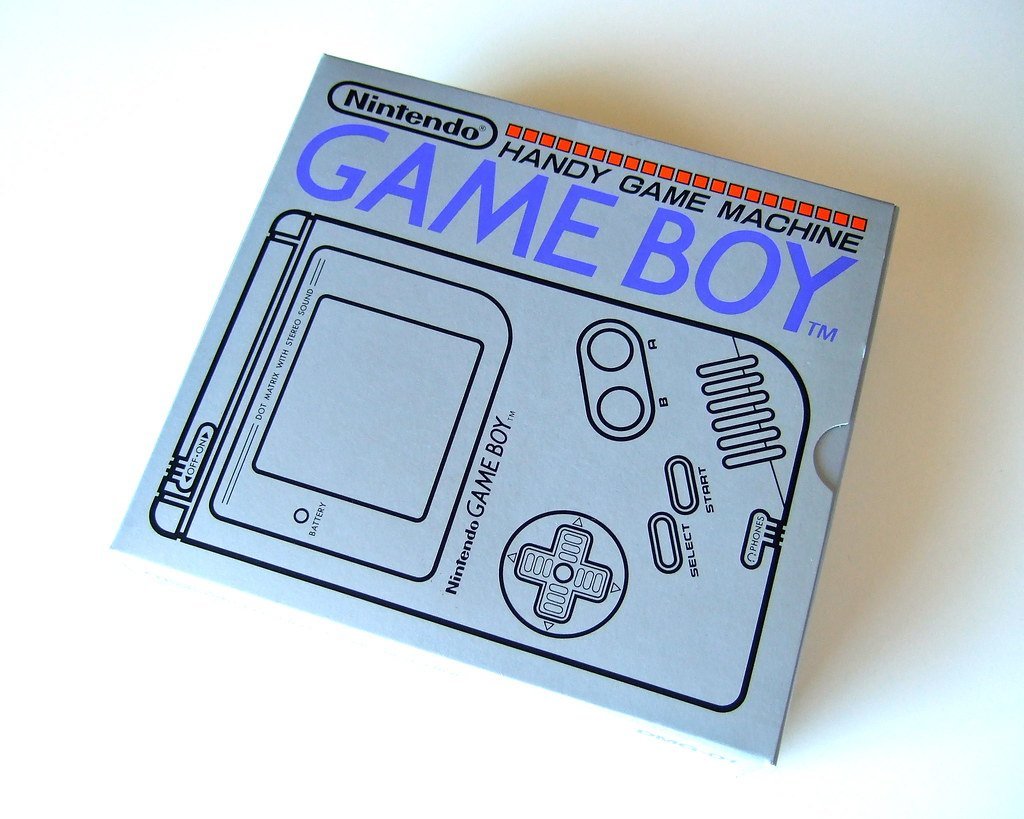
Several potentially successful handheld systems fell victim to manufacturing issues and corporate mismanagement rather than consumer rejection. Many systems sitting in their owner’s lofts or cupboards, the notoriously bad capacitors slowly failing. However, in recent times, there has been a renaissance in collecting and modding the Game Gear. Hardware reliability problems plagued systems long after purchase.
Corporate focus and resource allocation determined which systems received adequate support. Despite heavy marketing from Sega and strong software support initially, the Game Gear would not manage to make much of a dent in the handheld market. Sega’s focus was firmly on the home console market and maintaining their advantage over Nintendo. This would come at a cost to the Game Gear, quickly becoming an afterthought for the company.
The timing of system launches could make or break handheld success. Systems that arrived too late to established markets or too early before consumer readiness often struggled regardless of their technical merits. Market momentum proved nearly impossible to overcome once competitors established dominant positions.
Third-party developer support became increasingly important as handheld systems matured. Systems with strong first-party lineups but weak third-party backing couldn’t sustain long-term success against competitors with broader software ecosystems.
Legacy and Influence on Modern Gaming
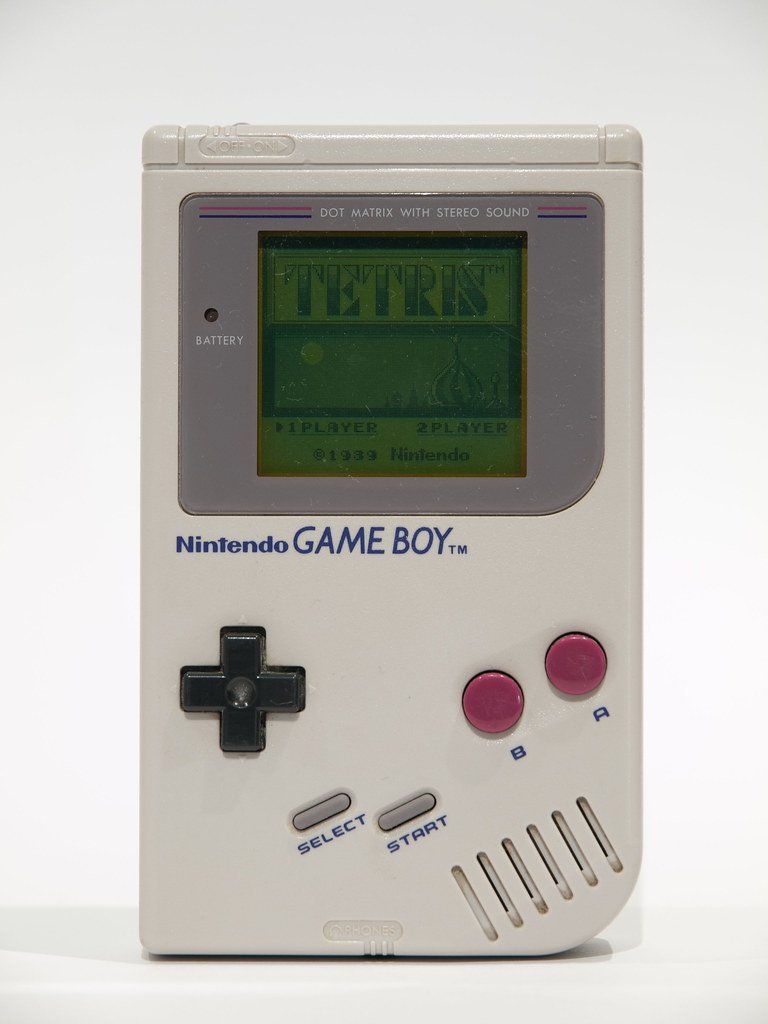
The most successful portable gaming consoles didn’t just sell well; they influenced the entire direction of gaming industry evolution. The Game Boy’s focus on gameplay over graphics established principles that would guide Nintendo’s design philosophy for decades.
The DS’s dual-screen design and touch controls directly influenced the development of the Nintendo Switch, showing how handheld innovations could eventually transform home console design. What seemed like portable-specific features became universal gaming interface elements.
Even failed systems left important legacies. The Game Gear’s color screen and backlight features became standard expectations for all future handhelds, despite the system’s commercial struggles. Its influence on portable gaming technology far exceeded its sales impact.
The PSP’s multimedia capabilities and console-quality graphics showed the potential for premium portable gaming experiences, laying groundwork for systems like the Steam Deck that would eventually succeed where Sony’s handheld ambitions had faltered.
Looking at the portable gaming landscape today, it’s remarkable how these early handheld pioneers shaped everything we take for granted in modern gaming. From the Game Boy’s emphasis on battery life to the DS’s innovative control schemes, each system taught the industry valuable lessons about what portable gaming could and should be. The most successful handhelds weren’t always the most technically advanced, but they understood their audience and delivered experiences that fit perfectly into players’ lives. What’s your favorite handheld gaming memory? Tell us in the comments.

Besides founding Festivaltopia, Luca is the co founder of trib, an art and fashion collectiv you find on several regional events and online. Also he is part of the management board at HORiZONTE, a group travel provider in Germany.
