
The Sea Peoples (c. 1200 BCE, Mediterranean)

The Sea Peoples were among the earliest recorded pirate groups, wreaking havoc across the Mediterranean around 1200 BCE. Their raids targeted major civilizations, including Egypt, Greece, and Anatolia, and were instrumental in the collapse of several ancient societies, most notably the Hittite Empire. Historical accounts suggest that the Sea Peoples were a confederation of various tribes, each contributing to a formidable force that left an indelible mark on history. Despite extensive research, the exact origins and identities of these marauders remain shrouded in mystery, sparking endless debate among historians. The Sea Peoples’ legacy lies in their ability to alter the course of history through their relentless and coordinated attacks, forever changing the Mediterranean’s historical landscape.
The Cilician Pirates (2nd–1st Century BCE, Mediterranean)

Operating off the coast of Cilicia, in present-day Turkey, the Cilician Pirates were a formidable force during the late Roman Republic. They were notorious for disrupting vital Roman trade routes, causing significant economic distress. Their audacity was epitomized by the kidnapping of Julius Caesar in 75 BCE, an event that highlighted their daring nature. After securing his release, Caesar returned with a fleet to exact revenge, leading to the crucifixion of his captors and showcasing the pirates’ substantial threat to Roman authority. This decisive retaliation by Caesar underscored the need for a robust military response, which eventually led to the decline of these pirates. The Cilician Pirates’ actions demonstrate the persistent struggle between maritime outlaws and established powers throughout history.
The Vikings (8th–11th Century, Northern Europe)

Hailing from Scandinavia, the Vikings were renowned seafarers and fierce raiders, leaving an indelible mark on Northern Europe from the 8th to the 11th century. Known for their swift and brutal attacks, they targeted coastal towns and monasteries in England, France, and even parts of Russia. The Vikings’ raids were not merely plundering expeditions; they also established settlements, such as Normandy in France, influencing the region’s cultural and political landscape. Their maritime prowess enabled them to explore and discover new territories, including parts of North America, long before Columbus. The Viking Age is a testament to their impact on European culture and trade, with their legacy enduring in modern-day lore and history.
The Wokou Pirates (14th–16th Century, East Asia)

The Wokou pirates, operating along the coasts of China, Korea, and Japan from the 14th to the 16th centuries, were a diverse group comprising displaced samurai, merchants, and smugglers. Often aided by corrupt officials, they conducted raids that devastated coastal villages, causing significant economic disruption. The Wokou’s activities prompted military campaigns aimed at eradicating their threat, as local governments recognized the need to protect their territories. These pirates exemplified the complexity of piracy in East Asia, where social, political, and economic factors intertwined. The Wokou’s legacy lies in their ability to challenge established powers and highlight the vulnerabilities of maritime trade in the region.
The Barbary Corsairs (16th–19th Century, North Africa)

The Barbary Corsairs, originating from the North African ports of Algiers, Tunis, and Tripoli, were infamous for their attacks on European and American ships in the Mediterranean. Over their centuries-long operations, they captured more than a million people, enslaving entire villages along the European coast. The U.S. engaged in the Barbary Wars from 1801 to 1815, a response that underscored the international threat posed by these pirates. The wars led to the famous line in the U.S. Marine Corps Hymn: “To the shores of Tripoli.” The Barbary Corsairs’ activities highlight the enduring issue of piracy and its impact on international relations, illustrating the persistent struggle between maritime powers and pirate forces.
The Indian Ocean Pirates (17th–19th Century, South Asia & East Africa)

In the Indian Ocean, the Malabar pirates were notorious for targeting Portuguese, Dutch, and British trading vessels during the 17th to 19th centuries. Madagascar became a notorious pirate haven, attracting outlaws like Henry Every, who gained infamy for attacking treasure-laden ships. The region’s piracy was not limited to local actors; foreign pirates also exploited the lucrative trade routes, disrupting commerce and influencing colonial policies. The presence of pirates in the Indian Ocean underscores the global nature of piracy and its ability to shape maritime strategies. The Indian Ocean’s history reveals the complex interplay between piracy, trade, and colonial ambitions.
Ching Shih – The Pirate Queen (Early 19th Century, China)

Ching Shih, a formidable pirate queen, commanded a fleet of over 70,000 pirates in the South China Sea during the early 19th century. Her strategic acumen and leadership allowed her to defeat naval forces from China, Portugal, and Britain, solidifying her reputation as one of history’s most powerful pirates. Ching Shih’s reign was characterized by a strict code of conduct among her crew, with severe punishments for disobedience. Remarkably, she negotiated a peaceful retirement, retaining her wealth and avoiding execution, making her one of the few pirates to successfully exit the life of crime. Ching Shih’s story is a testament to her prowess and the lasting impact of piracy in the region.
The Caribbean Pirates (17th–18th Century, Caribbean & Americas)

The Golden Age of Piracy, from 1650 to 1730, saw the rise of legendary pirates like Blackbeard (Edward Teach), Captain Kidd, and female pirates Anne Bonny and Mary Read. Operating from bases such as Nassau in the Bahamas and Tortuga in Haiti, these pirates engaged in acts of piracy against merchant ships, establishing the Caribbean as a hotbed of piracy. Blackbeard’s fearsome appearance and tactics made him a legendary figure in pirate lore, contributing to the romanticized image of piracy. The Caribbean’s history of piracy highlights the allure of fortune and adventure, as well as the enduring cultural fascination with pirate life.
Jean Lafitte (Early 19th Century, Gulf of Mexico & U.S.)

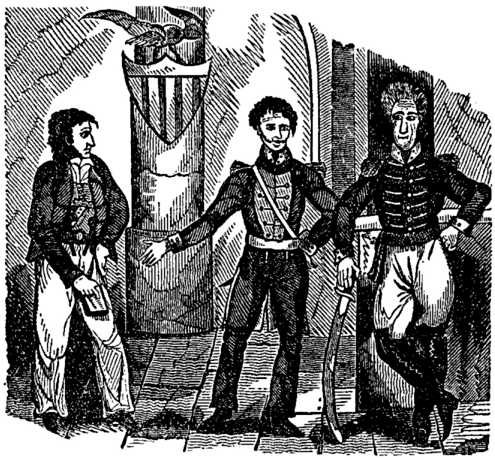
Jean Lafitte, a French pirate based in New Orleans, ran a vast smuggling operation in the early 19th century. His activities were not solely criminal; he played a crucial role in defending the U.S. during the Battle of New Orleans in 1815, aligning with American forces against the British. Lafitte’s legacy endures in Louisiana history, where he is remembered as a folk hero and a symbol of the complex relationship between piracy and patriotism in early American history. His story illustrates the multifaceted nature of piracy and its impact on national identity and historical memory.
The Modern Pirates (20th–21st Century, Somalia & Southeast Asia)

Piracy remains a significant issue in the modern world, particularly off the coast of Somalia and in the Strait of Malacca, near Indonesia and Malaysia. Modern pirates utilize speedboats, automatic weapons, and even cyber-hacking, employing tactics that include hijacking cargo ships. The rise of piracy in these regions has prompted international naval responses and increased security measures for shipping routes. The ongoing threat of modern piracy highlights the enduring nature of this crime, adapting to contemporary technologies and geopolitical landscapes. Modern piracy underscores the persistent challenges faced by maritime trade and the need for continued vigilance in securing global shipping routes.