
Some performances feel so inevitable that it’s hard to picture anyone else in them. But behind a surprising number of famous roles sits another name: an actor who was offered the part, cast in it, or wanted for it, and never played it.
The twelve roles below all have a documented first pick and a very different actor who ended up owning the part. Some exits were quiet. Others came from a TV contract, a studio standoff, or a lead being replaced days into shooting. The biggest swap of all came down to a spy sequel that refused to finish on time.
#12 – Sean Connery as James Bond in Dr. No (1962)
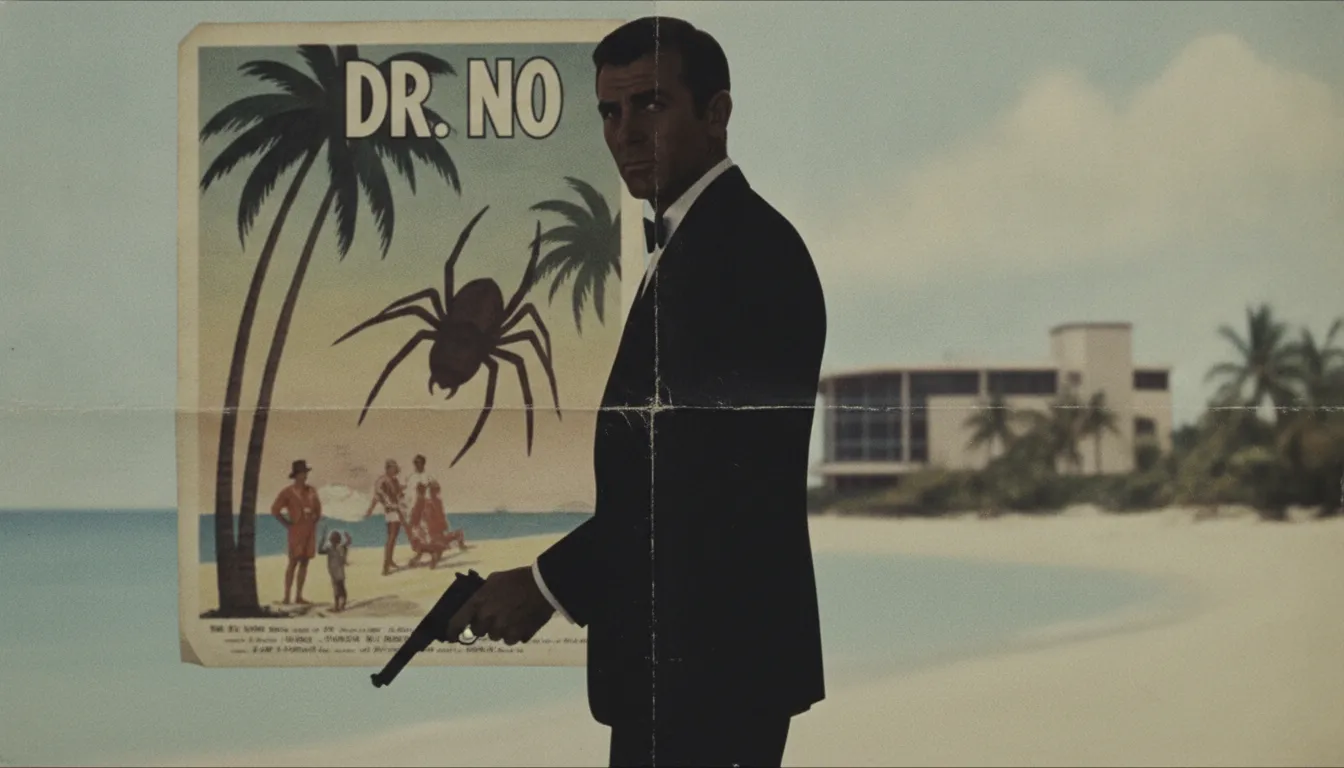
Cary Grant was the dream Bond. Sean Connery was the man who actually signed up.
Producers Albert R. Broccoli and Harry Saltzman reportedly wanted Grant for the first Bond film. Grant was reluctant to commit to more than one picture, and the producers were planning a series.
The role went to Connery, a 31-year-old Scottish actor with mostly modest credits. He gave Bond a rough-edged, dangerous charm that set the template for the character. He went on to play 007 in six Eon-produced films.
#11 – Jack Nicholson as George Hanson in Easy Rider (1969)
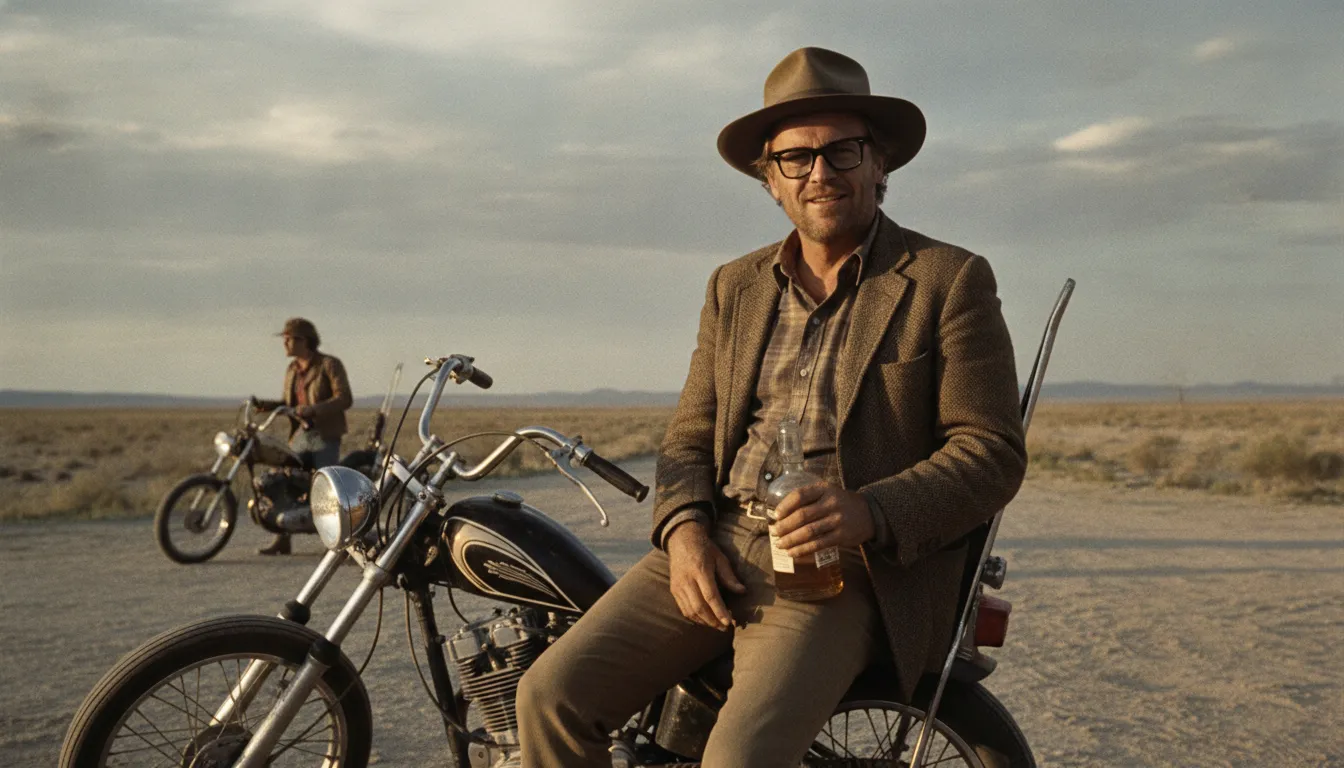
Jack Nicholson stepped into Easy Rider because Rip Torn stepped out.
Torn had been set to play George Hanson, the hard-drinking small-town lawyer who joins the road trip. He left the project after a blowup with director and co-star Dennis Hopper. The two men’s accounts of that clash have never lined up.
Nicholson was then about 31 and a long-time veteran of low-budget films. He took the part and earned an Oscar nomination for Best Supporting Actor. A Best Actor nomination for Five Easy Pieces followed the next year.
#10 – Keanu Reeves as Neo in The Matrix (1999)
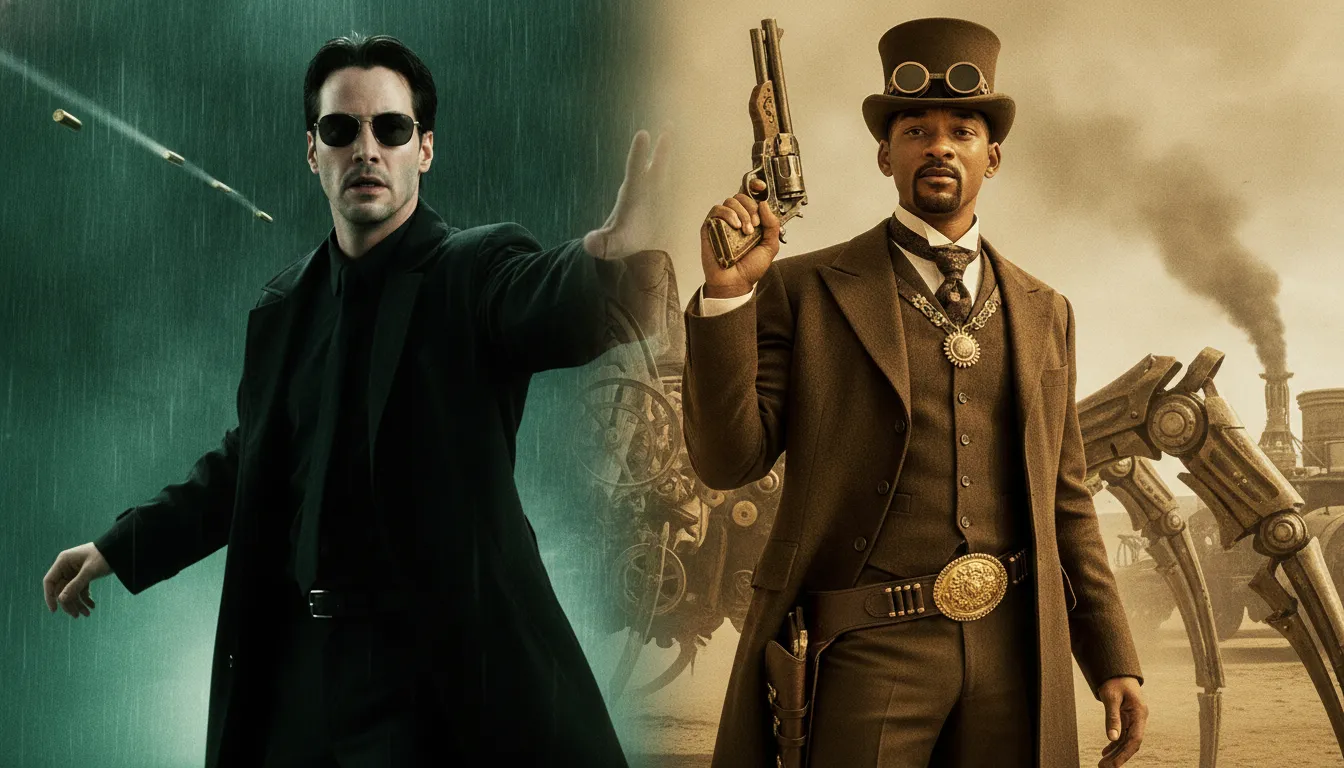
Will Smith has admitted he turned down the role that became Keanu Reeves’s signature.
The Wachowskis wanted Smith for Neo. He has said he passed after hearing the pitch and made Wild Wild West instead. He has also said Reeves was the right choice and that he would have ruined the part.
Reeves was already known for Speed and Bill & Ted, but Neo took him somewhere new. His stillness and wide-eyed disbelief anchored a film that changed the look of action cinema. It turned him into a long-running sci-fi icon across three sequels.
Fast Facts
- The Matrix reached U.S. theaters on March 31, 1999.
- Smith’s alternate project, Wild Wild West, opened later that summer, on June 30.
- The film won four Academy Awards: visual effects, film editing, sound, and sound effects editing.
- Reeves returned for Reloaded and Revolutions in 2003 and Resurrections in 2021.
#9 – Al Pacino as Michael Corleone in The Godfather (1972)
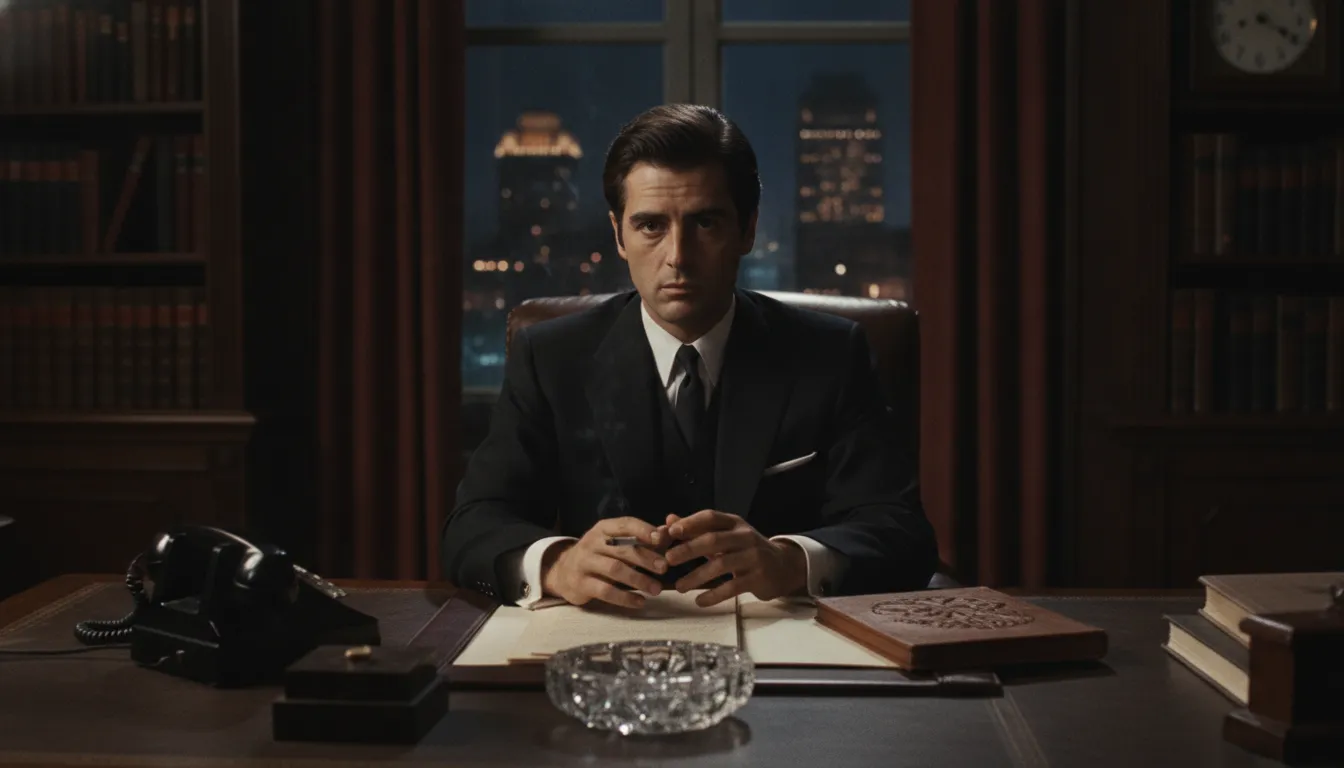
Paramount wanted a bigger name than Al Pacino for Michael Corleone.
Francis Ford Coppola wanted Pacino for the role. Paramount executives reportedly preferred established stars such as Robert Redford and Ryan O’Neal. Pacino had only a handful of screen credits at the time.
Coppola got his way. Pacino’s quiet, cold transformation from reluctant outsider to crime boss earned him an Oscar nomination for Best Supporting Actor. It also made him one of the defining actors of 1970s American film.
#8 – Harrison Ford as Indiana Jones in Raiders of the Lost Ark (1981)
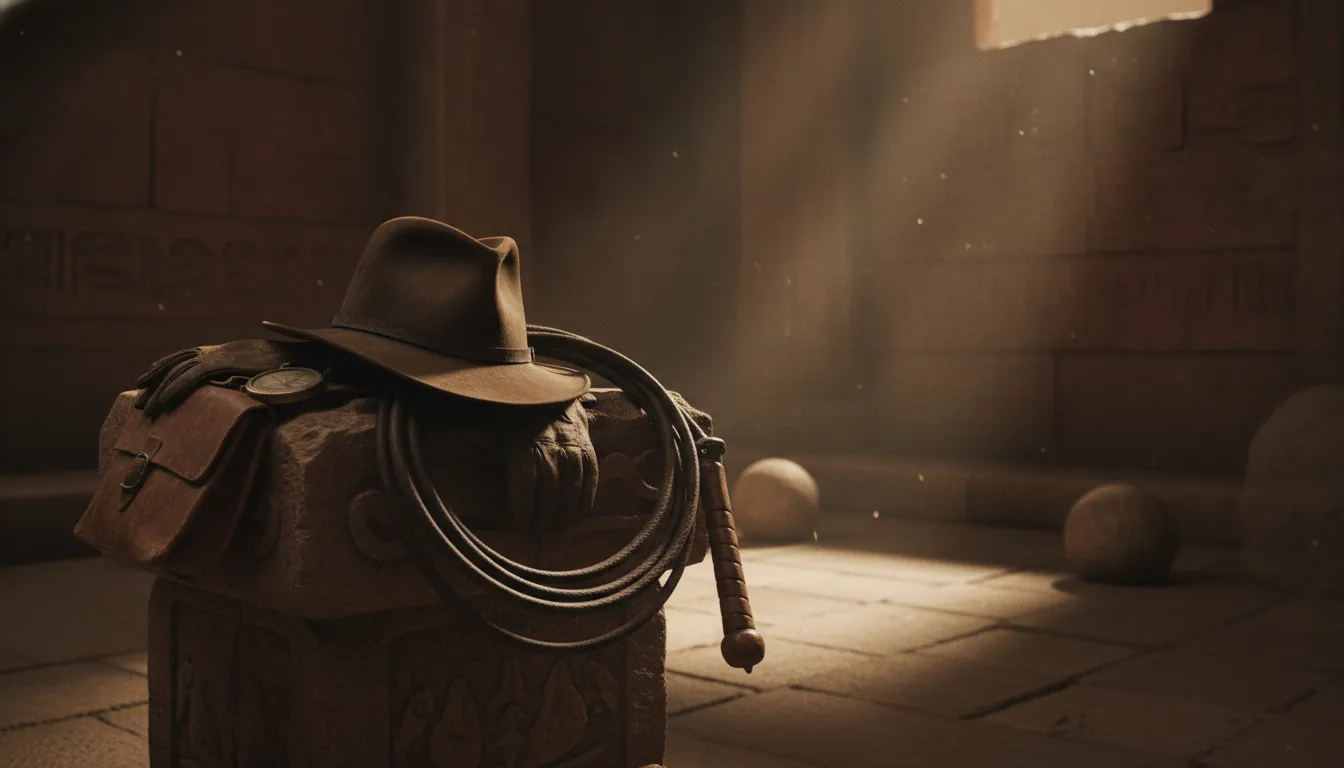
Tom Selleck had the part until his TV network refused to let him go.
Selleck was offered the role of the whip-cracking archaeologist, but CBS held him to Magnum, P.I. That left Steven Spielberg and George Lucas without their hero. Spielberg is said to have pushed for Harrison Ford, while Lucas was reportedly hesitant to cast him again after Star Wars.
Ford was already famous as Han Solo. Indiana Jones made him one of the most bankable leading men in Hollywood. The rumpled, wisecracking, constantly bruised hero became his second great franchise.
#7 – Eddie Murphy as Axel Foley in Beverly Hills Cop (1984)
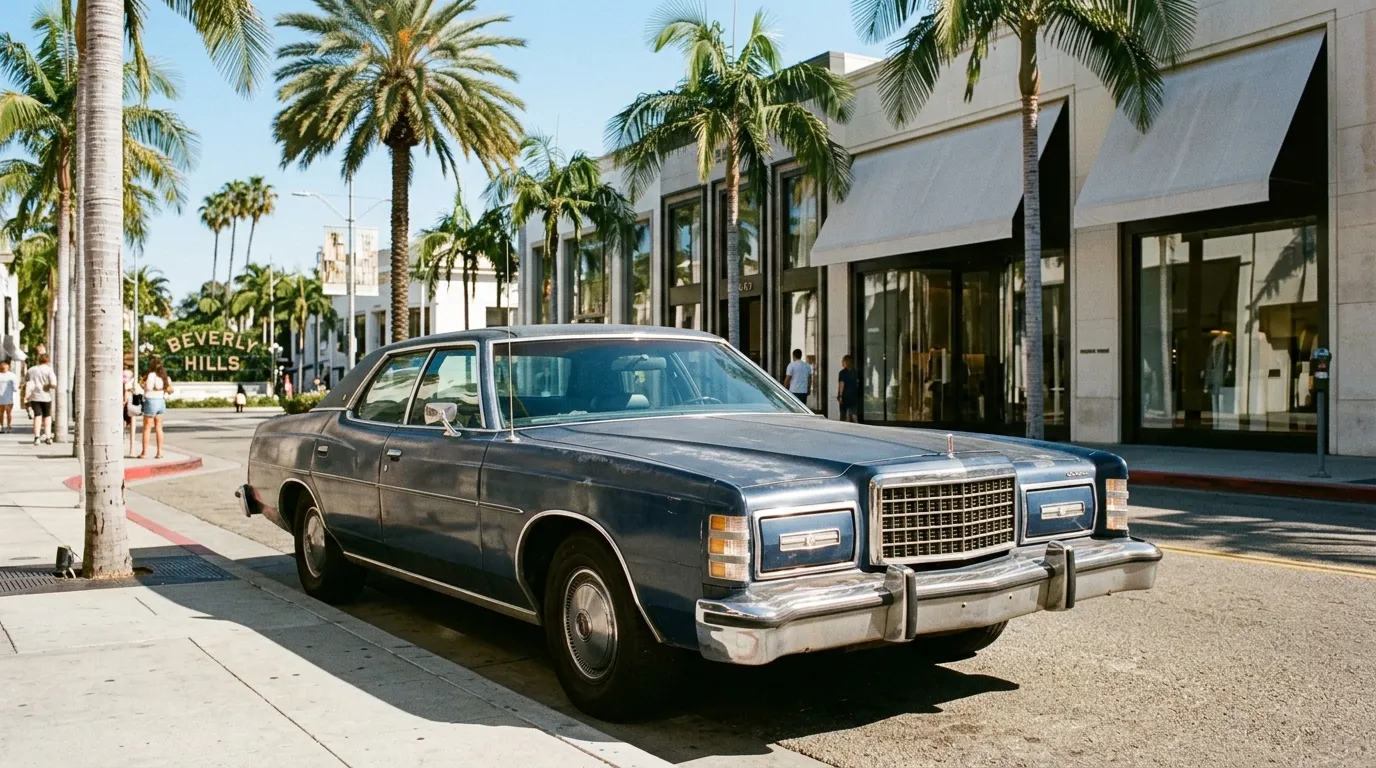
Sylvester Stallone was attached to play Axel Foley, then rewrote the movie into something else.
Stallone had signed on and reworked the script into a much bigger, more action-heavy project. Paramount balked, and he left. Reports place his exit only weeks before filming. He is often said to have reused elements of that rewrite in Cobra.
Eddie Murphy, already a name from 48 Hrs. and Trading Places, took over. His fast-talking charm turned the film into a comedy-action hit and made him a true solo movie star.
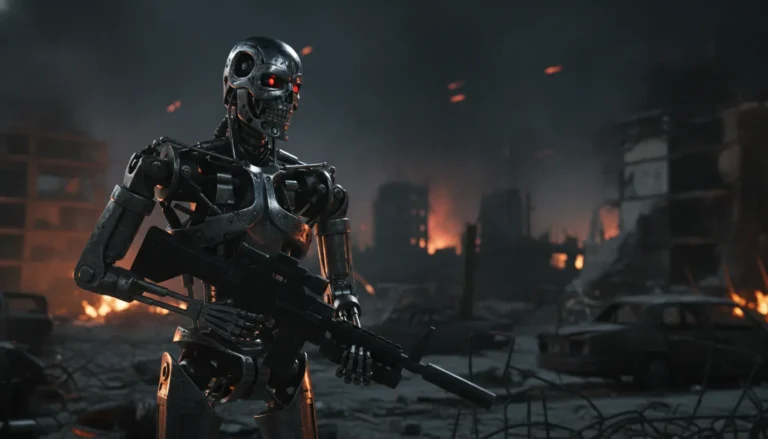
#6 – Arnold Schwarzenegger as the Terminator in The Terminator (1984)

The Terminator was never supposed to be a bodybuilder.
James Cameron has said he first pictured Lance Henriksen as the relentless machine, someone who could blend into a crowd. Orion Pictures reportedly pushed for O.J. Simpson, whom Cameron did not find believable as a killer.
Schwarzenegger was first lined up for the hero, Kyle Reese. After meeting Cameron, he became fascinated by the villain instead. The role gave him almost no dialogue and a lasting catchphrase. It turned a muscleman best known for Conan into an action icon.
Quick Compare
- Lance Henriksen: Cameron’s early vision of an ordinary-looking killer. He still appears in the film, as Detective Vukovich.
- O.J. Simpson: Reportedly favored by the studio, but Cameron did not buy him as a menacing figure.
- Arnold Schwarzenegger: Originally lined up as Kyle Reese, he ended up as the machine instead.
- Michael Biehn: Played Kyle Reese, the hero role Schwarzenegger left behind.
#5 – Julia Roberts as Vivian Ward in Pretty Woman (1990)
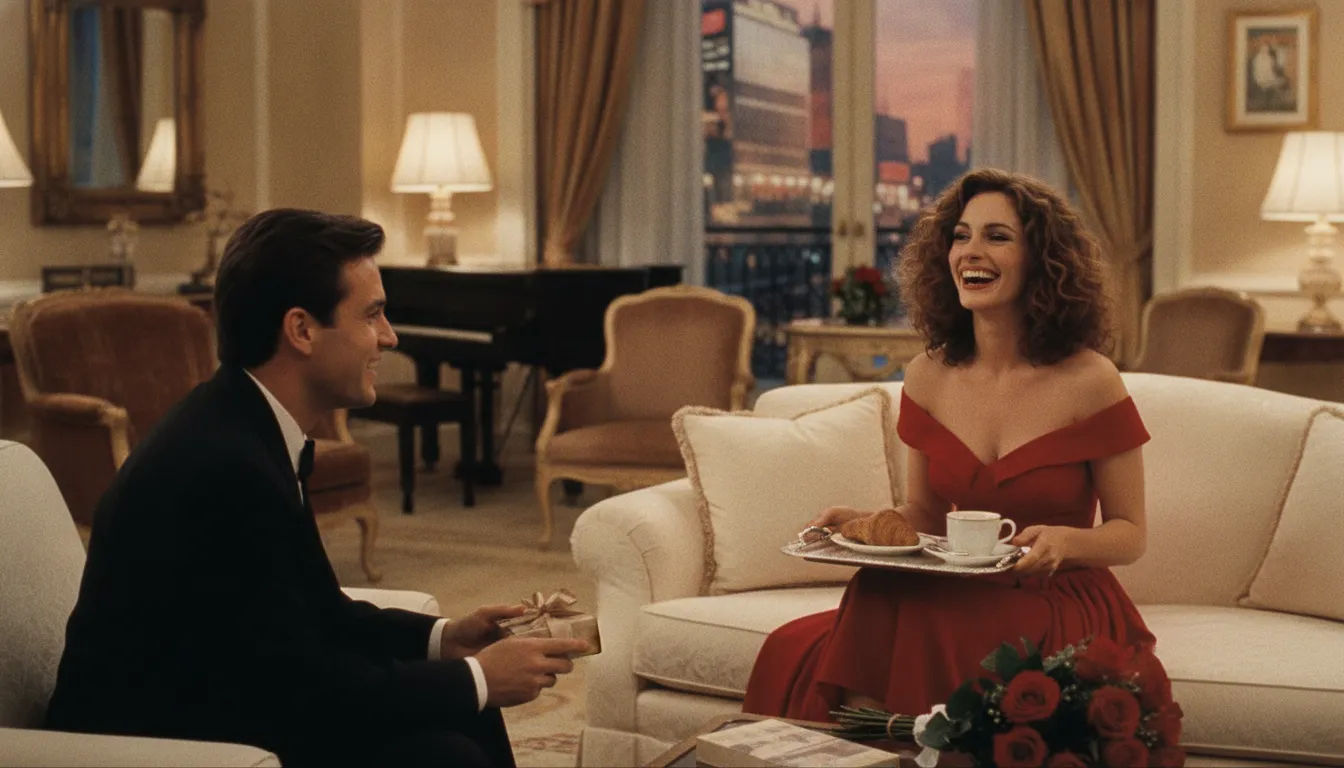
The role that made Julia Roberts a superstar was passed on by other actresses.
The script began as a much darker story. Molly Ringwald, Meg Ryan, and Michelle Pfeiffer were reportedly among those who passed. Some objected to the tone, and others simply didn’t take the part.
Roberts had just earned an Oscar nomination for Steel Magnolias, but Pretty Woman made her a leading lady. It brought a Best Actress nomination and became one of 1990’s biggest hits. Her warmth turned a risky premise into a fairy tale.
#4 – Bruce Willis as John McClane in Die Hard (1988)
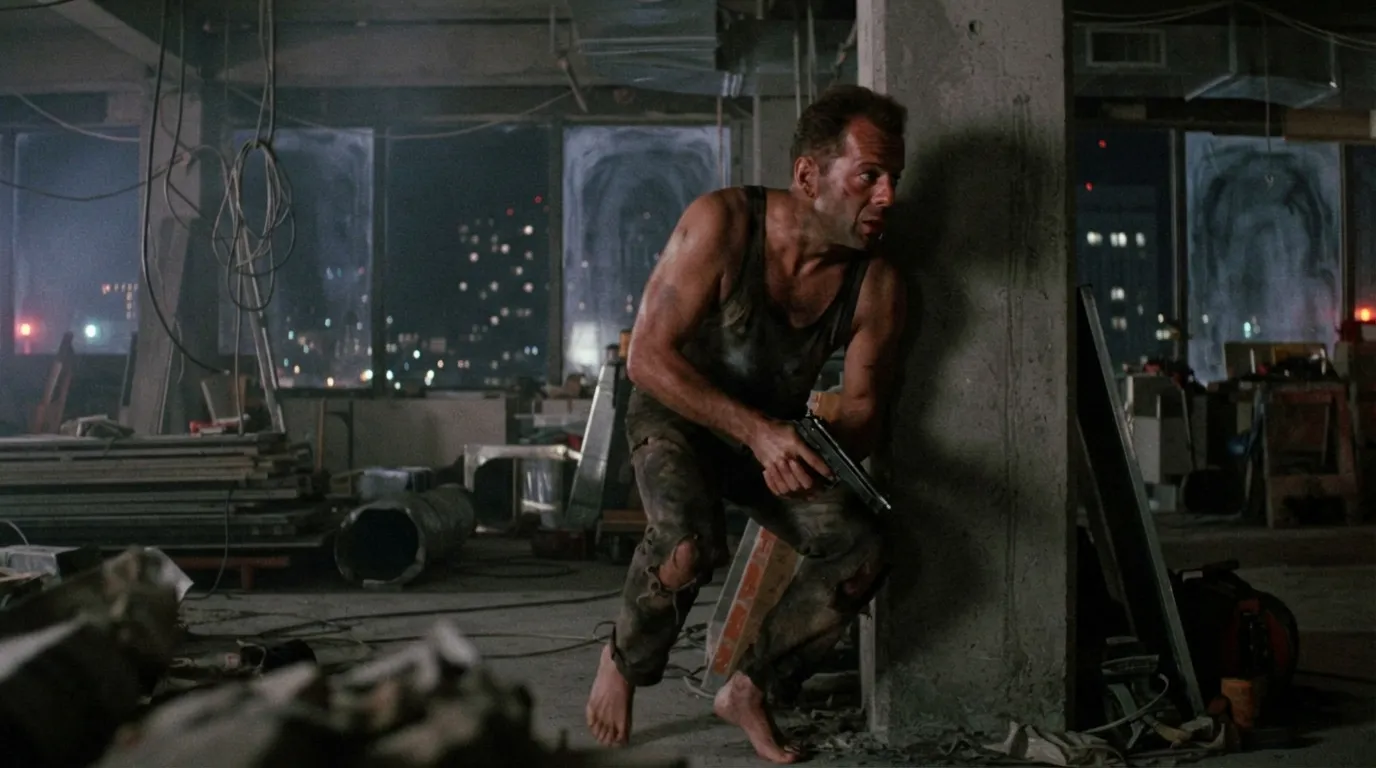
The hero of Die Hard started out as a role for Frank Sinatra.
The story grew out of the novel Nothing Lasts Forever, which was tied to Sinatra’s 1968 film The Detective. As a result, Sinatra was entitled to first refusal on the lead. He passed, and the part reportedly circulated among several action stars, including Arnold Schwarzenegger and Sylvester Stallone, before reaching Willis.
Willis was best known as the smart-aleck star of TV’s Moonlighting. As the barefoot, wisecracking, terrified McClane, he became a different kind of action hero. He was a regular guy who bleeds, jokes, and keeps going anyway.
Worth Knowing
- The source novel, Roderick Thorp’s Nothing Lasts Forever, was published in 1979.
- It continued the story of Joe Leland, the detective Sinatra played in The Detective.
- Die Hard opened in July 1988, with Willis still starring in Moonlighting on TV.
- The film unfolds on Christmas Eve inside Los Angeles’s Nakatomi Plaza.
#3 – Christian Bale as Patrick Bateman in American Psycho (2000)
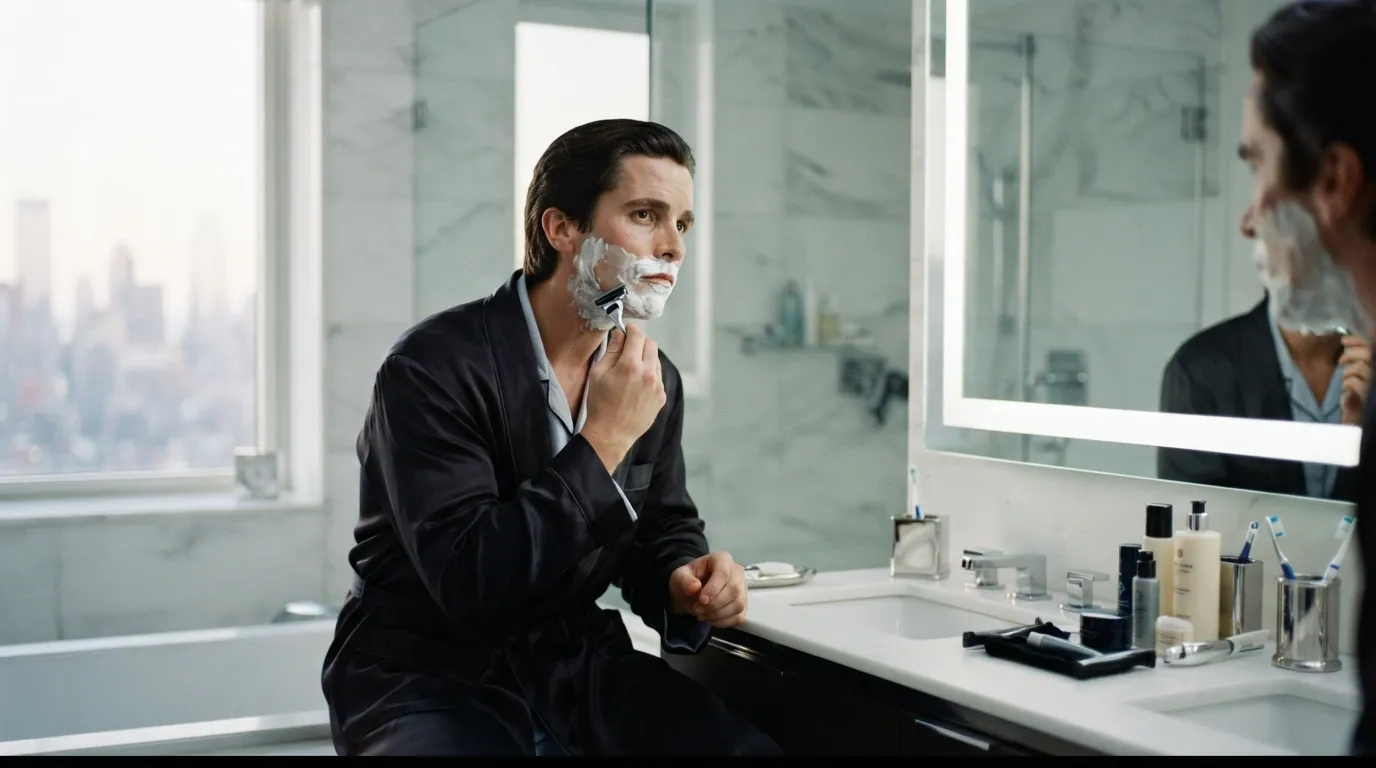
The studio wanted a bigger name than Christian Bale for Patrick Bateman.
Director Mary Harron was determined to cast Bale. Lionsgate reportedly pushed for Leonardo DiCaprio, and Harron briefly left the project over the dispute. When the DiCaprio plan fell apart, she returned and Bale got the job.
Bale was a respected working actor, but this was the role that made Hollywood see his dangerous side. His glossy, chilling performance became a defining part of his career. It is often cited as a turning point for him.
#2 – Viggo Mortensen as Aragorn in The Fellowship of the Ring (2001)
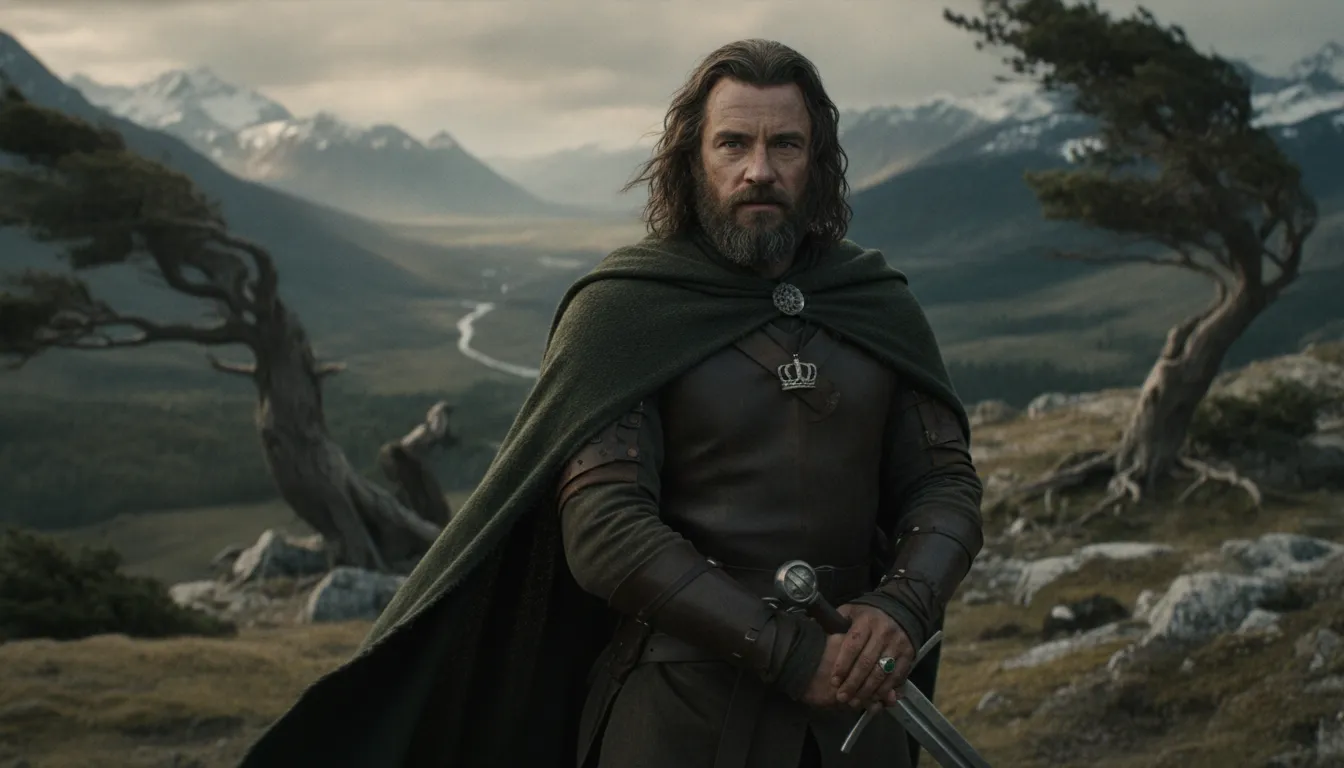
Aragorn was already cast, and filming had begun, when Peter Jackson swapped his leading man.
Stuart Townsend had been cast as the reluctant king. After only days of shooting, Jackson decided he was too young for the part. The production needed a replacement almost immediately.
Viggo Mortensen was a respected character actor, not a leading man. He reportedly hesitated, then took the part with encouragement from his son, who loved Tolkien’s books. His rugged, quiet performance anchored the trilogy, and he went on to earn Oscar nominations for later roles.
Why It Stands Out
- The swap happened during production, not months ahead in pre-production.
- The trilogy ran from 2001 to 2003, with The Return of the King winning 11 Oscars, including Best Picture.
- Mortensen later earned Best Actor nominations for Eastern Promises, Captain Fantastic, and Green Book.
- A late replacement became the emotional anchor of the whole saga.
#1 – Hugh Jackman as Wolverine in X-Men (2000)
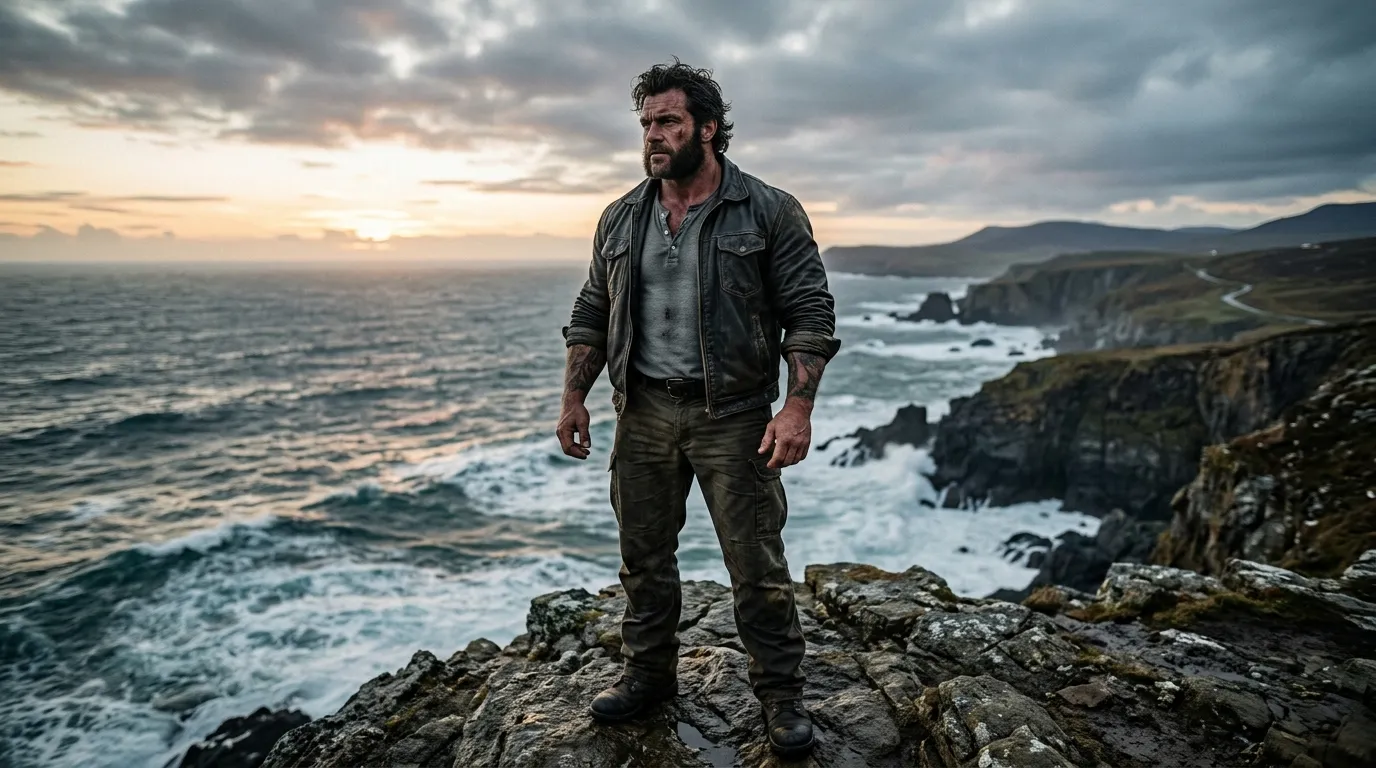
Dougray Scott was cast as Wolverine, and a spy sequel’s overrun changed everything.
Scott had been set to play the clawed mutant, but Mission: Impossible 2 kept running over schedule. He could not get away in time, and X-Men needed a Wolverine fast.
Hugh Jackman, a stage star largely unknown to U.S. film audiences, stepped in. He played Wolverine for more than a decade and a half, through Logan in 2017. He returned to the part in 2024, and the role turned him into one of Hollywood’s most recognizable leading men.
Few switches on this list show so clearly how one scheduling conflict can reroute a career and a franchise.
The Bottom Line
Hollywood likes to treat great performances as destiny. The record shows something messier: TV contracts, scheduling conflicts, studio standoffs, and a few polite nos.
The actor you can’t separate from a role was often just the one still standing when the first choice walked away. That is the strangest part of it all, because the performance that feels inevitable once belonged to someone else.