


Picture this: tens of thousands of kids, flower crowns tangled in their hair, swaying to electric guitars amid the haze of incense and rebellion. In the turbulent mid-1960s, as wars raged abroad and streets burned at home, massive music gatherings burst forth like wildfires. These weren’t mere shows. They welded strangers into tribes, channeling raw youth fury into anthems of peace and change.
From California’s sun-soaked fairgrounds to muddy New York pastures, early festivals redefined entertainment as a battleground for identity and protest. Shared sweat and songs shattered old norms, proving music could unite, provoke, and transform society overnight. Here’s the thing – those chaotic weekends didn’t just echo; they reshaped everything that followed. Ready to relive the spark?
Monterey Pop Festival (1967)
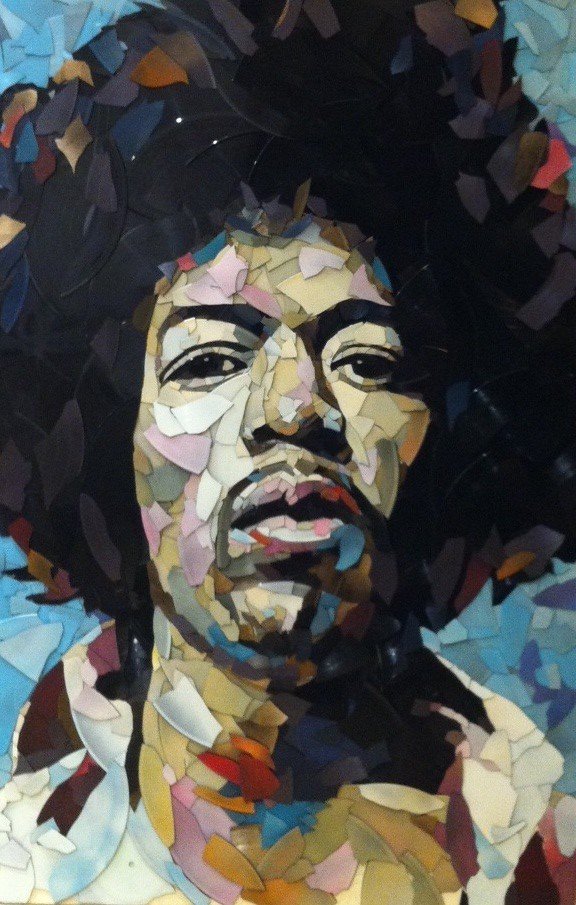
The Monterey International Pop Festival hit the Monterey County Fairgrounds from June 16 to 18, 1967, drawing around 200,000 fans during the peak of the Summer of Love.[1][2] Organized by Lou Adler and John Phillips of the Mamas and the Papas, it showcased breakthroughs like the Jimi Hendrix Experience’s fiery U.S. debut, The Who’s explosive set, and Ravi Shankar’s meditative strings. Janis Joplin wailed blues, Otis Redding brought soul fire, all amid a vibe of pure goodwill and hippie harmony. Crowds cheered wildly, flowers tossed freely, capturing that benevolent shift toward peace and love.
Yet this event marked rock’s coming-of-age, blending genres from psych to jazz in one explosive package.[3] It funded careers, launched stars, and proved festivals could be cultural detonators. Long-term, Monterey birthed the modern rock fest blueprint, influencing everything from Woodstock to today’s mega-events. Honestly, without it, the ’60s soundtrack might’ve stayed tame.
Newport Folk Festival’s Electric Dylan Moment (1965)
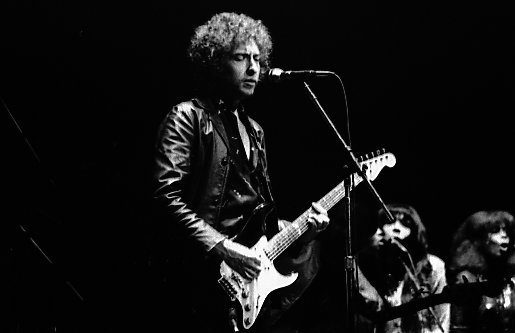
July 25, 1965, at Rhode Island’s Newport Folk Festival, Bob Dylan plugged in and flipped folk music upside down. Backed by the Paul Butterfield Blues Band, he ripped into “Maggie’s Farm” with electric guitars cranked loud – probably the noisiest set ever there.[4] Purists in the crowd, expecting acoustic protest anthems, unleashed boos and jeers, feeling betrayed by the rock edge. Sound issues amplified the chaos, turning reverence into uproar. That raw tension hung thick, a clash of old guard versus new vision.
Dylan’s bold pivot symbolized folk’s evolution into broader rock territory, sparking endless debate.[5] Tours followed with similar backlash, but it freed him – and music – from purist chains. The moment’s legacy? It paved the way for genre mash-ups that defined festival lineups. I think it was genius, even if it stung at first.
Woodstock (1969)

August 15-18, 1969, in Bethel, New York, Woodstock drew over 400,000 souls despite traffic jams, rain, and food shortages.[6] Jimi Hendrix closed with his scorching “Star-Spangled Banner,” joined by The Who, Janis Joplin, Crosby, Stills, Nash & Young, and Sly & the Family Stone. Mud-caked hippies danced through downpours, sharing vibes of peace amid Vietnam’s shadow. The atmosphere pulsed with communal magic, fences torn down in free-spirited unity.
Billed as three days of peace and music, it transcended chaos to become counterculture’s pinnacle.[7] No major violence erupted; instead, it inspired global awe. Woodstock’s ripple? Cemented festivals as youth empowerment hubs, echoing in every muddy field since. Let’s be real – it felt like utopia in the storm.
Altamont Free Concert (1969)
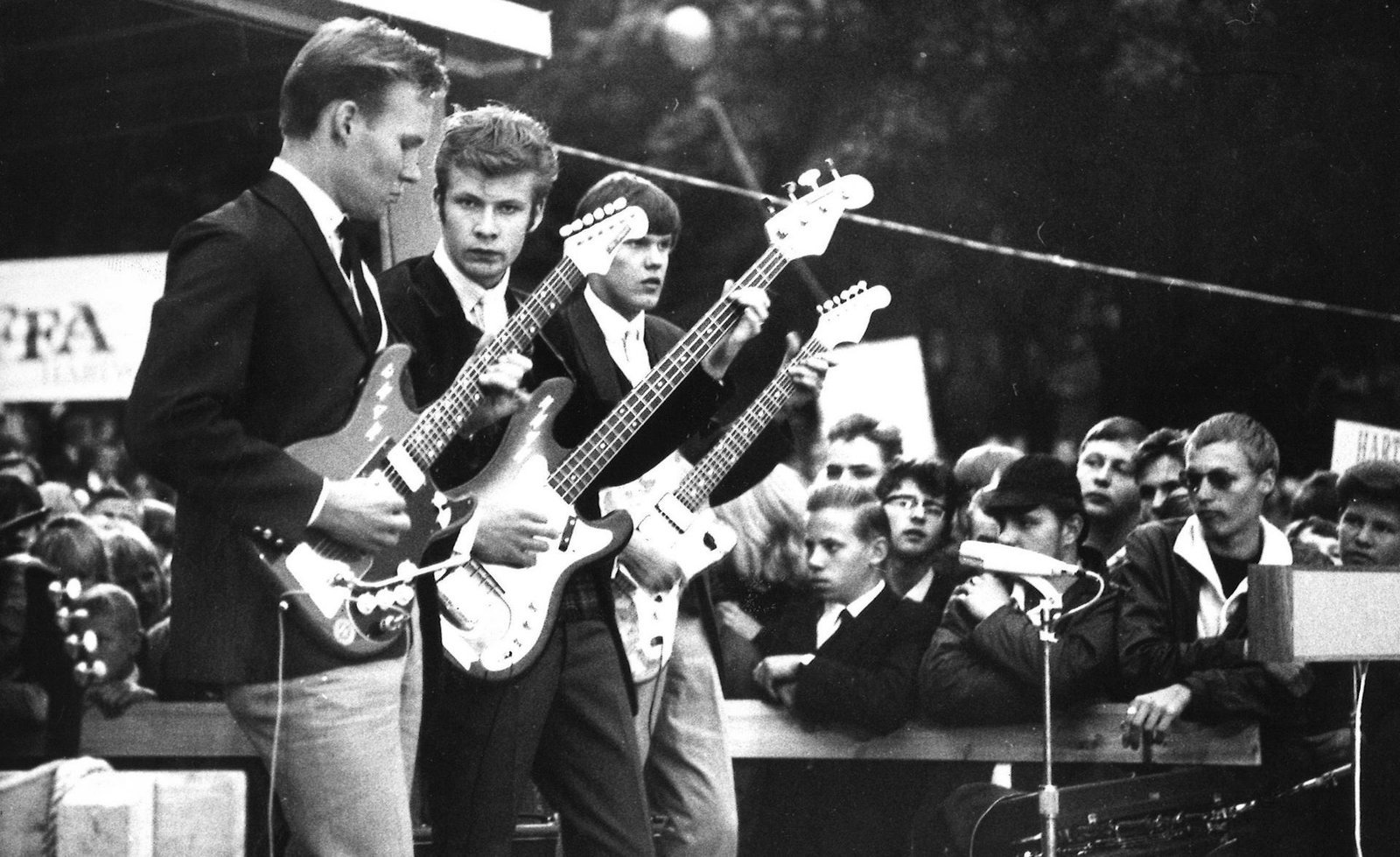
On December 6, 1969, at Altamont Speedway, California, the Rolling Stones headlined a “free” bash meant as Woodstock’s West Coast echo, pulling 300,000-plus.[8] Jefferson Airplane, Grateful Dead (who bailed early), and Santana played amid rising tension, with Hell’s Angels as beer-fueled security. Fights broke out everywhere; the vibe soured fast into paranoia and brawls. Crowds surged the low stage, sticks flying like weapons.
Tragedy peaked during the Stones’ set when Meredith Hunter was stabbed to death by an Angel; three others died too – in drownings and crashes.[9] It shattered the peace myth, signaling the ’60s dream’s dark crash. Altamont’s scar? A grim lesson in hubris, forcing safer festival standards forever. Shocking how paradise flipped so quick.
Isle of Wight Festival (Late 1960s–1970)
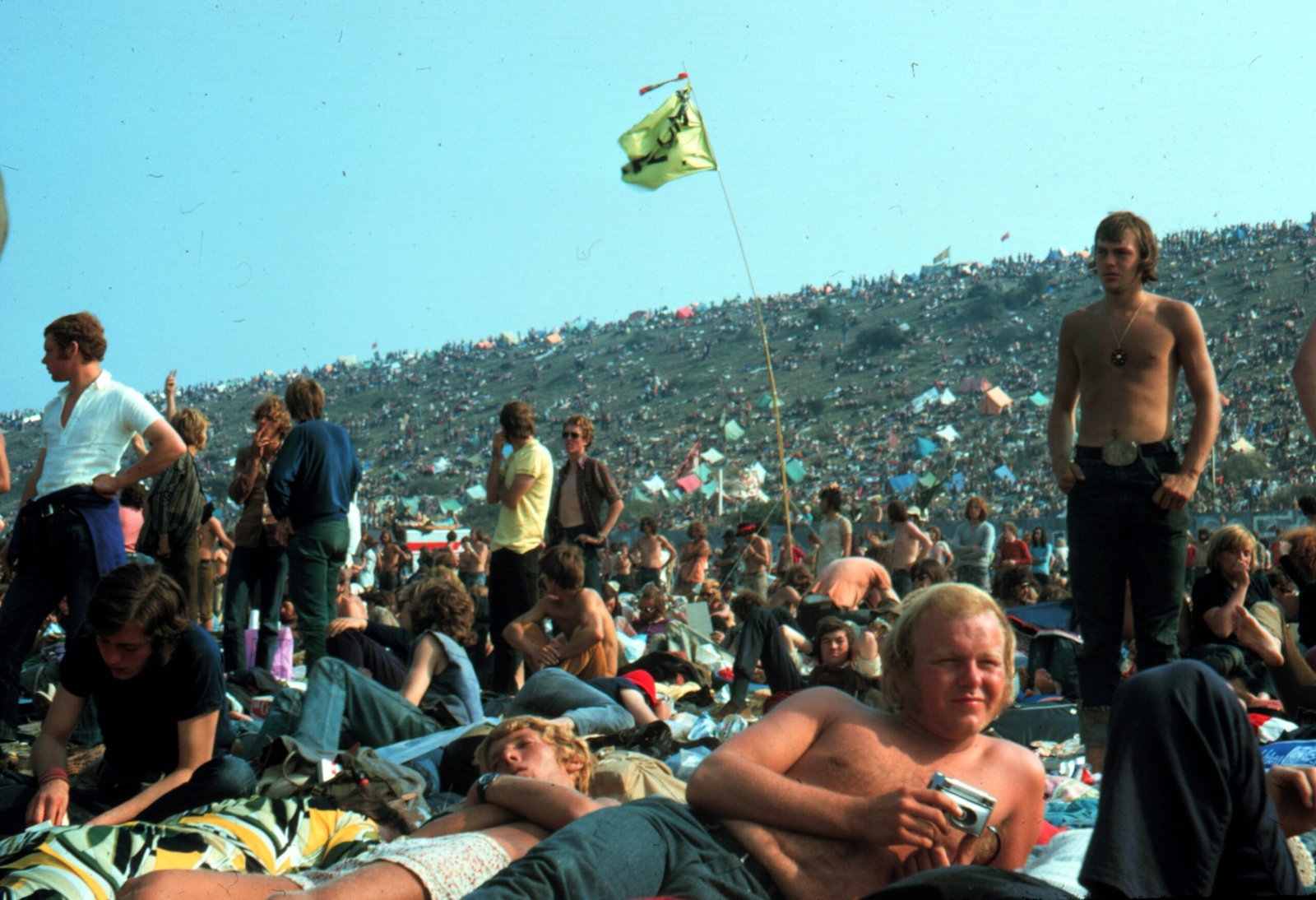
The Isle of Wight Festivals kicked off modestly in 1968 on England’s scenic island, exploding to 150,000 in 1969 and a staggering 600,000-700,000 in 1970 – Europe’s Woodstock rival.[10][11] Bob Dylan headlined ’69 post-motorcycle hiatus, with The Who smashing gear in ’70; The Doors, Moody Blues, and others fueled the frenzy. Gatecrashers scaled fences, turning fields into seas of freaks amid folk-rock bliss. The air buzzed with invasion vibes, locals overwhelmed yet mesmerized.
Brothers Ron and Ray Foulk promoted these behemoths, blending U.S. imports with homegrown energy.[12] They marked counterculture’s transatlantic leap, but financial ruin followed. Legacy-wise, Isle proved massive crowds craved the ritual worldwide. Quite the wild island party.
Early European Counterculture Gatherings

Europe ignited its own flames with events like the 1970 Bath Festival of Blues and Progressive Music in England’s Shepton Mallet, drawing Led Zeppelin, Jefferson Airplane, and Frank Zappa to 150,000 fans.[13] Nearby, Holland’s Kralingen Pop Festival that same year hosted Pink Floyd, The Byrds, and Santana in Rotterdam’s woods, echoing U.S. psych vibes. Hippie communes sprouted, free love mingled with hash clouds. Audiences tripped out, embracing the imported revolution amid local skepticism.
These fests bridged continents, adapting counterculture to rainy climes and stricter vibes.[14] They tested big-scale logistics early, influencing Glastonbury’s rise. Long haul, they globalized the festival fever. Europe’s twist added grit to the dream.
Festivals Accelerate Genre Crossovers

Monterey tossed Ravi Shankar’s sitar next to Hendrix’s fuzz, while Dylan at Newport fused folk with blues-rock thunder.[2] Woodstock layered soul, country, and psych, blurring lines that once divided purists. Crowds devoured the mash-ups, hungry for evolution. It felt electric, like music shedding its skin.
This fusion birthed progressive rock and jam bands, still thriving today. Festivals became labs for sonic experiments, no holds barred. Here’s the kicker: without them, genres might’ve stayed silos.
Amplifying Political Activism

Amid Vietnam drafts and civil rights marches, Woodstock’s peace chants drowned out helicopters overhead. Altamont’s bloodbath screamed warnings against blind idealism.[15] Performers wove protest into sets, turning fields into rallies. Fans left radicalized, carrying banners home.
These gatherings politicized youth en masse, fueling anti-war waves. They proved music as megaphone for the voiceless. The fire still burns in today’s activist stages.
Influencing Fashion and Lifestyle Movements
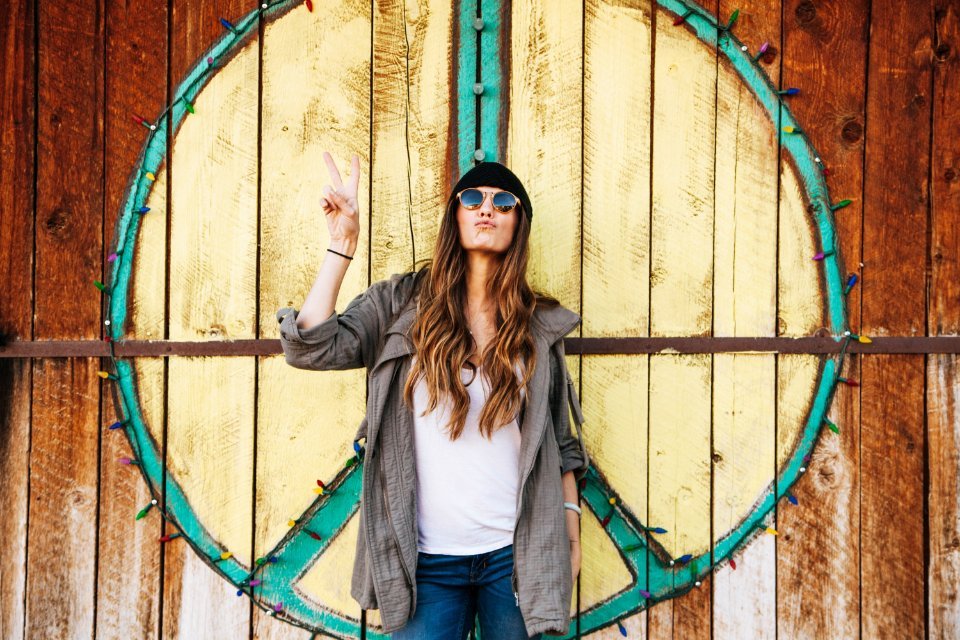
Fringed vests, tie-dye swirls, and bare feet defined festival style – hippie armor against the squares.[16] Mud became makeup, beads badges of belonging. It wasn’t just clothes; it signaled a lifestyle revolt.
From Woodstock mud pits to Isle fence-scalers, fashion mirrored freedom. This ethos trickled into mainstream closets, birthing boho chic. Wild how threads wove a revolution.
Blueprint for Modern Festival Culture
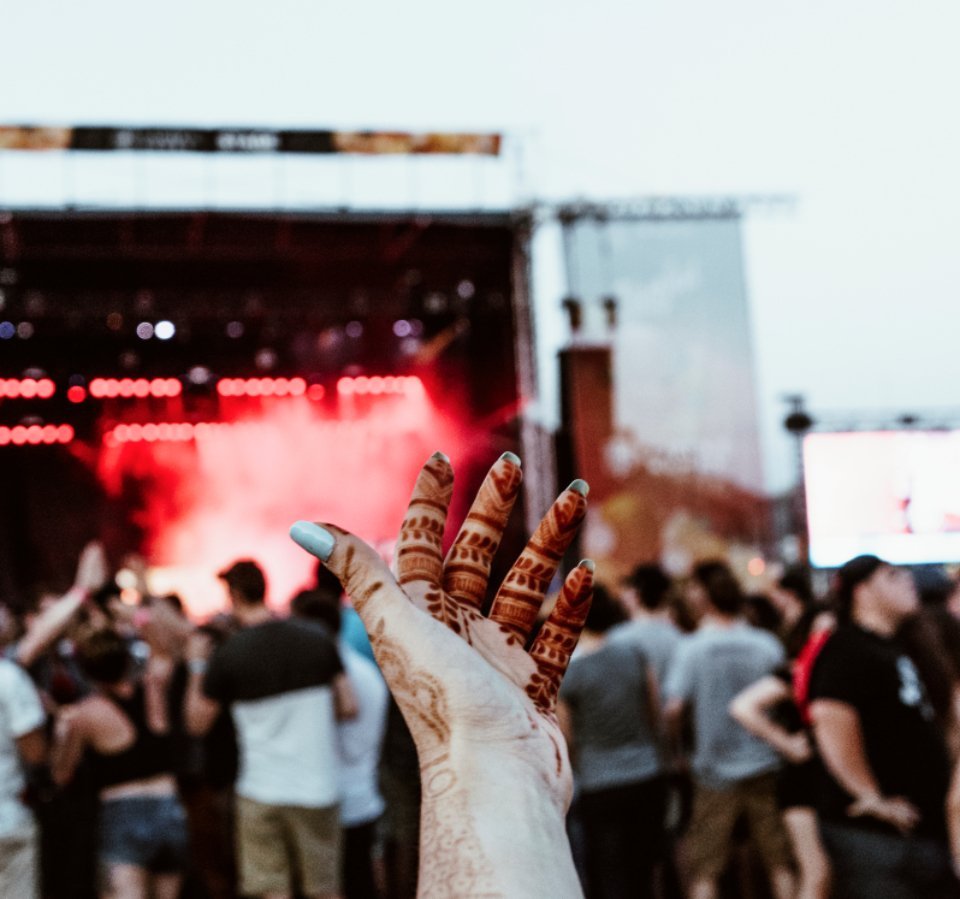
Monterey’s pro setup inspired Woodstock’s sprawl, which Isle and Bath scaled up globally.[17] Lessons from Altamont – better security, sound – shaped safety nets. Multi-day, multi-act marathons became the norm.
Today’s Coachella or Glastonbury owe their DNA to these pioneers. Camping, art installations, big screens – all trace back. They turned weekends into worlds.
The Enduring Spirit of Early Festivals
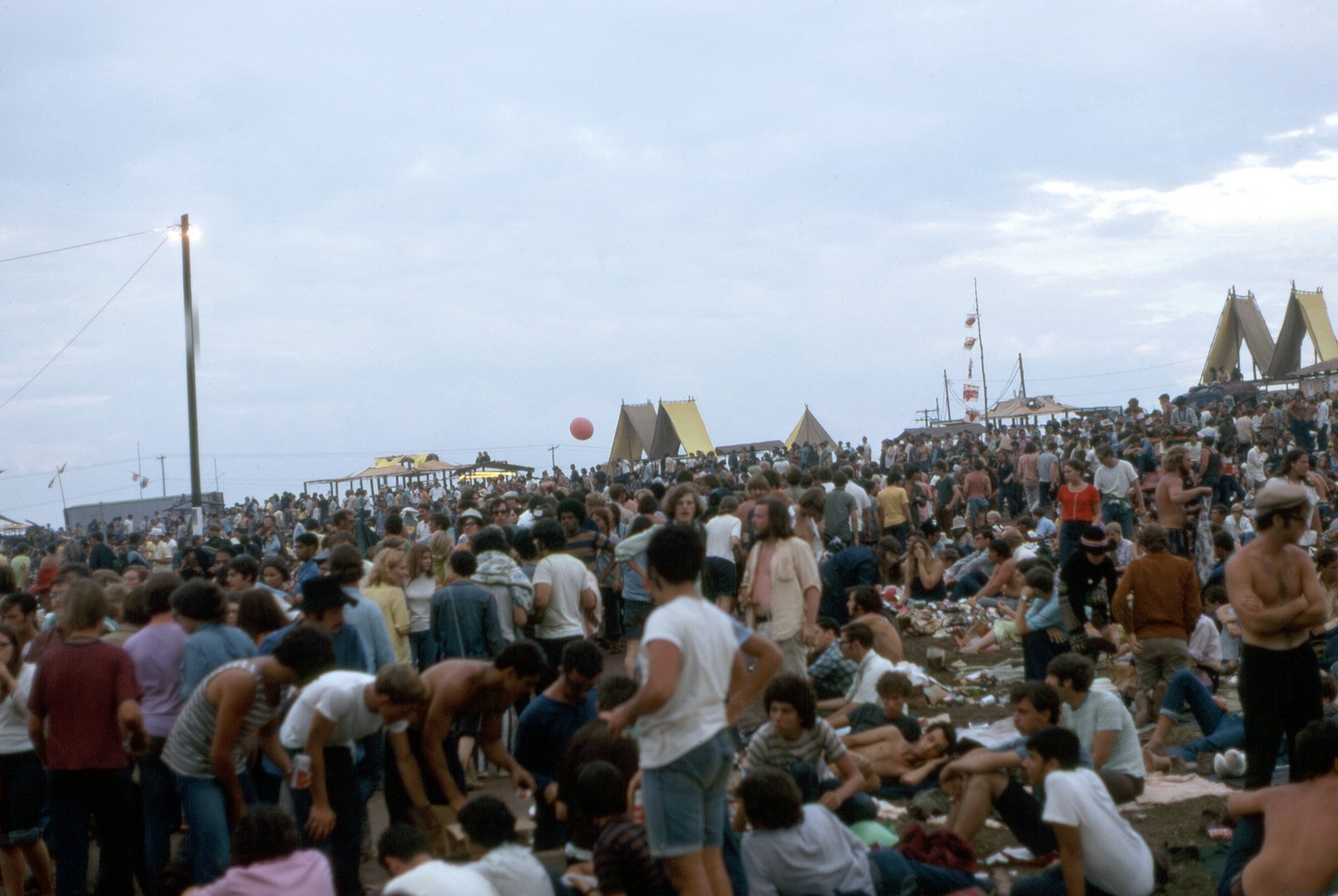
That raw ’60s energy pulses through every bass drop at modern raves. From muddy fields to polished stages, the quest for connection endures. These events didn’t just play music; they rewired society, proving gatherings heal divides.
Yet in our streaming age, do we miss the sweat-soaked solidarity? The blueprint lives, but the chaos? Priceless. What festival memory hits you hardest – share below.
CEO-Co-Founder
