

- 20 Songs You Didn’t Realize Were About Real-Life Feuds - February 25, 2026
- 12 Festival Ticket Frauds That Left Fans Broke and Locked Out - February 25, 2026
- 20 Stars Who Rebuilt Their Careers After Public Collapse - February 25, 2026
The Ancient Crown Jewel of Human Celebration
Picture this: you’re standing in the ruins of ancient Babylon, watching priests carry golden statues through dusty streets while crowds cheer. The air buzzes with anticipation as the king approaches, about to undergo a ritual that would make modern reality TV look tame. Welcome to Akitu, the world’s oldest documented festival that’s been turning heads for over 4,000 years.
Akitu is officially recognized as the oldest New Year’s festival in the world, dating from at least 2900 BCE. But here’s the kicker – this wasn’t just your typical ancient party. The festival marked the rebirth of nature, the reestablishment of the kingship by divine authority, and the securing of the life and destiny of the people for the coming year. Think of it as New Year’s Eve, presidential inauguration, and a religious revival all rolled into one spectacular 12-day extravaganza.
When Kings Got Slapped in the Face for Good Luck
Here’s where things get absolutely wild. The king had to do this humbly, laying down his weapons, crown and scepter. The high priest listened to the king’s words that he had not sinned against Marduk and hit him very hard on the cheek (the king had to have tears in his eyes). Yes, you read that right – the most powerful man in the empire got ritually face-slapped by a priest!
This wasn’t ancient bullying; it was profound political theater. The ritual humiliation served as a public reminder that even kings were subject to divine will. Imagine if modern world leaders had to undergo such ceremonies – politics would certainly be more interesting. The tears weren’t just for show either; they symbolized the fragility of earthly power and the need for divine approval.
The Epic That Changed Everything
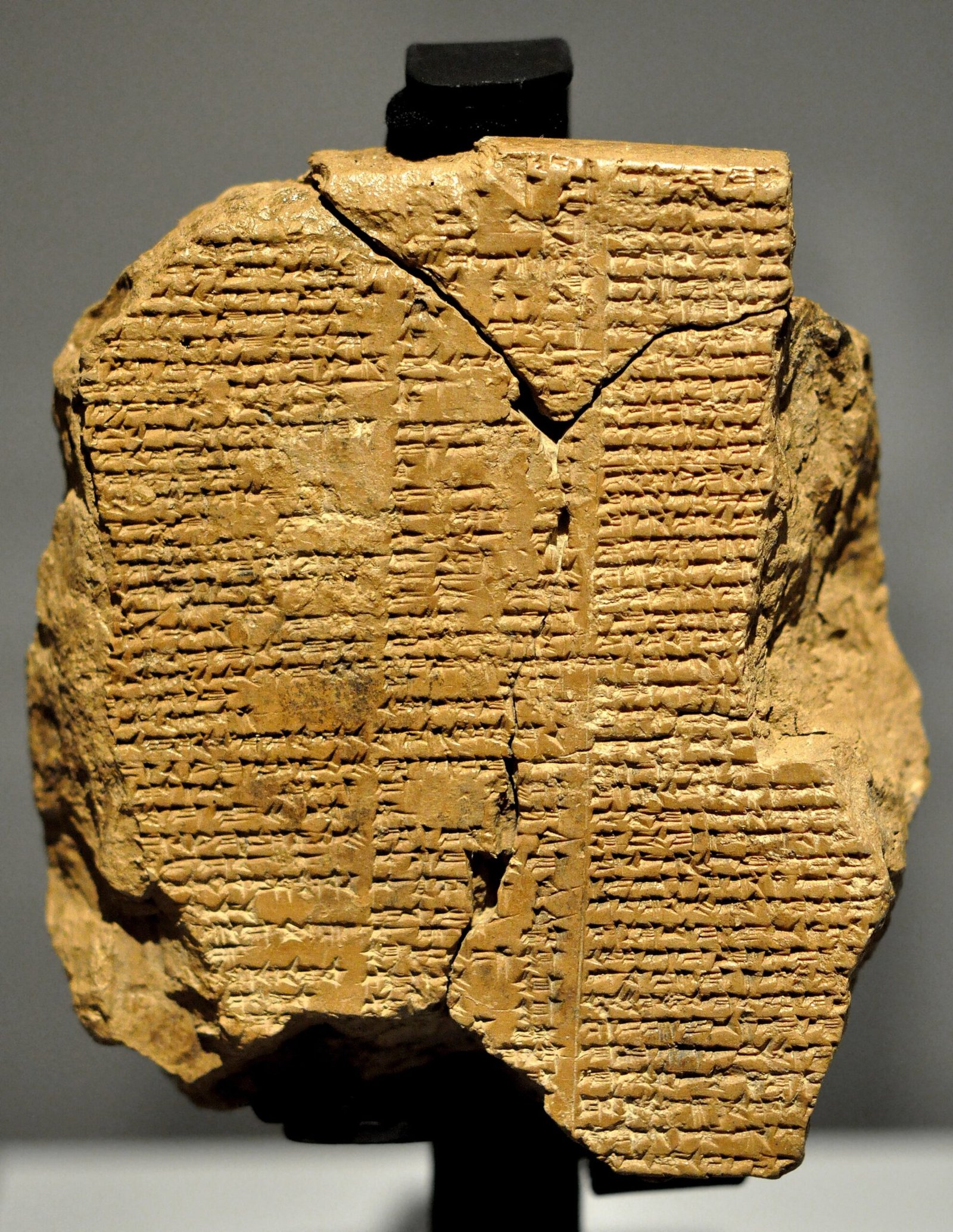
At the same time, the high priest recited the Babylonian creation epic (Enûma eliš) in the house of the New year. This wasn’t bedtime storytelling – it was cosmic drama on an epic scale. The Enûma eliš tells the tale of Marduk’s victory over Tiamat, the primordial chaos monster, essentially recreating the universe’s birth through ritual performance.
Think about it: while we might binge-watch superhero movies, ancient Babylonians were reenacting the ultimate battle between order and chaos. This represents the participation of the community in the victory which is taking place in Nature and renews Marduk’s destruction of Chaos. Every year, they literally brought the world back from the brink of destruction through ceremony.
A Festival That Traveled Through Time

The Akitu festival was continued throughout the Seleucid Empire and into the Roman Empire period. At the beginning of the 3rd century, it was still celebrated in Emessa, Syria, in honour of the god Elagabal. The Roman emperor Elagabalus (r. 218-222), who was of Syrian origin, even introduced the festival in Italy. Talk about cultural export success!
This festival had serious staying power. Even after Babylon’s decline, Akitu continued to be celebrated under the Seleucid Empire and into the Roman period. By the third century CE, it was still observed in Emessa (modern-day Homs, Syria) in honour of the god Elagabal. Roman Emperor Elagabalus (r. 218-222 CE), of Syrian descent, even attempted to introduce the festival in Italy. The festival’s influence spread like ancient social media, touching civilizations across continents.
The Dramatic Twelve-Day Spectacle
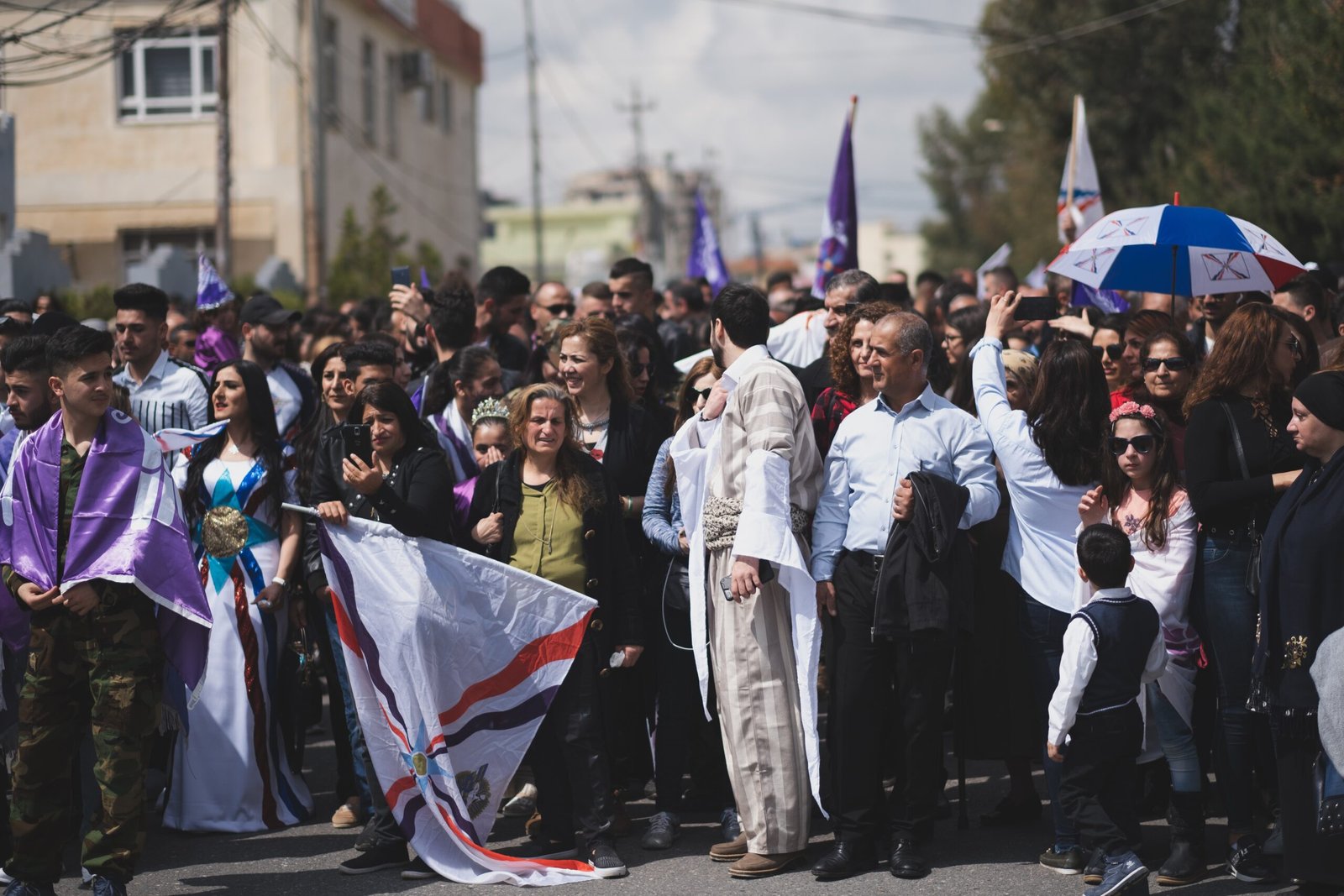
The Akitu festival spanned twelve days, with each day dedicated to specific rituals and ceremonies involving the king, priests, and the people of Babylon. Celebrations took place both within the city and outside its walls at a special temple called the “Bait Akitu” or “House of Akitu.” The festival lasted for 12 days, from the first to the twelfth day of Nisannu. Each day brought fresh drama, making it the ancient world’s equivalent of a blockbuster film series.
The festival unfolded with cinematic precision. On the next day, the festival reached its climax when all statues were brought out from their rooms and shown to the Babylonian populace. All gods were now present to honor Marduk, and their ‘parliament’ announced its policy for the next year. Picture the excitement – divine beings announcing their agenda for the coming year like an ancient state of the union address.
The Mysterious House of Akitu
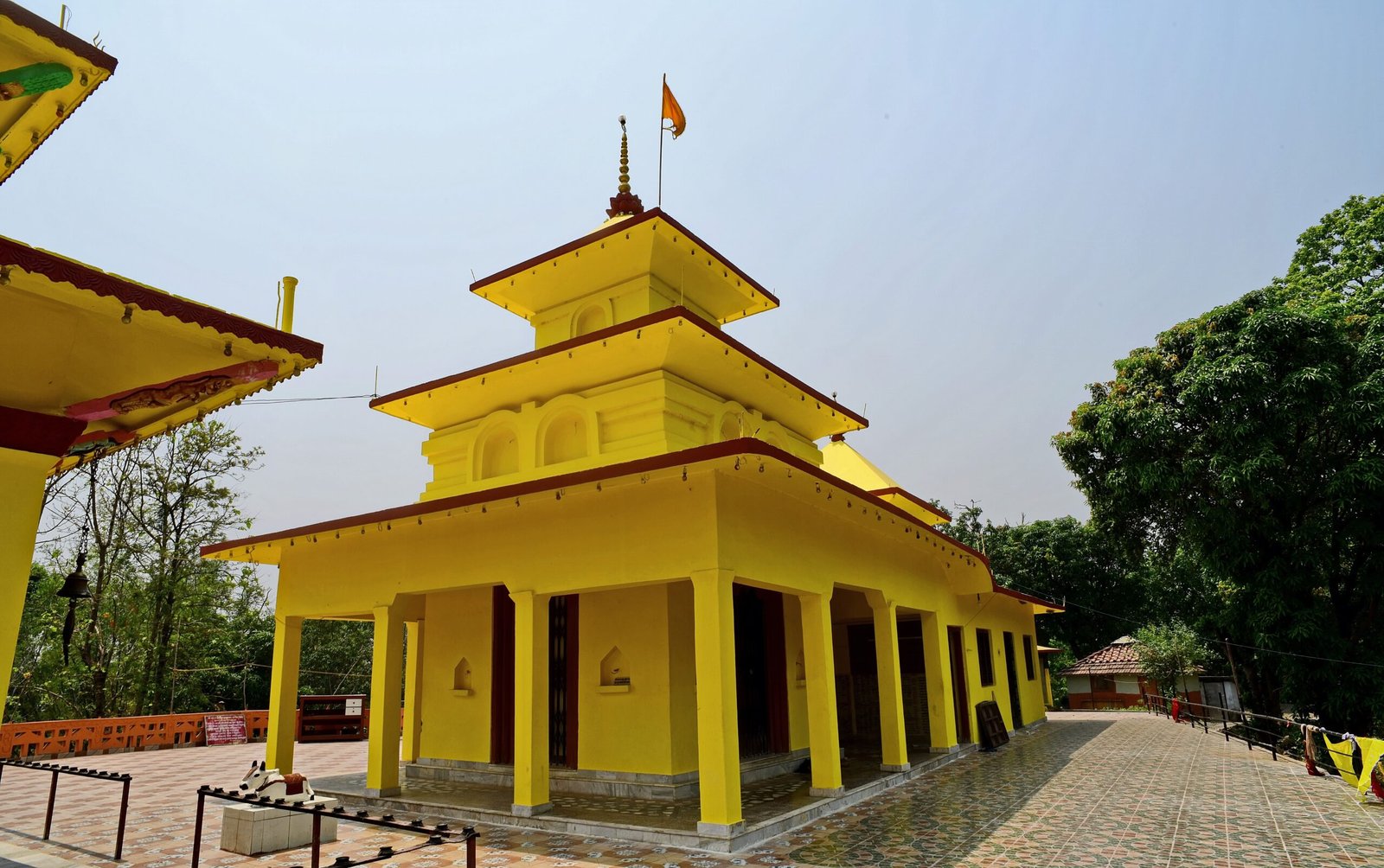
The Bit Akitu was the place where the Creator’s victory over Tiamat was celebrated, and the bronze figures on the door of Sennacherib appear relevant, as well as an inscription of Nebuchadnezzar in which he calls the “the temple of the sacrifices of the exalted New Year’s festival of Enlil of the gods of Upper and Netherworld”. This special temple outside the city walls was where the most sacred rituals took place.
The journey to this sacred space was itself part of the magic. After these joyful tidings, the gods started a tour through the city to the river. Here, they boarded a small fleet, that brought them to the house of the New year. Imagine the spectacle – divine statues sailing down the river while crowds lined the banks, watching their gods literally sail into the new year.
Competition from Egypt’s Ancient Rival
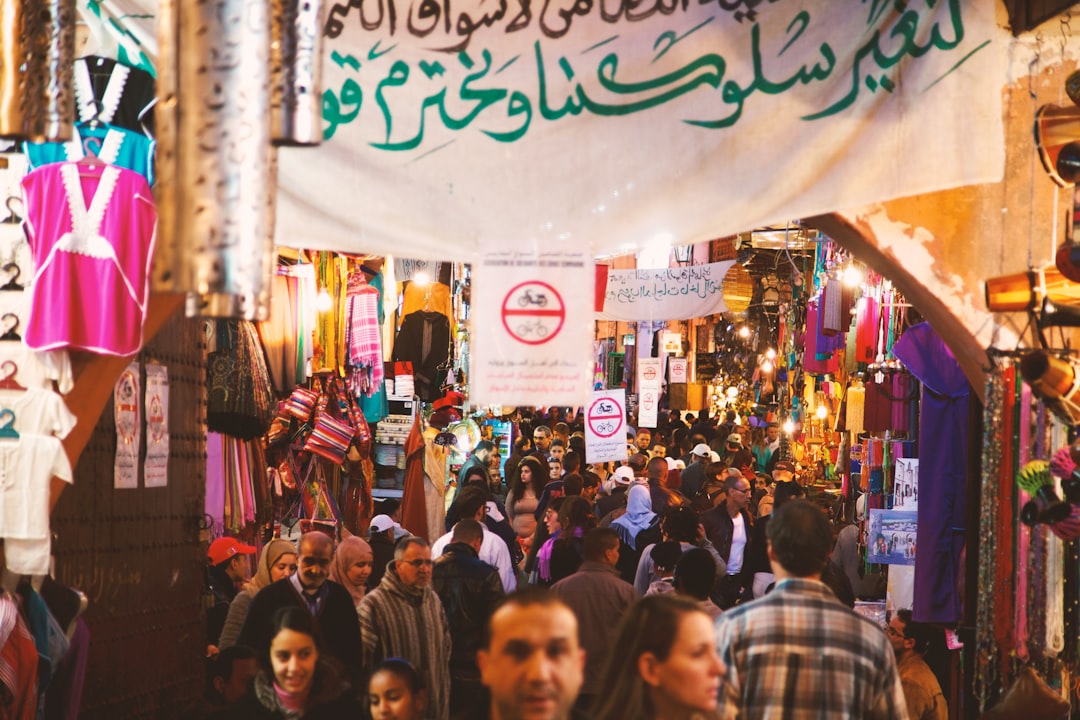
While Akitu holds the crown for the oldest documented festival, Egypt’s Sham el-Nessim puts up a serious fight. Historians believe Sham El-Nessim dates back to around 2700 BCE during the end of the 3rd Dynasty and the beginning of the 4th Dynasty. Some scholars think it might even go back to the Pre-Dynastic period of ancient Egypt. That’s roughly the same age as Akitu, making this an ancient photo finish.
It has been proposed that the modern name is derived from the harvest season, Šmw (Shemu), and that the festival itself is a continuation of early forms of springtime festivities dating back over 4,500 years. The arrival of spring was considered a time of profound importance for the ancient Egyptians, as it signaled the beginning of the agricultural cycle. Unlike Akitu’s political drama, Sham el-Nessim was all about agricultural renewal and the simple joy of spring’s arrival.
The Prehistoric Mystery of Göbekli Tepe
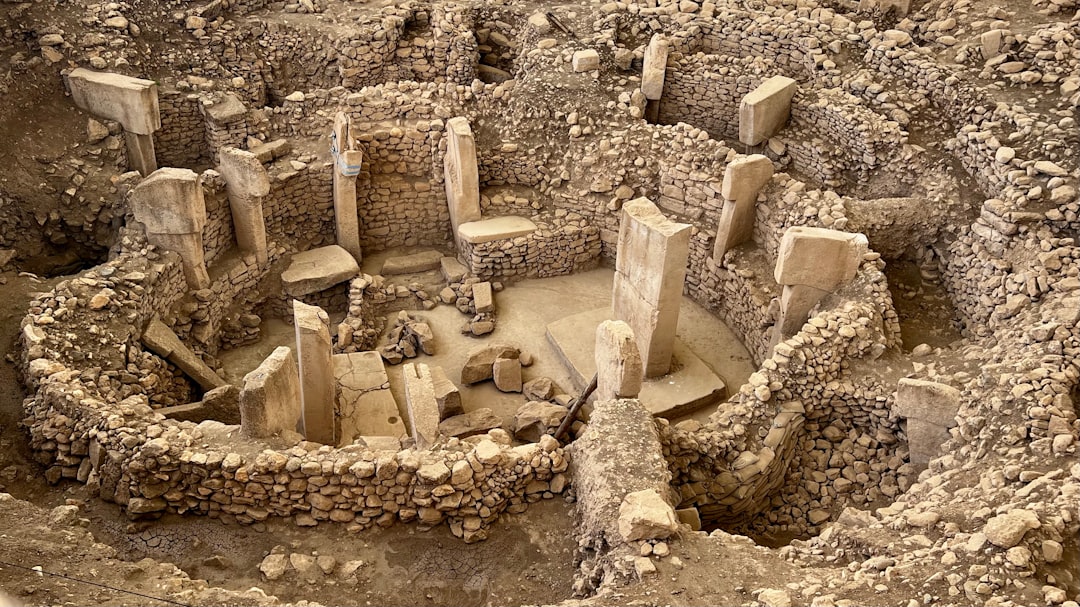
Now here’s where things get really mind-bending. Believed by some to be one of the oldest, if not the oldest, temples in the world, the site consists of a complex of temples likely constructed by a hunter-gatherer culture some 12,000 years ago. Göbekli Tepe in Turkey predates both Akitu and Sham el-Nessim by thousands of years, but here’s the catch – we don’t know if they had festivals there.
It is hotly debated what the site was used for, with most experts erring on the side of it having some ceremonial or religious significance. Others have also claimed that it may be one of the earliest examples of human settlement. The massive stone pillars and intricate carvings suggest elaborate ceremonies, but without written records, we can only guess at what celebrations might have taken place in humanity’s first temple.
Why Akitu Stands Supreme

So what makes Akitu the undisputed champion of ancient festivals? It’s all about the documentation. The Akitu festival is the most famous public celebration from ancient Mesopotamia. It is the oldest New Year’s festival in the world dating from at least 2900 BCE. We have detailed cuneiform texts describing every ritual, every prayer, every dramatic moment.
The Babylonian Akitu festival has played a pivotal role in the development of theories of religion, myth and ritual; yet the purpose of the festival remains a point of contention among both historians of religion and Assyriologists. Even today, scholars debate its deeper meanings, which speaks to its incredible complexity and cultural significance. It wasn’t just a party – it was a masterclass in statecraft, religion, and public spectacle.
The Festival That Refuses to Die
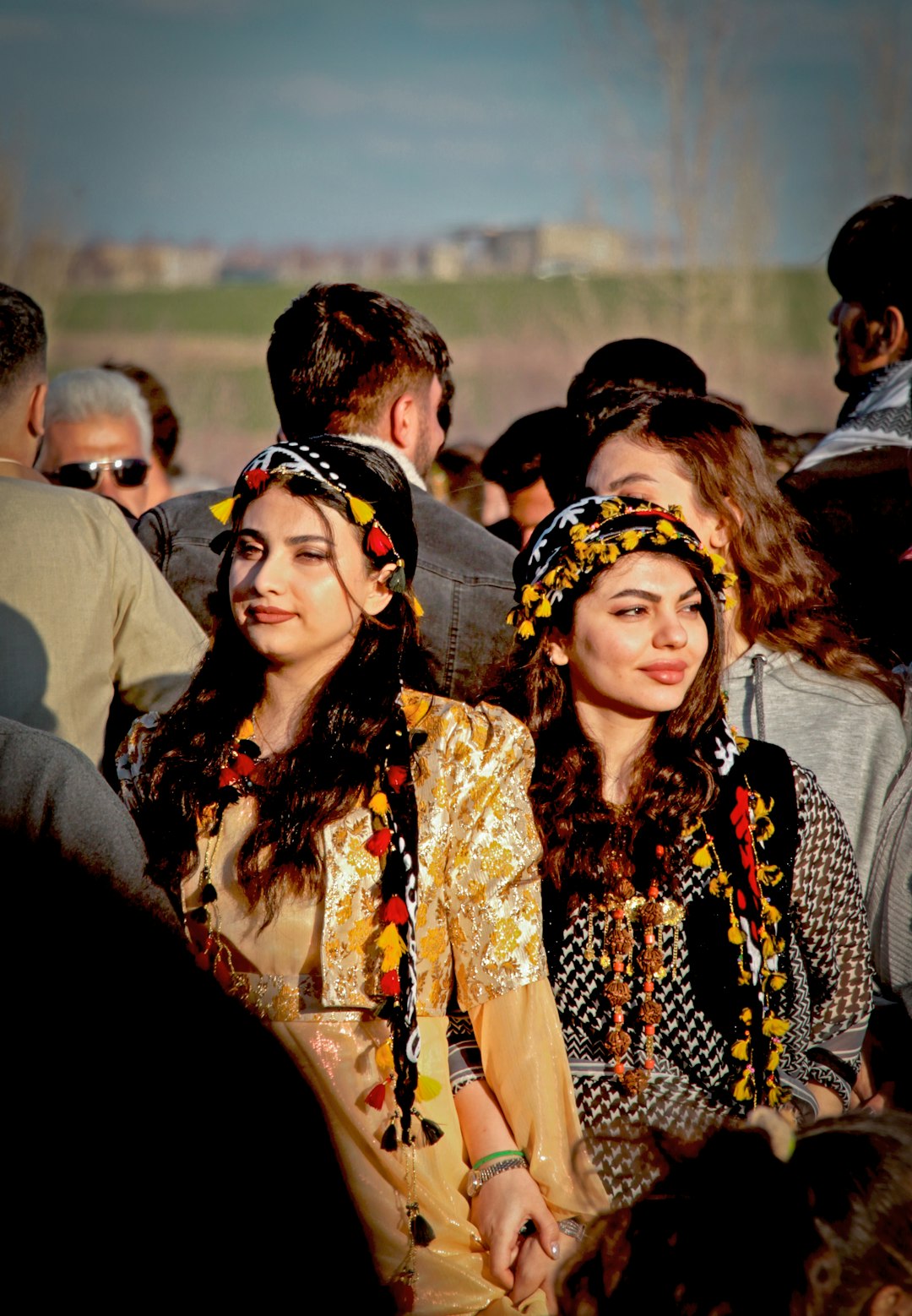
Perhaps most remarkably, Akitu never truly ended. The modern observance of Akitu began in the 1960s during the Assyrian intellectual renaissance. Due to political oppression, however, the celebrations were largely private until the 1990s. It is interchangeably referred to as Akitu and Assyrian New Year, and unlike the historical festival it is only celebrated for one day, the first of April. Modern Assyrians have kept this ancient flame alive, adapting it for contemporary times.
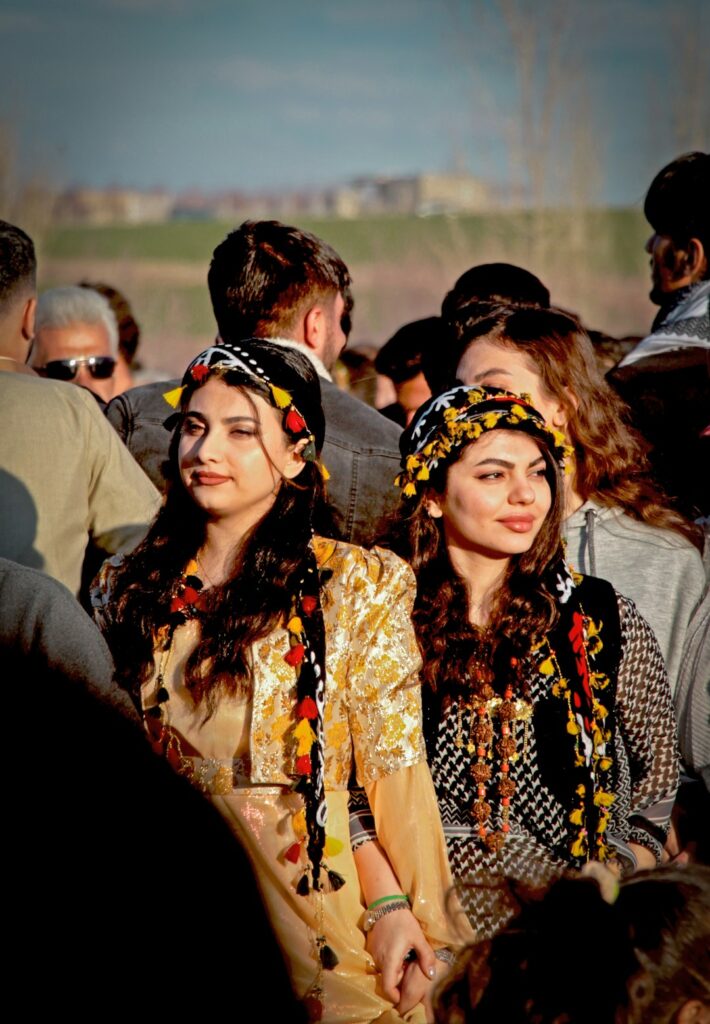
Assyrians continue to observe and celebrate Akitu with parades, picnics, and parties both in Iraq and in the diaspora. Those celebrating will wear traditional Assyrian clothing and poppies and use the greetings Reesh Shato Brikhto, Reesha D’Sheeta Brikhta or Akitu Breekha. The festival has evolved from a 12-day royal spectacle to a one-day celebration of cultural identity, proving that some traditions are too powerful to die.
The Modern Legacy of Ancient Wisdom
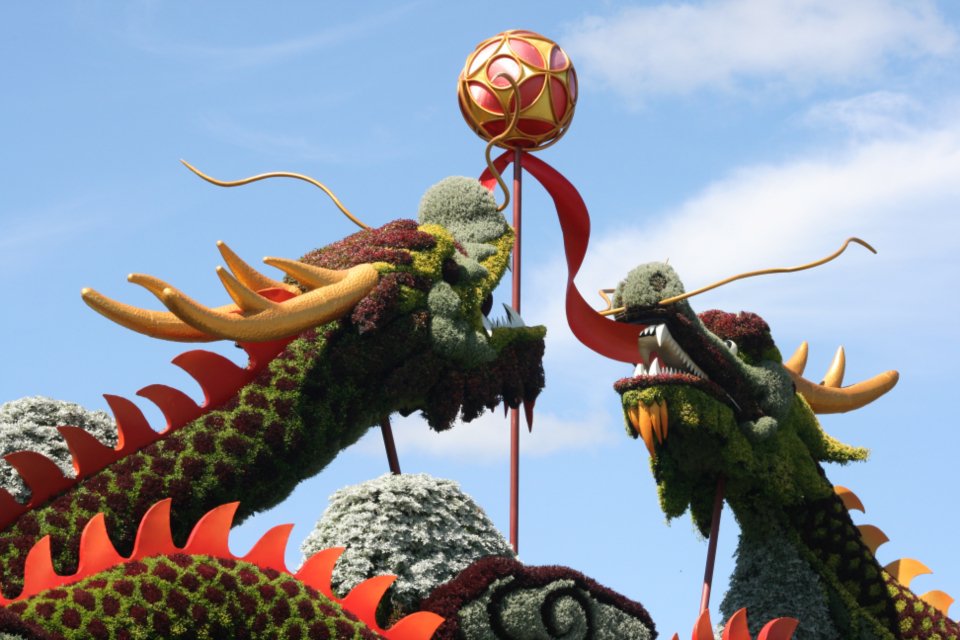
What can we learn from this 4,000-year-old celebration? Akitu reminds us that humans have always needed rituals to mark time, renew authority, and connect with something greater than themselves. Festivals in ancient Mesopotamia were important because they united the people in the religious belief of the monarch, established the king’s continued authority, displayed the wealth and power of the city, and provided the people with the opportunity for a public display of their faith.
Today, we might not slap our leaders in the face (more’s the pity), but we still gather for celebrations that bind communities together. From New Year’s resolutions to inaugural ceremonies, from religious holidays to cultural festivals, we’re still playing out the same basic human need that drove ancient Babylonians to create Akitu. The costumes have changed, but the performance continues.
Conclusion: The Eternal Human Festival
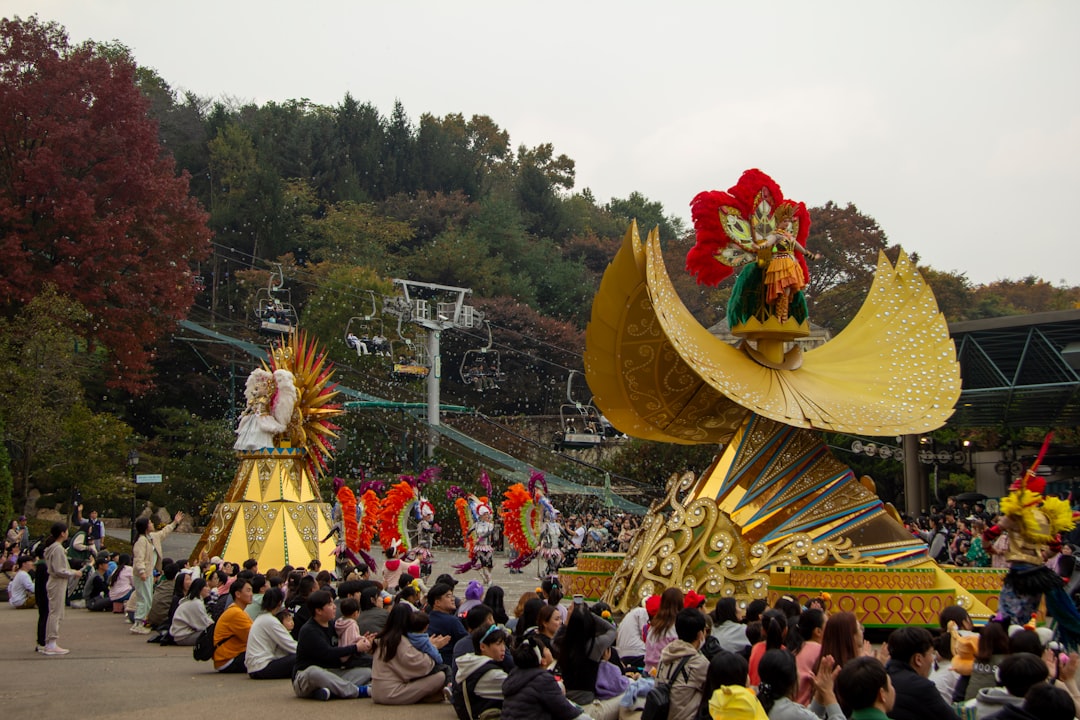
Standing at the crossroads of history, Akitu represents more than just humanity’s oldest documented festival – it’s a testament to our eternal need for celebration, renewal, and community. While Göbekli Tepe may hide older ceremonial secrets in its silent stones, and Egypt’s Sham el-Nessim can claim equal antiquity, Akitu alone gives us a complete picture of ancient festival life in all its dramatic, political, and spiritual complexity.
From the ritual humiliation of kings to the epic recitation of creation myths, from elaborate river processions to the gathering of divine parliaments, Akitu was humanity’s first blockbuster production. It reminds us that long before Hollywood, Broadway, or even the Olympic Games, our ancestors were creating spectacles that combined entertainment, education, and transformation into unforgettable experiences.
The next time you attend a festival, celebration, or even a simple New Year’s party, remember that you’re participating in a tradition that stretches back to the dawn of civilization. Who knew that getting together, marking time, and celebrating renewal was such ancient human magic? Did you expect that our party instincts were this old?
CEO-Co-Founder
