

- Unsung Heroes of Music History Deserve Their Rightful Place in the Pantheon of Legends - April 9, 2026
- Certain Historical Events Are So Bizarre, They Seem Ripped From the Pages of Fiction - April 9, 2026
- Iconic Cultural Artifacts Are More Than Objects; They Are Time Capsules of Human Experience - April 9, 2026
Music history is built on moments of chance. A phone call that almost went unanswered, a last-minute decision backstage, two musicians wandering into the same studio at just the right time. Some of the most beloved songs we know today nearly slipped through the cracks of scheduling conflicts, artistic stubbornness, or flat-out mutual indifference.
It’s a strange and humbling thought, isn’t it? The soundtrack to our lives could have been completely different if a few people had simply said no. What follows are the stories behind musical duets that almost never happened, and why, against all odds, they became immortal. Let’s dive in.
Queen and David Bowie – “Under Pressure” (1981): The Accidental Masterpiece
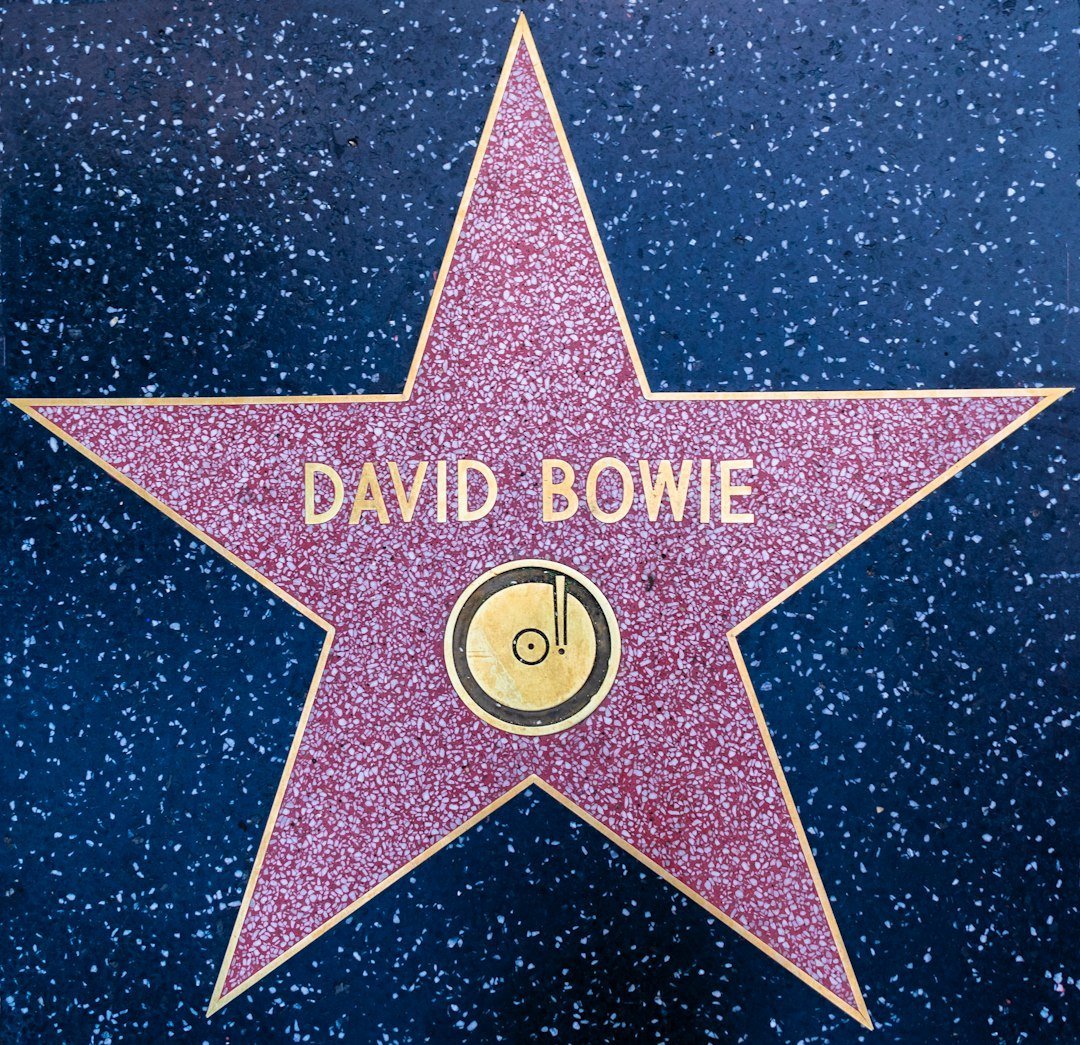
Few songs in rock history carry the weight of “Under Pressure,” yet its existence was almost pure accident. In 1981, Queen was recording at Mountain Studios in Switzerland, while Bowie was working on his album “Hot Space” in the studio next door. They had crossed paths before, but nothing serious had ever come of it. Then one afternoon, a casual studio visit changed everything.
Bowie popped into Queen’s studio to listen to what they were working on. He was particularly drawn to a bass riff by Queen’s John Deacon, which would later become the iconic bassline of “Under Pressure.” Bowie started improvising lyrics and vocal melodies on the spot, and the rest of the band joined in. The songwriting process was largely spontaneous and improvisational, and they recorded the basic track in just one day. That kind of creative alchemy doesn’t follow a plan. It just happens.
That same iconic bass line was nearly lost forever when Deacon forgot the part after the musicians left the studio to eat pizza. Roger Taylor remembered it, but more obstacles remained. Two strong-willed artists argued over the song’s direction, and Brian May said he chose to back down and let Bowie pursue his vision for the track. It’s honestly remarkable that a song born from pizza, improvisation, and creative friction became one of the most recognizable tracks in music history.
Run-DMC and Aerosmith – “Walk This Way” (1986): The Collaboration Nobody Wanted
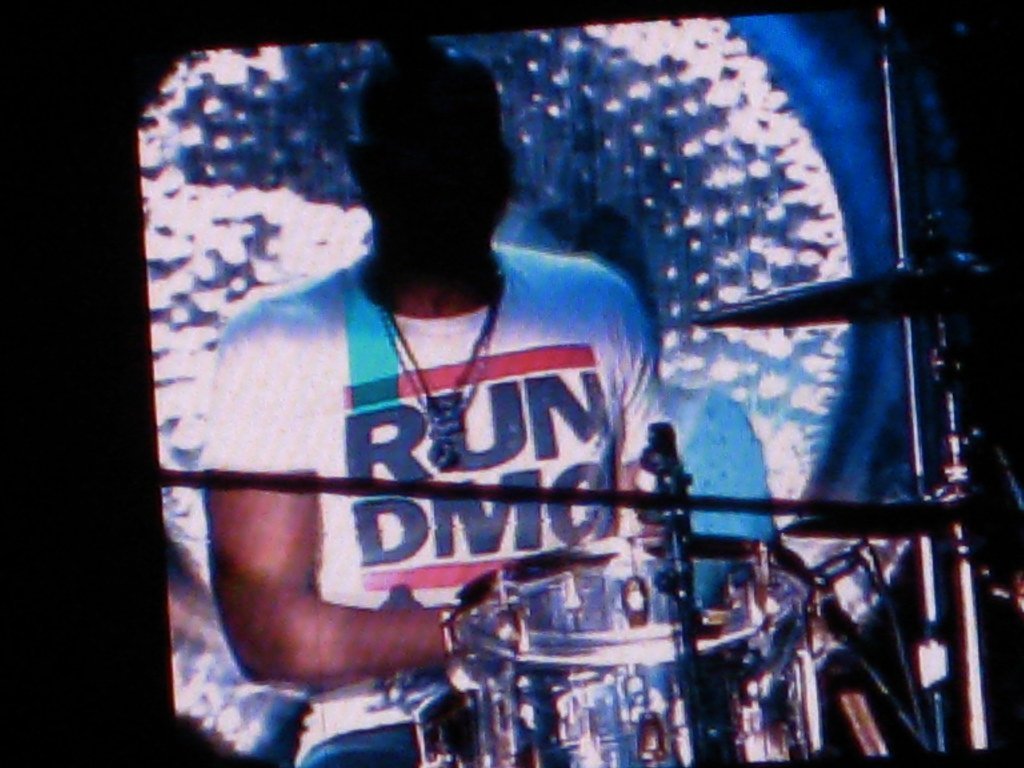
Here’s the thing: both sides absolutely did not want this to happen. The song is still held as the gold standard of experiments in music, but it almost didn’t happen. While Joseph Simmons and Darryl McDaniels had no idea who Aerosmith were at that time, Rubin suggested remaking the song. Neither Simmons nor McDaniels liked the idea, and considered the lyrics “hillbilly gibberish,” though Jam Master Jay was open to it.
The tension in the studio was palpable. When Aerosmith’s manager Tim Collins answered a phone call from hip-hop producer Rick Rubin proposing a collaboration with rap group Run-DMC, Collins’ answer was simply: “What’s rap?” Aerosmith, meanwhile, was in its own career crisis. Aerosmith’s first two albums in the 1980s both fell flat, as neither would even crack the top 30 of the Billboard 200. At the same time, hip-hop was emerging from the underground, seeking a way to break through into the mainstream.
This version of “Walk This Way” charted higher on the Billboard Hot 100 than the original, peaking at number four, becoming Run-DMC’s biggest hit. It was also the first hip hop single to reach the top five on the Billboard charts, as well as one of the first big hip hop singles in the UK. The song marked a major comeback for Aerosmith, as they had been largely out of mainstream pop culture for several years. Not bad for a track nobody wanted to make.
David Bowie and Bing Crosby – “Peace on Earth / Little Drummer Boy” (1977): The Generation Gap That Became a Christmas Classic
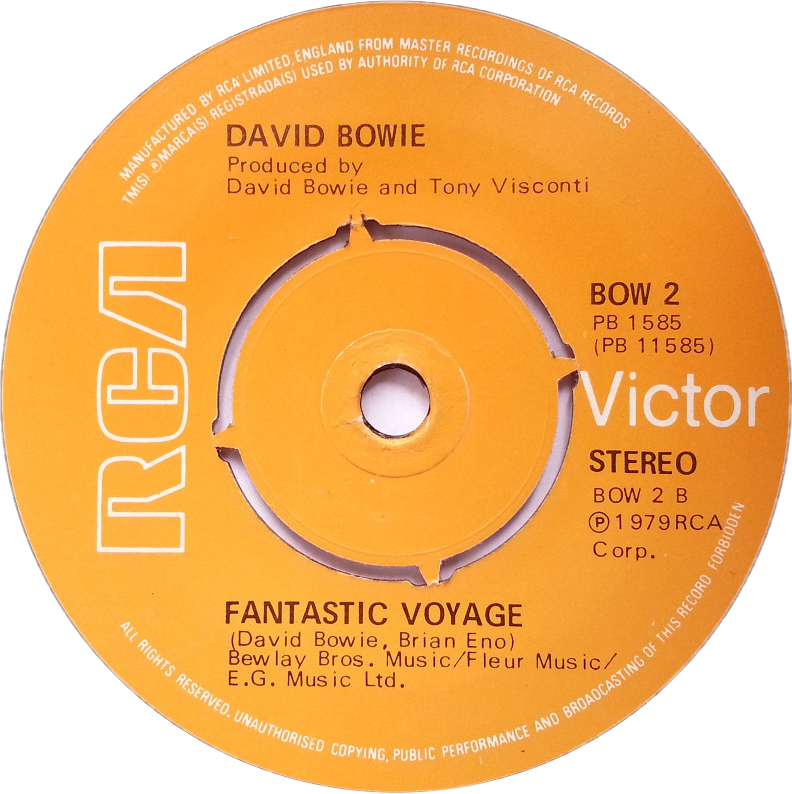
Imagine two more culturally opposite figures sitting down together. Imagine Christmas in the late 1970s: families gathered around the TV, only to be stunned by the sight of David Bowie, the king of glam and avant-garde rock, singing side by side with Bing Crosby, the ultimate old-school crooner. The pairing was so odd it seemed almost like a joke, and yet, when the two launched into “Peace on Earth / Little Drummer Boy,” something magical happened. Bowie’s ethereal voice layered over Crosby’s warm baritone created a hauntingly beautiful Christmas classic.
According to Crosby’s son Nathaniel, it almost didn’t happen. He recalled that the producers told Bowie to take the lipstick off and take the earring out. Yet the pair’s Christmas cover, recorded for Bing Crosby’s Merrie Olde Christmas, was a commercial success, becoming one of Bowie’s highest-selling singles. Bowie was also rumored to have partly taken the gig because his mom was a big Bing Crosby fan. Now that is the kind of detail that makes music history feel wonderfully human.
The recording ended up being Crosby’s final TV performance – he tragically suffered a heart attack just weeks later. It’s a holiday duet that has stood the test of time, blending two musical worlds in a way no one expected, and to this day it is replayed every year, still charming new generations. A near miss that became a permanent part of the holiday calendar.
Elton John and George Michael – “Don’t Let the Sun Go Down on Me” (1991): When the Artist Tried to Stop His Own Hit
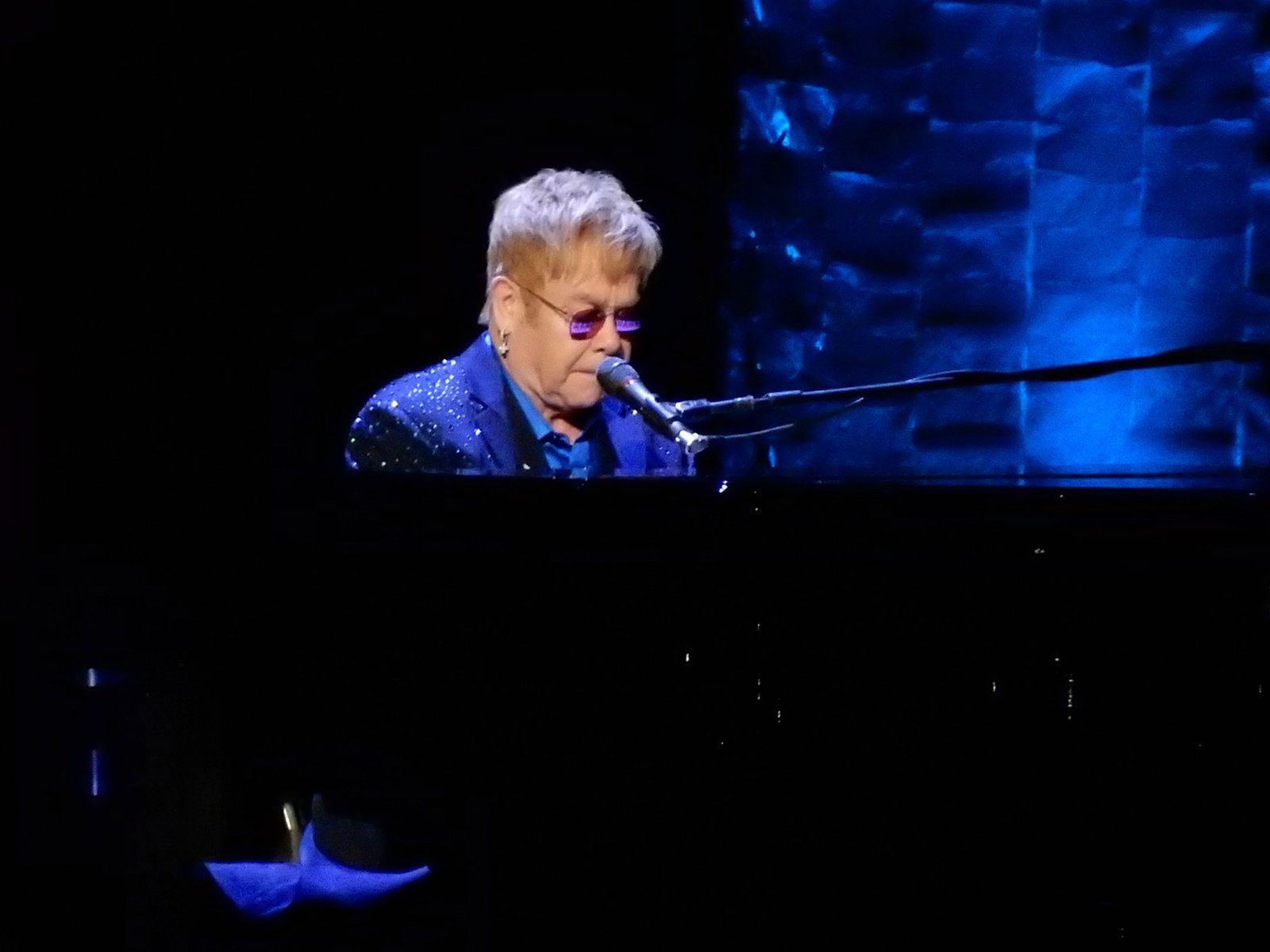
This one is genuinely stunning to think about. In March 1991, George Michael was performing at Wembley Stadium on the “Cover to Cover” tour when Elton surprised him backstage. They spontaneously decided to do a duet and picked “Don’t Let the Sun Go Down on Me,” a song that George had already been including in his set. It was unplanned, unrehearsed, and completely electric.
Yet what makes this story truly extraordinary is what nearly killed it afterward. When George Michael planned to release the live recording as a single, Elton left a voice message on his answering machine telling him that the song was not strong enough to be released and that doing so would mean the end of George’s career. Once again, Elton underestimated the song. I honestly can’t think of a more ironic twist in pop history.
George ignored the warning. Entirely. The single reached number one in seven countries, including the US and UK, and it remained in the Billboard Hot 100 for 20 weeks, spending two weeks at number one on the Billboard Adult Contemporary chart. Elton’s 1991 appearances with Michael were two of just a handful he made that year, as he had gone through a rigorous rehab program in the summer of 1990 and was focused on his health. That backstage surprise at Wembley turned into one of the defining duets of an entire generation.
Ozzy Osbourne and Lita Ford – “Close My Eyes Forever” (1989): The Song Nobody Remembered Writing
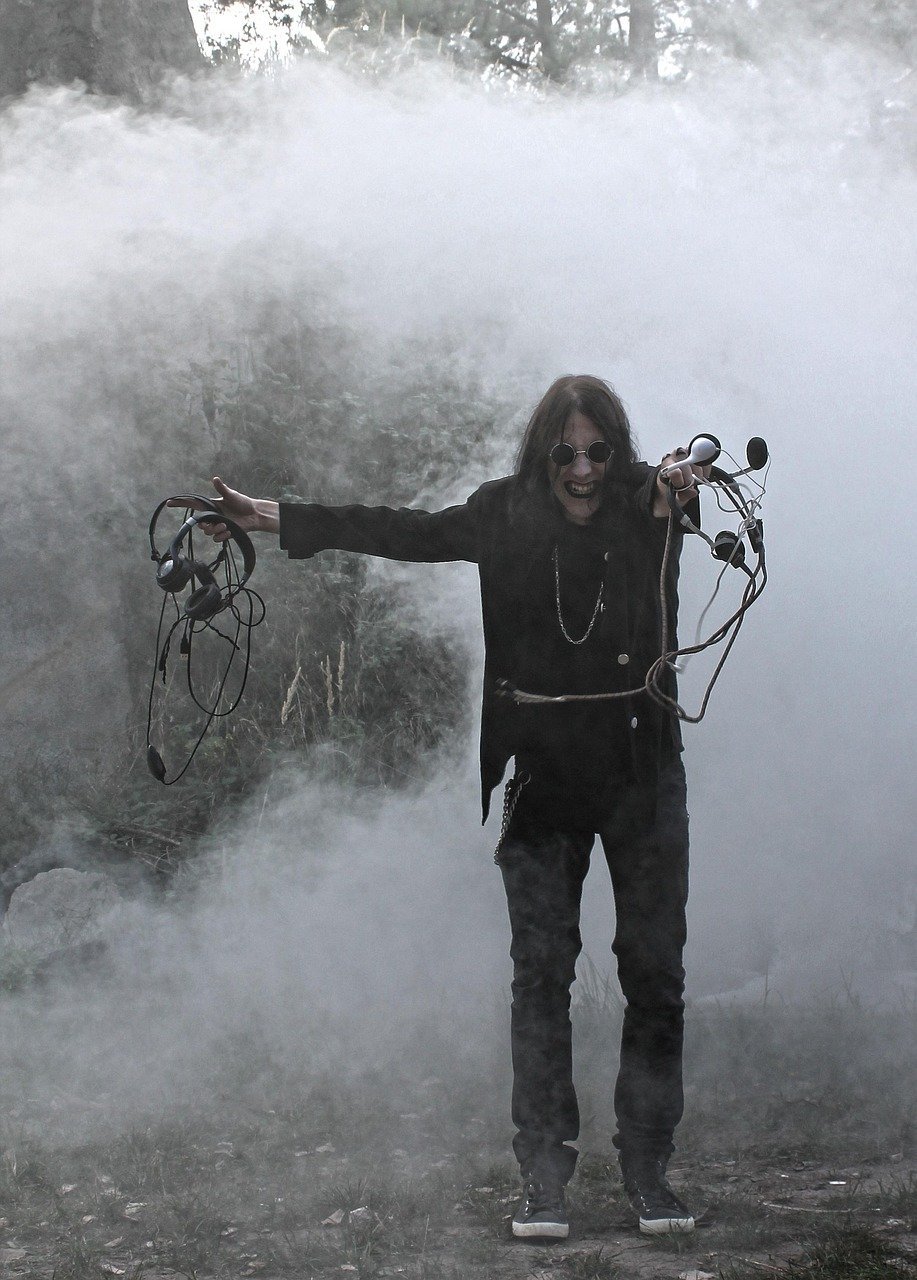
The highest-charting single of Ozzy Osbourne’s solo career happened by chance. Let’s be real, that alone should stop you in your tracks. Sharon Osbourne also managed Lita Ford at the time, and according to Ozzy, his duet with Ford “kinda half got written.” After the session, Ozzy returned to England and didn’t think about the song again until his wife called and said Ford wanted to finish it with him. Sharon asked Ozzy to fly back to Los Angeles to record “Close My Eyes Forever.” “What song?” he said. The back-and-forth between England and the US happened multiple times as the two completed the recording and eventually filmed a music video.
According to Songfacts, a night of heavy drinking between Ford and Ozzy resulted in one of the most popular mainstream metal duets of all time, if not the most recognizable from the genre. Ford was managed by Osbourne’s wife Sharon at the time, but apparently the two artists didn’t intend to write a ballad for this project. Regardless, it proved to be a major hit for Ford, especially, who included it on her 1988 Lita album. The song reached number eight on the Billboard Hot 100 in 1989, as glam metal was nearing its zenith. A forgotten half-song became the peak of a career. Music works in mysterious ways.
Michael Jackson and Freddie Mercury – The Duets That Were Never Released
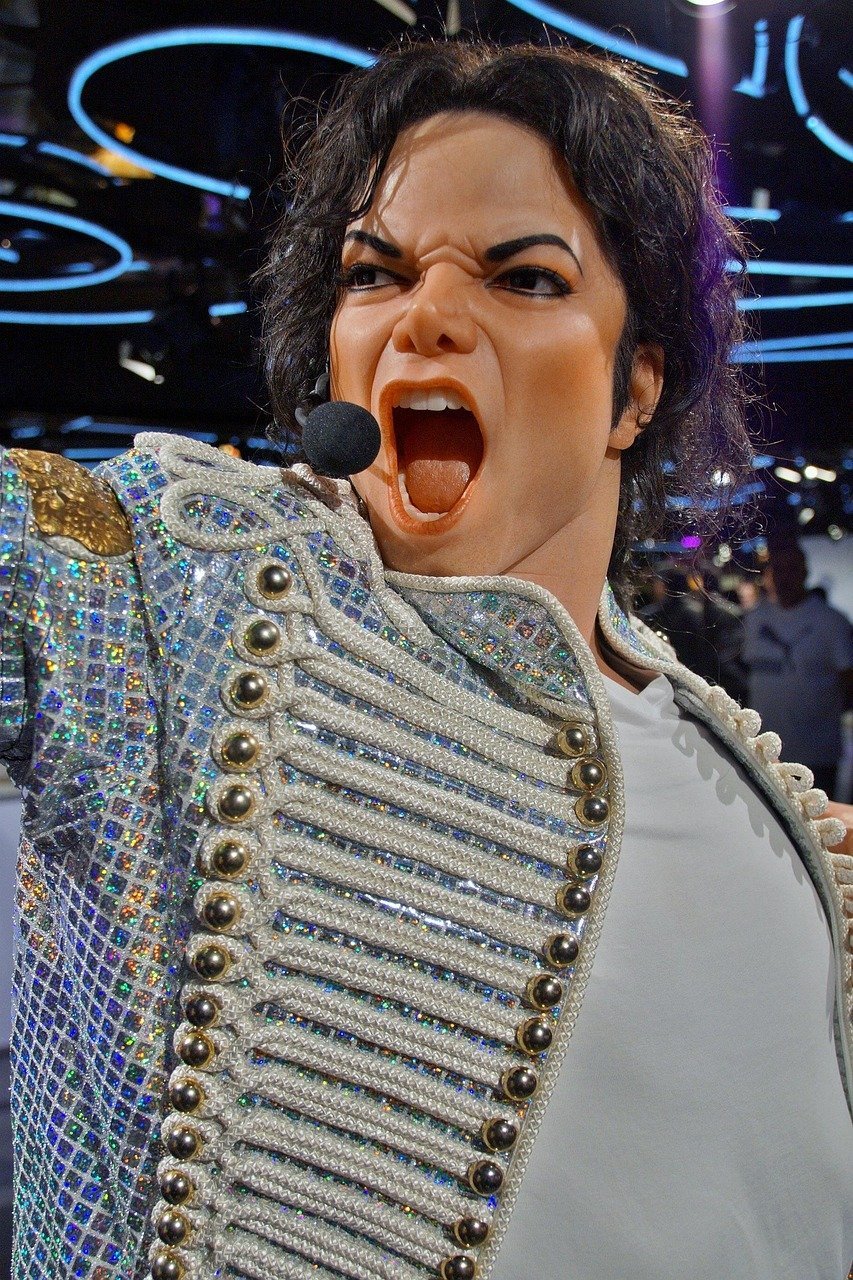
This one is genuinely heartbreaking, and it belongs in any conversation about duets that almost never happened, because in the truest sense, they never fully did. In the early 1980s, Michael Jackson and Freddie Mercury worked together on several songs that were never officially released due to scheduling conflicts and other challenges. Tracks like “There Must Be More to Life Than This” and “State of Shock” were partially recorded.
Mercury’s unique voice blending with Jackson’s iconic sound resulted in partially recorded tracks that, although they never saw a full release, gave fans a glimpse of what could have been through a few recordings and demos that have surfaced over the years. It’s hard to say for sure just how extraordinary a proper, fully released collaboration between these two titans would have been. But the fragments that exist suggest it would have been something extraordinary. Two of the greatest voices of the twentieth century, so close to something monumental, and yet just far enough away.
Nelly and Tim McGraw – “Over and Over” (2004): Basketball Brought Them Together
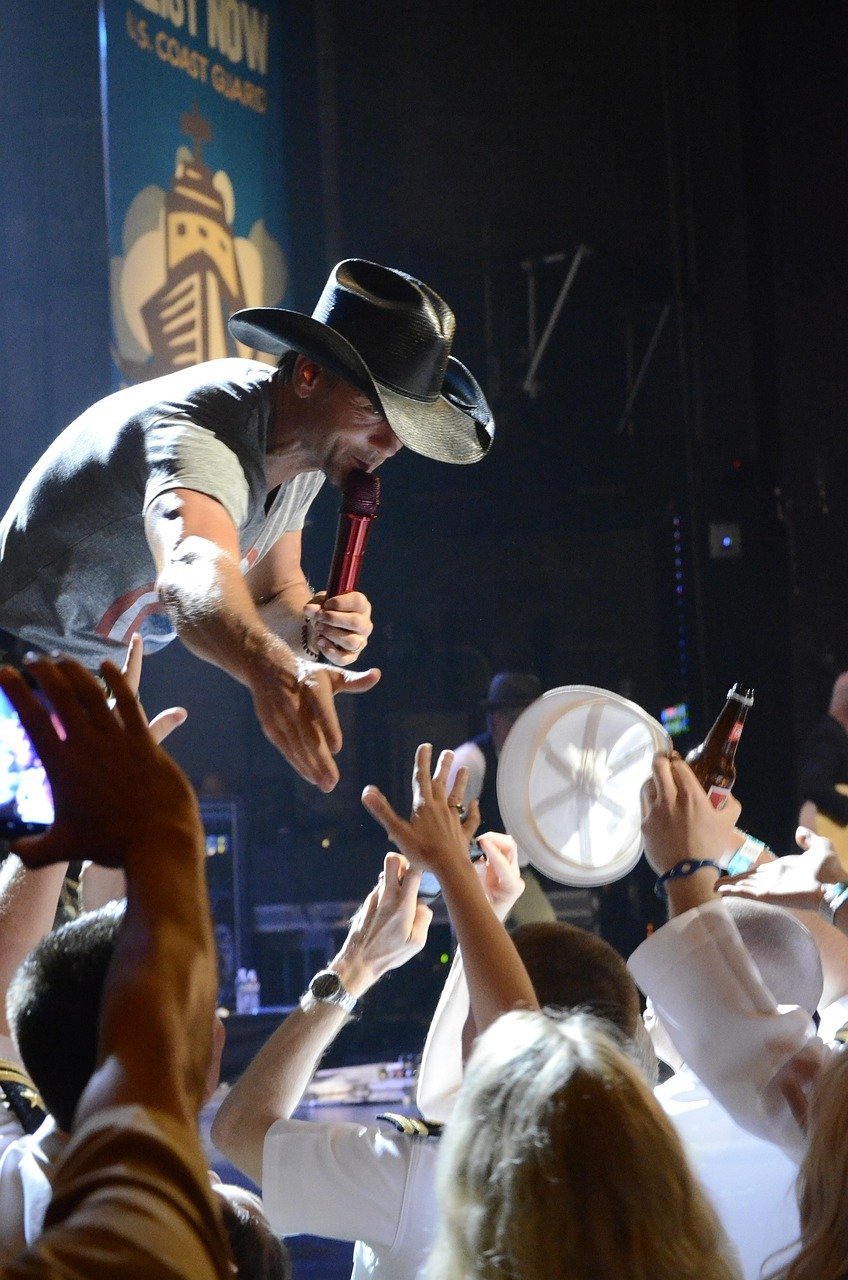
Nobody predicted this. A hip-hop superstar from St. Louis and a country icon from Louisiana. Not exactly an obvious match on paper. How did these two cross paths? Playing basketball, according to Tim McGraw. They got along like a house on fire, and Nelly ended up pushing his label to orchestrate a collaboration.
Although Nelly pitched the track “Over and Over” to McGraw as a country song, McGraw strongly disagreed that it fit into the genre, although he told news outlets that it was good fun all the same. And yet they recorded it, released it, and watched it become a monster hit. It’s the kind of story that makes you wonder how many other potential classics were left on the table simply because two artists never met on the right court. Literally.
Daft Punk and Pharrell Williams – “Get Lucky” (2013): Sixteen Years in the Making
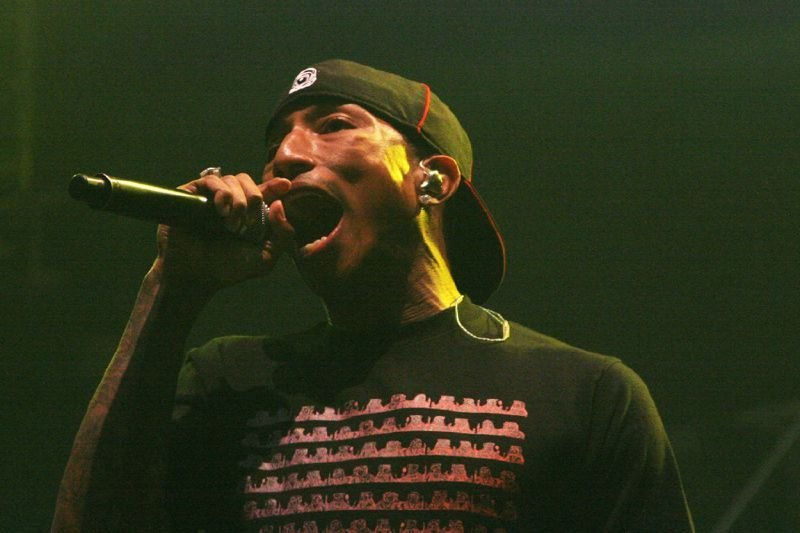
This collaboration had been brewing for a very long time. Like, a really long time. Almost a decade after their third album in 2005, Daft Punk experienced a resurgence in 2013 with the hit single “Get Lucky.” The song provided the group with a chance to finally collaborate with the legendary Nile Rodgers. They had been trying to make that collaboration happen since their debut in 1997.
“Get Lucky” was part of Daft Punk’s album “Random Access Memories,” which received critical acclaim and won the Grammy for Album of the Year. The album showcased the duo’s ability to blend electronic and analog elements seamlessly. The collaboration received widespread recognition at the 56th Annual Grammy Awards, where “Get Lucky” won the Grammy for Record of the Year and Best Pop Duo/Group Performance. Sixteen years of waiting, and then a summer anthem that took over the entire planet. Patience in music, it turns out, can pay off spectacularly.
The Rolling Stones and Merry Clayton – “Gimme Shelter” (1969): The Midnight Knock
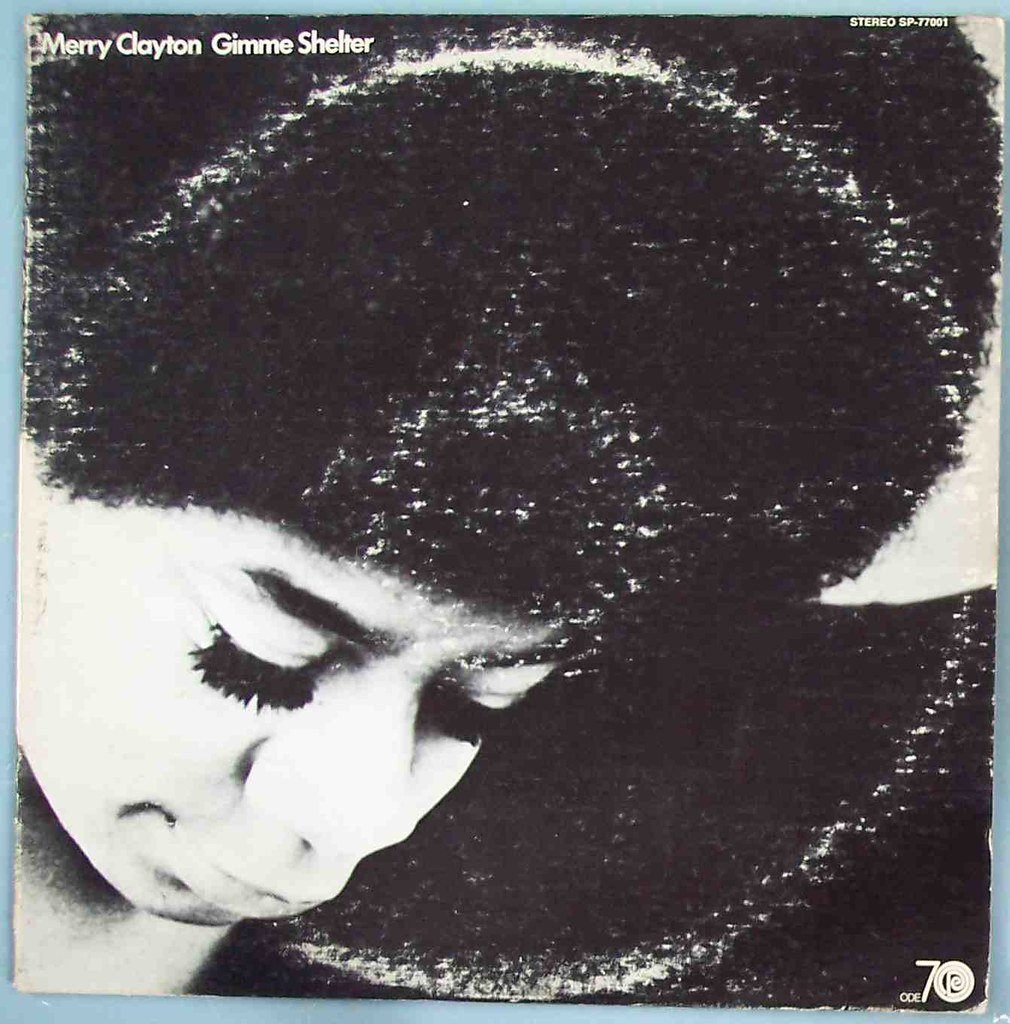
This is one of those stories that sounds almost too dramatic to be true, but every detail has been well documented. When the Rolling Stones needed a backup singer, they brought in the talented Merry Clayton. The vocalist arrived at the studio in the middle of the night, still wearing her pajamas. During the last-minute session, Clayton delivered a powerful and iconic part, including her memorable voice crack that might be the track’s highlight.
Without previously knowing the Stones, the artist arrived ready to collaborate alongside legends like Mick Jagger. The fury of the take hasn’t aged a day, punctuating the harsh tone of the lyrics. “Gimme Shelter” would not be the same without her contributions. Think about that for a second. One of the greatest moments in rock history came down to a phone call in the middle of the night to a woman who showed up in her pajamas and proceeded to absolutely own the session. That’s not planning. That’s fate doing its thing.
Conclusion: The Razor’s Edge Between “What If” and “What Is”

Looking back at all of these stories, a pattern emerges that is both thrilling and sobering. The difference between a song that reshapes music history and a song that never existed at all can come down to a single “yes.” A basketball game. A chance visit to the next-door studio. A wife who made a phone call at the right moment.
Timing is everything in music, honestly. Not talent alone, not ambition alone, but the precise collision of opportunity and willingness to take a risk. Run-DMC nearly turned down the song that would define a generation. Elton John tried to stop one of his own biggest hits from being released. Queen and Bowie stumbled into a masterpiece over pizza. These aren’t just fun trivia facts. They’re reminders that greatness is often fragile, contingent, and almost accidental.
The next time you hear one of these songs, let that sink in a little. How close we all came to never knowing them at all. Makes you wonder: how many songs that could have changed everything are still waiting for two unlikely artists to find themselves in the same room at just the right time. What do you think? Let us know in the comments.

Besides founding Festivaltopia, Luca is the co founder of trib, an art and fashion collectiv you find on several regional events and online. Also he is part of the management board at HORiZONTE, a group travel provider in Germany.
