

Travel trends are a funny thing. One decade, a place is the toast of every glossy brochure and travel agency window. The next, it’s been quietly replaced by somewhere shinier, trendier, and easier to hashtag. The 1980s were a golden age for travel, a time before smartphones when people relied on paper maps, travel agencies, and word-of-mouth recommendations to plan their adventures. The world felt enormous, mysterious, and full of possibility in a way that is honestly hard to replicate now.
Some destinations from that era burned bright and then faded from the spotlight, replaced by newer favorites. Others never quite got the recognition they deserved. Here’s the thing though: beauty doesn’t have an expiry date. Many of these places are just as breathtaking today as they were when people were wearing shoulder pads and carrying Walkmans. Let’s dive in.
Bali, Indonesia: The Island That Was Still a Secret
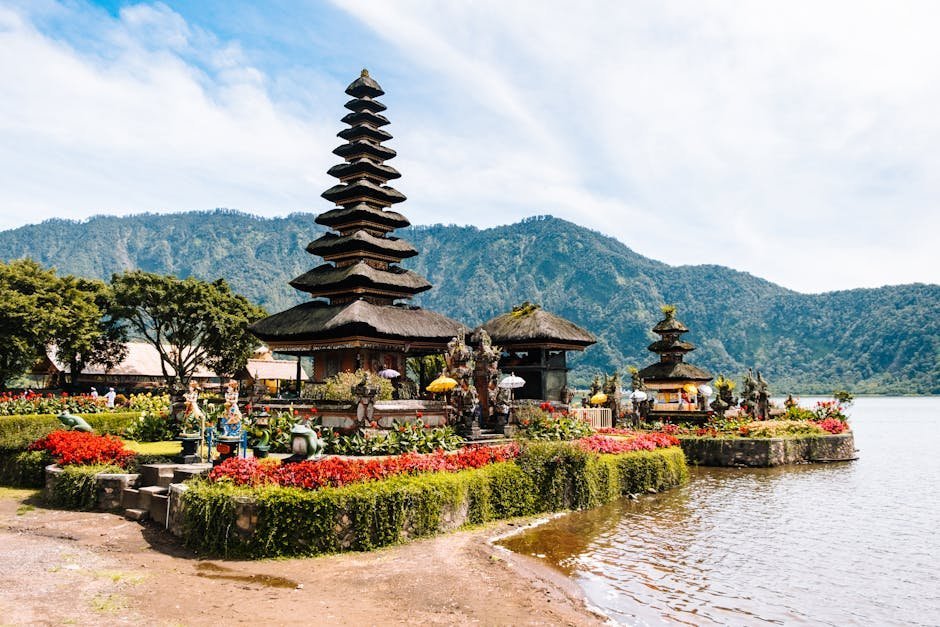
It’s almost hard to believe now, but in the early 1980s, Bali was barely a whisper in mainstream Western travel conversations. Today, Bali is a well-known hotspot for digital nomads and influencers, but in the 80s, it was still a hidden paradise, an escape for those looking for untouched beaches, ancient temples, and a true off-the-grid experience. Surfers had been quietly circling the island since the late 1960s, but the general tourist crowd was slow to catch on.
In the mid-1980s, Bali was Southeast Asia’s best-kept secret. The roughly 749,000 foreign visitors who arrived in 1985 encountered an island still largely defined by rice terraces, temple festivals, and fishing villages. Infrastructure was basic but charming: simple losmen guesthouses, family-run warungs, and dirt roads that turned to mud during the rainy season.
What made Bali especially remarkable was that tourism actually sparked a kind of cultural rebirth. Foreign interest in Bali’s culture sparked a cultural renaissance in the 1980s. Balinese people became curious about why so many tourists were obsessed with their local culture, and temples were taken better care of, with more money available to spend on ceremonies than ever before. Today, Bali’s beaches, cultural performances like the Kecak dance, and religious temples like Tanah Lot have become iconic symbols of the island’s allure. The rice terraces of Ubud, the dramatic sea temple of Uluwatu at sunset, the incense-scented offerings placed on every doorstep at dawn. These things haven’t changed. They never will.
Bangkok, Thailand: The City That Rewrote the Rules
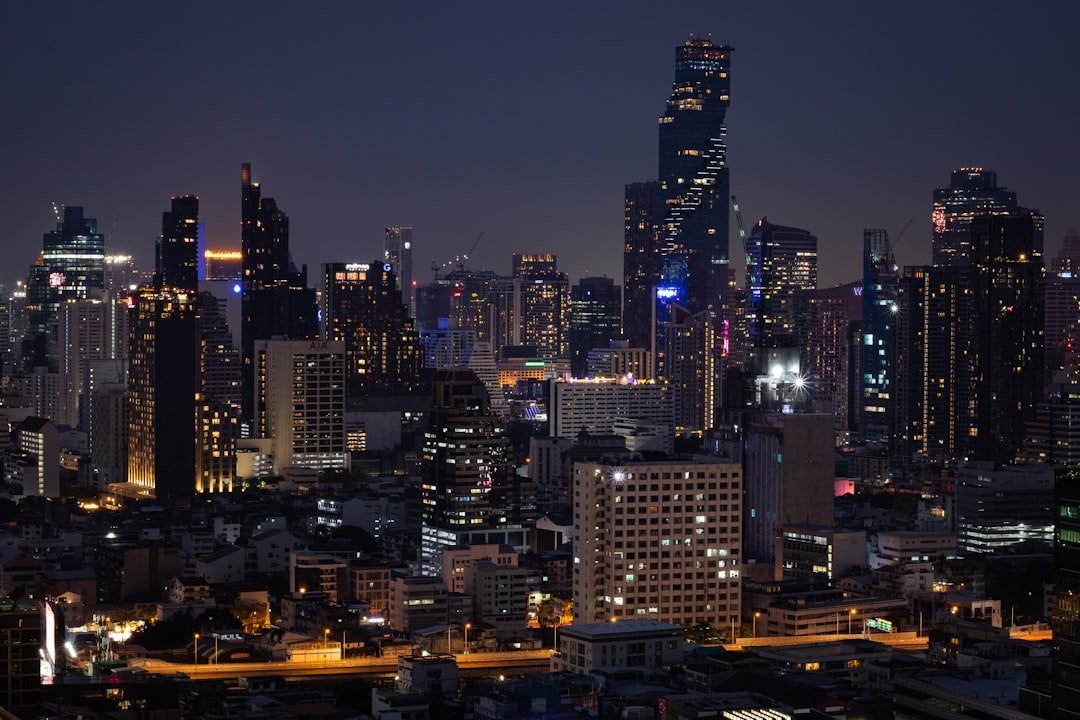
Bangkok in the 1980s was a city on the verge of something extraordinary. The 1980s and 1990s marked a pivot point as Thailand actively promoted tourism under the “Visit Thailand Year” campaigns. Investment in tourism infrastructure surged, luxury hotels and resorts were built, and Bangkok became a major hub for backpackers exploring Southeast Asia. Bangkok’s allure was further magnified by its portrayal in films and the media, depicting it as an exotic and exciting destination.
In 1987, Thailand spearheaded a historic event with Visit Thailand Year, celebrating the 60th birthday of King Bhumibhol Adulyadej. The resulting surge in visitor arrivals hit the then-record total of 3.48 million, up a staggering 23.6% over 1986, and revolutionised the industry. That is not a small number. That is a country deciding it wanted the world to know its name.
What made Bangkok so endlessly captivating was the contradiction at its heart. Ancient temples sat next to roaring expressways. Street food vendors served extraordinary meals for pennies beside luxury hotels. Bangkok, the capital city of Thailand, is a vibrant metropolis known for its unique blend of modernity and tradition. It serves as the political, commercial, and cultural hub of the country, with a rich spiritual heritage prominently featured through its many Buddhist temples. That contradiction still defines the city today, and honestly, it is part of what makes it so addictive.
The Athenian Riviera, Greece: A Glamorous Coastline Almost Forgotten
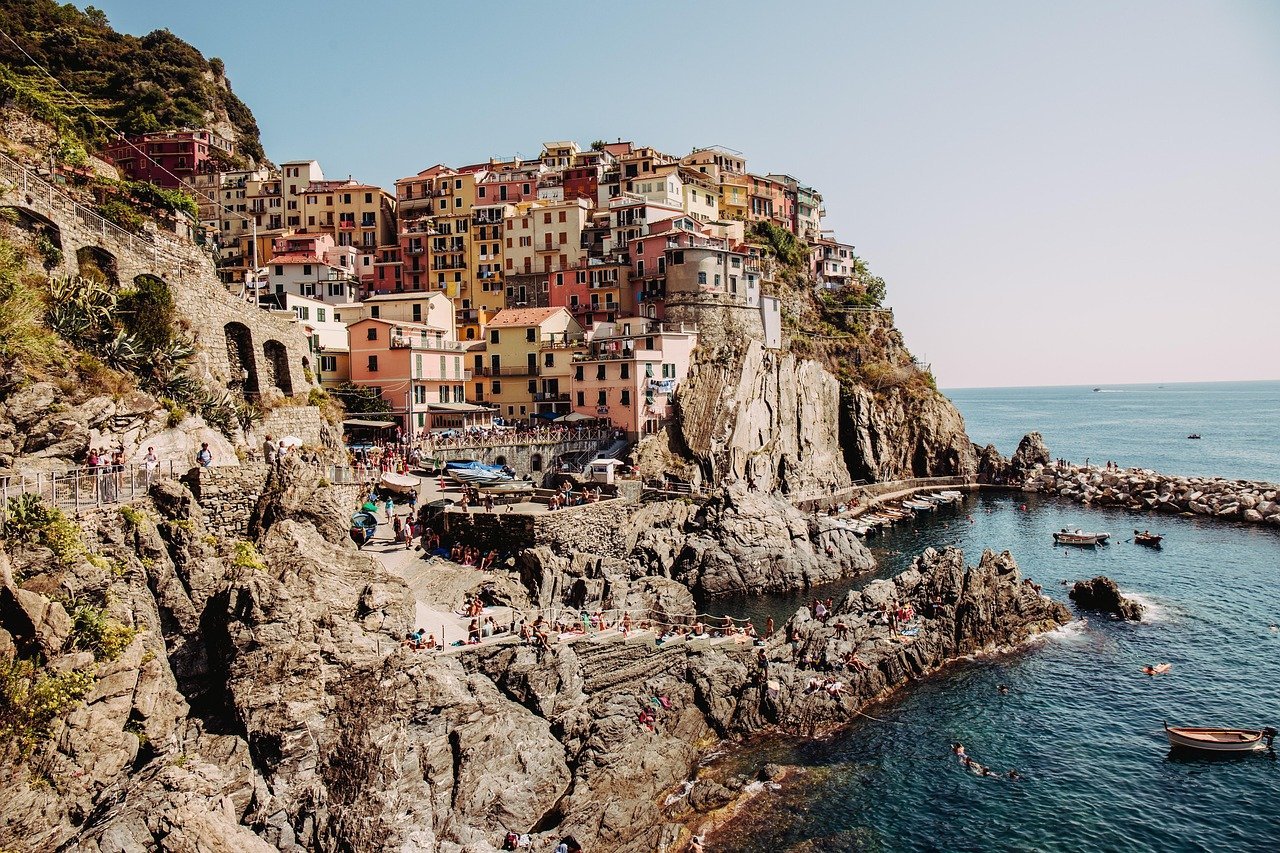
Most people think of Greece and immediately picture the white-washed walls of Santorini or the windmills of Mykonos. But there is another stretch of Greek coastline that had its own glittering moment, and it deserves far more attention than it currently gets. Between the big sites of the Acropolis and the great temples of the Athenian Agora lies Greece’s capital’s once-glamorous mainland riviera full of beaches and resorts. The Athenian Riviera hummed with celebrities and A-listers from the 1960s onwards, drawing big-name luminaries, and that heyday continued throughout the 80s, with sleek hotels and clubs beckoning city slickers to towns like Varkiza and Vouliagmeni.
Imagine a coastline that once hosted glamorous summer parties, crystal-clear Mediterranean waters just a short drive from one of the world’s most ancient cities, and a local crowd who knew how to actually enjoy life. That image is not outdated. All good things come to an end, and the turn of the millennium saw popularity wane as VIPs turned their gaze away from the riviera and toward the Greek Isles. But today, the internet is ablaze with articles about how Athens’ stretch of coast is back in business. It is one of those rare places that went quiet for long enough to feel undiscovered again.
Berlin, Germany: Edgy, Haunted, and Utterly Unforgettable
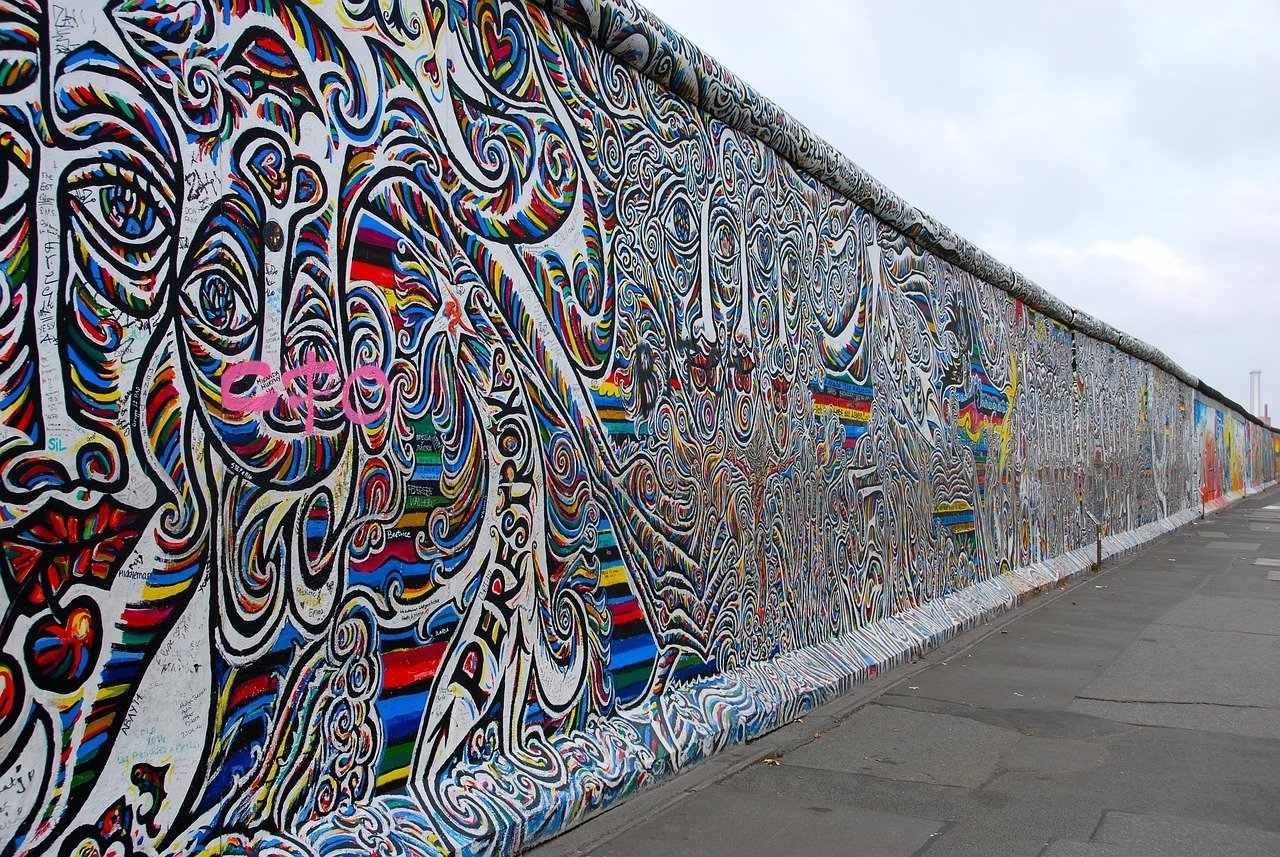
There are cities you visit, and then there are cities that change you. Berlin in the 1980s was firmly in the second category. The Wall went up overnight in August 1961, effectively sealing off East Berlin from the West until it came tumbling down in 1989. The 1980s were tumultuous in Berlin and the city’s art and punk music throbbed with the pulse of impending anarchy. To visit pre-reunification Berlin was to feel something crackling in the air, a tension that made the city feel electrifyingly alive.
The strange truth is that Berlin today carries all of that history with it, layered like geological strata under every neighborhood. Today, Berlin is united but there’s plenty of residual grit. Supplement predictable tourist activities, like promenading through the Tiergarten, with edgier things to do: attend an art exhibit or film screening hosted by squatters, or head to the abandoned warehouses in Friedrichshain, home to a number of techno clubs. I think very few cities in the world offer this specific combination of profound historical weight and relentless creative energy. Berlin earns its place on this list ten times over.
Wroclaw, Poland: The Treasure Hidden Behind the Iron Curtain
Poland in the 1980s was not exactly a typical vacation destination for Western travelers. In the 80s, Poland was still part of the Soviet Union and martial law was imposed from 1981 to 1983. Soviet troops left in the early 1990s, and Poland is still finding its way, which makes it an interesting place for a holiday. That political context meant most travelers simply never considered it, which is honestly their loss.
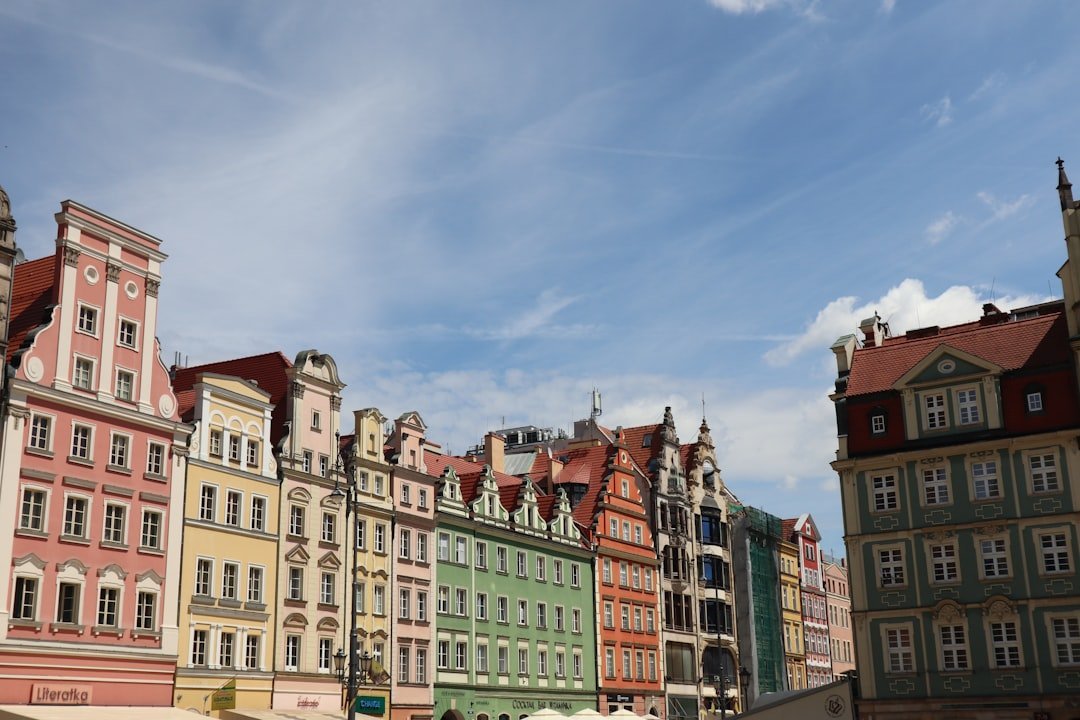
Wroclaw, in particular, is a city that deserves its own travel documentary. The people are incredibly friendly and love to practice their English. Spending a few days in Wroclaw, formerly known as Breslau during the Nazi occupation, means strolling the colorful city square, tracking down 300 mischievous gnome statues sprinkled around town, and heading to Cathedral Island at dusk to watch the lamplighter ignite gas streetlamps that date back to the 1800s. Gas streetlamps lit by hand at dusk. That is the kind of travel experience that people pay thousands of dollars trying to find, and here it just happens every evening, quietly, as if it is no big deal.
Ibiza, Spain: Before the Megaclubs Took Over
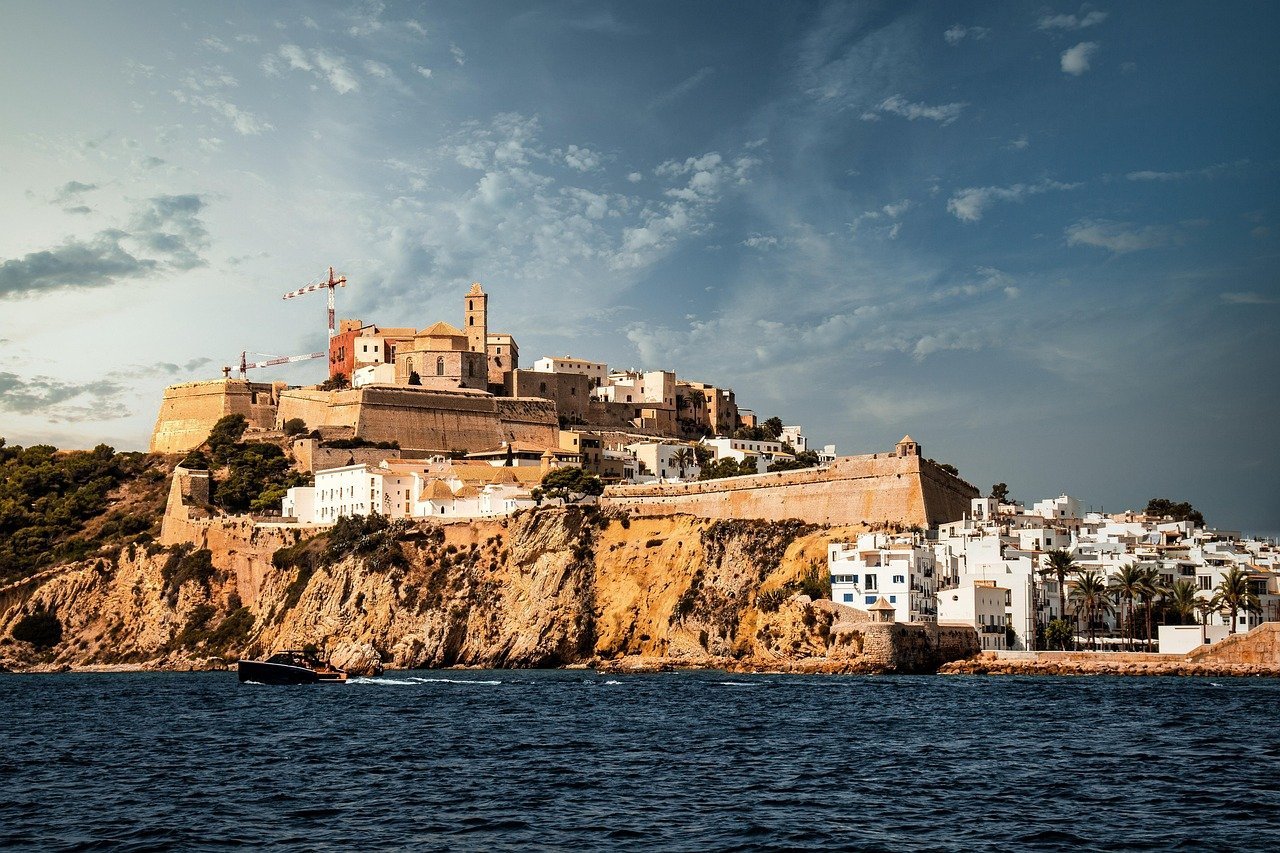
Let’s be real, most people today associate Ibiza with enormous nightclubs, bottle service, and crowds that stretch to the horizon. It was not always that way. As Europe became more accessible to Americans, people started turning their eye towards Spain. Ibiza was a vacation hotspot during the 1980s thanks to its club-culture tourism. But the early 80s version of Ibiza still had a bohemian, almost sleepy quality to it, a Mediterranean island with extraordinary natural beauty that happened to have great music.
The good news is that beauty is still there, waiting patiently beneath the commercial noise. There is a distinct longing for the pre-party Ibiza, with a whole new drive towards luxury, wellness, and experiential, responsible travel underway. The trend is visible among travel bloggers, many of whom are focusing on the more off-the-radar, “hippie” corners of the island. Head north, away from the resort strips, and you will find the Ibiza that travelers in 1982 fell in love with. Rocky coves, fragrant pine forests, whitewashed hill towns, and sunsets that look like they were painted by someone showing off.
Sydney, Australia: Sun-Kissed and Wildly Underrated
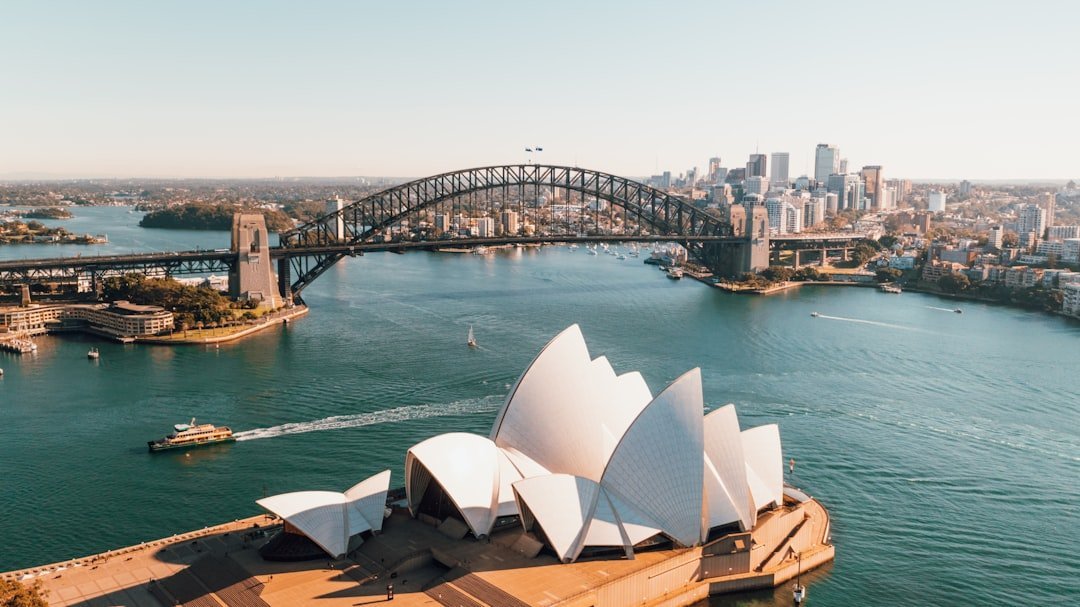
Australia started appearing on the international travel radar in a big way during the 1980s, partly thanks to pop culture nudging curious travelers southward. The song “Down Under” was a popular hit released in 1980 that inspired many people to visit Australia. The movie “Crocodile Dundee” also came out during the decade, which led to many Americans heading there. Sydney was a hotspot, especially during the late 1980s, thanks to its great atmosphere and superb beaches.
What is remarkable about Sydney is that despite all the decades of tourism and development, it somehow never lost the quality that made it special in the first place. The harbor is still jaw-dropping. The beaches at Bondi and Manly still deliver. The city still has that easy, sun-drenched confidence that makes you wonder why you ever considered going anywhere else. It’s hard to say for sure whether any other major city in the world combines urban sophistication and natural splendor quite so effortlessly. Sydney is the kind of place that ruins you for everywhere else.
Acapulco, Mexico: The Pacific Dream That Still Shimmers
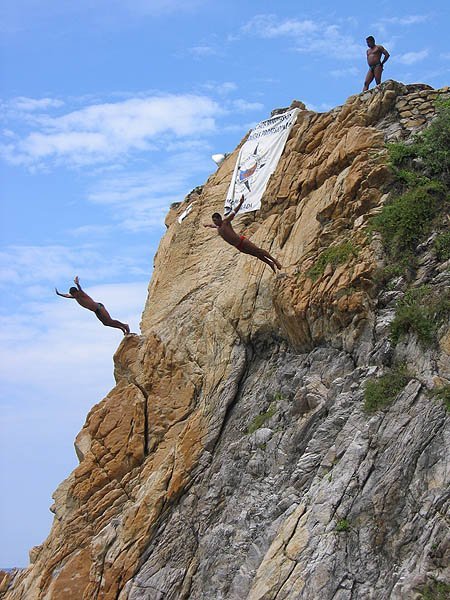
Acapulco is a complicated case. It became almost synonymous with the word “glamour” in the 80s, attracting Hollywood celebrities, jet-setters, and anyone who wanted to feel like they were living inside a very glossy magazine. Before Cancun took over as Mexico’s go-to beach destination, Acapulco was the place to be. In the 80s, it was a glamorous retreat for Hollywood celebrities, wealthy travelers, and anyone looking to party in paradise. The legendary Acapulco cliff divers were a must-see attraction, as daredevils launched themselves off towering cliffs into the Pacific Ocean below. Resorts like Las Brisas, with its signature pink jeeps and luxurious hillside villas, were the epitome of vacation goals.
It is no secret that Acapulco has faced serious safety challenges in recent decades, and those concerns are real and should not be dismissed. Acapulco is a charming resort town located along the Pacific Coast. In the early 1980s, it was a popular holiday destination thanks to its new luxury resorts. However, in the late 80s, Cancun became strong competition, especially due to drug cartel fighting that was taking place in Acapulco. Yet the physical landscape, those dramatic cliffs tumbling into the deep blue Pacific, the warm bay curving like a perfect crescent, has not changed one bit. The bones of beauty are still there. The cliff divers still perform. Nature, as usual, outlasts everything.
Tokyo, Japan: The City That Already Lived in the Future
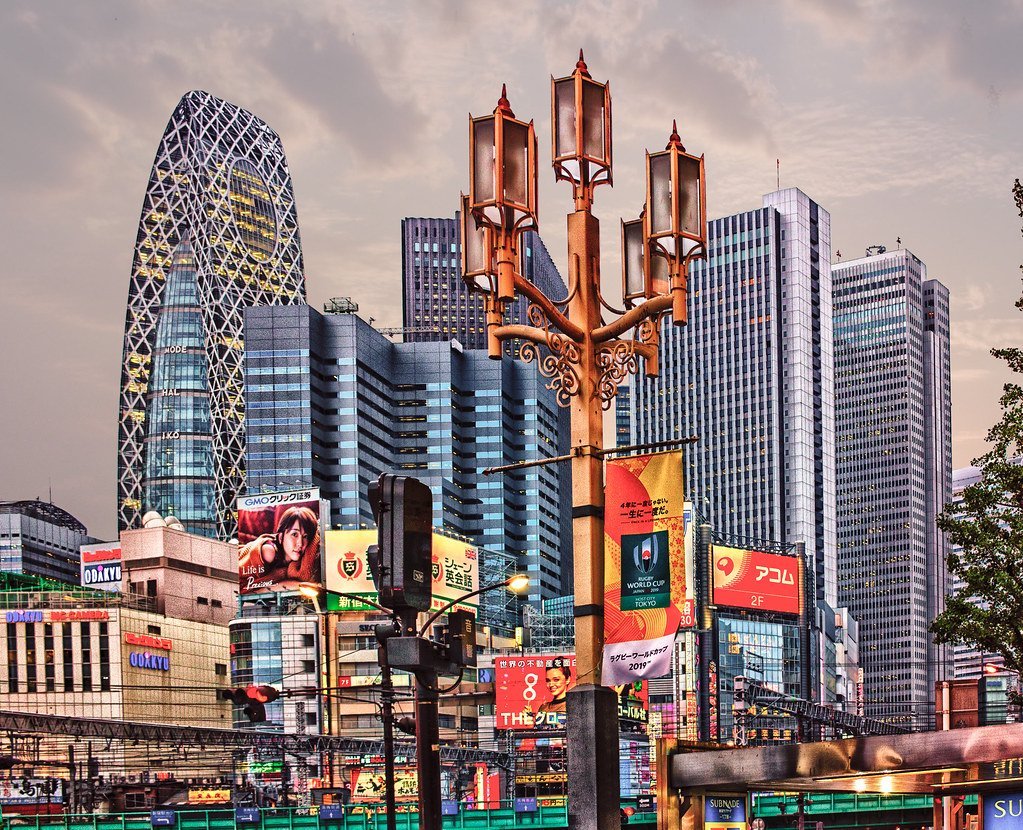
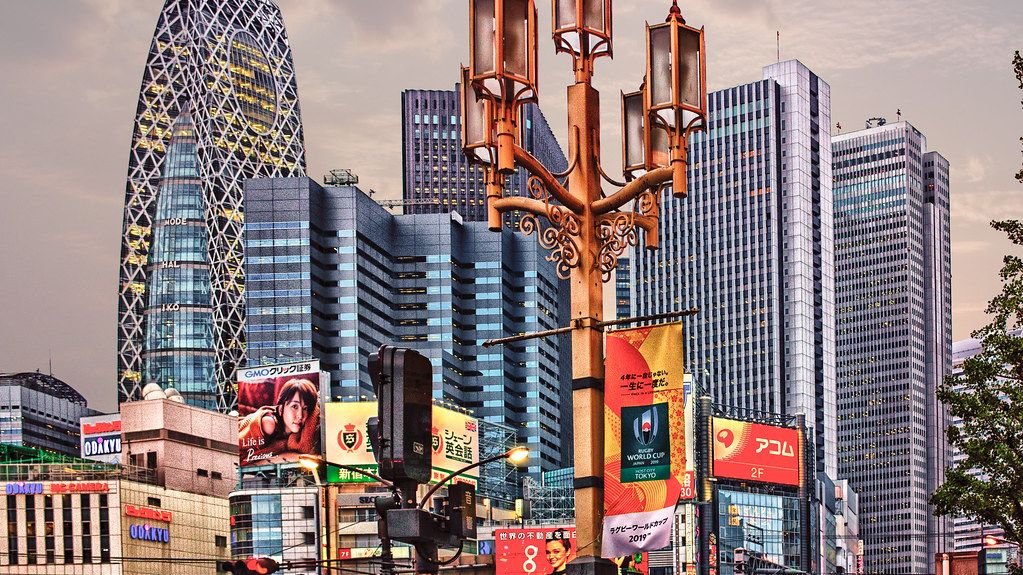
To arrive in Tokyo in the 1980s was to feel like you had accidentally stepped into a science fiction novel. For travelers, Tokyo in the 80s felt like stepping into the future. The bullet train, or Shinkansen, made travel within Japan incredibly fast, while department stores introduced visitors to a world of new gadgets, Walkmans, and electronics they had never seen before. The city moved at a speed and with an energy that simply did not exist anywhere else on earth.
Tokyo was genuinely underrated as a vacation destination during that era because many Western travelers did not yet know how to approach it. The language barrier felt enormous. The culture felt impenetrable. Those travelers missed something extraordinary. Today, Tokyo remains one of the most fascinating cities on the planet, a place where ancient Shinto shrines stand in the shadow of gleaming towers, where you can eat some of the world’s best food for the price of a sandwich, and where every neighborhood feels like an entirely different city. The 80s drew the blueprints. Tokyo has only built higher since.
London, England: The City That Never Needed Rediscovery
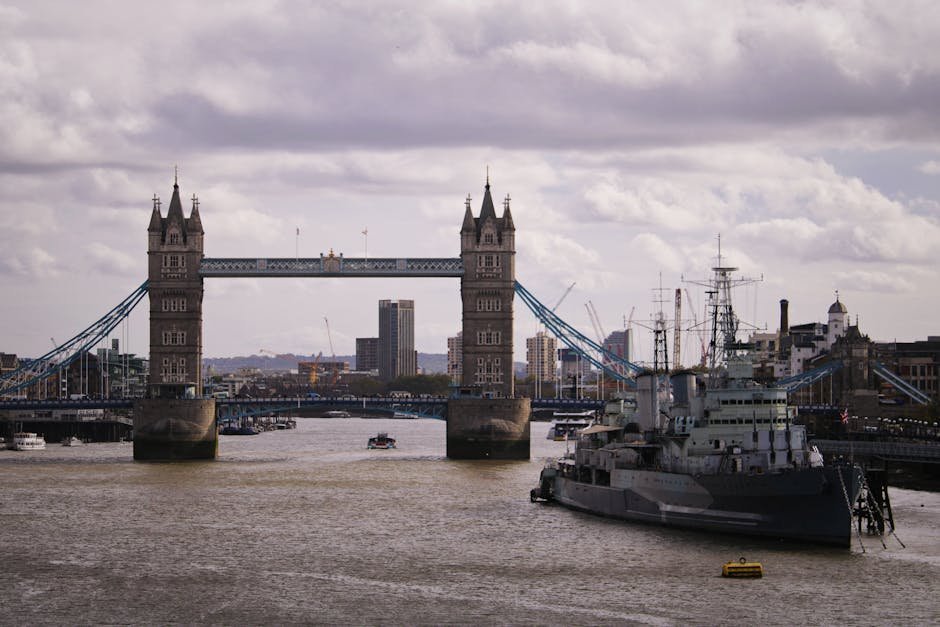
Some places maintain their allure not because they resist change but because they absorb it completely. London in the 1980s was loud, creative, politically charged, and utterly alive. Europe was a hotspot, with London calling to travelers with its punk rock allure, while Paris remained timeless, whispering its charms to anyone who walked its cobblestone streets. The punk movement had already reshaped the city’s cultural identity, and everything from music to fashion to art felt like it was happening in real time, in front of your eyes, on those rainy streets.
From the charming streets of London to the sun-kissed beaches of Miami, many destinations associated with the 1980s continue to captivate travelers today. London is proof that a place does not need to be forgotten to be underrated. It simply needs to be experienced without the filter of expectation. The museums are still free. The parks are still magnificent. The Thames still winds through the city with a kind of ancient indifference to whatever century is currently playing out on its banks. Walk across Waterloo Bridge at dusk and try not to feel something. I dare you.
Conclusion: The Past Still Has a Pulse
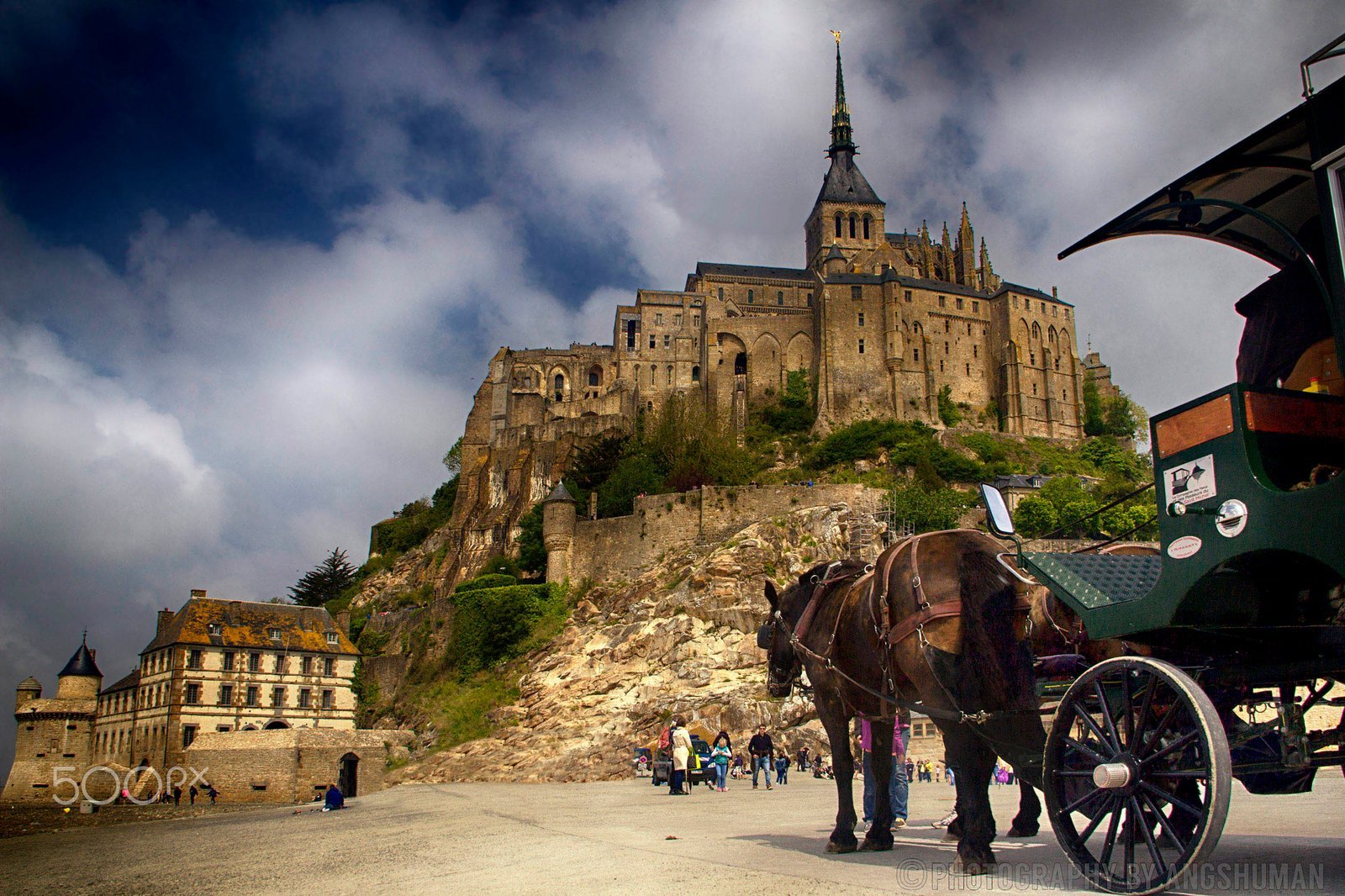
Here is what all of these destinations share: they were shaped by the 1980s but not defined by them. They existed long before the era of leg warmers and shoulder pads, and they will exist long after every travel trend has cycled through its moment of glory and faded.
The world moves fast, and travel trends move even faster. A place that was buzzing in 1985 can feel invisible by 2005 and quietly magnificent again by 2026. Retro travel isn’t new, but there are signs that the trend is picking up steam. Reports estimate that anywhere from half to nearly all people traveling with their kids choose to return to their own favorite vacation haunts. There is something deeply human about that impulse, the desire to return to beauty rather than always chase something new.
The best travel is not about being the first person somewhere. It is about showing up with open eyes and a willingness to be surprised. These places are still waiting, still gorgeous, and in many ways, more rewarding to visit now precisely because the world has moved on and left some quiet space for you. Which of these destinations would you put back on your travel list? Tell us in the comments.

Besides founding Festivaltopia, Luca is the co founder of trib, an art and fashion collectiv you find on several regional events and online. Also he is part of the management board at HORiZONTE, a group travel provider in Germany.
