

- 10 Fascinating Facts About Beethoven - March 23, 2026
- Great Literature Offers Windows into Worlds We Might Never Otherwise See - March 23, 2026
- Uncovering a Lost Book Is Like Discovering a Treasure From the Past - March 23, 2026
There is something deeply unsettling about a perfectly timed coincidence. Not unsettling in a frightening way, but in that strange, tingly way where you suddenly feel the universe might be nudging you. A name you were just thinking about appears on your phone screen. Two strangers meet on opposite sides of the world only to discover they grew up two streets apart. Humans have been wrestling with these moments for as long as we’ve had the ability to notice them, and the obsession shows no signs of cooling.
From eerie similarities in historical figures’ lives to uncanny repetitions of major world events, coincidences have fascinated people for centuries. Sometimes, chance alone can explain such patterns, but other times the alignment of details is so precise it defies logical explanation. What makes these moments so gripping is not just their improbability. It’s the feeling that the universe might be trying to say something. Let’s dive in.
Lincoln and Kennedy: History’s Most Chilling Mirror
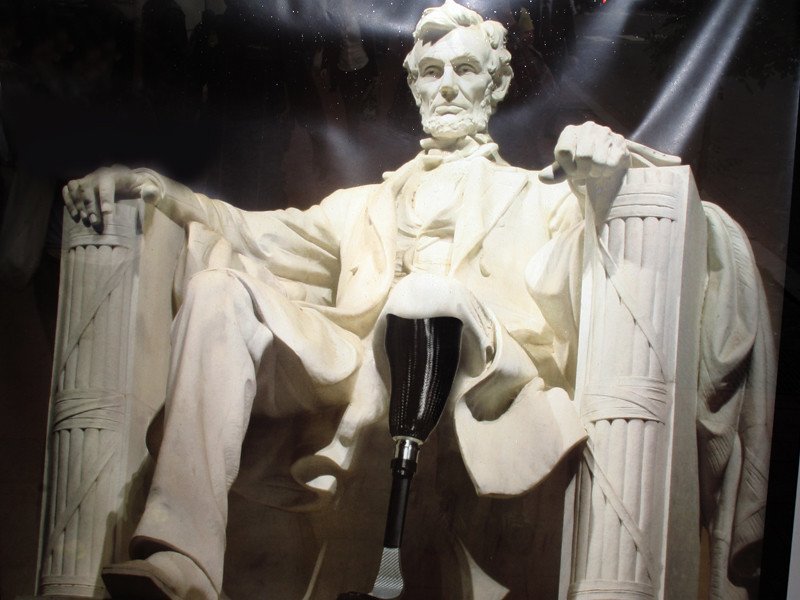
Honestly, if someone handed you this list as a work of fiction, you’d probably call it lazy writing. Few historical coincidences are as chilling as the parallels between Abraham Lincoln and John F. Kennedy. Both were elected to Congress in ’46, Lincoln in 1846 and Kennedy in 1946, and rose to the presidency in ’60, precisely one hundred years apart. That alone is striking. Then the details just keep piling up.
Both presidents were shot in the back of the head, on the Friday before a major holiday, while seated beside their wives, neither of whom were injured. Both were in the presence of another couple, and in each case that man was also wounded by the assassin. The symmetry goes even deeper. Lincoln was shot at the theatre named “Ford.” Kennedy was shot in a car called “Lincoln” made by Ford. Even their assassins seem to rhyme with each other across time. Both assassins, John Wilkes Booth and Lee Harvey Oswald, were born in ’39 and were known by their three names composed of fifteen letters. Booth ran from a theater and was caught in a warehouse. Oswald ran from a warehouse and was caught in a theater.
Now, skeptics are right to point out that it’s not difficult to find patterns and similarities between any two marginally related sets of data, and coincidences similar in number and kind can be found between many different pairs of presidents. Our tendency to seek out patterns wherever we can stems from our desire to make sense of our world, to maintain a feeling that our universe is orderly and can be understood. Still. Twenty or more overlapping details? That’s hard to simply wave away.
Jefferson and Adams: A Farewell Written in History
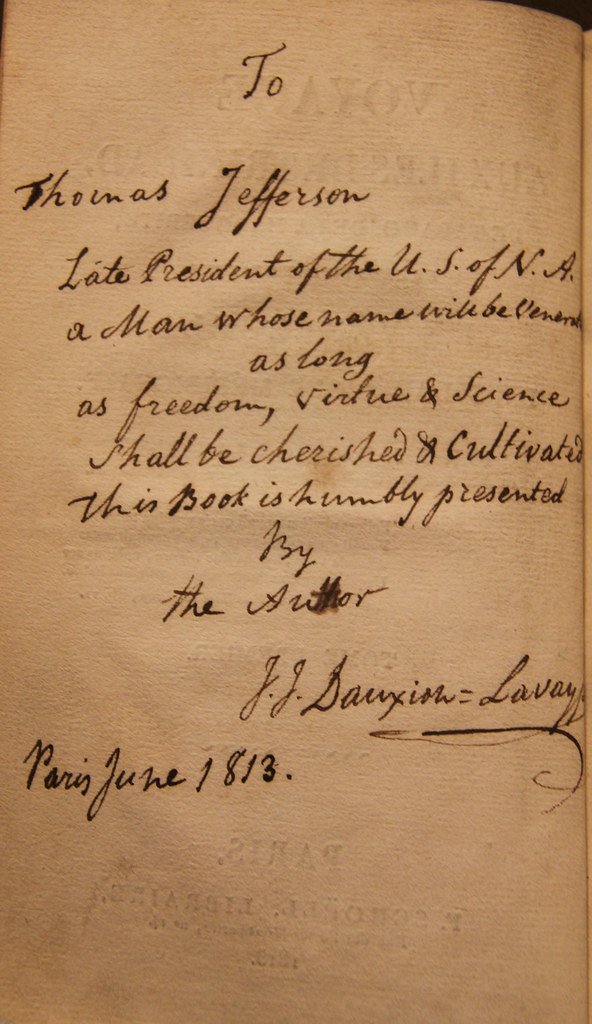
If the Lincoln and Kennedy parallel feels like a cold shock, the deaths of Thomas Jefferson and John Adams feel almost sacred. The deaths of former U.S. Presidents Thomas Jefferson and John Adams on July 4, 1826, the day of the Jubilee, the 50th anniversary of the adoption of the Declaration of Independence, was an extraordinary and eerie coincidence. Jefferson died shortly after noon at the age of 83 in Monticello, Virginia. Several hours later, Adams died in Quincy, Massachusetts at the age of 90.
Think about what that date meant. These were two of the principal architects of the Declaration itself, dying on its golden anniversary, hundreds of miles apart, on the very same afternoon. Their deaths on July 4, 1826, felt mythic. Tradition holds that Adams, unaware Jefferson had already died, whispered: “Thomas Jefferson still survives.” Americans saw divine symmetry in the timing. Two founders, reconciled in life, departing together on the nation’s golden jubilee. The story didn’t end there. Exactly five years later, on July 4, 1831, former U.S. President James Monroe also died. Three of the first five presidents, gone on the same date. At some point, probability stops feeling like the right framework for this conversation.
Mark Twain and Halley’s Comet: A Life Bookended by Fire
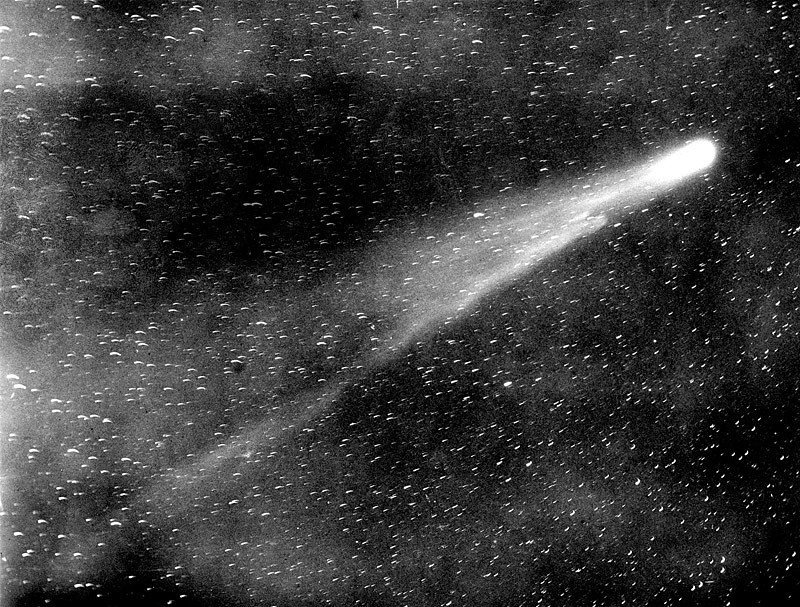
Here’s a man who seemed to sense his own cosmic timing. Mark Twain was born in 1835, a year when Halley’s Comet, which only passes the Earth every 76 years, was visible. It reappeared in 1910, the year Twain died; as a matter of fact, he died the day after it was at its brightest.
What makes this more than just an interesting footnote is that Twain actually predicted it. The coincidence becomes downright astonishing when you learn what Twain said on the matter the year before he died. According to the New York Times, he said in 1909, “The Almighty has said, no doubt, ‘Now here are these two unaccountable freaks; they came in together, they must go out together.'” There is something almost poetic about a man who wrote so brilliantly about the absurdity of life choosing to frame his own mortality as part of a celestial routine. The alignment still stands as an astonishingly personal astronomical coincidence. Whether you read this as cosmic design or phenomenal luck, it’s hard not to feel a quiet awe.
The Titan and the Titanic: When Fiction Predicted Catastrophe
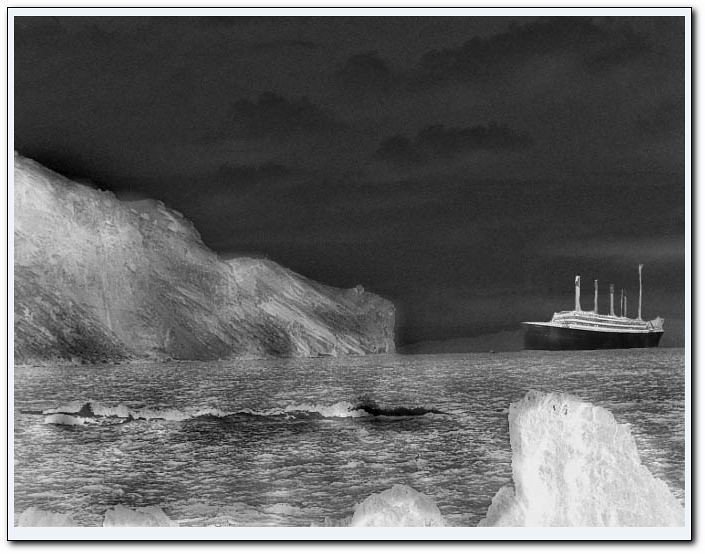
I know it sounds crazy, but sometimes a story writes itself into reality. In 1898, author Morgan Robertson penned a novella titled “Futility,” telling the story of an “unsinkable” ship called the Titan that met its end after hitting an iceberg. Strikingly, just fourteen years later, the Titanic suffered a nearly identical fate.
The specifics are what make this one genuinely unsettling. Published in 1898, Robertson’s novella imagined the sinking of a British ocean liner named Titan. Like the Titanic, it hit an iceberg in April, was considered “unsinkable,” and lacked lifeboats. The Titanic’s real sinking occurred 14 years later. Robertson wrote this well before the Titanic was even designed. There was no ship to base it on, no public conversation about such a vessel. The eerie similarities between the fictional Titan and the real Titanic disaster have fueled debate about prediction, chance, and the power of coincidence. Some call it a lucky guess about human hubris. Others think there’s something stranger going on in the fabric of time. Honestly, it’s hard to say for sure, but the overlap is too precise to dismiss outright.
Edgar Allan Poe and Richard Parker: Fiction’s Darkest Echo
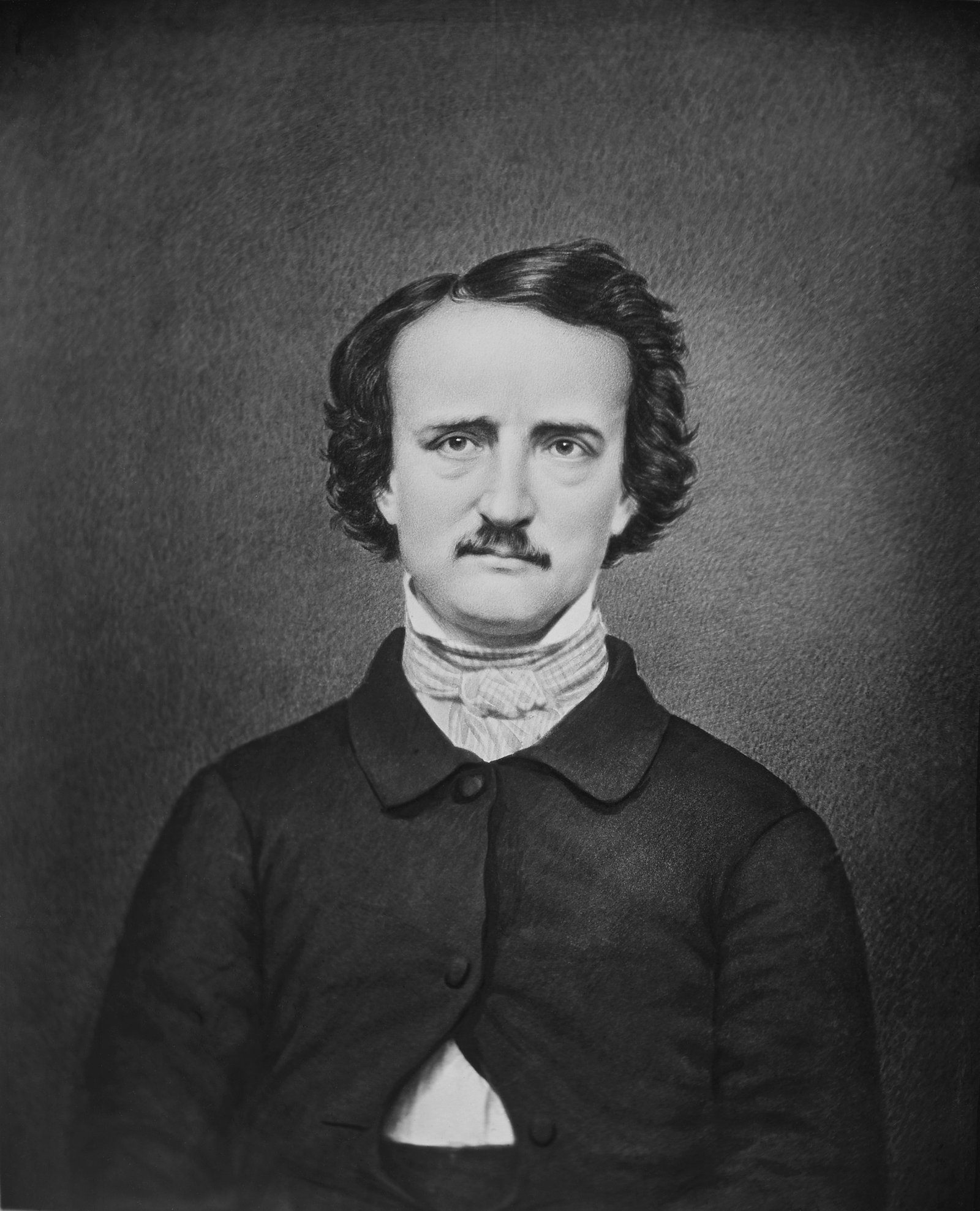
If the Titan story feels coincidental, this next one crosses over into genuinely eerie territory. Edgar Allan Poe’s tale “The Narrative of Arthur Gordon Pym” describes a shipwreck where desperate survivors resort to cannibalism, choosing a victim named Richard Parker. Astonishingly, years after Poe’s story was published, a real shipwreck echoed this grim scenario, right down to the victim’s name.
The real case involved the wreck of the yacht Mignonette in 1884, where survivors did resort to cannibalism, and the victim’s name was, indeed, Richard Parker. The bizarre overlap between fiction and reality leaves readers and historians alike wondering about the limits of coincidence. There is something deeply discomforting about this one. It raises questions that have no clean answers. Did Poe somehow intuit a future event? Was it probability finally catching up with itself? Or is this simply what happens when the universe has a morbid sense of irony? Whatever the answer, the story still sends a chill down the spine of anyone who reads both accounts side by side.
King Umberto I: The Double Who Shared Everything
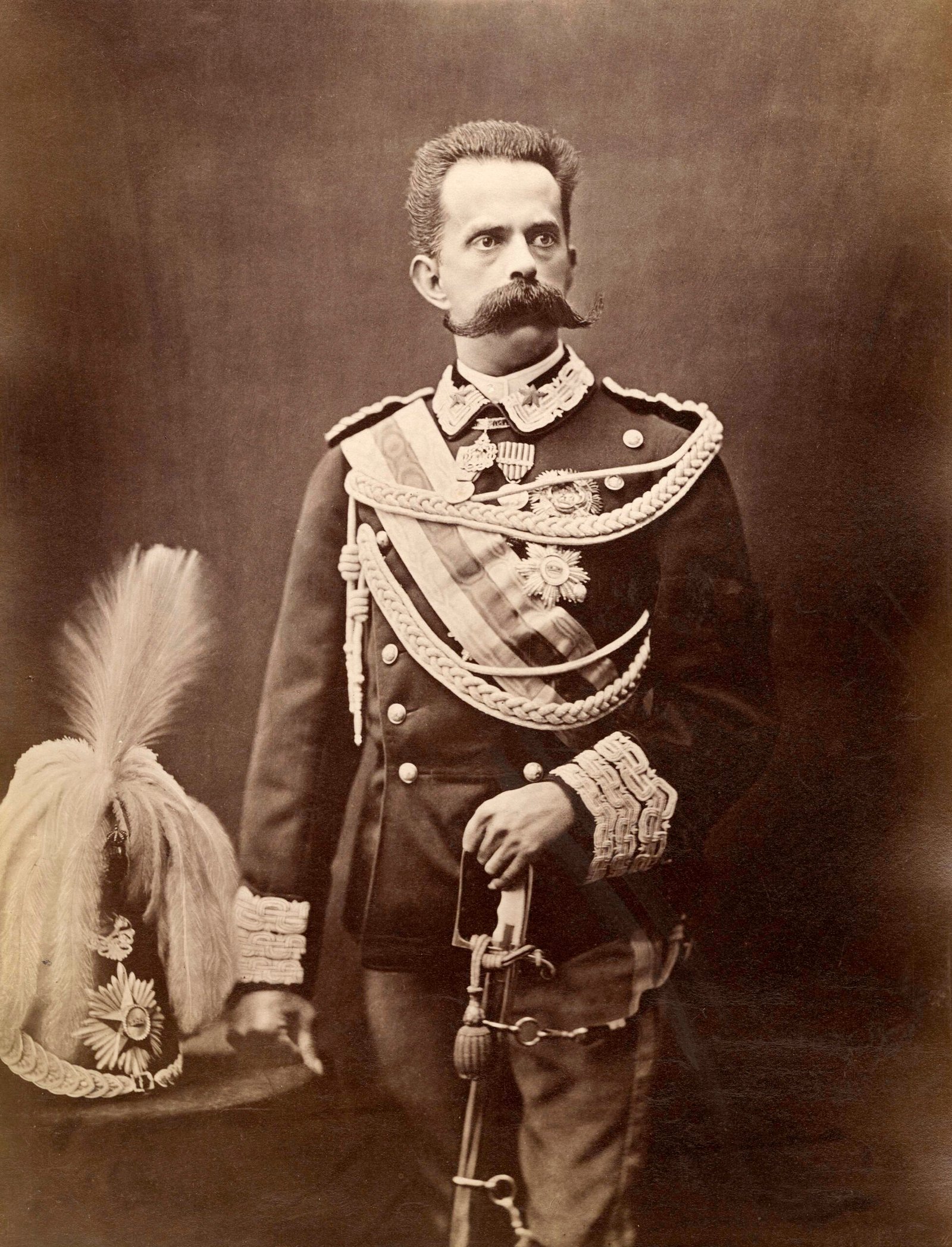
The story of King Umberto I of Italy is the kind of tale that makes you sit down quietly and stare at the wall for a moment. In 1900, King Umberto I of Italy encountered a restaurant owner who wasn’t just his physical double. They shared the same name, birthday, birthplace, and even had wives with the same name. The coincidences seemed endless, but the most astonishing was still to come: both men died on the very same day.
Let’s be real: the idea that two men could share a face, a name, a birthday, a birthplace, and the names of their wives is already staggering. The fact that they died on the same day simply tips the whole thing into the surreal. This is the kind of coincidence that doesn’t just invite curiosity. It demands it. Stories like this challenge our understanding of causality and invite us to question the very nature of fate. As we navigate the twists and turns of our own lives, we are left with a lingering sense of wonder about the hidden forces that shape our existence.
Napoleon and Hitler: History’s Most Disturbing Rhyme
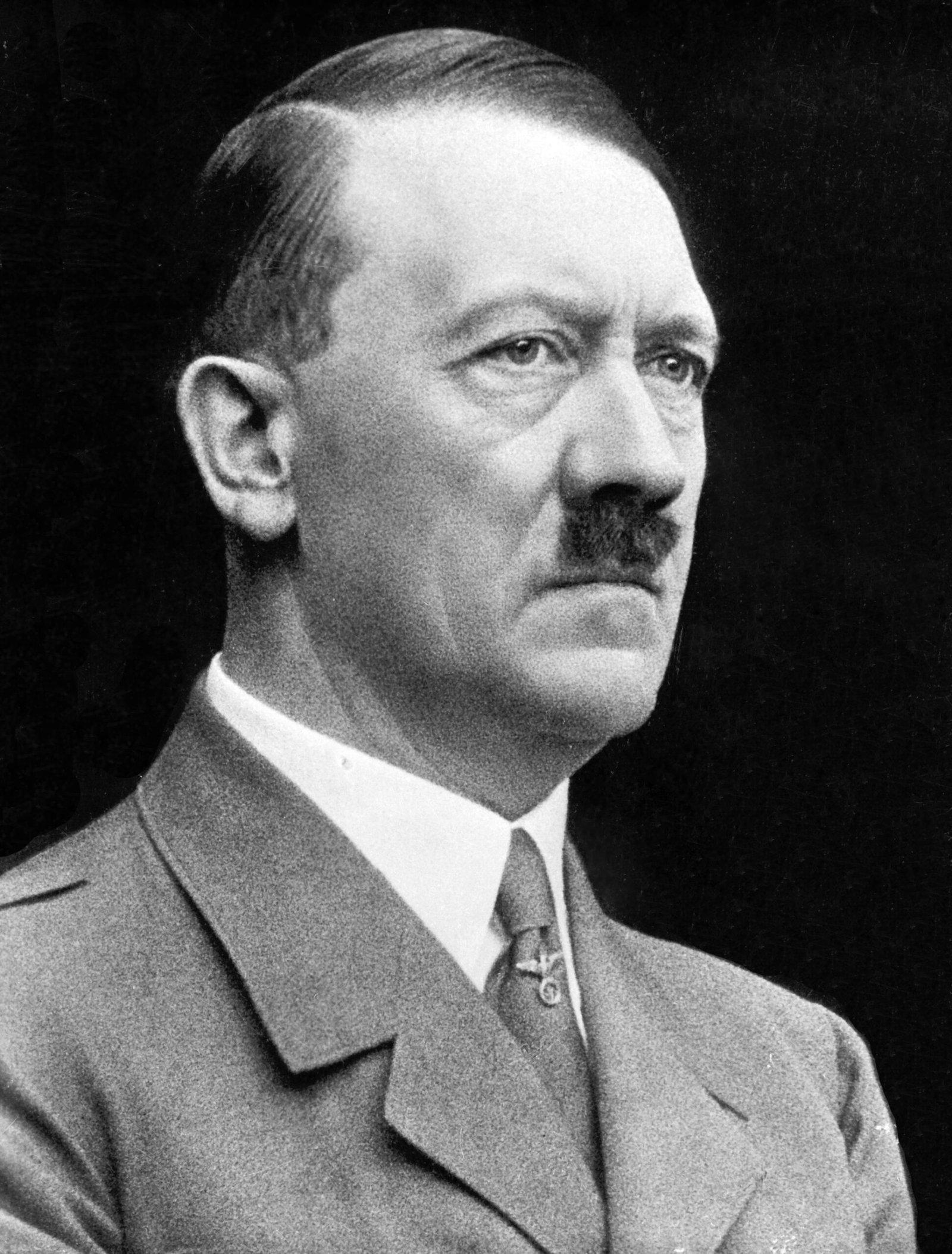
There is a concept historians sometimes reluctantly acknowledge: history doesn’t exactly repeat itself, but it does seem to rhyme. Nowhere is that more chillingly illustrated than in the parallel trajectories of Napoleon Bonaparte and Adolf Hitler. Adolf Hitler was born 129 years after Napoleon Bonaparte. Hitler’s rise to power took place 129 years after Napoleon’s. He invaded Russia 129 years after Napoleon, and he was ultimately defeated 129 years after the defeat of Napoleon.
The 129-year gap is almost clinical in its consistency. Russia’s winter didn’t discriminate. It swallowed Napoleon’s Grand Armée in 1812, then turned on Hitler’s forces in 1941. Separated by 129 years, both invasions began in summer and ended in frozen disaster. The parallels in strategy and failure remain among the most analyzed coincidences in modern military history. Think of it like a cosmic template, one giant, catastrophic mistake stamped twice onto the same page of history, in the same handwriting, with the same catastrophic ending. Whether this reflects deep patterns in human ambition and its limits, or is simply a remarkable alignment of dates, it is impossible to ignore.
Stephen Hawking and the Day the Stars Aligned
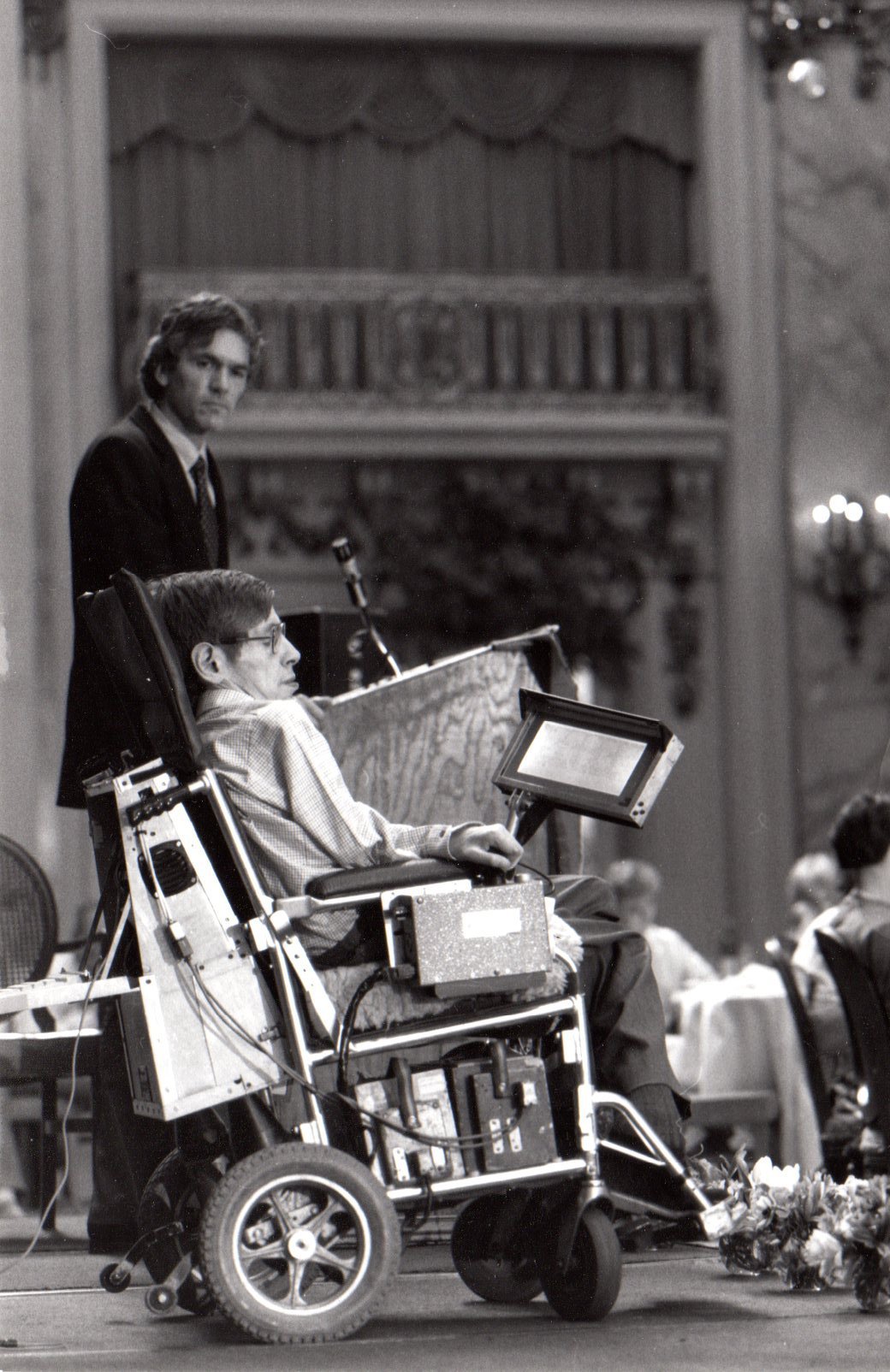
There are days that carry weight regardless of what happens on them. Then there are days that seem almost cosmically overloaded. Stephen Hawking’s death occurred on what many consider a fairly significant day: Einstein’s 139th birthday, Galileo’s 300th death anniversary, and Pi Day, March 14.
Hawking, a man who spent his life thinking about the nature of time, space, and the cosmos, departed on a day shared with two of history’s greatest scientific minds. The irony is almost too perfect. Einstein defined the universe Hawking spent his career probing. Galileo was the original rebel who turned the telescope on the heavens and dared to describe what he found. Numerous studies have shown that people perceive patterns where they don’t exist. Perhaps it’s a way for our brains to order the vast amount of stimuli we’re constantly taking in. Maybe it’s more comforting to believe the universe is ordered, rather than chaotic and unpredictable. On a day like March 14, 2018, though, even the most committed skeptic might have paused.
The Psychology Behind Our Pattern-Hungry Minds
Dep’t. of Cellular Biology & Anatomy, Louisiana State University Health Sciences Center Shreveport, CC BY 2.5)
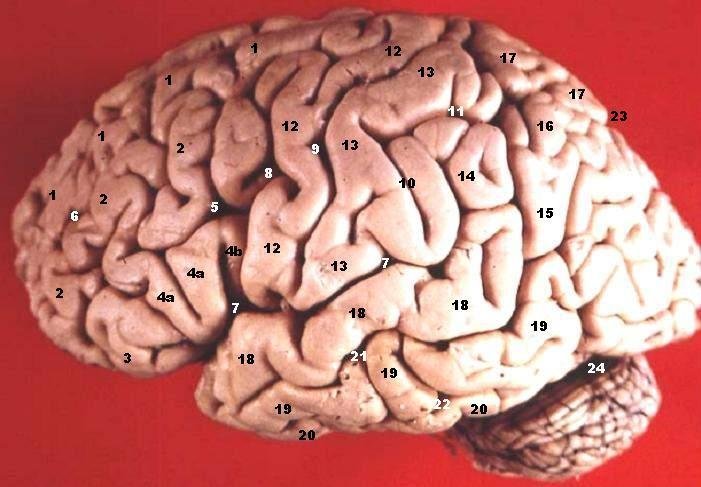
So why does any of this matter to us at all? Why can’t we just shrug and say “weird stuff happens”? The answer lies somewhere in the wiring of the human brain itself. Apophenia is the tendency to perceive meaningful connections between unrelated things. It’s not a flaw, exactly. It’s a feature. Human brains evolved to find patterns quickly. It’s how we learned to avoid danger, find food, and make decisions. Recognizing that certain rustling in the bushes meant a predator helped our ancestors survive. That same instinct now kicks in when you see patterns that aren’t really there.
The challenge is knowing when to trust the pattern and when to question it. Pattern recognition can lead to scientific discovery. During the cholera outbreak of 1854, Dr. John Snow first detected a correlation, deaths occurring near a certain water pump, before he could understand the causality of a disease spreading through bacteria in the water supply. In other words, sometimes the pattern is real and vitally important. The psychoanalyst Carl Jung used the term “synchronicity” to describe instances of apparent connection between co-occurring events with no clear causal relationship. More than just coincidences, they take on powerful meaning in a person’s mind and appear to be a result of more than chance. It’s a fine line between intuition and illusion, and most of us walk it every single day.
Conclusion: The Meaning We Make and the Meaning That Finds Us
Here’s the thing. We may never know whether profound coincidences are glimpses of a hidden order in the universe, or just the inevitable output of a world that generates staggering amounts of events every second. Confirmation bias is real, but coincidences are fun. In a certain way they might “mean nothing,” but the fact that we persist in identifying them and finding them noteworthy means something.
What matters, perhaps, is not whether the pattern is “real” in a scientific sense. What matters is what we do with the feeling it creates. We prefer things to happen for a reason. Ambiguity can bring uncertainty and anxiety. The brain itself is geared for pattern recognition, looking for structure and organization out of chaos and randomness. Coincidences, then, are invitations. They invite us to slow down, to look twice, to wonder.
The next time something inexplicable aligns in your life, maybe resist the urge to immediately explain it away. Sit with it for a moment. History’s most remarkable coincidences haven’t been solved. They’ve simply become more interesting over time. What would you have guessed about the universe if you’d been standing in the room with King Umberto I and his double?

Besides founding Festivaltopia, Luca is the co founder of trib, an art and fashion collectiv you find on several regional events and online. Also he is part of the management board at HORiZONTE, a group travel provider in Germany.
