

For any feedback please reach out to info@festivalinside.com
- 10 Massive Books Worth Every Last Page - April 12, 2026
- The Most Misunderstood Song Lyrics - April 12, 2026
- The Comfort of Music: Ten Relaxing Classical Pieces - April 12, 2026
Music has a habit of escaping its creator. A songwriter finishes a track, releases it into the world, and then watches as listeners absorb it through their own lens, shaped by personal experience, limited attention, and the way melody can completely override meaning. It happens more often than most people realize, and sometimes the gap between intent and interpretation becomes almost comically wide.
The phenomenon is so common there is even a technical term for it: mondegreen, which describes a misheard or misunderstood word or phrase that seems perfectly plausible in context. A mondegreen is defined as a misheard word or phrase that makes sense in your head but is, in fact, incorrect. The term was coined in a November 1954 Harper’s Bazaar piece.
Some misunderstandings are harmless: a swapped syllable, a muddled consonant, a chorus heard through a car window. Others run far deeper. They involve whole songs being adopted as anthems for causes their writers actively opposed, or romantic playlists filled with tracks about jealousy and control. The songs below are among striking examples of the divide between what was written and what was heard.
Bruce Springsteen’s “Born in the U.S.A.” – Protest Anthem Mistaken for Patriotic Cheer

The catchy refrain of bluesy rock guitar and The Boss’s ragged baritone voice made “Born in the U.S.A.” a go-to jam for many Americans during patriotic events and celebrations. Ironically, the hit song actually isn’t the ultra-patriotic anthem it’s often passed off as. The title track off Bruce Springsteen’s blockbuster 1984 album isn’t the patriotic singalong many people thought it was. In fact, Springsteen himself called it “a protest song.”
The song’s tell of a local man who’s railroaded into military service during the Vietnam War, scarred by his experiences in Southeast Asia, and completely forgotten about by his country when he returns home. Springsteen’s protagonist can’t find work or shake the image of the brother he lost in Khe Sanh. Ten years after the war, he’s got nothing left except a claim to his birthplace. The song has been treated as a flag-waving paean to America by right-wing politicians, reacting to the patriotic tone of the song’s chorus, without seeming to acknowledge the bitter critique of American policy and society present in the . Ronald Reagan was one of the first to misrepresent the song’s message, referencing it during his 1984 presidential campaign.
It’s not enough to say the Bruce Springsteen hit is misunderstood. Its contrasts – between grim verses and a joyous chorus, damning facts and fierce pride – are what give it its anthemic power. These misunderstandings often stem from listeners focusing solely on choruses while ignoring verses, or from the deceptive contrast between upbeat musical arrangements and complex lyrical content.
The Police’s “Every Breath You Take” – The Wedding Song That Isn’t

Released in 1983 by The Police, “Every Breath You Take” is one of the most recognizable songs in modern music. With its smooth melody, gentle rhythm and classic 80s production, many listeners mistakenly hear it as a heartfelt love ballad. It’s no surprise it regularly appears in first dance playlists, anniversary parties, and romantic Spotify compilations. Although often thought of as a love song, the are the words of a possessive lover who is watching every breath and every move. Sting later said he was disconcerted by how many people think it is a positive song. He insists it is about the obsession with a lost lover, and the jealousy that follows.
Sting himself said of the track: “It sounds like a comforting love song. I didn’t realise at the time how sinister it is. I think I was thinking of Big Brother, surveillance and control.” When asked why he appears angry in the music video, Sting told BBC Radio 2, “I think the song is very, very sinister and ugly and people have actually misinterpreted it as being a gentle little love song, when it’s quite the opposite.” Even the drummer of the band was initially fooled: it wasn’t until after the song was released that Stewart Copeland realized it wasn’t a love song. “Sting was a master of bait and switch,” he said in a 2019 Songfacts interview.
R.E.M.’s “Losing My Religion” – Nothing to Do With God
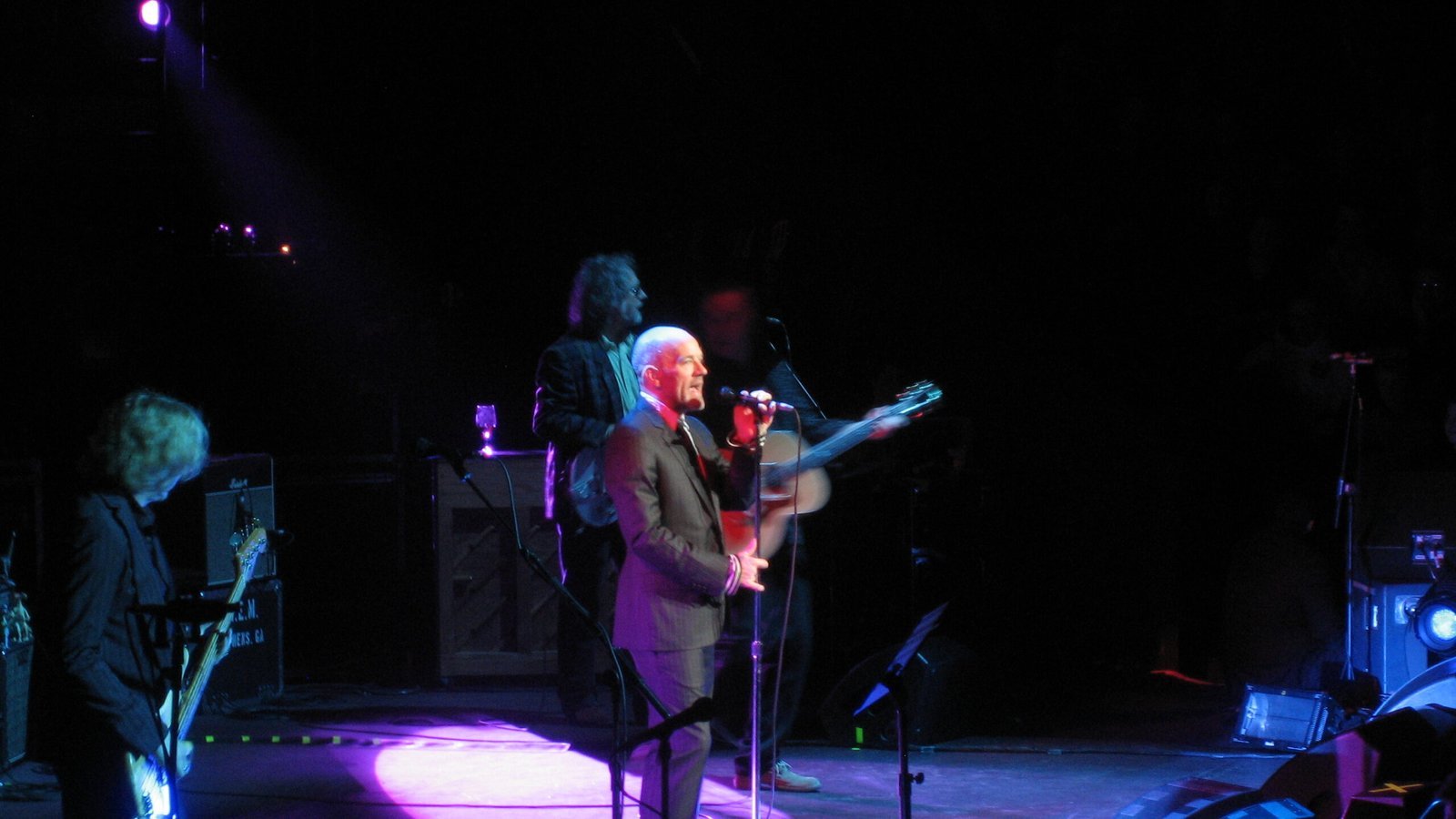
“Losing My Religion” features you can understand, and yet they were largely misunderstood anyway. Was it sacrilegious? A kiss off to the establishment? Were R.E.M. advocating that you reject the church and stop celebrating Christmas? In fact, this was not the case. Millions of listeners assumed the title was a commentary on faith, Christianity, or the decline of organized religion. The song’s atmospheric video, filled with religious imagery, only deepened that assumption.
In a New York Times interview from 1991, Stipe said it was about “romantic expression,” and noted that the phrase “losing my religion” was actually a Southern US expression referring to being at the end of one’s rope. Stipe, who comes from a long line of Methodist ministers and is an admirer of Buddhism, was merely giving a little-known southern saying a poetic facelift, by building a wall of evocative words around it. Stipe has generally said that the song’s narrator is pained by one of those messy unrequited love situations, as the narrator’s inability to find love with his crush reaches a breaking point.
Foster the People’s “Pumped Up Kicks” – Catchy Song, Harrowing Subject

Few examples illustrate the tension between sound and meaning as sharply as this one. The song arrived in 2010 with a breezy, indie-pop whistle loop and a shuffle beat built for radio. Millions danced to it. Although “Pumped Up Kicks” serves a radio-friendly groove of a tune, it doesn’t detract from the fact that the song is about a child’s desire to become a school shooter.
The track holds a darker meaning behind its alt-pop dance sound. Foster wrote it from the point of view of a deeply troubled youth named Robert, who’s named only once at the beginning of the song. Mark Foster told CNN Entertainment in a 2012 interview: “I wrote ‘Pumped Up Kicks’ when I began to read about the growing trend in teenage mental illness. I wanted to understand the psychology behind it because it was foreign to me.” As the years passed and mass shootings became more frequent, the irony of the song’s popularity grew harder to ignore. Foster told Billboard he was leaning towards retiring the song: “Where we’re at now, compared to where we were 10 years ago, is just horrific. Shootings have continued to happen, and I feel like there are so many people that have been touched, either personally or by proxy, by a mass shooting in this country.”
ELO’s “Don’t Bring Me Down” – A Word That Was Never a Name
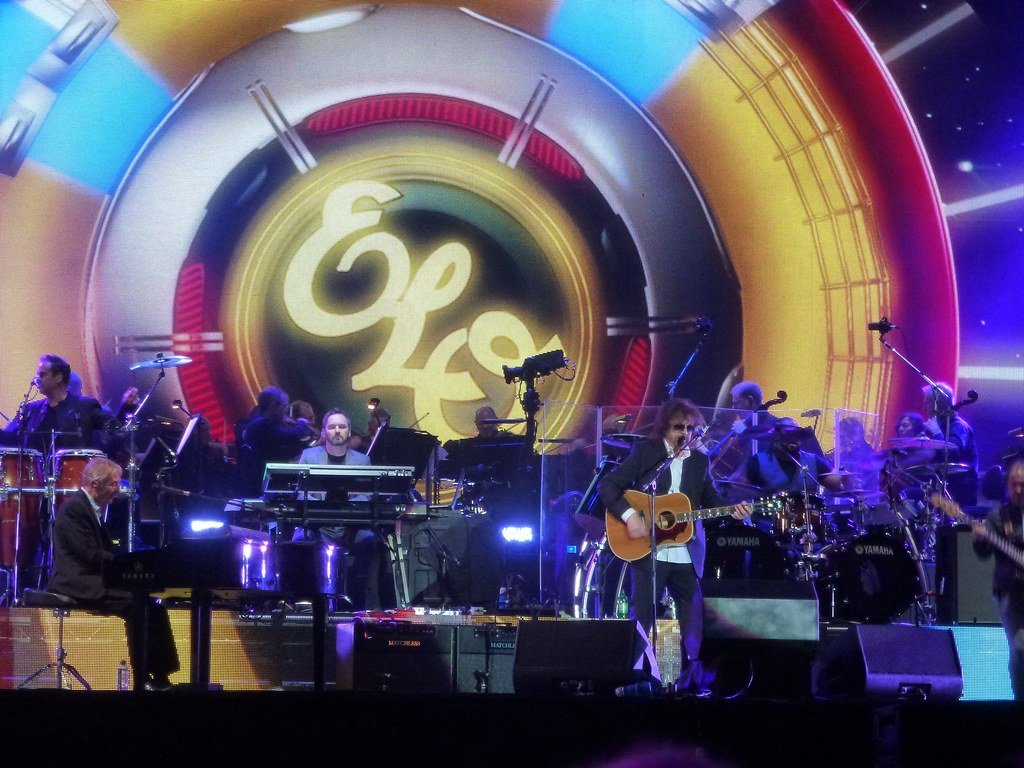
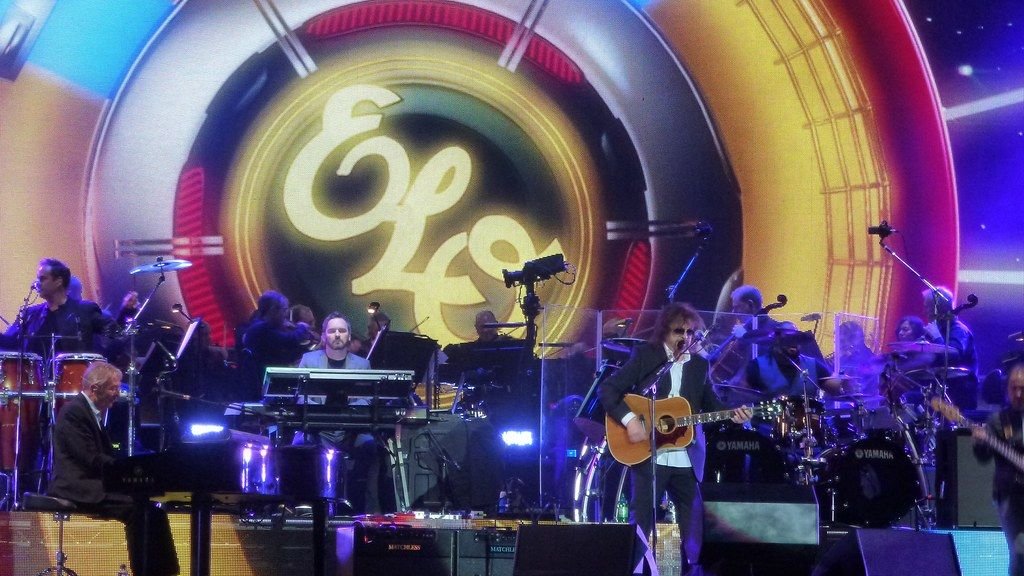
This one is a lighter case, but it remains one of the most persistent mix-ups in pop history. Written by Jeff Lynne, “Don’t Bring Me Down” is the group’s biggest hit. As he was recording the track, Lynne realized he was short a syllable on one line and threw in the nonsensical sound “groose.” Fans heard “Bruce,” and since the actual word used makes no difference in the meaning of the song, he let it stick – and sometimes chooses to sing the mistaken lyric rather than his original.
The mix-up says something interesting about how listeners fill in gaps. When a sound doesn’t make immediate sense, the brain substitutes something familiar. Though the group’s biggest hit has the line “Don’t bring me down, groose,” most listeners mishear it as “Don’t bring me down, Bruce.” The word “Bruce” was plausible enough, and the song was catchy enough, that nobody stopped to question it. It became a curious case where the wrong version actually helped the song feel more memorable.
Jimi Hendrix’s “Purple Haze” – A Sky, Not a Kiss
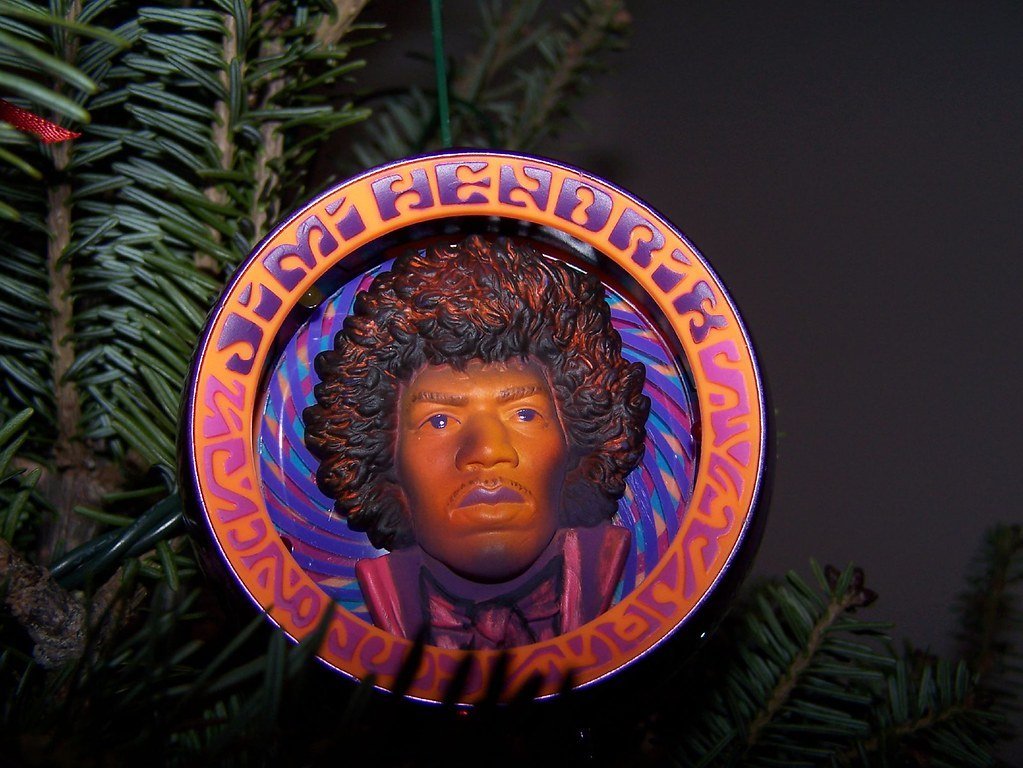
The lyric has been the subject of jokes and speculation for decades. During the psychedelic rock era, it was easy for listeners to assume the strangest possible meaning was the intended one. In a song with meaning as complex as “Purple Haze,” it still makes more sense that Jimi Hendrix would sing “‘scuse me while I kiss the sky” instead of “‘scuse me, while I kiss this guy.” The second version spread rapidly, partly because Hendrix’s vocal delivery could blur the final consonant, and partly because the era invited that kind of feverish interpretation.
Hendrix, rather than correcting listeners harshly, occasionally sang the wrong words on purpose in his live shows. It was a graceful response. He understood that music lives between the singer and the audience, and that audience readings, however wrong, can take on their own kind of life. The song was about the disorienting experience of infatuation, not a gender-defying public declaration. Still, the mix-up outlasted almost every other misheard lyric of its era.
Blinded by the Light – Revved Up, Not What You Think
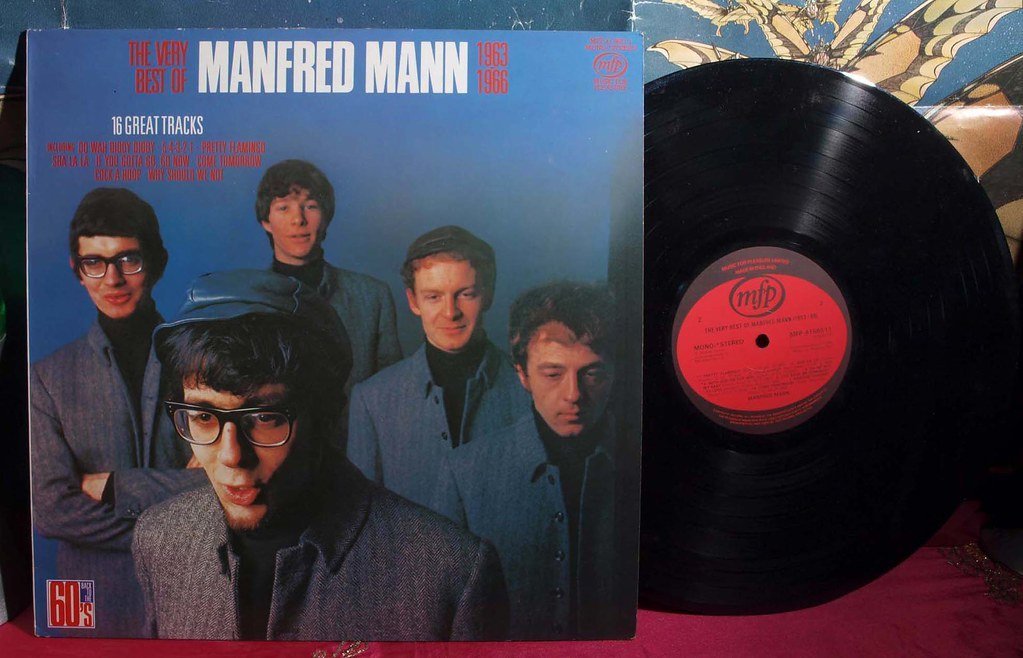
Written by Bruce Springsteen and later made famous by Manfred Mann’s Earth Band, this song carries what may be the most repeated misheard lyric in radio history. When people try to recall what Manfred Mann’s Earth Band sings in “Blinded By The Light,” the result is a jumbled mess of false memories and misunderstood : “Blinded by the light, wrapped up like a douche when you’re rollin’ in the night.” While Bruce Springsteen first recorded the song, it wasn’t until Mann covered it that “Blinded By The Light” revved to the top of the Billboard Hot 100.
The actual lyric is “revved up like a deuce, another runner in the night,” a reference to a 1932 Ford coupe. The misheard version, however, became so widespread that it essentially took on a cultural life of its own, generating decades of incredulous conversations among listeners who swore they had always heard it correctly. The pronunciation quirks in Mann’s version made the garbled reading almost inevitable. It is, in some ways, a perfect example of how a single word in a dense lyric can detour an entire song’s reputation.
Randy Newman’s “Short People” – Satire Taken at Face Value
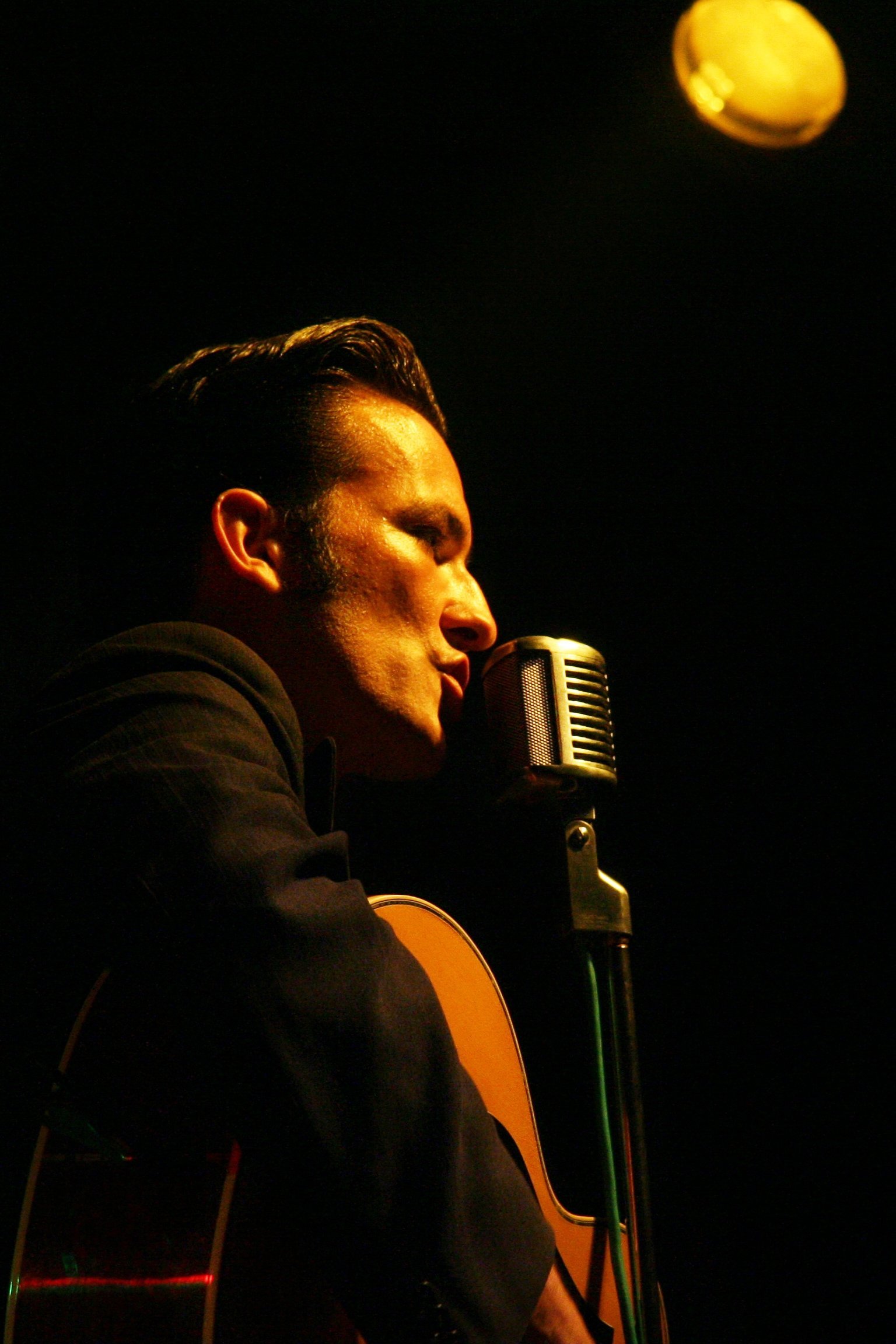
This is one of the starkest examples of a songwriter’s intent being completely reversed by public reaction. When “Short People” was released in 1977, it triggered genuine outrage. People organized protests, radio stations banned it, and some listeners took genuine personal offense. What many failed to recognize was that the song was satirical. “Short People” was Randy Newman’s biggest pop hit; it was everywhere and angered a lot of people. In classic American fashion, no one took the time to research the they vehemently protested, or knew anything about Newman’s then decade-long career writing sardonic ditties sung by an unreliable narrator to get larger points across about bigotry, misogyny, and man’s general inhumanity to man.
Newman had built an entire artistic identity around the use of an unreliable narrator, someone who espouses extreme or offensive views in order to expose them as absurd. The song’s narrator is the butt of the joke, not the target audience. The problem was that satire only lands when the audience is in on it, and in this case, the outrage arrived before the explanation did. The song remains a case study in how easily irony gets lost when delivered through a pop format to a mass audience.
ABBA’s “Dancing Queen” – A Title That Got Away From Itself
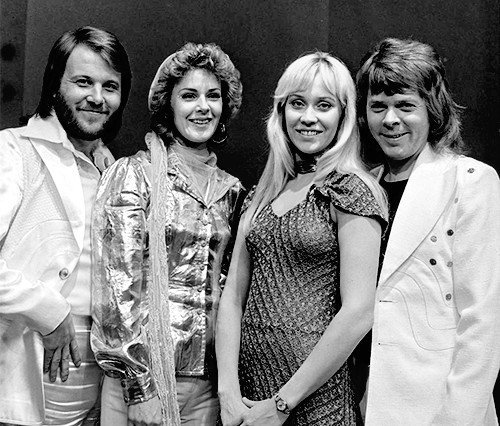
The misheard lyric here inspired one character in a 2013 film to quip, “See that girl, watch her scream, kicking the dancing queen.” It might also be their most misunderstood song. According to a poll conducted by Blinkbox in 2014, roughly one in five listeners reported hearing the famous that way. The actual lyric is “See that girl, watch that scene, dig in the dancing queen.” It is a small difference, but the altered version creates an entirely different tone, turning a joyful portrait of a young woman dancing into something almost chaotic.
The world’s obsession with ABBA has lasted through the generations, but the Swedish group’s hit song “Dancing Queen” always seems to be a source of confusion. Part of the reason is the sheer speed of the delivery in the bridge, combined with the accented English of the Swedish singers. The song remains one of the most sung-along-to tracks in pop history, which means more people have been confidently wrong about its than perhaps any other disco-era hit.
Duran Duran’s “Rio” – America Dressed as a Woman
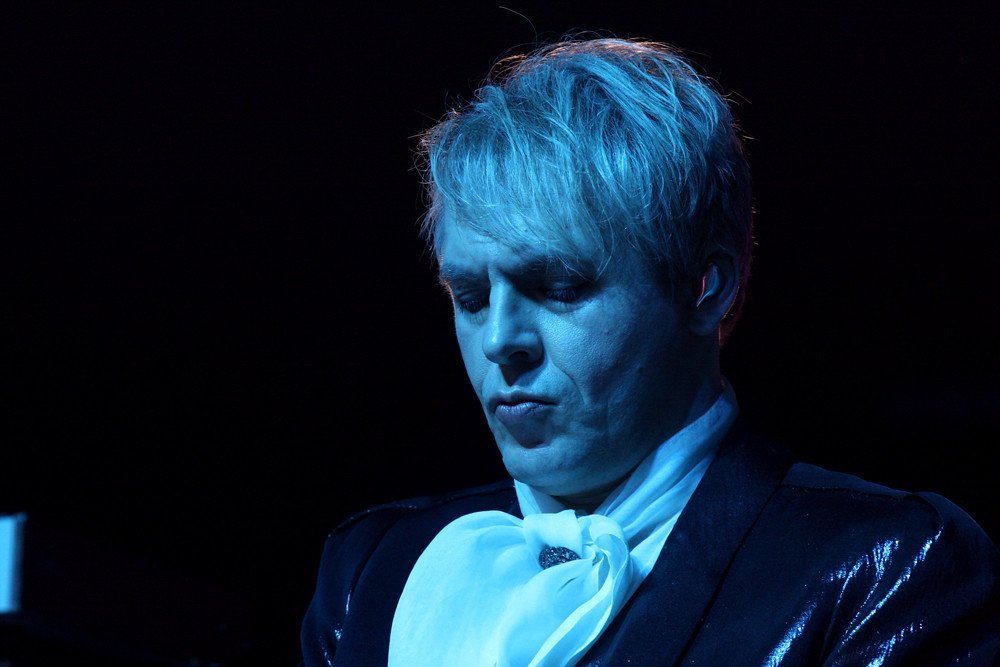
On the surface, “Rio” sounds like a breezy ode to an exotic, glamorous woman. The video cemented that reading with its imagery of models on yachts and vivid colors. Duran Duran’s breakout hit “Rio” is often misunderstood. According to the band, the track is meant to be a metaphor for America and the group’s desire to find success in the country. Many fans, however, take it at face value and assume it’s about a beautiful, exotic woman.
The song was written at a time when Duran Duran was hungry for American recognition, and “Rio” was their coded expression of that ambition. The woman in the song was never quite real. She was a stand-in for aspiration, for the glittering promise of breaking through in the U.S. market. Knowing that doesn’t make the track less enjoyable, but it does reframe almost every lyric. The video’s aesthetics were persuasive enough that the band’s own explanation has never fully replaced the popular reading. Even today, “Rio” is filed under “great song about a woman” in most people’s mental libraries.
The Conclusion: Who Gets to Decide What a Song Means?
The history of misunderstood raises a question that doesn’t have a clean answer. Once a song is released, the songwriter loses a certain amount of control over its meaning. Listeners bring their own lives to it, their own associations, their own emotional needs. Sometimes that process produces something unexpectedly rich. Sometimes it produces a protest anthem from an anti-war song, or a wedding favorite from a surveillance ballad.
What’s consistent across these examples is that musical packaging does enormous interpretive work. A rousing drum pattern, a smooth guitar line, an upbeat tempo – each can override lyrical content in the mind of a casual listener. The melody reaches people first. The words, if they arrive at all, often arrive filtered through whatever the music has already suggested. Springsteen’s E Street Band made a lament sound like a victory lap. Sting made obsession sound like tenderness. The production told one story while the told another, and for most listeners, the production won.
There’s no real remedy for this, and perhaps none is needed. Music culture’s relationship with misreading has produced its own folklore, its own humor, and its own layer of meaning that exists entirely apart from the songwriter’s intent. The gap between what artists write and what listeners hear isn’t always a failure of communication. Sometimes it’s just proof that songs, like all durable art, outlive the intentions that made them.

Christian Wiedeck, all the way from Germany, loves music festivals, especially in the USA. His articles bring the excitement of these events to readers worldwide.
For any feedback please reach out to info@festivalinside.com
