
- 12 Iconic Pop Culture Moments That Defined the 20th Century - March 30, 2026
- 10 Must-Read Native American Authors - March 30, 2026
- The Most Beautifully Designed Book Covers in History - March 30, 2026
Picture this: the late 1960s, a time when America simmered with unrest over Vietnam, civil rights, and a youth culture hungry for change. Massive outdoor gatherings exploded onto the scene, blending rock, folk, blues, and psychedelia into something electric, drawing hundreds of thousands to muddy fields and sun-baked speedways. These weren’t just shows; they were raw expressions of rebellion, unity, and experimentation that reshaped music forever.[1][2]
From flower power to darker turns, these festivals captured the era’s highs and lows. Let’s dive into the ones that truly etched themselves into history.
Monterey International Pop Festival (1967)
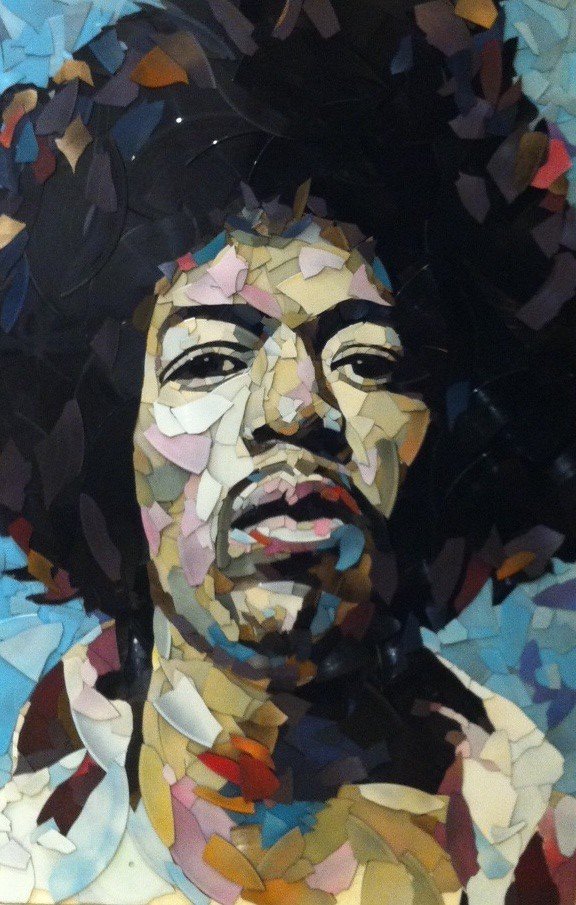
The Monterey Pop Festival kicked off the whole phenomenon in June 1967 at the Monterey County Fairgrounds, featuring breakthroughs like the Jimi Hendrix Experience’s U.S. debut, where he set his guitar ablaze, The Who’s amp-smashing chaos, and Janis Joplin’s soul-shredding set with Big Brother and the Holding Company. Jefferson Airplane, Grateful Dead, and Ravi Shankar added layers of psychedelia and world music to the mix. Crowds swelled to around 100,000 over three days, soaking in an atmosphere thick with free love, incense, and the fresh buzz of the Summer of Love.[1][3]
Honestly, this event felt like a cultural big bang. Its legacy? Launching Hendrix and Joplin into stardom while proving rock festivals could be profitable art, paving the road straight to Woodstock.[4]
Miami Pop Festival (May 1968)
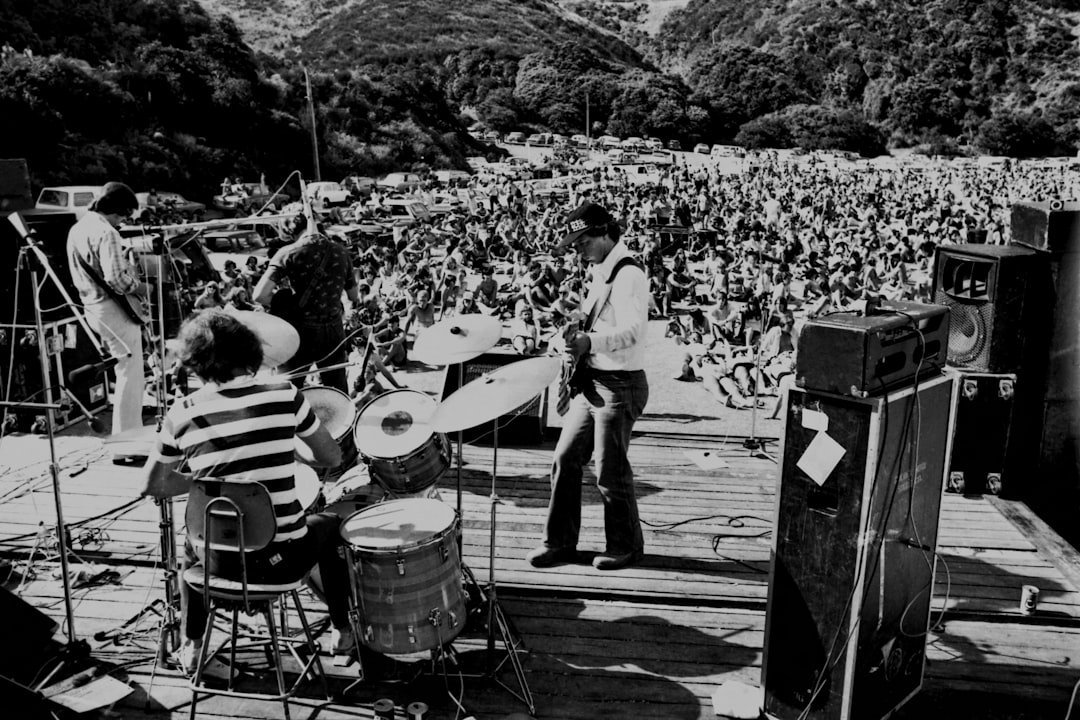
Gulfstream Park in Hallandale turned into a sweltering hotspot that May, with Jimi Hendrix headlining alongside Frank Zappa’s Mothers of Invention, Chuck Berry’s rock ‘n’ roll roots, and Steppenwolf’s raw energy. Around 100,000 fans braved the Florida heat for two days of blues, psych, and emerging hard rock. The vibe pulsed with youthful defiance, though logistics strained under the sun and crowds.[5])[6]
Here’s the kicker: Woodstock’s organizers cut their teeth here. That hands-on chaos helped them handle the ’69 monster, marking Miami as a gritty precursor in the festival saga.[7]
Isle of Wight Festival (1969)
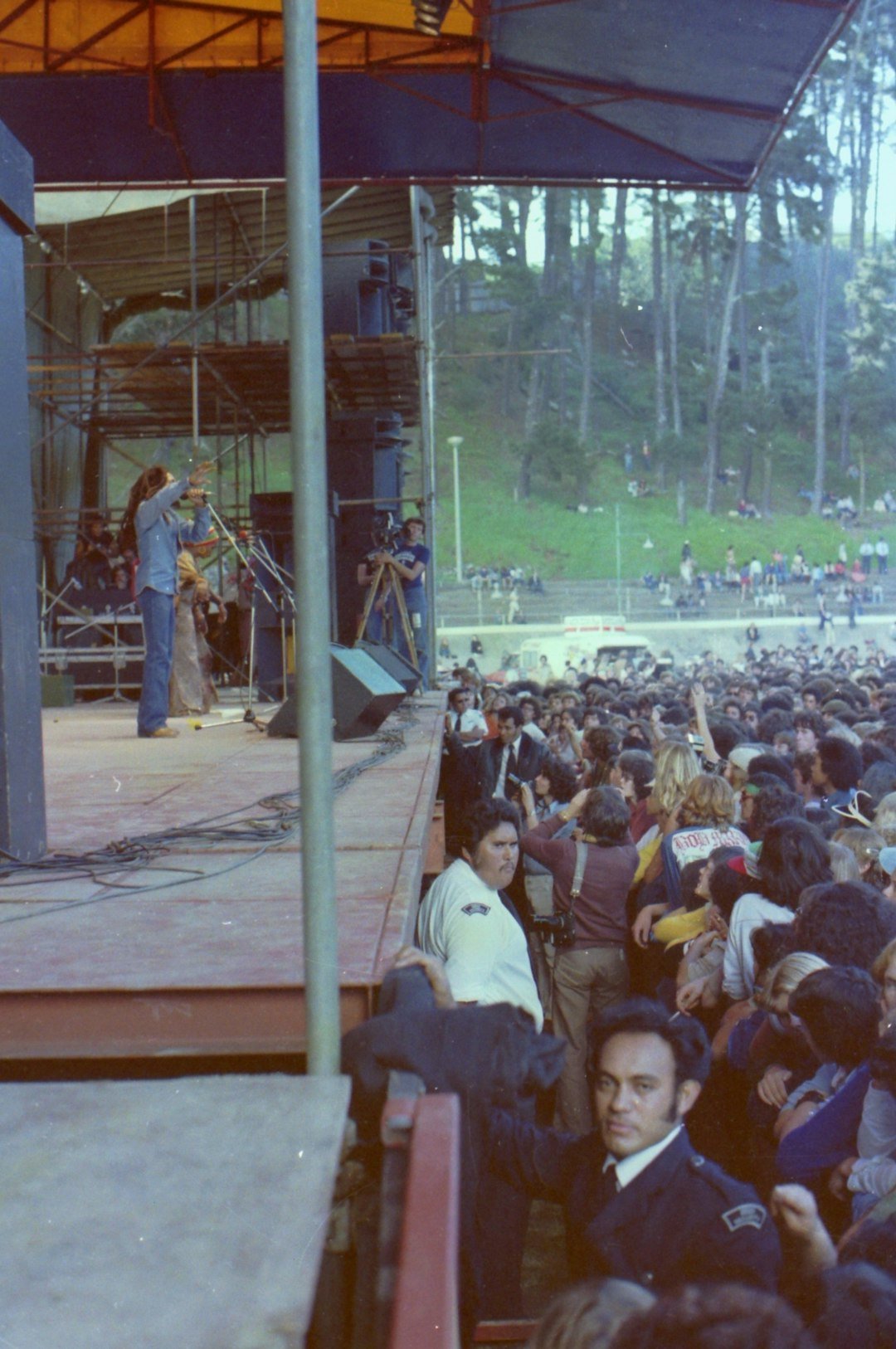
Across the pond on England’s Isle of Wight, August 1969 drew nearly 200,000 with Bob Dylan and The Band’s comeback set, The Who’s explosive power, Joe Cocker’s raspy soul, and Richie Havens’ folk fire. Moody Blues and Free rounded out a lineup blending folk-rock and hard edges. The island paradise turned into a sea of tents and euphoria, despite gate-crashers testing security.[8]
It rivaled Woodstock in scale and spirit. This bash solidified Europe’s festival scene, proving the counterculture wave wasn’t just American.[9]
Woodstock Music and Art Fair (1969)
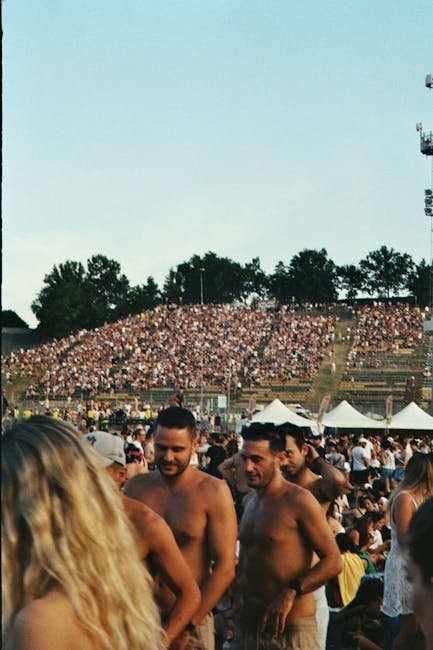
Max Yasgur’s farm in Bethel, New York, hosted the pinnacle from August 15-18, 1969, with Jimi Hendrix’s rain-soaked “Star-Spangled Banner,” Janis Joplin’s raw howl, The Who’s rock opera fury, and sets from Jefferson Airplane, CSNY, and Santana. Over 400,000 descended, turning fields into a muddy utopia of peace signs and shared vibes amid traffic jams and thunderstorms. It was communal bliss meets logistical nightmare.[2][10]
Woodstock became the era’s shining myth. Its legacy endures as the ultimate symbol of 1960s idealism, inspiring endless revivals and documentaries.[11]
Atlanta International Pop Festival (1969)
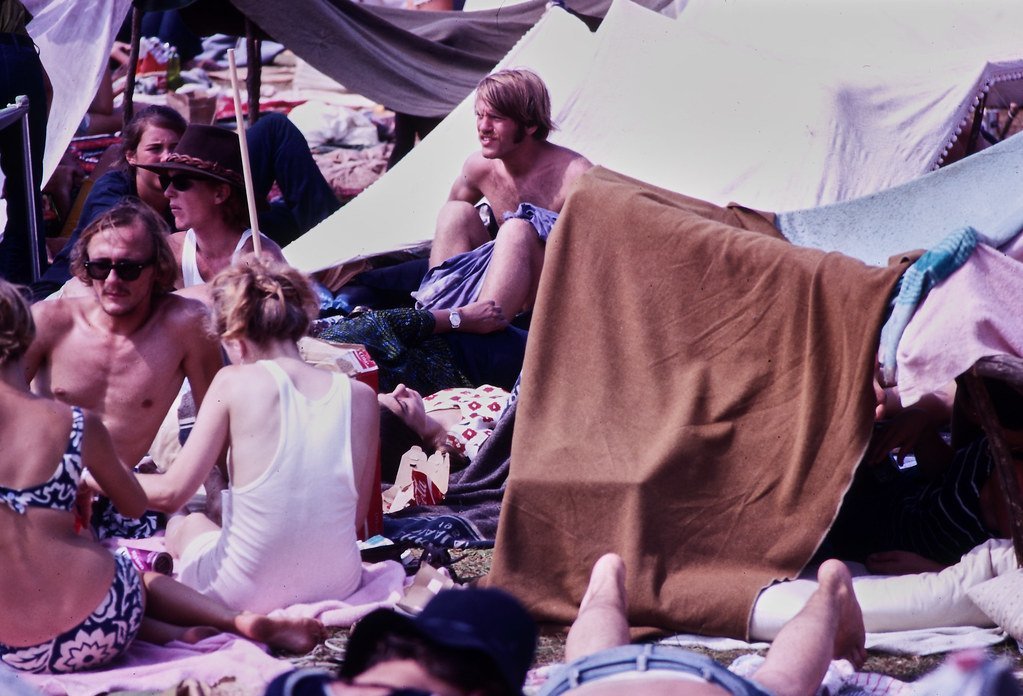
July 1969 at Atlanta International Raceway packed 150,000 into the Deep South heat for Jimi Hendrix’s biggest U.S. crowd ever, the Allman Brothers’ debut, Janis Joplin, Creedence Clearwater Revival, and Joe Cocker. Grand Funk Railroad and others fueled a diverse bill from blues to psych. Sweltering temps and open fields created a hazy, freewheeling haze of Southern counterculture.[12][13]
Let’s be real, it brought hippie vibes to Dixie. The fest’s bold integration and massive turnout highlighted rock’s expanding reach.[14]
Texas International Pop Festival (1969)
Labor Day weekend in Lewisville, Texas, saw 120,000 fans endure 100-degree scorchers for Led Zeppelin’s thunderous debut, Janis Joplin, Santana, Johnny Winter, Chicago, and Sly and the Family Stone closing strong. Canned Heat and B.B. King added blues depth. Post-Woodstock energy crackled, though dust and delays tested endurance.[15][16]
This Lone Star blowout rivaled the big ones. It boosted Zeppelin’s U.S. fame and showed festivals thriving nationwide.[17]
Harlem Cultural Festival (1969)
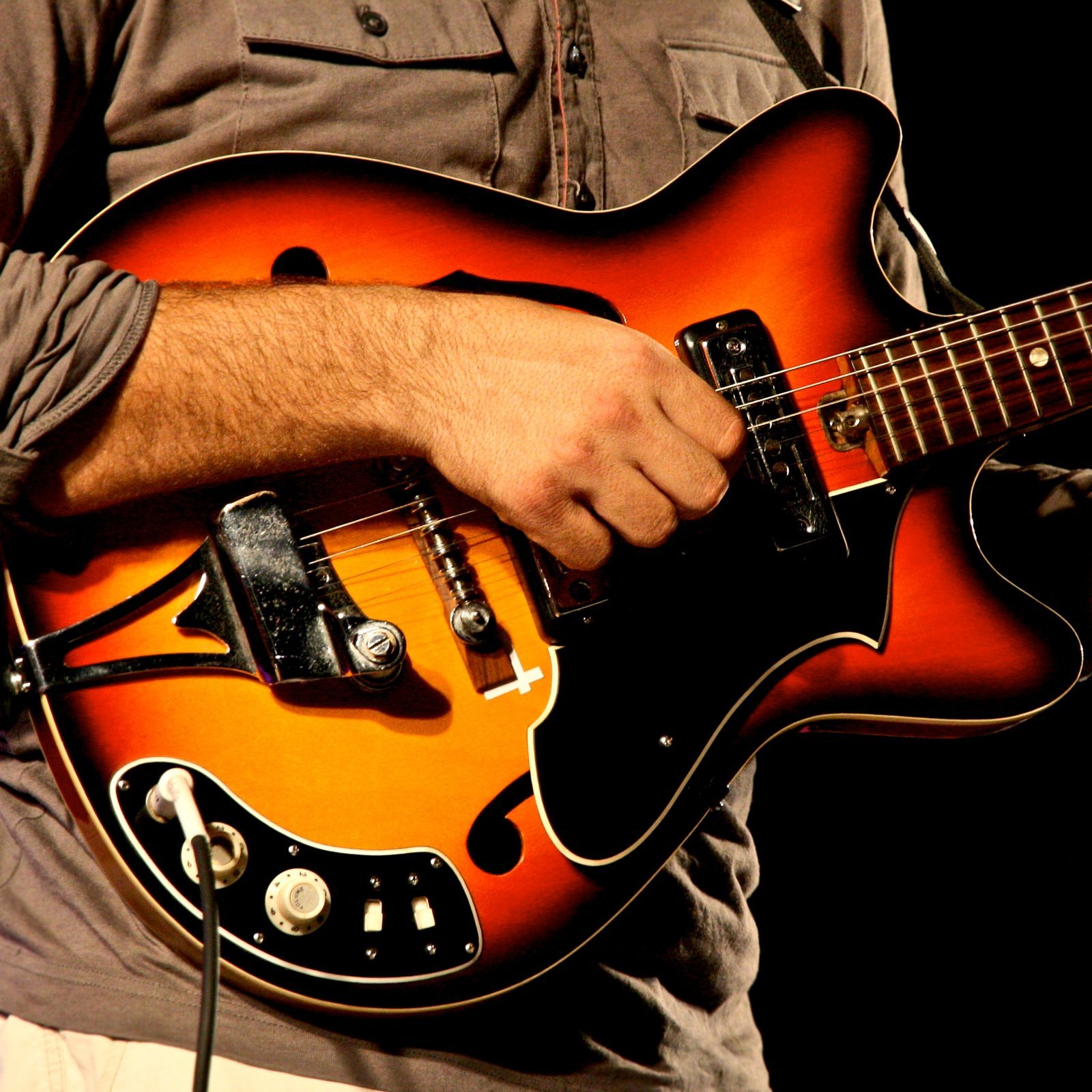
Summer Sundays in Mount Morris Park drew 300,000 for “Black Woodstock,” starring Stevie Wonder’s funk grooves, Nina Simone’s fiery activism, B.B. King, Sly and the Family Stone, and Gladys Knight. Gospel, soul, and jazz flowed freely. The atmosphere buzzed with pride and joy amid civil rights struggles, a vibrant block party on steroids.[18][19]
Overshadowed back then, its rediscovery via film cements the legacy. It celebrated Black excellence, proving festivals transcended the mainstream rock narrative.[20]
Altamont Speedway Free Concert (1969)
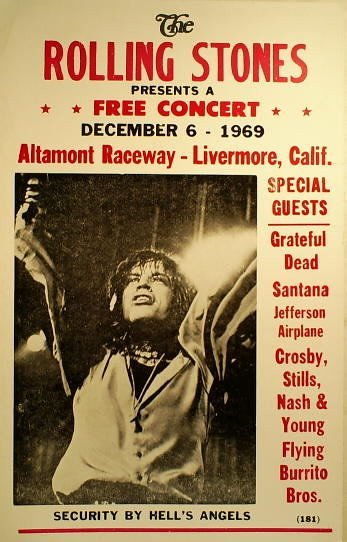
December 6 at Altamont Speedway climaxed with the Rolling Stones, flanked by Santana, Jefferson Airplane, Grateful Dead, CSNY, and Flying Burrito Brothers. Hells Angels as security sparked fights from the start. What began hopeful devolved into brawls, stabbings, and a death amid 300,000 in a dusty racetrack hellscape.[21][22]
The dark flip side to Woodstock’s light. Altamont shattered the peace-and-love illusion, signaling the 1960s dream’s bitter end.[23]
The Era’s Musical Transformation
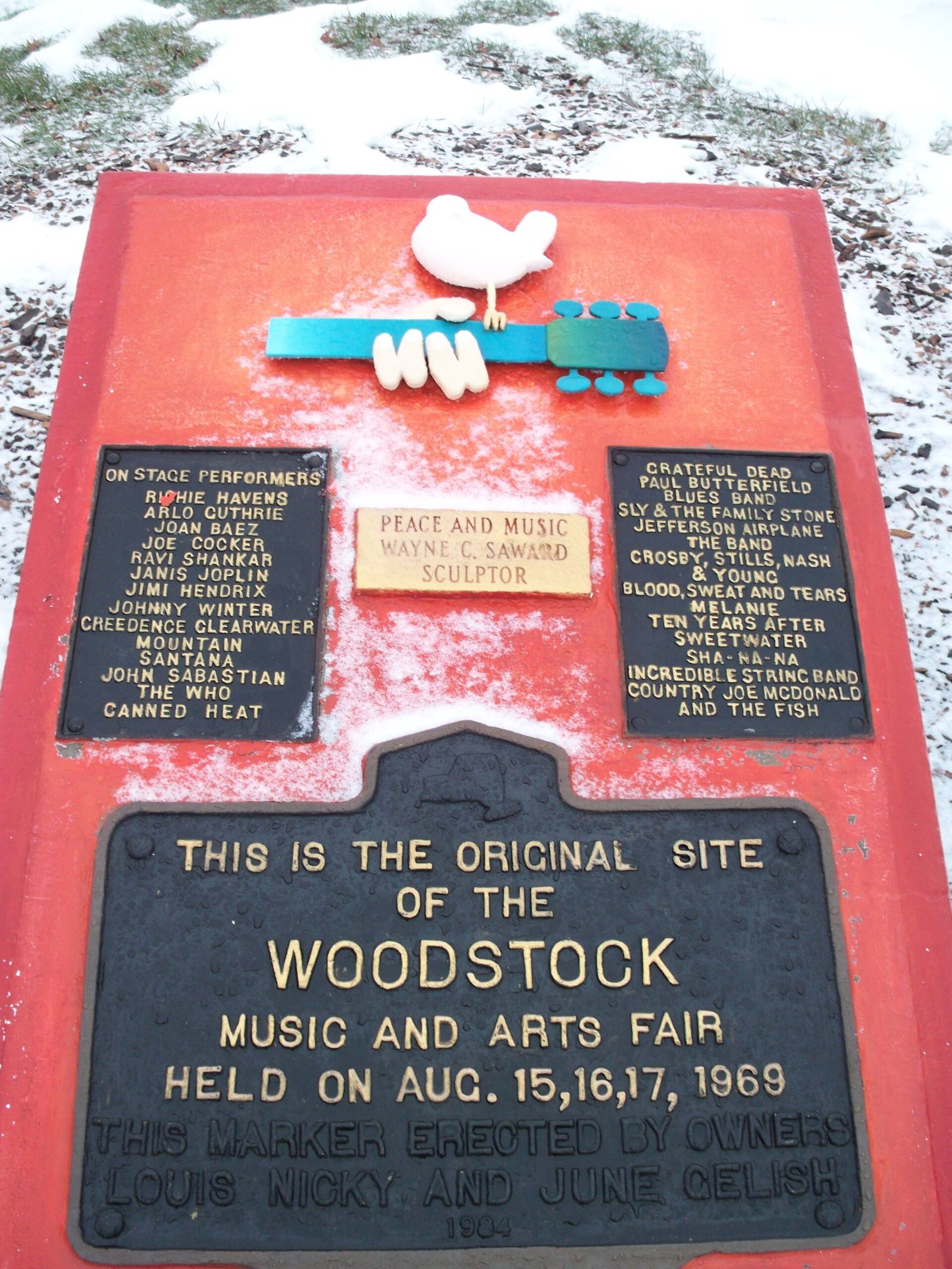
These gatherings morphed rock from stadium filler to communal ritual, blending genres and ideologies in ways that echoed long after. They birthed modern festival culture while exposing its fractures, from utopian highs to violent crashes. I think it’s wild how they captured a generation’s soul, flaws and all.
Today’s massive events owe everything to this wild ride. What festival moment hits you hardest? Share below.

Besides founding Festivaltopia, Luca is the co founder of trib, an art and fashion collectiv you find on several regional events and online. Also he is part of the management board at HORiZONTE, a group travel provider in Germany.
