

For any feedback please reach out to info@festivalinside.com
- 10 Best Street Festivals Around the World - April 10, 2026
- 10 Iconic Movie Scenes That Were Completely Improvised by Actors - April 10, 2026
- The Stark Contrasts Between Past and Present Fashion Echo Timeless Cultural Shifts - April 9, 2026
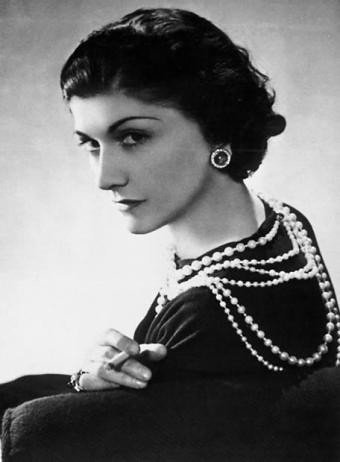
In the fast-paced world of fashion, where trends flicker and fade, a handful of visionaries stand eternal. Their creations didn’t just adorn bodies; they shifted cultures, toppled conventions, and built empires that dominate runways today. A fresh guide published on February 2, 2026, spotlights these trailblazers, reminding us how their boldness fuels the $2.5 trillion industry. What ties them together? Pure, unfiltered innovation that turns fabric into legacy.
Here’s the thing: revisiting these legends in early 2026 feels timely, as sustainability and digital shifts challenge the old guard. Their stories offer blueprints for reinvention. Ready to meet the masters?
Charles Frederick Worth: Pioneering Haute Couture
Charles Frederick Worth earns his title as the father of haute couture for transforming dressmaking into high art back in the 1850s. Born in England in 1825, he set up shop in Paris, launching made-to-measure gowns for the elite that featured crinolines and bustles defining Victorian elegance. Empress Eugénie turned his biggest champion, flaunting his designs at court and sparking the mannequin preview system. This savvy move birthed seasonal collections, a staple ever since. Worth’s House endures, proving one visionary can spawn an industry. His blend of craft and commerce set the gold standard.
Coco Chanel: Simplicity as Liberation
Gabrielle “Coco” Chanel shattered corset-era shackles, ushering comfort into women’s wardrobes starting in 1910. Jersey fabrics, the little black dress, and Chanel No. 5 perfume in 1921 became her hallmarks of sleek power. She ditched frills for clean lines, tweed suits, and costume jewelry, empowering flappers in the Roaring Twenties. Wartime ties to Nazis stirred controversy, but her gender-blurring tailoring outlasted scandals. A 1960s comeback sealed her resilience. Today, those interlocking Cs scream timeless luxury.
Christian Dior: The New Look Revolution
Christian Dior’s 1947 New Look exploded postwar gloom with cinched waists and swirling skirts of lavish fabric. Launching in 1946, his house draped stars like Marilyn Monroe and Grace Kelly in feminine fantasy. Architectural training fueled his precise, voluminous silhouettes that echoed from ballgowns to daily dresses. Death at 52 in 1957 couldn’t dim the flame; Yves Saint Laurent carried it forward. The brand now rakes in billions across fashion and beauty. Dior’s opulence redefined recovery as extravagance.
Yves Saint Laurent: Muse Turned Maverick
At just 21, Yves Saint Laurent succeeded Dior in 1957, injecting youth into couture’s veins. His 1962 label debuted ready-to-wear on Rue Saint-Honoré and the 1966 women’s tuxedo, smashing gender walls. Art and global vibes – from African prints to Ballets Russes – infused his diverse palettes. Le Smoking and Opium perfume mixed rebellion with riches. Retirement in 2002 amid struggles left a thriving house under Anthony Vaccarello. Saint Laurent made luxury street-smart and subversive.
Vivienne Westwood: Punk’s Provocative Queen
Vivienne Westwood, with Malcolm McLaren, lit the 1970s punk fuse in London, alchemizing safety pins and rips into couture fire. Her SEX boutique defied Thatcher norms with bondage gear and tartans. Corsets, platforms, and historical twists earned her an OBE in 1992, irony intact. Early sustainability pushes and climate activism marked her evolution. Even past 80, her shows subvert with Marie Antoinette minis and protest art. Westwood wields fashion as fierce political weapon.
Gianni Versace and Rei Kawakubo: Glamour Meets Deconstruction
Gianni Versace stormed Milan in 1978 with baroque prints, gold, and silks hugging supermodels like Naomi Campbell. Medusa motifs and Diana’s patronage built a celebrity runway empire, revived by Donatella after his 1997 murder. Revenues top €1 billion on bags and nostalgia. Meanwhile, Rei Kawakubo’s 1981 Comme des Garçons debut rattled Paris with lumpy asymmetries and deconstructed voids. From Tokyo since 1969, her monochromatic philosophy questions beauty and buy-everything culture. Dover Street Markets fuse shop and gallery; her influence warps Balenciaga today.
Final Thought
These titans – from Worth’s ateliers to Kawakubo’s abstractions – wove fashion into history’s warp and weft. Elsa Schiaparelli’s surreal lobsters, Balenciaga’s volumes, and McQueen’s theatrics extend the pantheon. Their spark ignites tomorrow’s creators. Which designer’s legacy hits closest to home for you? Share in the comments.
Source: Original YouTube Video

Christian Wiedeck, all the way from Germany, loves music festivals, especially in the USA. His articles bring the excitement of these events to readers worldwide.
For any feedback please reach out to info@festivalinside.com
