


For any feedback please reach out to info@festivalinside.com
- 25 Festival Moments So Wild They Changed Event History - February 25, 2026
- 20 Classic Novels People Say They’ve Read (But Usually Haven’t) - February 24, 2026
- Sadhguru Crowns Osho Among 20th Century’s Sharpest Minds in Rare Endorsement - February 24, 2026
Think you know your history? There are moments that defined this nation, turning points so powerful they still echo through the streets, the voting booths, and the daily lives of Americans in 2025. Some are taught in every classroom. Others have faded from memory but shaped the nation just as profoundly.
Let’s be real: history isn’t just dusty textbooks and memorized dates. It’s the story of how we got here, mistakes and triumphs woven together into something messy, beautiful, and occasionally heartbreaking. Every single moment you’re about to read transformed the course of the United States, often in unexpected ways. You might think you’ve heard these stories before, but wait until you see how they all connect.
The Declaration of Independence Changed Everything
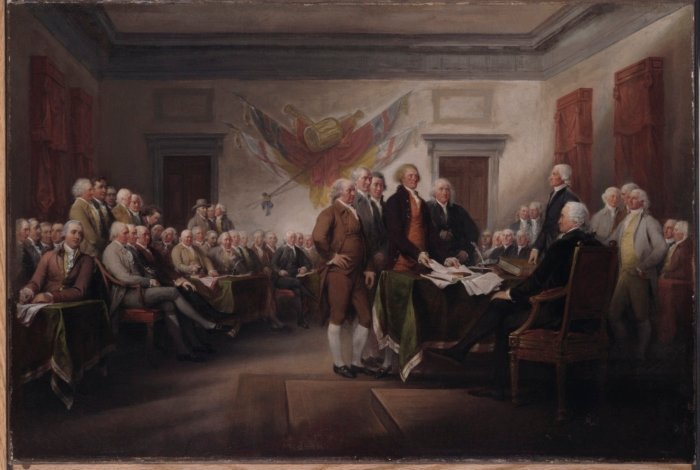
On a sweltering July day in 1776, something extraordinary happened. The Continental Congress adopted the Declaration of Independence on July 4, 1776. This wasn’t just a piece of paper. It was a bold, dangerous act of defiance that would shape the world for centuries to come. In ratifying and signing it, the delegates knew they were committing an act of high treason against The Crown, which was punishable by torture and death. Imagine the courage it took to put your name on that document, knowing what might happen if the revolution failed.
The Declaration’s second sentence, “We hold these truths to be self-evident, that all men are created equal, that they are endowed by their Creator with certain unalienable Rights, that among these are Life, Liberty and the pursuit of Happiness”, is considered one of the most significant and famed lines in world history. Those words became more than an American ideal. They inspired revolutions and reform movements across the globe. The Declaration explains why the Thirteen Colonies regarded themselves as independent sovereign states no longer subject to British colonial rule, and has become one of the most circulated, reprinted, and influential documents in history.
Interestingly, the famous signing ceremony didn’t happen right away. Most historians have concluded that it was signed on August 2, 1776, nearly a month after its adoption, and not on July 4 as is commonly believed. The document had to be carefully copied by hand first. August 2, 1776, is one of the most important but least celebrated days in American history when 56 members of the Second Continental Congress started signing the Declaration of Independence in Philadelphia.
The American Civil War Tore the Nation Apart to Save It
The Civil War is the central event in America’s historical consciousness. While the Revolution of 1776-1783 created the United States, the Civil War of 1861-1865 determined what kind of nation it would be. The conflict erupted over one fundamental issue that had haunted the nation since its founding: slavery. The election of Abraham Lincoln, a member of the antislavery Republican Party, as president in 1860 precipitated the secession of 11 Southern states, leading to a civil war.
The scale of devastation was unimaginable. The war left an estimated 700,000 soldiers dead, along with an undetermined number of civilian casualties, making it the deadliest in American history. To put that in perspective, roughly 2 percent of the 1860 population of the United States died in the war. The war remains the bloodiest conflict in American history. Entire communities were destroyed, families torn apart, and an entire generation scarred by the horrors they witnessed.
Yet from this tragedy came transformation. The Confederacy collapsed, slavery was abolished, and four million enslaved black people were freed. The war-torn nation then entered the Reconstruction era in an attempt to rebuild the country, bring the former Confederate states back into the United States, and grant civil rights to freed slaves. Northern victory in the war preserved the United States as one nation and ended the institution of slavery that had divided the country from its beginning. But these achievements came at the cost of 625,000 lives, nearly as many American soldiers as died in all the other wars in which this country has fought combined.
The Constitution Created a Framework for Democracy
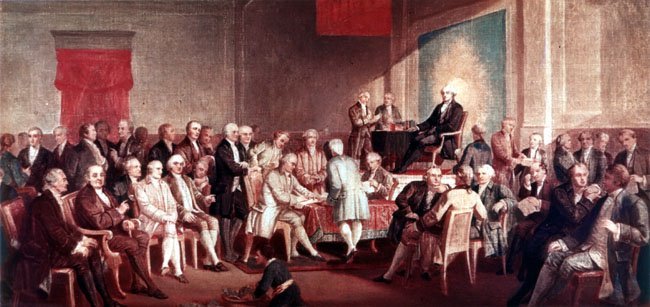
After winning independence, Americans faced a daunting challenge: how do you actually govern a new nation? The Articles of Confederation proved too weak, leaving the country vulnerable and disorganized. After independence, the U.S. needed more than ideals. It needed structure. Delegates met in Philadelphia to draft a new Constitution, debating everything from state power to individual rights. The result was a document that still shapes American democracy, which balanced governance with personal freedoms.
This wasn’t a smooth process. Intense debates raged between those who wanted a strong federal government and those who feared centralized power. The compromises reached in that Philadelphia convention room established the foundation for the government we have today, with its system of checks and balances designed to prevent tyranny. That framework, created over two centuries ago, continues to guide the nation through modern challenges in 2025.
The Louisiana Purchase Doubled the Size of the Nation
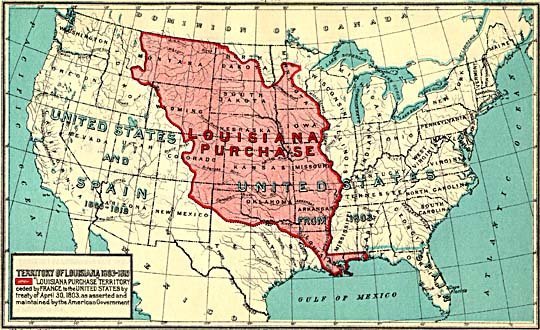
Sometimes the most significant moments happen with a simple transaction. One of the best land deals in history happened with a stroke of a pen. When the U.S. bought over 800,000 square miles from France, it doubled in size overnight. This deal not only expanded the frontier but also fueled westward migration and economic growth.
The Louisiana Territory, the huge swath of land (more than 800,000 square miles) that made up the western Mississippi River basin, passed from French colonial rule to Spanish colonial rule and then back to the French before U.S. President Thomas Jefferson pried it away from Napoleon in 1803 for a final price of some $27 million. Out of it were carved in their entirety the states of Louisiana, Missouri, Arkansas, Iowa, North Dakota, South Dakota, Nebraska, and Oklahoma along with most of Kansas, Colorado, Wyoming, Montana, and Minnesota.
This massive expansion fundamentally altered America’s destiny. It opened vast territories for settlement, sparked dreams of manifest destiny, and set the stage for the nation to stretch from coast to coast. The purchase also raised difficult questions about slavery’s expansion into new territories, questions that would eventually explode into civil war.
World War II Transformed America Into a Superpower
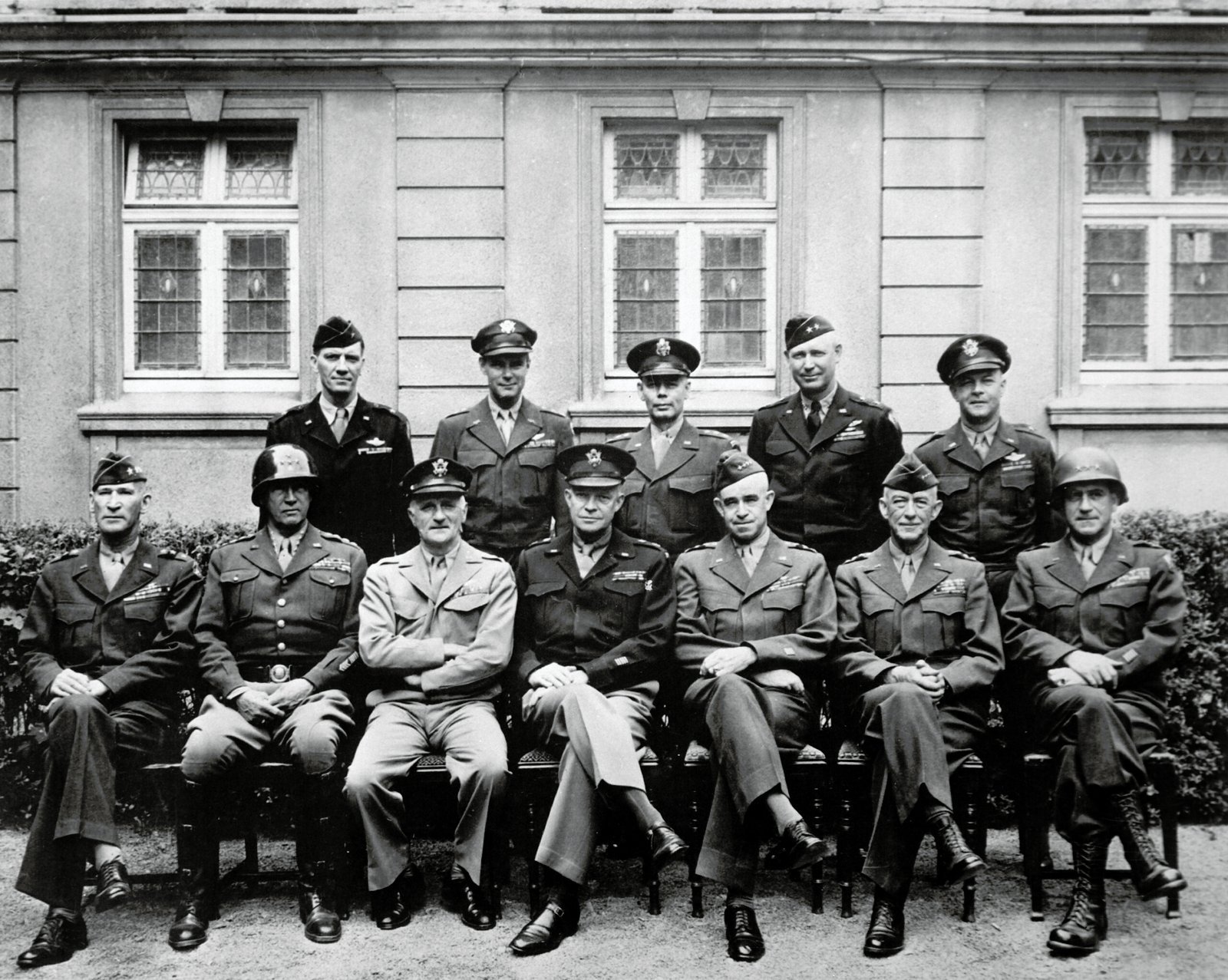
The U.S. entered World War II on the side of the Allies following the Japanese attack on Pearl Harbor (December 1941). The surprise attack on that December morning jolted America out of isolationism and into the greatest conflict the world had ever seen. Suddenly, the nation mobilized on an unprecedented scale, with millions of men and women serving in uniform and countless others supporting the war effort at home.
The war changed everything about American society. Women entered the workforce in massive numbers, taking on jobs previously reserved for men. The economy roared to life after years of Depression-era stagnation. In August 1945, with the war in Europe over and U.S. forces advancing on Japan, U.S. President Harry S. Truman ushered in the nuclear era by choosing to drop atomic bombs on Hiroshima and Nagasaki, Japan, in the hope that the terrible destruction unleashed would prevent the even greater loss of life that seemed likely with a protracted island-by-island invasion of Japan.
When the war ended, America emerged as one of two superpowers dominating global affairs. The nation’s economic might, military strength, and international influence had grown beyond anything imaginable just a few years earlier. This new position would define American foreign policy for the rest of the century and beyond.
The Civil Rights Movement Challenged American Ideals
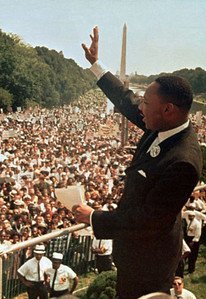
In the middle of the 20th century, a nationwide movement for equal rights for African Americans and for an end to racial segregation and exclusion arose across the United States. This movement took many forms, and its participants used a wide range of means to make their demands felt, including sit-ins, boycotts, protest marches, freedom rides, and lobbying government officials for legislative action. By the end of the 1960s, the civil rights movement had brought about dramatic changes in the law and in public practice, and had secured legal protection of rights and freedoms for African Americans that would shape American life for decades to come.
Here’s the thing: this wasn’t just about changing laws. It was about forcing America to confront the gap between its founding ideals and the brutal reality of segregation and discrimination. Rosa Parks was arrested when she refused to surrender her seat on a Montgomery, Alabama, bus to a white passenger. The arrest led to the Montgomery Bus Boycott, a pivotal event in the U.S. Civil Rights Movement, and was a defining moment in Parks’ long career as an activist.
The two most significant pieces of civil rights legislation since Reconstruction were passed within two years of each other. Between the two, these Acts outlawed discrimination based on race, color, religion, sex, or national origin. They banned discrimination in public accommodations, public education, and employment, and prohibited race-based restrictions on voting. Such sweeping legislation had been a longtime goal of the civil rights movement, and it brought many of the laws and practices of the Jim Crow Era to an end.
The movement faced violent opposition at every turn. Activists were beaten, arrested, and sometimes killed for demanding basic human rights. Yet their courage and persistence fundamentally transformed American society, though the struggle for true equality continues today.
The Moon Landing Proved American Ingenuity
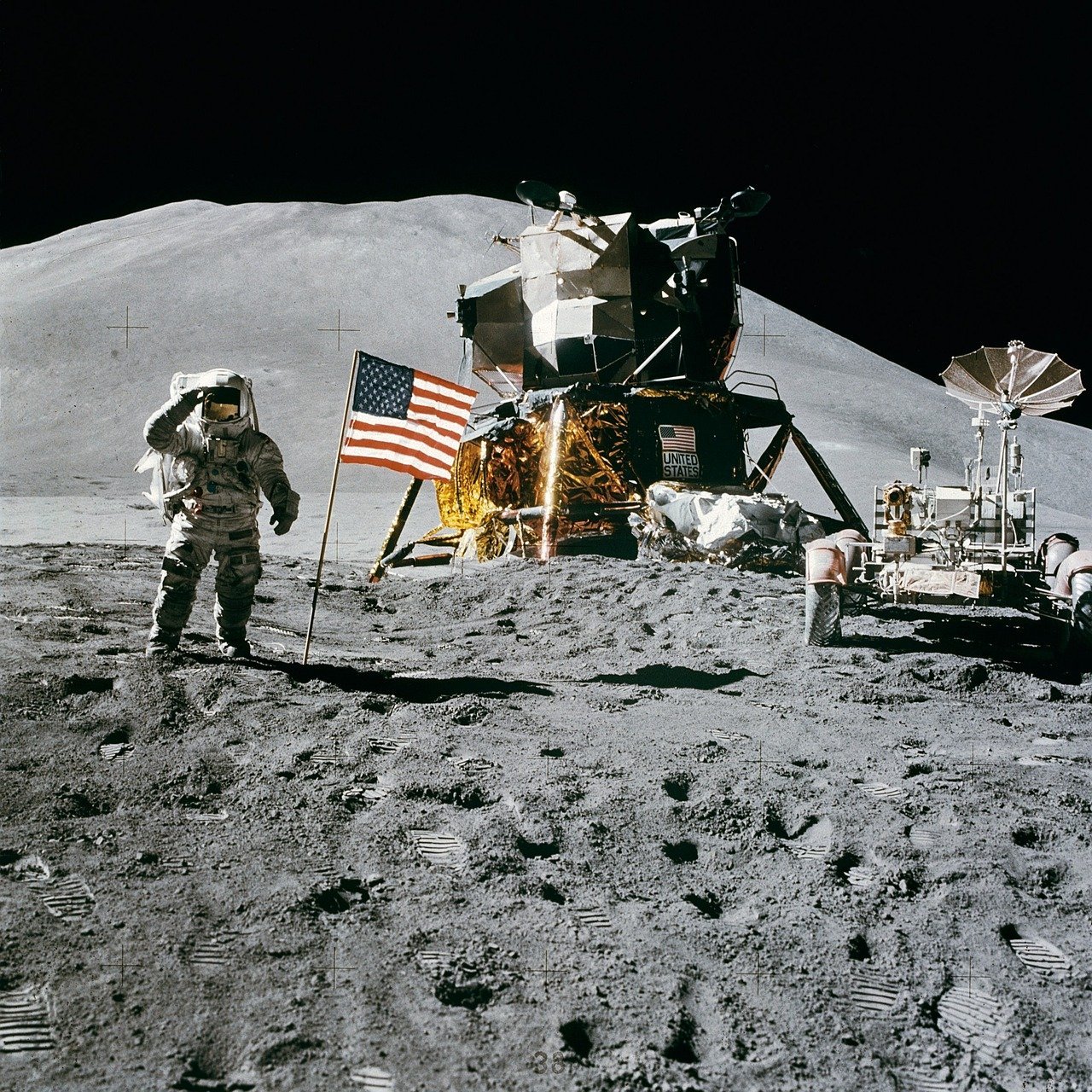
The world watched as Neil Armstrong set foot on the moon, proving that space was no longer beyond human reach. That moment wasn’t just about science. It represented the culmination of a decade-long effort sparked by President Kennedy’s bold challenge to land a man on the moon before the decade’s end.
Kennedy’s challenge inspired the American people and, though he did not live to see it, the ultimate success of the nation’s space program in landing a man on the moon boosted American confidence at a time when the Vietnam War was simultaneously sapping it and indeed threatening to break asunder the bonds of American society. The Space Race became a proxy battle in the Cold War, a competition to prove which system, capitalism or communism, could achieve the impossible.
Apollo 11 was one of the greatest achievements of humanity. Americans were the first and only nation to have walked on the moon. That singular achievement demonstrated what human beings could accomplish when they set their minds to it. The technological innovations developed for the space program filtered into everyday life, changing everything from computers to medicine.
September 11 Attacks Altered the Course of the Century
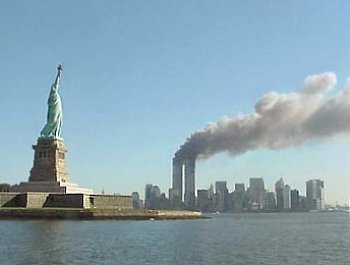
Islamist terrorists crashed hijacked planes into the World Trade Center in New York City, the Pentagon in Washington, D.C., and the Pennsylvania countryside, resulting in the deaths of nearly 3,000 people. That Tuesday morning in 2001 began like any other, but within hours, everything changed. The images of those towers collapsing, broadcast live around the world, are seared into the memories of everyone who witnessed them.
A normal morning turned into one of the darkest days in American history. Coordinated terrorist attacks struck New York and Washington, where thousands were killed. The aftermath changed everything. Be it security policies, foreign relations, or daily life. The war on terror began, and America’s role in the world was reflected in its response.
The attacks triggered wars in Afghanistan and Iraq that would last for decades. They transformed airport security, surveillance practices, and the relationship between government and citizens. Just as striking as the public’s consensus on the impact of 9/11 is the steep drop-off in the proportion of Americans who name other notable events. The election of Obama is the second-most frequently named event, listed by 40% of the public. For Americans living through it, September 11 became a dividing line: life before and life after.
The Great Depression Reshaped Government’s Role
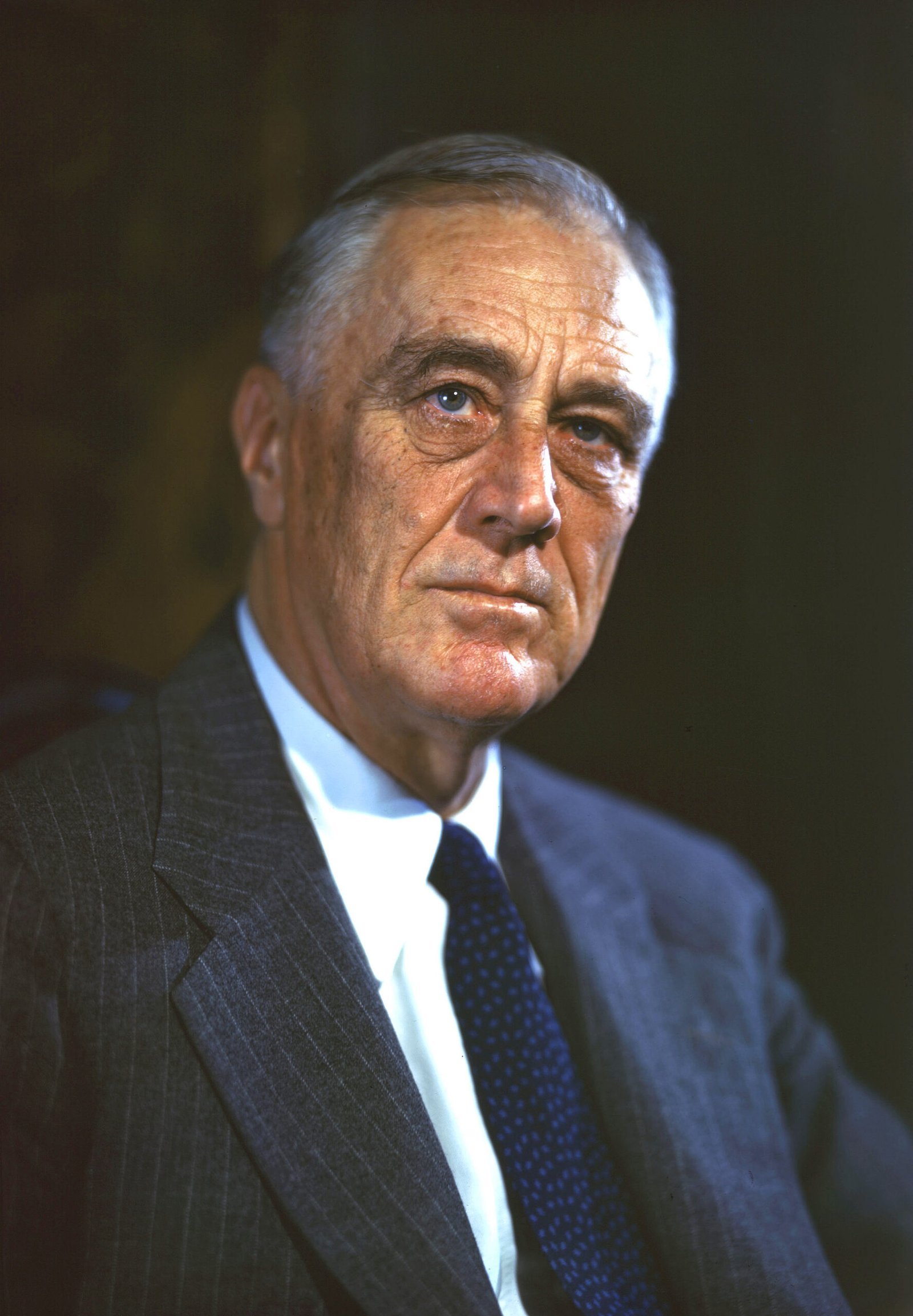
The Great Depression was actually a worldwide phenomenon, but let’s focus on the United States, as the United States was the first nation to be affected by it. The Great Depression started a decade commonly referred to as “the dirty ’30s,” with a stock market crash causing massive unemployment, poverty, lost opportunities, despair, and much more. Banks failed, farms were foreclosed, and breadlines stretched for blocks as desperate families struggled to survive.
In 1933 at least one-fourth of the U.S. workforce was unemployed when the administration of President Franklin D. Roosevelt first took on the ravages of the Great Depression with the New Deal, a federal government program that sought to bring about immediate economic relief as well as reforms in industry, agriculture, finance, labor, and housing. On March 12, 1933, Roosevelt gave the first in a long series (1933-44) of straightforward informal radio addresses, the fireside chats, which were initially intended to garner support for the New Deal but eventually contributed to reformulating the American social mentality from one of despair to one of hope during a time of multiple crises, including the Great Depression and World War II.
The New Deal fundamentally changed the relationship between Americans and their government. Programs created during this era, from Social Security to federal banking regulations, remain cornerstones of American life nearly a century later. The Depression taught a harsh lesson about the fragility of economic systems and the need for government intervention during crises.
Looking Back to Move Forward

These moments remind us that history isn’t static. It’s a living, breathing force that continues to shape our present and future. Each of these turning points involved ordinary people making extraordinary choices, often at great personal risk. They faced uncertainty, opposition, and sometimes violence, yet they pressed forward because they believed in something larger than themselves.
Understanding these key moments matters more than ever in 2025. The challenges we face today, from political divisions to questions about America’s role in the world, have deep historical roots. By knowing where we’ve been, the mistakes made and the triumphs achieved, we can better navigate where we’re going. History doesn’t repeat itself exactly, but it certainly echoes.
So here’s the question: which of these moments do you think had the greatest impact? And more importantly, what moment happening right now might future generations look back on as equally pivotal? The story isn’t finished. We’re living through history every single day, making choices that will someday appear in articles just like this one. What kind of legacy will we leave?

Christian Wiedeck, all the way from Germany, loves music festivals, especially in the USA. His articles bring the excitement of these events to readers worldwide.
For any feedback please reach out to info@festivalinside.com
