
- Anticipated Album Releases of 2025: A Musical Journey Awaits - February 22, 2026
- New York City’s Star-Studded Line-Up: 2025’s Must-See Performances - February 22, 2026
- 25 Times Tech Meets Style: The Best Wearable Gear for 2024 - February 22, 2026
Early Roots: Tin Pan Alley and the Birth of American Song
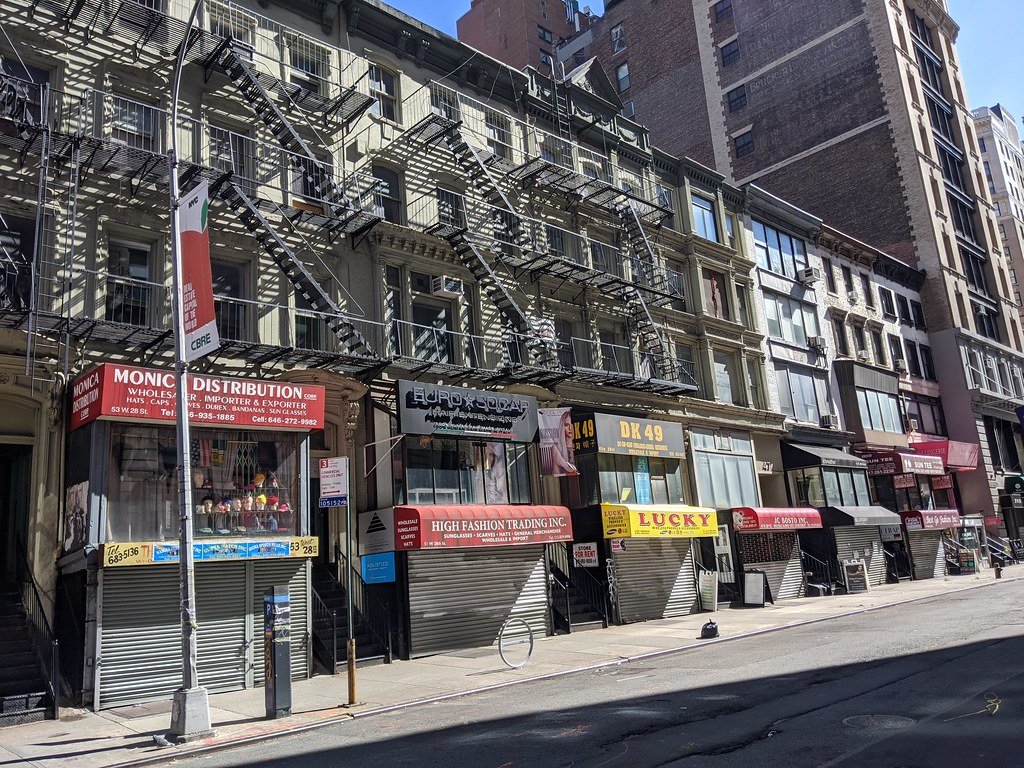
In the early 1900s, Tin Pan Alley became the heart of American songwriting. Yet even then, songs faced scrutiny. Publishers often changed lyrics to avoid offending “polite society.” Words about drinking, gambling, or love outside marriage were often rewritten or cut. These edits reflected the strict social codes of the time, as well as the moral authority of religious leaders. The fear was that music could corrupt young listeners or challenge the status quo. Even playful songs could be seen as too risqué. This set the stage for decades of music censorship in the United States.
Jazz Age Jitters: Policing Rhythm and Blues
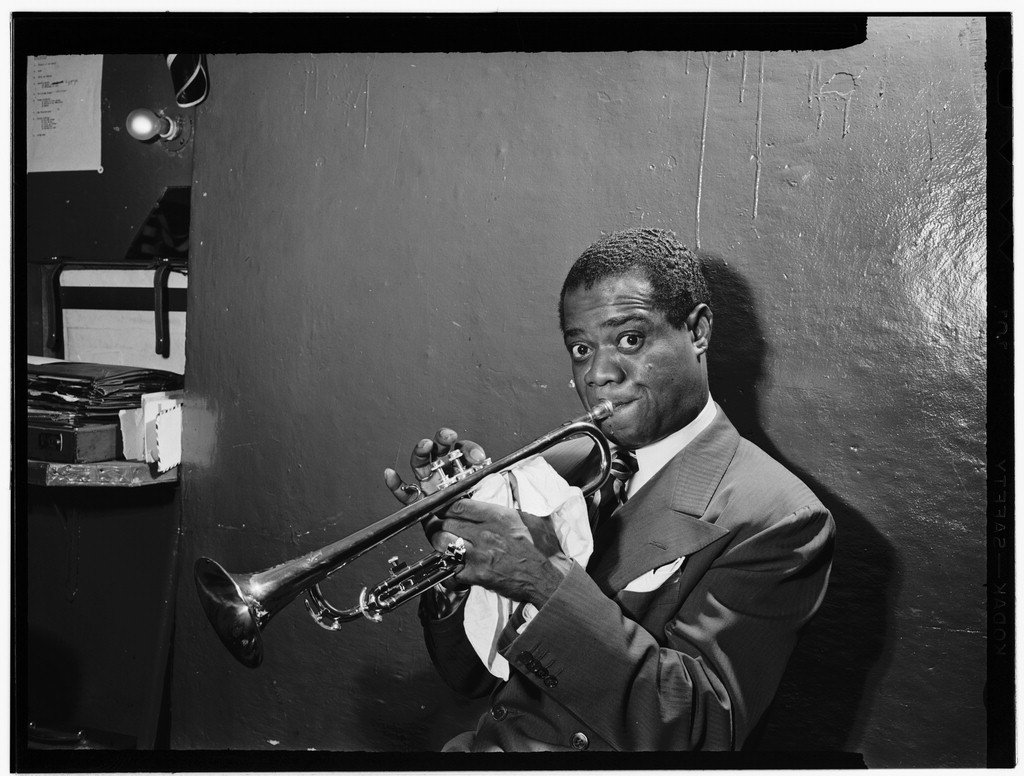
As jazz exploded after World War I, so did panic among authority figures. Jazz was called “the devil’s music” by many newspapers and churches. Its African American origins and sensual rhythms made it a target. Some cities banned live jazz in public spaces. Radio stations were pressured to limit how much jazz they played. Musicians like Duke Ellington and Louis Armstrong sometimes had to change song titles or lyrics to get airplay. The movement to censor jazz was deeply connected to racism and fears about changing cultural norms.
Wartime Controls: The Office of War Information and Song Bans
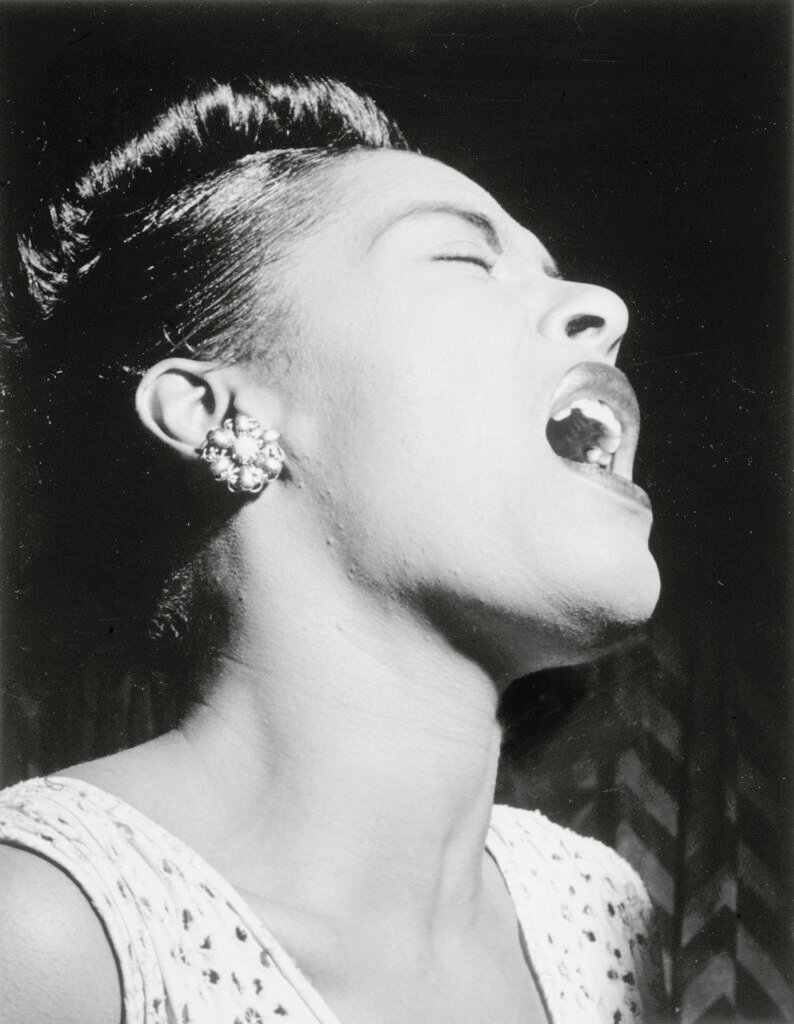
During World War II, the U.S. government created the Office of War Information. This agency reviewed and occasionally banned songs considered unpatriotic or demoralizing. Songs that criticized the war effort, like Billie Holiday’s “Strange Fruit,” were kept off many radio playlists. The government wanted music to boost morale, not encourage dissent. Even big band tunes were scrutinized for lyrics that might lower optimism or encourage criticism of leadership. This period showed how music censorship could be used as a tool for national unity.
The Rise of Rock ‘n’ Roll and the Fear of Rebellion
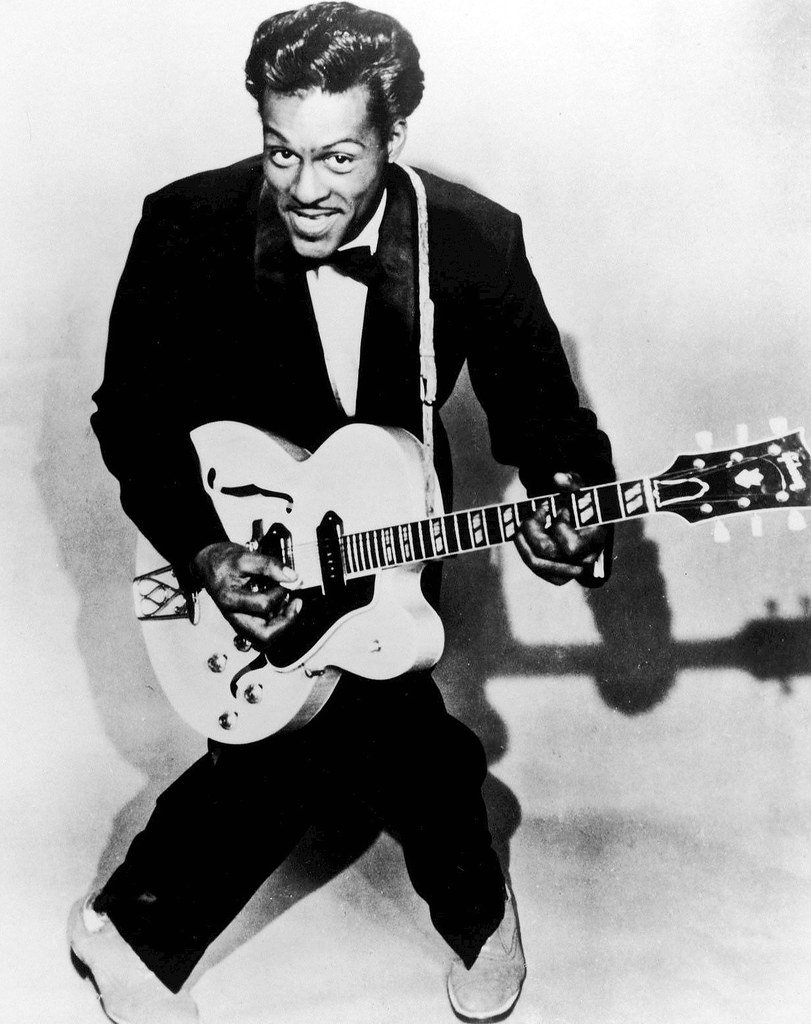
The 1950s brought rock ‘n’ roll and a new wave of anxiety. Elvis Presley’s gyrating hips led TV producers to film him only from the waist up. Chuck Berry and Little Richard faced resistance from radio stations afraid of their “suggestive” lyrics and performance styles. School boards and parent groups campaigned to ban certain records from dances. The growing popularity of rock music was often blamed for juvenile delinquency. Lawmakers in several states proposed bills to regulate the sale and broadcasting of rock music, arguing it threatened traditional values.
Payola Scandals and Radio Gatekeeping
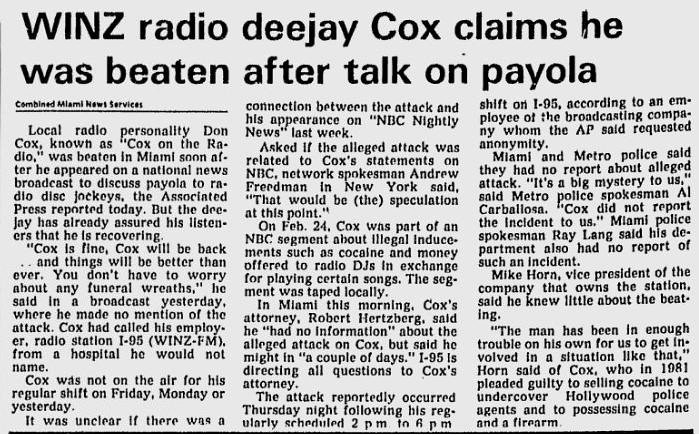
In the late 1950s, the payola scandal rocked the music industry. Radio DJs were accused of accepting bribes to play certain songs, raising questions about fairness and hidden influences. Congressional hearings followed, and new regulations were put in place. These rules gave radio stations more control to choose “appropriate” music, often leading to the quiet sidelining of controversial or edgy tracks. Many artists found their work quietly censored even if it wasn’t explicit, simply because it didn’t fit the mold of what was deemed acceptable.
Counterculture and the 1960s: The Vietnam War and Protest Songs
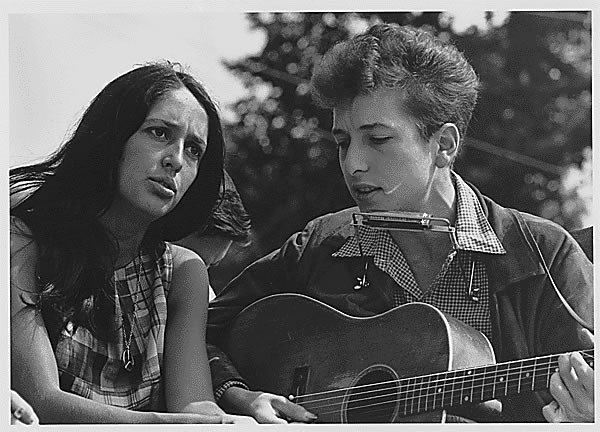
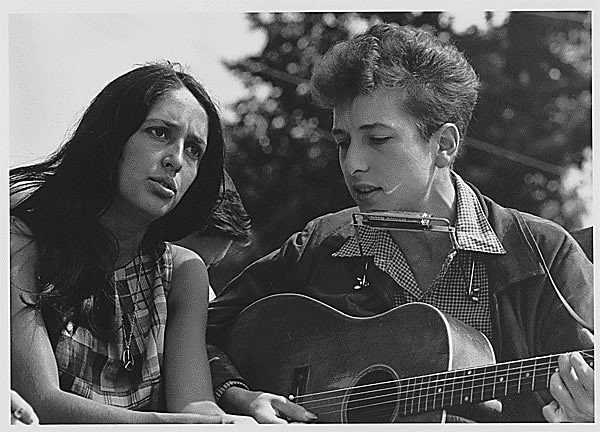
The 1960s were a turning point for music censorship. As the Vietnam War raged, artists like Bob Dylan, Joan Baez, and Country Joe McDonald wrote songs criticizing government policies. Radio stations frequently banned protest songs, claiming they were unpatriotic or could incite unrest. The FCC warned broadcasters about playing “anti-war” music. Some stations even destroyed records. The controversy around protest music highlighted the tension between free expression and public order, especially during times of national crisis.
Psychedelic Rock and the Language of the Drug War
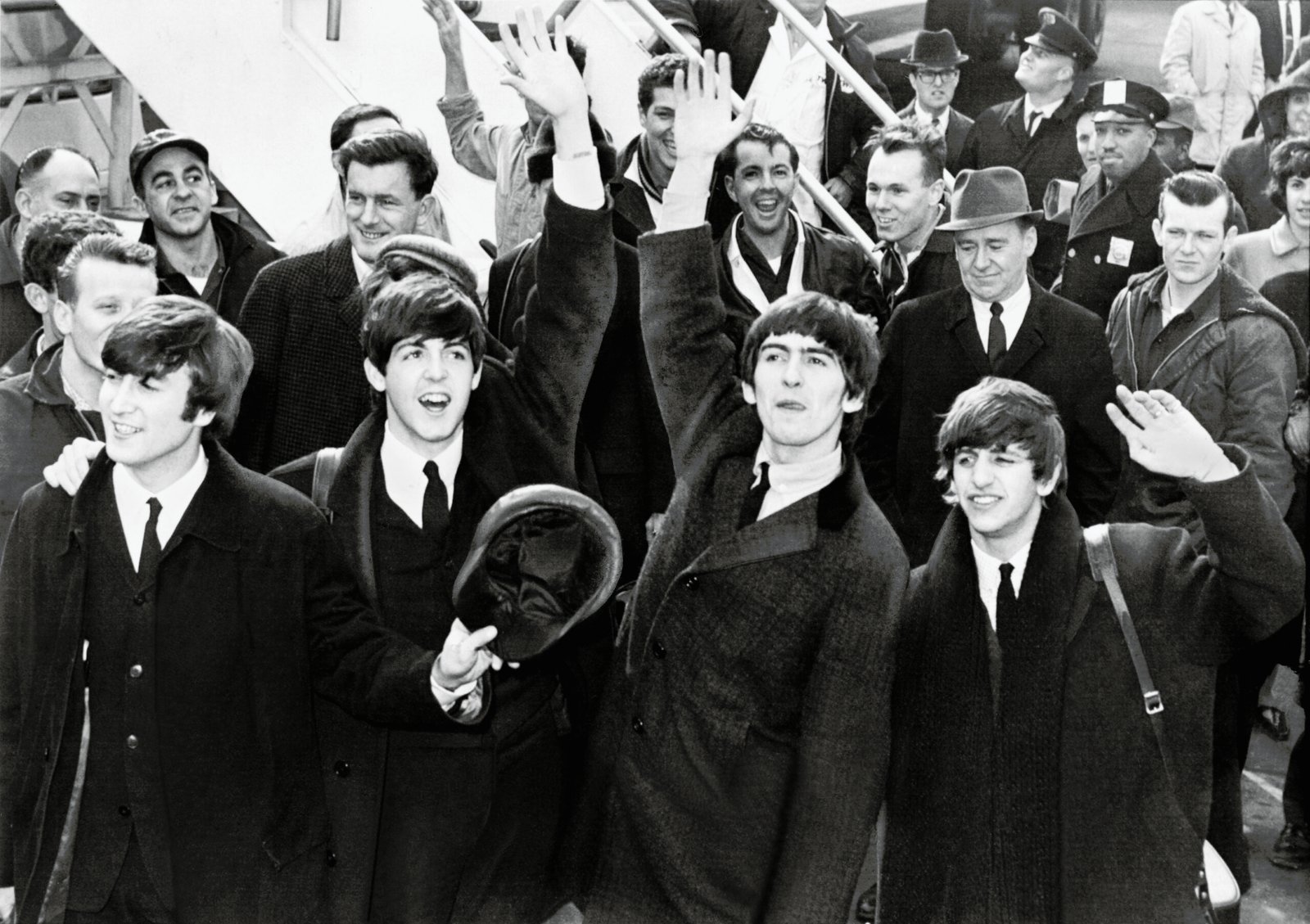
As psychedelia swept the country, songs with references to drugs triggered a new round of censorship. The Beatles’ “Lucy in the Sky with Diamonds” and Jefferson Airplane’s “White Rabbit” were accused of promoting drug use, even though the artists often denied it. The FCC threatened fines for stations that played songs interpreted as “glorifying” drugs. By the early 1970s, several cities had local ordinances banning music with “drug references” from public events. This climate forced artists to get creative with metaphors and coded language.
Disco Demolition and the Backlash Against Dance Music
In the late 1970s, disco became wildly popular, especially among LGBTQ communities and people of color. The infamous Disco Demolition Night in 1979, when thousands destroyed disco records in Chicago, revealed deep prejudices. Some radio stations pulled disco tracks citing “public demand,” but critics argued it was coded censorship. The backlash against disco was partly about music taste, but it also reflected broader social anxieties about race, gender, and sexuality. The event still stands as a shocking example of how music genres can become flashpoints for cultural censorship.
Punk Rock Panic and the Parental Backlash
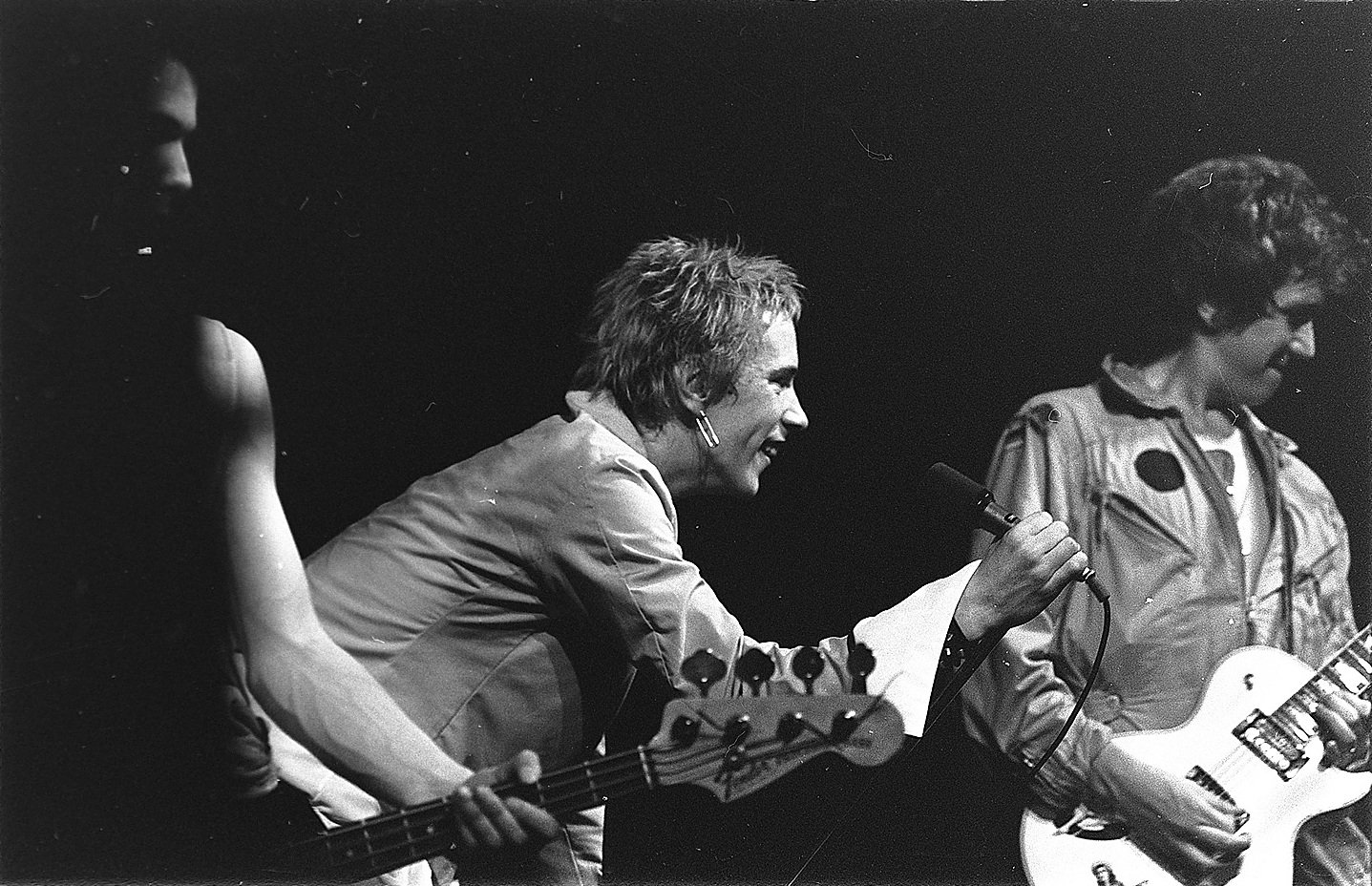
Punk rock’s rise in the late 1970s and early 1980s brought new waves of censorship. Bands like the Sex Pistols and Dead Kennedys were banned from radio for their “offensive” lyrics and anti-authoritarian themes. Concerts were sometimes shut down by police, and album covers were censored or replaced. Parent groups claimed punk promoted violence and anarchy. In response, some record stores refused to stock punk albums at all. The punk movement’s brash style made it a constant target for moral guardians.
Heavy Metal Under Fire: The Backmasking Controversy
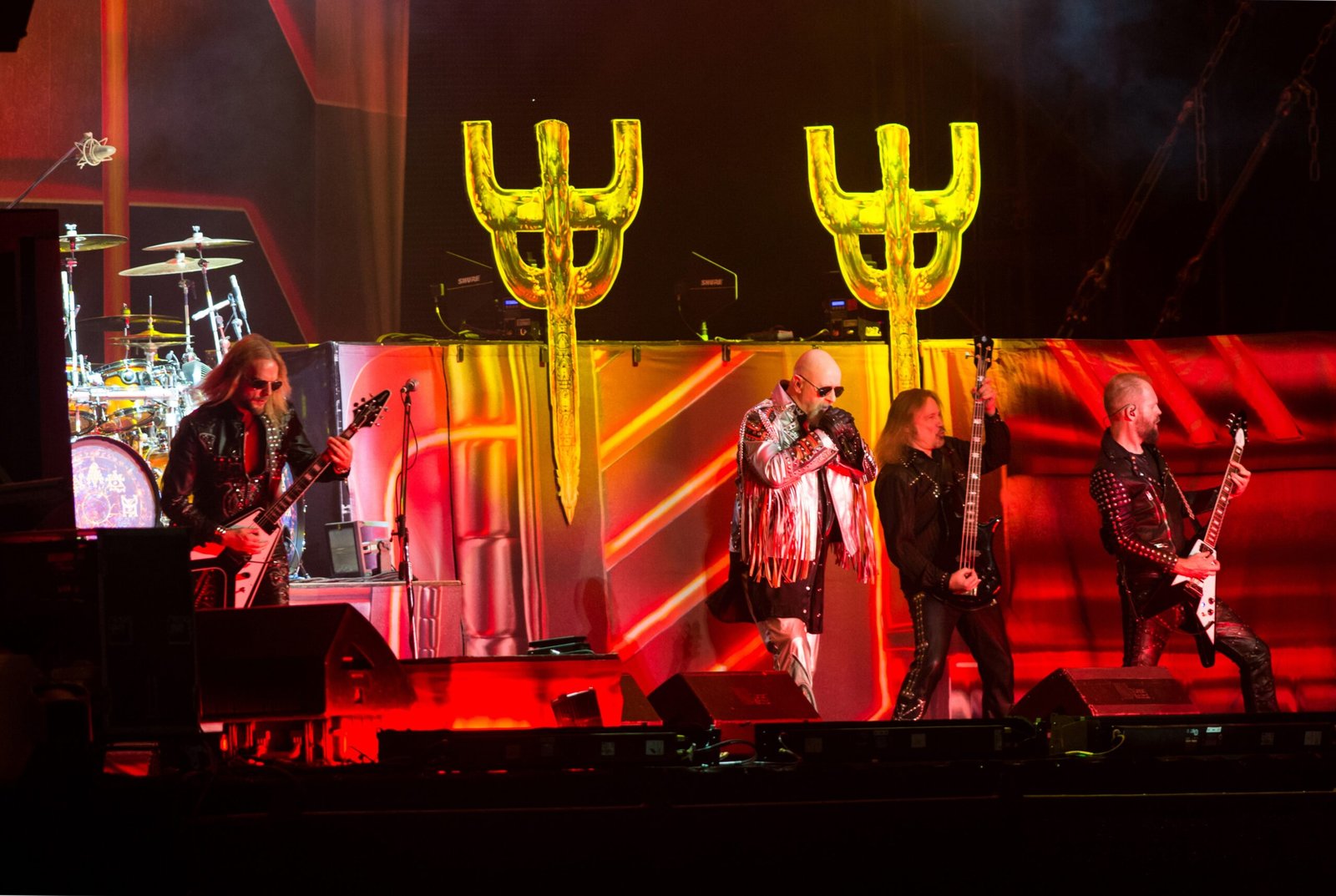
In the 1980s, heavy metal was accused of hiding “satanic messages” in songs played backward—a phenomenon called backmasking. Bands like Judas Priest and Ozzy Osbourne found themselves in the crosshairs. Lawsuits claimed that these hidden messages drove teens to self-harm. Although later studies found no evidence to support these claims, the panic led to tighter scrutiny of metal lyrics. Some albums were released with lyrics blacked out, and retailers like Walmart refused to carry certain records entirely.
The PMRC and the Birth of Parental Advisory Labels
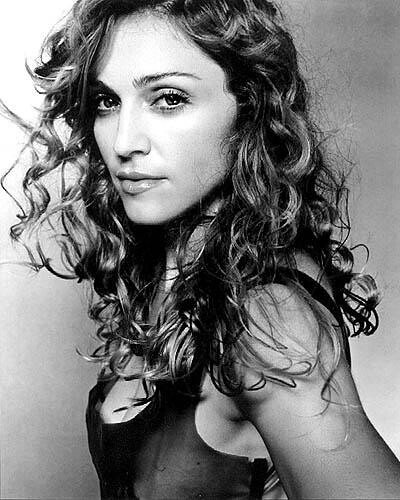
In 1985, the Parents Music Resource Center (PMRC) formed, led by Tipper Gore and other political spouses. They released the “Filthy Fifteen,” a list of songs they found too explicit for children. This list included artists from Madonna to Prince. The PMRC’s public hearings led to the creation of the “Parental Advisory: Explicit Content” label seen on albums today. This voluntary system was meant to inform parents, but many stores began refusing to sell albums with the label, effectively censoring artists. As of 2024, over 70% of parents say they look for the label when buying music for kids, according to Pew Research.
Rap and Hip-Hop: The New Battleground
Starting in the late 1980s, rap and hip-hop became lightning rods for censorship debates. Groups like N.W.A. and Public Enemy faced bans for lyrics about police brutality and systemic racism. In 1990, Florida’s 2 Live Crew was put on trial for obscenity after their album was deemed legally “offensive.” The case sparked national debates over free speech and artistic expression. Today, hip-hop remains one of the most frequently censored genres, with radio edits and streaming platforms still muting or skipping “explicit” tracks for younger listeners.
Country Music and Political Controversy
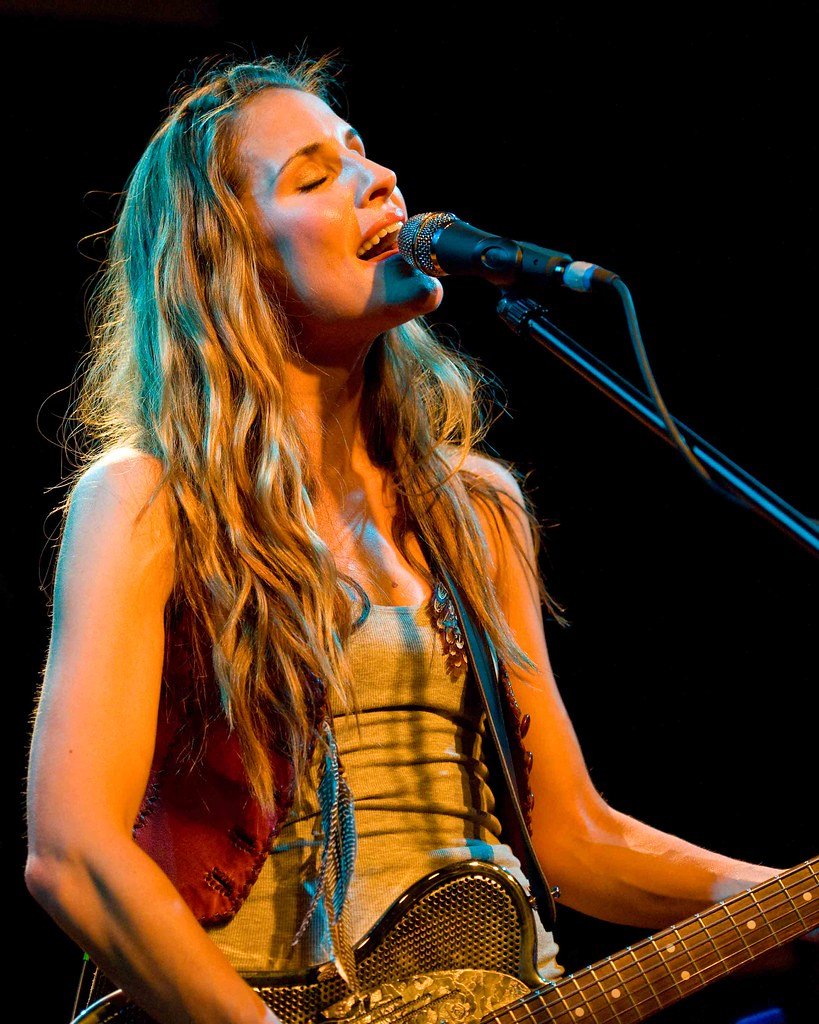
Country music has not escaped censorship, though it’s often seen as more conservative. The Dixie Chicks (now The Chicks) were famously blacklisted by hundreds of radio stations in 2003 after criticizing President George W. Bush and the Iraq War. Sales dropped by 42% within weeks, according to Billboard. The backlash showed how censorship in music isn’t just about sex or violence—it can also be about politics. Many artists now self-censor, avoiding controversial topics to protect their careers.
Streaming Era and Algorithmic Censorship
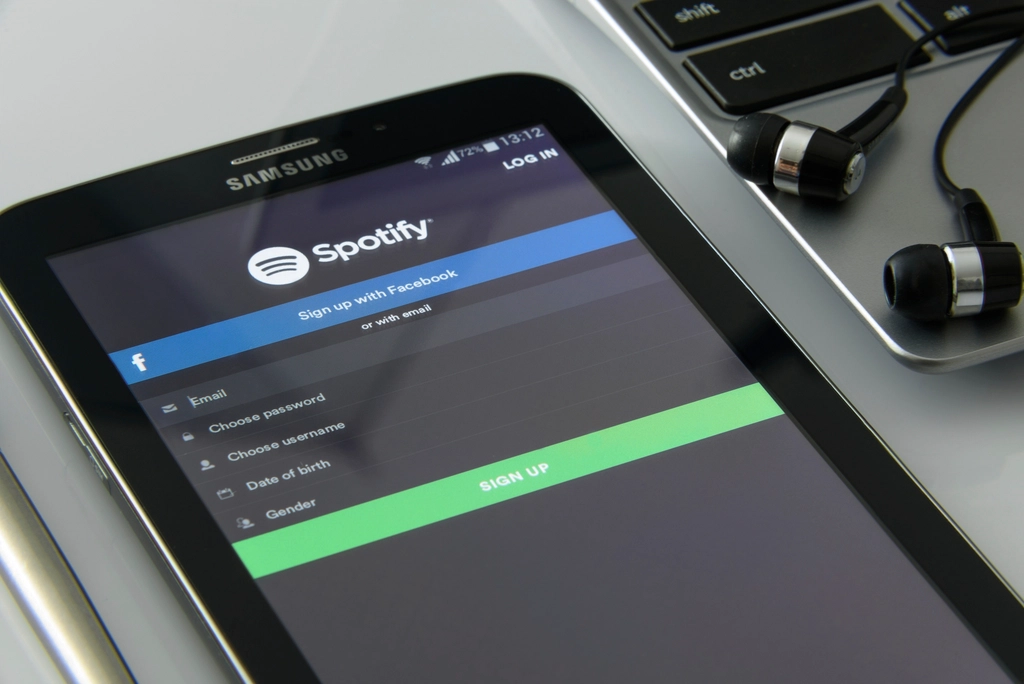
With the rise of Spotify, Apple Music, and YouTube, censorship has taken on a new, digital form. Algorithms automatically flag songs for explicit language, drug references, or hate speech. Sometimes, entire tracks disappear from playlists with little explanation. In 2023, Spotify reported removing over 100,000 tracks for “policy violations,” a number that has only grown since. This kind of censorship is less visible but just as powerful, since it can quietly erase songs from public view.
LGBTQ+ Artists and Hidden Barriers
LGBTQ+ musicians have often faced subtle forms of censorship. Songs about same-sex love were rarely played on mainstream radio until the 2000s. Even now, some stations refuse to play tracks with “controversial” themes, citing “audience sensitivities.” GLAAD reports that only 6% of songs on the top 40 U.S. radio stations in 2024 feature openly LGBTQ+ artists or themes. This underrepresentation shows that censorship can take many forms, including exclusion and erasure.
Religious Music and Blasphemy Accusations
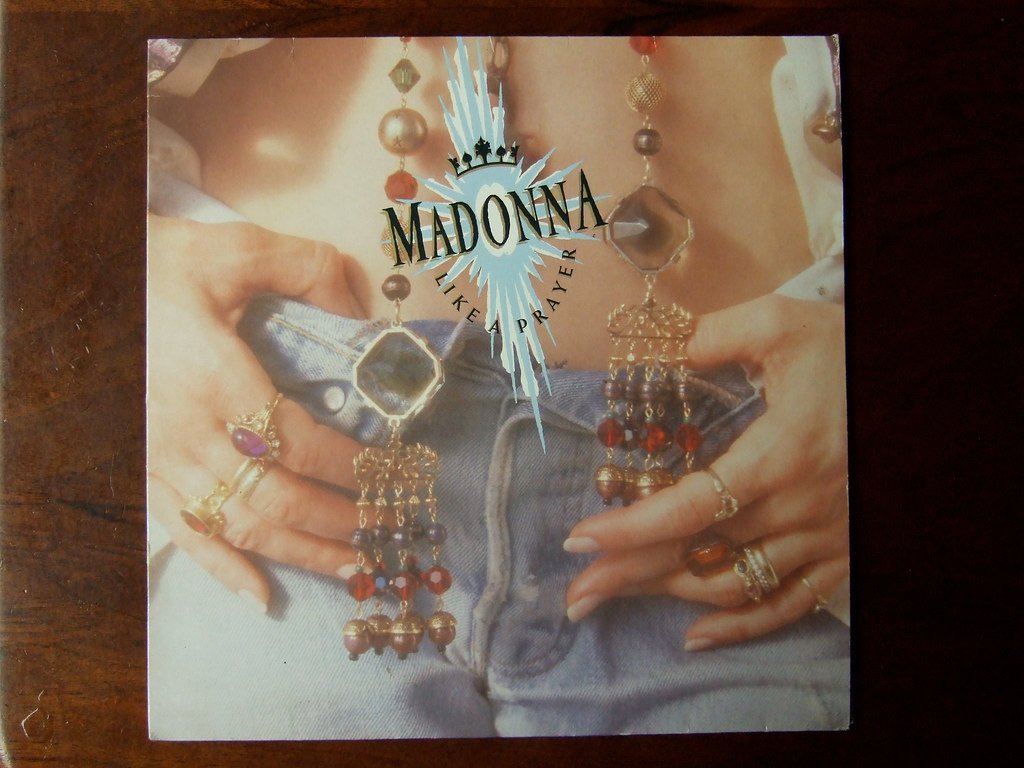
Religious groups have long campaigned against songs they see as blasphemous. Madonna’s “Like a Prayer” was dropped by several radio stations in 1989 after protests from Christian organizations. More recently, Lil Nas X’s “MONTERO (Call Me By Your Name)” faced boycotts and threats after its release in 2021. These incidents highlight how religious values still play a role in what music gets played—and what doesn’t—across America.
School Censorship and the Battle Over School Performances
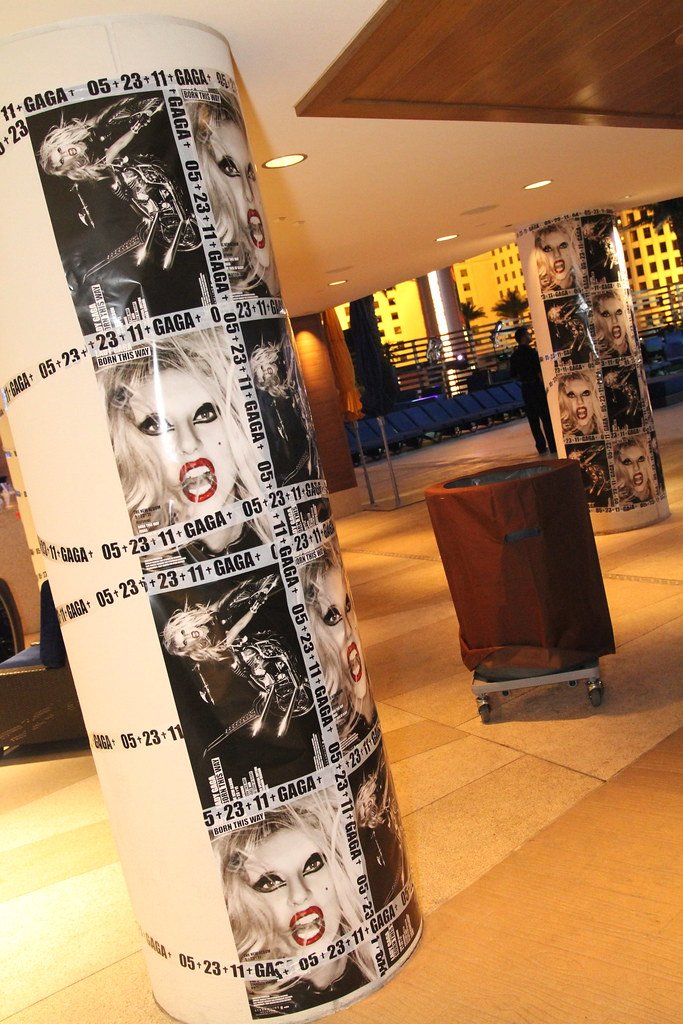
Schools are often battlegrounds for music censorship. Choirs and bands have been told not to perform songs with “questionable” lyrics, even when the content is mild. In 2022, a high school in Texas canceled a student performance of Lady Gaga’s “Born This Way,” citing concerns over LGBTQ+ themes. The American Civil Liberties Union (ACLU) reports a steady increase in complaints about school music censorship every year, showing that this issue is far from resolved.
Social Media Outrage and Cancel Culture
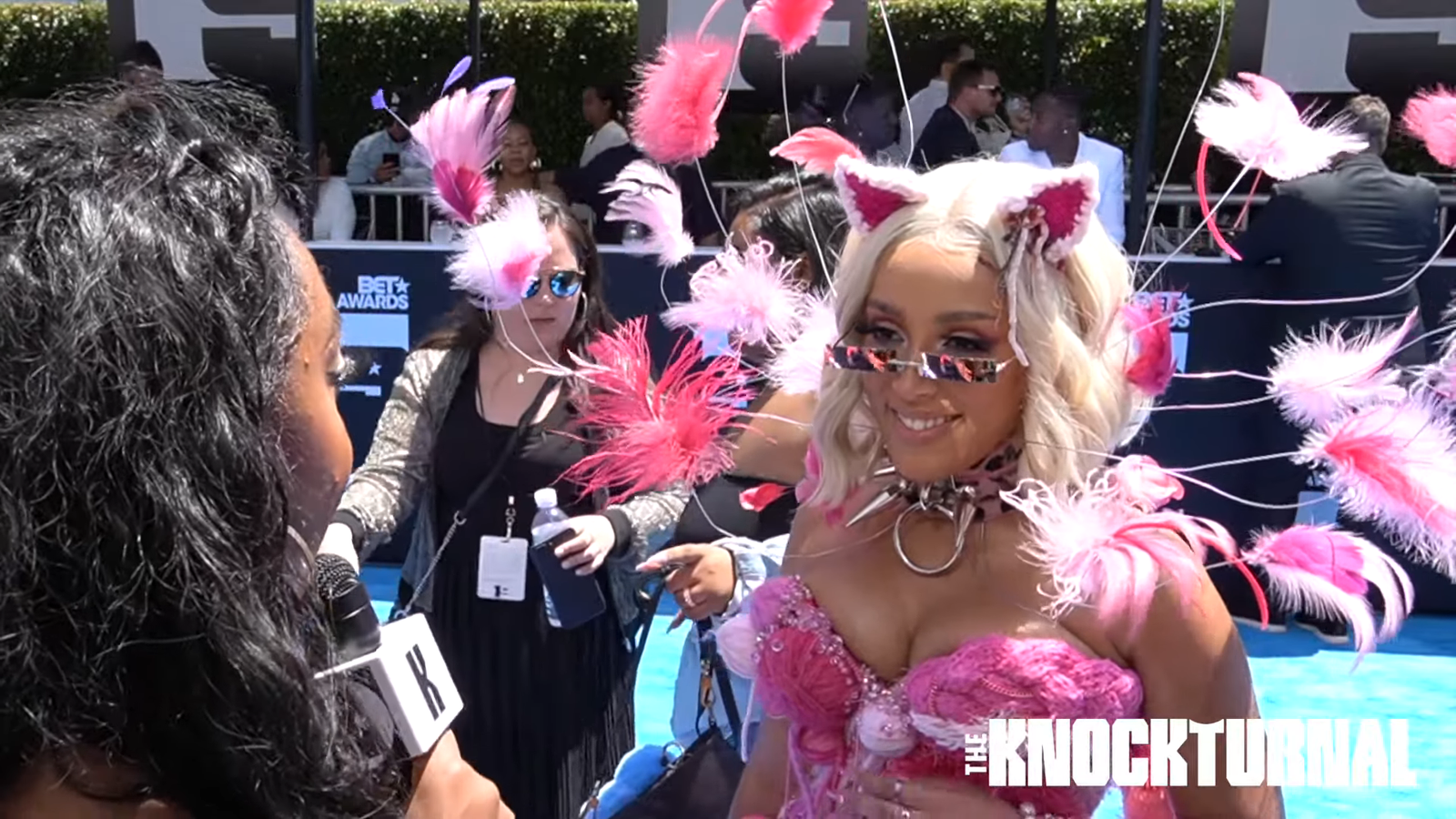
In today’s world, social media can act as both a megaphone and a censor. Viral outrage over lyrics or artist behavior has led to songs being removed from platforms or artists being “canceled.” In 2023, Doja Cat’s song “Demons” was temporarily pulled from TikTok after backlash over its content. The speed and scale of online outrage mean that censorship can happen almost instantly, driven as much by public pressure as by official rules.
Music Videos and Visual Censorship
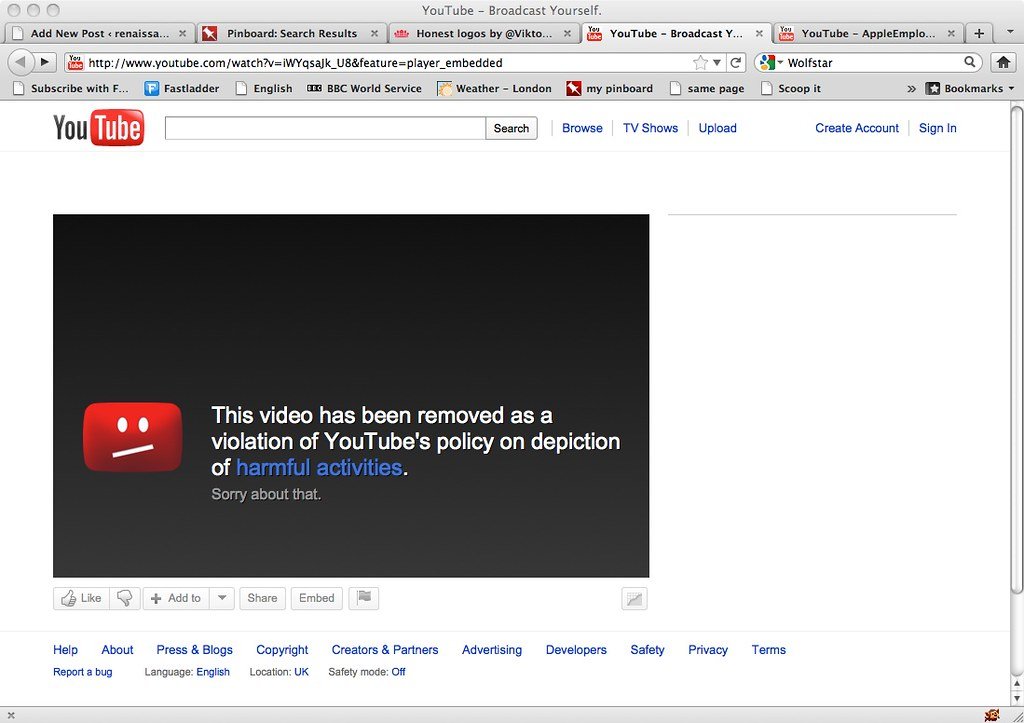
Music videos have been censored for decades, but the standards keep shifting. MTV famously blurred nudity and cut violent scenes in the 1990s. On YouTube, videos with explicit imagery are age-restricted or demonetized, affecting the artist’s reach and earnings. In 2024, Billboard reported that over 18% of top-charting videos on YouTube received some form of content warning or restriction. Visual censorship can limit who sees a video and how widely it spreads, even if the song itself is available.
Legal Battles and the First Amendment
Artists and record labels have fought back against censorship using the courts. The First Amendment protects free speech, but the boundaries are often tested. In 2020, rapper YG sued a radio station for removing his song “FDT” (an anti-Trump anthem), arguing it was political censorship. Judges have sometimes sided with artists, but not always. The legal fight over music censorship is ongoing, with new cases cropping up every year as artists push the limits of expression.
Government Hearings and the Ongoing Debate
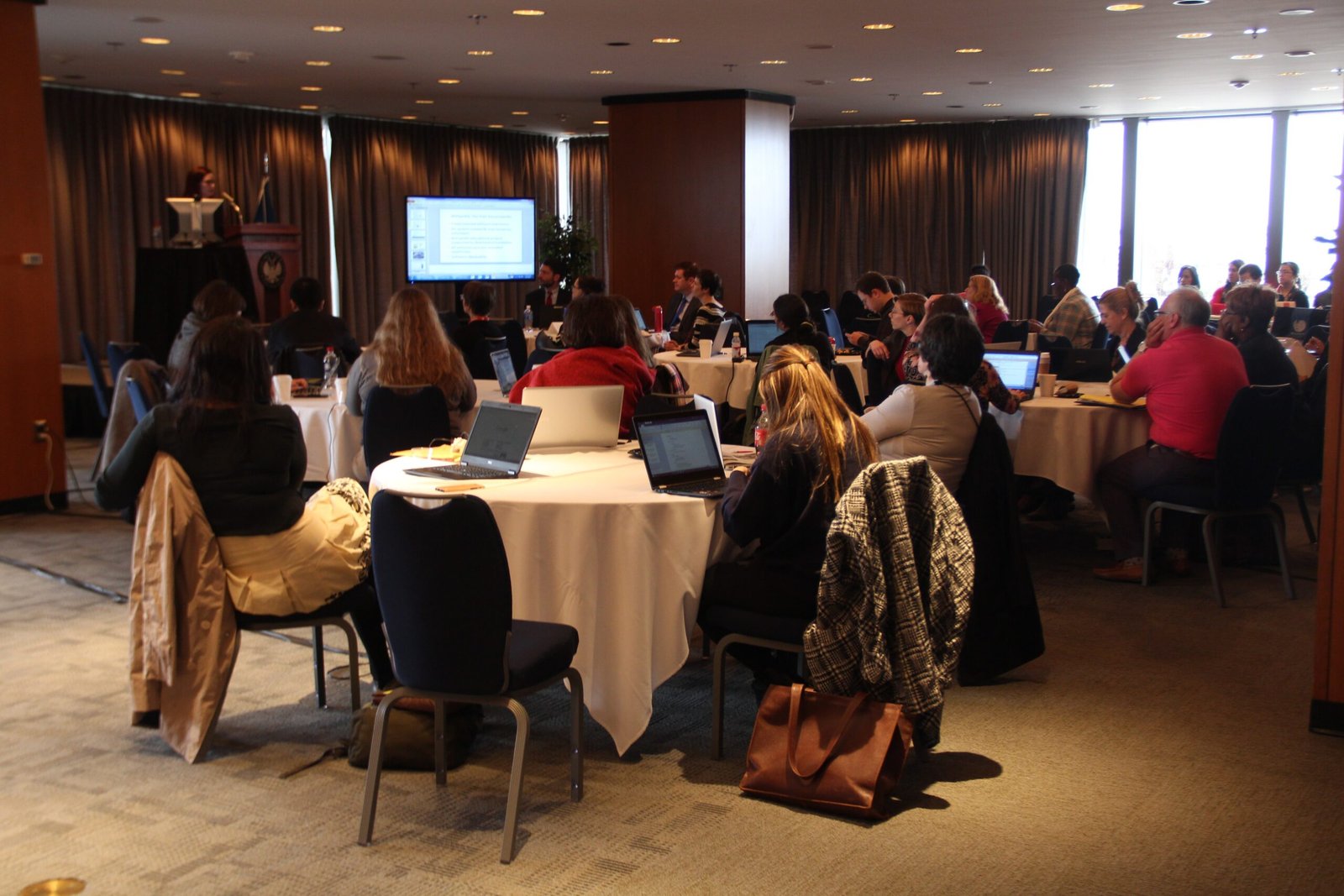
Congress has held several hearings on music censorship, most recently in 2024. Lawmakers debated whether streaming platforms should do more to remove “dangerous” content, especially after a rise in youth exposure to explicit lyrics. The Recording Industry Association of America (RIAA) argued that too much censorship stifles creativity. The issue remains deeply divisive, with polls showing Americans split almost evenly over how much music should be regulated. The debate over censorship in U.S. music continues to shape what we hear—and what we don’t.

Besides founding Festivaltopia, Luca is the co founder of trib, an art and fashion collectiv you find on several regional events and online. Also he is part of the management board at HORiZONTE, a group travel provider in Germany.
