


Picture this: stadium lights blazing, crowd roaring, you screaming every word to that epic guitar solo. Those moments define rock anthems, right? Yet beneath the hooks and riffs, songwriters tucked away layers of meaning that flip the script on what we thought we knew.
Rock lyrics thrive on ambiguity. They mirror personal demons, cultural shifts, even spiritual quests. Ready to peel back the curtain? Let’s dive into these timeless tracks and their surprising depths.[1]
Stairway to Heaven by Led Zeppelin
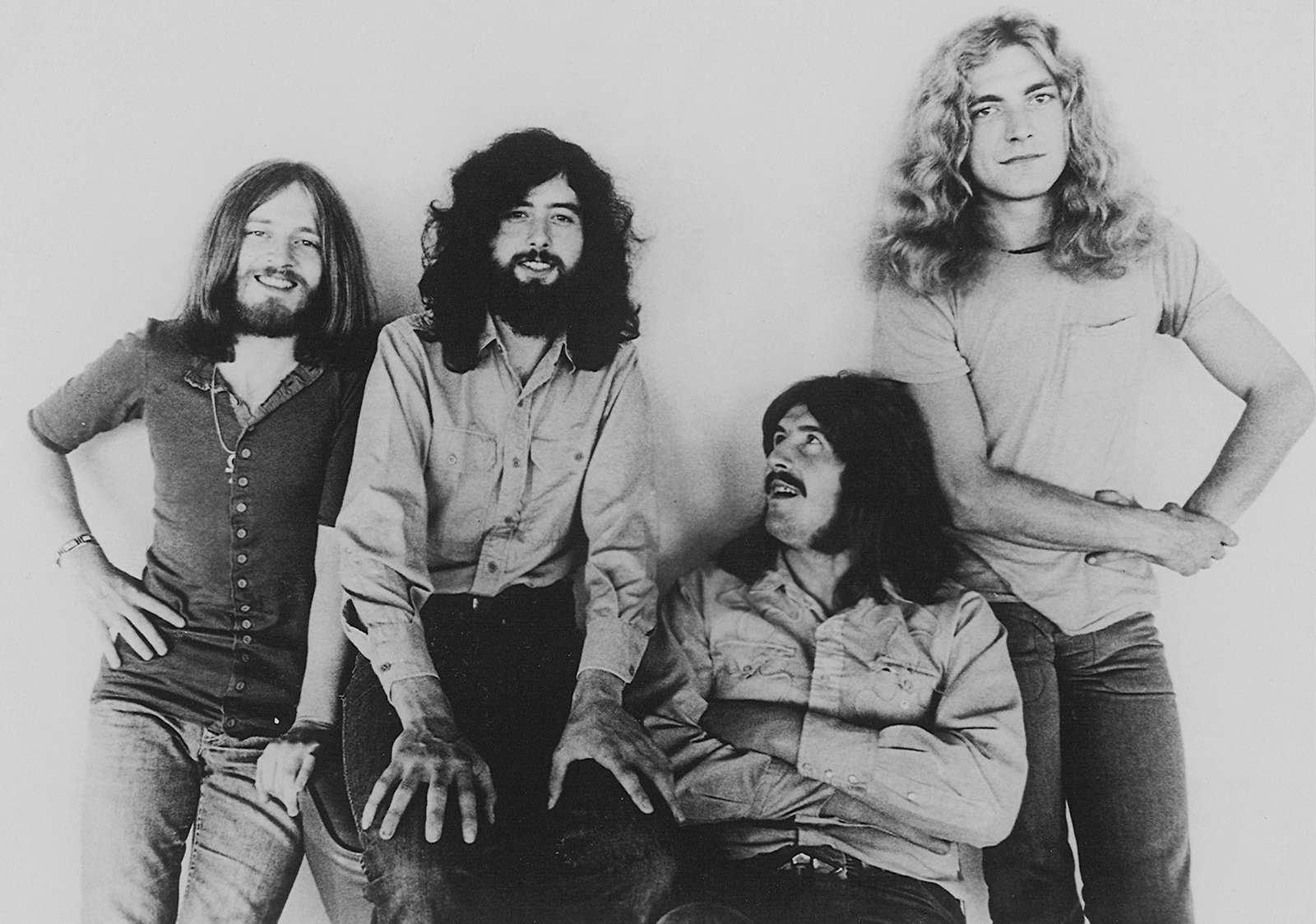
https://www.ledzeppelin.com/photos/led-zeppelin/promo/1971-promo, Public domain)
The lyrics paint a mystical path from materialism to enlightenment, warning of a woman chasing gold over true gold. Symbols like the piper and hedgerow evoke Celtic folklore and life’s choices. Honestly, it feels like a fable about buying your way to salvation, only to find it hollow.[1]
Released on Led Zeppelin IV in 1971, the track never hit radio as a single yet became legendary through FM play. Rumors of backmasked Satanic chants exploded in the 80s amid moral panics, though the band dismissed them outright. Robert Plant called it a positive tale of hope amid life’s chaos, shifting with his own moods over time.[2]
Bohemian Rhapsody by Queen

That confessional ballad-opera structure hides a tale of inner turmoil, with “killing a man” symbolizing shedding an old self. The Scaramouche and Galileo bits nod to defiance against judgment, like a theatrical rebellion. I know it sounds wild, but it screams personal reinvention amid chaos.
Freddie Mercury penned it in the early 70s for A Night at the Opera, clocking nearly six minutes despite exec doubts. Theories tie it to his bisexuality struggles, the “death” marking his straight facade’s end. It topped charts twice, proving rock’s appetite for the unconventional.[1]
Hotel California by Eagles
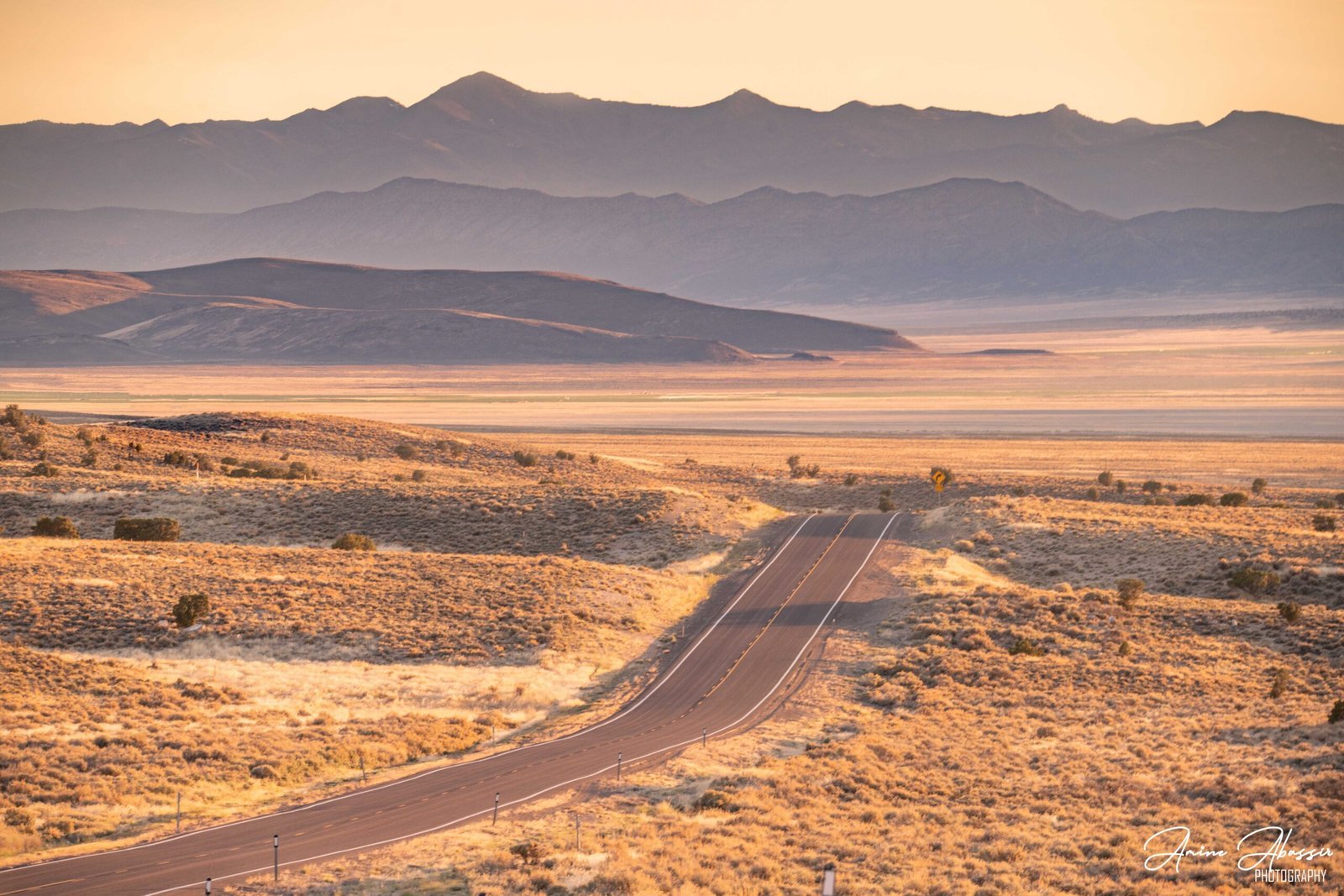
The desert highway lures into a lavish trap, mirroring excess where “you can check out but never leave.” Mirrors and voices symbolize distorted self-perception in hedonism’s grip. It’s like a gilded cage of indulgence, pretty on the surface, poisonous underneath.
From their 1976 album, Don Henley framed it as America’s cultural excesses, blending art, commerce, and wild nights. Fans spun tales of cults or rehab, but the band kept it mysterious to match the vibe. That ambiguity fueled its enduring grip on imaginations.[2]
Born in the U.S.A. by Bruce Springsteen
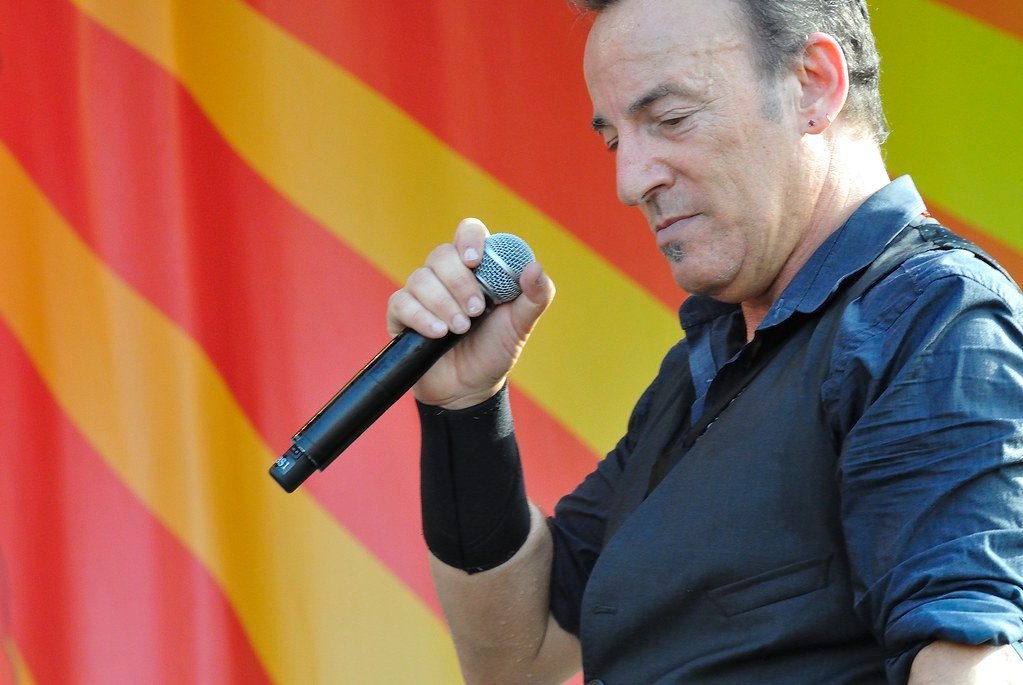
The fist-pumping chorus masks rage at forgotten vets, “born in the U.S.A.” dripping irony over dead-end jobs post-Vietnam. Red tail lights symbolize futile escapes from systemic neglect. Here’s the thing: it punches as patriotism but bleeds protest.
Springsteen dropped it in 1984 amid Reagan-era cheers, many missing the critique. He crafted it from vet Ron Kovic’s stories, highlighting America’s treatment of its warriors. Politicians co-opted it blindly, sparking the Boss’s own pushback.[2]
American Pie by Don McLean
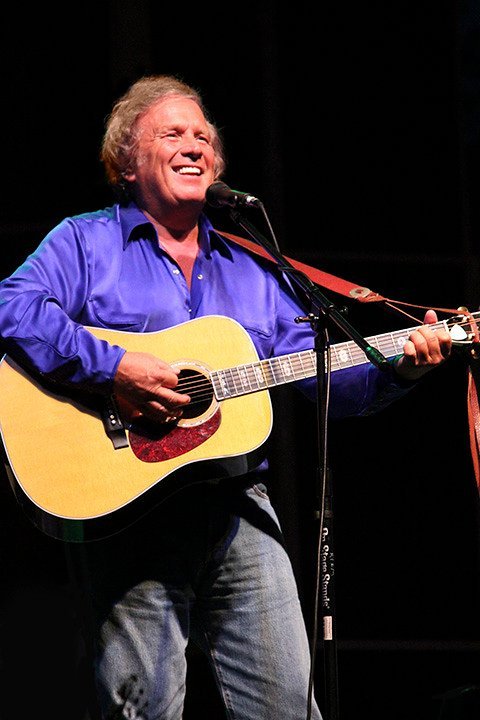
A sprawling epic codes 60s upheavals, “the day the music died” mourning Buddy Holly’s crash amid Dylan wrecks and Altamont darkness. Jesters and kings stand for lost innocence in rock’s evolution. It unfolds like a musical obituary for an era’s dreams.
McLean released it in 1971, weaving personal grief with cultural icons from Elvis to the Stones. The eight-minute saga topped charts, decoding required fan forums and liner notes. Its references still spark debates on what “whiskey and rye” truly meant.[3]
Every Breath You Take by The Police
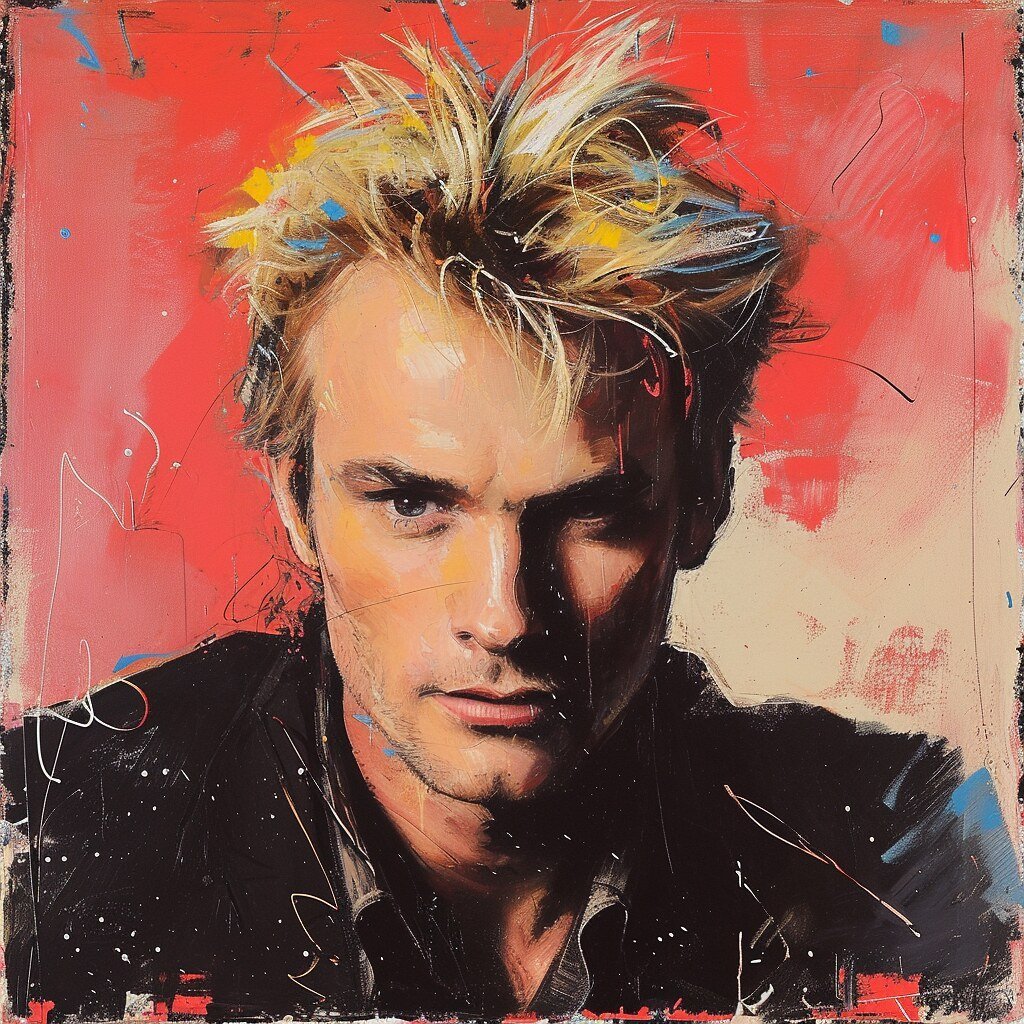
Smooth romance? Nope, it’s obsession’s chill, watching every step and breath in possessive paranoia. The stalker gaze flips love into control, subtle yet sinister. Sting layered it simple to heighten the creep factor.
From 1983’s Synchronicity, Sting wrote post-divorce, channeling surveillance vibes. It swept Grammys as a ballad, radio missing the menace entirely. That misread turned a dark confession into wedding fodder for years.
Don’t Stop Believin’ by Journey
Small-town girl and city boy chase connection amid midnight trains, symbolizing urban loneliness quests. Steel hearts evoke resilience in faded blue nights. It’s hope wrapped in desperation’s glow.
Jonathan Cain drew from San Francisco tales for the 1981 Escape album, blending real lives into fiction. Revived by The Sopranos finale, it hit millions in streams. Journey crafted an everyman’s anthem from fleeting encounters.
Sweet Child o’ Mine by Guns N’ Roses

That soaring riff backs vulnerability, eyes “just a patch of rain” hiding relationship fears. Childhood innocence clashes adult doubts in the gaze. Axl poured raw emotion into what seems pure adoration.
From 1987’s Appetite for Destruction, inspired by girlfriend Erin Everly’s smile. Slash improvised the intro, unaware it’d define hair metal. It bridged raw punk to pop, topping charts amid band’s chaos.
In the Air Tonight by Phil Collins
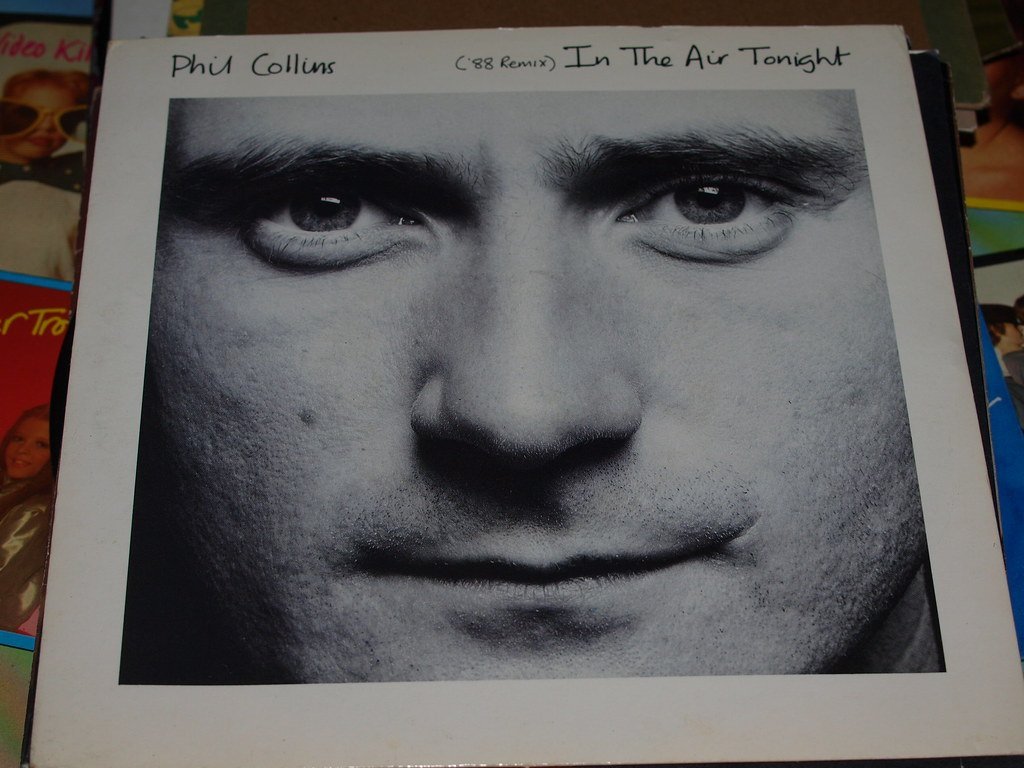
Drum fill builds to betrayal’s boil, “I can feel it coming” sensing emotional storm. Urban myth of witnessed drowning? Nah, pure divorce fury. Collins bottled quiet rage masterfully.
Genesis frontman crafted it solo in 1981 for Face Value, layering synths at home. Divorce from first wife fueled the isolation theme. The legend grew via radio, cementing its moody legacy.
Born to Run by Bruce Springsteen
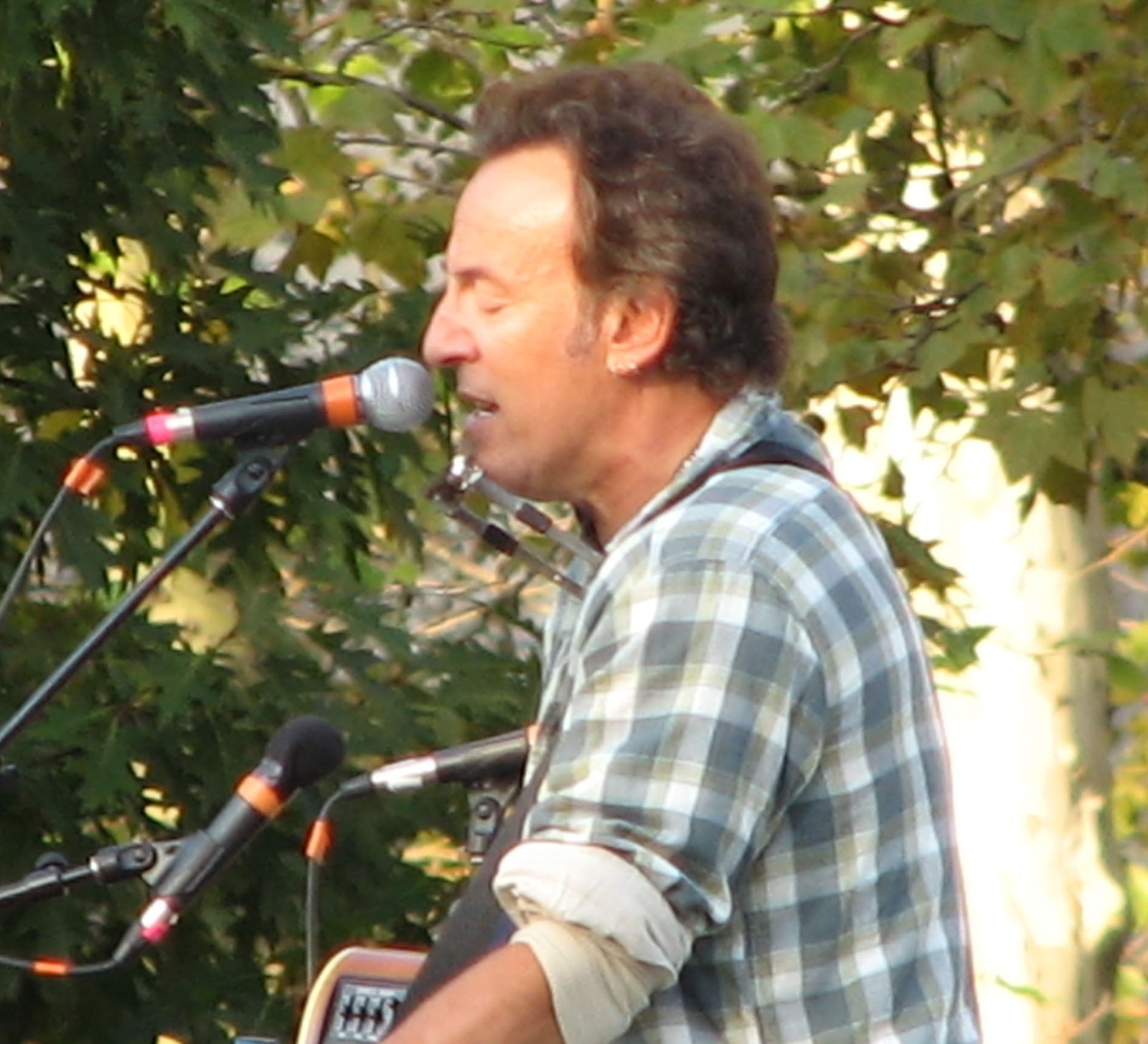
Chrome-wheel dreams promise escape, but metaphors scream trapped fury in dead-end Jersey traps. Tramps like us chase glory roads that loop back. Springsteen romanticizes the hopeless sprint.
His 1975 breakout defined the E Street sound, inspired by soul and Spector walls. He rewrote obsessively for months, birthing anthemic desperation. It captured blue-collar longing like few others.
Conclusion: Why Deeper Dives Change Everything

These anthems prove rock’s genius lies in the unsaid. Surface screams hook us, but symbols and backstories linger, reshaping replays. Next spin, listen closer, you might hear your own story echo back.
What hidden gem shocked you most? Drop your take below, and crank up the volume with fresh ears.

Besides founding Festivaltopia, Luca is the co founder of trib, an art and fashion collectiv you find on several regional events and online. Also he is part of the management board at HORiZONTE, a group travel provider in Germany.
