
- Celebrities With Surprisingly Impressive Academic Backgrounds - December 9, 2025
- The Surprising Origins of Your Favorite Childhood Nursery Rhymes - December 9, 2025
- Forgotten Pop Culture Trends That Deserve a Comeback - December 9, 2025
The Power of Protest Art in the Civil Rights Era
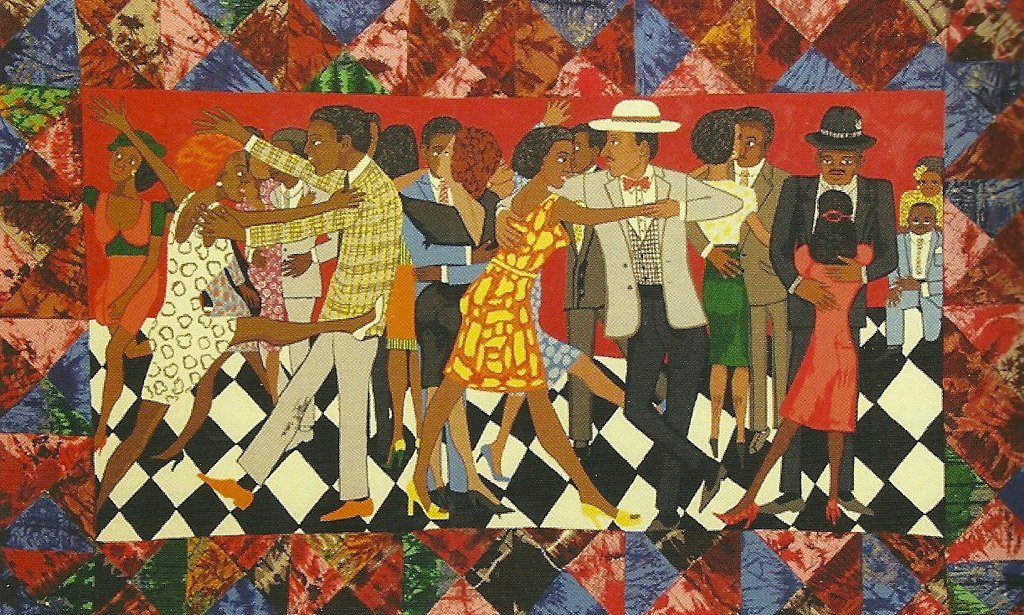
In the 1960s, American artists like Faith Ringgold and Emory Douglas transformed the visual language of protest. Their bold posters, quilts, and illustrations became rallying cries for justice. The Black Panther Party used Douglas’s artwork to communicate their message of resistance, with his images appearing in newspapers and on city walls. According to the Smithsonian, Ringgold’s story quilts wove together personal stories and calls for equality, making the struggle deeply relatable. The effectiveness of this art was clear: it united protesters, educated the public, and challenged racist policies. Art exhibitions highlighting civil rights themes saw dramatic increases in attendance during this period. Art historian Kellie Jones wrote that visual art became “an engine for change” by making social issues visible and urgent. These artistic strategies are still studied in universities today.
Pop Art’s Subtle Political Critique
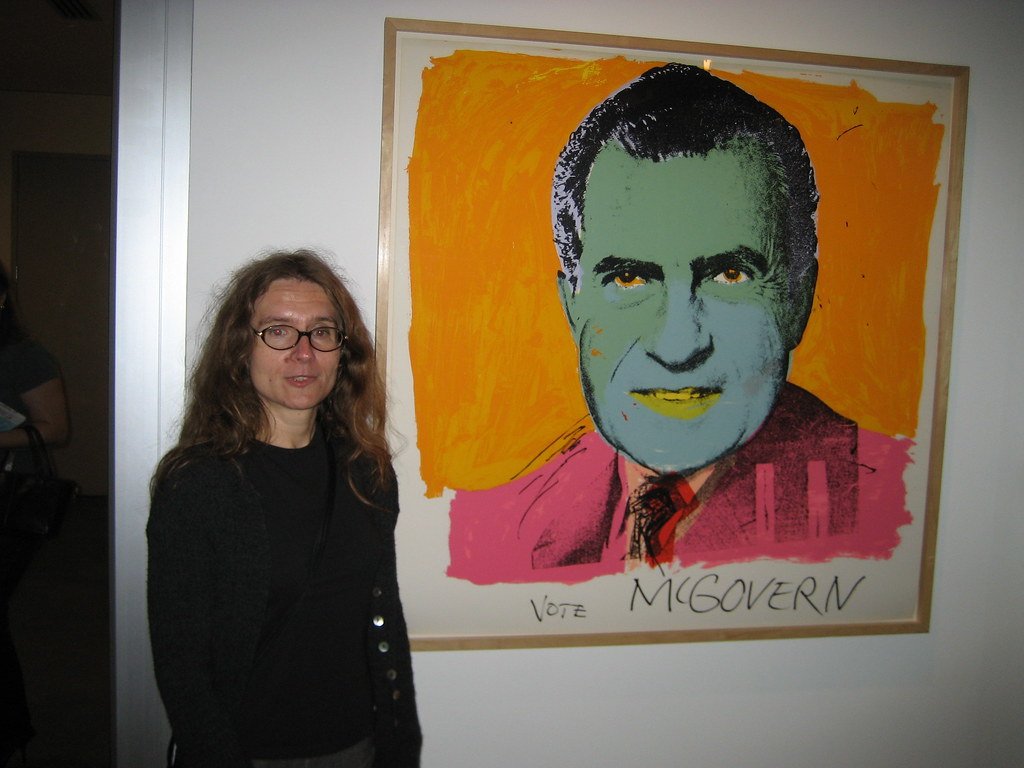
Artists like Andy Warhol and Roy Lichtenstein are often seen as apolitical, but their work quietly questioned American consumerism and political values. Warhol’s soup cans and portraits of political figures like Richard Nixon blurred the lines between celebrity and political power. According to the Whitney Museum, Warhol’s 1972 print “Vote McGovern” was an overt attack on Nixon’s presidency. Lichtenstein’s comic-style paintings poked fun at both mass media and military aggression, especially during the Vietnam War. A 2019 study in the journal Art & Politics notes how Pop Art’s ironic style made viewers question their own roles in society. These works didn’t just reflect American culture—they challenged people to see the politics beneath the surface.
Graffiti and Street Art as Urban Protest
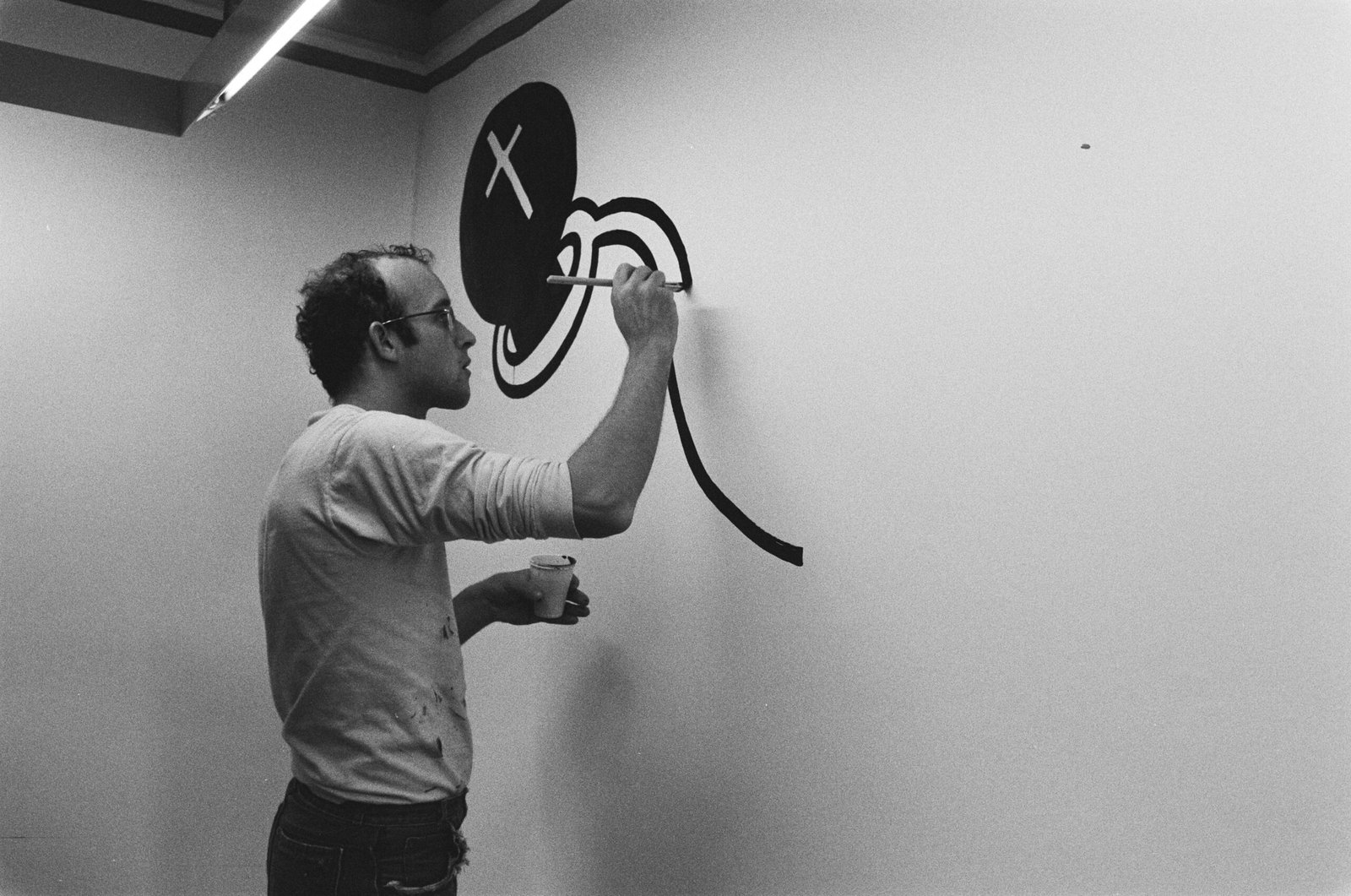
Graffiti exploded as a form of protest in American cities during the 1970s and 80s. Artists like Jean-Michel Basquiat and Keith Haring turned subway cars and city walls into urgent political statements. According to the Museum of the City of New York, Haring’s art addressed issues like nuclear disarmament and the AIDS crisis, making activism visible in public spaces. Basquiat’s cryptic images critiqued racism and inequality. Studies have shown that neighborhoods with political street art often saw higher rates of voter registration and civic engagement. In 2023, murals supporting Black Lives Matter appeared in over 300 U.S. cities, according to NPR. Street art today is recognized as a legitimate and powerful tool for political expression.
Photography’s Unfiltered Truth
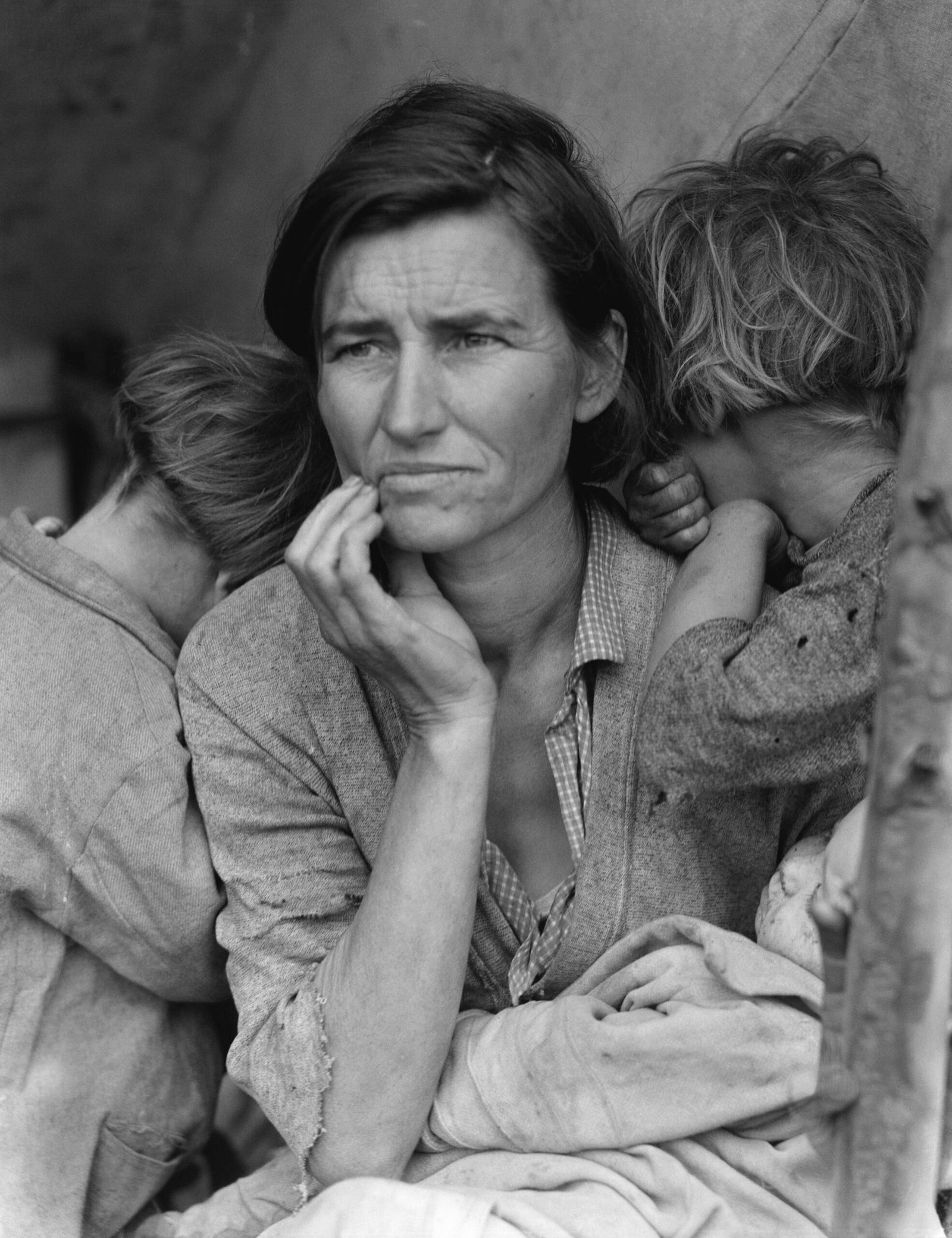
Photojournalists like Dorothea Lange and Gordon Parks didn’t just capture images; they shaped public opinion. Lange’s “Migrant Mother” became the face of the Great Depression, influencing New Deal policies. Parks used his camera to document segregation and poverty, his work appearing in Life magazine and sparking national conversations. According to the Library of Congress, images from the Civil Rights Movement were crucial in swaying public opinion and prompting legislative change. A 2024 Pew Research Center report found that 65% of Americans believe iconic photographs have influenced their political beliefs. The visual evidence provided by photography continues to be a catalyst for reform.
Political Posters and the Power of Design
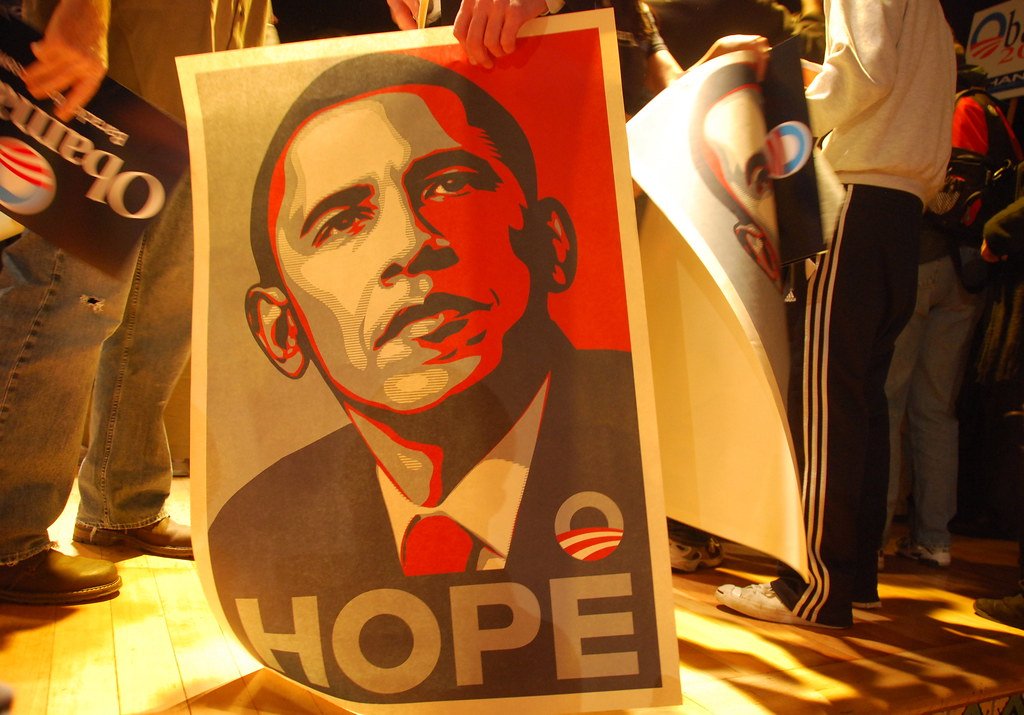
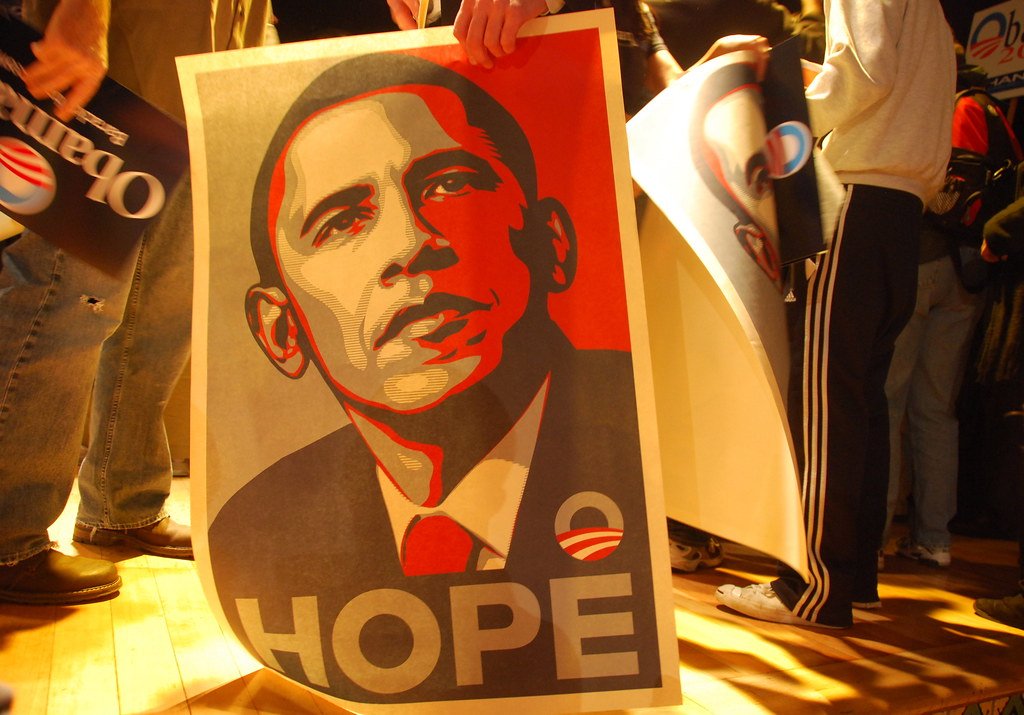
From World War II propaganda to Shepard Fairey’s “HOPE” poster for Barack Obama, political posters have shaped American elections and movements. During the Vietnam War, anti-war posters circulated in college campuses and city streets, visually uniting protestors. According to the Cooper Hewitt, Smithsonian Design Museum, Fairey’s 2008 Obama poster became one of the most influential political images of the 21st century, seen by millions and even adopted by the campaign itself. Data from the American Institute of Graphic Arts shows that well-designed political posters increase campaign recognition by up to 40%. Posters are a fast, accessible way to spread messages and spark action.
Performance Art as Political Statement
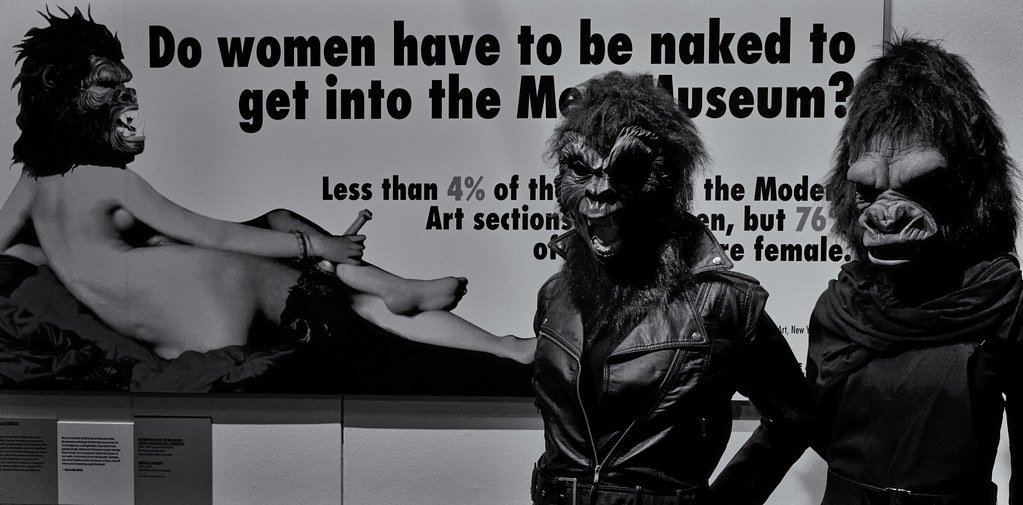
Performance artists like Marina Abramović and the Guerrilla Girls have used their bodies to challenge political systems. The Guerrilla Girls, for example, wore gorilla masks to protest sexism in the art world, a tactic that drew media attention and changed museum acquisition policies. Abramović’s endurance performances, while not always explicitly political, inspired American artists to use vulnerability as protest. In 2022, performance art collectives staged demonstrations for climate action in 25 U.S. cities, according to Hyperallergic. These performances broke down barriers between artist and audience, making politics impossible to ignore.
Murals as Community Organizing Tools
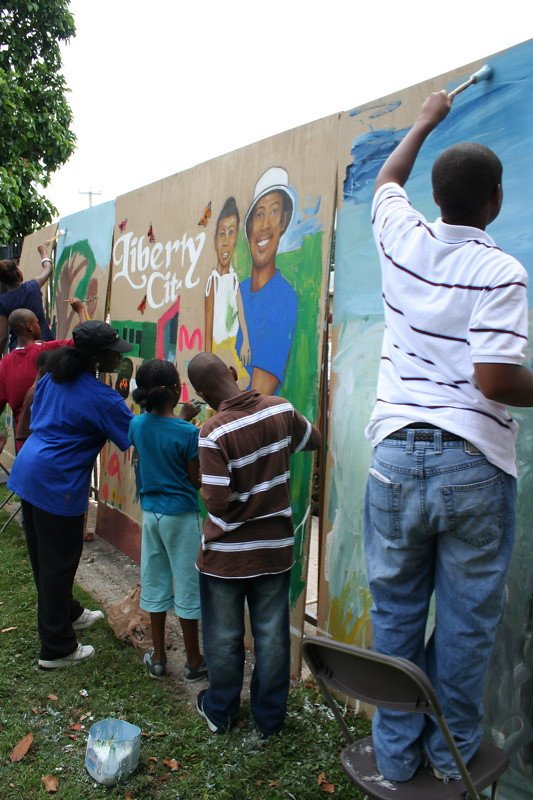
Murals have always been more than decoration in American cities—they are statements of pride, resistance, and hope. The Chicano Mural Movement in Los Angeles, for example, turned blank walls into visual histories of struggle and resilience. Studies published in the Journal of Urban Affairs show that neighborhoods with murals experience higher rates of community engagement and lower crime. In 2020, the Black Lives Matter movement inspired mural projects nationwide, with the Washington, D.C. Black Lives Matter Plaza mural becoming a national symbol. These large-scale works unite communities and make political demands visible.
Cartoons and Satire in Political Discourse
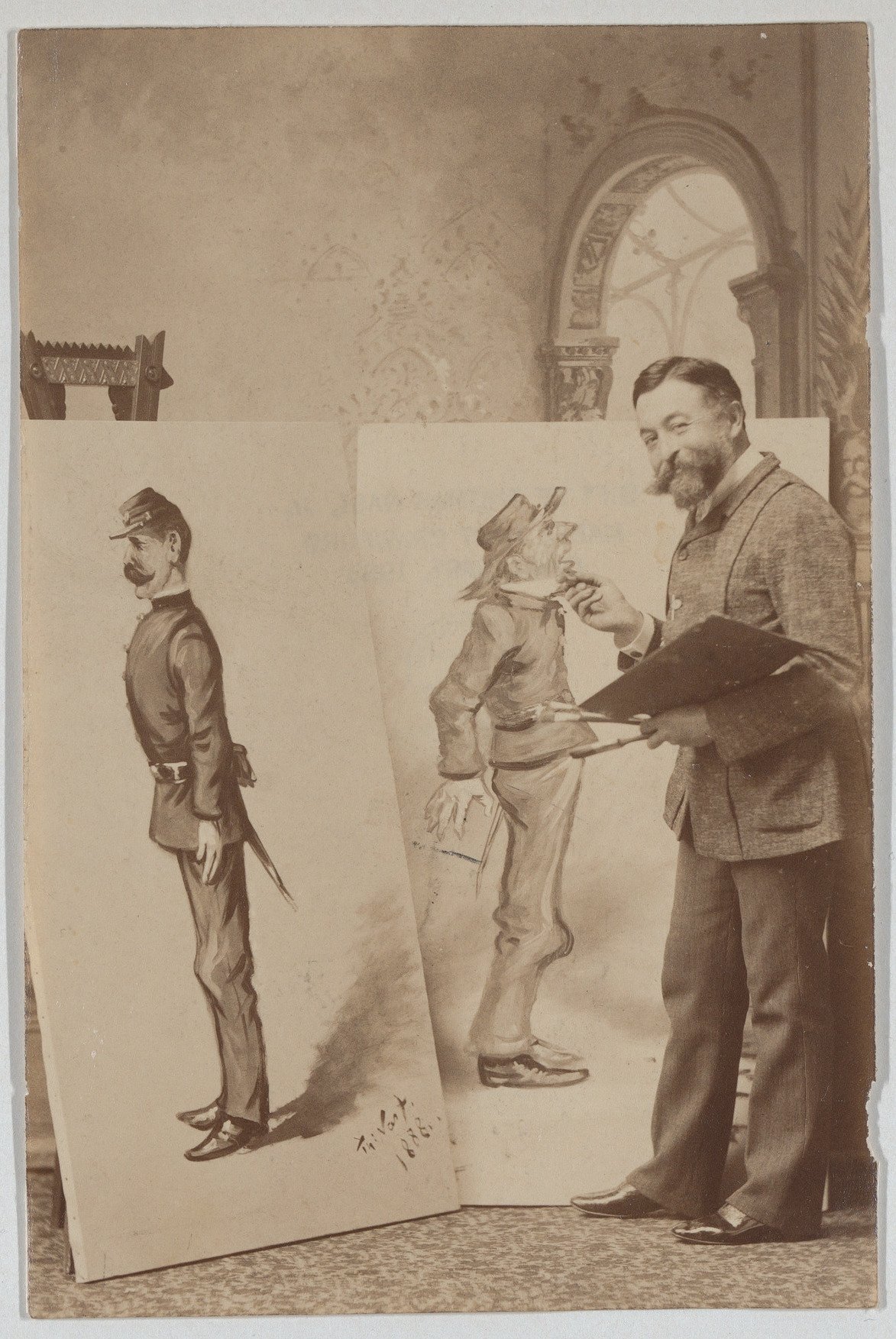
Political cartoons have long been a staple of American newspapers, using humor and exaggeration to criticize leaders and policies. Artists like Thomas Nast in the 19th century and Herblock in the 20th helped shape public opinion on everything from corruption to civil rights. According to a 2023 Gallup poll, nearly 50% of Americans say they better understand political issues through cartoons than editorials. In recent years, digital platforms have supercharged the reach of satirical art, helping memes and illustrations go viral. Cartoons remain a sharp, accessible way to critique those in power.
Music and Album Art as Mobilization
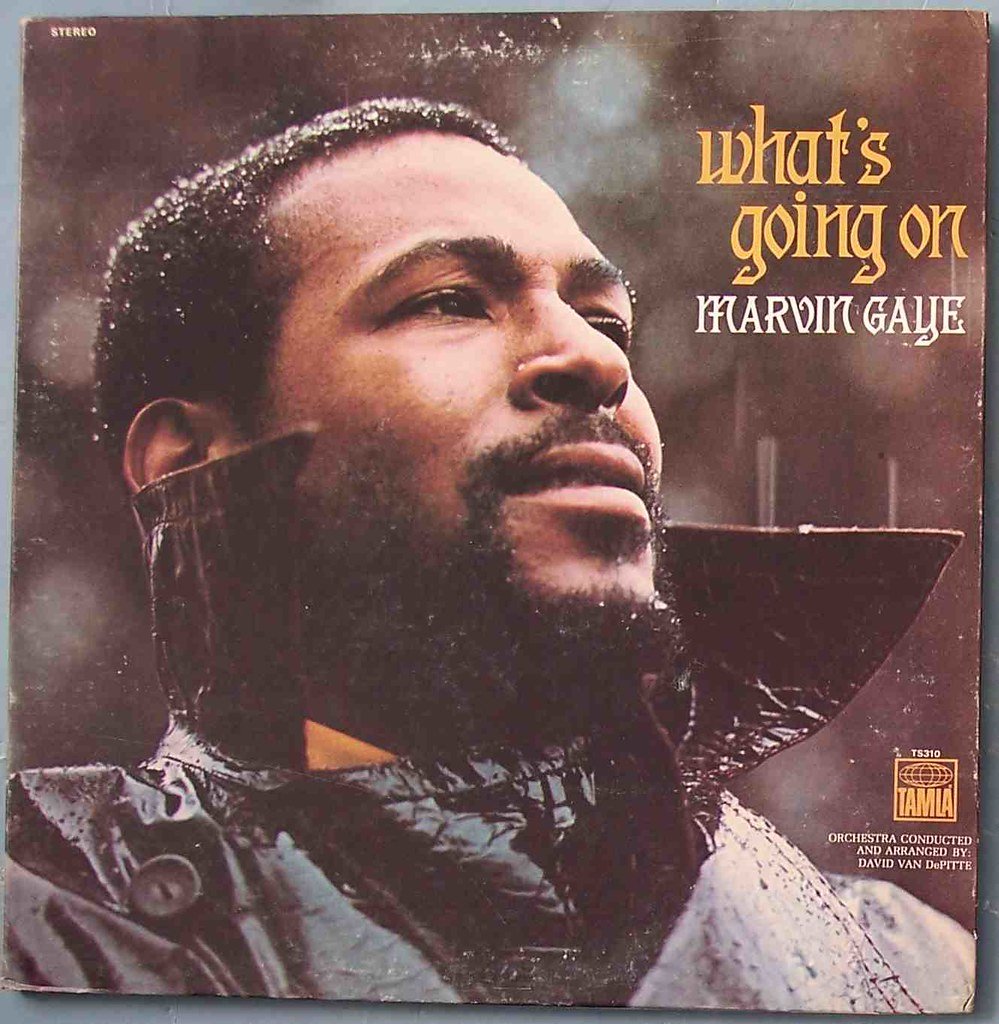
The covers of albums like Marvin Gaye’s “What’s Going On” or Kendrick Lamar’s “To Pimp a Butterfly” are more than art—they are political manifestos. In 2022, Spotify reported a spike in streams of politically themed songs during the midterm elections, demonstrating music’s mobilizing power. Visuals accompanying these albums often reference protest movements, historical events, or ongoing struggles. Artists collaborate with graphic designers to embed coded messages, reaching audiences who might not read political essays. Album art remains a vital entry point for political engagement, especially for younger voters.
Sculpture and Public Monuments in the National Debate
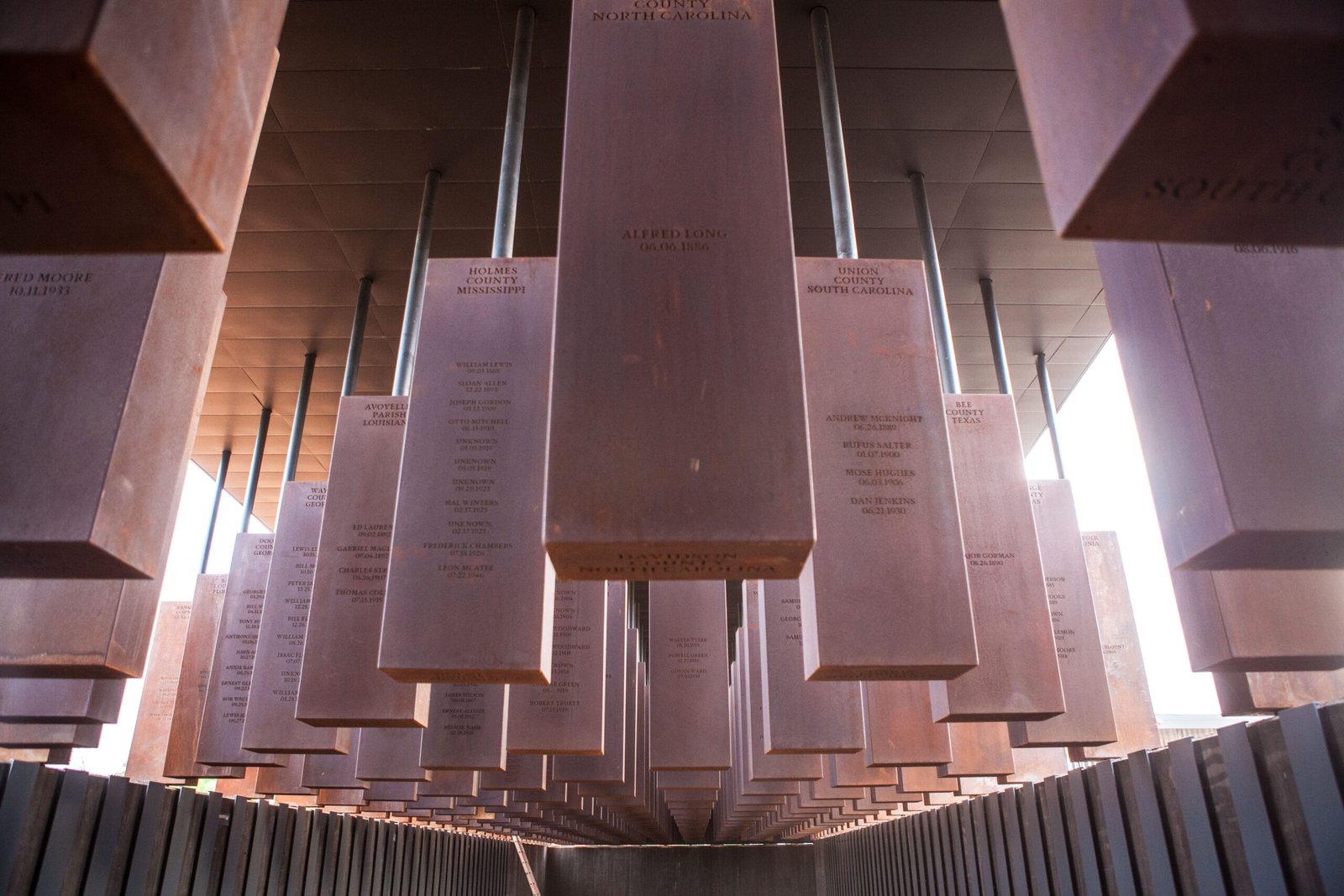
Public sculpture has become a battleground for American memory. The removal of Confederate monuments in recent years has sparked heated debates about history and identity. According to the Southern Poverty Law Center, over 160 Confederate symbols were removed or renamed between 2020 and 2024. At the same time, new monuments—like the National Memorial for Peace and Justice in Alabama—are reshaping the narrative, honoring victims of racial violence. Public art doesn’t just commemorate; it forces viewers to confront uncomfortable truths and reconsider who is celebrated in public spaces.
Digital Art and Social Media Movements
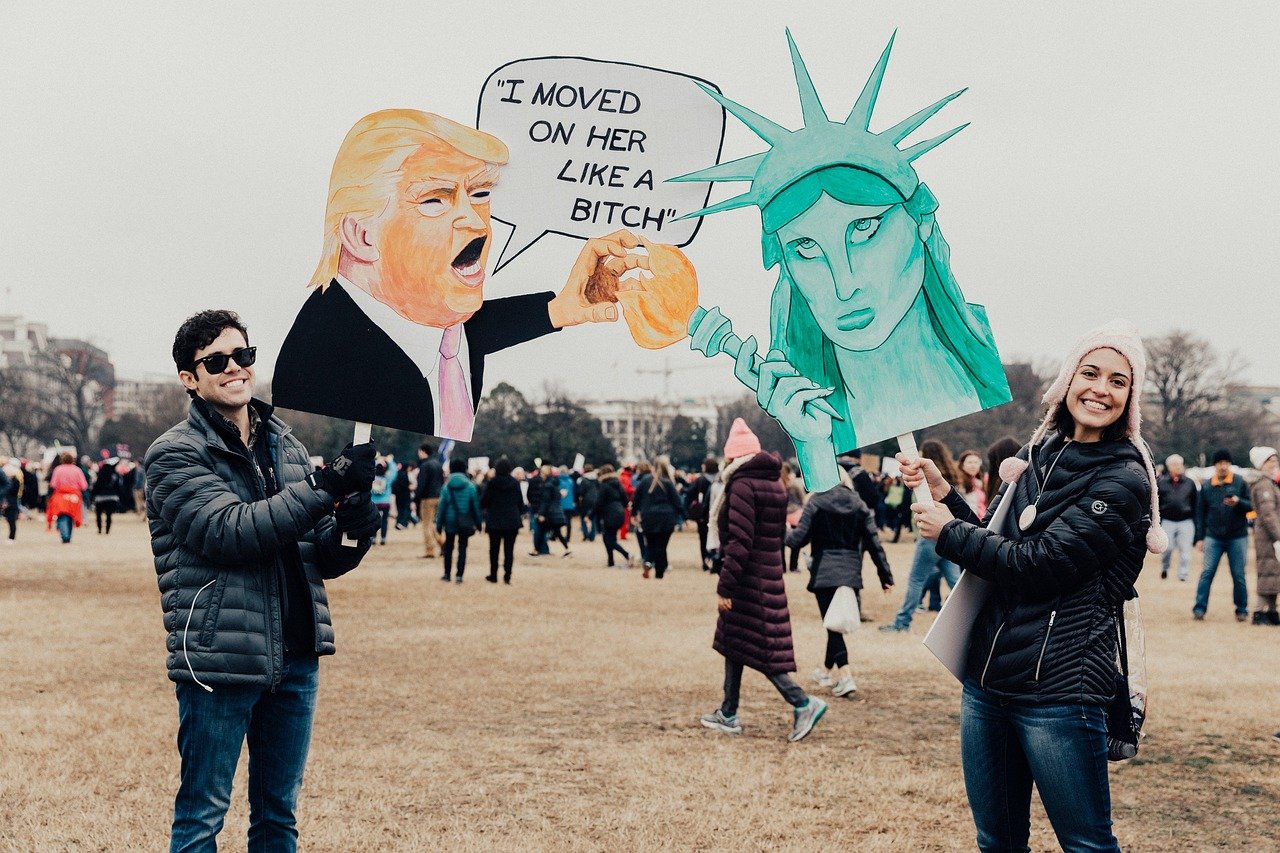
Digital art has exploded as a tool for political organizing, especially since 2020. Platforms like Instagram and TikTok amplify political illustrations, infographics, and memes, reaching millions in hours. According to a 2023 Pew Research study, 72% of young Americans get political information from visual content on social media. Digital artists collaborate with activists to create shareable graphics, mobilizing supporters for marches, fundraisers, and campaigns. The speed and reach of digital art have made it indispensable for modern movements.
Feminist Art and the Fight for Equality
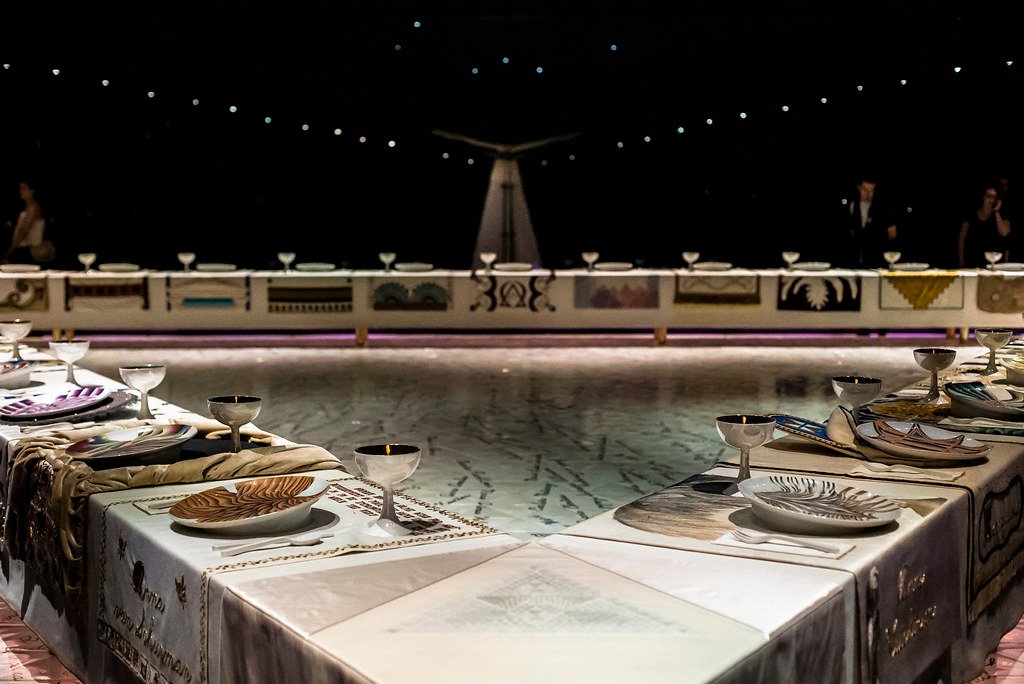
Feminist artists like Judy Chicago and Barbara Kruger have turned galleries and billboards into battlegrounds for gender equality. Chicago’s “The Dinner Party” and Kruger’s text-based works challenge viewers to confront sexism in everyday life. According to the National Museum of Women in the Arts, exhibitions featuring feminist themes have doubled in attendance since 2018. In the wake of the #MeToo movement, artists have used installations and digital campaigns to highlight stories of harassment and resistance. Feminist art continues to push the boundaries of what’s possible in both activism and aesthetics.
Native American Art Reclaiming History
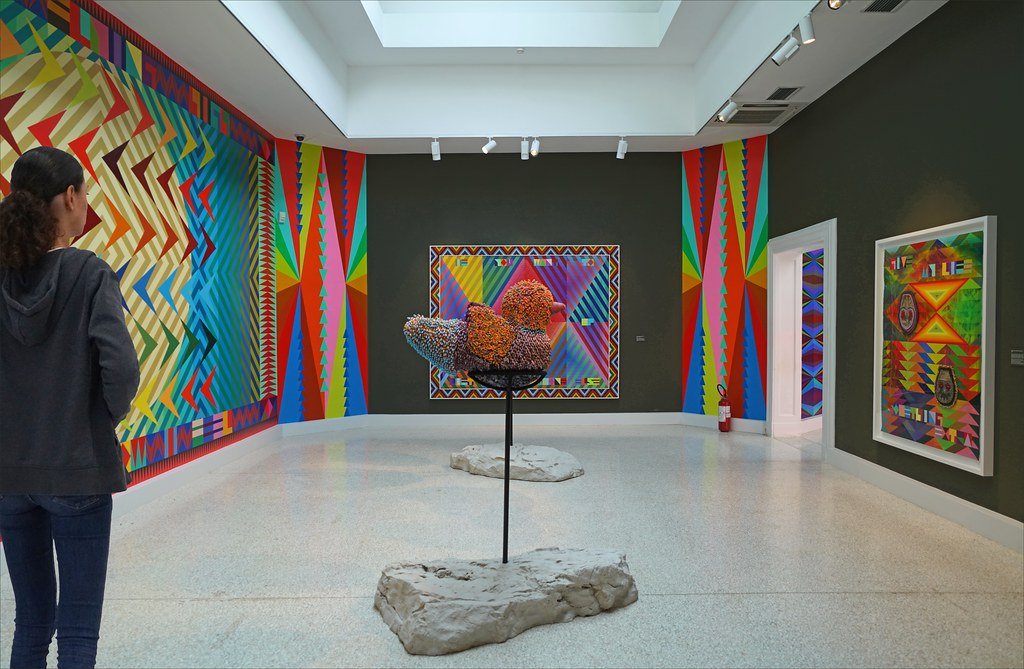
Contemporary Native American artists like Jaune Quick-to-See Smith and Jeffrey Gibson use their work to challenge stereotypes and reclaim narratives. Their paintings, installations, and performances confront issues like land rights, environmental justice, and cultural erasure. In 2024, the National Museum of the American Indian reported a record number of visitors to exhibitions featuring contemporary Indigenous art. This visibility has led to increased support for Native-led political initiatives. Native American art connects tradition with activism, creating a powerful bridge between the past and present.
LGBTQ+ Art and the Struggle for Rights
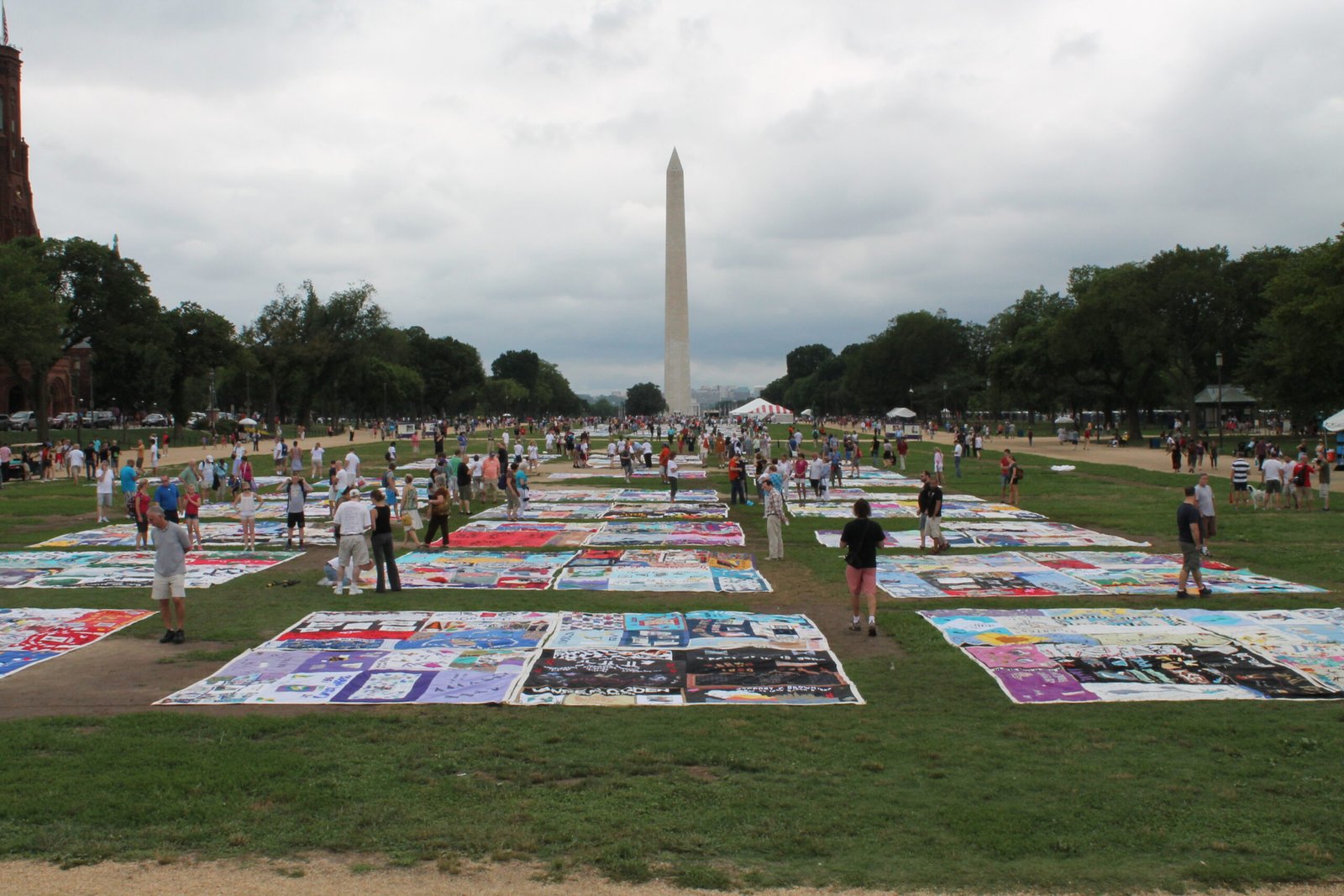
LGBTQ+ artists have created some of the most iconic images of pride and protest in American history. The AIDS Memorial Quilt, begun in 1987, now covers over 50,000 panels and is the world’s largest community art project, according to the Names Project Foundation. In recent years, digital art collectives have created viral campaigns supporting marriage equality and transgender rights. The Human Rights Campaign notes that visual art is a key tool in raising awareness and changing hearts and minds. LGBTQ+ art makes invisible struggles visible.
Environmental Art and Climate Activism
Artists like Maya Lin and Mel Chin use their work to highlight environmental destruction and inspire action. Lin’s “What is Missing?” memorial documents disappearing species, while Chin’s “Fundred Project” collects hand-drawn currency to call attention to lead poisoning. According to the Yale Program on Climate Change Communication, art installations about climate change increase public understanding and concern by up to 30%. In 2023, environmental art was featured in major museums and public spaces, turning abstract scientific data into emotional experiences.
Immigrant Art Telling New American Stories
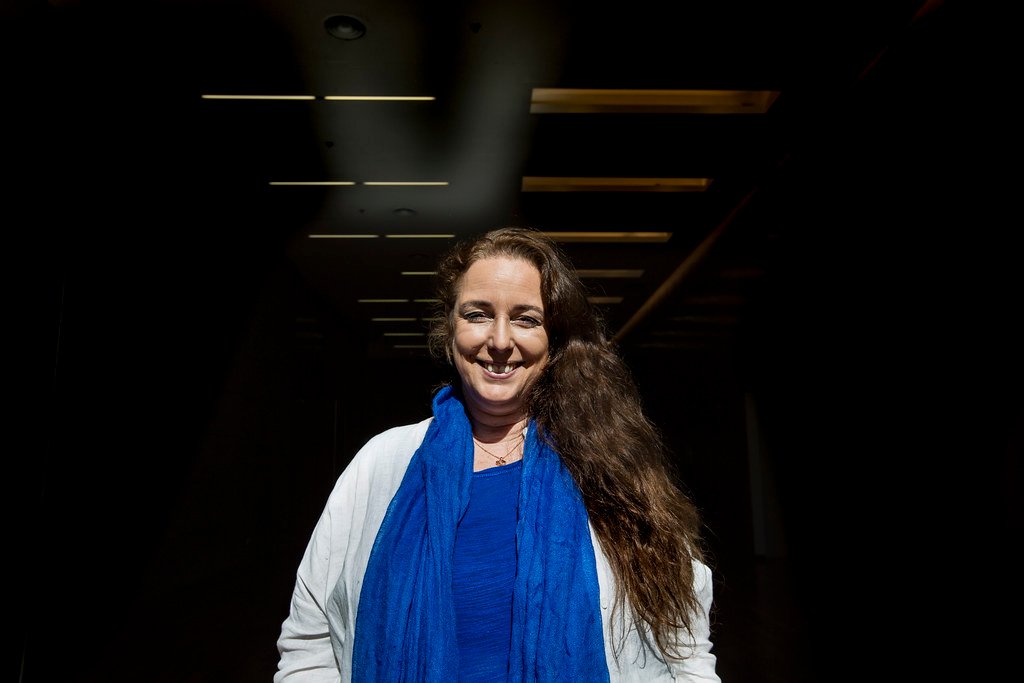
Immigrant artists have brought new perspectives to American art, using their experiences to challenge policies and stereotypes. Artists like Tania Bruguera and JR have created installations at the U.S.-Mexico border and in major cities that humanize the immigrant experience. The Migration Policy Institute reports that exhibitions focused on migration issues have doubled since 2020. These artworks create empathy and understanding, often influencing public debates on immigration reform. Art gives voice to those who are often excluded from political conversations.
Children’s Art in Political Education
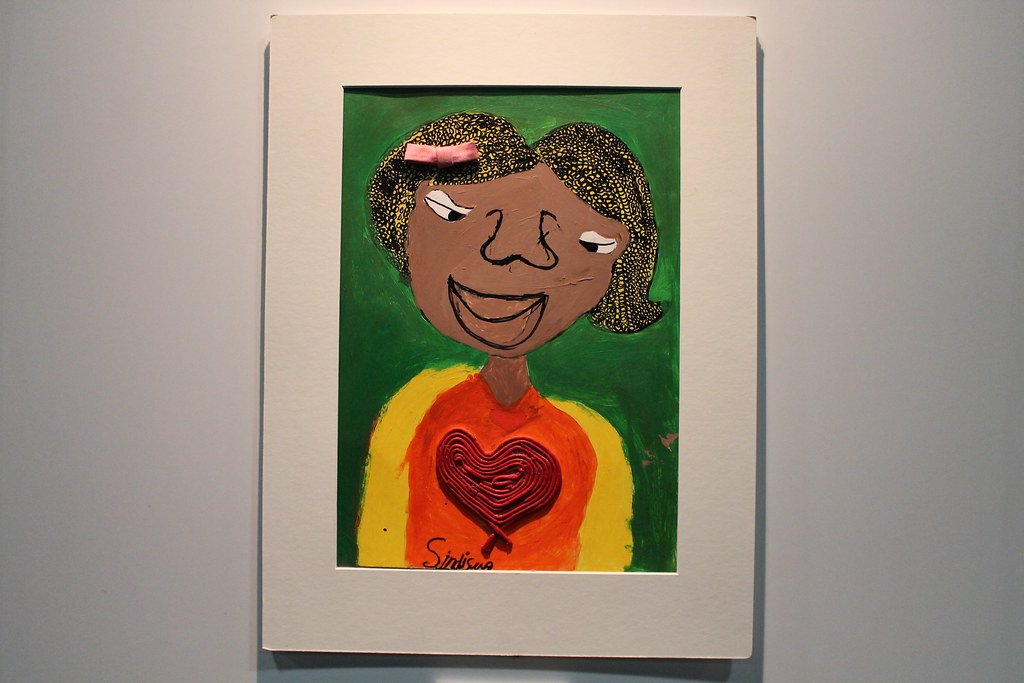
Children’s drawings and murals have been used in classrooms and protests to teach about justice and democracy. In 2022, the National PTA reported a 40% increase in student participation in art programs focused on civic themes. Art educators use creative projects to help children understand voting, rights, and community issues. Murals painted by children often appear at marches and rallies, reminding adults of the stakes involved. Children’s art can simplify complex topics and inspire hope for the next generation.
Art Therapy for Political Trauma

Art therapy programs have helped communities heal after political violence and unrest. After the 2020 protests, art therapists in cities like Minneapolis and Portland worked with protestors and residents to express trauma and resilience through creative projects. The American Art Therapy Association reports that participation in art therapy sessions increased by 60% in 2021 and 2022. These programs help individuals process grief and anger, building stronger, more resilient communities. Art therapy is increasingly recognized as part of public health responses to political crises.
Art in Political Advertising and Propaganda

Political campaigns invest millions in visual strategies to sway voters. In 2024, the Federal Election Commission reported that digital and television ad spending reached a record $11 billion, much of it spent on visual content. Campaigns use design, color, and imagery to evoke trust, fear, or hope. Researchers at Stanford University found that visually striking ads increase voter recall by 35%. The line between art and propaganda is often blurry, but there’s no denying the influence of visual storytelling in American politics.
Public Installations and Temporary Art Actions
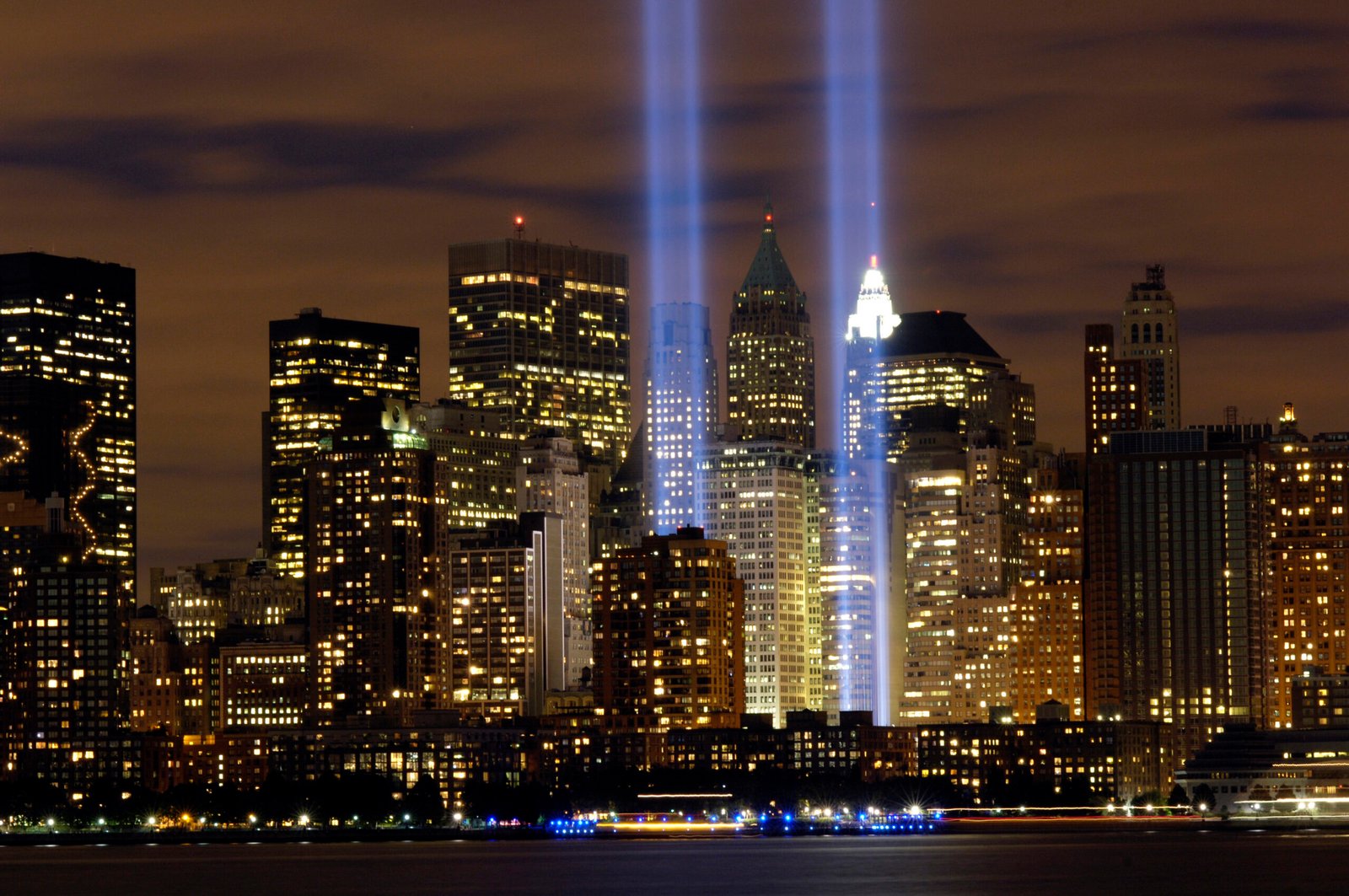
Temporary art installations, such as the 9/11 Tribute in Light or the 2020 “Say Their Names” installations, create powerful moments of reflection and solidarity. These projects often use light, sound, or performance to transform public spaces and commemorate political events. The Public Art Fund reports that temporary installations draw larger, more diverse crowds than permanent monuments. These fleeting works can spark conversations, inspire action, and leave lasting memories. Temporary art is uniquely suited to capturing the urgency of political moments.

Besides founding Festivaltopia, Luca is the co founder of trib, an art and fashion collectiv you find on several regional events and online. Also he is part of the management board at HORiZONTE, a group travel provider in Germany.
