


For any feedback please reach out to info@festivalinside.com
The Ticket Trap: When Your Pass Becomes a Passport to Poverty
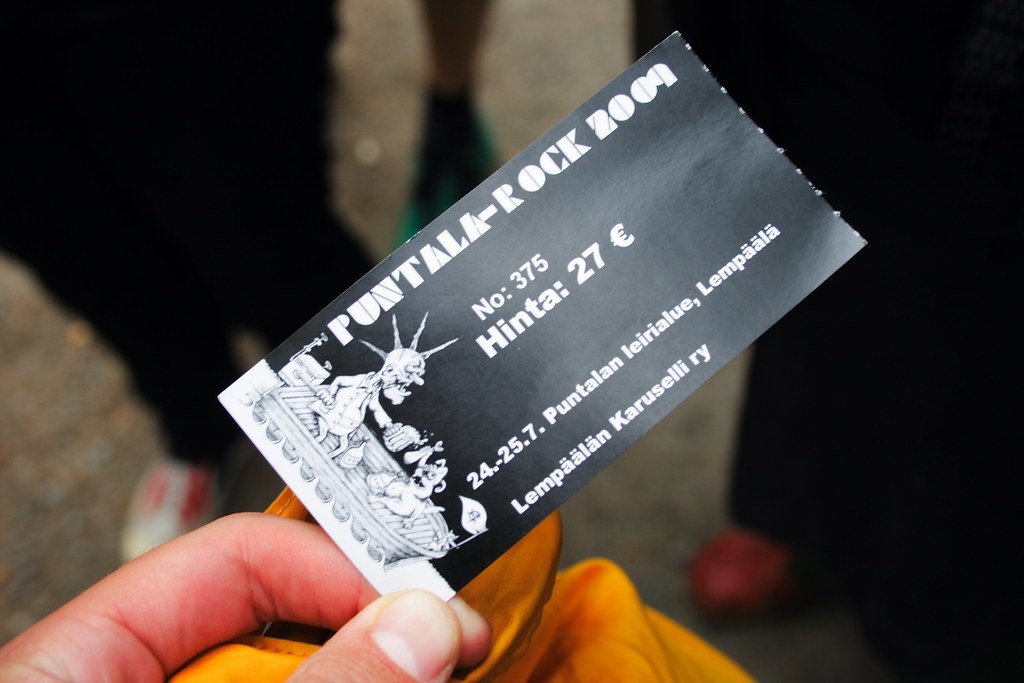
You think you’re getting a deal when you see that festival ticket priced at $300, but wait until you get to checkout. Ticket sales are subject to an extra fee for ticketing payment charges of the operator, and these fees can add up fast. Most festivals tack on service fees, processing charges, and taxes that can boost the price by 20-30% or more.
The worst part? Those “convenient” payment plans that festivals offer often come with hidden interest rates or processing fees. Costs will vary depending on when you buy tickets (they generally get more expensive closer to the actual performance date), and whether you decide to shell out for the VIP options. What looked like a budget-friendly option suddenly becomes a financial nightmare.
VIP packages are particularly dangerous for your wallet. While regular tickets might run you $200-400, VIP can easily double or triple that cost. In 2025, general admission (including fees) to Coachella is approximately $550, Stagecoach is close to $400, and Lollapalooza runs around $385. But here’s the kicker – many VIP perks like “premium viewing areas” or “exclusive bathrooms” aren’t worth the premium price tag.
Transportation Troubles: When Getting There Costs More Than Being There
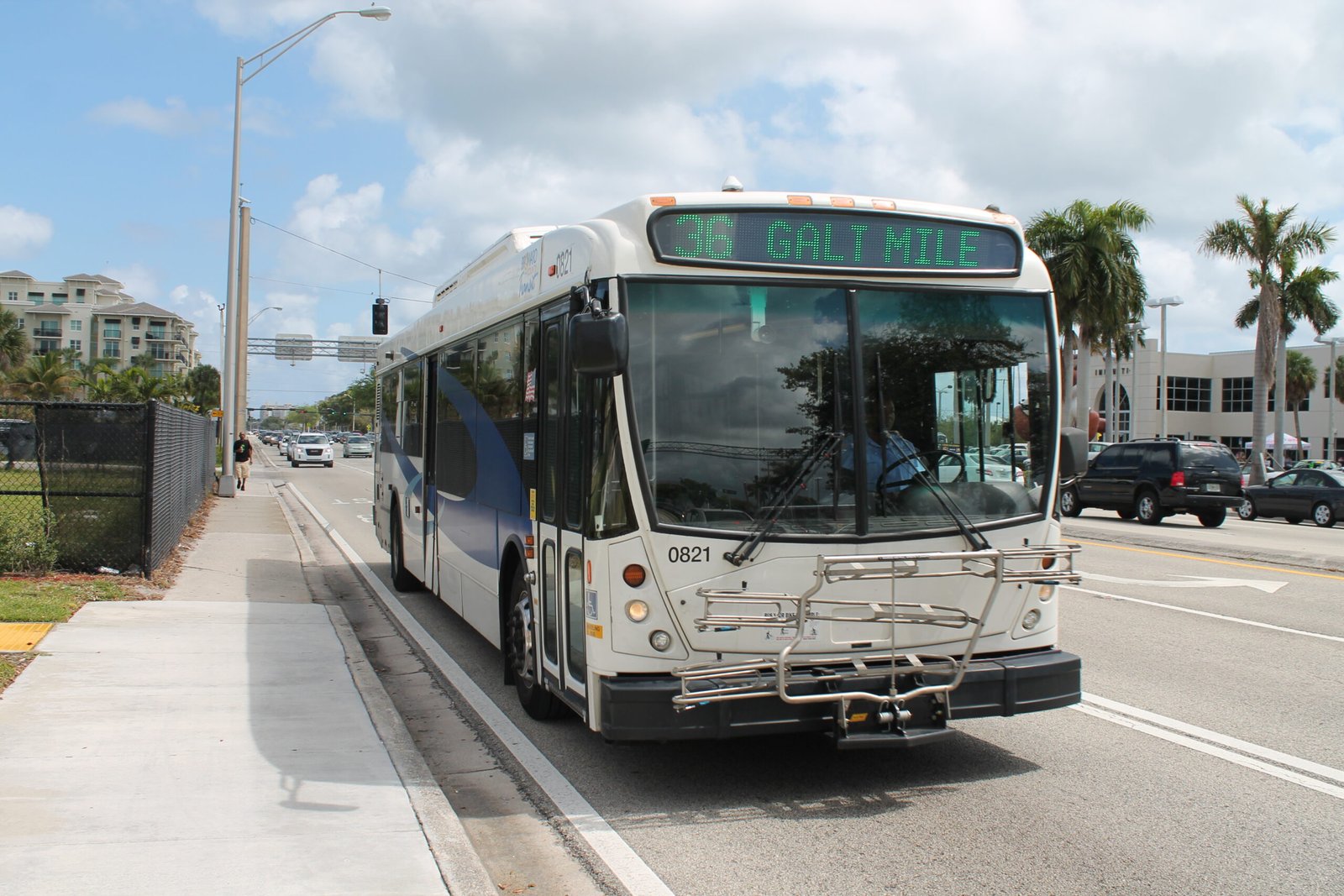
Let’s talk about the elephant in the room – actually getting to these festivals. Festival weekends are typically considered “peak” travel season in their destinations, which means airlines and hotels jack up their prices faster than you can say “surge pricing.” Flight costs can easily double or triple compared to regular travel weekends.
If you’re thinking about driving, don’t forget about parking fees. Some festivals charge $50 or more per day just to park your car, and that’s if you can even find a spot. Tickets typically don’t include parking, food, or any accommodations, so these costs hit you like a surprise punch to the gut.
Ride-sharing apps become your worst nightmare during festival season. Surge pricing can multiply your usual $15 ride into a $75 nightmare, especially when everyone’s trying to leave at the same time. Public transport, when available, gets overcrowded and unreliable during peak festival times.
Accommodation Avalanche: Where Your Bed Costs More Than Your Rent
Weekly average advertised hotel room pricing during the second weekend of Tomorrowland rose to $247 this year, 53% higher than the average across the whole year. Hotels near festival grounds know they have a captive audience, and they price accordingly. What might normally cost $80 a night suddenly becomes $300 or more.
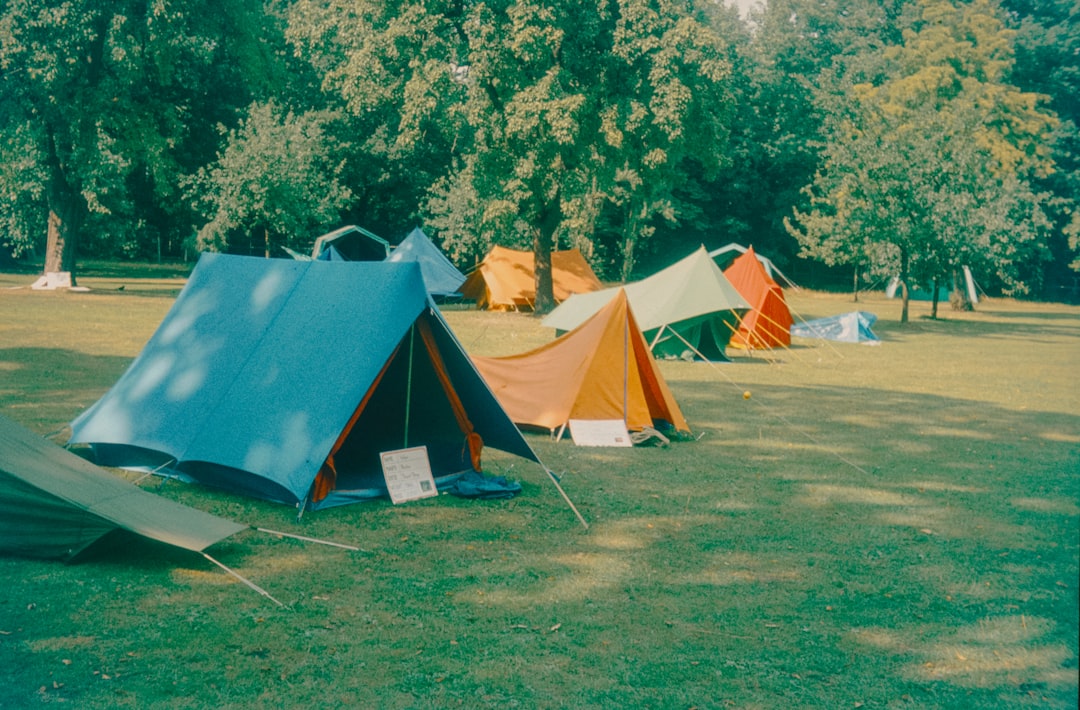
Camping might seem like the budget option, but it’s not free money either. A Tipi for Glastonbury Festival 2025 will cost £1795 to hire (Festival tickets not included). Even basic camping spots can run $100-200 for the weekend, and that’s before you factor in all the gear you’ll need if you don’t already own it.
The real kicker is booking timing. While you can try and pinch pennies by road-tripping and camping instead of staying in a hotel (depending on the festival), costs can still be high. Last-minute bookings can cost 2-3 times more than if you’d planned ahead. But even planning ahead doesn’t guarantee reasonable prices when hotels know demand will be through the roof.
Food and Drink Financial Disaster: When a Sandwich Costs More Than a Meal at a Restaurant
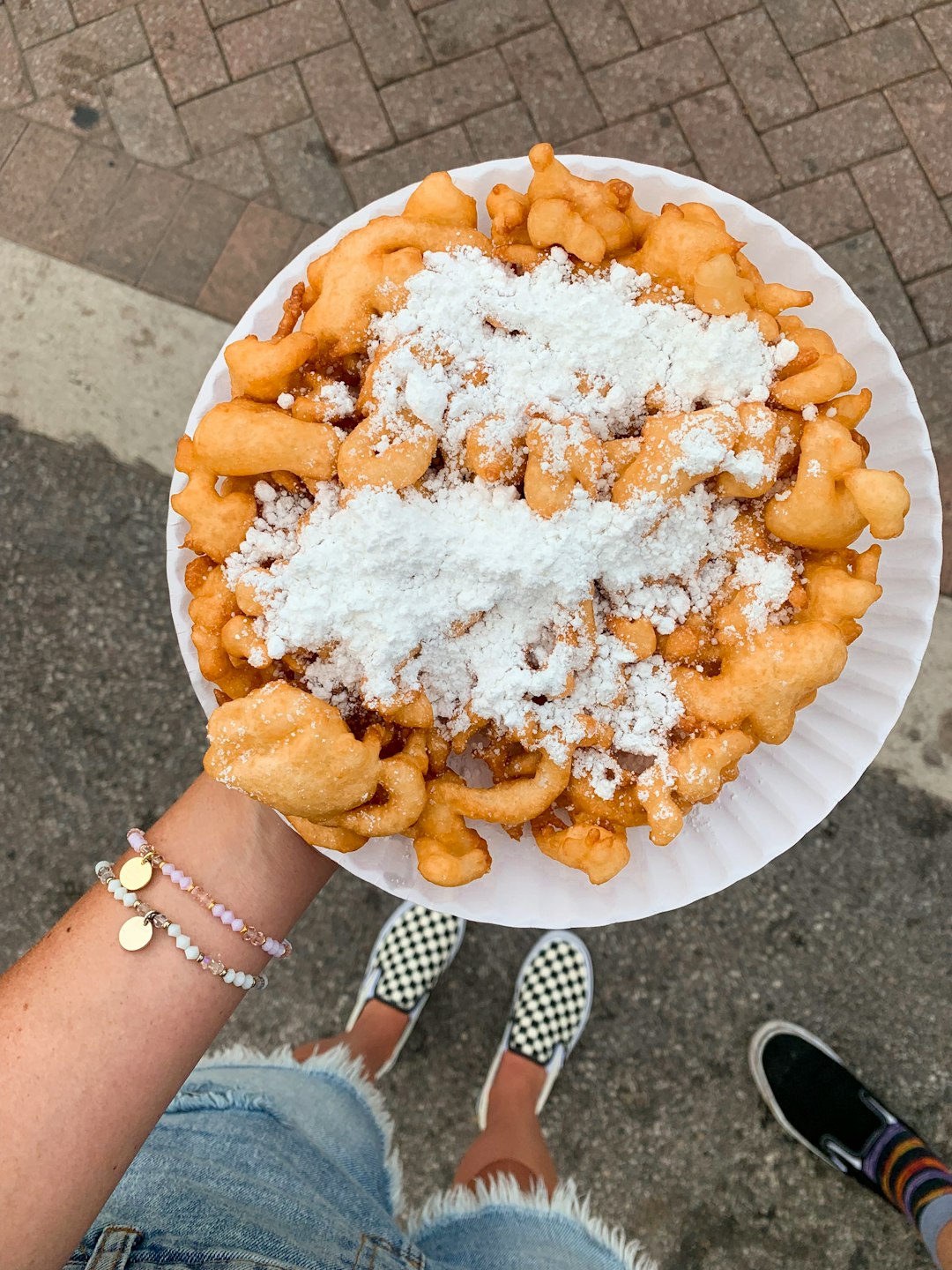
Festival food prices are absolutely insane, and there’s no other way to put it. Several Coachella attendees went viral on social media after they showed off their expensive meals — with one festivalgoer revealing that two taco dinners and lemonades cost her $102. A simple pizza slice can run you $13, and that’s considered reasonable by festival standards.
Drinks are even worse. The average price for a 50cl premium beer follows a less pronounced upward trend, with a 3% increase, reaching €8.34 in 2024. That’s about $9 for a single beer, and in some festivals, you’ll pay $15-20 for alcoholic beverages. Even water isn’t safe – some festivals charge $5 or more for a bottle of water.
The average price of non-alcoholic drinks (soft drinks) in 33cl servings is €3.40, a 3% increase compared to last year. When you’re out in the sun all day, these drink costs add up faster than you can hydrate. The prices of food and drink at music festivals are notorious for being extravagant. You’ll need to be prepared to either pack your own food and drinks (if allowed by the festival) or shell out a premium.
Festival Fashion Fiasco: When Your Outfit Costs More Than Your Ticket

Social media has turned festival fashion into a full-blown industry, and it’s costing attendees big time. Want to go all out on an extravagant outfit to match influencers or your favorite artist? Don’t forget to build a budget for clothes, makeup and accessories. Those flower crowns, glitter, and bohemian outfits add up quickly.
The pressure to look Instagram-ready has created a whole economy around festival fashion. People spend hundreds of dollars on outfits they’ll wear for just a few days. Special festival makeup, temporary tattoos, and accessories can easily cost $200-500 if you’re not careful.
What’s worse is that these outfits are often impractical for the actual festival experience. That cute crop top might look great in photos, but it won’t protect you from sunburn or keep you warm when temperatures drop at night. You end up buying practical clothes on top of your fashion statement pieces.
Tech Troubles: When Your Phone Dies and Your Wallet Follows

Phone charging stations at festivals are straight-up robbery. Many festivals charge $20-30 per day for a charging locker, and that’s assuming you can even find one available. Your phone becomes your lifeline for meeting friends, taking photos, and navigating the festival grounds.
Portable chargers become essential, but if you forget one, you’ll pay premium prices at festival stores. A power bank that costs $20 at home might cost $50-75 at a festival vendor. The markup on basic electronics and accessories is astronomical.
Don’t forget about data usage either. Streaming music, uploading photos, and video calling friends burns through your data plan fast. Going over your monthly limit can result in expensive overage charges on your phone bill weeks later.
Weather Woes: When Mother Nature Attacks Your Budget

Weather can turn your festival experience into a financial nightmare. If it rains, you’ll need ponchos, waterproof gear, and possibly new clothes. If it’s hot, you’ll need extra sunscreen, hats, and cooling towels. All of these items cost 3-5 times more when bought at the festival.
Temperature changes between day and night can catch you off guard. You might dress for hot weather during the day, then find yourself shivering when the sun goes down. Emergency clothing purchases at festival stores will drain your wallet fast.
Extreme weather can also impact transportation and accommodation. Flight delays due to storms can force you to extend hotel stays or miss work days. Some festivals don’t offer refunds for weather-related cancellations, leaving you out hundreds or thousands of dollars.
Medical Mayhem: When Festival Fun Turns into Hospital Bills
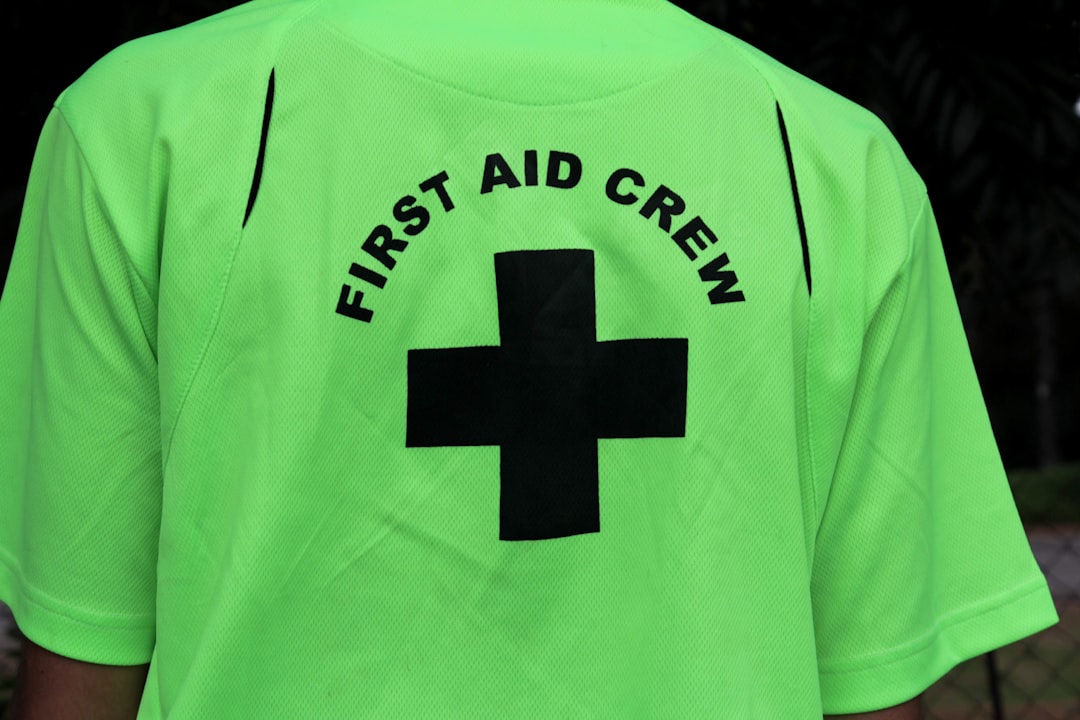
Festival medical costs can be devastating. Dehydration, heat exhaustion, and minor injuries are common, and on-site medical treatment isn’t cheap. Some festivals charge for basic medical services, and if you need to leave the festival for hospital treatment, you’re looking at significant expenses.
Emergency room visits during festival weekends often involve long waits since hospitals get swamped with festival-related injuries. If you’re out of state, your insurance might not cover everything, leaving you with surprise medical bills.
Don’t forget about preventive medical supplies either. Bandages, pain relievers, and basic first aid supplies cost 2-3 times more at festival stores. Smart festival-goers stock up beforehand, but many people forget and end up paying premium prices for basic necessities.
The FOMO Factor: When Fear of Missing Out Empties Your Account

The fear of missing out drives people to make terrible financial decisions at festivals. You also might be tempted by merchandise or souvenirs you weren’t expecting, so having some padding in your budget can allow for those purchases. That limited-edition t-shirt or artist collaboration suddenly becomes a “must-have” item.
After-parties and VIP experiences that weren’t part of your original plan start looking attractive when you’re caught up in the moment. These spontaneous upgrades can add hundreds to your festival budget without you realizing it.
Social media makes FOMO worse. Seeing friends post about exclusive experiences or special access areas makes you want to upgrade your own experience, even if it means blowing your budget completely.
Recovery Costs: When the Festival Ends but the Bills Keep Coming
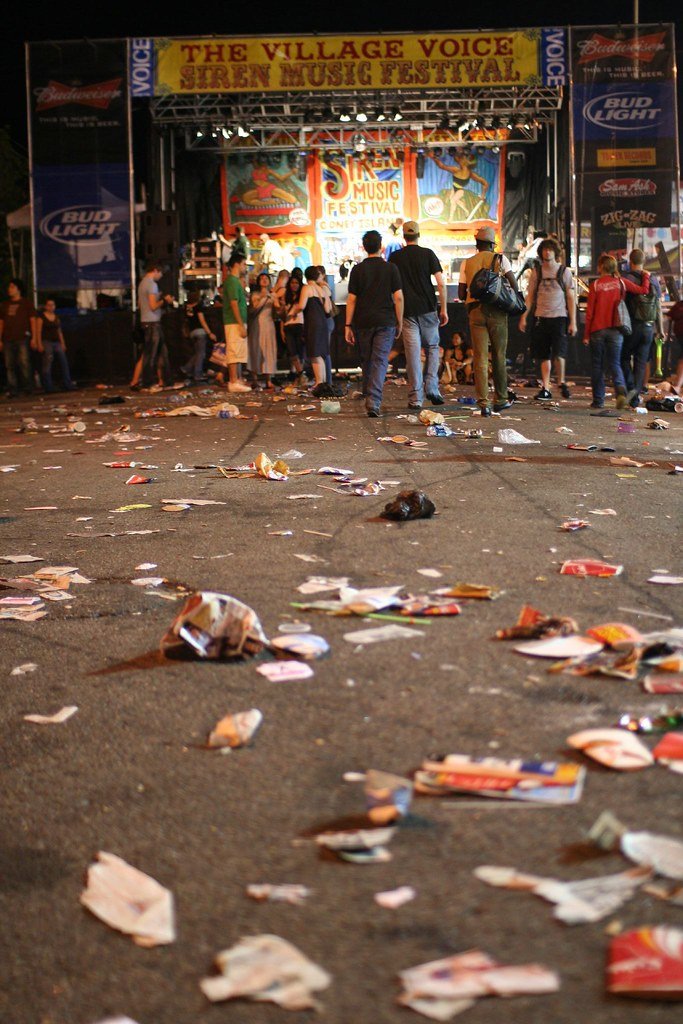
The hidden costs don’t stop when the music does. Post-festival recovery meals, laundry, and replacement items for things you lost or damaged can add up to hundreds of dollars. Many people underestimate these “recovery costs” when budgeting for festivals.
Lost or damaged items are incredibly common at festivals. Phones dropped in mud, sunglasses crushed in crowds, and camping gear ruined by weather all need to be replaced. Some festivals have lost-and-found services, but don’t count on getting your stuff back.
Taking time off work for recovery is another hidden cost. Many festival-goers need an extra day or two to recover from the experience, which means lost wages or using up vacation days. Depending on the festival, you might spend anywhere from $800 to $3,000 for tickets, travel, accommodations, food and drink, depending on the level of luxury you prefer.
Smart Strategies: How to Survive Festival Season Without Going Broke
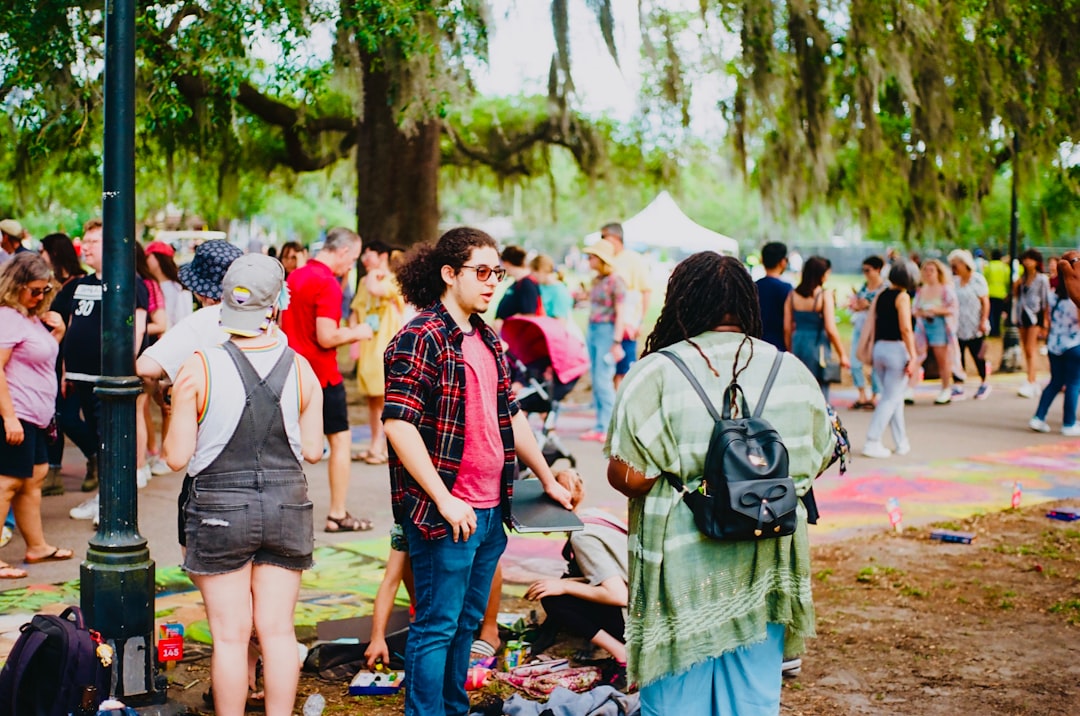
The key to festival survival is planning ahead and setting hard limits. Buy tickets early during pre-sale periods to avoid price increases, and set a strict budget for the entire experience, not just the ticket price. Research accommodation options months in advance, and consider staying farther away from the festival grounds where prices are more reasonable.
Bring your own food and drinks whenever possible. Many festivals allow sealed water bottles and snacks, which can save you hundreds of dollars. Pack a complete first aid kit, portable chargers, and weather-appropriate clothing to avoid expensive on-site purchases.
Group travel can significantly reduce costs. Split accommodation, transportation, and even some meal costs with friends. Consider camping with your own gear instead of paying for upgraded accommodation. Set up a group chat to coordinate purchases and avoid duplicate spending. The most important rule? Decide your total budget before you go, and stick to it no matter what.

Christian Wiedeck, all the way from Germany, loves music festivals, especially in the USA. His articles bring the excitement of these events to readers worldwide.
For any feedback please reach out to info@festivalinside.com
