

- 12 Iconic Pop Culture Moments That Defined the 20th Century - March 30, 2026
- 10 Must-Read Native American Authors - March 30, 2026
- The Most Beautifully Designed Book Covers in History - March 30, 2026
Picture this: a superstar battered by personal demons, industry shifts, or sheer bad luck, only to rise from the ashes with music that echoes louder than ever. Resilience isn’t just a buzzword in music; it’s the secret sauce behind legends who refused to fade away. These stories prove that reinvention can turn yesterday’s has-been into tomorrow’s icon.
From soul-shaking ballads to chart-topping anthems, the comebacks we’ll explore redefined careers and inspired millions. Let’s dive into the grit and glory that brought these artists back stronger.[1][2]
Tina Turner’s Unstoppable Rise
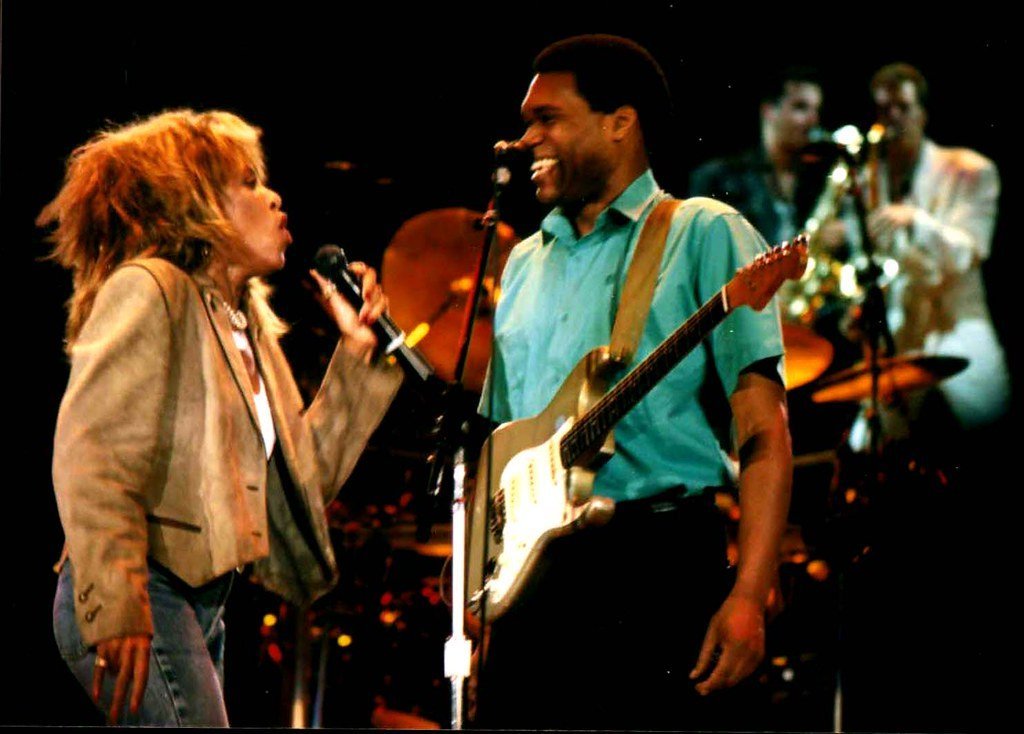
Trapped in an abusive marriage with Ike Turner through the 1970s, Tina faced obscurity after their duo split, scraping by with small gigs and debt. Her solo attempts flopped until she signed with Capitol Records. Private Dancer dropped in 1984, with “What’s Love Got to Do with It” topping charts and earning Grammys.[1][2]
This comeback transformed her into an arena-filling powerhouse, selling millions and proving age meant nothing at 44. It shattered stereotypes for women in rock, influencing generations. Tina’s story became a symbol of survival, her raw energy captivating the world anew.[1]
Johnny Cash’s Raw Renaissance
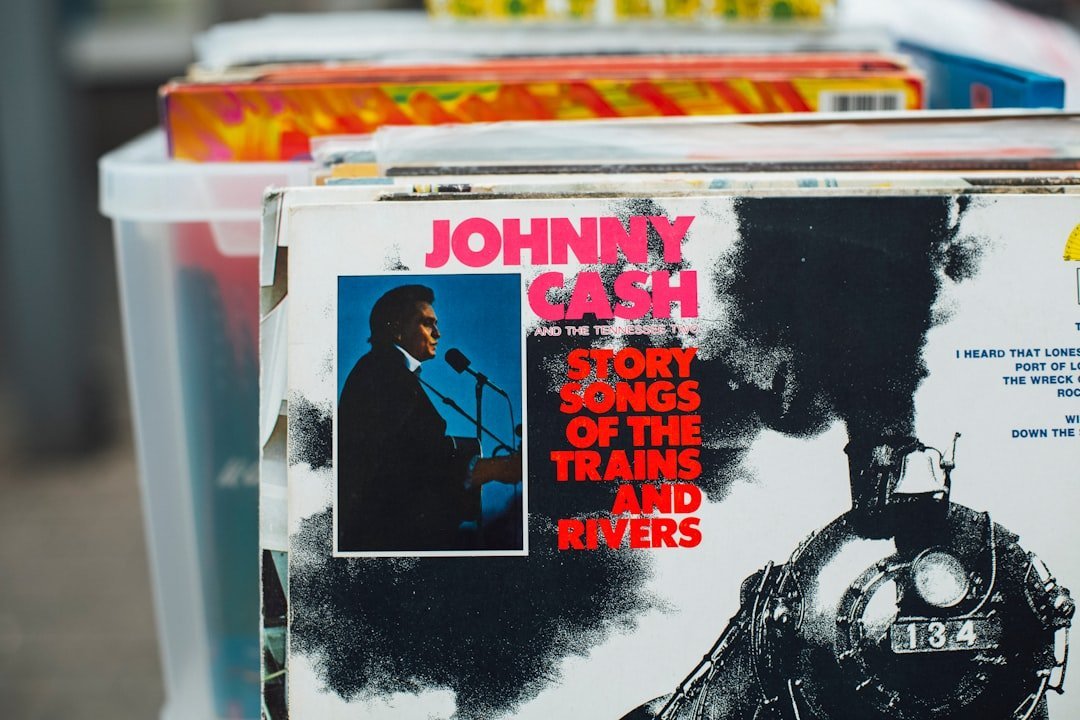
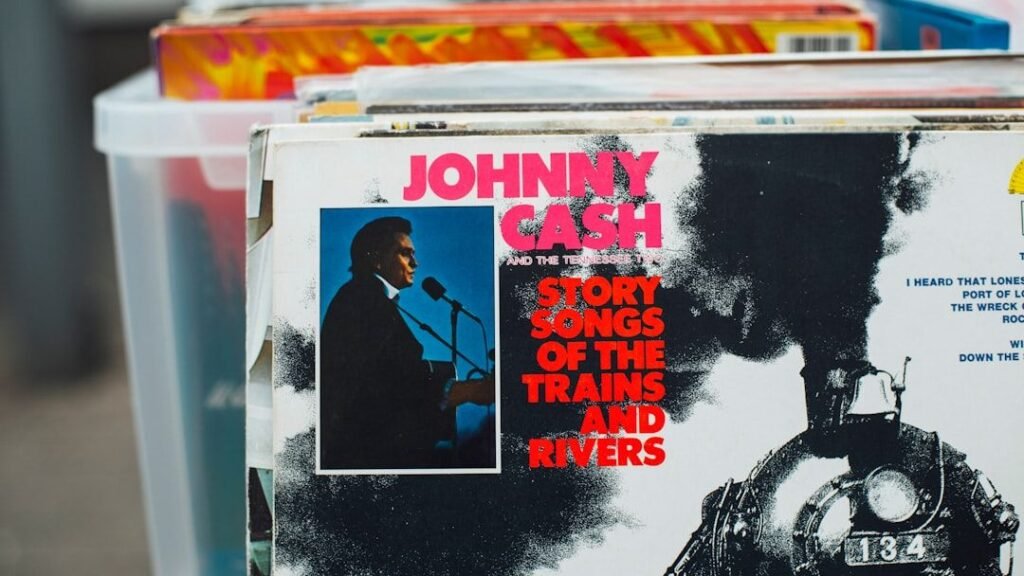
By the 1980s, Johnny Cash battled addiction and waning relevance despite decades of hits, dropped by his label amid health woes. Producer Rick Rubin changed everything with the American Recordings series starting in 1994. Stripped-down covers like Nine Inch Nails’ “Hurt” in a haunting video exposed his vulnerability to younger fans.[1][2]
The series sold steadily, earning critical acclaim and introducing country gospel to rock audiences. It humanized the Man in Black, blending his outlaw image with profound introspection. Cash’s late-career peak reminded everyone that true artists evolve, even in twilight years.[2]
Aerosmith’s Rock Revival
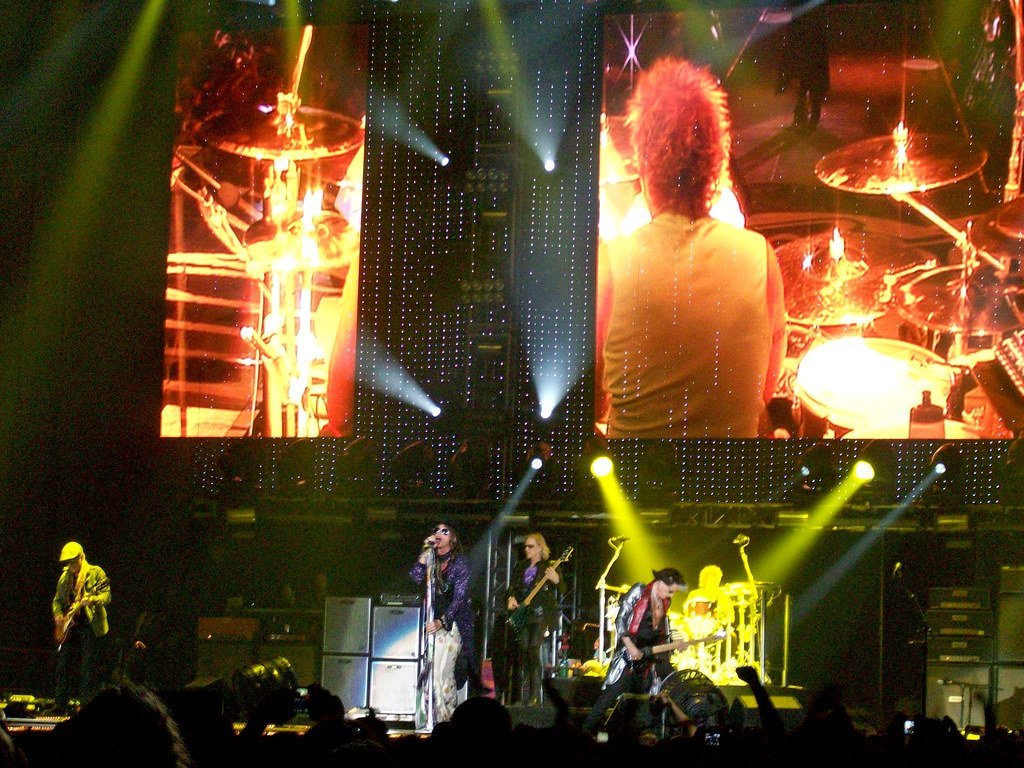
Drugs nearly destroyed Aerosmith in the late 1970s and early 1980s; members quit, sales tanked, and they hit rock bottom. A 1986 remix of “Walk This Way” with Run-D.M.C. bridged rap and rock on MTV. Permanent Vacation in 1987, fueled by outside songwriters, went multi-platinum with hits like “Dude (Looks Like a Lady).”[1][2]
They outsold their classic era, becoming MTV staples and enduring icons. This shift proved hard rock could adapt to pop culture. Aerosmith’s longevity inspires bands facing their own excesses.[2]
Elvis Presley’s Epic Return
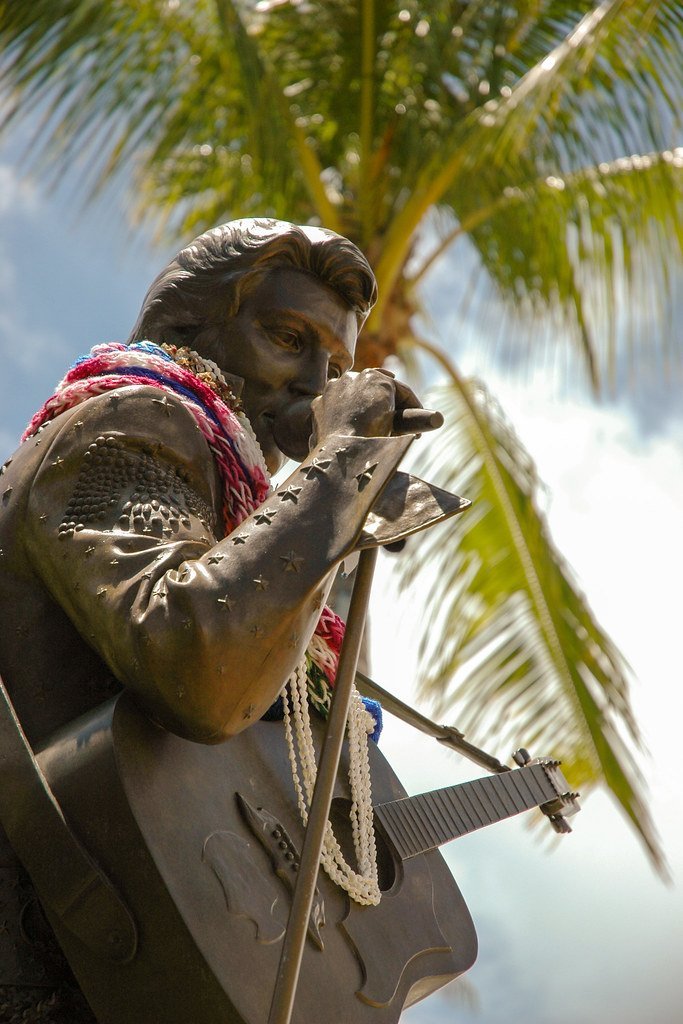
After army service and formulaic movies, Elvis lost his edge by the late 1960s, stuck in Vegas with diminishing fire. The 1968 NBC Comeback Special unleashed leather-clad energy and raw vocals, reigniting mania. From Elvis in Memphis followed in 1969, packed with soulful hits like “In the Ghetto.”[3][1]
He became Vegas royalty until 1977, influencing soul and rock fusion. The special remains a TV milestone, proving charisma conquers complacency. Elvis redefined live performance for superstars.[3]
Cher’s Dancefloor Domination
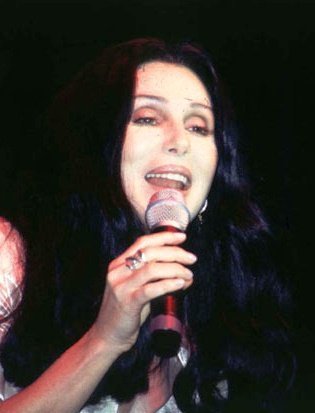
Cher navigated flops post-1970s variety shows and modest hits, fading from charts by the 1990s. Believe arrived in 1998, pioneering Auto-Tune for its stomping dance beat. At 52, she claimed the oldest woman to top the Hot 100, selling over 10 million copies worldwide.[3][1]
It launched her as a gay icon and pop survivor across decades. The song’s innovation shaped electronic music. Cher’s adaptability keeps her relevant even now.[3]
Santana’s Supernatural Surge

Santana languished without a gold album since 1982, label-less after 1970s peaks. Supernatural in 1999 teamed him with Rob Thomas for “Smooth,” dominating radio. The album went 15-times platinum, sweeping nine Grammys including Album of the Year.[1][2]
It fused Latin rock with pop, crossing genres effortlessly. Carlos became a stadium draw again, proving collaborations unlock magic. This miracle revived Woodstock heroes for millennials.[2]
Fleetwood Mac’s Reunion Magic
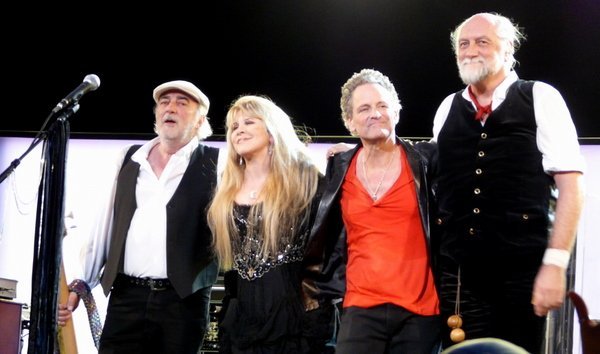
Band turmoil scattered Fleetwood Mac in the 1980s; solo pursuits and fights eroded unity post-Rumours. The Dance live album in 1997 reunited the classic lineup, topping charts with refreshed classics. It sparked tours and new appreciation for their drama-fueled sound.[1][2]
They introduced their saga to younger fans via MTV Unplugged vibes. Internal chaos became their brand’s strength. Fleetwood Mac endures as a testament to messy genius.[1]
ABBA’s Voyage into the Future
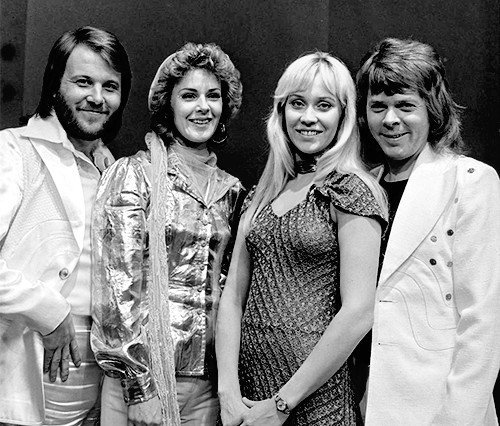
ABBA disbanded in 1982 after disco dominance, members pursued solos amid personal splits. ABBA Gold in 1992 revived nostalgia, but Voyage in 2021 delivered new tracks after 40 years. Virtual avatars tour endlessly, blending tech with timeless hooks.[3][1]
Mamma Mia films amplified their empire, topping charts again. They pioneered holographic shows, future-proofing pop. ABBA shows reinvention knows no expiration date.[1]
The Power of Perseverance in Music
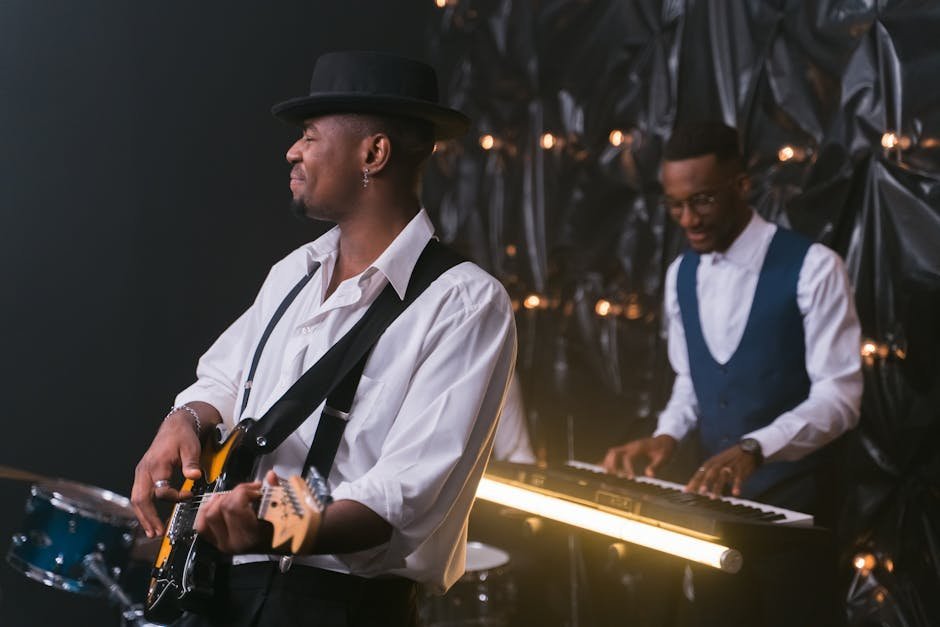
These tales from Tina to ABBA highlight how setbacks forge unbreakable spirits in an unforgiving industry. Perseverance isn’t luck; it’s grinding through pain for that one shot. Music thrives on second chances, turning underdogs into eternals.
Honestly, it’s inspiring, even in 2026’s streaming chaos. What comeback story fires you up most? Share below and keep the conversation rocking.[1][2]

Besides founding Festivaltopia, Luca is the co founder of trib, an art and fashion collectiv you find on several regional events and online. Also he is part of the management board at HORiZONTE, a group travel provider in Germany.
