


In the 1930s and 1940s, radio stood as the heart of home entertainment. Families gathered in living rooms, eyes closed, as voices and sounds wove tales of mystery, adventure, and comedy. This era, often called the Golden Age, relied entirely on audio to spark the imagination before television arrived to reshape daily life.
Listeners tuned in nightly, transported by stories that demanded active participation. No visuals meant every creak or whisper built worlds in the mind. That pure, unadorned storytelling power lingers today, echoing in modern podcasts and audio revivals.
Iconic Programs That Defined the Era
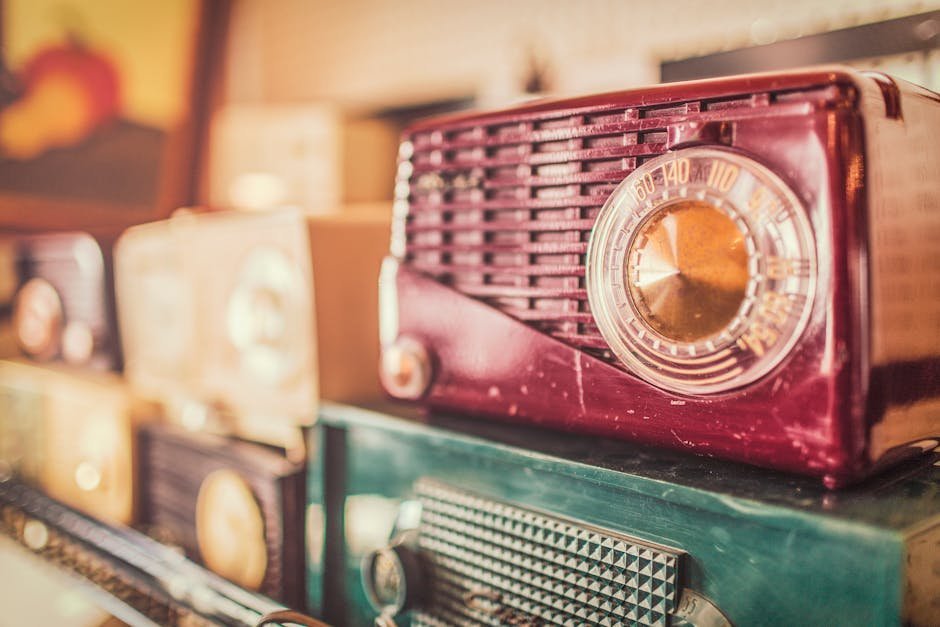
Shows like The Shadow and Suspense drew millions with their gripping crime and mystery plots. The Shadow’s chilling tagline and detective escapades hooked listeners week after week. Orson Welles’s War of the Worlds broadcast in 1938 blurred reality and fiction, sparking nationwide panic and proving radio’s immersive pull.[1][2]
Gunsmoke and Dragnet brought Western and police procedural realism to the airwaves, influencing later TV formats. Programs such as Quiet, Please and Arch Oboler’s Plays experimented with psychological horror and innovative scripts. These staples aired live, creating urgency that kept audiences returning faithfully through the decade.
Masterful Storytelling Techniques
Sound effects formed the backbone of radio dramas, with live artists manipulating doors, gunshots, and rain using everyday objects. A coconut shell for horse hooves or celery snaps for bones added visceral realism. Music swelled to heighten tension, while pauses let imaginations fill the voids.[3][4]
Voice actors shifted accents and emotions seamlessly, painting characters through dialogue alone. Cliffhangers ended episodes on razor edges, ensuring next-week crowds. Orson Welles elevated this with layered audio montages, turning simple narratives into symphonies of suspense.
Audience Engagement in Everyday Life
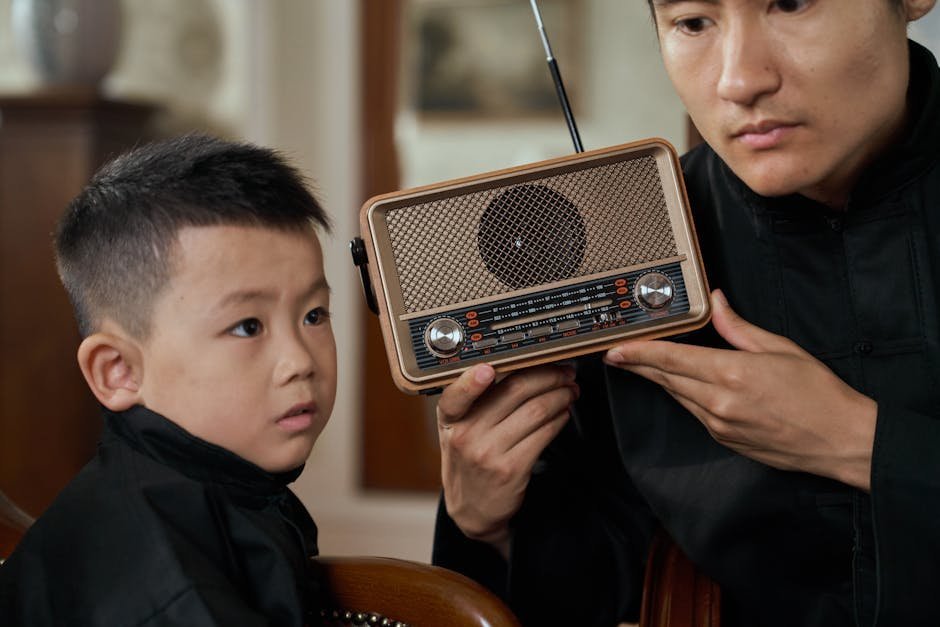
Families clustered around console radios each evening, turning listening into a shared ritual. Parents and children alike hushed for favorites, fostering bonds amid the Great Depression and wartime worries. Stations tracked popularity through fan mail and sponsor sales, fine-tuning content to listener tastes.[5][6]
This communal experience built devoted communities, with listeners discussing plots at work or school. Households adjusted schedules around broadcasts, making stars like those on Amos ‘n’ Andy household names. The intimacy of audio created loyalty that visual media later struggled to match.
Cultural Influence and Broader Reach
Radio dramas shaped American culture, blending escapism with social commentary during tough times. They launched careers for talents who transitioned to film and TV, while genres like sci-fi and noir took root. The medium’s reach unified a nation, delivering news and stories coast to coast.[1]
Today, podcasts revive this spirit, with scripted series like Wolf 359 and Campfire Radio Theater drawing fresh crowds. Audio fiction thrives in 2026, proving the format’s timeless appeal amid streaming overload. That original magic, born in the Golden Age, fuels a new wave of earbud epics.
The Timeless Legacy of Audio Storytelling
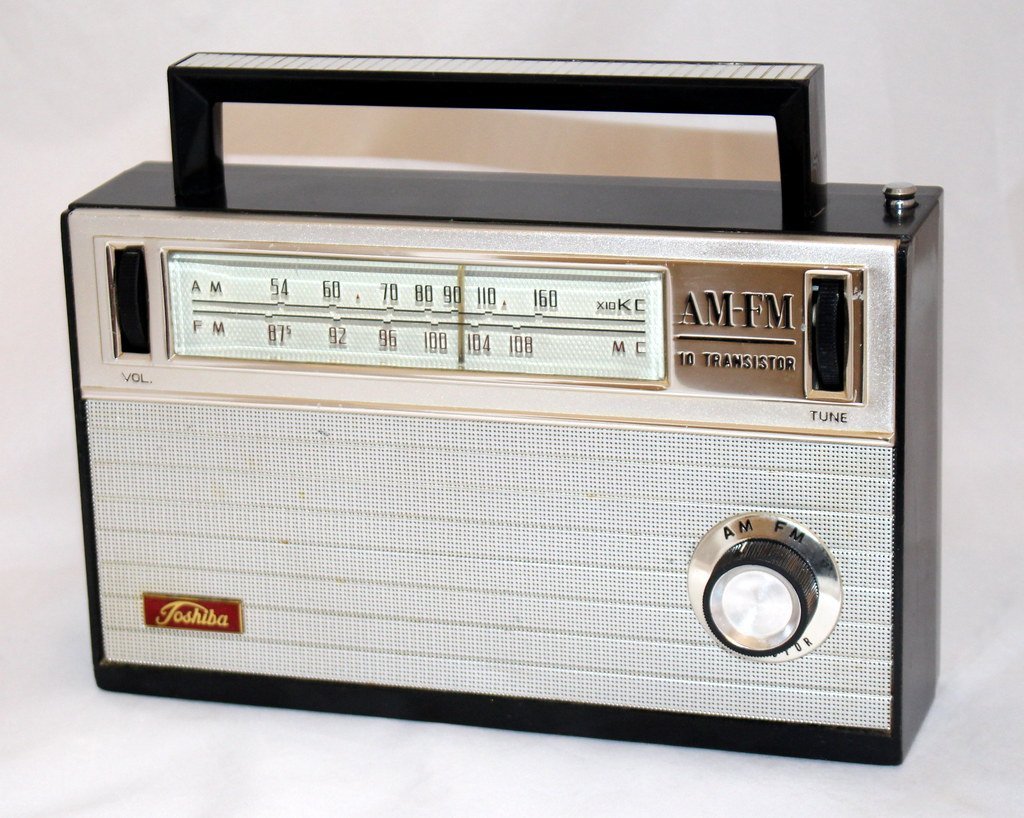
The Golden Age ended as television rose in the 1950s, yet its techniques endure in podcasts and audiobooks. Modern creators nod to radio roots, crafting narratives that demand imagination over visuals. This shift back to audio reflects a craving for focused, personal escapes.
Radio dramas remind us that stories need no screen to enchant. Their spell persists because they trust listeners to co-create the world. In a visual-saturated age, that invitation to dream still resonates deeply.

Besides founding Festivaltopia, Luca is the co founder of trib, an art and fashion collectiv you find on several regional events and online. Also he is part of the management board at HORiZONTE, a group travel provider in Germany.
