

- Anticipated Album Releases of 2025: A Musical Journey Awaits - February 22, 2026
- New York City’s Star-Studded Line-Up: 2025’s Must-See Performances - February 22, 2026
- 25 Times Tech Meets Style: The Best Wearable Gear for 2024 - February 22, 2026
The New York Slave Revolt of 1712
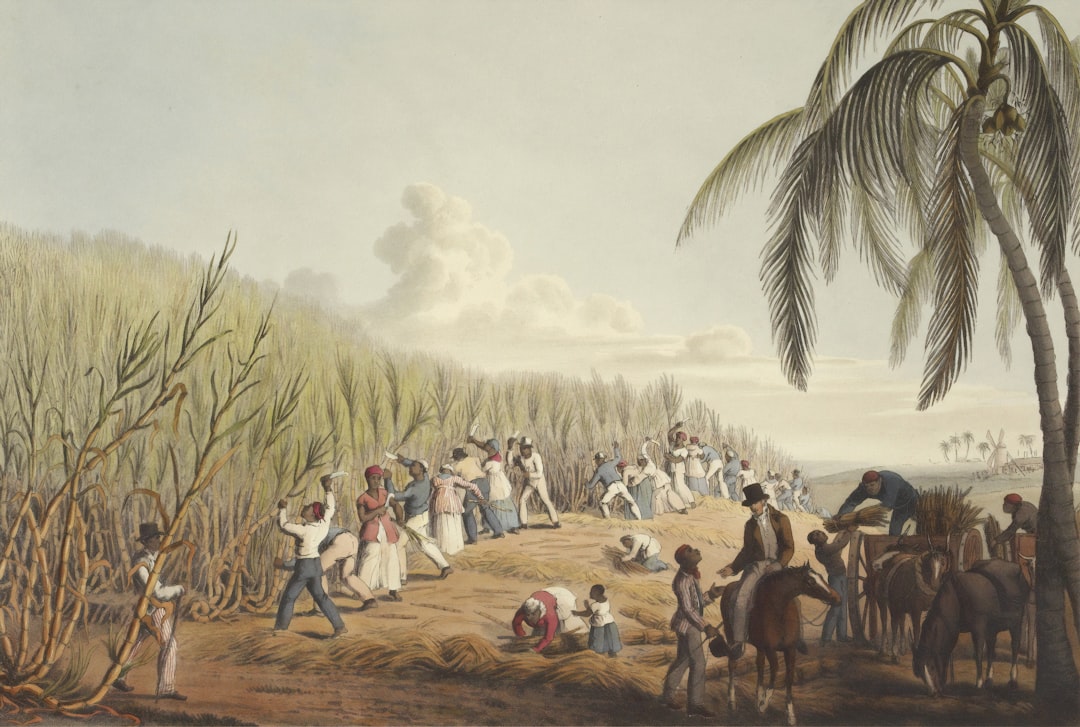
In the early morning hours of April 6, 1712, New York City was rocked by an uprising that most Americans have never heard of today. Around 23 enslaved Africans set fire to a building on Maiden Lane and then attacked white colonists who responded to the blaze. In the chaos, nine white people were killed and six were injured. The rebellion was quickly crushed, but the aftermath was brutal: over 70 Africans were arrested, and 27 were executed. This revolt led colonial authorities to pass even harsher slave codes, aiming to prevent future uprisings. According to historians, this event exposed the deep fear of rebellion among white colonists and highlighted the simmering resistance among enslaved people in the North, not just the South.
The Stono Rebellion of 1739
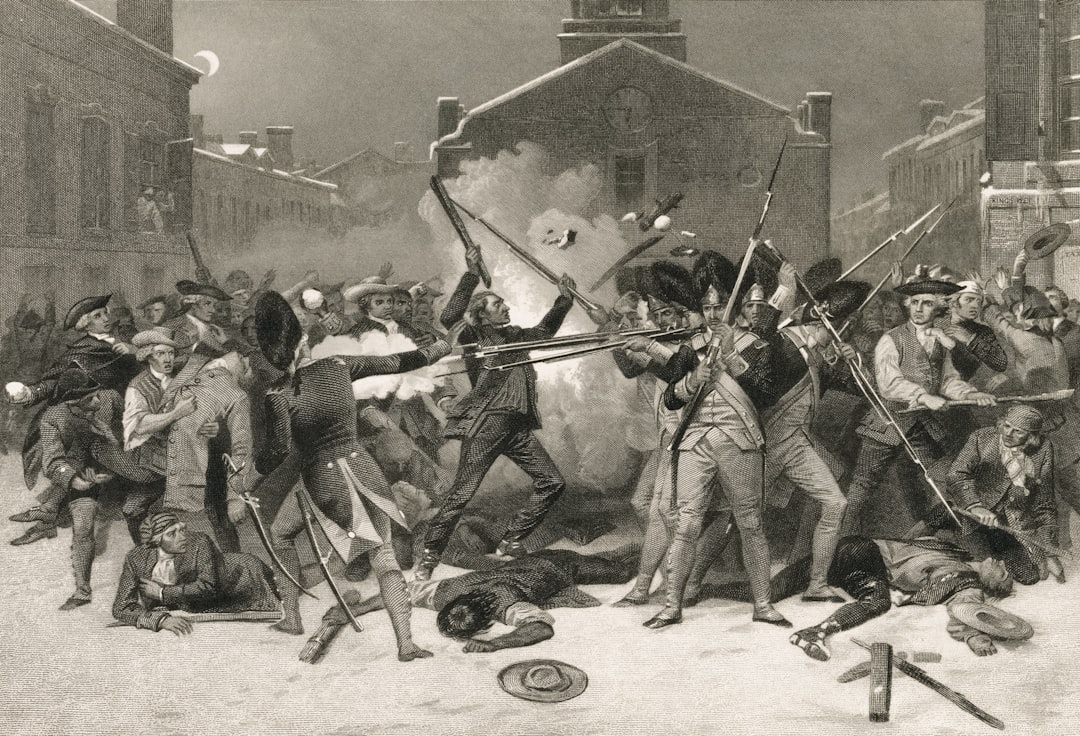
On a September Sunday in 1739, about 20 enslaved Africans near the Stono River in South Carolina launched the largest slave uprising in the British mainland colonies before the American Revolution. Armed with guns and a banner reading “Liberty,” they marched south, killing white settlers and recruiting more enslaved people as they went. By the end, the group grew to about 100, but colonial militia caught up and crushed the rebellion. Around 44 rebels were killed. The Stono Rebellion led to the Negro Act of 1740, which severely restricted slave assembly, education, and movement. The Stono Rebellion is now seen as a turning point that revealed both the desperation and courage of enslaved people.
The New York Conspiracy of 1741
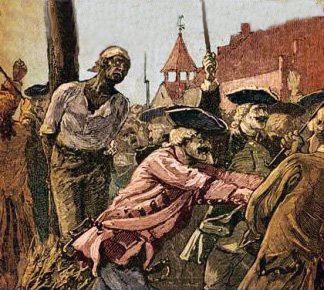
In 1741, a series of mysterious fires swept through New York City, sparking fears of a vast slave plot. Authorities, fueled by paranoia, arrested over 100 black and white residents, accusing them of conspiring to burn down the city and murder its white inhabitants. Eventually, 30 black men, two white men, and two white women were executed. Recent scholarship suggests the “conspiracy” was likely exaggerated, driven by hysteria and racism. Nevertheless, the event heightened racial tensions and led to even stricter slave laws. The trials and executions reveal how easily fear could spiral into violence against enslaved communities.
Gabriel’s Rebellion of 1800
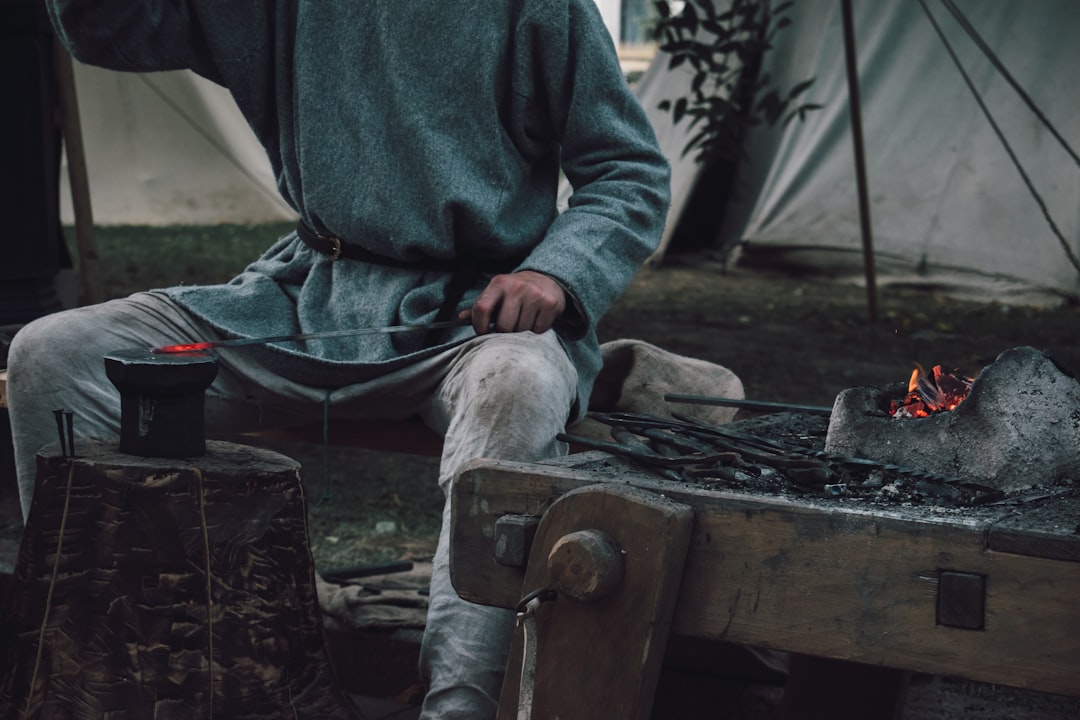
Gabriel Prosser, a literate blacksmith enslaved near Richmond, Virginia, planned a massive uprising in August 1800. Gabriel and his followers intended to seize the city, hold Governor James Monroe hostage, and negotiate freedom for all enslaved people in Virginia. Heavy rains delayed their plan, and informants betrayed the plot to authorities. Dozens were arrested, and 26, including Gabriel, were executed. This planned rebellion terrified white Virginians and led to more severe laws against black literacy, assembly, and religious gatherings. Gabriel’s vision of freedom and his organizational skills are still studied by historians as a testament to resistance and leadership among the enslaved.
German Coast Uprising of 1811
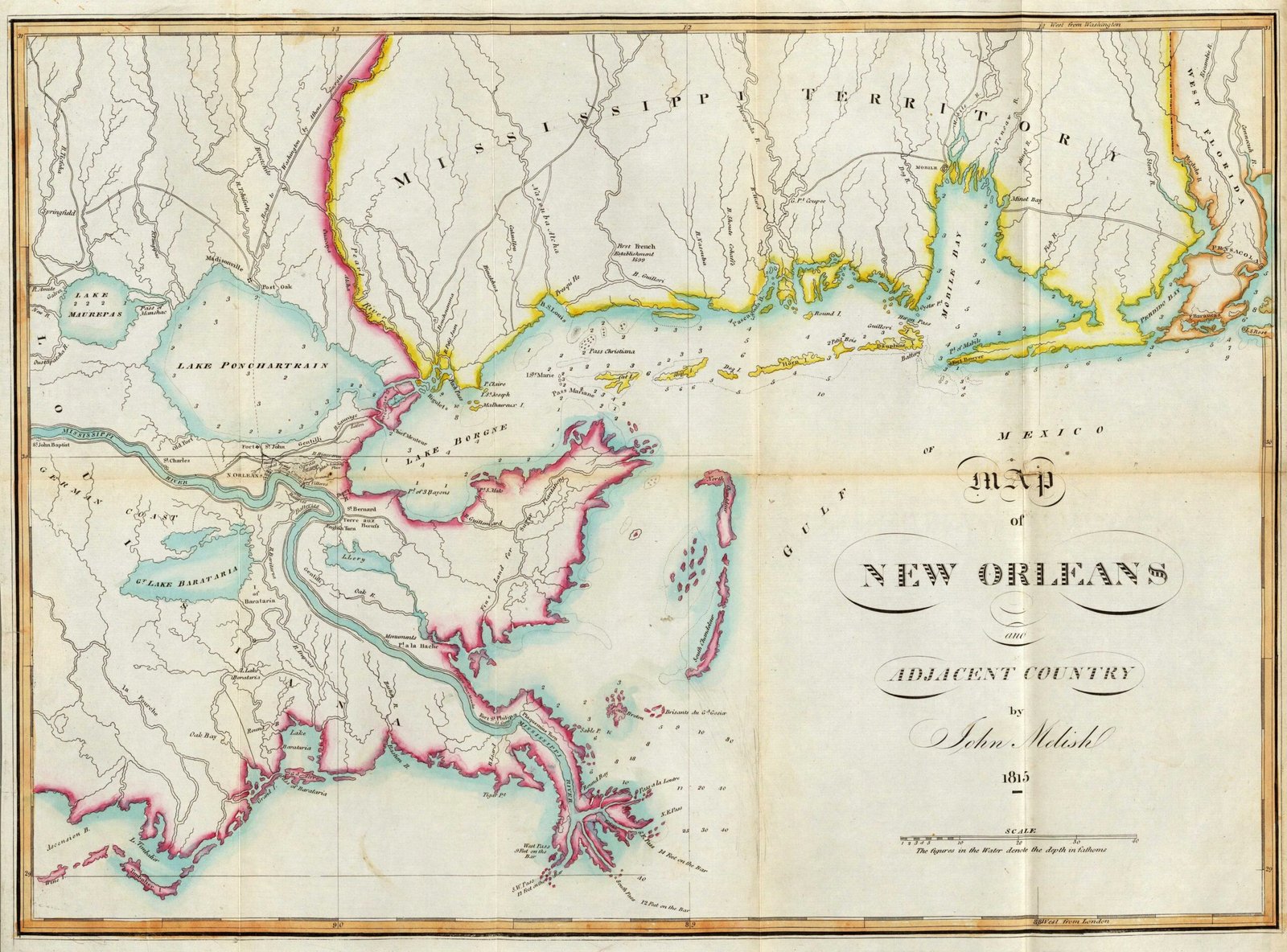
The German Coast Uprising, which erupted in Louisiana in January 1811, is considered the largest slave revolt in U.S. history. Led by Charles Deslondes, hundreds of enslaved people marched from plantations near New Orleans, armed with farm tools and a few firearms. They burned homes and killed several white men as they advanced toward the city. The rebellion was eventually suppressed by local militias and U.S. troops. In the aftermath, nearly 100 enslaved people were killed, many through execution and beheading. This revolt, though largely erased from public memory, forced slaveholders to rethink their sense of security and intensified the violence of slavery in the Deep South.
Denmark Vesey’s Conspiracy of 1822
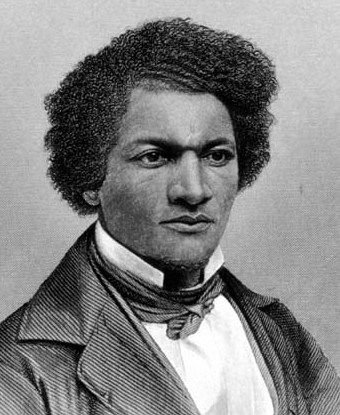
Denmark Vesey, a free black man in Charleston, South Carolina, was accused of masterminding an extensive plot to incite a citywide slave rebellion. The plan reportedly called for thousands of enslaved and free black people to seize weapons, kill slaveholders, and escape to Haiti. The conspiracy was betrayed before it could begin, leading to the arrest and execution of Vesey and 34 others. Over 40 more were exiled or imprisoned. Vesey’s plan reflected the influence of the Haitian Revolution and growing abolitionist sentiment. The crackdown that followed included new laws limiting black mobility and assembly, which had far-reaching impacts for decades.
The Nat Turner Rebellion of 1831
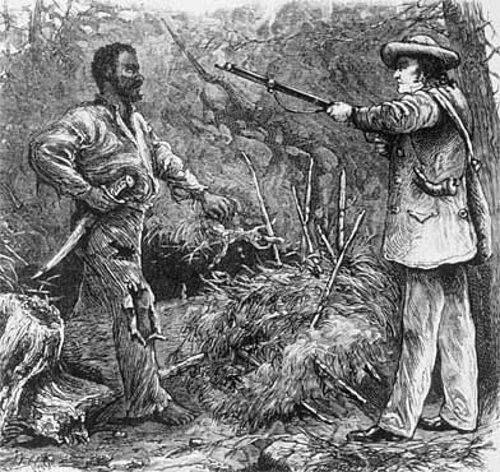
Nat Turner, an enslaved preacher in Southampton County, Virginia, led one of the most famous and deadly slave revolts in American history. On August 21, 1831, Turner and his followers killed around 60 white men, women, and children. The uprising was put down within two days, but Turner remained at large for several months before being captured and executed. In retaliation, white mobs killed more than 100 black people, many of whom had no connection to the revolt. The rebellion resulted in a wave of oppressive laws throughout the South, including bans on black education and religious gatherings. Turner’s revolt remains a symbol of both fear and hope in the legacy of slavery.
Amistad Mutiny of 1839
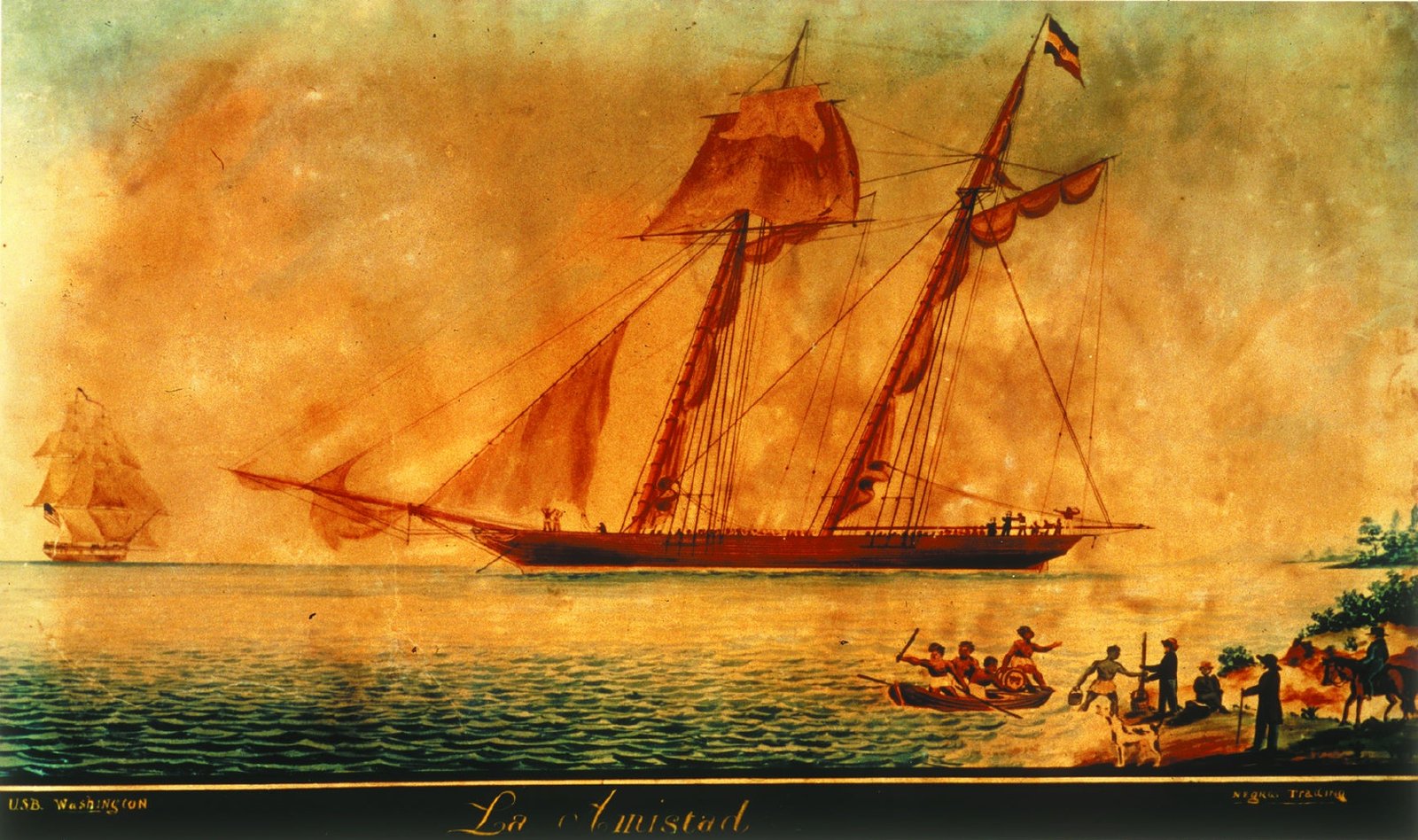
While technically not a rebellion on American soil, the Amistad Mutiny had a major impact on American attitudes toward slavery. In 1839, enslaved Africans aboard the Spanish ship La Amistad overpowered their captors off the coast of Cuba. The ship was seized by the U.S. Navy near Long Island, and the ensuing court case became a national sensation. The Supreme Court eventually ruled in favor of the Africans, recognizing their right to fight for freedom. This case energized the abolitionist movement and highlighted the international dimensions of the struggle against slavery.
The Creole Revolt of 1841
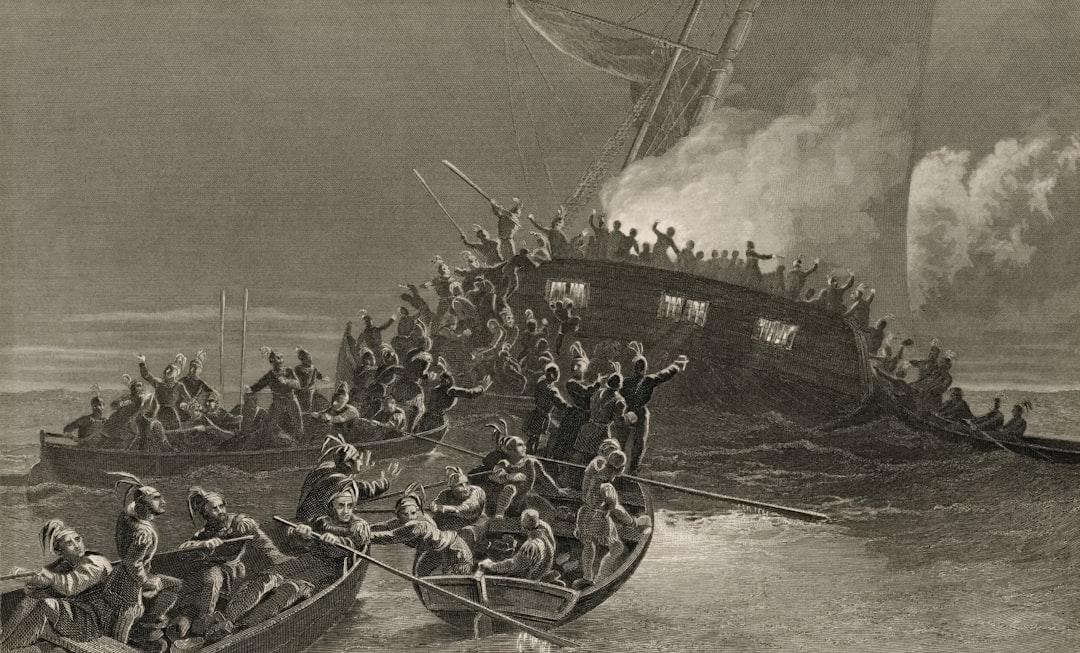
In November 1841, enslaved people aboard the American ship Creole staged a revolt during a voyage from Virginia to New Orleans. Led by Madison Washington, the rebels took control of the ship and sailed it to the Bahamas, where British authorities freed 128 of the enslaved. This event caused a diplomatic crisis between the U.S. and Britain, as American slaveholders demanded the return of their “property.” The Creole Revolt demonstrated the vulnerability of slavery to resistance, even at sea, and further fueled abolitionist calls for freedom.
The Black Seminole Resistance
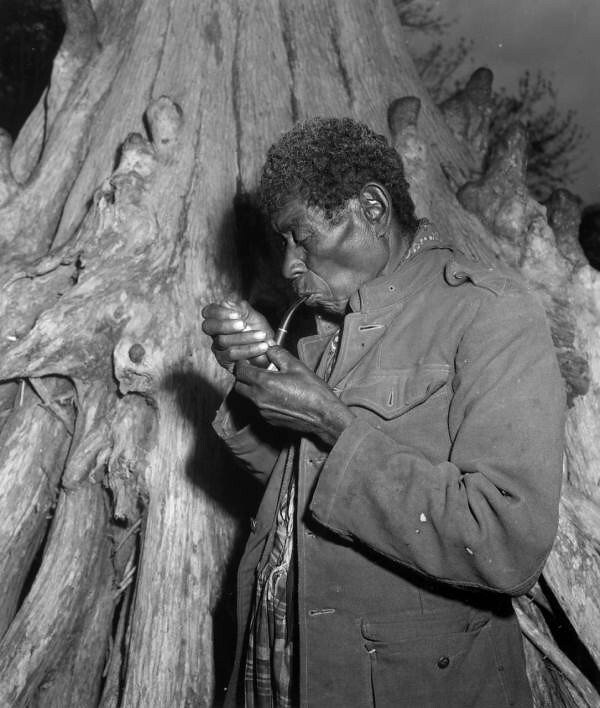
Throughout the early 1800s, escaped slaves in Florida joined with the Seminole people to resist U.S. forces in what became known as the Seminole Wars. Black Seminoles fought alongside Native Americans, creating a rare alliance rooted in shared struggle. Their resistance forced the U.S. government to spend millions and commit thousands of troops over decades. Many Black Seminoles eventually escaped to Mexico, while others were captured and re-enslaved. The Black Seminole resistance challenges the common narrative that enslaved people were always passive victims, showing instead their determination and ingenuity.
The Maroon Communities of the Great Dismal Swamp
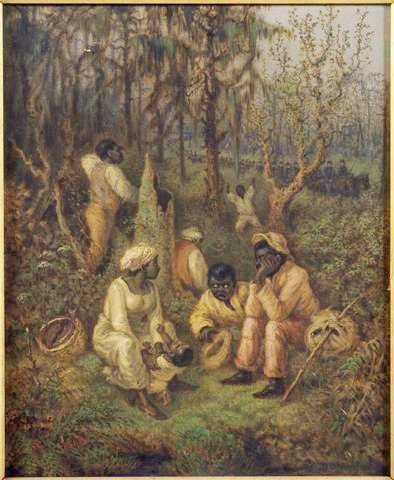
For generations, enslaved people escaped to the Great Dismal Swamp, a vast wetland on the Virginia-North Carolina border, to form maroon communities. These settlements, hidden deep in the swamp, became centers of resistance and survival. Archaeological evidence and oral histories reveal that hundreds, possibly thousands, lived there, farming, hunting, and occasionally raiding plantations. The existence of maroon communities forced slaveholders to invest heavily in patrols and surveillance. These self-sustaining societies are a testament to the enduring human spirit and the lengths to which people would go to find freedom.
The 1842 Slave Insurrection in Cherokee Territory
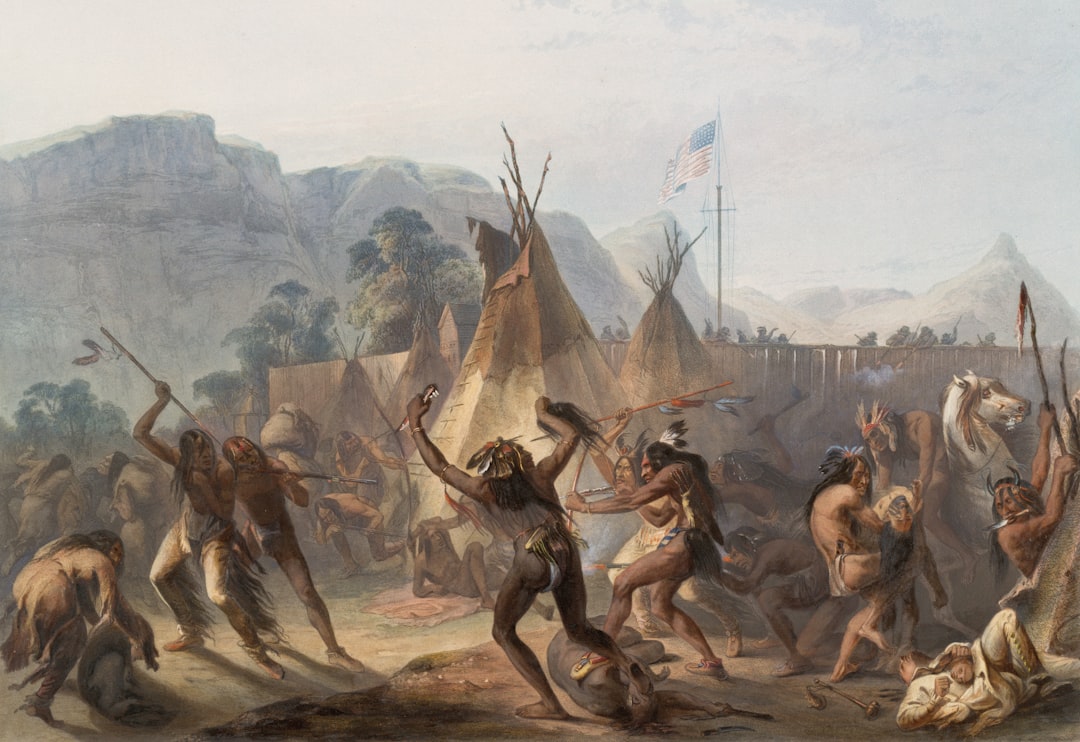
In November 1842, enslaved people held by Cherokee slaveholders in Indian Territory (present-day Oklahoma) rose up in revolt. Led by a small group of men, the rebels killed two slaveholders and made a daring escape attempt toward Mexico. Though most were eventually captured, the uprising alarmed both Native American and white slaveholders. This event highlights the often-overlooked history of slavery within Native communities and shows that the desire for freedom knew no boundaries of race or geography.
The Christiana Resistance of 1851

In September 1851, a group of African Americans and white abolitionists defended a fugitive slave, William Parker, in Christiana, Pennsylvania, from capture by slave catchers. During the standoff, a slave owner was killed. The subsequent trial received national attention, with all defendants acquitted. The Christiana Resistance was one of the first major tests of the Fugitive Slave Act of 1850 and signaled to the nation that enforcement of pro-slavery laws would not go unchallenged in the North. This event emboldened abolitionists and increased tensions between North and South.
The Underground Railroad’s Secret Uprisings
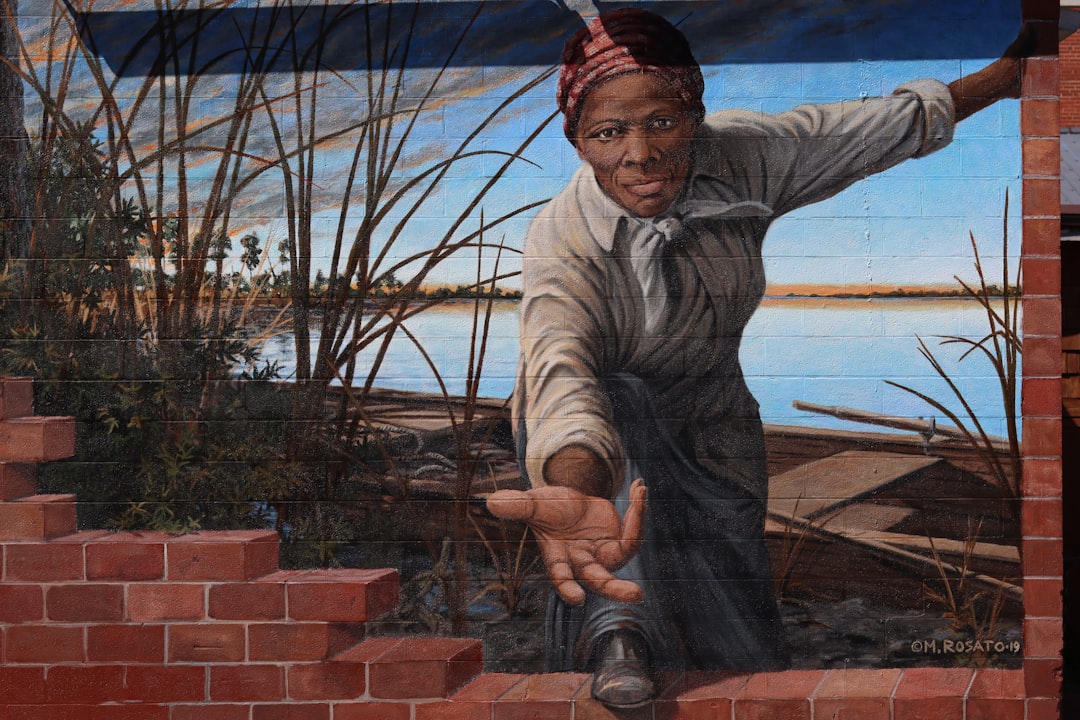
The Underground Railroad was not just a network of safe houses, but also a series of coordinated efforts to undermine slavery. Enslaved people often rose up, sabotaged equipment, and coordinated mass escapes. Historians estimate that tens of thousands escaped this way, with some journeys involving armed resistance. These acts of defiance went far beyond passive flight; they were strategic, collective efforts that destabilized slavery itself. The courage and organization required for these escapes often rivaled open rebellions, showing that resistance came in many forms.
The 1855 Missouri Slave Uprising
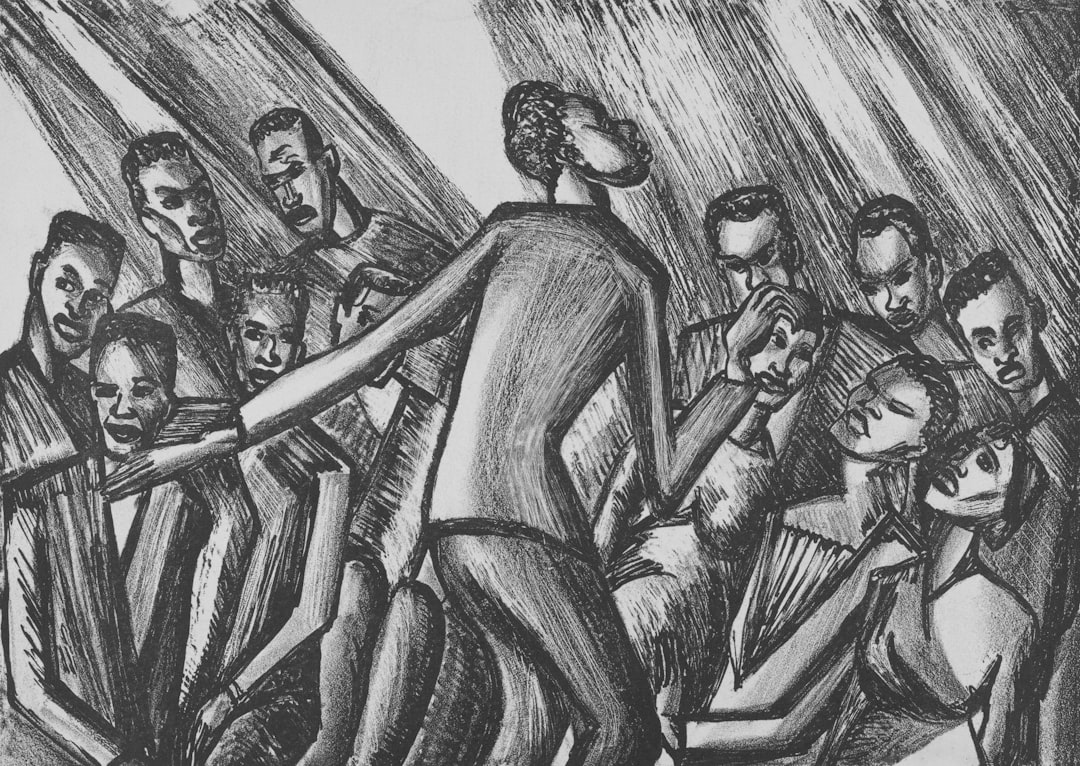
In 1855, a little-known but significant slave uprising took place in Missouri. Enslaved people on several plantations planned to kill their overseers and escape to Kansas, where slavery was under fierce debate. The plot was uncovered before it could be carried out, and several were executed or sold further south. This event is often overshadowed by larger revolts, but it reflects the growing unrest in border states and the influence of the abolitionist movement in the years leading up to the Civil War.
The 1859 Harpers Ferry Raid
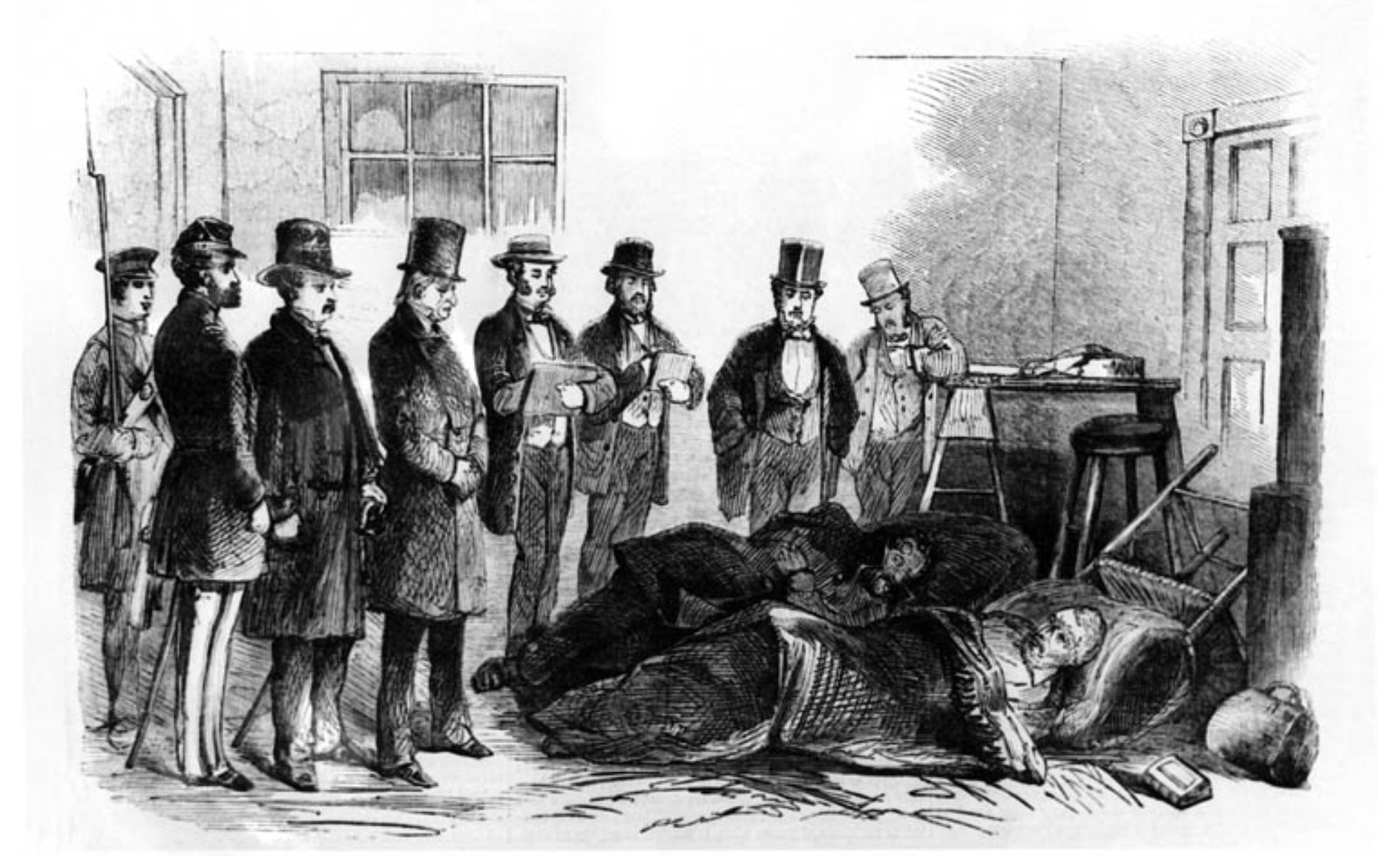
Although led by the white abolitionist John Brown, the Harpers Ferry Raid included formerly enslaved men like Osborne Perry Anderson and Shields Green. Brown’s goal was to spark a massive slave uprising by seizing the federal armory at Harpers Ferry, Virginia. The raid failed, and Brown was executed, but the event sent shockwaves through the nation. It convinced many Southerners that large-scale rebellion was possible and inevitable, helping to push the country closer to civil war.
The 1861 Port Royal Experiment
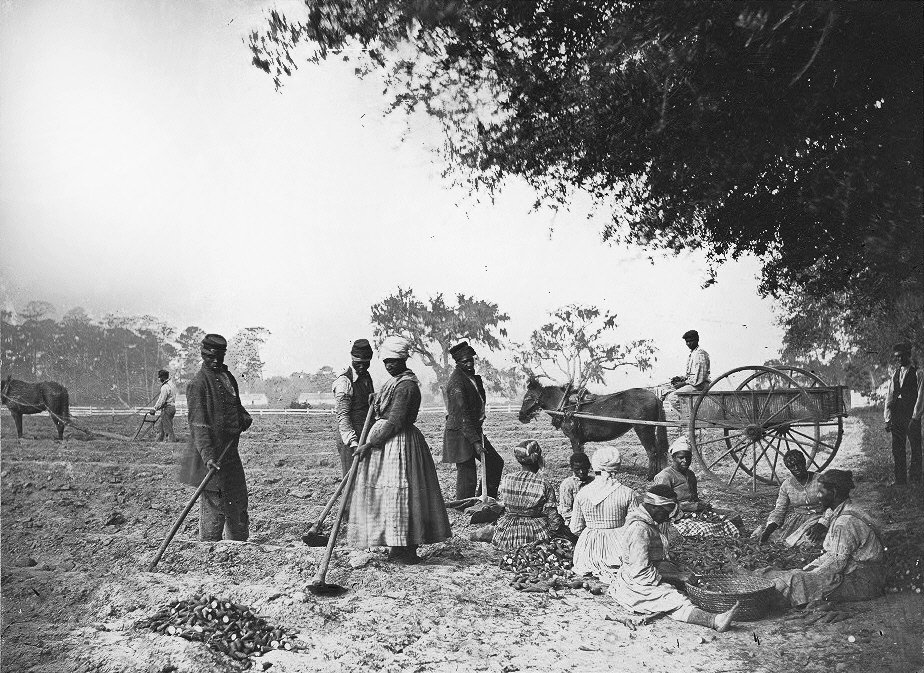
When Union forces captured Port Royal Sound in South Carolina in 1861, thousands of enslaved people liberated themselves and took over abandoned plantations. This self-emancipation, known as the Port Royal Experiment, involved organizing schools, farming cooperatives, and even a black-run military regiment. The success of this experiment challenged the notion that freed slaves were incapable of self-governance. It became a model for Reconstruction policies and demonstrated the potential for formerly enslaved people to thrive when given the chance.
The 1863 New Orleans Black Brigade
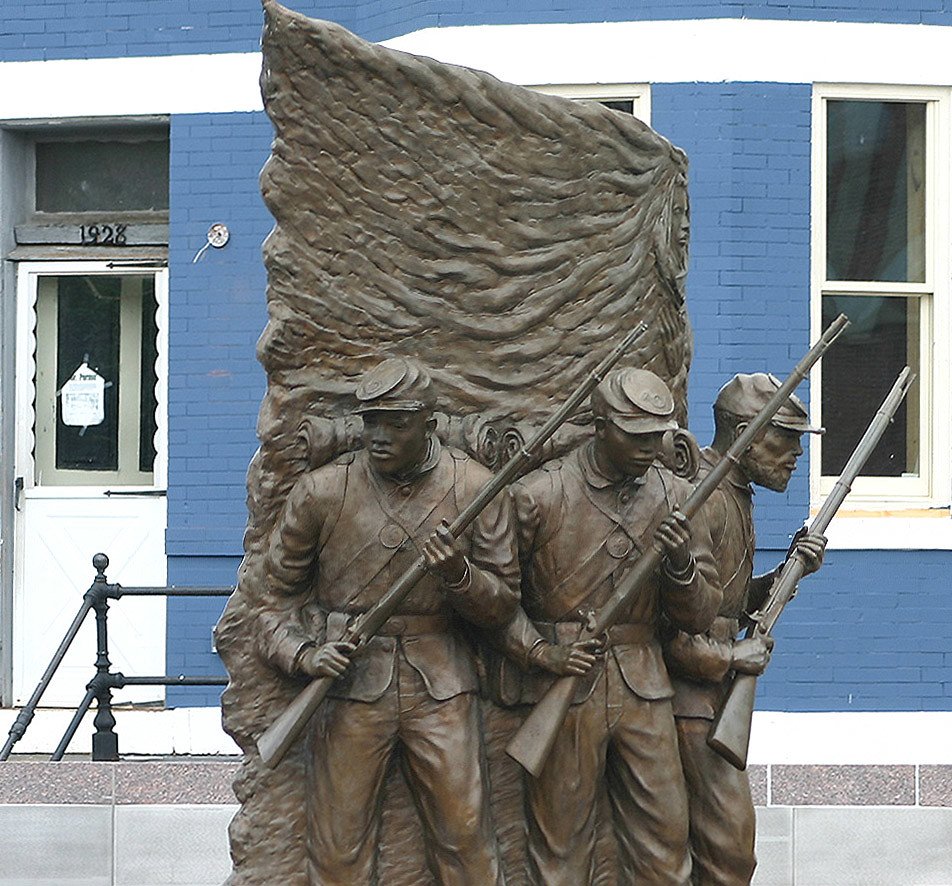
In 1863, during the Civil War, hundreds of free and formerly enslaved black men formed the Louisiana Native Guard, later known as the Black Brigade, to defend New Orleans from Confederate attack. Their participation was initially resisted by white Union officers, but their bravery in battle forced a change in policy. This unit became one of the first official African American regiments in the U.S. Army, paving the way for nearly 200,000 black soldiers to serve in the Civil War. Their courage proved that black resistance could reshape American society in real time.
Resistance in Texas: Juneteenth’s Hidden History
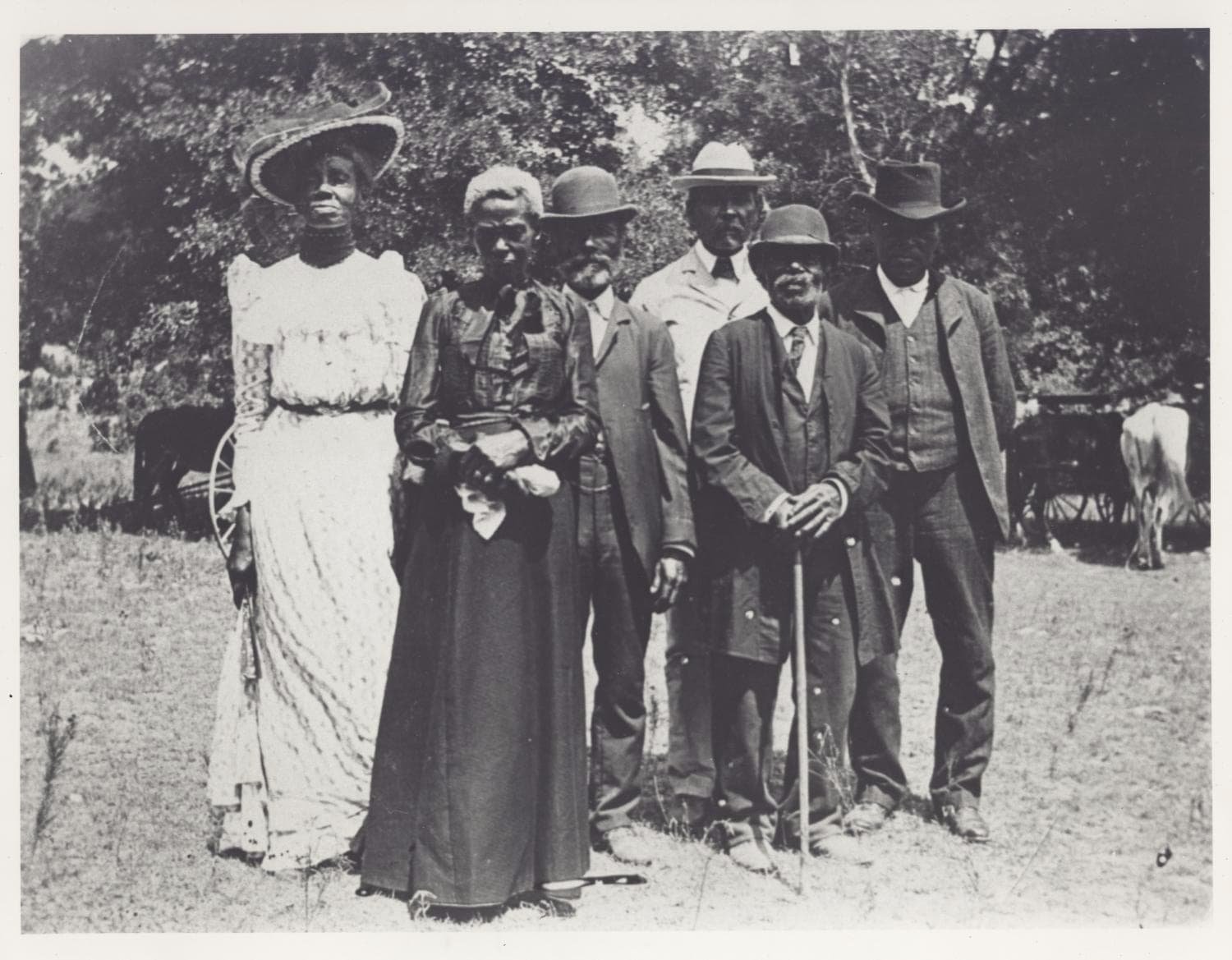
In Texas, where news of emancipation was deliberately withheld until Union troops arrived in Galveston on June 19, 1865, enslaved people continued to resist in subtle but powerful ways. Many slowed their work, sabotaged equipment, or escaped to join Union lines. When freedom finally arrived—now celebrated as Juneteenth—it was the culmination of years of everyday rebellion. The resilience and quiet defiance of Texas’s enslaved people remind us that not all revolts were dramatic, but all played a role in breaking the chains of bondage.
Post-Emancipation Labor Uprisings
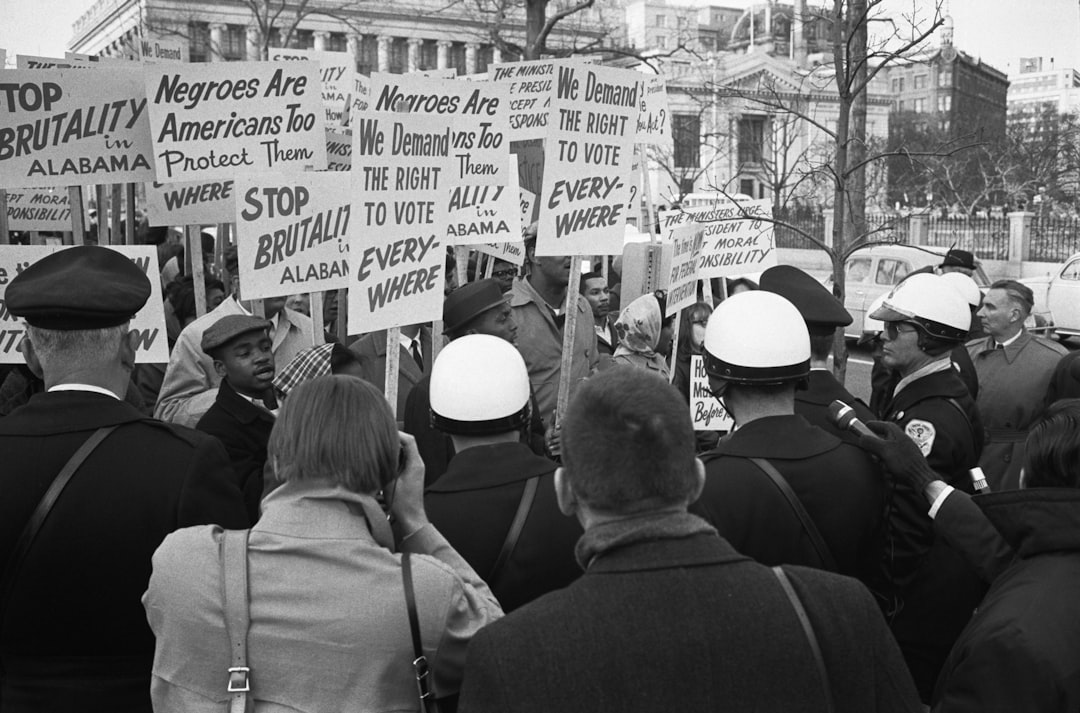
After the Civil War, newly freed African Americans frequently rebelled against the exploitative sharecropping and convict leasing systems that replaced slavery. Strikes, walkouts, and even armed confrontations occurred across the South as black workers demanded fair pay and treatment. In places like Colfax, Louisiana, and Hamburg, South Carolina, violent clashes erupted between black communities and white supremacists. These post-slavery uprisings are often excluded from traditional narratives but were crucial in shaping the ongoing struggle for civil rights and justice in America.
End.

Besides founding Festivaltopia, Luca is the co founder of trib, an art and fashion collectiv you find on several regional events and online. Also he is part of the management board at HORiZONTE, a group travel provider in Germany.
